
Tulum, Mexico: Mayan Cliffside Ruins, Sacred Cenotes & Caribbean Boho
Where pre-Columbian civilization overlooks turquoise Caribbean waters
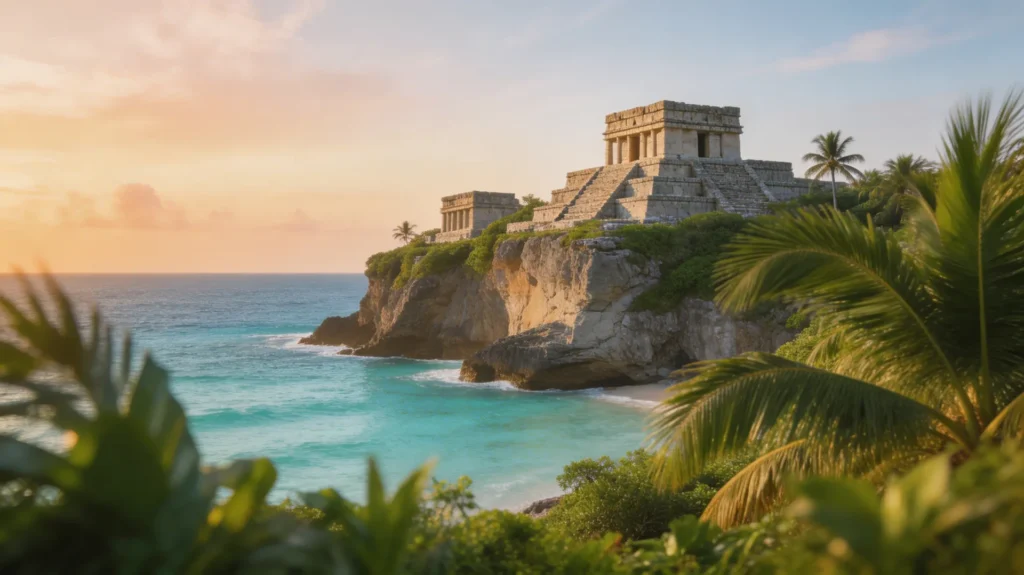
Tulum presents an intoxicating combination of archaeological sophistication, natural beauty, and contemporary cultural energy. The archaeological site itself, perched atop cliffs forty feet above turquoise Caribbean waters, represents late-period Mayan architecture and settlement patterns from approximately the thirteenth to fifteenth centuries. Unlike inland Mayan centers, Tulum functioned as a coastal trade port, receiving goods from throughout Mesoamerica. The fortified walls surrounding the settlement suggest coastal vulnerability to pirates and rival city-states. Yet beyond the archaeological significance lies contemporary Tulum—a bohemian beach town where yoga studios coexist with beachfront restaurants, eclectic artists create alongside developers constructing luxury resorts, and a particular quality of Caribbean lightness infuses daily life. The surrounding region contains thousands of cenotes—freshwater sinkholes created by limestone collapse—some accessible to tourists, others protected for ecological purposes. The combination of Mayan heritage, cenote swimming, and beach town sophistication makes Tulum endlessly compelling despite its increasing commercialization.
Quick Navigation
Mayan Archaeology & Late-Period Settlement
Tulum represents post-Classic Mayan civilization, flourishing during the decline of major inland centers like Chichen Itza and Mayapan. Archaeological evidence suggests occupation from approximately 1200 to 1570 CE, with greatest architectural development between 1300 and 1450. The settlement functioned as both religious center and trade hub, receiving goods including obsidian from central Mexico, cacao from southern lowlands, and ceramics from across the Maya world. The combination of trade goods indicates economic sophistication and far-reaching commercial networks even as Classic-period civilization had long collapsed.
The architectural style reflects late-Maya aesthetic preferences—smaller, more refined structures compared to Classic period grandeur; increased emphasis on defensive architecture; and incorporation of coastal-specific design elements. The Temple of the Descending God features the reclining deity common to late-Maya symbolism. The Great Palace complex demonstrates the hierarchical arrangement typical of Maya noble residences. Understanding these structures requires archaeological expertise; visiting with guides possessing genuine archaeological training transforms observation into education.
The site’s fortification—surrounding walls with limited entry points—reflects Postclassic warfare vulnerability. Unlike Classic period centers, Tulum acknowledged external threats through defensive architecture. This recognition of vulnerability speaks to broader Postclassic conditions: the collapse of hierarchical systems maintaining peaceful coexistence between city-states, the rise of militarism, and eventual fragmentation preceding Spanish conquest.
Cliff Location & Coastal Significance
The cliff-top location provides both practical and symbolic advantages. Defensively, the elevated position provided observation of approaching vessels and protected against sudden raids. The white limestone cliffs rising dramatically from turquoise water create visually striking architecture—the Temple of the Descending God and other structures appear to emerge from the cliff face itself. This architectural relationship to landscape reveals Mayan understanding of how structures interact with natural geography.
The Caribbean location established Tulum as a crucial node in maritime trade networks. Archaeological evidence suggests regular contact with Yucatan coastal settlements, central Mexican interior cities, and Maya centers throughout the peninsula. Obsidian tools found at Tulum originated in volcanic regions of central Mexico, hundreds of kilometers away. This wide distribution of trade goods indicates merchant networks spanning a continental scale, revealing sophistication of pre-Columbian commerce.
The beach immediately below the cliff remains inaccessible directly from the archaeological site, though some visitors attempt cliff-facing climbs to reach water. The beach does provide access via separate pathways where visitors can swim and snorkel in Caribbean waters. The contrast between archaeological precision above and natural beach environment below creates unique environmental integration.
Cenote Swimming & Underground Rivers
Cenotes define the Yucatan Peninsula’s geography and hydrology. These sinkholes resulted from limestone bedrock collapse, exposing underground rivers flowing through vast cave systems. The result creates freshwater pools ranging from tiny underground caverns to immense open-air lakes. The cenotes’ creation reflects the peninsula’s geological history—limestone accumulated as a coral reef during periods of higher ocean levels, then exposed when sea levels dropped. Contemporary precipitation percolates through porous limestone, creating the underground hydrological systems feeding cenotes.
Cenote swimming offers otherworldly experience. The water remains cool year-round—typically 25-26°C—creating refreshing contrast to tropical heat. The clarity allows observation of limestone formations beneath water surfaces, cave systems extending beyond visible scope, and the sheer scale of underground cavities. Some cenotes feature bioluminescent organisms, transforming evening swimming into surreal light-show experiences as movement triggers visible organism response.
The most popular cenotes near Tulum face overcrowding as tourism expands. The experience diminishes when dozens of tourists populate shallow water simultaneously, yet less-visited cenotes offer solitude and genuine immersion. Guides with local knowledge can direct visitors toward less-touristed sites, maintaining privacy at cost of additional travel. The archaeological sites of Coba, Muyil, and Xel-Há each feature cenote access, allowing integrated archaeological and swimming experiences.
Beach Town Culture & Bohemian Life
Contemporary Tulum transcends beach tourism through its bohemian cultural character. The town attracts artists, spiritual seekers, and creatives attracted by the combination of natural beauty, low cost of living, and existing alternative community. This creative migration created distinct neighborhoods: the hotel zone concentrates tourist infrastructure; downtown Tulum village maintains functioning local commerce and residential character; and outlying areas host yoga communities, artistic colonies, and alternative lifestyle experiments.
The yoga scene permeates Tulum culture—studios proliferate throughout the town, offering everything from traditional vinyasa flow to eclectic fusion classes. Many schools operate on donation basis or sliding-scale pricing, creating accessibility for residents and budget travelers. The practice attracts practitioners seeking spiritual development, physical health benefits, and community within alternative lifestyle frameworks.
The culinary scene reflects bohemian cultural influences. Beyond standard Mexican street food and tourist restaurants exist farm-to-table establishments sourcing local organic ingredients, fusion restaurants combining Mexican and international cuisines, and wellness-focused establishments emphasizing nutritional optimization. The restaurant scene’s sophistication rivals major cities despite Tulum’s small size, reflecting the creative class’s gastronomic demands.
Eco-Parks
Xel-Há, Xcaret, and similar eco-parks combine cenote swimming, archaeological sites, and organized nature experiences. These commercialized environments offer convenience at cost of authenticity and environmental impact consideration.
Coba Ruins
Forty-five kilometers inland, this large archaeological site features a 42-meter pyramid—the tallest in the Yucatan. The jungle setting provides different atmosphere compared to coastal Tulum’s agricultural surroundings.
Snorkeling & Diving
The cenote-based diving offers completely distinct experience compared to reef diving. Underground cave diving requires specialized training and experienced guides managing complex underwater navigation.
Lagoon Ecosystems
Laguna Muyil and other protected lagoons offer kayaking through mangrove systems and coastal wetlands. The ecosystem supports distinctive fauna including manatees and crocodiles.
Surrounding Archaeological Sites
The Tulum region concentrates numerous archaeological sites within modest distances, enabling multi-site day trips. Muyil, thirty kilometers south, features less-crowded ruins within jungle setting overlooking lagoon ecosystems. The site represents earlier settlement periods preceding Tulum’s development, offering perspective on the region’s extended occupation history. The lack of crowds makes Muyil excellent for travelers seeking archaeological experience without tourist masses.
Coba, previously mentioned, ranks among the Yucatan’s most significant sites. The settlement covered a larger geographic area than Tulum, suggesting greater population and economic resources. The jungle-integrated setting creates atmospheric differences from Tulum’s cliff position—walking through dense vegetation toward monumental structures creates different psychological experience compared to open archaeological park environments.
Akumal, between Tulum and Playa del Carmen, offers accessible snorkeling in bay environment where sea turtles frequently appear. The shallow water and sandy bottom reduce diving difficulty, creating opportunities for shallow snorkeling without professional certification. The sea turtle encounters create meaningful wildlife observation experiences distinct from cenote swimming.
Practical Visit Information
Tulum’s proximity to Cancun airport (approximately 80 kilometers north) makes ground transportation straightforward. Rental vehicles provide maximum flexibility for cenote exploration; minibus shuttles offer budget option with less autonomy. The town extends along the highway corridor separating hotel zone from residential areas. Walking between locations requires navigating highway traffic; bicycles, mopeds, and taxis provide more practical transportation.
Accommodation ranges from beachfront luxury resorts to budget hostels and mid-range hotels. The hotel zone concentrates touristic amenities; downtown Tulum offers better value and more authentic local experience. Extended-stay options (weeks or months) appeal to individuals seeking temporary relocation for yoga training, artistic projects, or spiritual exploration.
The tropical climate brings afternoon rains (particularly May-October) though showers typically clear quickly. Heat and humidity require physical adaptation; hydration and sun protection become essential. The Caribbean beaches support marine ecosystems vulnerable to overtourism; reef-safe sunscreen use represents individual contribution to environmental conservation.
Archaeological Site Hours
Tulum ruins open daily 8 AM-5 PM with entry fees approximately $5 USD. Early morning visits avoid crowds and provide better photography light. Guides enhance experience significantly and cost approximately $40-80 for multi-person groups.
Cenote Access
Most cenotes charge $5-20 entrance fees. Some private cenotes offer reserved access at premium prices. Visiting multiple cenotes during multi-day stays reveals distinctive characteristics and varying development levels.
Local Currency
Mexico operates with Mexican Pesos (MXN). US dollars receive acceptance in tourist zones though exchange rates favor peso transactions. ATMs distribute throughout the region for peso withdrawal.
The contemporary Tulum experience involves confronting commercialization’s impacts on travel destinations. The town has transformed from laid-back beach village into popular tourist destination with corresponding infrastructure expansion, pricing increases, and cultural changes. Yet this doesn’t render Tulum without value—the archaeological significance remains genuine; the natural environment remains beautiful; the creative community persists despite tourism pressures. Visiting Tulum requires accepting that authentic experience coexists with commercialization; travelers can embrace both while maintaining awareness that tourism itself reshapes the places it celebrates.
The cenotes support biodiversity extending beyond recreational swimming. Underground cave systems host specialized species adapted to darkness and consistent temperatures—blind fish, transparent shrimp, and cave crickets have evolved in these isolation chambers over millennia. The caves also contain archaeological evidence of pre-Columbian human activity—some cenotes contain remains of individuals, suggesting ceremonial significance. Modern cave diving enables exploration of these ecosystems and archaeological sites, though access remains restricted to prevent environmental damage.
The broader Quintana Roo coast encompasses numerous additional archaeological sites and natural areas beyond Tulum’s immediate region. The Barrier Reef system (Mesoamerican Reef) represents world’s second-largest coral reef, extending along Mexico’s Caribbean coast and into Belize. Snorkeling and diving opportunities throughout the region reveal marine ecosystems supporting extraordinary biodiversity. This coastal stretch represents one of Mexico’s most environmentally significant regions, yet faces escalating pressures from tourism development and climate change-induced coral bleaching.
Explore Past & Present
Tulum rewards travelers seeking combination of archaeological education, natural beauty, and contemporary cultural engagement. The archaeological significance demands serious attention; the cenotes offer swimming transcendence; the beach town culture provides daily experience richness. Plan minimum three days to integrate these experiences—one day focused on archaeology and surrounding sites, one day exploring cenotes, one day integrating into local life through yoga classes, restaurants, and beach time.