
Siem Reap, Cambodia: Angkor Wat Gateway, Floating Villages & Khmer Legacy
Gateway to the World’s Grandest Temple Complex and Ancient Khmer Kingdoms
Siem Reap represents one of the world’s most compelling travel destinations, combining historical significance with contemporary cultural vitality. The city showcases extraordinary architectural achievements, distinctive cultural traditions, and opportunities for meaningful traveler engagement with local communities and heritage preservation.
Visitors to Siem Reap encounter layered histories—ancient civilizations, colonial periods, post-colonial development, and contemporary globalization all visible in architecture, cultural practices, and daily life. Understanding these layers enriches travel experiences by providing context for observed phenomena.
Contemporary Siem Reap balances preservation of cultural heritage with economic development through tourism. Sustainable travel practices remain essential for ensuring tourism benefits align with preservation goals.
Table of Contents
Historical Significance & Heritage
Siem Reap developed through centuries of cultural synthesis. Historical forces including trade networks, empire-building, colonialism, and independence movements shaped the city’s development.
Museums, historical sites, and cultural institutions throughout Siem Reap document historical narratives. These resources provide educational opportunities.
Contemporary Siem Reap continues evolving—historical preservation coexists with modern development.
Contemporary Culture & Traditions
Siem Reap’s cultural character reflects historical inheritances combined with contemporary innovation. Local communities maintain traditions while engaging with global influences.
Markets, festivals, and community gathering spaces provide opportunities to observe and participate in local cultural expression.
Historical Sites
Monuments documenting past periods and achievements
Living Traditions
Contemporary expressions rooted in historical inheritances
Sacred Spaces
Religious sites maintaining spiritual significance
Community Spaces
Gathering areas revealing daily social life
Key Attractions & Sacred Sites
Siem Reap contains numerous significant sites reflecting historical importance and cultural significance.
Sacred sites remain functioning religious and community spaces. Visiting requires cultural sensitivity.
Day trips and excursions from Siem Reap provide access to surrounding cultural and natural sites.
Local Experiences & Activities
Exploring Siem Reap involves engaging with daily life—markets, restaurants, neighborhoods, and social spaces.
Markets provide multisensory immersion in local commerce, agriculture, and culture.
Evening activities in Siem Reap range from cultural performances to casual social gatherings.
Planning Your Visit
Practical planning considerations for Siem Reap include transportation, accommodation, visa requirements, climate, and seasonal factors.
Seasonal considerations significantly impact Siem Reap experiences. Climate affects outdoor exploration feasibility.
Siem Reap accommodations range from luxury establishments to budget guesthouses. Mid-range options typically provide good value.
Getting Around Siem Reap & Practical Tips
Siem Reap is a small city built for tourism, and getting around is straightforward. The town center — Pub Street, Old Market, and the main hotel district — is easily walkable in 20 minutes end to end. Renting a bicycle (about $2-3 per day from most guesthouses) is the best way to explore the town at your own pace and even ride into the closer Angkor temples.
For the Angkor temple complex itself, most visitors hire a tuk-tuk driver for a full day ($15-20 for the small circuit, $25-30 for the grand circuit). Your driver waits at each temple while you explore — it is the standard arrangement and works brilliantly. Agree on the route and price the night before through your hotel. The PassApp ride-hailing service also works well for one-off trips within the city at metered rates.
The Angkor Archaeological Park pass is essential: $37 for one day, $62 for three days (usable within 10 days), or $72 for seven days (usable within a month). The three-day pass offers the best value for most visitors. Buy passes at the official ticket office on Apsara Road — they include a photo taken on-site. Arrive at 5 AM for Angkor Wat sunrise, or choose Srah Srang or Pre Rup for a less crowded sunrise alternative.
Where to Eat in Siem Reap
Cambodian cuisine (Khmer food) is distinct from its Thai and Vietnamese neighbors — less spicy, more aromatic, with heavy use of fresh herbs, lemongrass, and prahok (fermented fish paste). The essential dish is fish amok — a silky coconut-curry custard steamed in banana leaves, found at restaurants across town. The best versions use fresh Tonle Sap lake fish and cost $4-6 at local restaurants along Sivatha Boulevard.
The Old Market (Phsar Chas) area has the best concentration of affordable Khmer food — lok lak (stir-fried beef with pepper-lime sauce), Khmer red curry, and nom banh chok (rice noodles with green fish curry) all available for $2-4. For street food, the stalls lining Street 60 and the night market serve grilled meats on sticks, fried spring rolls, and fresh fruit shakes for under $1.
Best Time to Visit Siem Reap
The cool, dry season from November through February is peak time — temperatures around 25-30°C, blue skies, and manageable humidity. December and January bring the biggest crowds and highest hotel prices, so book well ahead. The shoulder months of November and late February offer nearly as good weather with fewer visitors.
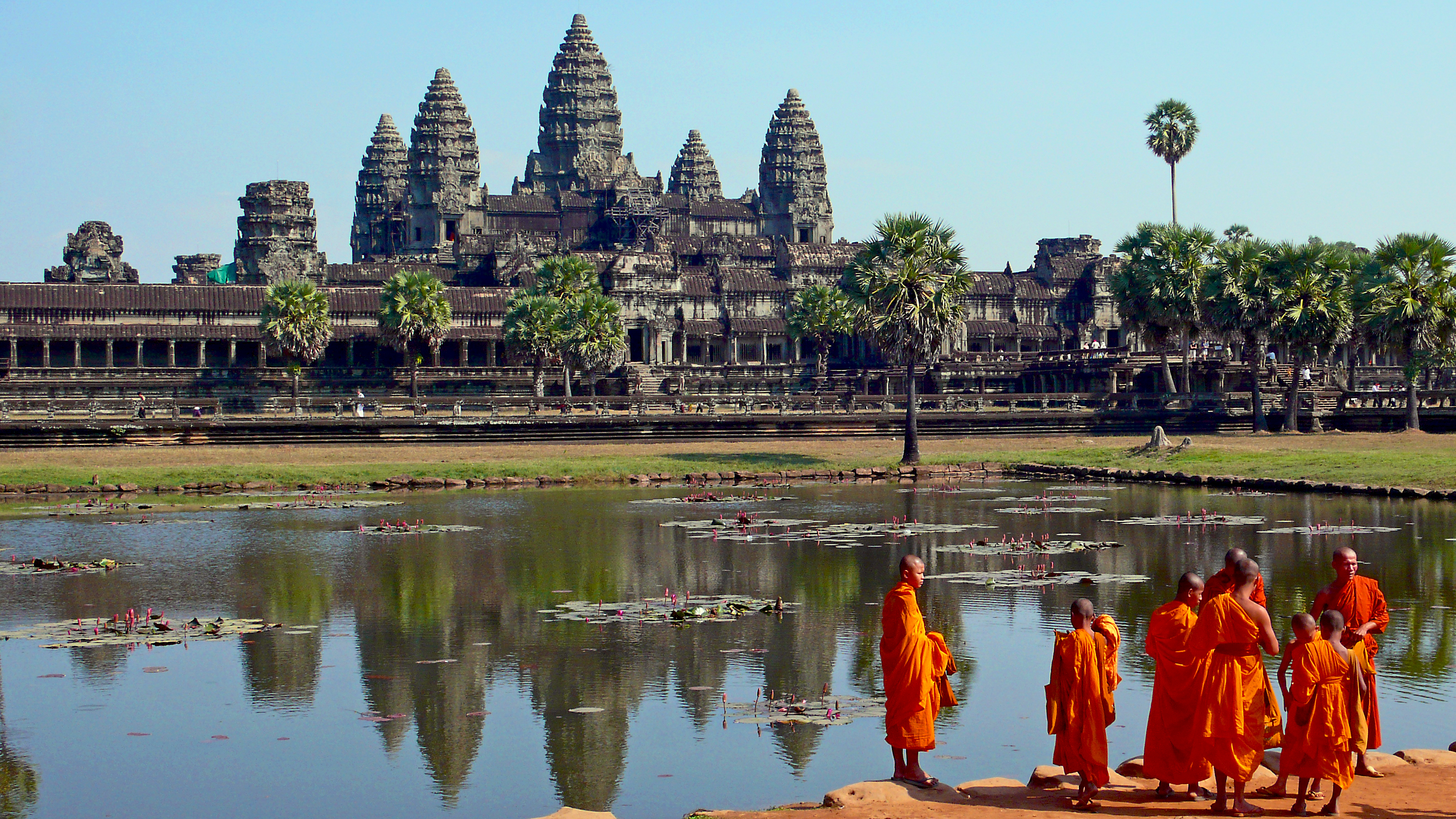
The rainy season (June-October) is actually a hidden gem for temple visits. The moat around Angkor Wat fills up beautifully, vegetation turns lush green, and the temples look more atmospheric with dramatic cloud formations overhead. Rain comes in afternoon bursts lasting 1-2 hours — plan your temple visits for morning and you will often dodge the weather entirely. Hotel rates drop 30-50% and some temples feel almost private.
Frequently Asked Questions
Do I need a visa to visit Cambodia?
Most nationalities can get a 30-day tourist visa on arrival at Siem Reap International Airport for $30 USD cash (bring a passport photo). The e-visa system (evisa.gov.kh) costs $36 and is processed in 3 business days — useful for avoiding the arrival queue. Visa extensions for an additional 30 days can be arranged through travel agents in Siem Reap for about $45.
How many days do I need for Angkor?
The three-day pass suits most visitors perfectly. Day one: the small circuit (Angkor Wat, Angkor Thom, Bayon, Ta Prohm). Day two: the grand circuit (Preah Khan, Neak Pean, Ta Som, East Mebon, Pre Rup). Day three: outer temples like Banteay Srei (stunning pink sandstone carvings, 30 km north) and Beng Mealea (an atmospheric jungle-covered ruin, 60 km east). Budget one extra day for relaxing in town.
Is Siem Reap safe?
Very safe overall. Petty theft (bag snatching from moving motorbikes) is the primary concern — wear bags across your body and stay aware on busy streets after dark. Avoid walking alone on unlit roads late at night. Landmine-cleared areas around temples are safe to visit on marked paths — never venture off designated trails at remote temple sites. Tap water is not safe to drink; bottled water costs about $0.50.
What should I wear to the temples?
Shoulders and knees must be covered at Angkor Wat and most other temples in the complex. Lightweight, breathable clothing in light colors works best in the heat. Sturdy sandals or closed-toe shoes are recommended — some temples involve steep, uneven stone steps. A wide-brimmed hat, sunscreen, and a refillable water bottle are essential. Bring a light rain jacket if visiting during wet season.
Should I stay near Pub Street or further out?
The Pub Street/Old Market area offers maximum convenience — restaurants, bars, markets, and massage shops within steps of your hotel. It can be noisy at night. For a quieter stay, the Wat Bo or Sala Kamreuk neighborhoods (10-minute tuk-tuk ride) have excellent boutique guesthouses with pools for $20-40 per night, and your tuk-tuk driver picks you up each morning regardless of location.
Discover Siem Reap’s Distinctive Cultural Heritage
Siem Reap offers incomparable opportunities to experience rich cultural heritage, historical significance, and contemporary vibrancy while engaging respectfully with local communities and supporting sustainable tourism.
Start planning your Siem Reap adventure today with Facts From Upstairs.