
Essaouira: The Wind City, Atlantic Surf & Morocco’s Bohemian Escape
Where ancient medinas meet world-class waves and artistic soul thrives
Essaouira isn’t Morocco like you might imagine. There are no desert dunes stretching to infinity, no elaborate royal palaces, no labyrinthine souks selling spices that blur together into a single sensory overload. Instead, Essaouira offers something altogether different—a coastal paradox where Atlantic winds have shaped not just the landscape, but the very spirit of the place.
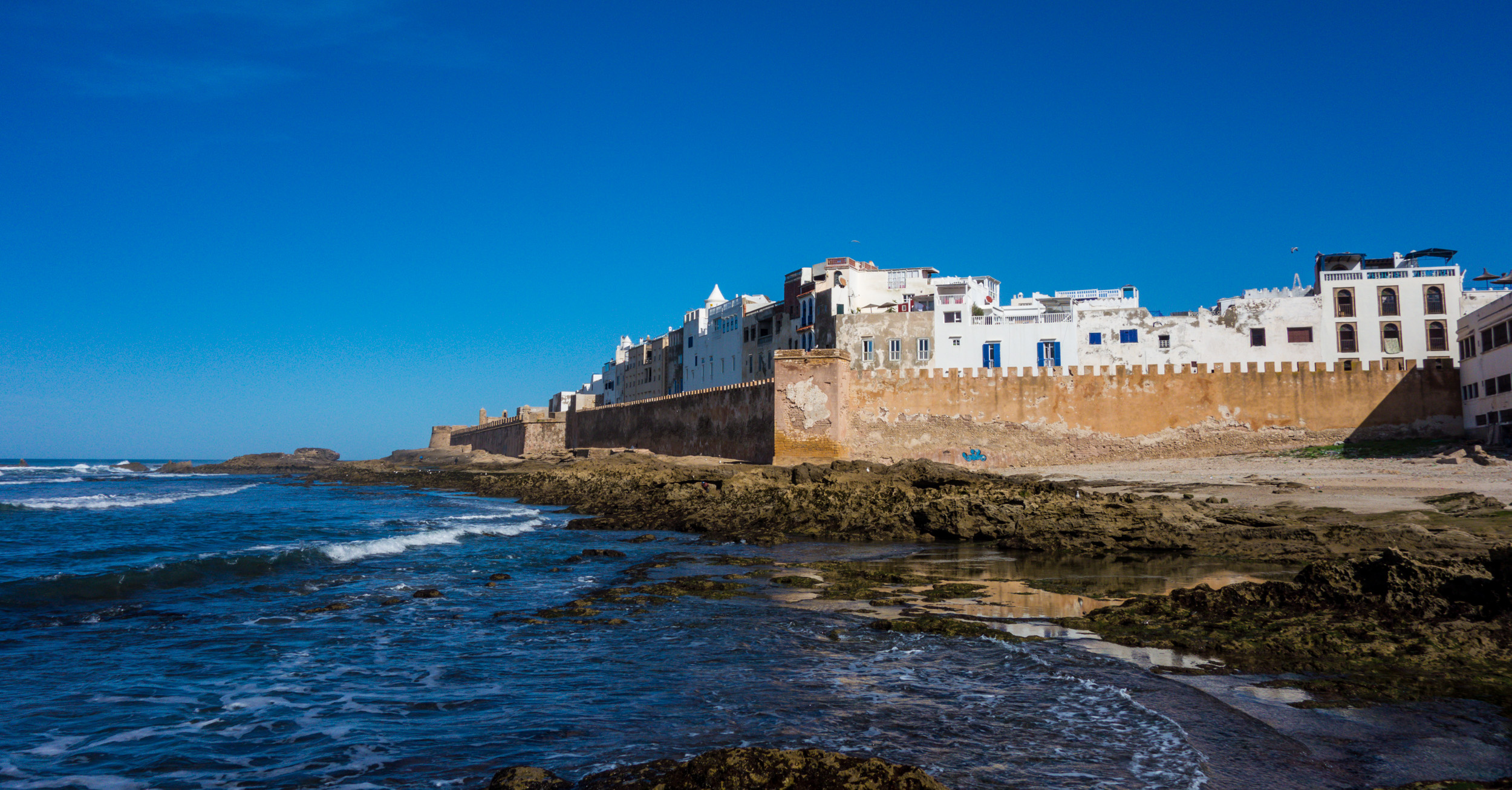
This windswept city on Morocco’s Atlantic coast has become the country’s beating heart for artists, surfers, and travelers seeking something beyond the typical Moroccan experience. It’s a place where the call to prayer echoes from ancient minarets while indie musicians play in art galleries, where traditional fishing methods coexist with world-class kiteboarding competitions, and where centuries-old blue-painted buildings frame some of the most vibrant street art on the continent.
Table of Contents
- Why Essaouira? The Atlantic’s Gift to Morocco
- A History Written by Winds and Trade
- Getting There and Around
- Beaches, Waves, and Water Sports
- The Medina: Art, Culture, and Bohemian Soul
- The Food Scene: More Than Just Tagine
- Practical Essentials
Why Essaouira? The Atlantic’s Gift to Morocco
Ask ten travelers why they chose Essaouira over Marrakech or Fes, and you’ll get ten entirely different answers. Some come for the consistent Atlantic swells that make the beaches a year-round paradise for water sports enthusiasts. Others are drawn by the bohemian atmosphere—the galleries, music venues, and creative communities that have made this city a haven for artists. Many simply stumble upon Essaouira by accident and never leave, charmed by its authenticity and laid-back vibe.
What makes Essaouira unique is that it refuses to be pigeonholed. It’s not as touristic as Marrakech, but it’s far from undiscovered. It maintains genuine Moroccan culture while embracing international influences. The result is something magical—a place where tradition and modernity dance together without either overshadowing the other.
A History Written by Winds and Trade
Essaouira’s story is one of conquest, trade, and artistic reinvention. The city was founded as a Phoenician trading post over 2,500 years ago, but its current incarnation dates to the 18th century when Sultan Sidi Mohammed Ben Abdellah ordered the construction of a fortified port city. The Portuguese had previously occupied the site (calling it Mogador), but the Sultan wanted to establish a Moroccan stronghold that could compete in Atlantic trade.
The result was the medina you see today—a masterpiece of military architecture and urban planning, complete with ramparts (the famous skala) that offer some of the most spectacular views in Morocco. For centuries, Essaouira thrived as a trading port, its harbor bustling with ships carrying goods across the Atlantic. But as trade routes shifted and ports elsewhere became more dominant, Essaouira’s economic importance waned.
This decline, paradoxically, became the city’s salvation. Unable to compete economically, Essaouira was never modernized into oblivion like some Moroccan cities. Instead, it remained frozen in time, preserving its authentic medina and traditional ways. When tourism finally arrived, it found a city that had organically maintained its character—no theme parks, no artificial reconstructions, just genuine history lived in daily life.
Getting There and Around
Most visitors fly into Marrakech’s Menara Airport (about 2.5 hours from Essaouira by car) or Casablanca’s Mohammed V Airport (4.5 hours). From either city, you can rent a car, take a shared grand taxi, or book private transportation. The coastal highway (N1) offers stunning Atlantic views and is relatively well-maintained.
Within Essaouira, the medina is entirely pedestrian, and walking is genuinely the best way to explore. The winding streets are narrow and confusing at first, but getting lost is half the charm. For beaches outside the medina, you can rent bicycles or use the local taxi system (always agree on prices before getting in).
Beaches, Waves, and Water Sports
The beaches around Essaouira are divided into distinct personalities. Plage Essaouira, right in front of the medina, is always crowded with swimmers and sunbathers but offers easy access and a vibrant atmosphere. Just north, Plage Sidi Kaouki is the kiteboarding capital—watch dozens of athletes launching themselves skyward on windy days. Further south, you’ll find quieter, more isolated stretches where you can set up camp with a book and a cold drink.
For surfers, Essaouira is a year-round playground. The most famous breaks are at Taghazout (north) and Sidi Ifni (south), but waves are accessible right from the medina beaches. Spring and fall typically offer the best conditions, with consistent Atlantic swells and manageable winds. Winter brings larger waves but also more unpredictable weather.
Water sports operators line the beaches, offering lessons for every skill level. Expect to pay 300-400 MAD ($30-40) for a group surf lesson, or 150-200 MAD ($15-20) for an hour with a guide who knows the best breaks. Kiteboarding instruction is pricier (1200-1500 MAD/$120-150) but includes all equipment.
The Medina: Art, Culture, and Bohemian Soul
The medina is Essaouira’s heartbeat, and unlike many Moroccan medinas, it feels alive with purpose rather than tourist performance. Yes, there are souvenir shops and restaurants catering to travelers, but there are also genuinely local businesses, artist studios, and neighborhoods that tourists rarely penetrate.
The main streets—Rue Laalouj and Rue Mohammed Zerktouni—are the commercial spine, lined with restaurants, shops, and galleries. But venture into the side streets and you’ll find the real Essaouira. Local women still shop at the central market (Souk Medina), fishermen still use the ancient harbor, and families still gather on doorsteps in the evenings.
Art galleries have mushroomed throughout the medina. Unlike galleries in tourist-heavy places that focus on mass-produced “authentic” crafts, Essaouira’s galleries feature genuine contemporary art and local artists. Some highlights include Galerie Frederic Damgaard (a pioneer in promoting Moroccan contemporary art) and numerous smaller galleries tucked into medina alleyways.
The spice market is intoxicating—not overly touristy despite its popularity. Vendors still primarily serve locals, and you’ll see cooks buying ingredients for the evening meal. Prices are fair, quality is excellent, and if you ask politely, vendors will let you photograph their colorful displays.
The Food Scene: More Than Just Tagine
Essaouira’s culinary identity is shaped by its location—where the Atlantic Ocean meets the Saharan hinterland. Seafood is exceptional, argan oil flows like wine, and preserved lemons appear in nearly everything. But unlike other Moroccan cities that rely on tourist-pleasing classics, Essaouira’s food scene is actively evolving.
The harbor still operates much as it has for centuries. Fishing boats unload their catch each morning, and fishmongers sell directly to restaurants and locals. This means the seafood you eat was swimming in the Atlantic just hours before, which fundamentally changes the quality of dishes.
Traditional restaurants in the medina serve excellent slow-cooked tagines, fresh grilled fish, and couscous prepared the way families have made it for generations. Prices are remarkably reasonable—a filling, delicious lunch costs 60-100 MAD ($6-10). But Essaouira has also developed a sophisticated restaurant scene with chefs trained internationally, bringing modern techniques to traditional ingredients.
🐟 Seafood Treasures
Grilled sardines, line-caught grouper, and octopus prepared with argan oil and preserved lemon are staples. The fish arrives at your table often still steaming from the grill.
🫒 Argan Oil Everything
Essaouira is the heart of Morocco’s argan oil production. Nutty, luxurious, and irreplaceable in authentic Moroccan cooking, it appears in salads, with bread, and in cosmetics.
🍋 Preserved Lemons
These golden, intensely savory preserved lemons are a cornerstone of North African cooking. Vendors sell them in the souk, and you can purchase jars to take home.
☕ Mint Tea Ritual
The social ritual of mint tea is as important as the beverage itself. Stop at a café, order tea and pastries, and settle in to watch the medina unfold.
Facts About Essaouira
🌍 Geographic Wonder
Essaouira sits at exactly 31.5°N latitude, making it one of the few North African cities at this elevation and ocean temperature, creating a unique microclimate that supports both temperate and Mediterranean plants.
🎬 Hollywood’s Moroccan Muse
The city has been featured in over 50 films and TV productions, from Orson Welles’ “Othello” (1952) to Game of Thrones. Filmmakers love the medina’s timeless aesthetic and the dramatic coastal cliffs.
🐚 Island Biodiversity
The Iles Purpuraires (Purple Islands) just offshore are a protected nature reserve home to rare seabirds, including the Eleonora’s falcon and the Atlantic shearwater. Ancient Phoenicians harvested purple dye from murex shells here.
🎵 Music and Gnawa Heritage
Essaouira is the epicenter of Moroccan Gnawa music, a spiritual tradition that blends sub-Saharan African rhythms with Arabic melodies. The Essaouira Gnawa and World Music Festival (June) attracts musicians from around the globe.
Practical Essentials for Your Essaouira Adventure
When to Visit: April-May and September-October offer ideal conditions—warm weather without extreme heat, consistent but not overwhelming winds, and fewer tourists than summer. Winter (December-February) is mild but frequently cloudy and rainy, though this is when you’ll find the fewest tourists.
Budget: Essaouira is genuinely affordable. Budget travelers can eat and stay for $40-50/day. Mid-range travelers should budget $80-120/day for comfortable accommodation and good restaurants. High-end stays run $150-300+/day.
What to Pack: Despite the sunny reputation, bring layers. The Atlantic wind can be surprisingly cool, especially in the evening. Sunscreen is essential—the reflection off the water intensifies UV exposure. A light rain jacket is smart year-round.
Language: French and Arabic are the official languages, but English is increasingly spoken in tourist areas. Learning a few basic French phrases (bonjour, merci, s’il vous plaît) will enhance your interactions immensely.
Ready to Explore Essaouira?
This Atlantic wind city awaits with world-class beaches, authentic culture, and a creative spirit unlike anywhere else in Morocco. Book your flights, pack your camera, and prepare for a journey that will redefine your expectations of North African travel.