
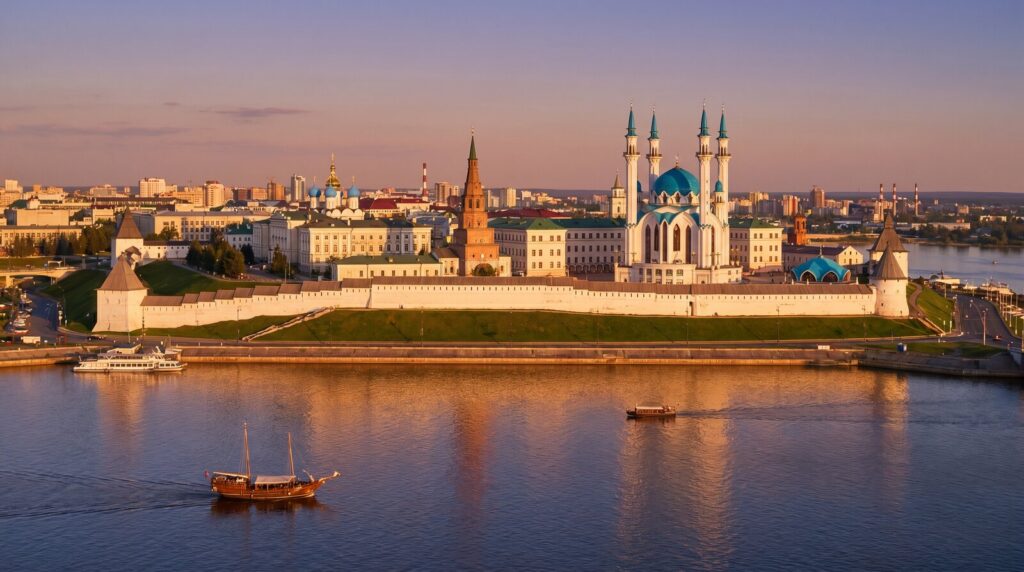
Kazan, Russia: Tatar Capital, Kremlin Mosques & Volga Crossroads
Tatar Capital Where Islamic Mosques and Orthodox Cathedrals Define Russia’s Multicultural Soul
Kazan represents one of the world’s most compelling travel destinations, combining historical significance with contemporary cultural vitality. The city showcases extraordinary architectural achievements, distinctive cultural traditions, and opportunities for meaningful traveler engagement with local communities and heritage preservation.

Visitors to Kazan encounter layered histories—ancient civilizations, colonial periods, post-colonial development, and contemporary globalization all visible in architecture, cultural practices, and daily life. Understanding these layers enriches travel experiences by providing context for observed phenomena.
Contemporary Kazan balances preservation of cultural heritage with economic development through tourism. Sustainable travel practices remain essential for ensuring tourism benefits align with preservation goals.
Table of Contents
Historical Significance & Heritage
Kazan developed through centuries of cultural synthesis. Historical forces including trade networks, empire-building, colonialism, and independence movements shaped the city’s development.
Museums, historical sites, and cultural institutions throughout Kazan document historical narratives. These resources provide educational opportunities.
Contemporary Kazan continues evolving—historical preservation coexists with modern development.
Contemporary Culture & Traditions
Kazan’s cultural character reflects historical inheritances combined with contemporary innovation. Local communities maintain traditions while engaging with global influences.
Markets, festivals, and community gathering spaces provide opportunities to observe and participate in local cultural expression.
Historical Sites
Monuments documenting past periods and achievements
Living Traditions
Contemporary expressions rooted in historical inheritances
Sacred Spaces
Religious sites maintaining spiritual significance
Community Spaces
Gathering areas revealing daily social life
Key Attractions & Sacred Sites
Kazan contains numerous significant sites reflecting historical importance and cultural significance.
Sacred sites remain functioning religious and community spaces. Visiting requires cultural sensitivity.
Day trips and excursions from Kazan provide access to surrounding cultural and natural sites.
Local Experiences & Activities
Exploring Kazan involves engaging with daily life—markets, restaurants, neighborhoods, and social spaces.
Markets provide multisensory immersion in local commerce, agriculture, and culture.
Evening activities in Kazan range from cultural performances to casual social gatherings.
Food & Dining in Kazan
Kazan’s culinary scene is a fascinating blend of Tatar and Russian traditions, making it one of Russia’s most distinctive food cities. Echpochmak—triangular pastries filled with meat, potatoes, and onions—are the city’s signature dish and available at bakeries throughout the old town. Chak-chak, a sweet fried dough dessert drenched in honey, is so important to Tatar identity that it has its own dedicated museum in the city center.
For a full Tatar dining experience, visit one of the traditional restaurants along Bauman Street where you can try elesh (chicken pot pie), kystybyi (folded flatbread with potato filling), and talkysh kaleve, a delicate pulled candy. Kazan’s location at the Volga-Kama confluence means freshwater fish features prominently—try locally smoked sterlet or pike-perch. The city’s halal food scene is thriving alongside traditional Russian cuisine, reflecting its Muslim Tatar heritage.
Getting Around Kazan
Kazan has an efficient and affordable public transport system. The single-line metro connects the train station to key areas of the city, while buses and trolleybuses cover routes across all districts. Ride-hailing apps work reliably throughout the city and offer very affordable fares by European standards. The historic center is compact and walkable, with most major attractions within a 20-minute stroll of the Kremlin.
Bauman Street, the main pedestrian boulevard, stretches from the Kremlin to Tukay Square and serves as the natural axis for exploring the old town on foot. In summer, river cruises along the Volga offer a different perspective on the city’s skyline. The international airport is connected to the center by the convenient Aeroexpress train, making arrivals and departures straightforward.
Frequently Asked Questions About Kazan
What is the best time to visit Kazan?
Summer (June-August) brings warm weather, long daylight hours, and numerous outdoor festivals—ideal for exploring the city’s parks and riverfront. Winter (December-February) transforms Kazan into a snow-covered wonderland with temperatures dropping well below zero, but the festive atmosphere, indoor cultural attractions, and winter sports make it worthwhile. Spring and autumn are mild transitional seasons with fewer crowds.
Is Kazan expensive to visit?
Kazan offers excellent value compared to Moscow and St. Petersburg. Accommodations, dining, and transportation are noticeably cheaper while the quality of attractions rivals Russia’s larger cities. Budget travelers can eat well at local canteen-style stolovaya restaurants for very modest sums, and public transport is extremely affordable.
Do I need to speak Russian to visit Kazan?
While Russian (and Tatar) are the primary languages, Kazan’s tourism infrastructure has expanded significantly since hosting the 2018 FIFA World Cup. Major attractions have English signage, and younger locals often speak some English. Having a translation app is helpful for navigating restaurants and public transport, but tourist-facing staff are generally accustomed to international visitors.
How many days do you need in Kazan?
Two to three days covers the main highlights: the Kremlin complex, Kul Sharif Mosque, Bauman Street, the Temple of All Religions, and the Old Tatar Quarter. Add a fourth day for the island town of Sviyazhsk (a UNESCO site accessible by boat) or to dive deeper into Kazan’s excellent museums and Tatar cultural experiences.
Planning Your Visit
Practical planning considerations for Kazan include transportation, accommodation, visa requirements, climate, and seasonal factors.
Seasonal considerations significantly impact Kazan experiences. Climate affects outdoor exploration feasibility.
Kazan accommodations range from luxury establishments to budget guesthouses. Mid-range options typically provide good value.
Discover Kazan’s Distinctive Cultural Heritage
Kazan offers incomparable opportunities to experience rich cultural heritage, historical significance, and contemporary vibrancy while engaging respectfully with local communities and supporting sustainable tourism.
Start planning your Kazan adventure today with Facts From Upstairs.