

Langkawi, Malaysia: Jewel of Kedah, Sky Bridge & Mangrove Kayaking
Jewel of Kedah Where Limestone Peaks Meet Mangrove Kayaking and Tropical Island Paradise
Langkawi, nestled in northwestern Malaysia near the Thai border, comprises an archipelago of 99 islands characterized by dramatic limestone peaks, pristine beaches, and mangrove ecosystems. The largest island, also named Langkawi, transforms from quiet fishing village into tourist destination while maintaining cultural authenticity in interior villages. The island’s strategic position in the Strait of Malacca historically made it trading crossroads, yet contemporary Langkawi balances development pressures with preservation of natural beauty.
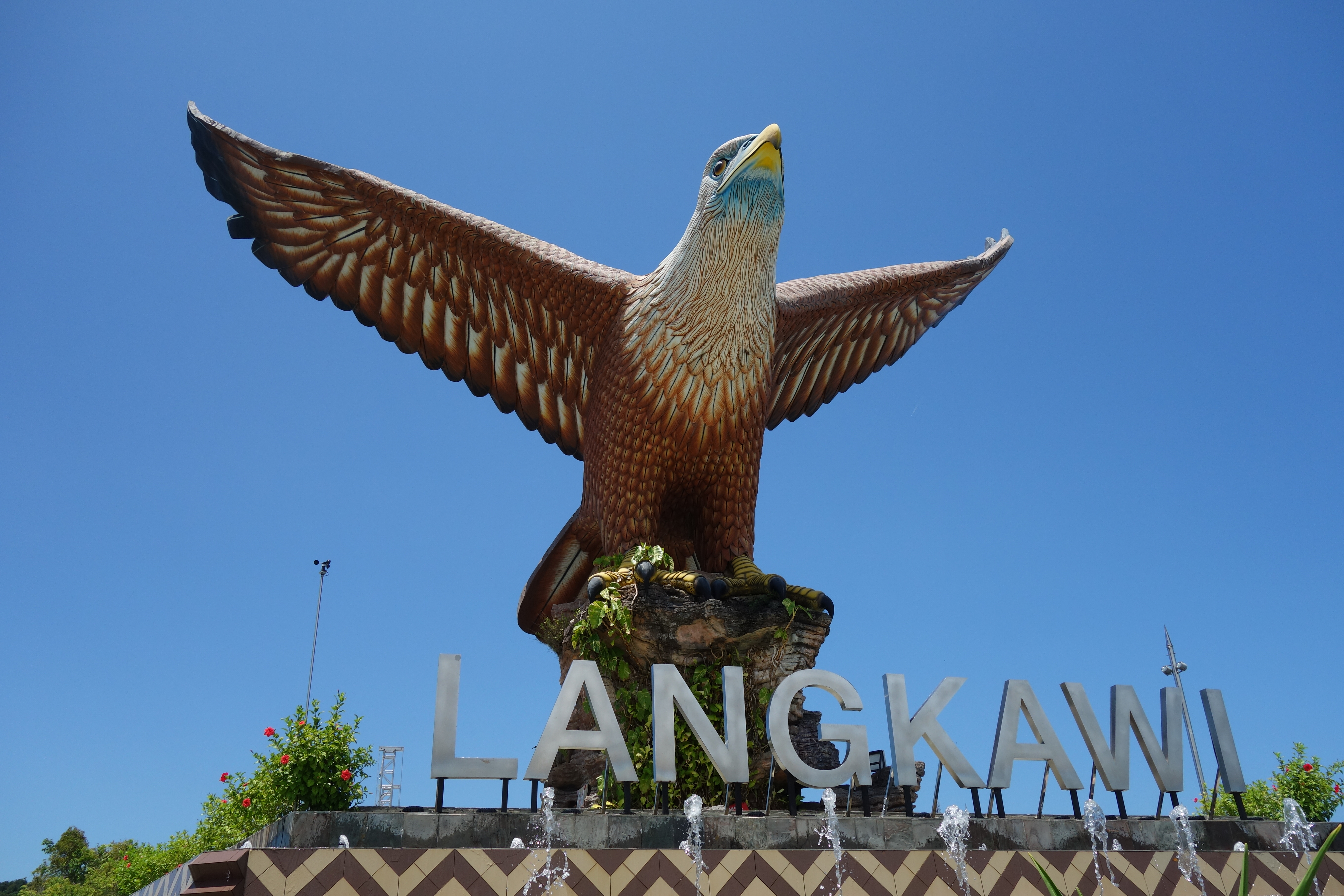
According to Malaysian legend, Langkawi bears the name of a warrior princess—the island’s identity carries romantic associations alongside contemporary reality as adventure destination. Limestone formations create dramatic landscape—the Langkawi Sky Bridge suspended between peaks represents contemporary engineering marveling at geological structures. The island combines modern resort infrastructure with traditional Malay village culture, creating layered experiences.
For travelers seeking island relaxation, adventure activities, mangrove exploration, and accessible tropical experiences, Langkawi offers remarkable combination of development and authenticity.
Table of Contents
Limestone Peaks & Sky Bridge
Langkawi’s dramatic limestone peaks shape the island’s silhouette and characterize its geology. The rock formations, composed of ancient compressed marine sediments, create distinctive karst landscape. Millions of years of weathering carved caves, overhangs, and formations supporting unique ecosystems. The most prominent peaks—Gunung Raya, Gunung Matchincang—reach elevations enabling island views and jungle hiking.
Gunung Raya, Langkawi’s highest peak at 881 meters, provides hiking access to summit offering panoramic island views. The hike requires moderate fitness, navigating tropical forest terrain with elevation gain. Summit views encompass the island, surrounding waters, and on clear days, distant coasts. Local guides enhance experiences through wildlife and plant knowledge.
Cable car access to Gunung Matchincang provides easier mountain access compared to hiking Gunung Raya. The rotating cable car cabin offers 360-degree views during the ascent, while the mountain top features the controversial sky bridge and other viewing platforms. The cable car experience combines modern engineering with mountain scenery.
Cave exploration throughout Langkawi reveals stalactite and stalagmite formations developed over millions of years. Some caves contain freshwater pools suitable for swimming. Local guides navigate cave passages, pointing out geological features and explaining formation processes.
Mangrove Kayaking & Ecosystem Exploration
Langkawi’s mangrove ecosystems, comprising dense root systems stabilizing tidal zones, provide sanctuary for fish, crustaceans, and birdlife. Kayaking through mangrove waterways provides intimate ecosystem encounters—paddling beneath arched root systems while observing wildlife creates experiences combining adventure with ecological education. The mangroves remain among Southeast Asia’s healthiest, though tourism pressure increasingly threatens ecosystem health.
Mangrove kayaking tours depart from multiple locations, with guides navigating through intricate waterway networks. Tours emphasize wildlife observation—spotting monitor lizards, birds, and occasional crocodiles. The experience combines physical activity (paddling) with ecological education and wildlife encounters.
Kilim Geopark, located in northern Langkawi, combines limestone caves, mangrove ecosystems, and cultural sites. The park offers integrated access—kayaking through mangroves, cave exploration, and beach activities within a single location. Local guides provide context understanding geology, ecology, and cultural significance.
Eagle feeding occurs daily in Kilim area, with local boatmen attracting fish eagles through bait offerings. The birds, fishing eagles with 2-meter wingspans, dive for bait with dramatic displays of aerial hunting. The traditional practice remains controversial among conservation advocates concerned about wildlife habituation.
Island-Hopping & Beach Adventures
The Langkawi archipelago offers island-hopping opportunities with guided boat tours visiting multiple islands in single days. Tours typically include snorkeling, beach time, and opportunities to observe wildlife including monkeys, birds, and marine life. Island beaches vary from crowded tourist spots to pristine locations receiving few visitors.
Pulau Payar Marine Park, a protected marine reserve featuring pristine coral formations, provides snorkeling opportunities revealing diverse fish species and healthy corals. The park requires boat access, with guided snorkeling emphasizing fish identification and ecosystem observation. The relatively protected status preserves better coral health compared to heavily-visited locations.
Pantai Dato Majid Zakaria, a long sandy beach on the island’s east coast, provides water sports opportunities including jet skiing, parasailing, and banana boat rides. The beach features full amenities—restaurants, lounging facilities, water sports rentals. The commercial development contrasts with quieter northern beaches.
Black sand beaches unique to Langkawi result from iron-rich minerals creating distinctive beach appearance. Cenang Beach, Langkawi’s most famous beach, features black sand, clear water, and numerous beach bars and restaurants. The beach exemplifies modern tourism development while remaining accessible to budget travelers.
Pulau Payar
Marine park with healthy corals and diverse fish species
Cenang Beach
Main tourist beach with facilities and water sports
Eagle Islands Tour
Island-hopping combining beaches and wildlife
Snorkeling Sites
Coral formations and tropical fish viewing
Malay Culture & Village Life
Despite tourism development, traditional Malay village culture remains visible in interior Langkawi. Fishing villages continue traditional practices alongside tourism-oriented businesses. Visitors interested in authentic cultural engagement can visit villages, observe traditional activities, and interact with communities maintaining traditional lifestyles.
Malay cuisine emphasizes coconut, rice, fish, and aromatic spices. Langkawi restaurants range from upscale resort dining to casual local establishments. Local markets feature fresh seafood, tropical fruits, and prepared foods. Street food vendors throughout the island offer inexpensive meals combining flavor with cultural authenticity.
Traditional crafts including batik production, woodcarving, and weaving remain practiced throughout Langkawi. Craft workshops allow visitors to observe artisans and purchase directly from producers. Contemporary artisans blend traditional techniques with modern designs and materials.
Langkawi Festival, held annually, celebrates Malay culture through music, dance, and traditional performances. The festival attracts both domestic and international visitors, transforming the island into cultural celebration center.
Planning Your Langkawi Experience
Langkawi International Airport provides direct connections from Kuala Lumpur, Bangkok, and other regional cities. The airport lies approximately 15 kilometers south of main tourist areas. Taxis, shuttle services, and rental cars provide airport transportation. Ferries from Kuala Kedah provide alternative access for budget travelers.
Tropical climate brings warm temperatures (24-32°C) year-round. The wet season (May-September) brings monsoon winds and rainy periods, though rainfall typically occurs in short bursts rather than all-day downpours. The dry season (October-April) provides more reliable weather for outdoor activities. Tourism peaks during dry season months.
Langkawi became a duty-free zone, reducing prices on alcohol, electronics, and other goods compared to mainland Malaysia. This has created strong tourism draw from regional visitors. Contemporary development includes resorts, shopping centers, and restaurants throughout the island.
Accommodations range from luxury resorts to budget guesthouses, with prices relatively moderate compared to developed destinations. Cenang Beach area concentrates most tourist facilities. Budget travelers find guesthouses in villages offering local experience with authentic settings.
Car rental provides optimal flexibility for independent island exploration, enabling visits to quieter locations and freedom from tour schedules. Alternatively, organized tours offer guided experiences with transportation included.
Discover Langkawi’s Island Paradise
Langkawi invites you to kayak mangrove ecosystems, ascend limestone peaks via engineering marvel sky bridges, snorkel pristine coral gardens, and experience Malay culture balancing tradition with tropical development. From dramatic geology to beach relaxation, Langkawi delivers comprehensive island experiences.
Start planning your Langkawi adventure today with Facts From Upstairs.
Getting Around Langkawi
Langkawi is best explored by renting a car or motorbike, as public transport is limited. Car rental starts from around $15-20/day and motorbike rental from $8-10/day. Grab ride-hailing is available but coverage can be patchy outside Kuah and Pantai Cenang. Taxis are available but negotiate fares in advance as meters are not always used. Island-hopping tours to nearby islands like Pulau Dayang Bunting (Pregnant Maiden Island) depart from several jetty points.
Where to Eat in Langkawi
Pantai Cenang has the highest concentration of restaurants, from beachfront seafood grills to international cuisine. Don’t miss the night market (pasar malam) which rotates between towns on different days — check locally for the schedule. Try nasi lemak (Malaysia’s national dish), laksa, and fresh grilled fish at local warungs for $2-5 per meal. For a splurge, the restaurants at The Datai and Four Seasons offer world-class dining with rainforest and ocean views.
Frequently Asked Questions About Langkawi
What is the best time to visit Langkawi in 2026?
November to April is the dry season and peak tourist period. The wettest months are September and October. April 2026 is the tail end of peak season with warm weather and reasonable prices.
Is Langkawi duty-free?
Yes, Langkawi is a duty-free island. Alcohol, chocolate, and tobacco are significantly cheaper than mainland Malaysia. Beer costs around $1-2 per can versus $4-6 on the mainland.
How do you get to Langkawi?
Fly directly to Langkawi International Airport from Kuala Lumpur (1 hour), Singapore, or Penang. Alternatively, take a ferry from Kuala Perlis (75 min) or Penang (2.5 hours).
Is the Langkawi Sky Bridge worth it?
Absolutely. The curved pedestrian bridge sits 660m above sea level with panoramic views of the archipelago. Take the SkyCab cable car up, then walk to the bridge. Go early morning for the clearest views and shortest queues.
How many days do you need in Langkawi?
3-4 days covers the main attractions: Sky Bridge, island hopping, mangrove kayaking, and beach time. Add 1-2 days for diving at Pulau Payar Marine Park or exploring the geopark trails.
Explore More of Malaysia & Southeast Asia
- Singapore: Marina Bay & Garden City — Just a short flight south for a urban contrast.
- Bangkok, Thailand: Temples & Street Food
- Ubud, Bali: Monkey Forest & Rice Paddies