South America’s gastronomic capital where Pacific ingredients meet Spanish heritage
Facts From Upstairs Travel | 8-minute read | Updated March 2026
500+
Years of Spanish Colonial Heritage
49
Michelin-Starred Restaurants
3,000+
Street Food Vendors
10M+
Metropolitan Population
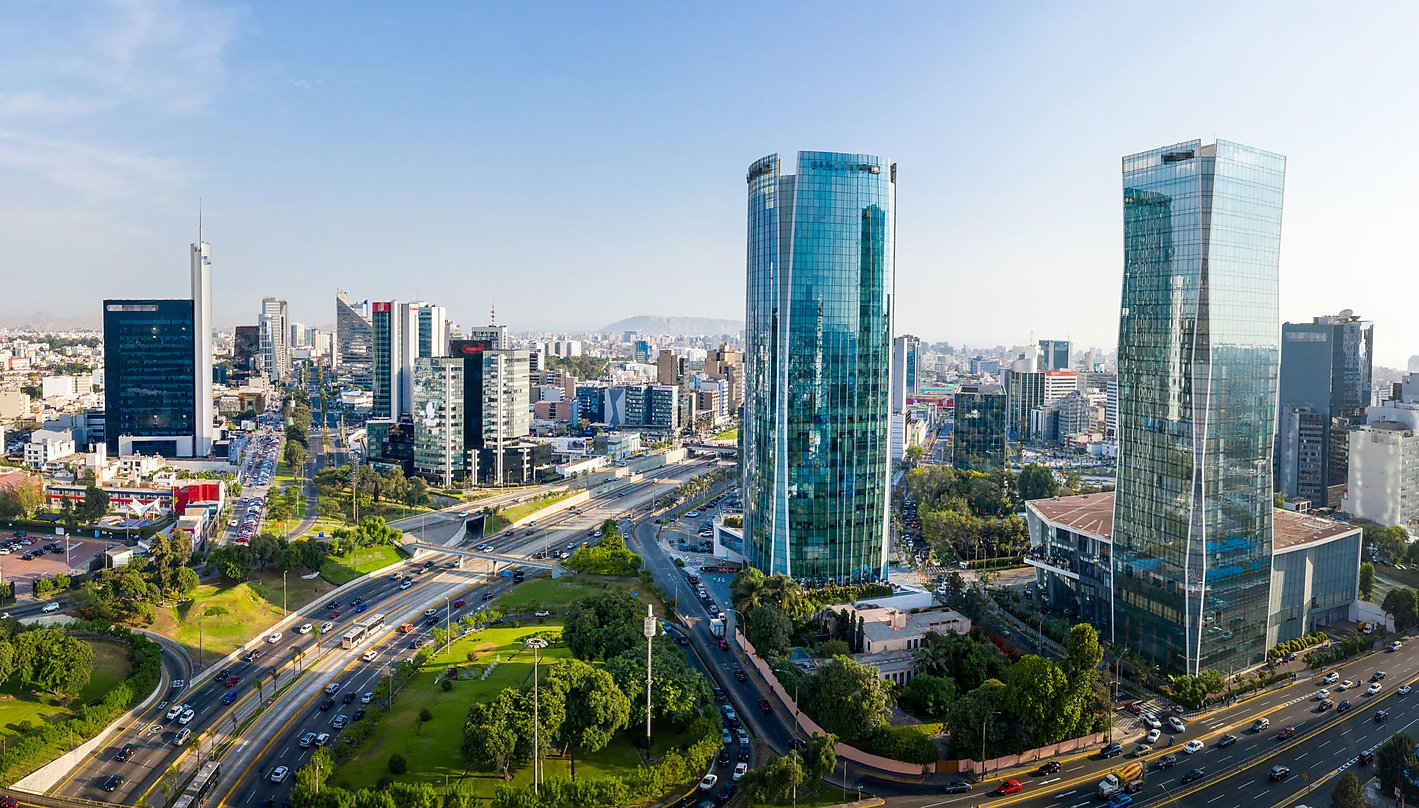
Lima isn’t just Peru’s capital—it’s South America’s gastronomic capital, a distinction earned through centuries of cultural fusion. The city sits on the Pacific coast where the Humboldt Current flows north, delivering cold waters rich with marine life. Spanish conquistadors founded the city in 1535, establishing a colonial metropolis whose architecture and social structures persisted for centuries. That colonial grandeur still anchors the historic center. Yet contemporary Lima thrives as a creative, progressive, culinary-obsessed city that honors tradition while pushing boundaries. The Pacific breezes cool the otherwise warm climate, creating a Mediterranean-like environment that makes outdoor living perpetual.
Lima’s appeal divides into distinct experiences. The colonial center preserves baroque churches, palatial mansions, and plazas echoing with 500 years of history. The clifftop neighborhood of Miraflores offers modern affluence, contemporary galleries, shopping, and Pacific panoramas. Markets overflow with indigenous Peruvian ingredients—potatoes in colors you didn’t know existed, peppers ranging in heat from mild to dangerous, fruits completely foreign to non-Andean experience. Ceviche—raw fish cured in citrus juice—achieves in Lima an elevated status as national obsession and culinary art form. The combination creates a destination where history, food, and modernity coexist in constant, delicious tension.
Lima’s position at the convergence of Spanish colonial empire, Inca heritage, Pacific marine bounty, and African diaspora created a unique gastronomic fusion. Modern chefs honor these historical layers through ingredient selection and technique, creating cuisine that tells Peru’s story on every plate.
Ceviche—raw fish cured in citrus juice—might be Peru’s greatest culinary contribution to global cuisine. The dish’s elegance lies in its simplicity and dependency on ingredient quality. Fresh fish, typically corvina (white sea bass) or other white fish varieties, is cut into cubes. Lime or lemon juice, traditionally known as “leche de tigre” (tiger’s milk), cures the protein through acid denaturation. Unlike cooking with heat, acid causes protein molecules to denature and firm without altering the fish’s delicate texture. The cure, balanced perfectly between under and over-processing, requires skill honed through repetition.
Lima’s cevicheras (ceviche restaurants) range from expensive Miraflores establishments to market-adjacent stalls serving versions that cost one-tenth the price. Quality fluctuates dramatically. Superior ceviche uses premium, same-day fish. The cure balances citrus acidity with subtle flavoring from complementary ingredients—cilantro, onion, aji (Peruvian peppers). The dish arrives in minutes after ordering, served on ceramic, with potatoes or seafood accompaniments.
The cultural significance transcends gastronomy. Ceviche is Peru’s national dish. Peruvian Independence Day celebrations feature ceviche. Ceviche competitions attract culinary professionals. Lima hosts Ceviche Day annually (June 28). The dish represents both Peru’s Pacific connection and the fusion of Spanish and indigenous traditions—conquered cultures’ ingredients transformed through Spanish technique into something distinctly Peruvian.
Tiger’s Milk (Leche de Tigre)
This potent curing liquid combines lime juice with fish stock, aromatics, and hot peppers. The acidity—primarily from citric acid—denatures proteins. The heat and flavoring from peppers adds complexity. Tiger’s milk is so valued that Lima’s best cevicheras guard their recipes jealously.
Ceviche Variations
Beyond classic corvina ceviche, Lima offers ceviche mixto (mixed seafood), ceviche de camarones (shrimp), and innovative preparations from contemporary chefs. Some restaurants feature ceviche with Asian influences, reflecting Peru’s significant Japanese immigrant population.
🍋
Fun Fact: Ceviche’s origins predate Spanish arrival. Coastal indigenous peoples in Peru likely cured fish using chicha (fermented corn drink) or salt. Spanish introduced lime and lemon cultivation from their Mediterranean homelands. The combination of indigenous technique and Spanish ingredients created the ceviche known today.
Pro Tip: Visit ceviche restaurants near the coast (Chorrillos, Callao neighborhoods) for the freshest fish. Lunch is traditionally the main ceviche meal. Arrive hungry; ceviche servings are generous. Order with confidence—bad ceviche is rare in Lima. Ask servers for recommendations. Peruvians take ceviche seriously and appreciate tourists’ genuine interest.
Colonial Center: Spanish Grandeur
Lima’s historic center, designated UNESCO World Heritage in 1988, preserves Spanish colonial architecture on scales matching any Latin American city. The Cathedral, begun in 1535 and consecrated in 1625, dominates Plaza Mayor. The baroque facade opens to an interior containing wooden ceiling carvings of extraordinary intricacy. The Cathedral’s museum displays religious artifacts and documents tracing Peru’s Christian conversion. Adjacent to the Cathedral, the Archbishop’s Palace features ornate wooden balconies characteristic of Lima’s colonial architecture.
The Convent of Santo Domingo, founded in 1536, contains a library with rare books and manuscripts. The Convent’s cloister, with its geometric tile patterns and central garden fountain, represents colonial architectural principles. The Church of San Francisco, equally grandiose, contains a spectacular library and underground catacombs where thousands of bodies were entombed. Walking the catacombs creates visceral understanding of colonial mortality rates and burial practices.
Lesser-known colonial mansions line historic streets. These palatial residences belonged to conquistadors and merchants who accumulated wealth through Peru’s colonial extraction economy. Wooden balconies, elaborately carved, project from building facades. These balconies served social functions—allowing women to observe city streets while remaining largely unobserved by custom of the era. Many buildings now operate as museums, restaurants, or government offices, allowing interior exploration.
⛪
Fun Fact: Lima was the spiritual and administrative center of Spain’s South American colonial empire. The viceroy’s authority extended across territories now comprising Peru, Bolivia, Ecuador, and Colombia. This massive jurisdiction meant Lima accumulated wealth and architectural ambition unmatched among colonial cities.
Pro Tip: Guided walking tours of the historic center provide context unavailable through solo exploration. Many areas feature narrow, confusing streets. Street crime occurs, so don’t display expensive cameras or jewelry. Evening exploration requires caution. The historic center is primarily a daytime destination. Security improves around the Cathedral and major plazas where tourism concentrates.
Miraflores Cliffs: Modern Lima
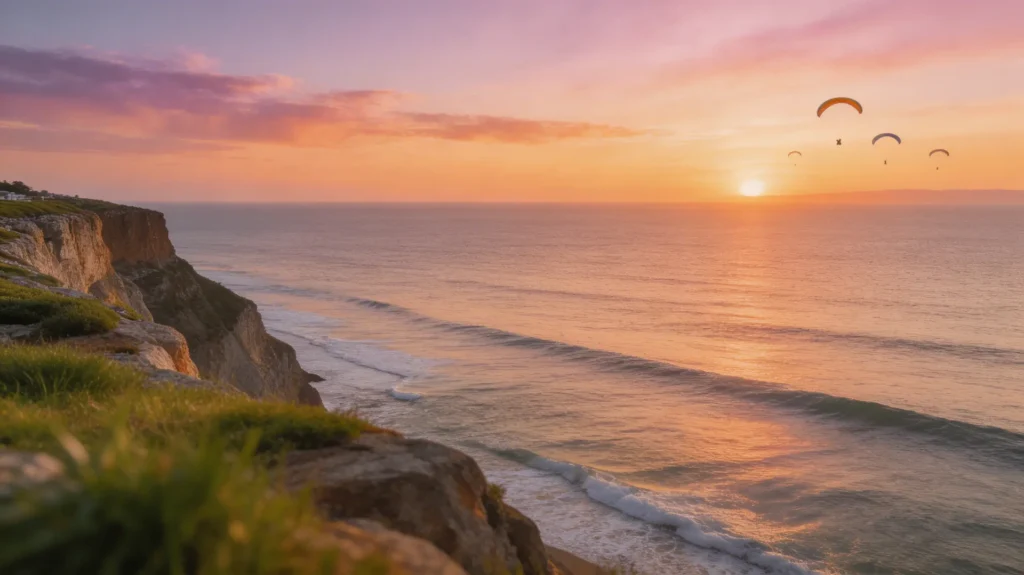
Miraflores, perched on cliffs 100+ meters above the Pacific, represents contemporary Lima—upscale, cosmopolitan, gastronomically advanced. The neighborhood’s two parallel cliff-top avenues, offering panoramic ocean views, contain galleries, restaurants, and boutique shops. Modern high-rises mingle with converted colonial mansions repurposed as galleries. The cliff-top parks allow walking with ocean vistas. These aren’t secluded retreats—they’re urban parks where Limeños gather for evening strolls, watching paragliders launch from cliff edges.
The restaurants in Miraflores represent Peru’s culinary sophistication. The world-famous Central Restaurant, repeatedly ranked among the world’s best, operates here. Gaston Acurio’s restaurants, pioneering modern Peruvian cuisine since the 1990s, are concentrated here. Contemporary chefs honor tradition while incorporating global influences, Asian cuisines (particularly Japanese), and molecular gastronomy techniques. The gastronomic scene is genuinely world-class, with prices reflecting international caliber.
The Larco Museum, housed in an 18th-century mansion, contains Peru’s most comprehensive art collection—from pre-Columbian ceramics to contemporary works. The museum’s erotic art collection—ancient ceramics depicting sexual acts with explicit detail—challenges assumptions about indigenous societies’ attitudes toward sexuality. The collection’s frankness contrasts with the prudishness Spanish colonial culture attempted to impose, revealing layers of cultural resistance.
Paragliding from Miraflores
Tandem paragliding departing from Miraflores cliffs offers unparalleled Pacific views. Flights last 30-45 minutes, launching from the cliff and soaring along the coast. The ocean breeze provides reliable thermal updrafts, creating smooth flying conditions.
Park Viewing
Parque del Amor and El Olivar Park offer cliff-top walks without expensive activities. Both provide panoramic views, sculpture installations, and the chance to observe Lima’s social culture—families, couples, street performers, artists.
🪁
Fun Fact: Miraflores’ reliable coastal updrafts created ideal paragliding conditions. The sport became standard recreation for locals and tourists. On clear days, dozens of paragliders float silently above the ocean, creating an incongruous image of peaceful recreation above the Pacific.
Markets & Ingredients: Indigenous Abundance
Lima’s markets overwhelm visitors with abundance and colors. The Central Market (Mercado Central) in the San Isidro neighborhood concentrates produce vendors, butchers, and fish mongers. Potato varieties—Peru cultivates over 4,000 potato varieties historically, though markets feature several hundred—include colors ranging from pure white to deep purple to red striped. Quinoa, now globally recognized, appears in abundant quantities at fraction of export-market prices. Beans, corn varieties, and grains represent indigenous agricultural traditions spanning millennia.
Peppers constitute another specialty. Aji peppers—milder yellow varieties (aji amarillo), medium-heat red varieties (aji rojo), and intensely hot varieties (rocoto)—define Peruvian cooking. The indigenous pre-Columbian diet, based on potatoes, corn, quinoa, and peppers (along with native fish and camelid meat) transformed completely with Spanish arrival, but indigenous ingredients remain central to Peruvian identity and cuisine.
The fish markets, located near coastal neighborhoods, display fresh-caught seafood. Corvina, anchoveta (Peruvian anchovy), lenguado (flounder), and seasonal specialties appear alongside crustaceans and cephalopods. The abundance reflects the Humboldt Current’s exceptional productivity—Peru’s coastal waters are among Earth’s most biologically productive, supporting enormous fish populations.
🥔
Fun Fact: Potatoes were domesticated in the Andes over 8,000 years ago. The Spanish transported potatoes to Europe in the 1500s. This single crop became foundational to European population growth. Without Andean potatoes, European history follows a radically different trajectory—less population, different nutritional base, altered economic development.
Culinary Innovation: Modern Peruvian Cuisine
Contemporary Peruvian cuisine represents global gastronomic significance achieved through chef creativity honoring tradition. Gaston Acurio, often called Peru’s ambassador of gastronomy, pioneered sophisticated modern Peruvian cooking in the 1990s. His restaurants—Astrid y Gaston, La Mar, El Moléa—elevate traditional dishes into refined presentations while maintaining essential flavors. Central Restaurant under chef Virgilio Martinez represents haute cuisine architecture—dishes composed using precise altitude-based ingredient selections, representing Peru’s ecosystems from coastal to high-mountain zones.
The chefs’ philosophy—respecting indigenous ingredients while applying modern techniques and presentation—has influenced global haute cuisine. Peruvian cuisine earned recognition as UNESCO Intangible Cultural Heritage (alongside French, Thai, and other prestigious culinary traditions). The elevation reflects the depth of tradition combined with innovation.
Beyond fine dining, Lima’s food scene includes street food elevated to art. Picantería—traditional eateries serving hearty traditional dishes—operate in residential neighborhoods. Pollería serves rotisserie chicken. Cebichería, seafood ceviche specialists, operate near markets. Chifa restaurants serve Peruvian-Chinese fusion cuisine reflecting Chinese immigration waves. The accessibility and affordability of excellent food across price points make Lima uniquely democratic gastronomically.
Pro Tip: Book high-end restaurants (Central, Astrid y Gaston) weeks in advance. For street food experiences, visit San Isidro and Barranco neighborhoods where locals congregate. Try causa (layered potato appetizer), lomo saltado (stir-fried beef), and ají de gallina (creamy chicken dish). Ask locals for their favorite spots—Lima’s food culture is community-driven and personal recommendations lead to exceptional experiences.
Museums & Culture: Peruvian Identity
Beyond the Larco Museum, Lima hosts extensive museums documenting Peruvian identity. The National Museum of Peru contains the largest collection of pre-Columbian artifacts—ceramics, textiles, gold work, and tools spanning thousands of years of Andean civilization. The collection’s scale and quality convey the sophistication of ancient Peruvian societies. The museum’s organization—arranged chronologically from early Andean cultures through Inca empire—provides historical context for understanding Peru’s archeological complexity.
The Museum of Contemporary Art (MAC) showcases Peruvian modern and contemporary artists. The Barranco neighborhood, Lima’s bohemian district, concentrates galleries, cafes, and street art. The neighborhood’s character—artistic, slightly gritty, with vintage bookstores and live music venues—provides contrast to Miraflores’ affluence. Walking Barranco’s narrow streets reveals Lima’s creative identity beyond fine dining and colonial architecture.
The Gold Museum (Museo Oro de Peru) displays gold artifacts from various pre-Columbian cultures. The quantity of gold objects—weapons, ceremonial vessels, jewelry—provides visceral understanding of gold’s cultural importance to ancient Andean societies. The museum’s quality and scope rival European museums despite limited international recognition.
◆
🎨
Fun Fact: Lima’s street art scene rivals any global city. Murals cover buildings throughout Barranco and residential neighborhoods. Contemporary artists blend indigenous symbolism with modern aesthetics, creating vibrant visual culture commenting on social issues while celebrating Peruvian heritage.
🌍
Fun Fact: Lima hosts the most significant concentration of Michelin-starred restaurants outside Europe and North America. This reflects Peru’s emergence as a global gastronomic destination and investment in culinary excellence. The concentration of world-class restaurants in a single city creates unparalleled dining opportunities.
🏛️
Fun Fact: The Convent of Santo Domingo contains the remains of San Martín de Porres, Peru’s first saint. The saint, born to a Spanish father and African mother, became symbol of Peru’s racial complexity. His legacy challenges simplistic narratives about colonial purity.
Ready for Lima?
Book ceviche restaurant reservations. Reserve museum visits in advance. Hire guides for historic center exploration. Embrace street food culture. Try unfamiliar ingredients. Engage with Peruvian culture beyond tourism infrastructure. Lima rewards those willing to explore deeply—from colonial architecture’s historical weight to ceviche’s fresh simplicity to contemporary chefs pushing culinary boundaries. The city contains layers worth extended exploration.