Santiago, Chile: Wine Country, Andes Panoramas & Chilean Culture
South America’s most livable capital where mountains frame urban sophistication
Facts From Upstairs Travel | 8-minute read | Updated March 2026
6M+
Metropolitan Population
40+
Wine Regions Within 2 Hours
6,959m
Aconcagua (Nearby Peak)
33 years
Average Sunshine per Year
Santiago sits in a valley floor surrounded by dramatic mountain ranges. The Andes rise to the east; the Coast Range to the west. The city sprawls across the valley, dominated visually by mountain ranges creating a geographic container. This positioning, combined with reliable climate patterns, creates one of South America’s most livable capitals. The city has modernized substantially over recent decades—contemporary buildings, sophisticated restaurants, vibrant arts scenes, and efficient public transportation coexist with colonial architecture and street culture. The air quality, once poor, has improved through environmental regulations. The surrounding geography enables outdoor recreation within minutes of downtown.
Santiago’s central appeal lies in its balance. It’s cosmopolitan but not overwhelming. It’s cultured but not pretentious. The metropolitan area concentrates most of Chile’s population and wealth, yet the city remains manageable in scale compared to mega-cities. The nearby wine valleys—within driving distance ranging from 30 minutes to 2 hours—produce world-class wines at significantly lower prices than European equivalents. The Andes, rising immediately east, offer alpine hiking, climbing, and skiing. The Pacific coast lies west, accessible for weekend trips. Santiago functions as a base for exploring the entire country while remaining a destination itself.
Chilean wine achieved global recognition only in the last 30 years. The terroir—ideal climate, volcanic soil, and geographic isolation—produces premium wines at fraction of French prices. The wine regions transformed from rural agricultural areas into tourism destinations, yet maintain agricultural character.
Chile’s wine industry concentrated in regions surrounding Santiago. The Maipo Valley, immediately south of the city, became famous for Cabernet Sauvignon. The valley’s terroir—volcanic soil, Mediterranean climate, and established vineyards dating to the 1800s—produces wines comparable to Bordeaux at fraction of the price. Visitors can explore wineries ranging from small family operations to massive industrial operations. Wine tastings, increasingly sophisticated, often include food pairings and explanations of winemaking techniques.
The Casablanca Valley, west toward the coast, produces white wines—particularly Sauvignon Blanc and Chardonnay—benefiting from cool coastal breezes moderating temperature. The Colchagua Valley, further south, emphasizes Carmenère (a red variety revived in Chile after near-extinction in France). Each region offers distinct character and touring experiences. The wine tourism infrastructure—allowing daily visits from Santiago—makes wine region exploration accessible without overnight stays required.
Wine tours are readily available through Santiago hotels, tour operators, and direct vineyard bookings. The tours typically include transportation, tastings at 2-3 wineries, and lunch at vineyard restaurants. The cost—generally 80-120 USD for full-day tours—provides extraordinary value considering the wine quality and meal inclusion. The cultural experience—learning about Chilean wine’s recent emergence as global player—adds depth beyond tastings.
Maipo Valley
Historic wine region 45 minutes south of Santiago. Cabernet Sauvignon emphasis. Established vineyards with modern facilities. Most touristy but also most accessible. Day trips from Santiago easily arranged.
Casablanca Valley
Coastal valley 1.5 hours west. White wine focus. Younger vineyards using modern techniques. Cooler climate produces crisp wines. Less touristy than Maipo. Combined with beach visits feasible.
🍷
Fun Fact: Phylloxera—a pest destroying European vineyards in the 1800s—never reached Chile due to geographic isolation. Chilean vineyards maintain ungrafted original rootstock from pre-phylloxera European vines. Some Chilean vineyards grow wine varieties that no longer exist in Europe.
Pro Tip: Book wine tours in advance during high season (December-February, summer). Spanish language skills help but aren’t essential—tour operators increasingly hire English-speaking guides. Visit wineries early in day before heat intensifies. Pace tastings carefully—wine consumption over full day adds up. Eat lunch with wine—never drink on empty stomach.
Andes Access: Alpine Recreation
The Andes rise immediately east of Santiago, creating extraordinary proximity to alpine environments. San Cristóbal Hill, with cable car access from downtown, reaches 860 meters elevation providing panoramic city views and Andes vistas. Hiking the hill takes 45 minutes from base; cable car ascent takes 5 minutes. The combination of urban infrastructure and mountain access is unusual—you can leave downtown Santiago and be hiking mountain trails within 20 minutes.
El Cajón del Maipo, a canyon valley southeast of Santiago, concentrates outdoor recreation. Rock climbing, hiking, horseback riding, and whitewater rafting operate in this area. Seasonal skiing—when snow falls (variable annually)—occurs at Farellones and Lagunillas, both within 1-2 hours of Santiago. The proximity of winter sports to an urban capital is somewhat unusual and enables day-trip skiing from the city.
Aconcagua, the Western Hemisphere’s tallest peak (6,959 meters), lies about 200 kilometers northeast. The mountain itself requires serious mountaineering and acclimatization time, but the surrounding national park offers day hiking and viewpoints. Multi-day trips to Aconcagua region allow exploration of stunning high-altitude landscapes and indigenous culture of the high Andes.
⛰️
Fun Fact: The Andes’ position immediately east of Santiago results from tectonic plate subduction. The Nazca Plate slides beneath South America, creating the mountain range as crustal resistance. The mountains remain geologically young and actively uplifting, meaning earthquakes occur regularly—mostly minor but occasionally significant.
Pro Tip: Acclimate gradually—Santiago sits 570 meters elevation, but Andes regions reach 3,000+ meters. Plan extra days to adjust to altitude before serious hiking or climbing. Bring sun protection—high elevation and southern hemisphere sun combine for intense UV exposure. Water intake is crucial—altitude and dry Andean air increase dehydration rates.
City Neighborhoods: Culture & Cuisine
Santiago’s central neighborhoods contain distinct character. Lastarria features bohemian culture—galleries, cafes, bookstores, and cultural venues concentrate here. The neighborhood’s streets are walkable; architecture is older; the vibe is creative and casual. Providencia, more affluent, contains fine dining, high-end shopping, and modern development. Ñuñoa hosts a younger demographic, university culture, and increasingly trendy bars and restaurants. Bellavista, slightly bohemian and touristy, contains street art, music venues, and tourist-oriented restaurants.
The city’s food scene reflects international sophistication combined with Chilean traditions. Contemporary chefs honor regional ingredients—seafood from the Pacific, wines from nearby valleys, produce from Central Valley. High-end restaurants compete on creativity while grounding themselves in Chilean culinary traditions. Street food culture—empanadas, completos (loaded hot dogs), and various quick meals—remains accessible and affordable. Markets, particularly Central Market (Mercado Central), concentrate seafood, produce, and food culture.
Santiago’s nightlife divides between sophisticated clubs, music venues, and bars. The club scene, concentrated in Lastarria and Providencia, features electronic music, live bands, and DJ performances. Nightlife begins later than tourist countries—midnight club arrivals are normal, peak hours occur 1-4 AM. The social atmosphere—Chileans’ relative reserve in public transitions to genuine friendliness after drinks—characterizes Santiago nightlife.
Pro Tip: Eat lunch as the main meal—restaurants serve lunch specials (menú) at lower prices than dinner. Dinner typically occurs 8-9 PM or later. Try Chilean specialties: pastel de choclo (corn pie), cazuela (stew), and fresh seafood prepared simply. Street empanadas cost 1-2 USD and range from excellent to mediocre—find busy stalls indicating quality.
Museums & Heritage: Chilean Identity
The National Museum of Chile contains extensive collections documenting Chilean history from pre-Columbian civilizations through contemporary periods. The museum’s organization chronologically and thematically clarifies Chile’s historical arc. Pre-Columbian sections feature artifacts from northern desert civilizations, central valley Mapuche cultures, and southern maritime peoples. Colonial and independence sections contextualize Chile’s separation from Spain and subsequent national development.
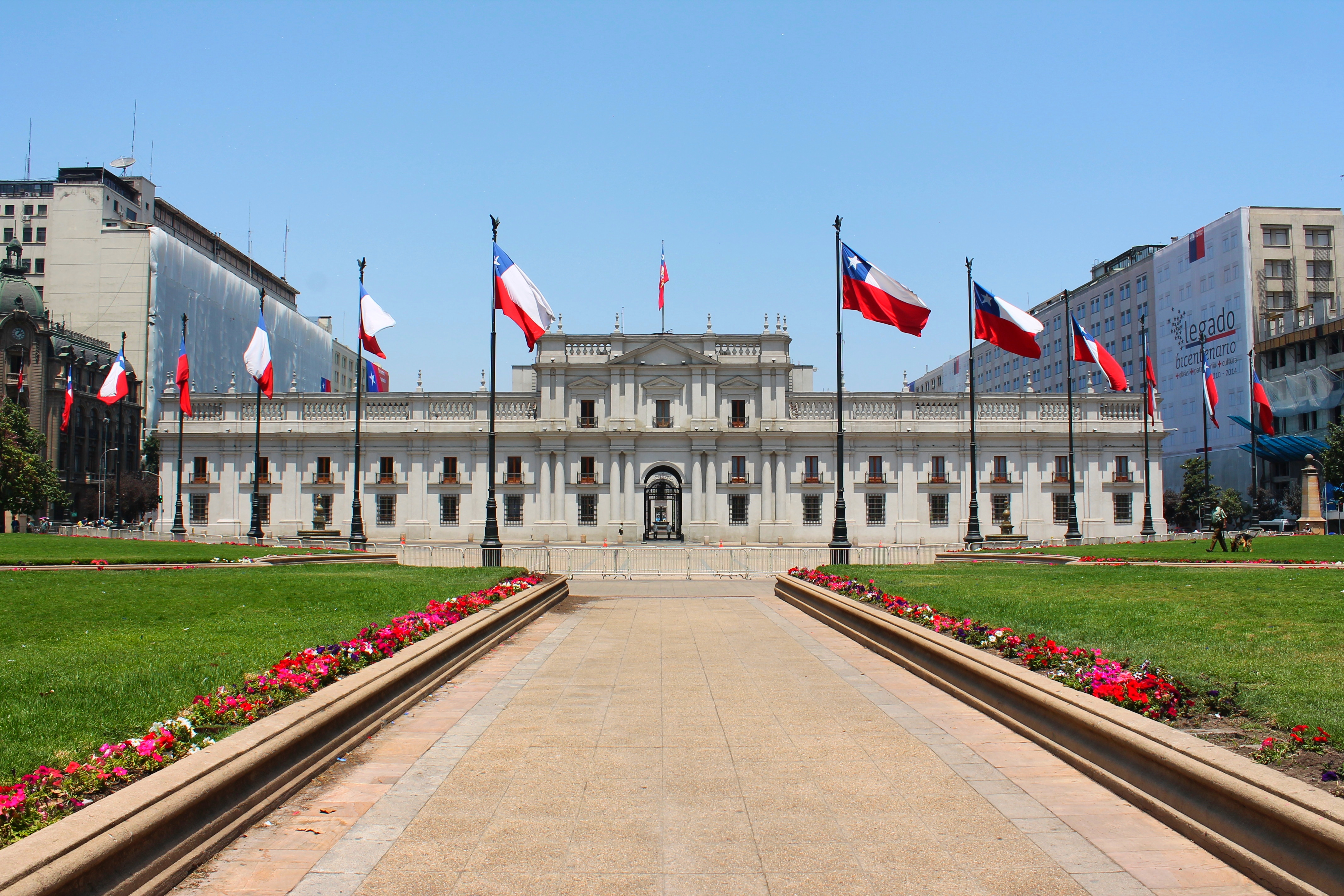
The Museum of Contemporary Art (MAC) showcases contemporary Chilean and international artists. The La Moneda Palace—the presidential building—offers tours when not in political use (check beforehand). The building, constructed in neoclassical style in 1846, represents Chilean governmental power and independence. The surrounding plaza, Plaza de La Moneda, hosts public gatherings and events.
Street art galleries and contemporary art spaces have proliferated across neighborhoods, particularly Lastarria. Santiago’s art scene, both traditional and contemporary, reflects Chile’s emergence as a developed nation with sophisticated cultural institutions. The balance between heritage preservation and contemporary creativity characterizes the city’s cultural approach.
🎨
Fun Fact: Chilean artist Claudio Bravo achieved international fame for hyperrealistic still-life paintings. Another notable figure, Roberto Matta, pioneered surrealist techniques before founding his own movement. Santiago’s art heritage extends beyond visual arts into literature, music, and performance.
City Parks: Urban Green Space
Parque Metropolitano, Santiago’s largest urban park, covers 722 hectares. The park contains hiking trails, viewpoints, and recreational facilities. Multiple entrances allow access from different neighborhoods. The park’s primary feature—rising above the city—provides perspective on Santiago’s scale and geographic position. The park’s cable car ascends to viewpoints without hiking requirement, though hiking remains the primary activity.
Parque O’Higgins, the city’s second-largest park, offers more casual recreation. Lakes, gardens, and open spaces allow picnicking and relaxation. On weekends, the park fills with families and groups gathering for asados (barbecues). The park’s democratic character—accessible to all social classes—captures something essential about Santiago’s pretension toward social integration, however imperfectly realized.
Santa Lucia Hill, smaller than San Cristóbal but similarly positioned, provides city views and accessible hiking. The hill features terraced trails and fortified areas—remnants of military history. The combination of recreational infrastructure and historical layering characterizes Santiago’s park system.
🌳
Fun Fact: Santiago’s Mediterranean climate produces dry conditions ideal for urban parks. Water scarcity, increasingly problematic due to climate change, threatens park maintenance and water availability generally. The contrast between the city’s water abundance infrastructure and surrounding drought-stricken regions creates tension.
Regional Excursions: Coastal & Desert
The Pacific coast lies approximately 120 kilometers west of Santiago. Valparaíso, a historic port city with bohemian culture, colorful architecture, and vibrant street art, makes excellent day trip or overnight visit. The city, despite economic decline, maintains cultural vitality. Viña del Mar, adjacent and more upscale, offers beaches and resort infrastructure. Visiting the coast provides contrast to Santiago’s inland location and demonstrates Chile’s geographic diversity within short distances.
The Atacama Desert lies north of Santiago. While requiring overnight travel, day excursions to northern regions demonstrate Chile’s environmental extremes. The driest non-polar desert, Atacama contains landscapes so barren that NASA uses them for Mars rover testing. The contrast—leaving Santiago’s Mediterranean valley for Earth’s driest region within hours of driving—emphasizes Chile’s extraordinary geographic range.
The Lake District, further south, features volcanic landscapes, pristine lakes, and outdoor recreation. While requiring longer travel, day trips to certain lakes are feasible. The region represents Chile’s Alpine zone—cold, wet, heavily forested, and dramatically different from Santiago’s Mediterranean character.
◆
🌊
Fun Fact: The Humboldt Current, flowing north along Chile’s coast from Antarctica, creates one of Earth’s most productive marine ecosystems. The cold water supports extraordinary fish populations and seabird colonies. The current significantly influences coastal climate, making coastal areas cooler than inland regions at the same latitude.
🏛️
Fun Fact: Chile’s 1970-1973 Allende administration, followed by Pinochet’s dictatorship (1973-1990), shaped modern Chile profoundly. The transition to democracy and subsequent economic development contrasts sharply with neighboring countries’ experiences. The political history remains central to understanding contemporary Chilean society.
📍
Fun Fact: Chile’s geographic shape—2,670 kilometers long but averaging only 177 kilometers wide—creates extreme ecological diversity. The country contains deserts, Mediterranean zones, temperate forests, and glaciated regions. This variety within a single nation is geographically unusual.
Ready for Santiago?
Book wine tours in advance. Plan Andes hiking with proper acclimatization. Explore neighborhoods on foot—Lastarria and Bellavista are walkable and interesting. Sample local wines and food. Visit museums understanding Chilean history. Engage with the city’s sophistication and friendly culture. Santiago rewards visitors willing to explore beyond tourist infrastructure, discover the city’s vibrant neighborhoods, and appreciate proximity to extraordinary natural landscapes.