
Asuncion, Paraguay: Mother of Cities, Guarani Heritage & River Bluffs
Where Guarani heritage meets Paraguay’s riverside capital
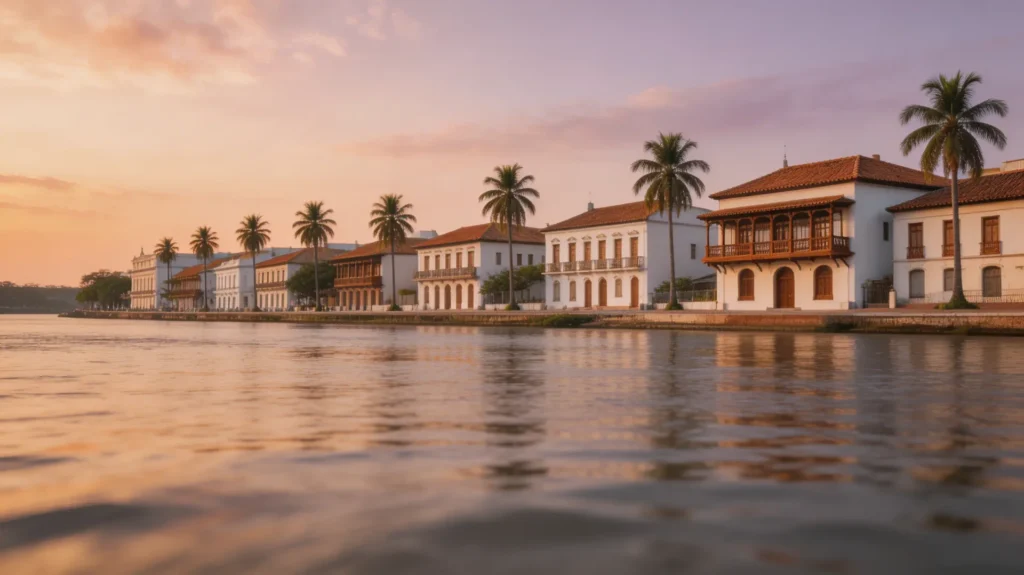
Asuncion, Paraguay’s vibrant capital, sits along the Paraguay River where subtropical landscape meets urban energy. Founded in 1537, the city holds the distinction of being the oldest capital in South America still serving in the same location. The city blends Spanish colonial architecture with contemporary development, creating layers of history visible throughout downtown neighborhoods and historic quarters.
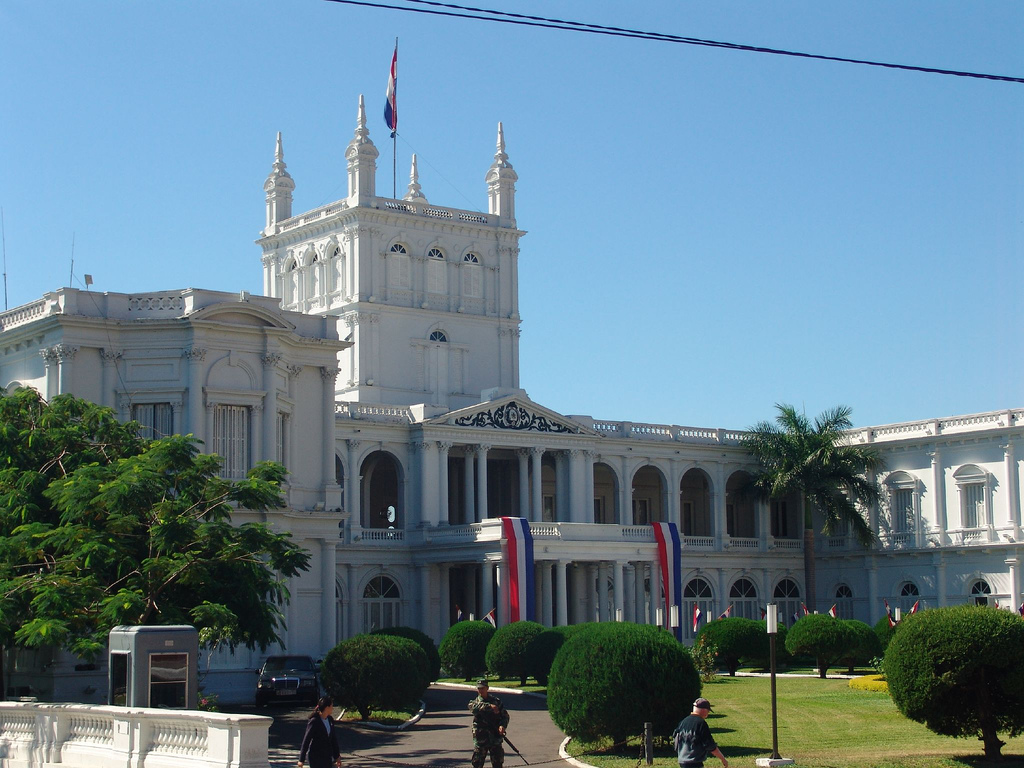
As the cultural and economic heart of Paraguay, Asuncion serves as gateway to understanding this often-overlooked nation. The city’s character reflects Guarani indigenous influence combined with Spanish colonialism and contemporary South American modernization. Visitors discover a city less touristy than regional neighbors, offering authentic local experiences, exceptional value, and genuine hospitality from residents eager to share their heritage.
The Paraguay River defines Asuncion’s geography and history, serving as transportation highway, commercial artery, and natural boundary shaping settlement patterns across centuries. Understanding this river-centric development provides essential context for appreciating the city’s spatial organization and cultural priorities. Waterfront areas increasingly receive development attention as the city modernizes while attempting to preserve historical character.
Table of Contents
Colonial Heart & Historical Architecture
Asuncion’s historic center preserves Spanish colonial architecture from the sixteenth through eighteenth centuries. The Cathedral Metropolitan, completed in 1682, showcases baroque architectural elements with twin towers dominating the skyline. Walking through the narrow streets near the cathedral reveals colonial-era buildings, many featuring neoclassical facades added during nineteenth-century renovations.
The Cabildo, dating to the sixteenth century, stands as one of Paraguay’s oldest buildings. Though extensively restored after earthquakes and conflicts, the structure maintains historical significance as symbol of colonial administration. The building now functions as museum documenting Asuncion’s founding and early development.
Numerous churches throughout the city reflect different historical periods and architectural styles. These structures often remain accessible to visitors despite active religious functions, serving as both working places of worship and historical landmarks.
Guarani Heritage & Local Culture
Paraguay remains unique in South America for maintaining Guarani language alongside Spanish across all social classes. The language represents cultural continuity from pre-Columbian times. Unlike most Latin American nations, Paraguay elevated Guarani to co-official status, reflecting national identity grounded in indigenous heritage.
Contemporary Asuncion celebrates Guarani heritage through cultural events, artistic expression, and daily language use. Radio stations broadcast in Guarani, schoolchildren learn the language formally, and literature flourishes in the indigenous tongue.
Guarani Language
Official co-language spoken across all social classes
Indigenous Crafts
Handmade textiles, pottery, and wooden items
Music & Dance
Polka variants and traditional music
Yerba Mate Culture
Social ritual fundamental to interaction
Markets & Arts Scene
Asuncion’s museum scene offers unexpected richness for a capital of this size. The Museo del Barrio documents neighborhood history and urban development. The Museo de Arte Indígena presents indigenous crafts and artistic traditions.
The Central Market sprawls across multiple city blocks, selling fresh produce, fish, meat, handicrafts, and clothing. The market functions as social gathering space for local residents.
Contemporary art galleries increasingly operate throughout Asuncion, featuring work by Paraguayan artists addressing post-colonial identity, indigenous heritage, and modern political realities.
Paraguayan Cuisine
Paraguayan cuisine reflects indigenous, Spanish, and immigrant influences combined with abundant subtropical agriculture. The cuisine remains less internationally known than Brazilian or Argentine variants, yet offers distinctive flavors and preparations.
Sopa Paraguaya, despite its name, represents thick cornbread containing cheese, onions, and sometimes meat rather than soup. Sopapilla, deep-fried pastries dusted with sugar, serve as dessert or snack food.
Asado
Grilled meat barbecue tradition with chimichurri
Empanadas
Pastry pockets with meat or vegetables
Milanesa
Breaded and fried meat cutlets
Tereré
Cold yerba mate served in gourds
Planning Your Visit
Asuncion remains accessible but requires attention to practical details. The city increasingly welcomes international visitors, though tourism infrastructure develops gradually compared to established destinations.
The best seasons extend from May through September when subtropical temperatures moderate to comfortable ranges. December through March bring intense heat and humidity.
Paraguay recently liberalized visa policies, with most nationalities receiving tourist visas upon arrival.
Discover Asuncion’s Authentic South American Character
Asuncion invites you to experience Guarani heritage, colonial architecture, subtropical landscapes, and genuine local hospitality in Paraguay’s dynamic capital.
Start planning your Asuncion adventure today with Facts From Upstairs.