
Berlin, Germany: Wall History, Techno Underground & Creative Revolution
Europe’s most dynamic capital where Cold War scars fuel contemporary creativity and underground culture shapes urban identity
Berlin represents Europe’s most provocative and energetic capital—a city still visibly processing its traumatic 20th-century history while simultaneously creating one of the world’s most vibrant contemporary culture scenes. The Berlin Wall, which divided the city for 28 years, fell in 1989, yet the scars remain visible in street patterns, architecture, and psychological geography. The city was literally split between communist Soviet control and Western democracy, creating divergent urban development across the divided space. Reunification in 1990 created opportunities for reinvention that other European cities lacked.
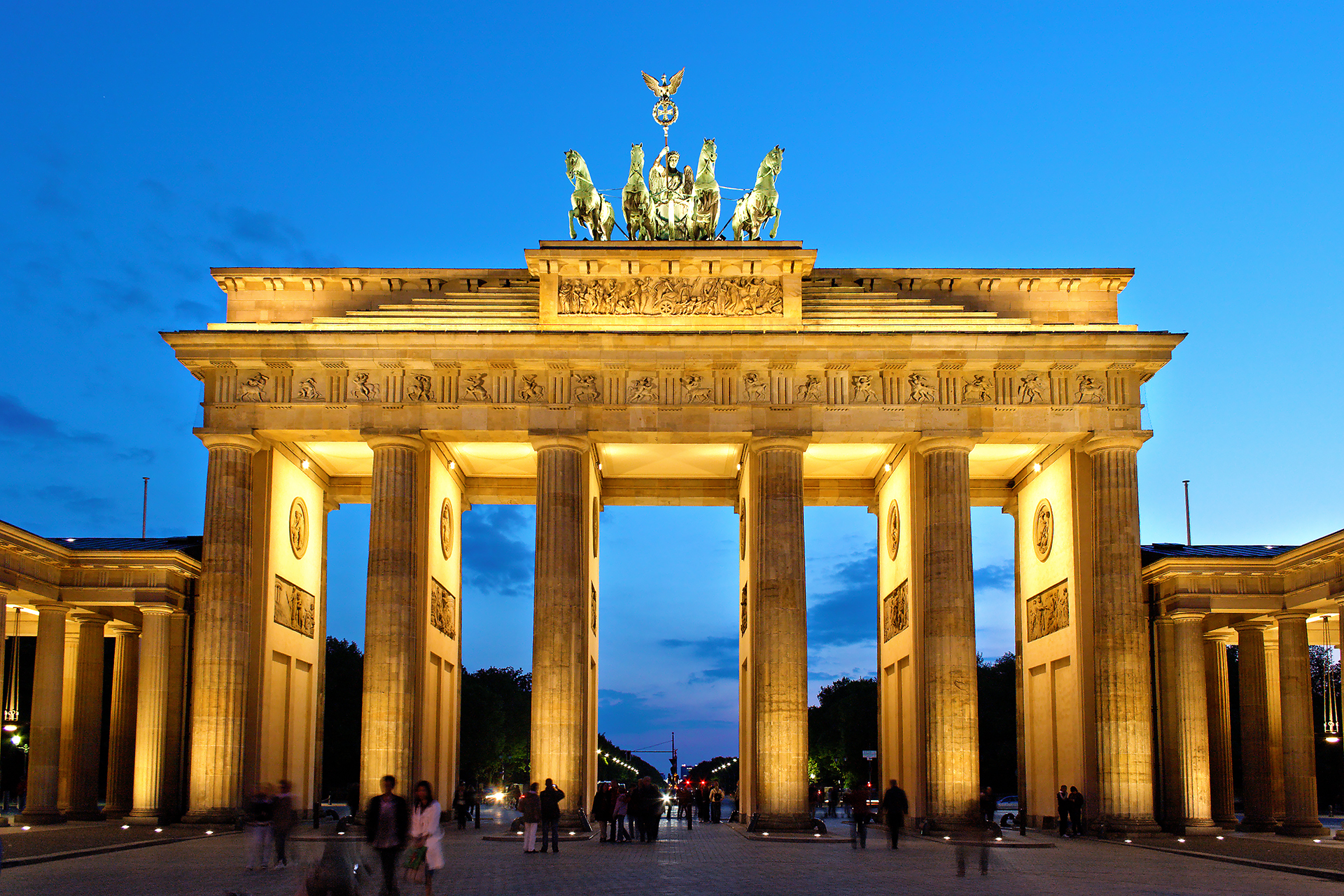
Berlin’s contemporary identity emerges from this unique history. The affordability of property in post-reunification decades attracted artists, musicians, and creative professionals who established world-renowned gallery scenes, techno clubs, street art culture, and experimental performance traditions. The city embraces edginess, provocation, and creative risk-taking in ways that more established capitals discourage. This combination—serious history, creative ferment, affordable lifestyle compared to other major capitals, and unapologetic avant-garde culture—makes Berlin essential for understanding contemporary Europe.
What You’ll Find Here
Berlin Wall: History, Remnants & Memory
The Berlin Wall, constructed in 1961 by the German Democratic Republic (East Germany), physically divided Berlin for 28 years, separating families and creating one of the Cold War’s most potent symbols. Nearly 140 kilometers of concrete barriers separated East and West, with guard towers, searchlights, and kill zones designed to prevent escapes. Approximately 140 people died attempting to cross the wall. The wall’s fall on November 9, 1989, initiated the process leading to German reunification and signified the beginning of Soviet Communism’s terminal decline.
The most famous remnant, the East Side Gallery, preserves approximately 1.3 kilometers of wall surface covered with murals by artists from around the world. The murals transform what was a symbol of division and oppression into a canvas for artistic expression and hopeful messages. Walking the East Side Gallery, you encounter iconic images including the Soviet leader Leonid Brezhnev and Erich Honecker (East German leader) kissing, symbolizing Soviet control over East Germany.
Other wall remnants remain throughout the city—the Checkpoint Charlie crossing point (heavily touristic), the Documentation Center providing historical context, and segments preserved within the landscape. The memorial at the Topographie des Terrors depicts the SS and Gestapo headquarters. Walking Berlin, you frequently encounter wall segments, boundaries that once divided the city, and architectural discontinuities reflecting different development under separate political systems.
Techno Underground: Berlin’s Infamous Club Culture
Berlin’s techno scene crystallized after reunification when derelict post-industrial spaces became venues for underground electronic music. The Tresor Club, established in a bank’s basement during the 1990s, pioneered Berlin’s techno culture, hosting underground DJs and attracting global audiences. Over decades, the scene evolved from underground fringe culture to internationally recognized movement attracting hundreds of thousands annually. Today, Berlin hosts 140+ clubs ranging from tiny underground venues with 100-person capacity to massive industrial spaces hosting 5,000+ attendees.
The culture emphasizes technical excellence, artistic integrity, and resistance to commercialization. The best Berlin clubs maintain strict door policies where payment cannot guarantee entry—doors discriminate based on attire, attitude, and “fit” with venue energy. This meritocratic door policy maintains scene integrity by excluding tourists seeking photographic opportunities or casual clubbers. Serious participants respect these boundaries. The experience involves 8-12 hour sessions with DJs creating evolving soundscapes rather than playing hit songs.
The Berghain, perhaps Berlin’s most famous venue, occupies a former power station and hosts techno and house music in an unpretentious environment that emphasizes music and community over luxury or spectacle. The door policy is notoriously selective, and phone photography is strictly prohibited to preserve the sanctity of the experience. These details—the severity, the refusal of easy access, the prioritization of authentic experience over documentation—characterize Berlin’s techno philosophy.
Street Art & Urban Creativity
Berlin’s street art culture is arguably the world’s most sophisticated. The city hosts thousands of murals, ranging from spontaneous tags to elaborate commissioned pieces. The RAW Gelände, a sprawling abandoned rail yard, functions as outdoor gallery where street artists maintain evolving canvases. Kreuzberg and Friedrichshain neighborhoods contain the highest concentration of street art and function almost as open-air museums. The art ranges from technically accomplished large-scale murals to political statements and experimental techniques.
The city maintains a nuanced relationship with street art—some murals are commissioned by property owners, others represent unauthorized expression. The legal status remains ambiguous, creating productive tension that encourages constant evolution as some work gets buffed (painted over) while new work appears. This constant churn ensures the street art scene remains vital rather than static. Unlike cities that preserve street art as historical artifacts, Berlin embraces the mutability and process-oriented nature of urban expression.
Gallery culture supports street artists’ transition to fine art, with numerous galleries representing artists who began in street culture. The gallery scene is accessible and non-pretentious—many galleries welcome visitors without advance notice, openings welcome everyone, and the contemporary art community actively engages with street culture. This integration of fine art and street expression is distinctly Berlin—the hierarchies that separate high art and street expression elsewhere are less pronounced here.
Museums, Bunkers & Historical Sites
Berlin’s museum landscape is extraordinary. The Museum Island (Museumsinsel) clusters five world-class museums focused on ancient civilizations and European art. The Pergamon Museum houses the Pergamon Altar and collections of classical antiquities. The German Historical Museum surveys German history with notable depth and nuance regarding controversial periods. The Deutsches Technikmuseum explores German technical achievement across centuries. The Jewish Museum Berlin addresses Holocaust history and Jewish cultural heritage with architectural significance equal to its collections.
The Bunker 1947 offers direct experience of WWII-era bunkers where Berliners sheltered during bombardment. The tours provide sensory understanding of wartime experiences—the crowding, the darkness, the proximity of death overhead. The Memorial to the Murdered Jews of Europe creates emotional space through architectural minimalism and experiential design. These sites don’t instructively explain history but rather create conditions for contemplative engagement with profound historical trauma.
The Topographie des Terrors, built on the site of Gestapo and SS headquarters, documents the institutions of terror that characterized Nazi governance. The museum doesn’t shy from difficult material—documentation, photographs, and testimony create confrontational engagement with historical complicity. This unflinching approach to difficult history characterizes Berlin’s museums across multiple institutions. The city refuses sanitized narrative in favor of complexity that challenges visitors.
Neighborhoods: Urban Exploration & Authentic Living
Berlin’s neighborhoods maintain distinct characters shaped by historical division, immigration patterns, and economic development. Kreuzberg, occupied historically by Turkish immigrants and squatters, maintains counterculture energy with street art, alternative venues, and DIY culture. Prenzlauer Berg, originally working-class East Berlin, gentrified after reunification but maintains bohemian atmosphere in its tightly-packed streets and artistic community. Friedrichshain, another working-class East Berlin neighborhood, embraces the anarchist/techno culture more authentically than the gentrified alternatives.
Charlottenburg, in the West, represents bourgeois Berlin with elegant streets, the Charlottenburg Palace, and conventional commercial zones. Charlottenburg attracts fewer tourists and serves as counterpoint to the edgy neighborhoods. Walking between neighborhoods, you cross boundaries that were once controlled by armed guard posts—these transitions remain palpable despite 30+ years since reunification. The city’s geography maintains the imprint of division in ways that can’t be fully healed.
The neighborhoods’ authenticity comes from locals genuinely living in them rather than neighborhoods existing purely for tourism. Taking time in neighborhood cafés, shops, and streets reveals how Berliners actually live—the mix of young creative professionals, immigrant communities, long-term residents, and international transplants creates genuinely multicultural spaces. Spending time sitting in parks, cafés, and streets provides understanding unavailable through guidebook attractions.
Kreuzberg
Intense street art, squatter history, alternative venues. Edgy, politically charged, visually stimulating. Not touristy but increasingly gentrified.
Prenzlauer Berg
Bohemian aesthetic, cafés, galleries, boutiques. More established gentrification than Kreuzberg. More accessible to visitors; less confrontational.
Practical Planning & Essentials
Berlin is accessible via direct flights from most European cities, excellent rail connections, and affordable buses. The city center is navigable by public transportation (U-Bahn and S-Bahn subway/regional rail) and by foot. Berlin costs significantly less than other major European capitals—accommodation, food, and entertainment remain affordable compared to Paris, London, or Zürich. Budget accommodation (hostels) costs 20-30 euros; mid-range hotels 60-100 euros; upscale accommodation 150+ euros.
Food costs 8-15 euros (casual), 25-50 euros (restaurants). The street food culture is exceptional—kebab, döner, and Vietnamese restaurants offer excellent quality at minimal cost. The food diversity reflects Berlin’s multicultural population—Turkish, Vietnamese, Lebanese, and other immigrant communities maintain authentic restaurants without tourism markup.
Spring (April-May) and fall (September-October) offer optimal weather and moderate crowds. Summer brings peak tourists and occasional heat. Winter is grey and cold but creates different atmospheric conditions and fewer crowds. The city experiences year-round nightlife and cultural events. Most museums close Mondays; confirm hours before visiting. Many venues remain closed until evening or late morning.
Transportation
Public transit excellent and affordable (3-euro single journeys, week passes 30 euros). Bikes ubiquitous and rentable (10-15 euros daily). Walking feasible for neighborhood exploration.
Safety Notes
Generally safe; use standard city precautions. Some neighborhoods (Warschauer Str. area) have petty crime. Avoid isolated locations late at night. Common sense applies—no special risks compared to other major capitals.
Plan Your Berlin Experience
Spend minimum 4-5 days to experience museums thoughtfully, explore multiple neighborhoods, engage with street art culture, and potentially experience nightlife. Longer stays enable deeper neighborhood immersion, multiple museum visits, and participation in underground culture that unfolds slowly. The ideal visit balances historical sites with contemporary creative engagement, avoiding the trap of treating Berlin as a history museum rather than an active, evolving creative capital.