
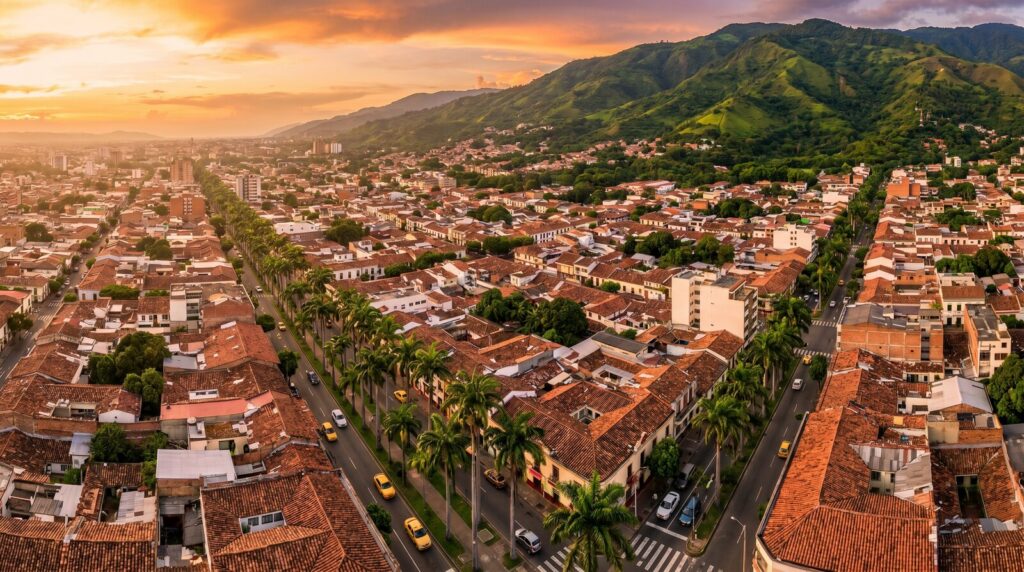
Cali, Colombia: Salsa Capital, Valle del Cauca & Colombian Nightlife
Where music pulses through streets and salsa isn’t just entertainment—it’s identity
Cali pulses with rhythms. Walk any street in this Colombian city and you’ll encounter salsa in some form—blaring from shops, emanating from nightclub doorways, danced spontaneously on sidewalks by residents who can’t help but move to the music. The city has earned designation as the world’s salsa capital, a claim supported by over a thousand venues dedicated to the genre, an influential recording industry that shaped salsa’s global development, and a population that approaches dance as spiritual practice rather than mere entertainment. The heat is perpetual (average temperature hovers near 30°C year-round), and the nightlife extends past dawn—bars and clubs operate around the clock, with fresh energy arriving as early risers head out. Beyond salsa’s obvious appeal lies a city rich in cultural complexity, colonial architecture, natural beauty, and culinary traditions rooted in Valle del Cauca’s agricultural abundance. Cali rewards visitors willing to embrace its nocturnal rhythm and genuinely engage with the culture creating that rhythm.

Quick Navigation
Salsa Culture & Musical Heritage
Salsa’s development cannot be separated from Cali’s history. The city’s tropical climate, multicultural population, and late-twentieth-century economic development created perfect conditions for a music industry centered on the genre. From the 1960s onward, Cali-based recording labels and musicians shaped salsa’s direction, competing with Puerto Rican and Cuban influences to establish distinctly Colombian sound characteristics. Artists including Grupo Niche, Fania Records stars, and contemporary performers put Cali on the global salsa map.
The genre itself emerged from African rhythmic traditions mixed with Spanish instrumentation and Cuban son influences, gestating in Caribbean port cities and reaching maturity in New York during the 1960s. Yet Cali claimed and transformed it—the city’s particular interpretation emphasized complex percussion, horn arrangements, and emotional intensity that distinguished Caleño salsa from other regional variations. To hear Cali salsa is to encounter music that prioritizes improvisational brilliance alongside compositional sophistication.
Understanding salsa’s cultural significance requires recognizing it as more than entertainment. For many Caleños, salsa connects to identity, family history, and personal expression in ways that resonate spiritually. Dancers move with stories—heartbreak, celebration, resistance, joy—embedded in their movements. Watching a masterful dancer isn’t observing entertainment; it’s witnessing emotional articulation through movement.
Nightlife Venues & Club Scene
Cali’s nightlife rivals any global destination in diversity and intensity. The city operates continuously—restaurants serve dinner until midnight, clubs reach full capacity around 11 PM, and after-hours venues welcome dancers until dawn. The club scene segregates somewhat by neighborhood and clientele: San Antonio hosts upscale tourist-oriented venues; Cristo Rey offers more authentic, local-focused establishments; Granada emphasizes newer, trendier clubs; and Pance features outdoor venues in the surrounding foothills.
Salsatecas—clubs specifically dedicated to salsa—range from dive bars with outstanding musicians to sophisticated venues with dance floors hosting hundreds. Zaperoco, considered one of the finest salsa clubs globally, showcases live orchestras and dancers demonstrating professional-level technique nightly. Smaller establishments in barrio neighborhoods offer more intimate experiences where locals outnumber tourists and authenticity compensates for refined amenities. The cover charges typically range $5-15, with drink prices reasonable by international standards.
Attending clubs demands adjusting to Cali’s timeline. Few worthwhile venues reach full energy before midnight; optimal attendance occurs between 1-4 AM. This schedule challenges visitors accustomed to earlier sleep, yet adapting to local rhythm enhances cultural integration. Many clubs feature live orchestras, transforming them from nightclubs into concert venues where dancers respond to musicians performing complex arrangements in real-time.
Salsa Dance Lessons & Classes
Learning to dance salsa transforms Cali experience from observation to participation. Multiple schools and private instructors offer lessons ranging from one-hour introductions to week-long intensives. Classes typically occur during afternoon and evening hours, accommodating tourists’ schedules while avoiding the city’s heat-intensive midday hours. Experienced instructors understand that visitors arrive without prior salsa exposure and structure lessons accordingly—beginning with basic step patterns before progressing to partner work and improvisation.
The fundamental salsa pattern involves eight beats organized into two four-count phrases: step forward, back, in place for the first four beats, then reverse for the second four. This simple foundation enables surprising complexity as instructors introduce hip movement, partner communication, and increasingly sophisticated turning patterns. Most beginners achieve competent social dancing within five to ten hours of instruction, enabling confident participation in club environments.
Private lessons allow personalized instruction; group classes offer the advantage of partner rotation and community. Many schools facilitate club visits after lessons, introducing students to actual dancing environments. The best instructors emphasize feeling the music rather than mechanical step execution—salsa’s essence lies in responding emotionally to what musicians are playing, making improvisation and musicality more important than perfect footwork.
Neighborhoods & Cultural Exploration
The San Antonio neighborhood combines colonial architecture, art galleries, boutiques, and quality restaurants within a compact, walkable area. Restored colonial homes now house establishments catering to tourists and affluent locals. The neighborhood maintains genuine character despite commercial development—street art decorates walls, local artists work in street-level studios, and conversation remains central to social interaction.
Cristo Rey, immediately uphill from downtown, represents the authentic Cali that drew the city’s cultural reputation. Steep streets, colorful buildings, and genuine neighborhood feeling create an environment where tourists remain clearly visible but not unwelcome. Walking these neighborhoods during daylight reveals the informal economy and daily rhythms that create Cali’s cultural character. Street vendors sell empanadas, arepa variations, and fresh tropical fruits; residents socialize from doorways and stoops; children play in plazas while adults watch.
The Museo La Tertulia showcases contemporary Colombian art and hosts experimental performances. The museum’s architecture—built partially underground to maintain climate control in the tropical heat—reflects sophisticated design thinking. The collection emphasizes local and national artists, providing perspective on Colombian artistic traditions alongside international contemporary work.
Live Music Venues
Beyond salsatecas, jazz clubs and rock venues operate throughout the city, offering genre diversity. Many establishments feature live bands nightly, creating a musician culture that extends beyond salsa.
Food Markets
Central Market offers overwhelming abundance—tropical fruits in colors barely seen elsewhere, vegetables, herbs, and prepared foods reflecting Colombian culinary traditions.
Religious Architecture
The San Francisco Cathedral represents Spanish colonial religious architecture, while the Metropolitan Cathedral displays more contemporary sacred design alongside the religious art collection.
Contemporary Art
Galleries concentrate in San Antonio, showcasing Colombian contemporary artists. The gallery scene reflects Cali’s cultural dynamism and international artistic influences.
Valle del Cauca Region & Agriculture
The department of Valle del Cauca extends beyond Cali, encompassing agricultural regions that supply Colombia’s sugar, tropical fruits, and other crops. Traveling through the valley reveals landscapes of sugarcane fields stretching toward horizons, banana plantations organized in geometric patterns, and smaller farms growing cassava, avocados, and tropical fruits. This agricultural abundance influences Cali’s cuisine—fruits and vegetables arrive at markets in remarkable variety and affordability.
Cristo Rey offers rural experiences within forty kilometers of the city. The town features colonial architecture reflecting its historical importance as a religious center, along with hot springs fed by geothermal sources. Day trips from Cali provide escape from urban intensity while maintaining cultural continuity with the broader region. The landscape transitions from urban center through suburban development to genuinely rural countryside, revealing the agricultural systems supporting the urban population.
The Cauca River creates the geographical feature defining the region. The river remains central to transportation, agriculture, and community identity despite its current state of environmental stress. Understanding Colombian geography requires appreciating how rivers organize settlement patterns and economic activity in ways that highways have only partially displaced.
Practical Information & Safety
Cali requires safety consciousness that wouldn’t be necessary in many travel destinations. The city’s reputation for crime is partially deserved, though largely overstated in international media. Visiting safely demands practical precautions: avoid displaying valuables, use registered taxis rather than street hailing, avoid certain neighborhoods entirely (local guides advise which areas to avoid), and maintain awareness of surroundings particularly late at night. Most club-going tourists employ basic precautions without incident—the key involves understanding genuine risks versus cultural differences and exercising proportionate caution.
The best safety strategy involves connecting with established tour companies, instructors, and club owners who have stakes in tourist safety. Groups visiting clubs together experience few problems; solo travelers require heightened vigilance. Cali remains popular with tourists, suggesting that appropriate precautions mitigate risks to acceptable levels. The city presents challenges requiring respect and awareness rather than prohibition.
The city’s heat demands hydration and attention to sun exposure. Temperatures consistently reach 28-30°C, with humidity adding to heat stress. Light, breathable clothing, sunscreen, and regular water consumption become non-negotiable. The climate requires pacing—rest during heat-intensive midday hours, embrace the evening’s activity schedule, and allow acclimatization before aggressive activity.
The demographic complexity of Cali reflects centuries of colonial and postcolonial history. The city developed as significant port for African slaves during colonial periods, creating the demographic composition that shaped contemporary culture. This historical trauma—the middle passage, slavery, systemic exploitation—underlies the cultural creativity that salsa music represents. Understanding salsa culture requires acknowledging the historical injustices that African-descended Colombians experienced, recognizing how cultural expression became vehicle for resilience and community assertion. Contemporary engagement with salsa culture demands this historical consciousness rather than merely consuming the music as entertainment divorced from social context.
Cali’s food culture remains significantly underdeveloped in international tourism marketing compared to coastal cities or Bogotá. Yet the culinary traditions reflecting Valle del Cauca’s agricultural abundance deserve serious exploration. Local specialties include bandeja paisa variations, fresh tropical fruits, and seafood preparations reflecting Caribbean influences. Market food constitutes authentic culinary experience—street vendors provide empanadas, arepas, and fried plantains at prices reflecting actual food costs rather than tourism markup. The informal food economy operating through street vendors and small comedores (simple restaurants) represents daily Cali life more accurately than tourist-focused establishments.
The surrounding countryside provides escape from urban intensity. Rural areas around Cali support sugar production, tropical fruits, and traditional agriculture. Day trips enable observation of agricultural landscapes and small communities. The region’s ecological diversity—transitioning from dry valley to humid coastal areas—creates varying ecosystems supporting distinctive flora and fauna. Birdwatching enthusiasts recognize the region for significant avian diversity, with multiple endemic species inhabiting specific elevation and vegetation zones.
Experience Colombia’s Pulse
Cali demands engagement and rewards openness. This isn’t a destination for passive tourism—it requires learning to dance, embracing unfamiliar rhythms, adjusting to novel scheduling, and respecting cultural traditions you’re joining as visitor. Yet travelers who invest genuinely discover a city of profound cultural wealth, artistic expression, and human warmth that transcends stereotypes and creates memories lasting lifetimes.