
Caye Caulker, Belize: Barrier Reef Snorkeling, Go Slow Island & Blue Holes
Discover Belize’s most laid-back island paradise where Caribbean time moves like molasses and the reef is your playground
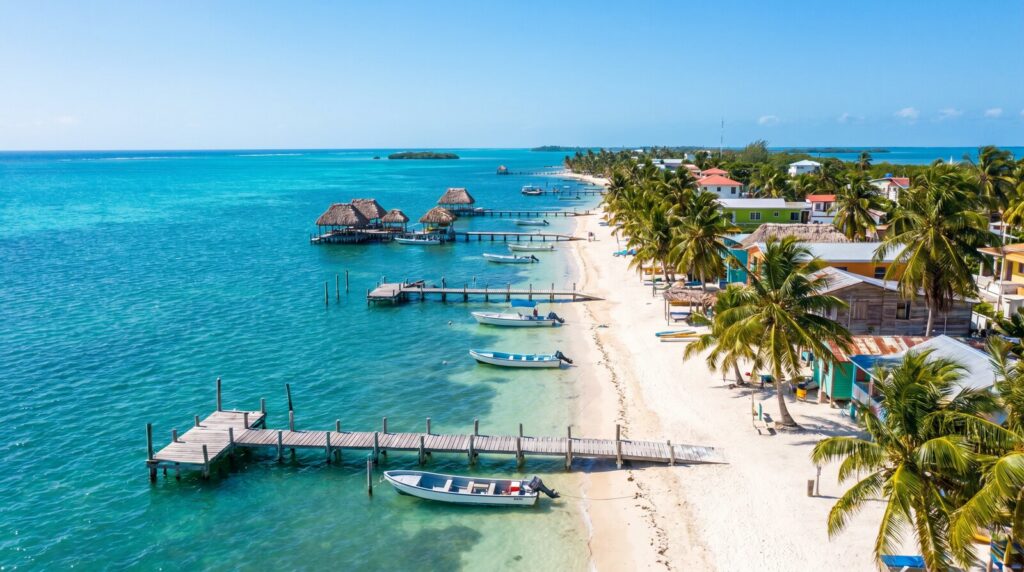
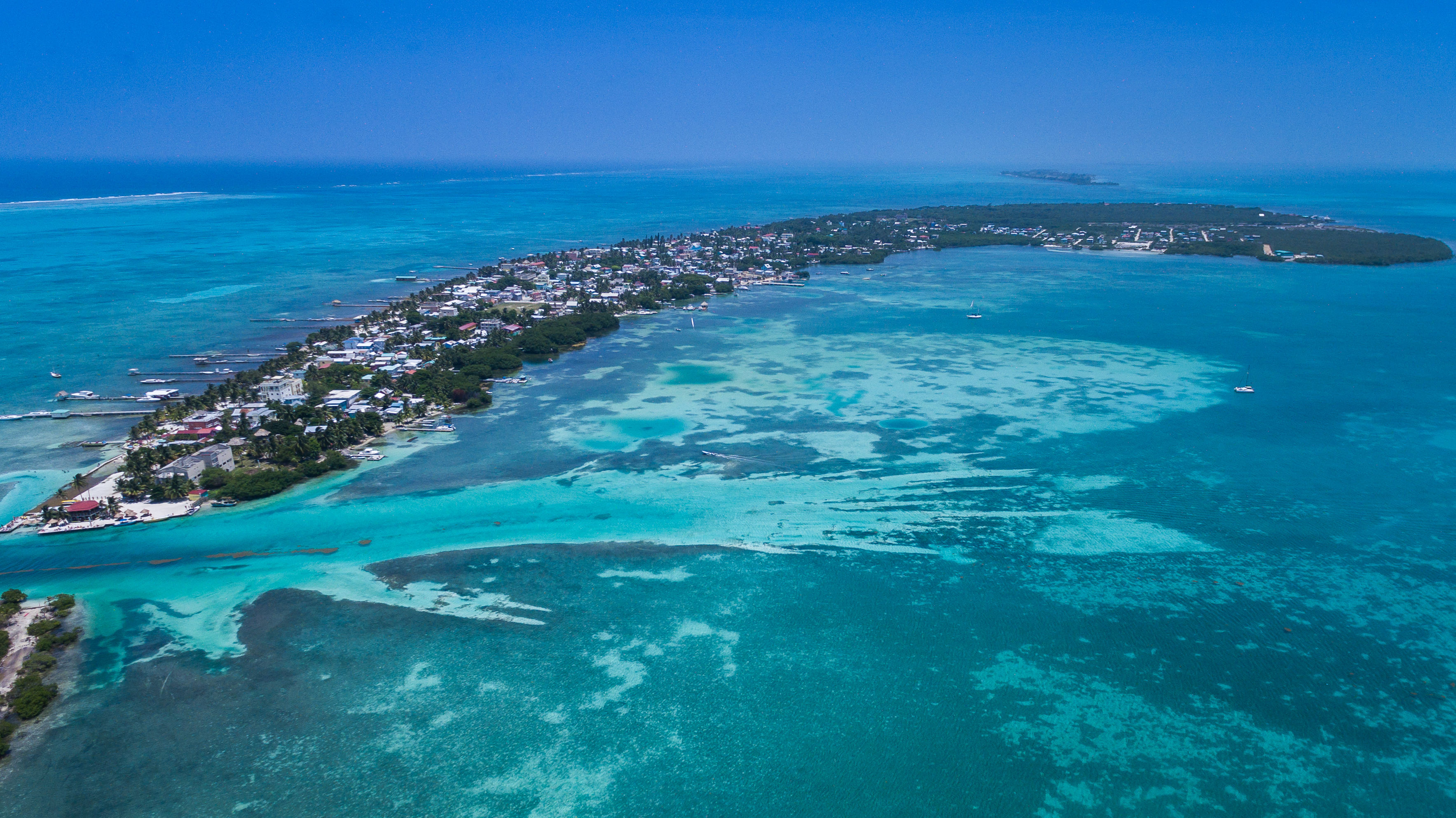
Caye Caulker embodies Caribbean paradise with a specific philosophy: go slow. This small island, barely two kilometers long and a few hundred meters wide, has intentionally resisted overdevelopment that plagues other Caribbean islands. There are no chain resorts, no sprawling hotels, and no high-rise casinos. Instead, you’ll find colorful beach shacks, laid-back bars, friendly locals, and one of the world’s greatest snorkeling destinations right at your doorstep—the Belize Barrier Reef. The official island motto is literally “Go Slow,” reflecting a culture that prioritizes experiences over schedules, people over productivity, and the present moment over future ambitions.
What You’ll Discover
Go Slow Philosophy: Island Culture & Values
Caye Caulker’s “Go Slow” philosophy isn’t just a marketing slogan—it’s genuinely embedded in the island’s culture and policy. In the 1990s, as Caribbean tourism boomed and islands nearby experienced massive hotel development, Caye Caulker’s residents made a deliberate choice. Rather than chase maximum tourism revenue, they prioritized quality of life, environmental protection, and maintaining the island’s character. The result is an island where things move at Caribbean pace, where neighbors know each other, and where tourism exists in harmony with local life rather than dominating it.
This philosophy manifests in everyday ways. Vehicles operate at walking speeds because the island is that small. Electricity is expensive, so lights dim at sunset. Internet exists but moves slowly, encouraging people to talk instead. Restaurants serve meals at whatever pace they’re being prepared. Time is measured in tides and seasons rather than schedules. Visitors quickly sync with island rhythm—the urgency of mainland life simply evaporates.
Split City (The Split)
The island’s most iconic swimming spot. Where a channel was dredged to connect boat traffic, creating a natural gap where locals gather to swim, jump, and socialize. Central gathering point of island life.
Island Time
Embrace it completely. If a restaurant is closed when you arrive, they’ll open when you’re ready to eat. If snorkel operators are delayed, it’s because conditions are perfect now. Flexibility becomes freedom.
Barrier Reef Snorkeling: Underwater Paradise
Caye Caulker sits on the Belize Barrier Reef—the world’s second-largest coral reef system. The reef is literally minutes from the island by boat. You can snorkel in water so clear and teeming with life that it feels like swimming through an aquarium, except you’re surrounded by actual wild creatures going about their lives. The reef here is pristine, well-protected, and phenomenally biodiverse.
A typical snorkel trip departs in morning when water is calmest and visibility peaks. You’ll float above coral formations—elkhorn, brain, staghorn, and delicate fan corals. Below, you’ll encounter parrotfish (their eating sounds are audible), groupers, snappers, angelfish, queen conch, sea cucumbers, starfish, and if you’re lucky, sea turtles. The reef is alive in ways that never stop being awe-inspiring no matter how many times you experience it.
Snorkel Tours
Multiple operators offer reef tours. Most are half-day trips, $25-40 per person including equipment. Small boat groups provide better experience than massive tour boats. Book directly with operators or through hotels.
Reef Etiquette
Never touch coral (even light contact damages polyps). Don’t stand on reef. Avoid sunscreen (reef-toxic chemicals). Don’t feed fish. These practices protect the system that makes snorkeling possible.
Fish Identification
Download a reef fish identification app before arrival. Identifying species enhances observation and creates lasting engagement with what you’re experiencing.
Night Snorkeling
The reef transforms after sunset. Nocturnal species emerge. Available through some operators. More advanced activity requiring more caution but absolutely unforgettable.
The Blue Hole & Lighthouse Reef
Just 45 minutes from Caye Caulker lies one of the most extraordinary geological formations on Earth: the Great Blue Hole. This perfectly circular sinkhole in the seafloor measures 1,000 feet across and 400 feet deep, filled with deep blue water that contrasts starkly with the surrounding turquoise reef. It’s visible from aircraft, accessible by boat, and utterly mesmerizing.
Most Blue Hole excursions include stops at the hole itself (snorkeling around the rim) and Half Moon Caye, a smaller caye where you can snorkel the reef and visit the red-footed booby bird sanctuary. The trip is typically 7-8 hours but absolutely worth every minute. The boat ride itself is an adventure, the snorkeling is spectacular, and seeing the Blue Hole in person creates a memory that lasts a lifetime.
Blue Hole Tours
Full-day tours cost $150-200 per person, typically including boat, guide, snorkel equipment, and lunch. Tours depart early (6-7 AM) for good reason—the journey takes time and conditions improve with early starts. Hotels and tour operators can arrange bookings.
Island Experiences: Swimming, Fishing & Beach Life
Beyond snorkeling, Caye Caulker offers quintessential Caribbean island experiences. The island is small enough that you can walk most of it in an hour. The main activity is swimming—whether at the Split, designated beach areas, or off the dock where it’s deeper and calmer.
Many visitors spend days simply existing on island time. Wake when the sun rises. Have breakfast of fresh fruit and strong coffee. Snorkel or fish or swim. Lunch is fish ceviche on the dock watching pelicans dive. Afternoon brings a beer at a beachfront bar, maybe a nap in the shade. Sunset is mandatory—everyone stops to watch. Dinner is shared with locals and other travelers. Night comes alive with minimal electricity, maximum stars, and conversation that’s genuine because digital distractions are minimal.
Hiking the Island
Caye Caulker’s mangrove interior can be explored via boardwalks and paths. Guides offer tours revealing birds, crabs, and ecosystem details invisible to casual visitors. Short hikes, big discoveries.
Dock Life
The island’s working docks reveal authentic island life. Fishing boats unload catch. Locals repair nets. Tourism and authentic local economy exist side by side. Respectful observation is welcome.
Yoga & Wellness
Several operators offer yoga sessions, massage therapy, and wellness retreats. The island’s slow pace naturally supports mindfulness and physical restoration.
Sunset Experiences
Rent a kayak and paddle to the shallows for sunset. Book a boat tour that times arrival for golden hour. Simply sit on the dock. Any way you experience it, Caye Caulker sunsets are transcendent.
Local Food: Fresh Seafood & Caribbean Flavor
Caye Caulker’s food reflects its location—fresh seafood is the foundation, but Caribbean influences, Mexican proximity, and diverse population create interesting fusion. Many restaurants sit directly on the water. The pace of eating matches the island pace: meals arrive when they’re ready, not when ordered.
Ceviche
Fresh fish or seafood cured in lime juice with cilantro and tomato. Available everywhere. Lionfish ceviche is exceptional—a sustainable choice supporting reef conservation.
Conch Salad
Queen conch is harvested locally. Prepared raw in lime, diced with peppers and onion. An island staple worth trying. Chewy texture, clean ocean flavor.
Fish Tacos
Often prepared with fresh catch, lightly fried or grilled, served in corn tortillas with cabbage, lime, and homemade hot sauce. Simple perfection.
Huevos Rancheros
Fried eggs on tortillas with refried beans, onions, and peppers. Breakfast staple. Best consumed early before the heat peaks.
Practical Guide: Getting There & Where to Stay
Accommodations
Caye Caulker has no chain hotels—only small guesthouses, beach cabins, and family-run hotels. This is actually perfect. Budget options ($30-50/night) offer basic rooms with fans. Mid-range ($50-120/night) includes beach bungalows with better amenities. Higher-end properties ($120-250/night) offer luxury island experiences. All accommodate the island’s philosophy.
Budget Stays
Guesthouses, hostels, and simple hotels. Fan-cooled rooms. Communal kitchens sometimes available. Great for meeting other travelers and keeping costs minimal.
Beachfront Cabins
Private bungalows often steps from water. Mid-range pricing. Much of Caye Caulker’s charm comes from beachfront living with minimal barriers between you and the ocean.
Island Resorts
Larger properties offering amenities like pools, spas, and restaurants. Still small-scale and characterful. More comfortable but maintain island ethos.
Long-Term Stays
Many visitors rent apartments monthly. Caye Caulker rewards staying longer—you understand the island rhythm better and build relationships with locals.
Surrender to Caribbean Time
Caye Caulker asks something rare of modern travelers: presence without purpose. It asks you to simply be, without constant documentation or optimization. Snorkel in waters so clear you’ll swear you’re hallucinating the clarity. Float on your back watching pelicans hunt. Talk to local fishermen about their lives. Eat conch straight from the ocean. Experience how time dissolves when schedules lose meaning. This is what Caribbean paradise actually feels like.