
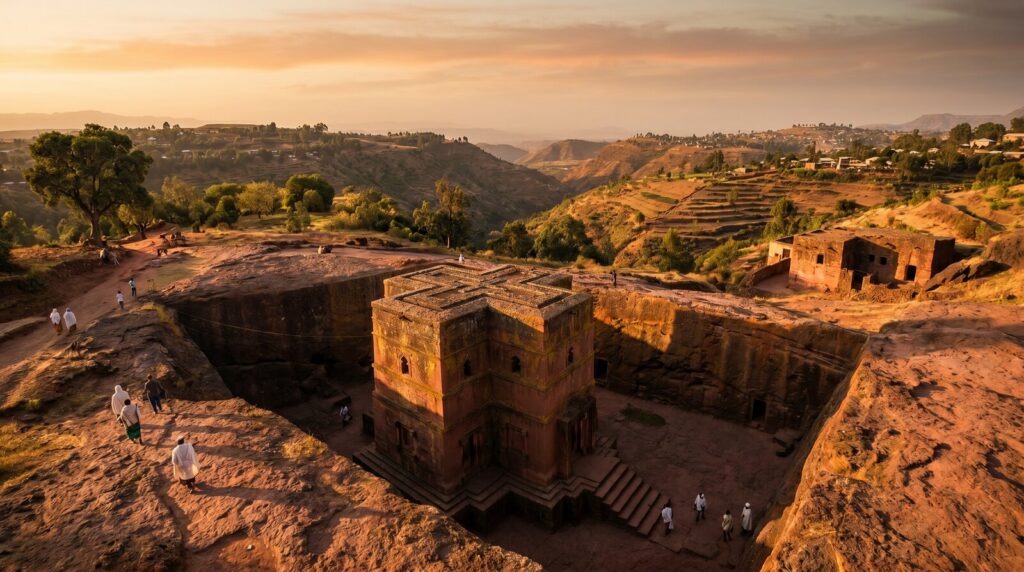
Lalibela, Ethiopia: Rock-Hewn Churches, Ethiopian Orthodox & Mountain Pilgrimage
Rock-Hewn Churches, Ancient Pilgrimage Sites, and African Orthodox Mysteries
Lalibela represents one of the world’s most compelling travel destinations, combining historical significance with contemporary cultural vitality. The city showcases extraordinary architectural achievements, distinctive cultural traditions, and opportunities for meaningful traveler engagement with local communities and heritage preservation.
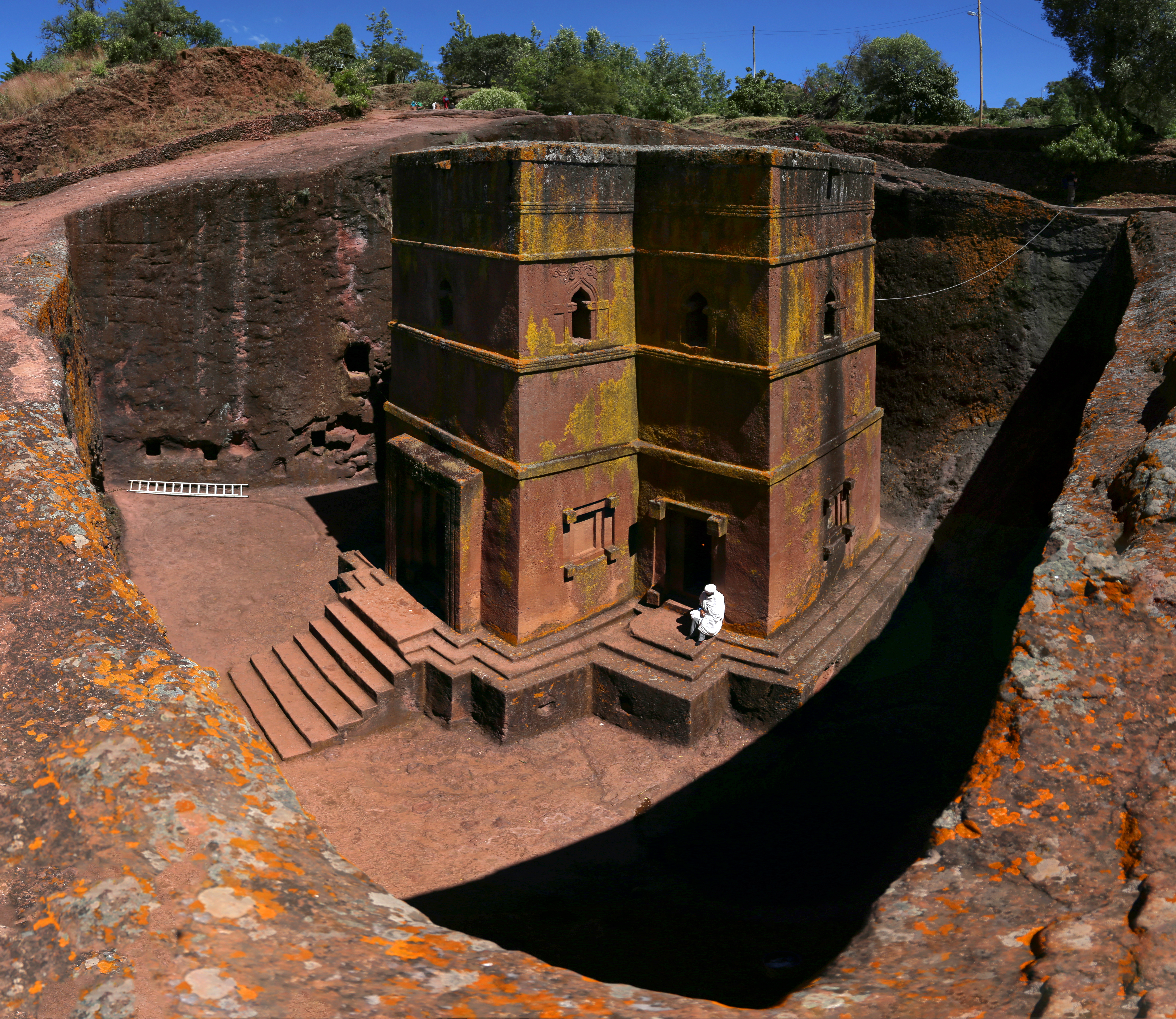
Visitors to Lalibela encounter layered histories—ancient civilizations, colonial periods, post-colonial development, and contemporary globalization all visible in architecture, cultural practices, and daily life. Understanding these layers enriches travel experiences by providing context for observed phenomena.
Contemporary Lalibela balances preservation of cultural heritage with economic development through tourism. Sustainable travel practices remain essential for ensuring tourism benefits align with preservation goals.
Table of Contents
Historical Significance & Heritage
Lalibela developed through centuries of cultural synthesis. Historical forces including trade networks, empire-building, colonialism, and independence movements shaped the city’s development.
Museums, historical sites, and cultural institutions throughout Lalibela document historical narratives. These resources provide educational opportunities.
Contemporary Lalibela continues evolving—historical preservation coexists with modern development.
Contemporary Culture & Traditions
Lalibela’s cultural character reflects historical inheritances combined with contemporary innovation. Local communities maintain traditions while engaging with global influences.
Markets, festivals, and community gathering spaces provide opportunities to observe and participate in local cultural expression.
Historical Sites
Monuments documenting past periods and achievements
Living Traditions
Contemporary expressions rooted in historical inheritances
Sacred Spaces
Religious sites maintaining spiritual significance
Community Spaces
Gathering areas revealing daily social life
Key Attractions & Sacred Sites
Lalibela contains numerous significant sites reflecting historical importance and cultural significance.
Sacred sites remain functioning religious and community spaces. Visiting requires cultural sensitivity.
Day trips and excursions from Lalibela provide access to surrounding cultural and natural sites.
Local Experiences & Activities
Exploring Lalibela involves engaging with daily life—markets, restaurants, neighborhoods, and social spaces.
Markets provide multisensory immersion in local commerce, agriculture, and culture.
Evening activities in Lalibela range from cultural performances to casual social gatherings.
Food & Dining in Lalibela
Lalibela’s cuisine offers a deeply authentic Ethiopian dining experience. Injera—the spongy sourdough flatbread—forms the foundation of nearly every meal, topped with colorful stews called wot. Try doro wot (spicy chicken stew), considered Ethiopia’s national dish, or the milder shiro wot made from ground chickpeas. During fasting periods observed by Ethiopian Orthodox Christians (Wednesdays and Fridays), restaurants serve exceptional vegetarian platters known as beyaynetu, featuring lentils, greens, beets, and cabbage.
Local honey wine called tej is Lalibela’s signature drink, served in small flask-shaped glasses called berele. The town’s traditional restaurants, known as bunna bets (coffee houses), offer the full Ethiopian coffee ceremony—a ritualistic roasting, grinding, and brewing process that can last an hour and is a cornerstone of Ethiopian social culture. Fresh roasted barley snacks called kolo and sweet flatbreads are common accompaniments. For budget travelers, small local eateries serve generous portions for very reasonable prices.
Getting Around Lalibela
Lalibela is a compact mountain town at approximately 2,500 meters elevation, and most attractions are walkable from the town center. The rock-hewn churches are divided into two main clusters connected by a short path, both within easy walking distance of most hotels. Be prepared for steep, uneven terrain and bring sturdy footwear—the carved stone surfaces around the churches can be slippery, especially during the rainy season.
For trips to outlying sites like Yemrehanna Kristos cave church (about 42 km away) or the Asheton Maryam monastery perched high above town, you can hire local guides with mules or arrange 4×4 transport through your hotel. Domestic flights from Addis Ababa to Lalibela’s Lalibela Airport operate daily and are the most practical way to reach the town, though adventurous travelers can also arrive via long-distance bus routes from Dessie or Bahir Dar.
Frequently Asked Questions About Lalibela
What is the best time to visit Lalibela?
The dry season from October to March offers the best weather with clear skies and comfortable temperatures around 20-25 C during the day. January hosts the spectacular Timkat (Epiphany) celebrations, one of Ethiopia’s most important religious festivals. The rainy season (June-September) makes roads muddy but the landscape turns brilliantly green and visitor numbers drop significantly.
How much does it cost to visit the rock churches?
A single entrance ticket covers access to all 11 rock-hewn churches and is valid for multiple days. Hiring a licensed local guide is highly recommended to understand the religious significance, hidden details, and legends behind each church. Guide fees are separate from the entrance ticket. Prices may change, so check current rates upon arrival.
Is Lalibela safe for tourists?
Lalibela is generally very safe for travelers. The local community is welcoming and tourism is a vital part of the economy. Standard precautions apply—keep valuables secure and be aware of your surroundings. The altitude can cause mild symptoms in some visitors, so take it easy on your first day and stay hydrated.
How many days should I spend in Lalibela?
Two to three days is ideal for exploring all the rock-hewn churches at a relaxed pace, attending an early morning church service, experiencing a traditional coffee ceremony, and hiking to the Asheton Maryam monastery viewpoint. If visiting during Timkat or other festivals, add an extra day to fully experience the celebrations.
Do I need a guide for the Lalibela churches?
While not strictly mandatory, hiring a licensed guide is strongly recommended. The churches contain intricate religious paintings, hidden passages, and centuries of history that are easy to miss without expert interpretation. Guides also help navigate proper etiquette, such as removing shoes before entering churches and understanding ongoing worship services.
Planning Your Visit
Practical planning considerations for Lalibela include transportation, accommodation, visa requirements, climate, and seasonal factors.
Seasonal considerations significantly impact Lalibela experiences. Climate affects outdoor exploration feasibility.
Lalibela accommodations range from luxury establishments to budget guesthouses. Mid-range options typically provide good value.
Discover Lalibela’s Distinctive Cultural Heritage
Lalibela offers incomparable opportunities to experience rich cultural heritage, historical significance, and contemporary vibrancy while engaging respectfully with local communities and supporting sustainable tourism.
Start planning your Lalibela adventure today with Facts From Upstairs.