
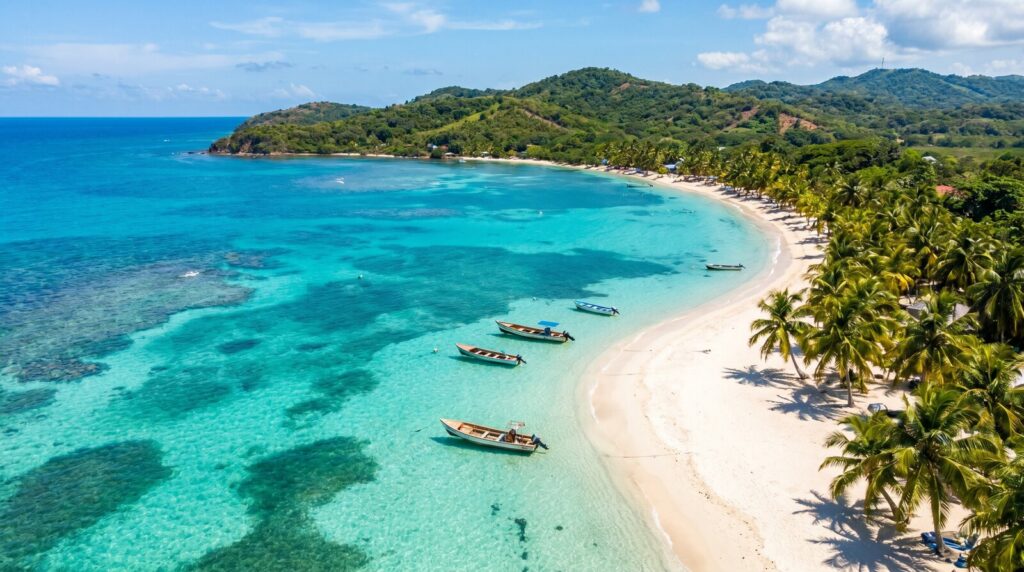
Roatan, Honduras: Caribbean Dive Paradise, Coral Kingdom & Island Time
Caribbean dive paradise where coral kingdoms meet island time and relaxation
Roatan, a Caribbean island off Honduras’ northern coast, represents the Caribbean diving experience—pristine coral reefs, diverse marine life, and underwater ecosystems supporting exceptional biodiversity. The island’s strategic location on the Mesoamerican Barrier Reef provides world-class diving accessible to recreational divers. The island’s culture reflects Caribbean traditions, international dive community, and contemporary tourism economy.
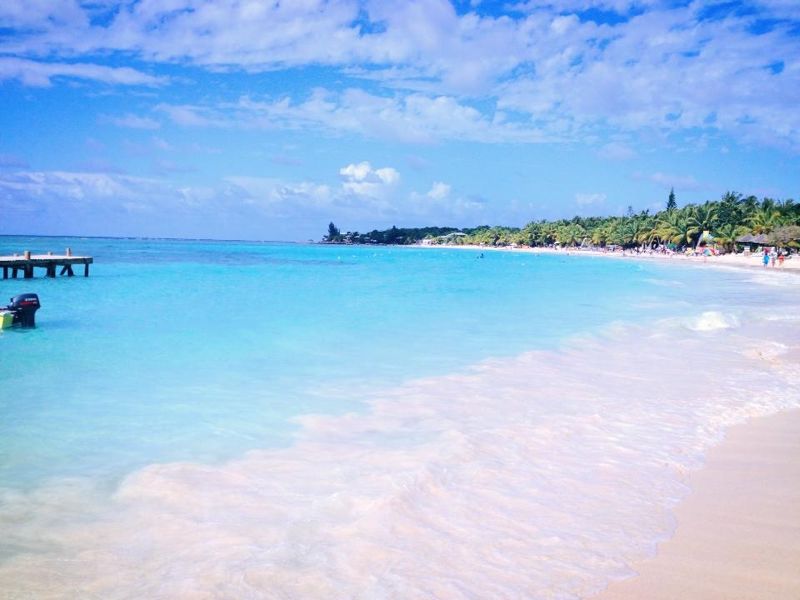
The island developed tourism economy based on diving, with resorts, dive shops, and recreational infrastructure catering to underwater enthusiasts. The economy shifts from historical fishing and agriculture toward tourism, creating economic opportunities while raising concerns about sustainable development and environmental impact. This economic transition shapes contemporary island character.
Roatan offers both underwater and terrestrial experiences—diving and snorkeling combine with hiking, wildlife observation, and cultural engagement. The island’s compact size permits exploring diverse environments within short distances. The relatively developed tourism infrastructure provides comfort while maintaining Caribbean authenticity.
Table of Contents
Diving & Snorkeling Paradise
Roatan’s positioning on the Mesoamerican Barrier Reef provides access to exceptional diving with reefs beginning close to shore. The island supports numerous dive operations from training schools to established shops. The combination of quality, affordability, and accessible training creates ideal beginner destination while satisfying experienced divers.
Dive sites accommodate various experience levels. Beginner sites feature shallow depths and calm conditions. Advanced sites offer dramatic drop-offs and challenging underwater geography. Night diving reveals nocturnal creatures.
Coral Kingdoms
Diverse coral species from brain coral to delicate sea fans
Fish Diversity
Groupers, snappers, jacks, parrotfish species
Sharks & Rays
Caribbean reef sharks, eagle rays
Wall Diving
Dramatic underwater topography with pelagic species
Marine Life & Reef
The coral reef ecosystem surrounding Roatan represents complex biological system where coral animals create limestone structure hosting thousands of species. Understanding ecosystems requires learning coral symbiosis, fish behavior maintaining reef health, and human activities threatening sustainability.
Marine protected areas regulate fishing, anchor damage, and tourism impact. Regulations minimize threats while economic pressures create enforcement challenges.
Hawksbill sea turtles, critically endangered species, nest on Roatan beaches. Conservation efforts protect nesting habitats and reduce poaching.
Island Culture & Life
Roatan’s population reflects Caribbean traditions with creole culture, fishing heritage, and multicultural coexistence shaping local character. The island community negotiates contemporary tourism economy while preserving cultural traditions.
Contemporary Roatan balances tourism development with local community interests. Local residents work in tourism while maintaining cultural practices.
Creole Heritage
Caribbean culture reflecting African, European, indigenous influences
Fishing Legacy
Historical economic importance maintaining cultural significance
Seafood Cuisine
Fresh fish, conch, lobster preparations
Family & Community
Extended relationships maintaining social organization
Land Adventures & Nature
Beyond diving, Roatan offers terrestrial activities complementing marine experiences. Hiking through interior forests reveals tropical biodiversity and endemic bird species.
Marine and terrestrial environments interconnect through mangrove wetlands, sea grass beds, and reef systems. These habitats provide nurseries for fish, feeding grounds for mammals, and breeding sites for birds.
Zip-lining through canopy forest provides thrilling experiences while offering canopy perspectives. Canopy tours employ safety equipment and trained guides.
Planning Your Experience
Roatan remains accessible Caribbean destination with developed tourism infrastructure. Island logistics require attention with ferry transport and island navigation differing from mainland travel.
The island maintains temperate tropical climate. Hurricane season (June-October) brings tropical rainfall and occasional major storms. Dry season (November-May) offers predictable weather.
Roatan accommodations range from budget dive hostels to luxury resorts. The budget-friendly reputation attracts backpackers and budget travelers.
Discover Caribbean Diving Paradise at Roatan
Roatan invites experiencing world-class reef diving, vibrant marine ecosystems, beautiful beaches, and authentic Caribbean culture.
Start planning your Roatan adventure today with Facts From Upstairs.
Getting Around Roatan
Roatan stretches about 77 kilometers from tip to tip, so getting around requires some planning. The main road runs along the island’s spine, connecting West End, West Bay, Coxen Hole, French Harbour, and Oak Ridge.
Taxis and Colectivos
Shared minibuses (colectivos) run along the main road between Coxen Hole and West End for around L30-50 (about $1-2 USD in 2026). Private taxis are widely available but always agree on the fare before getting in — a ride from the cruise port to West Bay typically costs $15-20 USD. Water taxis connect West End to West Bay Beach for about $3 per person, saving you a 20-minute walk around the point.
Scooter and Car Rentals
Renting a scooter ($30-40/day) or a car ($50-70/day) gives you the freedom to explore the island’s less-visited eastern end, where you’ll find communities like Punta Gorda and Oak Ridge with far fewer tourists. Drive on the right, and watch out for speed bumps — they appear without warning.
Dive Shop Boats
If you’re diving or snorkeling, most operators include boat transfers from their dock to the reef sites. Some also offer complimentary pickups from West End and West Bay hotels.
Where to Eat & Drink in Roatan
Roatan’s food scene blends Garifuna flavors, Honduran staples, and Caribbean seafood in ways that will genuinely surprise you.
Must-Try Local Dishes
Start with baleadas — flour tortillas stuffed with refried beans, cheese, and scrambled eggs, available at roadside stands for under $2. Sopa de caracol (conch soup) is the island’s signature dish, a rich coconut-milk broth packed with conch, plantains, and yuca. For seafood, grilled whole red snapper with coconut rice and fried plantains is the quintessential Roatan meal.
Best Spots
Sundowners Beach Bar in West End is the island’s social hub — grab a Salva Vida beer and watch the sunset. Roatan Oasis serves excellent seafood at honest prices with your feet in the sand. For upscale Caribbean dining, Vintage Pearl in Sandy Bay pairs ocean views with creative dishes like coconut-crusted lobster. In French Harbour, hit Gio’s Restaurant for fresh-off-the-boat catches at local prices.
Garifuna Cuisine
Head to Punta Gorda on the island’s north shore to experience authentic Garifuna cooking: machuca (mashed plantain with coconut fish soup), hudut, and cassava bread. It’s a cultural experience as much as a culinary one.
Frequently Asked Questions About Roatan
What is the best time to visit Roatan in 2026?
The dry season from February through September offers the best conditions, with water visibility exceeding 30 meters. April 2026 is an excellent sweet spot — warm and sunny, fewer crowds than the winter high season, and whale shark season beginning on nearby Utila. Hurricane season runs from October through January, though Roatan rarely takes direct hits.
Is Roatan safe for solo travelers?
Roatan is generally considered the safest of the Bay Islands and safer than mainland Honduras. The West End and West Bay tourist areas are well-patrolled. Standard precautions apply: avoid walking alone late at night outside the main strip, don’t flash expensive gear, and use reputable dive operators. Many solo travelers, especially divers, find Roatan extremely welcoming.
How do I get to Roatan from the mainland?
Juan Manuel Galvez International Airport (RTB) receives direct flights from San Pedro Sula, La Ceiba, and seasonal international flights from Houston, Miami, and Dallas. The Galaxy Wave ferry connects La Ceiba to Roatan’s Coxen Hole terminal in about 1 hour 15 minutes, running daily. Book ferry tickets at the dock or online in advance during peak season.
Do I need to be a certified diver?
Not at all! Roatan is one of the cheapest places in the world to get your PADI Open Water certification — courses run $250-350 in 2026, a fraction of what you’d pay in Southeast Asia or Australia. Non-divers can enjoy incredible snorkeling right off the beach, with the reef starting just meters from shore in many spots.
What currency is used on Roatan?
The Honduran lempira (HNL) is the official currency, but US dollars are accepted virtually everywhere on the island. ATMs in Coxen Hole and West End dispense both lempiras and dollars. Credit cards are widely accepted at hotels and dive shops, though smaller restaurants and colectivos prefer cash.
Explore More Caribbean & Dive Destinations
If Roatan’s reefs have you hooked, these guides will keep the adventure going: