
Nassau, Bahamas: Paradise Island, Pirate History & Junkanoo Festival
Bahamas’ pirate-history capital where island paradise meets Caribbean culture
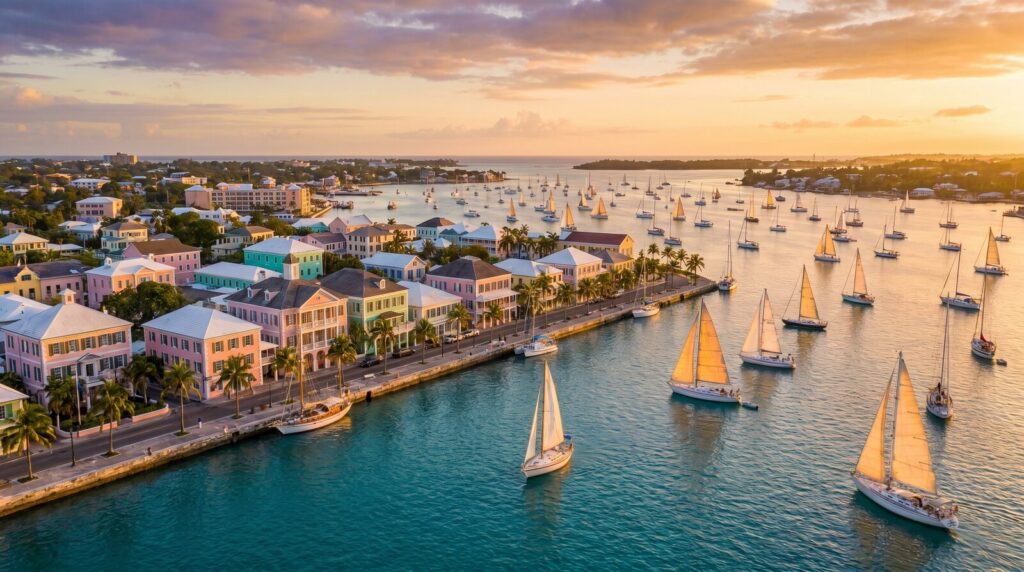
Nassau, the Bahamas’ capital, embodies Caribbean island allure—crystal-clear waters, white sand beaches, resort development, and vacation culture. The city’s strategic location in the Caribbean, colonial heritage, pirate history, and contemporary tourism prominence create distinctive positioning. Nassau functions as transportation hub for Caribbean travel, cultural center for the nation, and primary tourist destination.
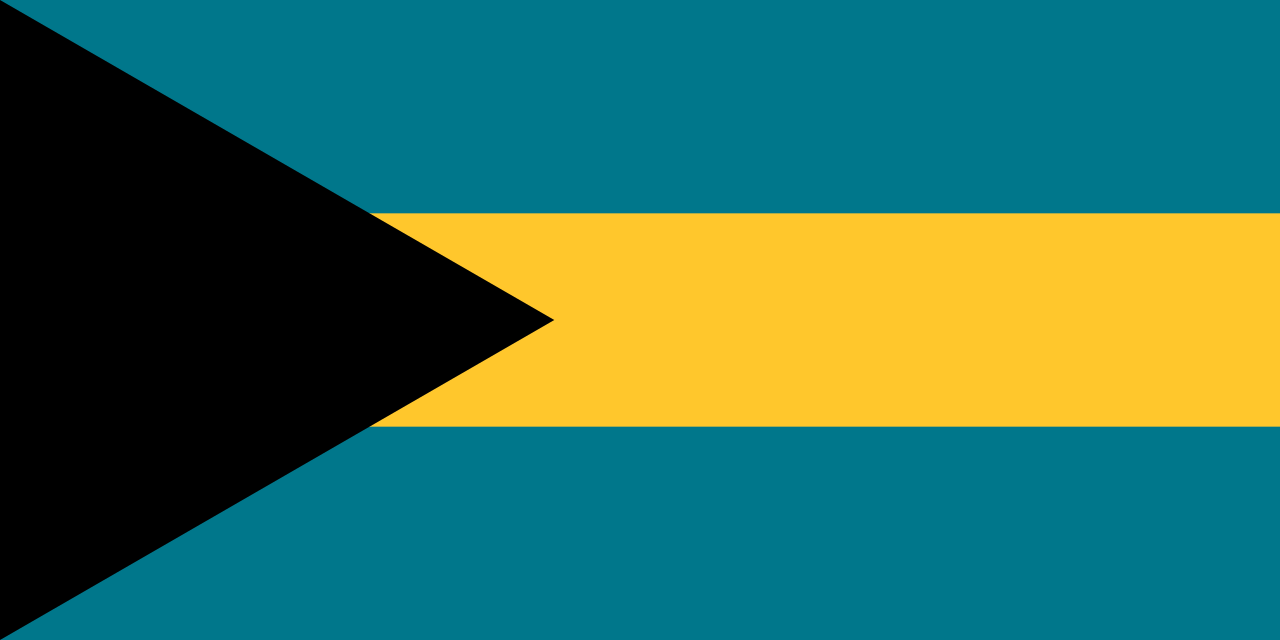
The city’s pirate history permeates cultural consciousness. During the Golden Age of Piracy (late 1600s-early 1700s), Nassau became infamous pirate haven under the “Republic of Pirates” flag. Blackbeard, Anne Bonny, and legendary pirates established bases. Contemporary Nassau preserves pirate heritage through museums and cultural narratives.
Nassau balances tourism development with local community interests, with residents navigating modernity while maintaining cultural traditions. The city combines resort luxury with neighborhood authenticity, international sophistication with Caribbean culture. Contemporary Nassau represents Caribbean island tourism—both its opportunities and challenges.
Table of Contents
Pirate History & Heritage
Nassau’s pirate heritage represents fascinating historical episode when maritime outlaws established autonomous governance. Pirate captains including Blackbeard, Henry Morgan, and Anne Bonny established bases, formed loose governance structures, and engaged in maritime commerce. The pirate republic ultimately proved unsustainable.
Fort Jefferson, located on Dry Tortugas near Key West, served as execution site for captured pirates. Brutal punishment methods reflected authorities’ determination to suppress piracy and establish maritime rule.
Contemporary Nassau maintains pirate heritage through tourism marketing and historical reenactments celebrating roguish figures.
Beaches & Island Paradise
Nassau’s primary attraction remains the legendary beaches—Paradise Island, Cable Beach, and nearby island resorts offering white sand, crystal-clear waters, and resort amenities. The beaches support tourism while creating familiar vacation experiences attracting North American visitors.
Beyond famous resort beaches, quieter islands and beaches offer alternatives to commercialized tourism. The Out Islands maintain authentic island character with minimal development.
Water activities dominate Nassau experience—swimming, snorkeling, jet skiing, parasailing, and boat tours. Professional operators provide equipment rental and guided experiences.
Caribbean Culture & Junkanoo
Nassau’s cultural character reflects African diaspora heritage, Caribbean traditions, and contemporary Bahamian identity. The population maintains strong cultural consciousness through music, cuisine, religious traditions, and annual celebrations.
Bahamian music traditions including rake and scrape, calypso, and reggae express cultural identity. Contemporary musicians blend traditional forms with modern influences.
Junkanoo Festival
Spectacular celebrations with costumes and brass bands
Rake and Scrape Music
Traditional Bahamian music with African influences
Religious Heritage
Christian churches remaining central to community life
Conch Salad
National dish of raw conch with lime and spices
Marine Adventures & Activities
Nassau’s marine environment provides exceptional opportunities for water activities. Snorkeling offers accessible opportunities to observe coral, tropical fish, and ecosystems. Diving provides deeper exploration.
Swimming with dolphins represents popular tourist activity, though ethical concerns arise regarding captive animals. Wild dolphin encounters remain possible through boat tours.
Fishing charters, boat tours, and glass-bottom boat excursions provide marine experiences without water entry.
Planning Your Visit
Nassau functions as tourism destination with well-developed infrastructure and numerous accommodation options. The city’s climate and reputation create popular destination subject to seasonal variation.
The Bahamas utilize the Bahamian Dollar equivalent to US Dollar. US dollars remain universally accepted. Tourism economy ensures English proficiency.
Nassau maintains warm tropical climate year-round. Summer brings heat and occasional tropical storms. Winter offers comfortable temperatures.
Getting Around Nassau
Downtown Nassau is compact and walkable, with Bay Street’s shops, restaurants, and historic sites all within easy reach of the cruise port. The Straw Market, Parliament Square, and Fort Charlotte are connected by pleasant walking routes along the harbor. However, reaching Cable Beach, the airport, or Paradise Island requires transport.
Jitneys (local minibuses) are Nassau’s most affordable transport, running fixed routes between downtown, Cable Beach, and the eastern and western ends of New Providence island for $1.25 per ride. They operate along major roads and can be flagged down at bus stops or along the route. Taxis are plentiful but unmetered—fares are set by zone, so confirm the price before getting in.
Water taxis connect Nassau’s downtown waterfront to Paradise Island in about 10 minutes, offering a scenic and affordable alternative to the bridge crossing. For exploring beyond Nassau—the Exumas, Eleuthera, or Harbour Island—domestic flights from Lynden Pindling International Airport or the fast ferry services from Potter’s Cay dock provide access to the Out Islands.
Where to Eat & Drink
Bahamian cuisine revolves around the sea—conch is the national ingredient, appearing as cracked conch (battered and fried), conch salad (raw with citrus, peppers, and onions), and conch fritters. Arawak Cay (“The Fish Fry”) is the essential dining destination—a colorful strip of waterfront shacks serving fresh seafood with Kalik beer and rum punch in a lively local atmosphere.
For sit-down dining, Graycliff Restaurant in the historic Graycliff Hotel offers fine dining in a colonial mansion with one of the world’s most extensive wine cellars. Cafe Matisse serves Mediterranean-Bahamian fusion in a charming setting near Parliament Square. On Paradise Island, the Marina Village at Atlantis has a range of restaurants from casual to upscale.
Bahamian breakfast means boiled fish and grits—a savory, deeply flavored dish that’s an acquired taste but beloved locally. Sky Juice (coconut water, gin, and condensed milk) is the unofficial national cocktail. For budget-friendly meals, seek out local spots away from the cruise port where prices drop significantly and portions grow larger.
Frequently Asked Questions
What is the best time to visit Nassau in 2026?
December through April offers warm, dry weather with temperatures around 24–29°C—this is peak season with higher prices. June through November is hurricane season, though September and October carry the highest risk. May and early June offer a sweet spot of warm weather, lower prices, and fewer crowds before hurricane season peaks.
Do I need a visa for the Bahamas?
US, Canadian, UK, and EU citizens do not need a visa for stays up to 90 days (8 months for US citizens). You’ll need a valid passport and proof of return or onward travel. Cruise passengers clearing customs onboard typically don’t need additional documentation for day visits.
Is Nassau safe for tourists?
Tourist areas including downtown Nassau, Cable Beach, and Paradise Island are generally safe during the day. Exercise standard precautions—avoid walking alone at night in unfamiliar areas away from the tourist zones. The Bahamas has elevated crime rates in some local neighborhoods, but tourist-focused areas maintain visible security presence.
Can I swim with pigs from Nassau?
The famous swimming pigs live at Big Major Cay in the Exumas, about 85 miles southeast of Nassau. Day trips are available via speedboat or small plane, though they’re expensive ($200–400+ per person). If the swimming pigs are a priority, consider basing yourself in Great Exuma for easier and cheaper access.
What currency is used in Nassau?
The Bahamian dollar is pegged 1:1 to the US dollar, and both currencies are accepted everywhere. US dollars work seamlessly throughout Nassau—no need to exchange currency. Credit cards are widely accepted at hotels, restaurants, and shops, though some smaller vendors and jitney buses require cash.
Explore More Destinations
Discover Nassau’s Island Paradise
Nassau invites exploring pirate history, relaxing on legendary beaches, experiencing Caribbean culture, and enjoying water adventures.
Start planning your Nassau adventure today with Facts From Upstairs.