
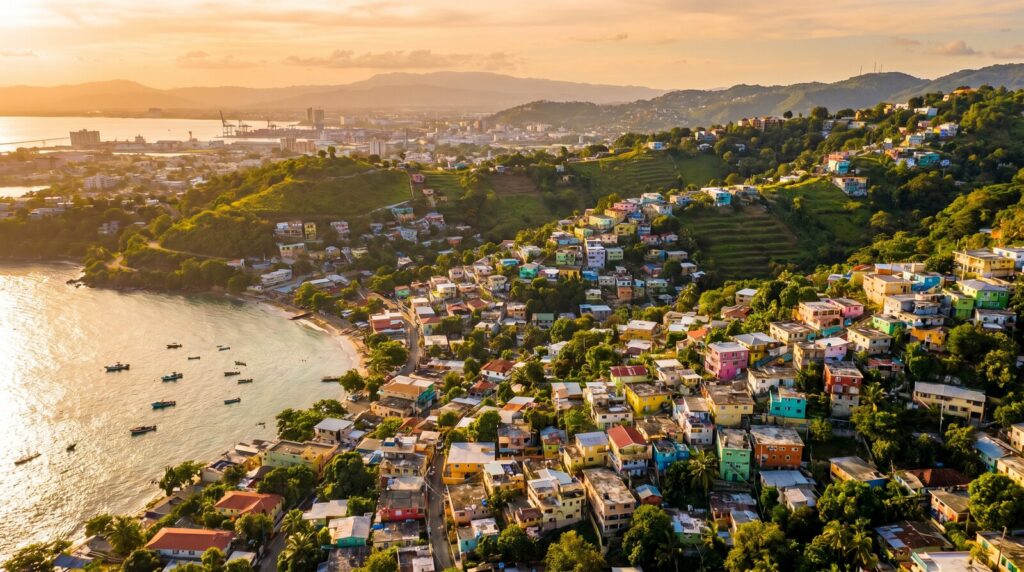
Port-au-Prince: Heart of Haiti
Port-au-Prince, the capital of Haiti, represents a unique blend of cultural traditions, historical significance, and contemporary development. Situated in Americas, this city serves as the political, economic, and cultural heart of Haiti, bridging ancient heritage with modern aspirations. The city’s strategic location and historical importance have shaped it into a dynamic urban center where tradition and progress coexist.
The character of Port-au-Prince reflects the broader identity of Haiti—marked by resilience, cultural pride, and the ongoing dialogue between preserving heritage and embracing modernity. From historic neighborhoods to contemporary architecture, the city tells the story of a nation in transition. The warmth and hospitality of residents provide windows into authentic local culture and create genuine connections between visitors and the destination.
Exploring Port-au-Prince offers opportunities to understand Haiti’s place in the broader regional and global context, to experience daily life beyond tourist attractions, and to develop genuine appreciation for a destination that often surprises visitors with its complexity and richness.
What’s Inside This Guide
- Historic Heart and Central Port-au-Prince
- Culture and Arts
- Markets and Local Commerce
- Local Cuisine and Food Culture
- Neighborhoods Beyond the Center
- Outdoor Spaces and Natural Elements
- Practical Tips for First-Timers
Historic Heart and Central Port-au-Prince
The historic center of Port-au-Prince preserves architecture and urban patterns developed over centuries of habitation and rule by various powers. Streets in the old town often follow organic patterns developed before modern urban planning, creating intimate public spaces and unexpected vistas. Historic buildings, whether restored or aged naturally, provide visual anchors and physical reminders of the city’s journey through time.
Central plazas and gathering spaces reveal Port-au-Prince’s communal traditions and the importance of public space in daily life. Markets, monuments, and administrative buildings clustered in the city center demonstrate how Port-au-Prince organized itself around commerce and governance. Walking through these areas provides lessons in urban history and the values that shaped the city.
Many historic buildings have been adaptively reused, converted from original functions into contemporary uses while maintaining architectural integrity. This approach to preservation demonstrates how cities can honor history while serving modern needs, creating fascinating layered environments.
Culture and Arts in Port-au-Prince
The cultural scene in Port-au-Prince reflects the artistic traditions and contemporary creativity of Haiti. Museums, galleries, and performance venues showcase works by local artists alongside international exhibitions, positioning Port-au-Prince as a cultural hub for the region. Contemporary artists often engage with themes of cultural identity, historical memory, and social change.
Public art throughout Port-au-Prince demonstrates how the city uses visual culture for civic expression and community dialogue. Murals, sculptures, and installations transform public spaces into galleries accessible to all. The street art and public installations reveal contemporary issues important to residents.
Traditional performance arts—music, dance, theater—continue to thrive in Port-au-Prince, with regular performances and cultural festivals celebrating local heritage. These performances represent living traditions passed down through generations and maintained through community support.
Markets and Local Commerce
Markets in Port-au-Prince reveal daily life and commercial traditions that may stretch back centuries. Vendors selling fresh produce, traditional textiles, handicrafts, and prepared foods create vibrant commercial spaces that serve residents and attract visitors. Markets operate according to rhythms understood by locals but which visitors must learn, creating opportunities for observation and interaction.
The goods sold in Port-au-Prince’s markets provide insight into local agriculture, crafts, and consumer preferences. Traditional products sit alongside contemporary merchandise, reflecting the tension between tradition and modernity that characterizes many cities globally. Market vendors often maintain family businesses across generations.
Visiting markets at different times—early morning, midday, and evening—reveals how these spaces serve different functions throughout the day. Morning hours bring farmers and producers selling fresh goods; afternoon brings household shoppers; evening brings families gathering for socializing alongside commerce.
Local Cuisine and Food Culture
Haiti’s culinary traditions find fullest expression in Port-au-Prince, where traditional recipes and contemporary cooking coexist in restaurants ranging from street stalls to fine dining establishments. Local ingredients, traditional preparation methods, and family recipes create distinctive flavors reflecting regional agriculture and cultural heritage.
Signature dishes unique to Port-au-Prince or Haiti provide culinary anchors for understanding local culture and agricultural practices. Foods that are staples to residents often surprise visitors, creating opportunities for taste-based discovery and appreciation of local foodways. The rituals surrounding meals—preparation, serving, sharing—reveal cultural values and family structures.
Street food vendors throughout Port-au-Prince offer affordable tastes of local cuisine prepared with pride in ingredients and technique. Eating from street vendors provides both authentic flavors and opportunities to interact with local food makers who often have stories about their recipes and ingredients.
Neighborhoods Beyond the Center
Port-au-Prince extends far beyond its historic or commercial center, with residential neighborhoods that host daily life of residents. These areas, less visited by tourists, reveal authentic contemporary culture and offer opportunities to experience how people actually live. Walking through neighborhoods provides lessons in urban development, architecture, and social patterns.
Residential areas often contain surprising cultural institutions—neighborhood museums, community centers, temples or mosques, schools—that represent the values and beliefs of residents. These spaces, while not designed as tourist attractions, welcome respectful visitors interested in understanding community life.
The socioeconomic diversity visible in different neighborhoods reflects broader patterns of inequality and opportunity within Haiti. Observing architecture, infrastructure, and public space investment reveals how resources are distributed across different communities.
Outdoor Spaces and Natural Elements
Port-au-Prince’s relationship with natural elements—whether parks, gardens, rivers, or mountains—shapes the city’s character and residents’ quality of life. Public parks provide green spaces for recreation, relaxation, and community gathering, often including playgrounds, sports facilities, and cultural venues.
Many cities integrate natural features—water bodies, mountain views, preserved forests—into urban design, creating spaces that connect residents to nature within the urban environment. These natural elements often have historical and spiritual significance beyond their recreational value.
The seasonality of natural features in Port-au-Prince creates annual rhythms that structure residents’ activities and celebrations. Spring blooms, summer heat, autumn colors, winter conditions—these seasonal variations shape how the city functions and how residents experience their environment.
Practical Information and Getting Around
Navigation in Port-au-Prince requires learning the city’s street patterns and transportation systems. While these may seem chaotic initially, they usually follow logical patterns once understood. Hiring guides, using local transportation, and asking residents for directions provides both practical information and opportunities for human connection.
The best time to visit Port-au-Prince is during the dry season from November to March, when temperatures average 25–32°C (77–90°F) and humidity is more bearable. Haiti’s hurricane season runs from June to November, with August and September posing the greatest risk. February is one of the most vibrant months, as the Carnaval de Jacmel (about two hours from Port-au-Prince) and Port-au-Prince’s own Carnival fill the streets with elaborate papier-mâché masks, rara music, and colorful parades. April brings Rara season, a uniquely Haitian tradition of street processions with bamboo trumpets and percussion. Even during the rainy season (April–June), mornings are often clear, with rain typically arriving in short, intense afternoon bursts.
🗓️ Best Season: November to March for dry weather; February for Carnival. Insider Tip: The Haitian gourde is the local currency, but US dollars are widely accepted — carry small bills since change can be scarce. Insider Tip: For authentic Haitian cuisine, seek out griot (fried pork) with pikliz (spicy pickled slaw) and diri kole ak pwa (rice and beans) at local restaurants near the Iron Market.
You Might Also Like
FFU contains affiliate links. We earn a commission when you book through them — at no extra cost to you.
Plan your trip
- Tours & experiences: browse tours and experiences on Klook.
- Airport pickup: pre-book an airport transfer with GetTransfer.
- Car hire: compare rental cars on GetRentacar.
- Bag storage: store your bags with RadicalStorage.
Disclosure: some links above are affiliate links — booking through them supports Facts From Upstairs at no extra cost to you.