
Sucre, Bolivia: Bolivia’s White City, Dinosaur Footprints & Constitutional Capital
Bolivia’s whitewashed constitutional capital where colonial elegance meets dinosaur footprints and indigenous markets
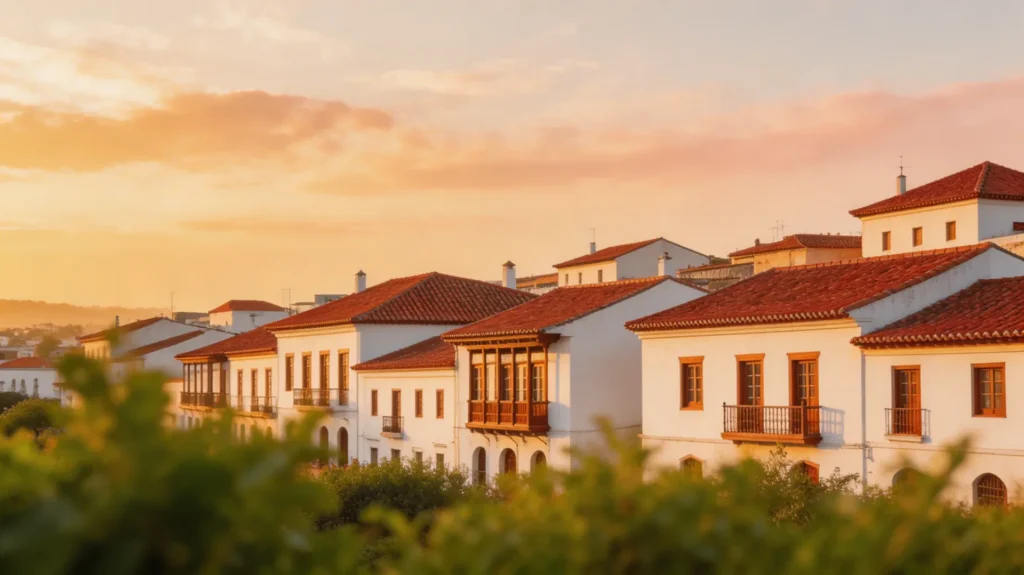
Sucre presents itself as pristine white-washed perfection—the entire city painted uniformly white, earning it designation as the “White City.” Walking the colonial streets, you’re surrounded by architectural harmony rarely seen in contemporary cities where varying construction styles clash visually. The uniform whiteness reflects both aesthetic philosophy and practical tradition—the white lime wash reflects intense Andean sunlight, keeping buildings cooler in the highland climate. The result is a city that feels trapped in historical time, yet thoroughly functional as modern Bolivia’s constitutional capital.

Beyond the architectural perfection sits genuine discovery. Dinosaur footprints preserve evidence of creatures that walked this region 68 million years ago when these highlands were coastal lowlands. The Cal Orck’o site displays thousands of footprints across a nearly vertical rock face—a palimpsest of Cretaceous life. Indigenous markets overflow with produce, textiles, and crafts reflecting Andean traditions. Museums document the city’s colonial history and contemporary Bolivian society. Sucre rewards curiosity with layers of geology, history, and culture beneath its white-washed surface.
Navigate This Guide
The White City Architecture
The mandate that all buildings maintain white lime-wash began in colonial times for practical reasons—the white paint reflects intense Andean sunlight, reducing interior temperatures substantially. The regulation persisted through Bolivia’s independence and into contemporary era, becoming central to Sucre’s identity. Walking the city’s streets and plazas, this uniformity creates visual harmony unlike most colonial cities where architectural styles evolved across centuries creating mixed aesthetics.
The architecture itself reflects Spanish colonial traditions adapted to Andean context. Wooden balconies jut from white facades. Wooden doors and shutters provide color contrast. Stone archways frame entries. The buildings combine European design with materials and adaptations necessitated by highland geography and indigenous labor. Understanding the architectural details reveals how Spanish colonialism imposed European forms on non-European contexts.
The Plaza Mayor, the city’s central square, demonstrates the colonial urban planning tradition. The cathedral dominates one side, administrative buildings occupy others, and arcaded walkways line the edges. This plan—cathedral, government, commerce arranged in formal squares—repeated across Spanish colonial cities throughout the Americas. Sucre’s plaza remains the city’s heart and primary gathering space. Sitting on the plaza watching locals socialize reveals how colonial urban planning still functions.
Walking Sucre rewards attention to architectural details. Balconies feature different styles reflecting individual builder preferences within whitewash constraint. Carved stonework around doors and windows shows craftsmanship. Observe how buildings modify original designs for contemporary purposes while maintaining whitewashed facade integrity. The city reveals how tradition and adaptation coexist in functioning cities.
Dinosaur Footprints & Geology
The Cal Orck’o site located near Sucre preserves one of the world’s richest dinosaur trace fossil records. A nearly vertical rock face displays over 5,000 dinosaur footprints—tracks left by creatures that walked on this coastal lowland 68 million years ago during the Cretaceous Period. The site documents multiple species: herbivorous sauropods, three-toed theropods, and other creatures whose footprints are preserved in what is now elevated limestone. The prints range from tiny (a few centimeters) to enormous (over a meter long).
The geological history revealed by these footprints is remarkable. 68 million years ago, this region was a warm coastal environment where dinosaurs roamed along beaches and lagoons. Over millennia, sediment accumulated, burying the footprints. Tectonic activity subsequently elevated these layers to their current position nearly 3,000 meters above sea level. The Andes’ formation literally lifted Cretaceous beaches to alpine elevations—the footprints are a direct record of that dramatic geographical transformation.
The site is managed as a small museum with guides explaining the geological history and identifying individual prints. Tours run 1-2 hours and include climbing to view footprints more closely. The scale of the fossil record—thousands of prints across extensive surface—creates perspective on how abundant life was in the Cretaceous and how preservation preserves moments from deep time. Standing before footprints 68 million years old creates visceral connection to deep time.
The Cretaceous Period ended with the asteroid impact 66 million years ago that killed dinosaurs. The footprints predate this extinction, preserving a snapshot of dinosaur life in its final moments before the K-T extinction event. Understanding this temporal context adds poignancy to the tracks—these are literally the last footprints some species left before extinction.
Colonial History & Heritage
Sucre was founded in 1539 as “Ciudad de la Plata” (Silver City), establishing a colonial center to administer the surrounding silver-mining region. The city became wealthy and influential, developing a cultural life distinct from mining boom towns. The city was renamed for Antonio José de Sucre, independence hero who became Bolivia’s first president. The renaming symbolized post-colonial identity assertion while maintaining the physical colonial legacy.
The colonial period lasted nearly 300 years, long enough for Sucre to develop established traditions, schools, and cultural institutions. The city was declared the capital of the new independent Bolivia, cementing its administrative importance. However, La Paz later became the primary seat of government, leaving Sucre with the title of constitutional capital but reduced political influence. This relative decline preserved the city architecturally—lack of modern development pressure meant colonial structures remained unchanged.
Walking colonial streets, you encounter architectural traditions reflecting Spanish heritage. The Cathedral of Sucre, constructed over centuries beginning in the 1500s, showcases Spanish colonial ecclesiastical architecture. The Monasterio de San Felipe contains colonial religious art. Private colonial houses with interior courtyards reflect how Spanish colonists replicated Mediterranean architecture adapted to Andean climate. These structures preserve physical history of colonial period.
The Museo de Arte Indígena documents Bolivia’s indigenous heritage, revealing cultural traditions predating Spanish arrival and continuing through colonial period into contemporary times. Understanding Sucre requires acknowledging both Spanish colonial heritage and indigenous presence—two histories occupying the same space, sometimes harmoniously, often with tensions unresolved.
Indigenous Markets & Culture
Sucre’s markets reveal indigenous Andean culture maintaining traditions despite Spanish colonial imposition and contemporary globalization. The Mercado Central overflows with produce, crafts, textiles, and goods serving local populations. Colorful aguayos (traditional woven cloths) display produce and goods. Vendors negotiate prices with locals while maintaining distinct cultural practices. The market’s energy and commerce represent indigenous economic systems continuing—barter, negotiation, personal relationships driving commerce beyond formal retail structures.
Traditional Andean textiles sold in markets display weaving techniques passed through generations. The patterns, colors, and designs communicate cultural identity and regional origins. Skilled weavers create these textiles by hand using traditional looms. Understanding that textiles are not merely souvenirs but cultural expressions helps contextualize purchases as supporting artisan traditions. Buying directly from weavers supports individuals more than purchasing through tourist shops.
Indigenous clothing visible throughout Sucre represents Aymara and Quechua traditions. Colorful polleras (traditional skirts), bowler hats, and distinctive dress communicate cultural identity and regional affiliation. Respectfully observing and learning about these traditions provides insight into how indigenous culture persists within Bolivian society. Photography should be approached respectfully—always ask before photographing people wearing traditional dress.
Food culture reflects indigenous ingredients and preparation methods. Quinoa, potatoes (domesticated in the Andes), corn, and beans form dietary staples. Preparation methods passed through generations combine indigenous traditions with colonial Spanish influences. Dining on traditional foods enables culinary experience of indigenous culture while supporting food preparation traditions.
Museums & Cultural Institutions
The Casa de la Libertad (House of Liberty) documents Bolivia’s independence and constitutional history. The building served as the meeting site where Bolivia declared independence in 1825. Exhibits document political history, liberation struggles, and constitutional development. The museum provides context for understanding Bolivia’s post-colonial trajectory and contemporary political challenges. The significance isn’t merely historical but ongoing—Bolivia continues grappling with issues rooted in independence and constitutional development.
The Museo de Arte Indígena showcases indigenous artistic traditions including textiles, ceramics, and sculptures. The collection documents artistic expressions across Bolivia’s regions, revealing distinct traditions and cultural variations. Understanding indigenous art provides perspective on indigenous societies’ sophistication, aesthetics, and continued cultural production despite historical marginalization.
The Convento de San Felipe Neri, functioning simultaneously as convent and museum, preserves religious art and colonial-era artifacts. The building itself functions as museum, with original architecture revealing how religious institutions functioned in colonial period. Exploring the structure provides physical experience of colonial religious life.
These institutions document the city’s complex history—Spanish colonial imposition, indigenous presence, independence struggles, and contemporary reality. Visiting museums provides contextualized understanding that mere sightseeing cannot replicate. Bolivia’s history is contested, with different communities maintaining distinct narratives—museums attempt to preserve multiple perspectives, though any institution’s choices involve interpretation decisions.
Main Attractions & Walking Routes
The Cathedral of Sucre dominates the Plaza Mayor with its imposing whitewashed facade and interior frescoes. The building’s construction spanned centuries, with architectural elements reflecting different periods. Attending mass in the cathedral reveals how colonial sacred space continues functioning for contemporary worship. The experience of religious practice within a building designed centuries earlier creates connection to continuous tradition.
Walking the city’s streets reveals small plazas, churches, and municipal buildings organized according to Spanish colonial planning principles. The city is compact enough to explore on foot, with most attractions within walking distance. Getting slightly lost while walking reveals small neighborhoods, local restaurants, and authentic urban experience beyond main tourist routes. The white buildings create a cohesive visual environment where you can navigate largely by recognizing architectural landmarks.
Sucre’s nightlife clusters around the Plaza Mayor and surrounding streets. Restaurants serve traditional Bolivian food and international options. Bars host local and tourist crowds. Weekend evenings see social energy as locals gather. The relatively small city allows you to become familiar with core areas quickly, enabling independent navigation by your second or third day.
The city’s walkability makes it ideal for aimless exploration. Setting aside structured itineraries for an afternoon of wandering reveals Sucre’s actual character beyond tourist attractions. Observing how locals move through spaces, where they gather, what businesses sustain the economy—these observations provide understanding that guidebooks cannot convey.
Getting to Sucre
Sucre is accessible via flights from La Paz (1-hour flight) or ground travel (10-12 hours via bus). Flights cost $60-150 roundtrip. Buses are cheaper ($15-30) but require significant time. From the airport, shuttles or taxis reach the city center in 15 minutes. Ground transportation is affordable but slow—travel within Bolivia requires time allocation.
Altitude Considerations
Sucre sits at 2,790 meters elevation. This is moderate altitude that typically doesn’t cause severe altitude sickness, though some visitors experience mild symptoms (headache, tiredness). Coming from lower elevations requires one day acclimatization. Ascending further to La Paz (3,650m) requires additional acclimatization. Remaining in Sucre 2-3 days before ascending higher elevations eases acclimatization.
Budget & Costs
Sucre is one of Bolivia’s most affordable cities for travelers. Budget hostels cost $10-15 nightly. Mid-range hotels cost $30-60. Meals at local restaurants cost $2-5. Museums cost $2-5 entry. The affordability allows extended stays without budget pressure. Few attractions have significant costs, making Sucre accessible to budget-conscious travelers.
Climate & When to Visit
Sucre’s highland elevation creates mild temperatures year-round (15-20°C). May-October (dry season) offers clear skies and best weather. November-April (wet season) brings afternoon rains but remains navigable. The city is visitable year-round, though dry season provides optimal conditions.
Practical Planning & Logistics
Sucre is reached via flights from La Paz or ground transportation from other cities. The flight is most practical for time-limited travelers. Buses connect Sucre to other major cities. Travel within Bolivia generally requires time allocation due to road conditions and distances. Overnight buses often operate, enabling sleep during travel.
Visas for Bolivia are available on arrival for many nationalities. Yellow fever vaccination is recommended, particularly if visiting jungle regions (beyond Sucre’s scope). Tap water quality is adequate, though some sensitive stomachs benefit from bottled water. Healthcare in Sucre is adequate for routine issues though serious cases require travel to La Paz. Travel insurance is recommended.
The Bolivian Peso (BOB) is the currency. ATMs are available in Sucre and urban centers. Credit cards work in major establishments but cash is essential for smaller businesses and markets. Exchange rates favor changing money in cities rather than remote areas. Bolivian banking moves slowly—transactions take time and patience.
Spanish is the primary language. English proficiency varies—less common in Sucre than major tourist destinations. Learning basic Spanish enhances interactions and demonstrates respect. Quechua and Aymara are indigenous languages spoken throughout Bolivia. Translation applications assist with communication gaps. Tourist interactions are manageable despite language barriers.
Plan 3-4 days in Sucre to experience the city adequately. This enables city exploration, dinosaur fossil site visit, and museum engagement without feeling rushed. Longer stays reward deeper exploration of neighborhoods and cultural engagement. Many travelers stay longer than anticipated—the city’s character and affordability encourage extended stays.
Discover Bolivia’s Architectural Gem
Sucre is where 68 million-year-old dinosaur footprints exist beneath a perfectly whitewashed colonial city. This convergence of geological deep time and human history, of Spanish colonial architecture and indigenous Andean culture, creates a destination rewarding patient exploration and cultural curiosity.