
Puebla, Mexico: Talavera Tiles, Mole Poblano & Volcano Views
Where Spanish colonial architecture meets Mexican culinary mastery
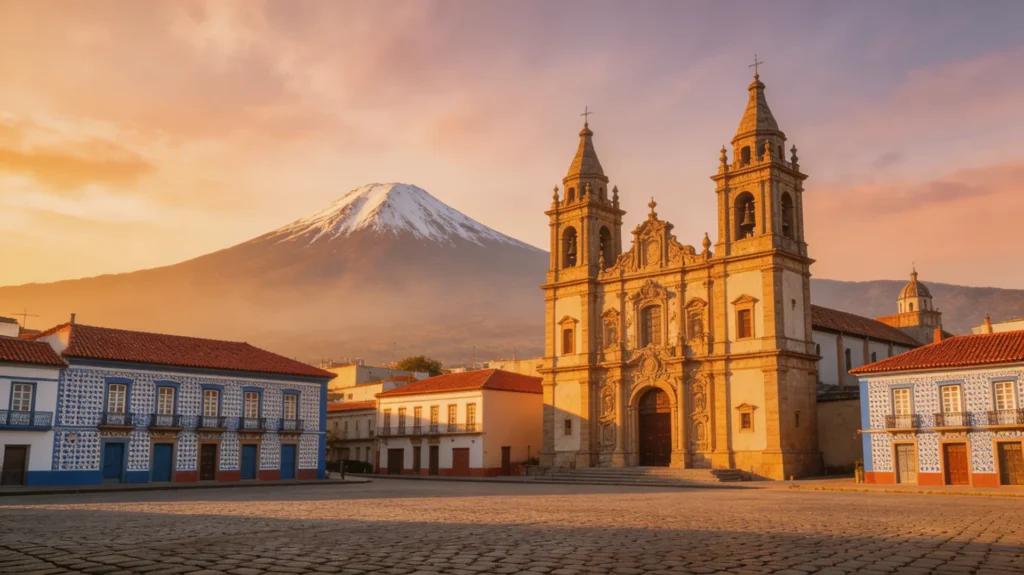
Puebla announces itself through beauty rather than bombast. Mexico’s architectural jewel lies between Mexico City and the coast, a university city combining Spanish colonial design with genuine Mexican culinary tradition. The Cathedral dominates the central plaza, its ornate facade representing Spanish ecclesiastical ambition transplanted to Mexican highlands. Yet the city’s true distinction emerges in details—the Talavera tile decoration covering building facades, staircases, interior courtyards, and architectural features in geometric patterns of unmistakable Spanish Moorish influence. These hand-painted ceramic tiles transformed from mere practical building material into recognized artistic tradition. The kitchen deserves equally serious attention. Mole poblano, the complex sauce requiring dozens of ingredients and hours of preparation, originated here. The dish exemplifies Mexican culinary philosophy—where simple ingredients transform through patient technique into subtle, sophisticated complexity. Proximity to volcanoes Popocatépetl and Iztaccíhuatl offers escapes from city exploration into volcanic landscapes and indigenous communities.
Quick Navigation
Talavera Ceramic Tradition & Tile Making
Talavera tiles represent Spanish ceramic tradition adapted to Mexican contexts. The technique originated in Talavera, Spain, where Moorish influences created distinctive hand-painted ceramic aesthetic. Spanish colonizers brought the tradition to Mexico, where local materials and artistic traditions combined with imported techniques to create distinctly Mexican variation. The resulting tiles feature geometric patterns, floral motifs, religious imagery, and decorative elements expressing both Spanish and indigenous artistic sensibilities.
The tile-making process demands considerable skill and patience. Artisans hand-paint designs on unfired clay using pigments derived from minerals and natural materials. The painting requires steady hand and artistic vision—mistakes prove impossible to correct after firing, making the process unforgiving. Multiple firings in wood-fired kilns create color variations and individual character differentiating handmade tiles from industrial production. A single master artisan might produce a dozen tiles daily, explaining the extraordinary cost of authentic Talavera pieces.
Puebla’s colonial buildings incorporate Talavera tiles extensively. The Cathedral, colonial mansions, church interiors, and even humble houses utilize tiles for both decoration and practical function. The tiles create visual richness particularly striking when sunshine illuminates the glazed surfaces, creating depth and luminosity impossible in matte surfaces. Walking Puebla’s streets becomes tile observation exercise—each building reveals distinct patterns and artistic approaches.
Mole Poblano & Culinary Heritage
Mole poblano represents Mexican culinary complexity at its finest. The sauce requires over two dozen ingredients—including chilies, chocolate, spices, nuts, and fruits—combined through lengthy cooking process creating sauce of extraordinary depth and subtlety. The ingredient combination balances sweet, savory, spicy, and bitter elements into harmonious whole greater than component parts. Food historians trace mole development to colonial kitchens where Spanish ingredients combined with indigenous components creating hybrid cuisine. Contemporary Puebla approaches mole with reverence typically accorded French cuisine in Western culinary culture.
Traditional mole preparation takes hours or days. Dried chilies require toasting, seeding, and grinding; chocolate gets melted and incorporated; spices demand individual toasting to maximize aroma and flavor; nuts require roasting and processing; and fruits contribute sweetness and complexity. The sauce simmers for extended periods, allowing flavors to develop and meld. The result represents investment of time and attention that industrial food production cannot replicate.
Puebla’s markets and restaurants celebrate mole culture. Menus routinely feature multiple mole variations—green moles, red moles, chocolate-based moles—reflecting regional preferences and family recipes. Street vendors sell mole components; cooking classes teach preparation techniques; food tours emphasize mole as cultural centerpiece. The cultural significance extends beyond nutrition into identity—Poblanos take pride in their culinary traditions and welcome visitors genuinely interested in understanding food culture.
Colonial Architecture & Cathedral
The Metropolitan Cathedral dominates Puebla’s central plaza with baroque facade and interior design representing Spanish ecclesiastical grandeur adapted to Mexican contexts. The building took nearly two centuries to complete (1552-1649), reflecting economic constraints and construction challenges. The facade features geometric and religious symbolism carved in stone; the interior contains gilded altarpieces, painted ceilings, and numerous artworks representing centuries of ecclesiastical patronage.
Colonial mansions throughout the city demonstrate residential architecture responding to climate and social organization. Buildings feature interior courtyards providing ventilation and private water sources; covered galleries creating shaded passages; and tilework serving both protective and decorative functions. The architectural principles reveal sophisticated understanding of tropical and subtropical climate management predating mechanical systems. Many mansions now operate as hotels, museums, or restaurants, enabling interior exploration impossible in purely private residences.
The housing stock extends beyond grand colonial structures. Ordinary residential neighborhoods feature smaller homes employing similar principles—interior courtyards, tiled surfaces, narrow street frontages providing shade. The architectural continuity creates distinctive neighborhood character differentiating Puebla from cities experiencing extensive modern development displacing colonial fabric.
Museums & Cultural Heritage
The Museo Amparo showcases pre-Columbian artifacts, colonial art, and contemporary works in a beautifully restored colonial mansion. The museum’s arrangement emphasizes artistic continuity rather than temporal separation—indigenous sculptures appear alongside colonial religious art, revealing artistic traditions continuing across historical transitions. The curatorial approach suggests indigenous and Spanish elements merged into new Mexican aesthetic rather than one tradition replacing the other.
The Museo Poblano features exhibits on Puebla’s specific history—the city’s founding, development during colonial periods, and role in Mexican independence movements. The 1862 Battle of Puebla, where Mexican forces defeated French invasion, occurred here, making the city symbolically important for Mexican national identity. Museo de la Revolución documents the Mexican Revolution with emphasis on Puebla’s participation in this transformative conflict.
The Regional Ceramic Museum displays Talavera pieces spanning centuries, revealing style evolution and artistic approaches. Seeing historical pieces provides context for contemporary work and demonstrates how traditions transform while maintaining cultural continuity. Many museums are housed in colonial structures, meaning visiting museums simultaneously involves experiencing colonial architecture from interior perspectives.
Talavera Workshops
Contemporary artisans maintain tile-making traditions in family workshops throughout Puebla. Studio visits enable observation of creation process and opportunities to purchase directly from makers.
Food Markets
The Central de Abastos and other markets display ingredient abundance—dried chilies, fresh herbs, chocolate preparations, spices—used in mole and other traditional dishes.
Religious Art
Numerous church interiors contain artistic works spanning colonial periods. The Jesuit Church displays particularly fine gilded altarwork and baroque decoration.
Street Celebrations
The central plaza hosts evening social gatherings, particularly weekends, with live music, food vendors, and genuine community social interaction.
Nearby Volcanoes & Indigenous Highlands
Popocatépetl and Iztaccíhuatl volcanoes dominate Puebla’s landscape, visible from city on clear days. Popocatépetl remains active, with recent volcanic activity creating periodic access restrictions. Climbing expeditions require permits, physical fitness, and proper acclimatization to the 5,426-meter elevation. The volcano’s activity reinforces Mexico’s geological dynamism and the ongoing processes shaping contemporary geography.
The indigenous communities surrounding volcanoes practice traditional agriculture and cultural traditions continuing from pre-Columbian times. Day trips enable encounters with communities where Spanish and indigenous languages coexist, traditional dress remains common, and indigenous spiritual practices integrate with Catholicism. The communities appreciate respectful cultural tourism yet remain primarily focused on daily living rather than entertaining visitors.
The surrounding region produces agriculture—corn, beans, chilies, spices—contributing to Puebla’s culinary tradition. Understanding food culture requires appreciating agricultural systems and communities producing ingredients transformed into complex dishes. Agricultural day trips reveal the production processes and landscape management systems sustaining regional food traditions.
Practical Information & Visiting
Puebla sits approximately 140 kilometers southeast of Mexico City, accessible via bus (two to three hours) or rental car providing greater flexibility. The city is the state capital and a primary regional hub, ensuring well-developed tourism infrastructure without sacrificing authentic character. Hotels range from budget hostels to luxury properties; mid-range accommodations offer excellent value. The city center remains walkable, with most attractions concentrated within reasonable walking distance from central plaza.
The elevation (2,160 meters) creates cool temperatures—daytime highs typically 22-25°C, nighttime lows dropping to 10-15°C. This climate contrasts sharply with lowland Mexico, making Puebla appealing for travelers seeking relief from tropical heat. Layered clothing accommodates temperature variations between sun and shade. The rainy season (May-October) brings afternoon precipitation that typically clears quickly.
The university presence creates youthful cultural energy—theaters, galleries, music venues operate actively. Visiting during academic periods offers opportunities to engage with student culture; summer months see reduced cultural activity but fewer tourist crowds. Spanish language classes operate through various schools, attracting students for intensive programs.
Market Days
Markets remain most vibrant early mornings (7-10 AM) before midday heat. The Central de Abastos sprawls across several blocks with food vendors, artisans, and general merchandise.
Restaurant Recommendations
Comedores (small local restaurants) offer authentic mole and regional dishes at economical prices. Tourist restaurants offer comfort at higher cost; local establishments provide cultural immersion and better value.
Tile Purchases
Authentic Talavera tiles cost significantly more than industrial alternatives. Workshop purchases ensure authenticity and support artisans directly rather than intermediaries.
The contemporary economy of Puebla reflects balancing historical preservation with modern development. The city functions as manufacturing hub for food products, textiles, and chemicals, alongside tourism focused on historical heritage. This economic diversity prevents the destination from becoming solely dependent on cultural tourism, yet creates tensions between industrial development and preservation imperatives. The city’s expansion into surrounding areas raises questions about how rapid growth affects colonial core preservation and authenticity.
Puebla’s cultural programming beyond tourism infrastructure reflects genuine community engagement. Theater productions, art exhibitions, and musical performances occur regularly, primarily for local audiences rather than tourists. The university presence creates vibrant intellectual culture—lectures, symposia, and intellectual debates shape city character beyond tourism circuit. Engaging with this cultural life requires speaking Spanish and demonstrating genuine interest rather than seeking pre-packaged tourist experiences.
Day trips from Puebla offer numerous options beyond volcanoes. Cholula, thirty kilometers away, features a colonial church built atop a pre-Columbian pyramid—the juxtaposition of structures symbolizing Spanish conquest and cultural blending. The pyramid’s gradual climbing offers extensive views over the surrounding valley. Tlaxcala, another nearby state, develops tourism more slowly than Puebla, offering alternatives for travelers seeking less-touristed experiences within reasonable distances.
Discover Puebla’s Layered Beauty
Puebla rewards slower travel focused on artisan traditions and culinary appreciation. Plan minimum three days to balance architectural exploration, museum visits, market time, and restaurant experiences. Consider culinary tours or cooking classes to deepen food culture understanding. Potential day trips to volcanoes and indigenous communities expand perspective on regional geography and contemporary indigenous culture. This is a destination where attention to detail transforms tourism into cultural appreciation.