
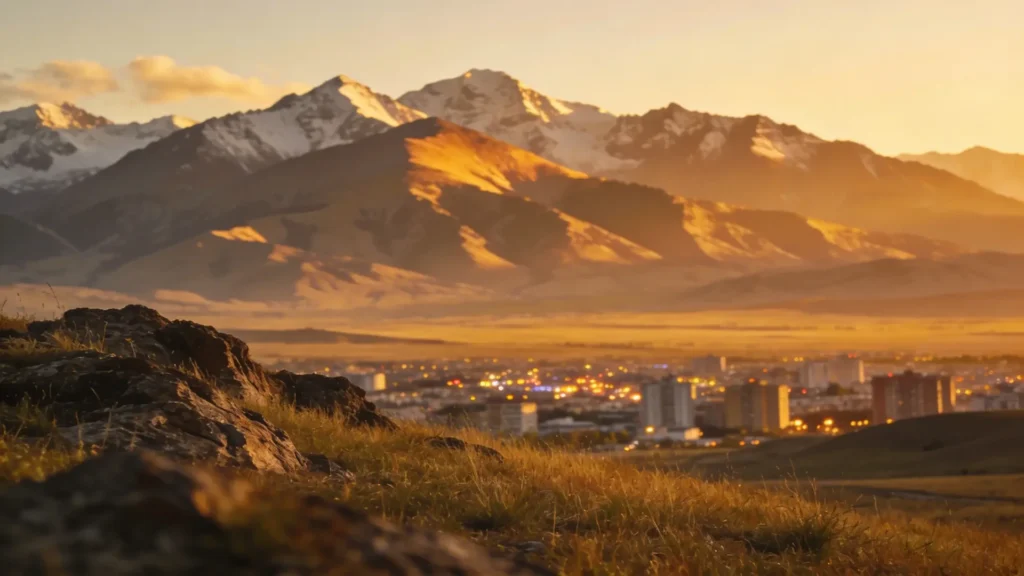
Vientiane, Laos: Mekong Capital, Golden Stupas & French Colonial Traces
French Colonial Charm and Golden Buddhist Temples Along the Languid Mekong River
Vientiane represents one of the world’s most compelling travel destinations, combining historical significance with contemporary cultural vitality. The city showcases extraordinary architectural achievements, distinctive cultural traditions, and opportunities for meaningful traveler engagement with local communities and heritage preservation.

Visitors to Vientiane encounter layered histories—ancient civilizations, colonial periods, post-colonial development, and contemporary globalization all visible in architecture, cultural practices, and daily life. Understanding these layers enriches travel experiences by providing context for observed phenomena.
Contemporary Vientiane balances preservation of cultural heritage with economic development through tourism. Sustainable travel practices remain essential for ensuring tourism benefits align with preservation goals.
Table of Contents
Historical Significance & Heritage
Vientiane developed through centuries of cultural synthesis. Historical forces including trade networks, empire-building, colonialism, and independence movements shaped the city’s development.
Museums, historical sites, and cultural institutions throughout Vientiane document historical narratives. These resources provide educational opportunities.
Contemporary Vientiane continues evolving—historical preservation coexists with modern development.
Contemporary Culture & Traditions
Vientiane’s cultural character reflects historical inheritances combined with contemporary innovation. Local communities maintain traditions while engaging with global influences.
Markets, festivals, and community gathering spaces provide opportunities to observe and participate in local cultural expression.
Historical Sites
Monuments documenting past periods and achievements
Living Traditions
Contemporary expressions rooted in historical inheritances
Sacred Spaces
Religious sites maintaining spiritual significance
Community Spaces
Gathering areas revealing daily social life
Key Attractions & Sacred Sites
Vientiane contains numerous significant sites reflecting historical importance and cultural significance.
Sacred sites remain functioning religious and community spaces. Visiting requires cultural sensitivity.
Day trips and excursions from Vientiane provide access to surrounding cultural and natural sites.
Local Experiences & Activities
Exploring Vientiane involves engaging with daily life—markets, restaurants, neighborhoods, and social spaces.
Markets provide multisensory immersion in local commerce, agriculture, and culture.
Evening activities in Vientiane range from cultural performances to casual social gatherings.
Planning Your Visit
Practical planning considerations for Vientiane include transportation, accommodation, visa requirements, climate, and seasonal factors.
Seasonal considerations significantly impact Vientiane experiences. Climate affects outdoor exploration feasibility.
Vientiane accommodations range from luxury establishments to budget guesthouses. Mid-range options typically provide good value.
Getting Around Vientiane & Practical Tips
Vientiane is one of Southeast Asia’s most laid-back capitals, and its compact size makes getting around refreshingly easy. The main attractions — Pha That Luang, Patuxai monument, and the Mekong riverfront — all sit within a few kilometers of each other along the river. Renting a bicycle (around 30,000-50,000 LAK / $1.50-2.50 per day) from guesthouses along Samsenthai Road is the best way to explore at your own pace.
Tuk-tuks are everywhere and should cost 20,000-40,000 LAK ($1-2) for short trips within the center. Always agree on a price before getting in — meters are nonexistent. For longer distances, the Loca app (Laos’s ride-hailing service) offers transparent pricing and works well in the capital. The newly opened Vientiane-Boten railway connects the capital to Luang Prabang in about two hours, making it one of the most scenic train journeys in Southeast Asia.
The Mekong riverfront promenade comes alive every evening with food stalls, families, and spectacular sunsets over Thailand on the opposite bank. Walking the full stretch from Chao Anouvong Park to the Friendship Bridge viewpoint takes about 45 minutes and costs nothing — arguably the best free activity in the city.
Where to Eat in Vientiane
Lao cuisine is a revelation for those who know only Thai food — similar foundations of lemongrass, galangal, and fish sauce, but with its own distinct identity. Laap (minced meat salad with herbs, chili, and lime) is the national dish, and the best versions are found at simple open-air restaurants along Rue Hengboun. Pair it with khao niaw (sticky rice, eaten by hand) and a cold Beerlao — consistently ranked among Asia’s best lagers.
The morning market at Talat Sao is excellent for khao piak sen (Lao rice noodle soup), which costs around 15,000-25,000 LAK ($0.75-1.25). For the French colonial twist that makes Vientiane unique, grab a fresh baguette sandwich (khao jii) from a street cart — crispy bread stuffed with pâté, pickled vegetables, and chili sauce for about 10,000 LAK ($0.50).
Best Time to Visit Vientiane
Vientiane’s tropical climate divides neatly into three seasons. The cool, dry season from November through February is ideal — temperatures hover around 25-28°C with almost no rain and pleasantly low humidity. This is peak tourist season, so book accommodations ahead, particularly around the That Luang Festival in November.
The hot season (March-May) pushes temperatures above 35°C and can feel punishing by midday. If visiting during this period, plan outdoor activities for early morning and retreat to air-conditioned cafes through the afternoon. The rainy season (June-October) brings daily downpours, usually in dramatic one-hour bursts. The upside: lush green landscapes, fewer tourists, and the lowest hotel rates of the year.
Frequently Asked Questions
Do I need a visa to visit Laos?
Most nationalities can obtain a 30-day visa on arrival at Wattay International Airport for $30-42 USD (depending on nationality), payable in cash. Bring a passport photo and US dollars in exact change. Citizens of ASEAN countries can enter visa-free. E-visas are also available through the Lao immigration website and processed within three business days.
Is Vientiane safe for tourists?
Vientiane is one of Southeast Asia’s safest capitals. Violent crime against tourists is extremely rare. The main concerns are petty theft (keep phones and bags secure at crowded markets), unlit roads at night (carry a phone flashlight), and the occasional scam involving inflated tuk-tuk prices. The riverside area is safe and well-populated even after dark.
How many days should I spend in Vientiane?
Two days covers the main temples, monuments, and markets comfortably. Add a third day for the Buddha Park excursion (25 km south, easily reached by bus for 8,000 LAK) and a lazy Mekong sunset dinner. Many travelers spend 2-3 days in Vientiane before heading north to Luang Prabang by train or slow boat.
What currency is used and should I bring US dollars?
The Lao kip (LAK) is the official currency, but Thai baht and US dollars are widely accepted at larger establishments. ATMs are plentiful in central Vientiane and dispense kip. For the best exchange rates, bring clean, recent US dollar bills to exchange at banks or licensed money changers on Samsenthai Road. Small denominations of kip are essential for tuk-tuks and street food.
Can I cross into Thailand from Vientiane?
Yes — the First Thai-Lao Friendship Bridge connects Vientiane to Nong Khai, Thailand. You can cross by bus (about 30 minutes) for around 20,000 LAK. Many travelers do visa runs or day trips to Nong Khai. Make sure your Lao visa allows re-entry if you plan to return. The border is open daily from 6 AM to 10 PM.
Discover Vientiane’s Distinctive Cultural Heritage
Vientiane offers incomparable opportunities to experience rich cultural heritage, historical significance, and contemporary vibrancy while engaging respectfully with local communities and supporting sustainable tourism.
Start planning your Vientiane adventure today with Facts From Upstairs.