
Georgetown, Guyana: Garden City, Kaieteur Falls & Caribbean South America
Caribbean South America’s capital where colonial heritage meets tropical wonder
Georgetown, Guyana’s capital, represents South America’s Caribbean gateway—a tropical city with colonial architecture, multicultural energy, and unique cultural positioning. Founded in the eighteenth century, the city preserves Dutch and British colonial heritage visible in wooden architecture, street layouts, and administrative structures. The city functions as economic and cultural hub for a nation often overlooked by international travelers.

Guyana’s unique character reflects its position at South America’s northeastern edge, where English language, Caribbean cultural traditions, and British institutional legacies coexist with South American geography. Georgetown embodies this blending through architecture, cuisine, music, and social structures. The city provides access to natural wonders including Kaieteur Falls, one of the world’s most powerful waterfalls.
Contemporary Georgetown undergoes gradual transformation as oil discoveries attract investment and accelerate development. The city balances historical preservation with modernization pressures, attempting to maintain character while accommodating growth. This transition creates dynamic moment where tradition and development negotiate space.
Table of Contents
Colonial Architecture & Heritage
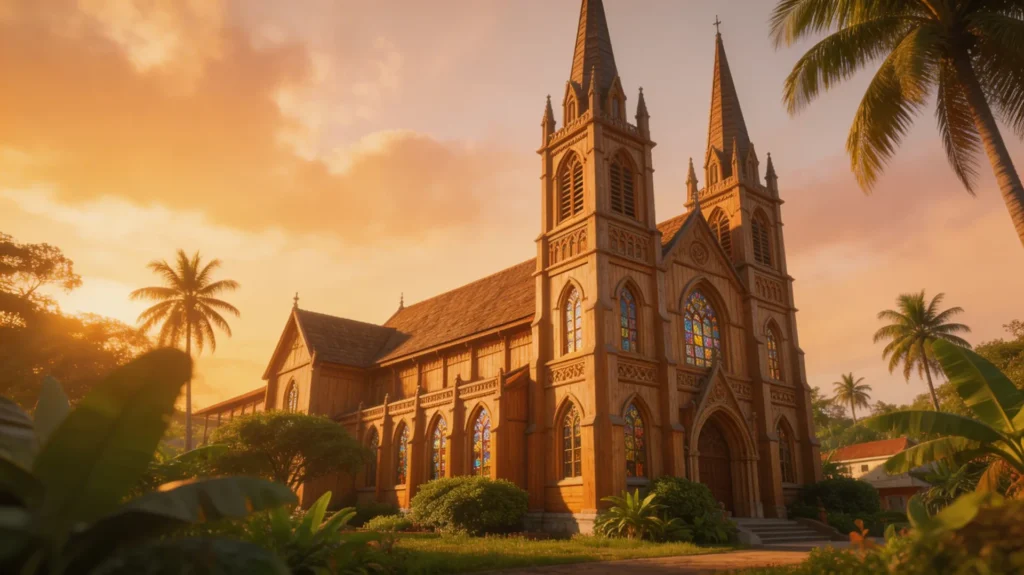
Georgetown’s architecture testifies to Dutch and British colonial influence across three centuries. The wooden buildings, constructed from tropical hardwoods, showcase architectural styles adapted to tropical climate—elevated foundations, wide verandas, jalousie shutters. Neighborhoods reveal colonial-era structures maintained by current residents.
The Stabroek Market, built in 1881, features distinctive cast-iron framework protecting market floor. It continues functioning as primary local commerce hub. The structure underwent restoration while maintaining historical character.
Government House showcases neoclassical design with Victorian ornamentation. The structure underwent restoration, recovering original details and materials.
Multicultural Heritage & Traditions
Georgetown’s population represents remarkable diversity—African, Indian, Chinese, Portuguese, and European populations coexist. This multicultural heritage shaped Guyanese identity distinctly different from Spanish-speaking neighbors. Religious plurality reflects diversity with Hindu temples, Muslim mosques, Christian churches operating throughout.
Guyanese cuisine reflects multicultural heritage through East Indian curries, African-influenced cooking, Chinese stir-fries, and creole dishes. Restaurants serve various traditions from informal to formal settings.
Hindu Tradition
Temples serve Hindu majority among Indo-Guyanese
Islamic Community
Mosques serve Muslim population
Christian Heritage
Churches reflect centuries of missionary activity
Indigenous Culture
Amerindian populations maintain traditions in interior
Natural Wonders & Rainforest
Guyana’s interior rainforest represents one of South America’s most pristine wilderness areas. Approximately eighty percent remains forested with minimal development. The rainforest harbors exceptional biodiversity including jaguar, harpy eagles, anacondas, pink dolphins.
River expeditions provide wildlife observation through guides navigating systems identifying bird species, spotting caiman, explaining ecosystem relationships.
Iwokrama International Centre preserves 371,000 hectares of pristine rainforest, welcoming visitors for guided tours, canopy walks, overnight stays demonstrating conservation approaches.
Caribbean Cuisine & Flavors
Guyanese cuisine represents Caribbean food blended with South Asian, African, and European influences. The resulting cuisine differs from neighboring Spanish-speaking nations with distinct flavor profiles.
Curry dishes reflect East Indian culinary traditions using turmeric, cumin, coriander, chilies creating distinctive profiles throughout restaurants and homes.
Roti & Dhal
Flatbread and lentil dishes from East Indian traditions
Metemere
Boiled plantains with spices and coconut milk
Fish Cakes
Fried pastries filled with saltfish
Guyanese Rum
Dark rum from sugarcane heritage
Planning Your Visit
Georgetown remains less-touristed than Caribbean neighbors, requiring planning and flexibility. Tourism infrastructure develops gradually with limited luxury accommodations and fewer formal tour operations, preserving authenticity.
Yellow fever vaccination is recommended. Malaria preventatives may be recommended depending on travel plans.
Georgetown offers year-round travel, though rainy seasons (May-August and November-January) bring heavy precipitation. Dry seasons offer comfortable conditions.
Discover Guyana’s Caribbean-South American Fusion
Georgetown invites exploration of colonial heritage, multicultural vibrancy, and pristine rainforest wilderness.
Start planning your Georgetown adventure today with Facts From Upstairs.