
Guanajuato, Mexico: Colorful Tunnels, Mummy Museum & Underground City
A city literally built into the Earth, where mining created kingdoms underground
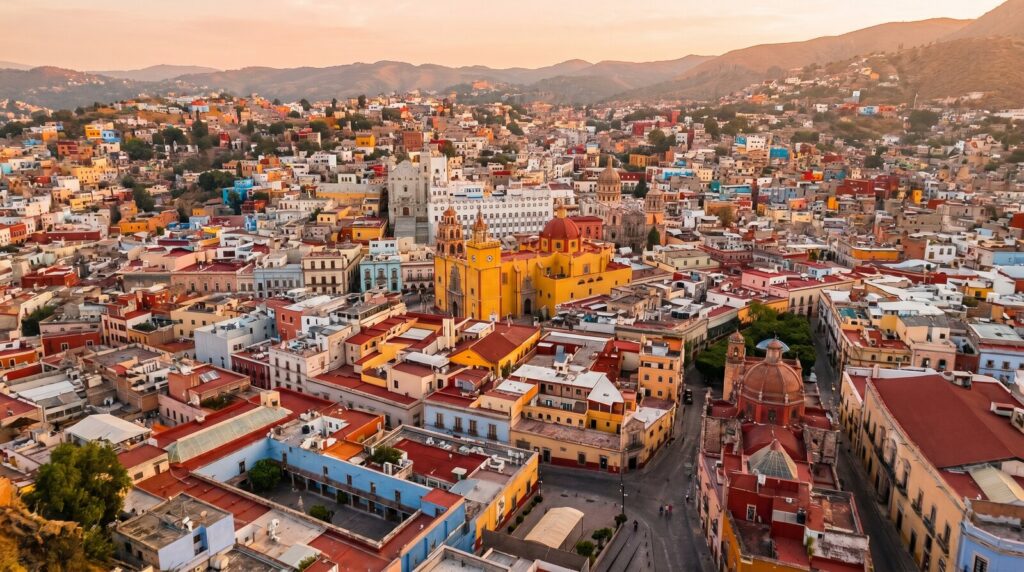
Guanajuato defies conventional urban geography. Instead of spreading horizontally across terrain, the city descends—layers upon layers of colorful buildings stacked vertically down mountainsides, connected by staircases and alleyways so narrow they create claustrophobic intimacy. But the most distinctive feature lies beneath the streets: over four hundred kilometers of tunnels originally created for mining silver during centuries of Spanish colonial extraction. These underground passages evolved into functioning infrastructure—modern roads, some streets redirected underground—creating a hybrid urban system where tourists walk streets literally passing above car traffic flowing through original mining tunnels. The Museo de las Momias preserves naturally mummified bodies exhumed from the municipal cemetery, creating macabre fascination with mortality and preservation. The surface city compensates with color—buildings painted in salmon, ochre, violet, and jade create visual exuberance transforming somber underground reality into celebratory street life.
Quick Navigation
Tunnel System & Mining History
Guanajuato’s tunnel system originated not as deliberate urban planning but as consequence of mining operations spanning five centuries. Spanish colonizers discovered significant silver deposits in the late 1400s and developed extraction operations gradually intensifying through colonial periods. The mining process created vast underground voids—the miners removed ore-bearing rock, processed it above ground, and left behind network of passages and chambers constituting the economic foundation of Spanish colonial wealth. Over centuries, as surface development expanded, these mining tunnels evolved into functional urban infrastructure.
The transition from mining tunnels to urban passageways occurred gradually. As the city expanded and surface congestion increased, particularly during rainy seasons when surface streets flooded, planners adapted mining infrastructure for transportation purposes. Contemporary tunnels function as underground roads—cars, motorcycles, and pedestrians navigate through former mining passages. Some tunnels retain obvious mining origin; others have been extensively modified for contemporary functionality. The result combines archaeological heritage with modern urban engineering, creating infrastructure that literally preserves mining history within functioning city systems.
Walking through tunnels provides distinct experience from surface exploration. The cooler temperature, artificial lighting reflecting off stone walls, and claustrophobic enclosure create atmosphere fundamentally different from open-air street traversal. Some tunnels remain narrow and challenging; others have been widened accommodating modern traffic. The ceiling heights vary significantly—some require ducking; others provide comfortable vertical space. Navigating tunnels demands attention to signage and some spatial orientation capacity, yet the experience offers unique perspective on urban construction creativity.
Mummy Museum & Mortality Exhibition
The Museo de las Momias presents 111 naturally mummified bodies exhumed from Guanajuato’s municipal cemetery. The mummification resulted from cemetery soil composition and environmental conditions creating natural dehydration without intentional preservation efforts. When cemetery capacity reached saturation and authorities began disinterring bodies, they discovered remarkable preservation conditions. Rather than decomposed remains, they found bodies with skin, hair, and facial features intact—creating unintended time capsules of eighteenth, nineteenth, and early twentieth-century mortality.
The mummified remains display diverse mortality causes—some died from cholera epidemics; others from childbirth complications or violence; a few remain medically ambiguous. Examining the remains offers morbid education about pre-modern mortality conditions, disease patterns, and the body’s capacity for preservation. The museum presents these remains neither as religious reliquaries nor purely clinical specimens, but as historical documents revealing how human bodies transform and preserve under specific environmental conditions.
The ethical dimensions of displaying human remains warrant consideration. The bodies lack consent for exhibition; many museum visitors photograph the mummified remains despite posted restrictions. The tension between preservation of historical evidence and respect for human remains persists unresolved. Visiting demands sensitivity to the macabre nature of the exhibition while recognizing its historical and scientific value.
Colorful Architecture & Street Life
Guanajuato’s visual signature emerges from the colorful buildings creating brilliant streetscapes. The colonial buildings—many constructed during silver wealth periods—feature ornate architectural details; contemporary property owners express individual identity through vibrant colors: salmon, violet, ochre, turquoise, magenta. The color choices appear spontaneous and individual rather than coordinated design, yet they create cohesive visual identity distinguishable from Mexican cities employing traditional whitewash or earth-tone palettes.
The vertical city organization creates distinctive urban experiences. Streets wind upward and downward across the hillside; multiple staircases connect different elevation levels; passages double back on themselves creating confusing geography. This topographical complexity makes traditional street navigation challenging; visitors easily become geographically disoriented. Yet the disorientation contributes to exploration rewards—turning unexpected corners reveals small plazas, intimate passages, and viewpoints creating photography opportunities impossible to predict.
Street life organizes primarily in central plazas and along established commercial corridors. El Jardín, the main plaza, hosts musicians, tourists, and locals gathering particularly during evenings. Street vendors sell food, crafts, and tourist goods; musicians perform traditional and contemporary music; couples socialize on benches; families navigate the gathering. The plaza captures Guanajuato’s character—colorful, energetic, and genuinely lived rather than merely designed for tourism.
Colonial History & Economic Development
Guanajuato’s rise from agricultural valley to mining wealth demonstrates how resource extraction transformed colonial Mexico. Silver deposits discovered in the late fifteenth century attracted Spanish entrepreneurs, creating mining economy that depended on indigenous and enslaved African labor. The wealth generated funded architectural development—the opulent churches, government buildings, and noble residences reflecting Catholic theological grandeur and colonial aristocratic ambition. The city became one of colonial Mexico’s most important economic centers, second only to Mexico City in influence and wealth.
The colonial period extended from the 1500s through independence in 1821, creating continuity in architectural development yet also accumulating hardships for the indigenous and enslaved populations sustaining the economy. The transition to independence disrupted mining operations, leading to economic decline and the relative preservation of colonial architecture. Unlike colonial cities that experienced modernization disrupting historical character, Guanajuato’s diminished importance preserved historic structures for centuries.
Contemporary Guanajuato survives economically through tourism, leather production, and cultural industries. The city hosts significant arts festivals, including an annual cervantes festival celebrating literary traditions. The artistic community attracted by historic character and low cost of living contributes cultural energy distinguishing Guanajuato from purely touristic destinations. This creative presence transforms the city beyond heritage museum into functioning artistic center.
Basilica de Nuestra Señora
The city’s principal church dominates the skyline with neoclassical architecture. Interior decoration showcases colonial religious art and architectural detail reflecting eighteenth-century ecclesiastical ambition.
University of Guanajuato
Founded in 1732, the university’s main building features distinctive baroque architecture integrated into the hillside. Students and faculty create academic vitality contrasting with heritage preservation focus.
Theater Building
The ornate nineteenth-century theater hosts performances and festivals. The neoclassical facade and interior decoration represent civic pride in cultural institutions.
Silver Museum
Housed in a colonial mansion, the museum documents mining history, displays silver artifacts, and explains extraction techniques used during Spanish colonial periods.
Artistic Culture & Festival Tradition
The Cervantes International Festival, held annually in October, celebrates Miguel de Cervantes’ literary legacy and contemporary artistic expression. The festival attracts theatrical companies, musicians, and performance artists from Mexico and internationally. Street performances occur throughout the city; formal venue presentations showcase professional productions; spontaneous gatherings demonstrate participatory culture transforming Guanajuato into festival atmosphere for weeks. The festival occasions draw significant tourism, offering opportunities to experience city culture during peak creative expression.
The artistic community extends beyond festival periods. Multiple galleries showcase contemporary Mexican artists; studios operate throughout neighborhoods; street murals and artistic interventions appear constantly. The affordable cost of living compared to Mexico City attracts artists seeking creative community without megalopolis complexity. The result combines heritage preservation with artistic vitality, creating city that honors history while supporting contemporary creativity.
Day of the Dead celebrations emphasize local participation rather than tourist performance. Altars appear in homes and public spaces; cemetery vigils involve genuine mourning and celebration; traditional pan de muerto (bread of the dead) appears throughout the city. The celebrations offer foreign visitors opportunity to witness cultural traditions genuinely centered on community meaning rather than tourism performance.
Descend Into Guanajuato’s Depths
Guanajuato combines archaeological interest, artistic vitality, and distinctive geology creating destination unlike typical Mexican cities. The tunnel system offers architectural insight into practical engineering solutions emerging from economic necessity. The mummy museum provides stark confrontation with mortality and time’s transformative power. The colorful streets and thriving artistic culture counter underground darkness with surface exuberance. Plan three to four days exploring tunnels, museums, streets, and neighborhoods to fully appreciate the layers—literal and metaphorical—comprising this remarkable city.
2026 Travel Update for Guanajuato
Guanajuato continues to enchant visitors in 2026 with its kaleidoscope of colorful buildings, underground tunnels, and vibrant cultural scene. The annual Festival Internacional Cervantino remains one of Latin America’s premier arts festivals, and the city’s designation as a UNESCO World Heritage Site draws an ever-growing international audience. New boutique hotels have opened in restored colonial mansions, and the city has improved pedestrian access through the historic tunnel network. The Bajio International Airport now handles more connections, and improved highway infrastructure from Mexico City and Leon has reduced driving times. Local food tours and mezcal tasting experiences have become particularly popular additions to the Guanajuato visitor scene.
Frequently Asked Questions About Guanajuato
What is the best time to visit Guanajuato?
The best time to visit Guanajuato is from October to May, during the dry season when temperatures range from 15-25 degrees Celsius. October is especially exciting as it coincides with the Festival Internacional Cervantino and Dia de los Muertos celebrations. The rainy season (June to September) brings afternoon showers but also lush greenery and fewer tourists. Summer temperatures rarely exceed 30 degrees due to the city’s 2,000-meter elevation.
How do I get to Guanajuato?
The nearest airport is Bajio International Airport (BJX) in Leon, about 30 minutes away. It receives flights from major Mexican cities and some US destinations. From Mexico City, you can take a comfortable bus (about 5 hours) with ETN or Primera Plus, or drive via the modern highway. From Leon airport, taxis and shared shuttles run regularly to Guanajuato city center.
What are the underground tunnels in Guanajuato?
Guanajuato’s famous tunnels were originally built as flood-control channels for the Guanajuato River. When the river was diverted in the 1960s, the tunnels were paved and converted into roads. Today they form a unique underground street network carrying vehicle traffic beneath the city. Walking through sections of these atmospheric stone tunnels is a quintessential Guanajuato experience, and local guides can explain their fascinating engineering history.
Is the Mummy Museum worth visiting?
The Museo de las Momias is one of Guanajuato’s most visited attractions, displaying naturally mummified bodies exhumed from the local cemetery. It is a unique and somewhat macabre experience that fascinates most visitors, though it may not be suitable for young children or those who are squeamish. The museum provides insight into local burial practices and the unusual mineral-rich soil conditions that caused the natural mummification.
Is Guanajuato safe for tourists?
Guanajuato city is considered one of the safest destinations in Mexico for tourists. The historic center is walkable and well-patrolled, with a lively atmosphere day and night. Standard precautions apply: avoid displaying expensive items, use ATMs inside banks, and stick to well-lit areas after dark. The student population from the University of Guanajuato contributes to a youthful, welcoming energy throughout the city.