
FFU Editorial Note: Site information cross-checked against UNESCO World Heritage Centre, German National Tourist Board, and regional tourism boards (Berlin, Bavaria, Saxony, Hamburg). Operator pricing and opening hours verified May 2026. Last verified: 9 May 2026.
Germany contains five distinct travel countries: Berlin’s reunified-capital cool, Bavaria’s beer-garden-and-castles south, the Romantic Road’s medieval-village circuit, Hamburg’s port-city north, and the wine-region west along the Rhine and Moselle. Below: 30 things worth structuring a trip around, organised by region.
Part of the FFU Germany cluster: Germany overview · Best time to visit · 10-day itinerary · Where to stay
Berlin (6)
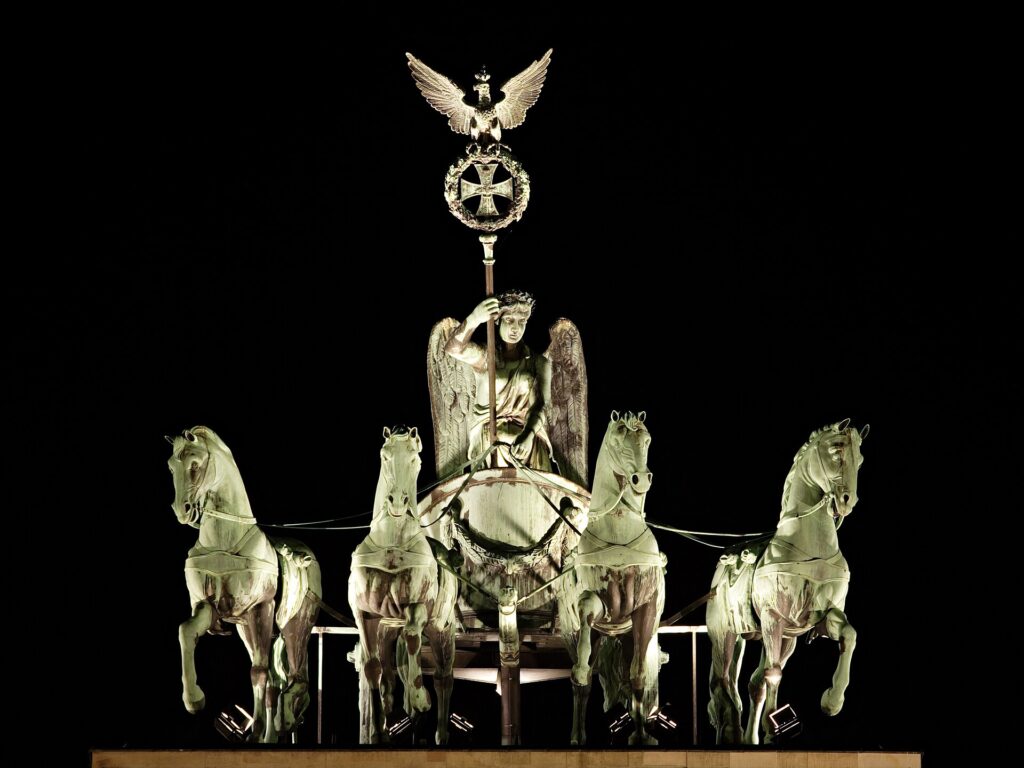
1. Brandenburg Gate + Reichstag dome
The 18th-century Brandenburg Gate is Berlin’s symbol; the Reichstag (1894, with Norman Foster’s 1999 glass dome) is the working German parliament. The dome is free to visit but you must register online 2–4 weeks ahead. Allow 90 minutes for the dome and the rooftop walkway (Berlin’s best free panoramic). Combine with a walk through Tiergarten to the Victory Column.
2. Berlin Wall — East Side Gallery + Topography of Terror + Checkpoint Charlie
Three different angles on Berlin’s Cold War history. The East Side Gallery (1.3 km of preserved Wall painted by 100+ artists) is the most photogenic. Topography of Terror (free, on the former SS headquarters site) is the most sobering. Checkpoint Charlie is the most touristy but historically significant. Allow 4 hours total to do all three.
3. Museum Island
UNESCO-listed complex of five world-class museums on a single Spree-river island. The Pergamon (Ishtar Gate, the Pergamon Altar — partially closed during ongoing renovation), the Neues Museum (Nefertiti’s bust), the Alte Nationalgalerie (Caspar David Friedrich), the Bode Museum, and the Altes Museum. €19 day pass for all five. Plan a full day for serious museum-goers; a half-day to hit the highlights.
4. Tempelhofer Feld
The 1920s-1940s airport (where the Berlin Airlift landed 1948–49) closed to flights in 2008 and turned into a public park. Three runways now host cyclists, kite-flyers, urban gardeners, and beer-drinking Berliners on warm evenings. Free, open dawn to dusk. The single best place to feel the rhythm of unselfconscious Berlin life.
5. Berghain (or queue-and-skip)
The world’s most famous techno club, in a former East Berlin power plant. The notorious door policy is real — 60% rejection rate — and the queue regularly hits 90 minutes on Friday/Saturday night. Wear black, go alone or in pairs of two, don’t speak English in the queue. If you don’t get in: there are 30 other excellent Berlin clubs (Tresor, Watergate, Sisyphos in summer). The point of Berlin nightlife isn’t Berghain specifically.
6. Currywurst + Kreuzberg dinner crawl
Currywurst — Berlin’s working-class snack of curry-ketchup over sausage — is Curry 36 (Mehringdamm), Konnopke’s Imbiss (Prenzlauer Berg), or Bier’s Kudamm (Charlottenburg) for the classic versions. €4. Then Kreuzberg for dinner — Markthalle Neun (the Thursday Street Food market is the famous one), Hartmann’s (Bavarian-meets-Berlin), or any of the dozen Turkish-German fusion restaurants on Kottbusser Damm.
Munich & Bavaria (6)
7. Marienplatz + the Glockenspiel + Viktualienmarkt
Munich’s central square. The Neues Rathaus’s mechanical Glockenspiel (1908) performs daily at 11 a.m. (and 12 p.m. and 5 p.m. May–October) — 32 figures re-enact a 16th-century royal wedding and a coopers’ dance, 12 minutes total. Tourist but charming. Then walk 3 minutes to Viktualienmarkt — Munich’s open-air food market — for white sausage (weisswurst), pretzels, and a Märzen beer at the maypole.
8. Hofbräuhaus + Augustiner-Keller beer hall night
Hofbräuhaus (since 1589) is the most famous Munich beer hall — touristy, loud, fun once. The locals’ choice is Augustiner-Keller (the city’s oldest brewery, beautiful biergarten under chestnut trees) or Paulaner am Nockherberg. €10 for a Mass (1-litre stein) plus a brez’n. Order at the bar; eat sausage; sing along badly to the brass band.
9. Neuschwanstein Castle
Mad King Ludwig II’s 19th-century fairy-tale castle that inspired Disney’s Cinderella castle. €17 timed entry; book online 6+ weeks ahead. Located in Hohenschwangau, 2 hours from Munich by train + bus. The Marienbrücke (the bridge across the gorge) gives the iconic photograph but currently access is restricted by ongoing repairs — check before booking. Allow a full day from Munich.
10. Oktoberfest (mid-September to first Sunday of October)
The world’s biggest beer festival — 6 million visitors over 16 days. 14 main beer tents (each with a personality: Hofbräu-Festzelt for the international party, Augustiner for the traditional, Schottenhamel for the official opening). Reserve a tent table 6+ months ahead via the brewery websites; without a reservation, arrive at 9 a.m. on a weekday for any chance. Book Munich hotels 6+ months ahead.
11. The Romantic Road by car
The 460-km route from Würzburg through Rothenburg ob der Tauber, Dinkelsbühl, Augsburg, and ending at Füssen (and Neuschwanstein). Medieval walled towns, half-timbered houses, vineyards, baroque churches. Allow 4–5 days minimum. Rothenburg is the most photographable but tourist-heavy by day; stay overnight for the empty-after-day-trippers experience. Easy as a rental-car loop from Frankfurt or Munich.
12. Berchtesgaden + Eagle’s Nest
The southeastern Bavarian Alps near the Austrian border. Königssee — the emerald-green fjord-like lake — is the photogenic highlight; take the electric boat to St. Bartholomä (the lakeside chapel). Then ride the bus + lift to the Eagle’s Nest (Kehlsteinhaus), Hitler’s mountain retreat, now a restaurant with extraordinary views. Dark history but the views are real. Open May–October.
Hamburg + the north (4)
13. Speicherstadt + HafenCity
The world’s largest warehouse district (UNESCO), 1880s red-brick warehouses on canals — Hamburg’s “Little Venice.” Walk through, then continue into HafenCity, the modern redevelopment with the Elbphilharmonie concert hall (Herzog & de Meuron, 2017) — its glass-wave roof is one of the great recent buildings. Free observation deck (Plaza) at 37m elevation; book online 2 weeks ahead.
14. Sunday morning Fischmarkt
Hamburg’s 5 a.m. fish market in St. Pauli, running every Sunday since 1703. Auctioneers shout, fishmongers throw bananas, brass bands play, locals dance after partying all night. Closes at 9:30 a.m. Free. The single most authentic Hamburg experience — it’s been running for 320 years.
15. Reeperbahn at night
Hamburg’s famous nightlife strip in St. Pauli. The Beatles played the Star-Club here in 1960–62. Today, mix of strip clubs, indie venues (Knust, Übel & Gefährlich), and craft beer bars. Walk it once for the experience, eat at Bullerei (Tim Mälzer’s flagship) for a respectable dinner, finish at Tower Bar (rooftop, jazz on weekends).
16. Sylt — the wealthy German island
The North Sea island where Germany’s wealthy summer. Long sandy beaches, dunes, traditional thatched-roof houses. Reachable only by car-train (Sylt Shuttle) or air. Strandkorb (the basket-style beach chairs) culture, oyster restaurants, walking dunes. Best in late May or September. Hotel rates at peak July–August.
Rhine + Moselle wine country (4)
17. Rhine River cruise (Bingen to Koblenz)
The UNESCO-listed Upper Middle Rhine — 65 km of Riesling-vine-terraced cliffs, medieval castles every few kilometres, and fairy-tale villages. KD Rhine Cruises run hop-on day-passes (€60) from Bingen to Koblenz. The Loreley rock — where the mythical siren lured sailors to their death — is the iconic stop. Combine with an overnight in Bacharach or Boppard.
18. Burg Eltz
The 12th-century castle in a Moselle Valley side gorge — preserved in family ownership for 850+ years (33 generations of the Eltz family still own it), avoided destruction in every major German war. Walking access only — 1.5 km hike from the parking. €13 entry. The most photogenic castle in Germany, in a postcard valley setting.
19. Cochem on the Moselle
The picture-postcard Moselle wine town. Reichsburg Cochem castle on a hillside above (€8 tour), wine cellar tours along the riverfront, vineyard hikes through Riesling terraces. Day-trip from Koblenz or Trier, or stay 2 nights for the dawn river-mist photographs.
20. Trier — Germany’s oldest city
Founded in 16 BC by the Romans. The Porta Nigra (the surviving Roman city gate, the largest north of the Alps), the Roman amphitheatre, the Imperial Baths. Karl Marx was born here (his birthplace is now a museum). Wine country at its doorstep. UNESCO listed. 2 hours from Frankfurt by train.
Saxony + the east (4)
21. Dresden — the Florence of the Elbe
The Saxon capital firebombed flat in February 1945, painstakingly rebuilt. The Frauenkirche (rebuilt with original stones from the rubble, completed 2005), the Zwinger palace, the Semperoper opera house, and the Green Vault treasury (the Saxon royal jewels). Plan 2 days minimum. Stollen (the Christmas cake) was invented here.
22. Saxon Switzerland — Bastei rocks
The sandstone-pillar national park 40 km southeast of Dresden. The Bastei bridge (1851, spanning a gorge between the rock pillars) is the photogenic spot — open year-round, free, often crowded midday. Hike the Painters’ Way (Malerweg) for serious walking. Combine with the Königstein Fortress (the 800-year-old hilltop castle).
23. Leipzig — Bach + indie culture
Where Bach lived 27 years and wrote most of his choral works (St. Thomas Church, where he’s buried). Leipzig is also the East German revolution’s spiritual home (the 1989 Monday Demonstrations from Nikolaikirche helped end communism). Today: indie music scene, Spinnerei art-warehouse complex, Bach Festival in mid-June. Day-trip from Berlin (1 hour by ICE).
24. Wartburg Castle (Eisenach)
The 11th-century hilltop castle where Martin Luther translated the New Testament into German in 1521–22 (creating the modern German language in the process). UNESCO. Located in Eisenach, 2 hours from Berlin by train. €13. Combine with the Bach House — Bach was born in Eisenach.
Detours + one-offs (6)
25. The Black Forest cuckoo-clock route
The southwestern German forest region. Triberg has the world’s largest cuckoo clock (€2 to enter). The Black Forest cake (Schwarzwälder Kirschtorte) is from here. Hike the Westweg trail. Stay in Baiersbronn (3 Michelin-starred restaurants in one tiny village) or Triberg. Best in May or October.
26. Heidelberg + the castle
Germany’s oldest university (1386) and one of its most romantic small cities. The half-ruined Heidelberg Castle on a hill above the Old Town is the photograph. The Philosopher’s Walk (Philosophenweg) on the opposite hillside gives the panoramic. Day-trip from Frankfurt (50 min by train) or stay overnight.
27. Bamberg — the medieval town that survived WWII intact
UNESCO-listed Bavarian town that survived WWII without bombing. 2,400 listed historic buildings. The Old Town Hall straddles the river on its own island. Famous for Rauchbier (smoke beer) — try it at Schlenkerla (since 1405). 1 hour by train from Nuremberg.
28. Cologne Cathedral + Hohenzollern Bridge love locks
The 632-year-construction Gothic cathedral (1248–1880) is one of the world’s largest. Free entry; €8 to climb the south tower (533 steps for one of Germany’s great urban panoramas). The Hohenzollern Bridge across the Rhine has hundreds of thousands of love locks. Combine with Cologne’s seven Christmas markets in December.
29. Christmas markets multi-city tour
Late November through December 23. Five-city tour: Berlin (10+ markets across the city, Gendarmenmarkt is the most photogenic), Dresden (Striezelmarkt, oldest, 1434), Nuremberg (Christkindlesmarkt, most famous), Cologne (7 markets including one inside the cathedral square), Munich (Marienplatz). 7–10 days, all by ICE train. €15–€20 per Glühwein-and-bratwurst meal.
30. Boltenhagen / Rügen Baltic coast
The German Baltic coast — long beaches, white-cliff Jasmund National Park (Rügen), and the Mecklenburg lake district. Best May–September. Hire a Strandkorb (basket-style beach chair). Quieter than the Mediterranean, much cheaper, with serious natural beauty in the cliffs of Königsstuhl on Rügen. The chalk cliffs were Caspar David Friedrich’s painting subjects.
Continue planning: Germany overview · Best time to visit · 10-day itinerary · Where to stay
FFU contains affiliate links. We earn a commission when you book through them — at no extra cost to you.
Plan your trip
- Tours & experiences: browse Germany tours and experiences on Klook.
- Airport pickup: pre-book an airport transfer with GetTransfer.
- Car hire: compare rental cars on GetRentacar.
- Bag storage: store your bags with RadicalStorage.
Disclosure: some links above are affiliate links — booking through them supports Facts From Upstairs at no extra cost to you.