
Languages of Japan
All languages of Eastern Asia →fluent beta classical · classes by phone with Maya at ranas.ai/maya
Japan Travel Guide — Bullet Trains, Cherry Blossoms & 14,125 Islands of Quiet Detail
The hardest thing to convey about Japan is how quietly the country compresses an entire calendar of experiences into a single train window. First-time travellers are often told Japan is a “Tokyo and Kyoto” trip, and that is technically true — both are extraordinary — but a Nozomi from Tokyo to Hakata moves you through paddy fields, snow country, the Inland Sea and onsen valleys in five hours, and the country keeps unfolding for as long as you give it. Few Japan moments beat the first cup of vending-machine coffee on a Hokkaido platform at 6am — and a serious case can be made that Kyushu is better than Kyoto. Treat this guide as the brief you’d want in hand before boarding the red-eye east.

In This Guide
- Overview — Why Japan Belongs on Every Bucket List
- Cherry Blossom 2026 — Late-March / Early-April Window
- Best Time to Visit Japan (Season by Season)
- Getting There — Flights, KIX/HND/NRT & Visit Japan Web
- Getting Around — Shinkansen, IC Cards & the JR Pass Reset
- Top Cities & Regions
- Japanese Culture & Etiquette
- A Food Lover’s Guide to Japan
- Off the Beaten Path
- Practical Information
- Budget Breakdown
- Planning Your First Trip to Japan
- Frequently Asked Questions
Overview — Why Japan Belongs on Every Bucket List
Prefer a checklist? Here are the 25 best things to do in Japan.
Japan is an archipelago of 14,125 islands stretched along 3,000 km of the western Pacific, organised into 47 prefectures and four big island clusters every traveller learns the names of: Hokkaido in the snowy north, Honshu in the populated middle, Shikoku tucked across the Inland Sea, and Kyushu off the south-west. Roughly 124 million people live here — about a third of them inside Greater Tokyo, the world’s largest metropolitan area at around 37 million. The country is genuinely big — Tokyo to Sapporo is roughly Boston to Chicago — and the four-hour Shinkansen between them moves through three different climate zones in a single window seat.
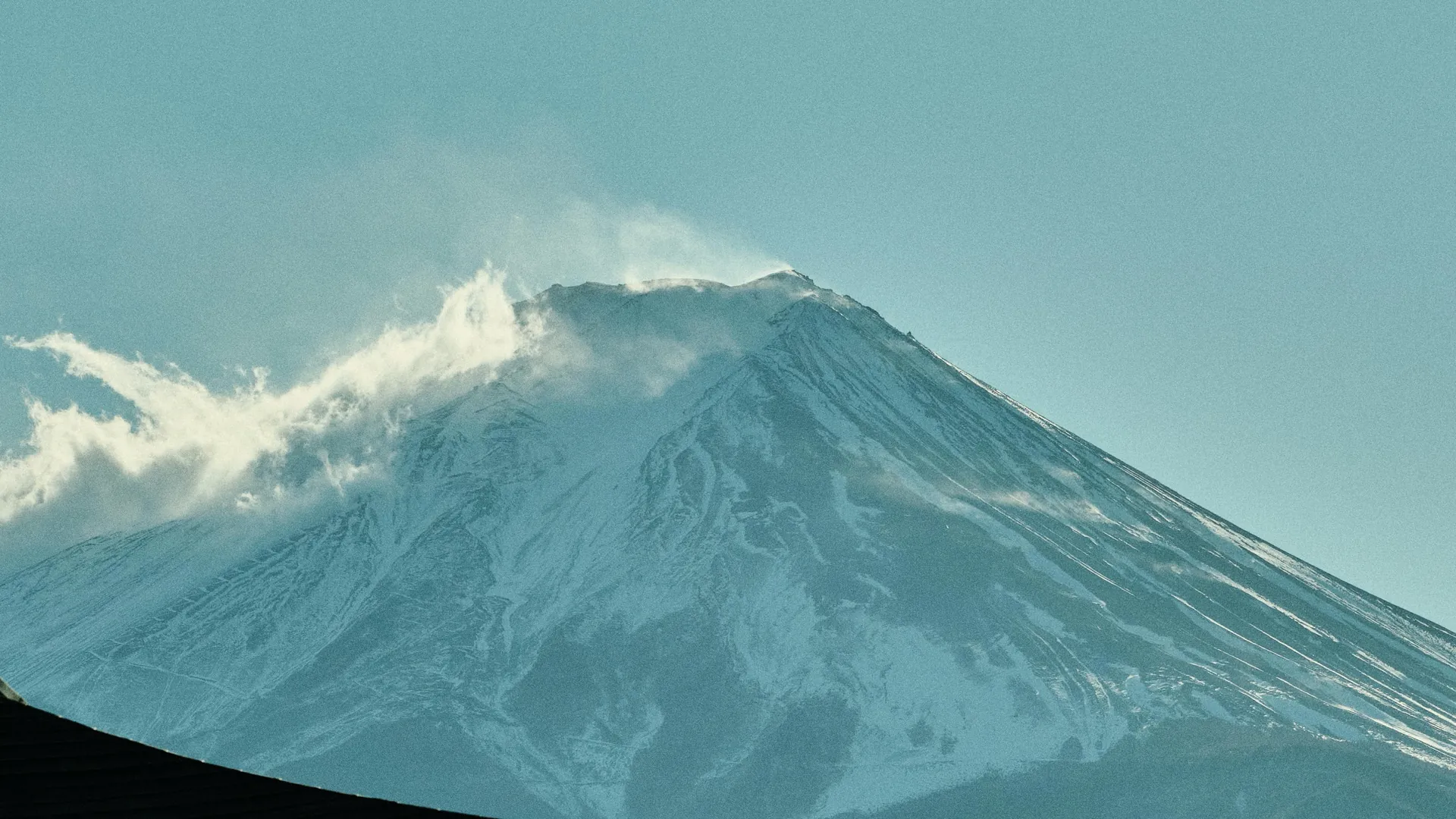
Geography is one of the two stories. The Pacific Ring of Fire delivers more than 110 active volcanoes and roughly 1,500 perceptible earthquakes a year — most so small that locals barely glance up from a bowl of ramen. Mt Fuji, the country’s symbol, rises to 3,776 m above the Yamanashi-Shizuoka border and was inscribed on the UNESCO list in 2013 as a “sacred place and source of artistic inspiration”; it is one of 26 UNESCO sites scattered across the country, a mix of 21 cultural and 5 natural inscriptions that takes a serious traveller years to work through.
The other story is precision. The Tokaido Shinkansen has run since 1964 and the Nozomi service still tops out at 285 km/h with average annual arrival delays measured in seconds, not minutes. Vending machines stand on remote mountain platforms with hot coffee in cans and cold barley tea in bottles. Convenience stores — konbini — keep the same menu and the same standards from Naha to Wakkanai. Tokyo alone holds 411 Michelin stars in the 2025 guide, more than any other city on Earth. The country runs on attention.
Practically, Japan in 2026 is in the middle of an inbound boom. JNTO recorded a record 36.8 million international visitors in 2024, comfortably surpassing the pre-pandemic 31.9 million high. The yen has weakened sharply against the US dollar over the last few years , which makes a country once filed under “trip of a lifetime” startlingly affordable on a Tokyo bowl of ramen. Tap water is excellent everywhere, transit is comprehensive, English signage is widespread in big cities and main rail stations, and crime against visitors is rare — Japan ranked 9th on the 2024 Global Peace Index. Pack walking shoes that come off easily and bring patience for the queue at Fushimi Inari at sunrise.

Cherry Blossom 2026 — Late-March / Early-April Window
The cherry-blossom front (sakura zensen) sweeps Japan from south to north every spring at roughly 25 km per day, tracked daily by the Japan Meteorological Agency from the moment the first samples open at observation trees in dozens of cities. Tokyo’s standard reference tree at Yasukuni Shrine typically declares first-bloom (kaika) between 22 and 26 March, with peak (mankai) about a week later — so for 2026, the actionable window is roughly 25 March through 8 April for Tokyo, Kyoto and the Chubu corridor in between. Hirosaki Castle in Tohoku peaks two to three weeks later (late April), and Sapporo’s blossoms typically open in early May. Plan to either arrive flexible or book two cities at different latitudes.
2026 sits squarely in the post-record inbound boom: JNTO logged 36.8 million visitors in 2024 , and sakura week is the single most-booked window of the year. Hotels in central Kyoto and around Ueno Park sell out four to six months ahead at three to four times their winter rates. Lock in accommodation before you finalise flights.
- First reliable bloom: Fukuoka and Kochi typically declare around 19–21 March; the front then crosses Honshu over four to five weeks.
- Peak window (Tokyo / Kyoto): roughly 28 March – 8 April 2026, with peak duration about 7 days per location.
- Yoshino, Nara: 30,000+ trees terraced across the mountainside, blooming in four altitudinal waves from late March to mid-April.
- Hirosaki Castle, Aomori: typically peaks 22 April – 5 May; the moats turn pink with petal carpets.
- Sapporo & Hokkaido: first-bloom typically 30 April – 5 May, peak around the GW (Golden Week) holiday.

Best Time to Visit Japan (Season by Season)
Planning around the seasons? See our month-by-month breakdown of the best time to visit Japan.
Spring (Mar–May)
The classic Japan window and the busiest. Tokyo climbs from around 10°C in early March to a comfortable 18–22°C by late May ; the sakura front sweeps north through April; the Golden Week holiday (29 April – 5 May) is the busiest domestic travel week of the year and prices spike across every category. Hokkaido finally warms up; Tohoku blossoms peak in late April; and the rainy season (tsuyu) holds off everywhere except the far south until early June. The single best month for first-time Japan, with the corresponding hotel rates and queues at every UNESCO temple gate.
Summer (Jun–Aug)
Hot, humid, festival-heavy. Tokyo and Osaka sit around 26–32°C with humidity pushing 70–80% , and the tsuyu rainy season runs early June to mid-July across most of Honshu. After tsuyu the matsuri (festival) calendar fills up — Gion Matsuri in Kyoto across July, Tenjin Matsuri in Osaka on 24–25 July, and the Aomori Nebuta on 2–7 August. Mt Fuji’s official climbing season runs roughly 1 July through 10 September on the Yoshida Trail. Typhoons start landing on the south coast from late August. Head north — Hokkaido is the country’s air-conditioner.
Autumn (Sep–Nov)
The most underrated season for first-timers. The koyo (autumn-leaf) front moves the opposite direction from sakura — south from Hokkaido in early October down to Kyoto by late November. Tokyo cools to a perfect 18–22°C through October; Kyoto’s UNESCO temple gardens — Tofuku-ji, Eikan-do, Kodai-ji — are at their best 15–30 November. Typhoon risk lingers through October on the Pacific coast, particularly south of Kanto, but they typically clear within 24–48 hours. Lower crowds than sakura week, similar weather, far fewer hotel-rate spikes — genuinely the value-for-money season for a first trip if you can skip the cherry trees.
Winter (Dec–Feb)
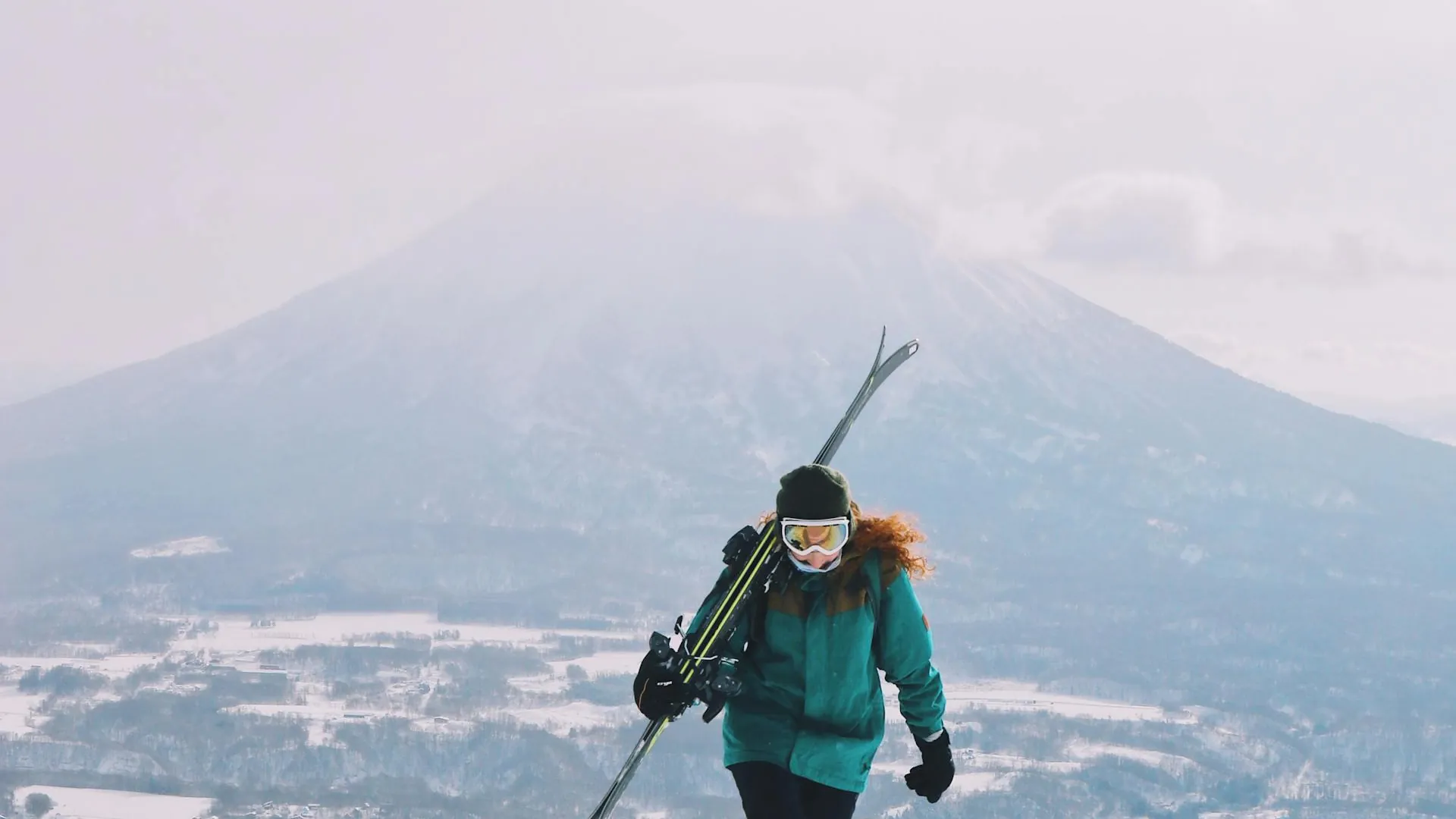
The two-trip-in-one season. Tokyo and Kyoto sit around 4–10°C with crisp blue skies and far fewer crowds; Hokkaido and the Japan Sea coast deliver some of the best ski conditions on Earth. Niseko averages 11–14 metres of light, dry snow per season — the figure ski-magazine cover stories are built on. The Sapporo Snow Festival runs the first week of February with around 2 million visitors and 200+ snow and ice sculptures along Odori Park. Onsen (hot-spring) towns like Hakone, Kusatsu, Kinosaki and Beppu peak culturally in winter — snow on cedar roofs, steam rising off open-air baths.
Shoulder-season tip: Mid-September through early October and late November into early December hit the sweet spot — daytime temperatures around 15–22°C , low typhoon risk in late September, koyo viewing live in the second window, and hotel rates roughly 25–35% off both sakura and Golden Week peaks. The two best weeks of the calendar to book a first-timer Tokyo–Kyoto loop on a budget.
Getting There — Flights, KIX/HND/NRT & Visit Japan Web
Almost every long-haul visitor lands at one of Japan’s three main international gateways. Tokyo has two airports, an hour apart and serving very different markets, while Kansai handles the Osaka–Kyoto–Kobe corridor on a 24-hour artificial island.
- Haneda (HND) — Tokyo’s closer airport, 14 km south of central Tokyo, the Asia-Pacific hub for late-night and early-morning long-hauls; the Tokyo Monorail and Keikyu Line both reach Hamamatsucho/Shinagawa in roughly 15 minutes.
- Narita (NRT) — Tokyo’s older long-haul hub, 60 km east of the city; Narita Express runs to Tokyo Station in about 55 minutes, the Keisei Skyliner to Ueno in about 41 minutes.
- Kansai (KIX) — the 24-hour artificial-island airport serving Osaka, Kyoto and Kobe; the JR Haruka Express reaches Kyoto in about 75 minutes and Shin-Osaka in about 50.
Flight times: Los Angeles–HND about 11h, San Francisco–HND about 11h, New York–HND about 14h, London–HND about 14h, Sydney–HND about 9h 30min. ANA and Japan Airlines (JAL) — the country’s two flag carriers — both fly the long-haul network non-stop from most major North American and European hubs.
Visa / entry: 71 nationalities including the US, UK, Canada, Australia, all EU member states, and most of South-East Asia have visa-free entry for stays up to 90 days. The Visit Japan Web portal (operated by the Digital Agency) lets you pre-register your immigration and customs declarations and arrive with a single QR code — strongly recommended, can be completed up to 6 hours before landing.
Getting Around — Shinkansen, IC Cards & the JR Pass Reset
Japan moves on rails. The Shinkansen network has run since 1964 and now stretches roughly 3,000 km from Hakodate (Hokkaido) down to Kagoshima (Kyushu) , with two unbroken trunks — the Tokaido/Sanyo/Kyushu line through Tokyo–Osaka–Hakata, and the Tohoku/Hokkaido line up the Pacific spine. Local trains, subways and buses fill in everything else, paid contactlessly from a single rechargeable IC card you can top up at any konbini.
- Tokaido Shinkansen (Tokyo–Shin-Osaka): Nozomi service, top speed 285 km/h, 2h 21min city-to-city, departures every 5–10 minutes at peak.
- Tokyo → Kyoto (Nozomi): 2h 14min, around ¥14,170 unreserved each way; the busiest first-time itinerary in the country.
- Tokyo → Hakata, Fukuoka (Nozomi/Mizuho): 4h 50min, ¥23,810 unreserved — one of the longest single Shinkansen rides you can take.
- Tokyo → Shin-Hakodate-Hokuto (Hayabusa): 4h 10min on the Tohoku/Hokkaido Shinkansen; the Sapporo extension is targeted for FY2030–31.
- Tokyo Metro & Toei subway: 13 lines, 285 stations between the two operators serving central Tokyo.
Japan Rail Pass: the nationwide JR Pass was repriced sharply on 1 October 2023 — a 7-day adult ordinary pass now costs ¥50,000 (~USD 320), up roughly 70% from the previous ¥29,650. The break-even is now roughly a Tokyo–Kyoto–Tokyo round-trip plus one Hiroshima or Hakata side-trip; for shorter or one-way itineraries individual tickets are usually cheaper. Regional passes (JR East Tohoku Area Pass ¥20,000/5 days; JR West Sanyo-Sanin Pass ¥23,000/7 days) often deliver better value for trips that stay in one half of the country.
IC cards: Suica (JR East / Tokyo), Pasmo (Tokyo Metro and private rail), and ICOCA (JR West / Kansai) are interoperable across every major rail network in Japan and accepted at konbini, vending machines, lockers and many taxis. Mobile Suica and Mobile Pasmo work on iPhone wallet (Apple Pay) for visitors with no Japanese phone number.
Apps: Navitime for Japan Travel (English-first transit and timetabling), Google Maps (excellent transit coverage in Japan), and the JR East / JR Central Smart-EX apps for advance Shinkansen reservations.
Top Cities & Regions
Choosing a base? Start with our neighbourhood-by-neighbourhood guide to where to stay in Japan.
📍 Map of Japan: Every Place in This Guide
Tokyo & Kanto
The world’s largest metropolitan area at around 37 million people , organised into 23 special wards plus 26 cities west of the central core. Functional, polite, and culturally inexhaustible — a week here barely scratches the surface, and Kanto reaches far beyond the metropolis to Yokohama, Kamakura, Nikko and the Hakone onsen valley.
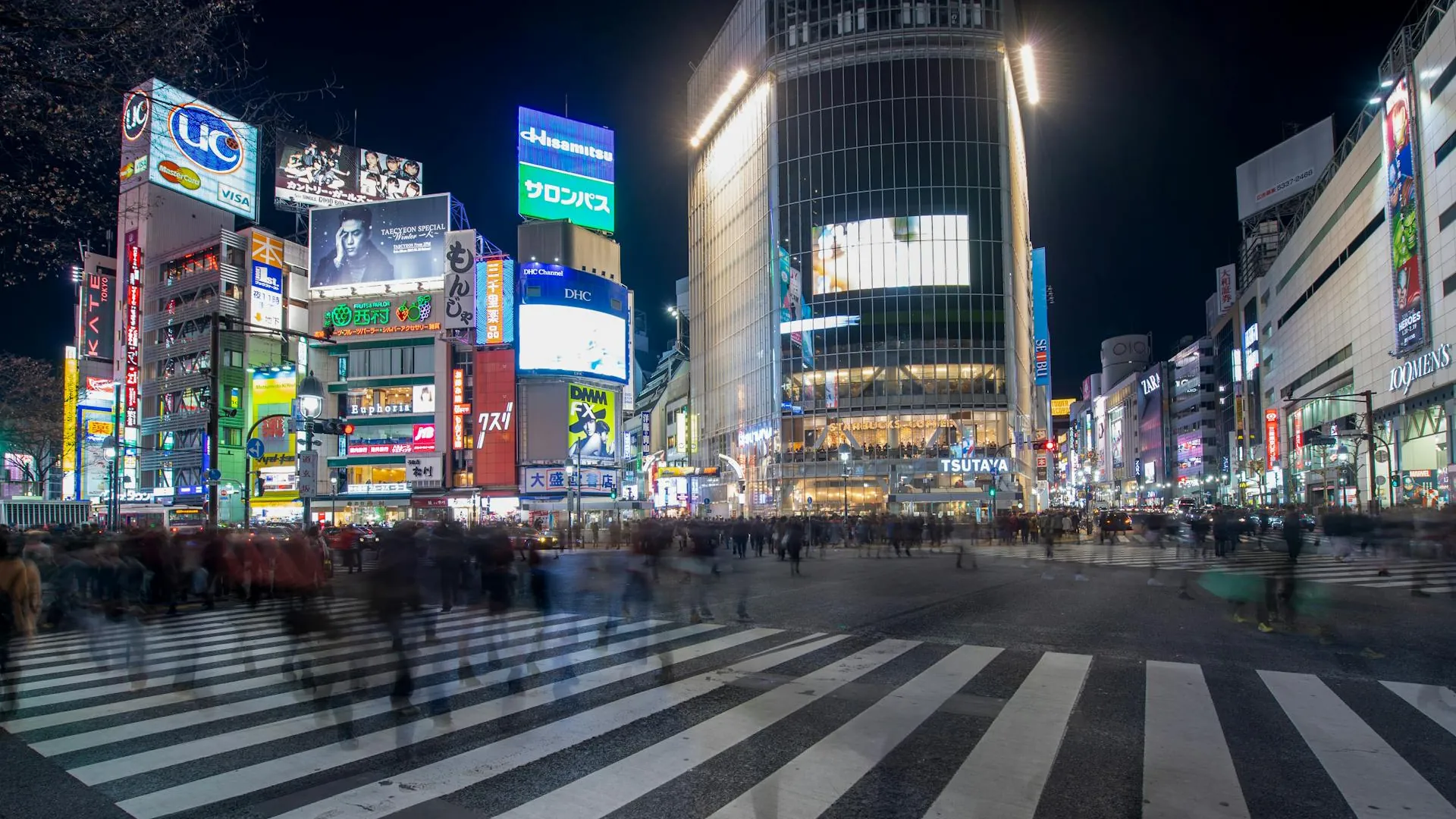
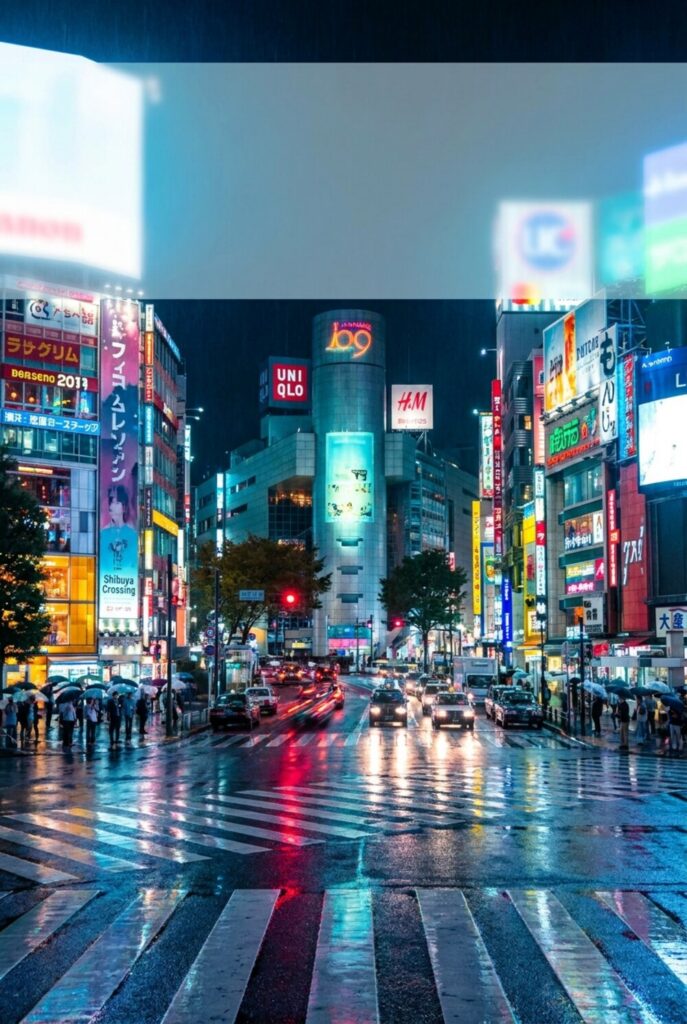
- Shibuya — Scramble Crossing handles roughly 3,000 pedestrians per cycle and is the most-photographed urban intersection on Earth.
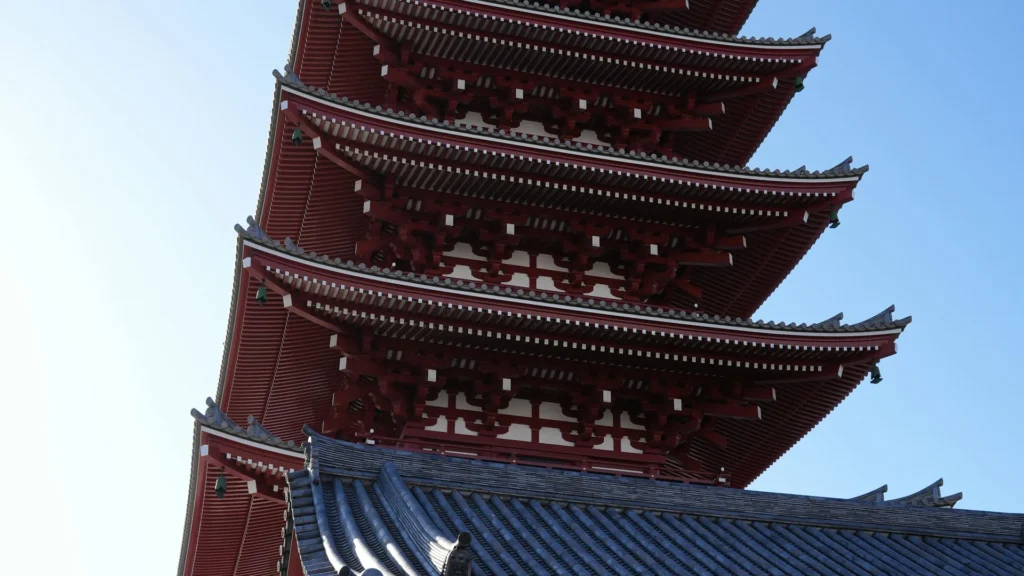
- Asakusa — Senso-ji temple (founded 645 CE, Tokyo’s oldest), Nakamise-dori shopping street, and the Tokyo Skytree (634 m, opened 2012) just across the Sumida River.
- Tsukiji Outer Market for breakfast sushi (the wholesale market itself moved to Toyosu in October 2018) ; teamLab Borderless in Azabudai Hills; the Imperial Palace East Gardens.
Signature eats: Tsukiji tuna donburi, Tokyo-style shoyu ramen, monjayaki on Tsukishima, omakase sushi in Ginza, the Daikanyama café strip.
Kyoto & Kansai
Japan’s imperial capital from 794 to 1868 (Heian-kyō) and still the cultural heart of the country — 17 individual properties make up the UNESCO “Historic Monuments of Ancient Kyoto” inscription, including 13 Buddhist temples, three Shinto shrines, and Nijo Castle.
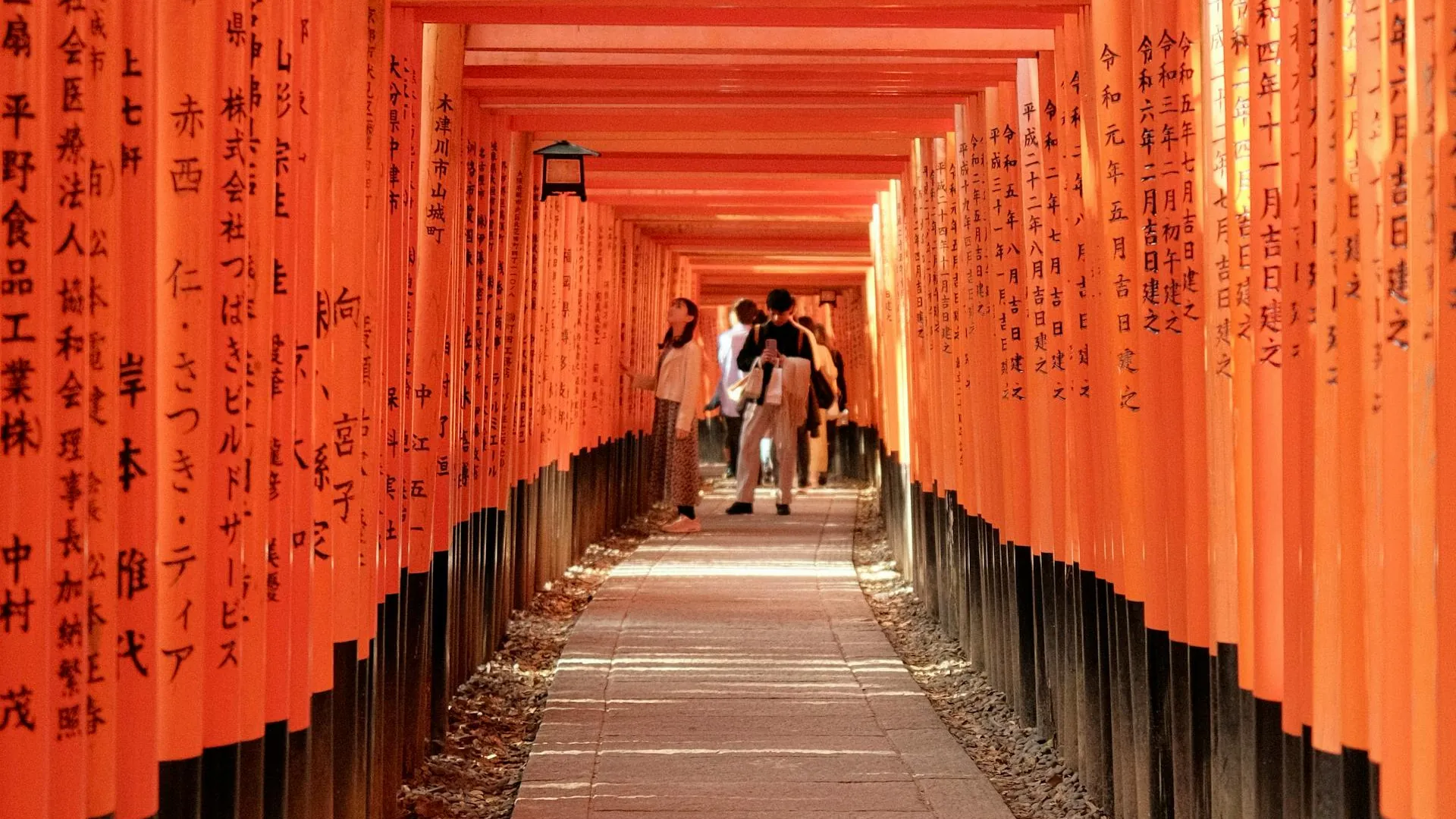
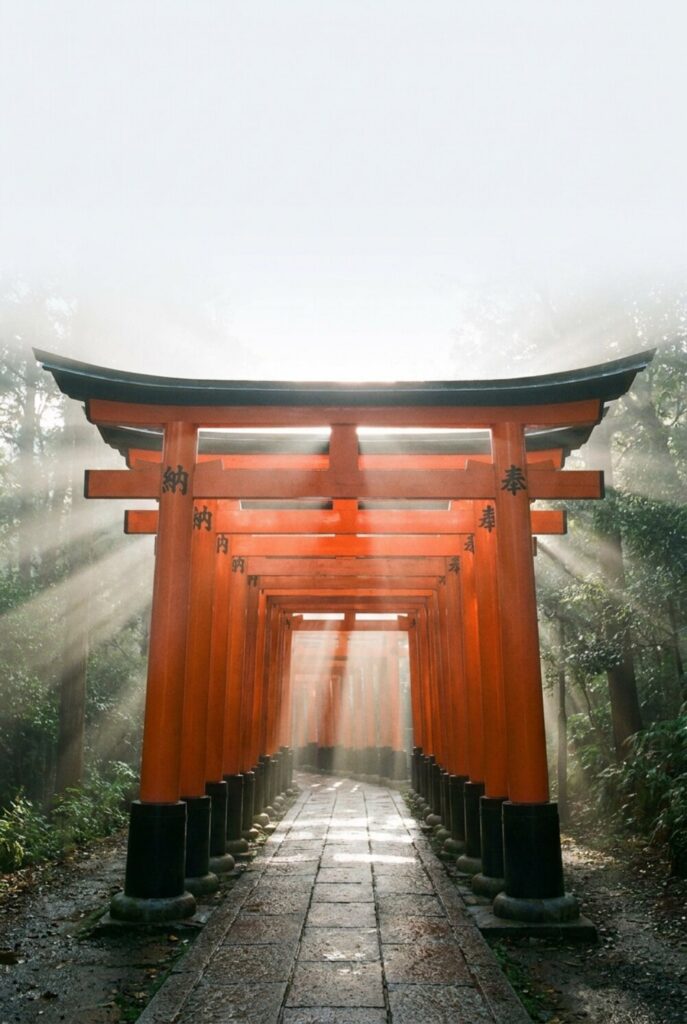
- Fushimi Inari Taisha — the dense vermilion tunnel of around 10,000 torii gates climbs 233 m up Mt Inari behind the main shrine; sunrise visits are essential.
- Kiyomizu-dera (UNESCO 1994) — 17th-century reconstruction of a 778 CE foundation; famous wooden veranda over a hillside.
- Arashiyama bamboo grove + Tenryu-ji (UNESCO 1994); Kinkaku-ji (Golden Pavilion); Gion district at twilight; Nishiki “Kyoto kitchen” market.
Signature eats: kaiseki tasting menus at Kikunoi or Hyotei, kyo-yasai (Kyoto vegetables), matcha at Tsujiri, yudofu in Nanzen-ji.
Osaka
Japan’s third-largest city at around 2.7 million in the city proper (8.8 million in Greater Osaka) — Kansai’s commercial powerhouse, famously brash by Kyoto standards, and the country’s unchallenged street-food capital.
- Dotonbori at night — the canal district that defined the Glico Running Man, takoyaki and kuidaore (eat-yourself-bankrupt) Osakan food culture.
- Osaka Castle (1583, reconstructed 1931) and the surrounding park — peak sakura location in early April.
- Umeda Sky Building Floating Garden Observatory; Shinsekai for kushikatsu; the Kuromon Ichiba market for sushi breakfast.
Signature eats: takoyaki, okonomiyaki, kushikatsu, kitsune udon, Kobe beef yakiniku at Tsuruhashi.
Hiroshima & the Inland Sea
The single most powerful day-trip in the country. The Hiroshima Peace Memorial Park sits at the hypocentre of the 6 August 1945 atomic bombing; the A-Bomb Dome is one of two UNESCO sites on the Hiroshima itinerary. A 45-minute ferry across to Miyajima drops you at Itsukushima Shrine, founded in 593 CE and reconstructed to its current form in 1168, with its iconic floating torii (rebuilt 1875) standing in the bay.
- Hiroshima Peace Memorial Museum — sobering, essential, free for foreign visitors on selected days.
- Itsukushima Shrine and the floating O-torii (UNESCO 1996).
- Hiroshima-style okonomiyaki at Okonomi-mura — layered with noodles, very different from the Osaka version.
Signature eats: Hiroshima-yaki, momiji manju (maple-leaf cakes on Miyajima), oysters from Hiroshima Bay (peak Nov–Feb).
Hokkaido — Sapporo & Niseko
The northern island and Japan’s powder capital — Niseko United on Mt Annupuri averages 11–14 m of light, dry snow per season , and Sapporo hosts the world’s largest snow festival every February with around 2 million visitors and 200+ snow and ice sculptures. In summer Hokkaido is the country’s air-conditioner: lavender fields at Furano in July, hiking in Daisetsuzan, and the gateway to the Shiretoko Peninsula UNESCO listing in the far east.
- Sapporo Snow Festival (early Feb) and the Sapporo TV Tower at Odori Park.
- Niseko United, Furano and Rusutsu for skiing; Otaru’s canal for early-evening photography.
- Hakodate’s morning market and the night view from Mt Hakodate (one of Japan’s “three great night views”).
Signature eats: miso ramen in Sapporo, sea-urchin (uni) bowls in Otaru, jingisukan (mutton barbecue), Yubari melon, Hokkaido dairy soft-serve.
Kyushu — Onsen, Volcanoes & Fukuoka
Japan’s south-western big island — closer to Seoul than to Tokyo, hot-spring rich, and the country’s gastronomic heartland for tonkotsu ramen and yatai (street-food stalls). Beppu in Oita Prefecture sits on top of one of the world’s largest geothermal flows, with around 2,300 individual hot springs producing roughly 100,000 tonnes of hot water a day. Visit Kyushu’s onsen index covers everything from Yufuin’s quiet ryokan valley to the smoking peaks of Aso.
- Fukuoka — Hakata Station, Canal City and the legendary night-time yatai stalls along the Naka River for tonkotsu ramen and yakitori.
- Beppu and Yufuin — the two most famous onsen towns in Kyushu, joined by a one-hour scenic train across the Kuju mountains.
- Mt Aso caldera (one of the world’s largest active calderas) and Kumamoto Castle — rebuilt after 2016 earthquake damage.
Signature eats: Hakata tonkotsu ramen, mentaiko, basashi (raw horse) in Kumamoto, sweet-potato shochu, Nagasaki champon.
Japanese Culture & Etiquette — What to Know Before You Go
Japanese public culture is built on quietly considered detail — the angle of a bow, the folding of a banknote into a small dish on a restaurant counter, the offer of a hot oshibori towel before a meal. The country is more than 98% ethnically Japanese , with Japanese as the sole official language; English coverage is real in Tokyo, Kyoto and the major rail stations but thins quickly elsewhere. None of the etiquette norms below are make-or-break, but every one of them is genuinely appreciated by the locals you meet, and learning them is half of why a trip to Japan changes how you travel.

The Essentials
- Shoes come off at the genkan (entryway) of every home, every ryokan, every onsen and most temples. Slippers are provided; they come off again before stepping onto tatami matting. Bring socks without holes.
- Tipping is not customary anywhere in Japan and can cause genuine confusion if you try — service charges, where they exist, are already on the bill. A simple “gochisousama deshita” at the end of the meal is the right thank-you.
- Cash and cards are handled with two hands; a small black tray on the counter is for placing your money or card on (don’t hand it directly to the cashier).
- Trash cans are nearly absent in public — the country runs on you carrying your own rubbish home or back to the konbini you bought it at. Carry a small bag for wrappers.
- On escalators, stand on the left in Tokyo and on the right in Osaka — the rare nationwide convention that flips between the two big cities.
Onsen, Temples & the Quiet-Carriage Code
- At public onsen and sento bathhouses you wash thoroughly at the seated showers BEFORE getting into the communal water; long hair tied up; no swimsuits in the water; small towel folded on your head, never in the pool.
- Tattoos are still excluded from many onsen and sento — Hoshino Resorts and a growing list of tattoo-friendly ryokan post their policies online; a circular waterproof patch over a small tattoo is widely accepted at the rest.
- At Shinto shrines: bow once at the torii, rinse left hand-right hand-mouth at the temizuya, two bows + two claps + one bow at the haiden. At Buddhist temples: bow once at the gate, no clapping, light incense if it is offered.
- Phone calls on trains are not done — Japanese trains run silent, and the priority-seat areas ask you to switch your phone off entirely. Texting is fine.
A Food Lover’s Guide to Japan
Japanese food is the country’s most exportable cultural product and probably its most under-explained. UNESCO inscribed washoku — “traditional dietary cultures of the Japanese, notably for the celebration of New Year” — on the Intangible Cultural Heritage list in 2013, recognising the seasonal, regional, ingredient-respectful framework that organises everything from a Tokyo bowl of ramen to a Kyoto kaiseki tasting menu. Tokyo alone holds 411 Michelin stars in the 2025 guide, more than any other city on Earth and roughly double Paris in star count. The good news for travellers is that the country eats brilliantly at every price point — a ¥900 ramen counter and a ¥40,000 omakase are using the same level of attention to dashi, knife technique and seasonal pacing.

Must-Try Dishes
| Dish | Description |
|---|---|
| Sushi (寿司) | Born as Edo street food in the 1820s , today split between conveyor-belt kaitenzushi (¥120–500 a plate), neighbourhood counter sushi-ya (¥3,000–6,000 set), and high-end Ginza omakase (¥20,000–60,000+). The wholesale tuna theatre moved from Tsukiji to the new Toyosu Market on 11 October 2018; Tsukiji’s outer market still does a roaring breakfast trade. |
| Ramen (ラーメン) | Four canonical regional broths: tonkotsu (pork-bone, Hakata/Fukuoka), miso (Sapporo/Hokkaido), shoyu (soy, Tokyo), and shio (salt, Hakodate). Counter-only shops, ticket-vending-machine ordering, no tipping, no lingering. |
| Tempura (天ぷら) | Light, dry battered seafood and vegetables fried in sesame or cottonseed oil and served with grated daikon and tentsuyu sauce. Nakase in Asakusa (founded 1870) and the Mikawa group in Tokyo are the canonical specialists. |
| Kaiseki (懐石) | The multi-course tasting-menu format of Kyoto cha-kaiseki — typically 8–14 small courses organised by seasonal ingredient and cooking technique. Kikunoi, Hyotei (founded c. 1660 outside Nanzen-ji’s gates), and a long list of Michelin two- and three-star ryotei are the temples here. |
| Yakitori & Izakaya | Charcoal-grilled chicken skewers (every part of the bird, salted or tare-glazed) at counter izakaya — an after-work institution from Yurakucho’s underpass shops to Kyoto’s Pontocho alley. Order in rounds; pair with highballs (Suntory or Nikka) or local sake. |
| Okonomiyaki / Takoyaki | Two Osakan and Hiroshima specialities. Okonomiyaki is a savoury pancake of cabbage, batter, pork, seafood and bonito flakes — Osaka folds it together, Hiroshima layers it over yakisoba noodles. Takoyaki is octopus dumplings cooked on a half-sphere griddle and is the Dotonbori street-food default. |
| Wagyu & Yakiniku | Japanese black wagyu beef — Kobe, Matsusaka, Omi and Hida are the four marquee strains. Yakiniku (Korean-style table grills) and shabu-shabu / sukiyaki hot-pots are the canonical home formats; Kyoto’s Sukiyaki Kitcho and Tokyo’s Asakusa Imahan are textbook. |
Konbini Culture & the 24-Hour Food Stack
Japan’s konbini (convenience store) network is the unsung hero of every traveller’s trip. Seven & i Holdings — parent of 7-Eleven Japan — runs around 21,000 stores across the country , with FamilyMart (~16,000) and Lawson (~14,000) covering the rest. Together they put a full hot-and-cold food and ATM stack within ten minutes’ walk of almost any urban address in Japan. The quality is genuinely good: 7-Eleven egg-salad sandwiches (the famous tamago sando), Lawson’s karaage chicken, and FamilyMart’s hot oden in winter are all defensible meals on their own terms.
- Chains: 7-Eleven, FamilyMart, Lawson — interchangeable for ATMs (use the international-card-friendly machines), Suica/Pasmo top-up, and ticketed event pickup.
- Signature konbini items: tamago sando, onigiri (umeboshi/salmon/tuna mayo), oden (winter only), karaage, melon-pan, and the Lawson “Premium Roll Cake”.
- Coffee: vending-machine BOSS Coffee in cans, McDonald’s drip in train stations, and the Doutor / Tully’s / Komeda chains for sit-down. Specialty third-wave is huge in Tokyo (Onibus, Glitch, Fuglen), and Kyoto’s Kurasu is the matcha-and-pour-over benchmark.
Vending machines are the other half of the country’s food infrastructure: roughly 4 million machines nationwide, or about one for every 31 residents — the highest density on Earth. Hot canned coffee in winter, cold barley tea in summer, and bottled green tea everywhere, twenty-four hours a day, even on remote mountain station platforms. Drink the local stuff — Royal Milk Tea, Aquarius Sports, Pocari Sweat, Calpis Soda — at least once.
Off the Beaten Path — Japan Beyond the Golden Route

Tohoku — The Quiet North of Honshu
The six prefectures north of Tokyo — Aomori, Iwate, Akita, Miyagi, Yamagata and Fukushima — collectively known as Tohoku. Sakura comes two to three weeks late at Hirosaki Castle (typically peak 22 April – 5 May), the Aomori Nebuta Matsuri (2–7 August) is one of the country’s three great summer festivals, and the Tohoku Shinkansen extension out to Aomori opened in 2010. Mount Zao’s “snow monsters” (juhyo — frost-encased pines on the ski slopes) and the Yamadera mountain temple are the two photographs everyone brings home. Far quieter and cheaper than Kansai or Tokyo.
The Japan Alps & the Tateyama Kurobe Route
Three mountain ranges (the Hida, Kiso and Akaishi) split the middle of Honshu into two halves; the Tateyama Kurobe Alpine Route crosses the Hida range using a chain of cable-cars, trolleybuses and walking sections from Toyama to Nagano. Open mid-April to late November; the spring opening reveals the famous Yuki-no-Otani snow corridor with walls of compacted snow 10–20 m high. Combine with the snow monkeys of Jigokudani Yaen-koen near Nagano (the only place on Earth where macaques bathe in hot springs in winter).
Setouchi & Naoshima — The Inland Sea Art Islands
The Seto Inland Sea between Honshu, Shikoku and Kyushu holds around 700 islands, but Naoshima, Teshima and Inujima are the three you cross the world for: Tadao Ando-designed museums and James Turrell light installations buried inside the Benesse Art Site project, walking distance from a tiny ferry port. The triennial Setouchi Triennale art festival next runs in 2025 and 2028; the Yayoi Kusama yellow pumpkin on Naoshima is the country’s second-most-photographed sculpture after Hachiko.
Kumano Kodo Pilgrimage Trails
A 1,000-year-old network of pilgrimage routes through the Kii Peninsula, south of Osaka and Nara, inscribed on UNESCO in 2004 as “Sacred Sites and Pilgrimage Routes in the Kii Mountain Range” — sister-pilgrimage to the Camino de Santiago since 2014. The 38 km Nakahechi route from Takijiri-oji to Kumano Hongu Taisha is the classic 4-day walk, with cypress-cedar valleys, riverside onsen at Yunomine, and the country’s largest torii gate (33.9 m) at Hongu.
Yaeyama Islands — Japan’s Tropical South
The far south-west Okinawan archipelago, closer to Taipei than to Tokyo. Iriomote-Ishigaki National Park was inscribed on UNESCO in 2021 — Iriomote is around 90% subtropical jungle and mangrove, home to the critically endangered Iriomote cat. Ishigaki has the closest reefs (Sekisei Lagoon is the largest in Japan), Taketomi the preserved-village Ryukyu sand-and-coral lanes, and Yonaguni the famous and contested “underwater monument”. A two-hour-fifty flight from Tokyo (HND/NRT) via Naha, then a 50-minute hop to Ishigaki — a different country, climatically.
Practical Information
| Currency | Japanese Yen (¥ / JPY); 1 USD ≈ 156 JPY as of late April 2026 . The yen has weakened roughly 35% against the dollar since 2021 — making 2026 the cheapest Japan trip in nearly two decades for USD-, GBP- and EUR-spenders. |
| Cash needs | Smaller than it used to be but still real. Major hotels, department stores, Shinkansen and chain restaurants all take cards and contactless; small ramen shops, izakaya, neighbourhood shrines and rural ryokan often only take cash. Carry ¥10,000–20,000 in small notes for the day. |
| ATMs | 7-Eleven (Seven Bank) ATMs at every 7-Eleven, plus Japan Post Bank ATMs at every post office, both accept foreign Visa, Mastercard, Maestro, Cirrus and AMEX cards 24/7 in English. Ordinary bank ATMs frequently do not. |
| Tipping | Not customary anywhere — and politely refused if you try. Service charges (typically 10%) are added at high-end ryokan, Western-style hotels and select kaiseki restaurants. |
| Language | Japanese (nihongo) is the sole official language. English coverage is real in central Tokyo, Kyoto, the Shinkansen and major rail stations; thinner in the suburbs and rural areas. Japan ranks 87th of 116 countries on the EF English Proficiency Index — “low proficiency”. Google Translate’s camera mode handles menus and signs adequately; Pleco is excellent for kanji. |
| Safety | Among the world’s safest countries — Japan ranked 9th of 163 nations on the 2024 Global Peace Index. Violent crime against visitors is rare; lost wallets are routinely returned to police koban (police boxes) intact. Real risks are weather (typhoons, summer heat) and earthquakes (drop-cover-hold protocol; the JMA Earthquake Early Warning system pushes alerts to every Japanese phone). |
| Connectivity | 4G is universal; 5G covers all major cities (NTT Docomo, KDDI au, SoftBank). eSIMs from Airalo, Holafly and Ubigi work nationwide and let you skip the airport SIM-rental queue. Free WiFi in stations, konbini and major airports. |
| Power | Type A plugs (US-style flat 2-pin), 100V — eastern Japan (Tokyo) on 50 Hz, western Japan (Osaka, Kyoto) on 60 Hz. Most laptop chargers and phone bricks handle this without an adaptor; high-draw hair tools may not. |
| Tap water | Excellent everywhere — Japanese tap water meets or exceeds EU drinking-water regulation, and the country’s national water standard is among the strictest in the world. Refill from any public fountain or hotel tap. |
| Healthcare | High-quality but cash-up-front in private clinics. Carry comprehensive travel insurance with a direct-billing arrangement if possible. Emergency 119 covers ambulance and fire; 110 covers police. |
Budget Breakdown — What Japan Actually Costs in 2026

Budget Traveller
The yen’s slide against the dollar has reset Japan’s budget floor — long-haul trips that would have cost USD $200/day in 2019 now run comfortably at $70–110/day. Capsule hotels (Tokyo from ¥4,500), 9hours and First Cabin chains, hostels in Osaka, FamilyMart and 7-Eleven for two meals a day (~¥1,500), and IC-card-paid local rail rather than the JR Pass. Free temple grounds, free park hanami, ¥800 ramen for the ceremonial bowl, ¥0 ATMs at any 7-Eleven. Daily total: USD $70–110.
Mid-Range
3- to 4-star business hotels (APA, Daiwa Roynet, Tokyu Stay — typically ¥12,000–22,000 a night), one mid-range sit-down dinner a day (¥3,500–6,500 for ramen + sake or a yakitori counter run), Shinkansen Tokyo–Kyoto round-trip on individual tickets (~¥28,000), one onsen-ryokan night during the loop (¥22,000–35,000 with two meals), museum admissions, occasional taxi rides. Daily total: USD $180–280.
Luxury
5-star Tokyo properties (Aman Tokyo, Mandarin Oriental, the Imperial Hotel), Park Hyatt Kyoto in Higashiyama, traditional luxury ryokan in Hakone or Kinosaki (Hoshinoya group from ¥85,000), green-car (first-class) Shinkansen, omakase sushi tasting menus (¥30,000–60,000 per head), private guided tours, and a hire car with driver for a Hakone or Mt Fuji loop. Tokyo holds 411 Michelin stars in the 2025 guide; you can spend a week working through three-stars without repeating a kitchen. Daily total: USD $550+.
| Tier | Daily (USD) | Accommodation | Food | Transport |
|---|---|---|---|---|
| Budget | $70–110 | Capsule ¥4,500–6,500 / hostel dorm ¥3,000–4,500 | ¥1,500–2,500 (konbini + ramen) | IC card local rail ¥800–1,500/day |
| Mid-Range | $180–280 | 3-star business hotel ¥12,000–22,000 | ¥4,000–7,500 (counter + izakaya) | JR Pass 7-day ¥50,000 OR individual Shinkansen |
| Luxury | $550+ | 5-star hotel / ryokan ¥85,000–250,000 | ¥18,000–60,000 (omakase / kaiseki) | Green-car Shinkansen + hired car |
Planning Your First Trip to Japan
If you want a ready-made route, follow our day-by-day 14-day Japan itinerary.

- Pick your season first. Sakura (late March–early April) and koyo (mid-Nov) are the booking-pressure peaks; September shoulder and February for skiers + onsen are the value windows. Golden Week (29 Apr – 5 May) is to be avoided unless you have already booked.
- Lock the JR Pass decision early. The 1 October 2023 reset to ¥50,000 / 7-day ordinary pass changed the math; for most first-timer Tokyo–Kyoto–Hiroshima loops, individual Shinkansen tickets (or a JR-East regional pass) now beat the nationwide pass. Run the numbers on Smart-EX before you commit.
- Pre-register Visit Japan Web before you fly. The Digital Agency portal generates one QR code that covers immigration and customs declarations on landing. 6 hours pre-flight is the cut-off.
- Book ryokan and high-demand restaurants 2–4 months ahead. Hoshinoya, Tawaraya, Hiiragiya in Kyoto and Sukiyabashi Jiro in Ginza are sometimes 3–6 months ahead. Most Michelin one-stars are bookable through your hotel concierge or via the OMAKASE app.
- Pack like a Tokyo commuter. Walking shoes that come off easily (you take them off everywhere — temples, ryokan, restaurants on tatami), socks without holes, a small handkerchief / tenugui (most public toilets do not have hand towels), a portable phone battery for transit-app use, and one collared shirt for the high-end omakase booking.
Classic 10-Day Golden Route Itinerary: Days 1–3 Tokyo · Day 4 Hakone or Kamakura · Day 5 Shinkansen to Kyoto · Days 6–7 Kyoto + Nara day-trip · Day 8 Hiroshima & Miyajima · Day 9 Osaka eats · Day 10 Tokyo via Shinkansen for departure. This is the canonical first-time loop and roughly what 70% of first-time visitors do; the upgrade is to swap day 9 for an onsen-ryokan night in Kinosaki or a Naoshima art-island detour from Okayama.
Frequently Asked Questions
Is Japan really as expensive as people say?
Not anymore. The yen has weakened roughly 35% against the US dollar since 2021 , and Japan in 2026 is one of the most-affordable major destinations in the developed world for USD-, GBP- and EUR-spenders. A bowl of ramen is ¥900–1,200 (USD $6–8), a Tokyo subway ride is ¥180–320, a 7-Eleven onigiri is ¥150, and capsule hotels start at ¥4,500 a night. Long-haul flights are the headline cost; once you land, USD $70–110 a day is comfortable.
Do I need a JR Pass after the 2023 fare reset?
For most first-timer Tokyo–Kyoto–Hiroshima loops, no. The 1 October 2023 reset took the 7-day ordinary JR Pass from ¥29,650 to ¥50,000 — roughly USD $320 — and the break-even now sits at a Tokyo–Kyoto–Tokyo round-trip plus one significant side-trip (Hiroshima or Hakata). For two cities and a return, individual tickets booked on Smart-EX are usually cheaper. Regional passes (JR East Tohoku Area Pass; JR West Sanyo-Sanin Pass) often beat both for trips that stay in one half of the country.
Is Japan safe for solo travellers?
Extremely. Japan ranked 9th of 163 nations on the 2024 Global Peace Index , violent crime against visitors is rare, and lost wallets are routinely returned to police koban (police boxes) intact. Solo female travellers report Japan as one of their easiest international destinations — late-night metro is calm, women-only rail carriages run on most major Tokyo and Osaka lines during peak hours, and convenience stores and 24-hour cafés cover any nighttime rebooking emergency. Real risks are weather (typhoons, summer heat) and earthquakes — drop-cover-hold protocol, follow J-Alert phone notifications.
When is cherry blossom season exactly?
For Tokyo and Kyoto, peak (mankai) typically falls 28 March – 8 April, with first-bloom (kaika) about a week earlier. The JMA publishes a weekly forecast every Wednesday from early March that has been within ±3 days for major cities for the last decade. Hirosaki (Tohoku) typically peaks 22 April – 5 May, and Sapporo opens early May — so an early-April Tokyo trip can roll into a late-April Hokkaido extension and chase the front north.
Can I drink the tap water?
Yes, anywhere in the country. Japan’s national tap-water standard meets or exceeds EU drinking-water regulation, and the country’s water utilities run extremely tight quality controls. Refill from any public fountain or hotel tap; bottled mineral water is available everywhere but unnecessary.
How do tattoos affect my onsen plans?
Less than they used to, but check before you book. Many traditional public onsen and sento still exclude visible tattoos — a holdover from yakuza-association rules — but a growing list of tattoo-friendly ryokan post their policies online. Hoshino Resorts permits tattoos at most properties; Beppu and Kusatsu both have tattoo-friendly registries. A circular waterproof tattoo cover (sold at Don Quijote and pharmacies) over a small piece is widely accepted. Booking a private kashikiri-buro at a ryokan removes the question entirely.
Should I tip in Japan?
No, anywhere. Tipping is not customary and is sometimes politely refused if you try. A ¥0 tip is exactly correct at every taxi, ramen counter, izakaya and hotel front desk. Service charges of around 10% are sometimes added at high-end ryokan and Western-style hotels — those are the bill, not a tip prompt. The right thank-you is “gochisousama deshita” (after meals) and “arigatou gozaimashita” (everywhere else).
Can I get by as a vegetarian or vegan?
Easier than the reputation, harder than at home. Tokyo, Kyoto and Osaka have dedicated vegan ramen shops, shojin-ryori (Buddhist temple cuisine) restaurants, and a growing third-wave vegan scene; HappyCow lists 600+ veg-friendly restaurants nationwide. Outside the big cities the going gets harder — most “vegetable” dishes use dashi (bonito stock), and even soba sauce is bonito-based. Carry a printed Japanese-language allergen card; budget travellers should rely on konbini onigiri (umeboshi, kombu and natto are reliably vegan) and 7-Eleven salads.
Ready to Explore Japan?
Japan rewards travellers who plan early and trust the timetables. Pick your season (sakura, koyo, or powder), pre-register Visit Japan Web, run the JR Pass math before you commit, and book your ryokan months ahead. Start in Tokyo for a few days of orientation, ride the Tokaido Shinkansen to Kyoto, then let the country keep unfolding south or north for as long as you can give it.
Explore More
Cities we cover in Japan
Cities to explore in Japan
Deep-dive guides to specific cities, neighbourhoods, and food scenes — written with the same magazine voice.
More country guides you might like

Plan your trip to Japan
The booking tools we use ourselves. FFU may earn a commission at no extra cost to you.
Plan & book your trip to Japan
Booking through these searches supports our guides at no extra cost to you.