
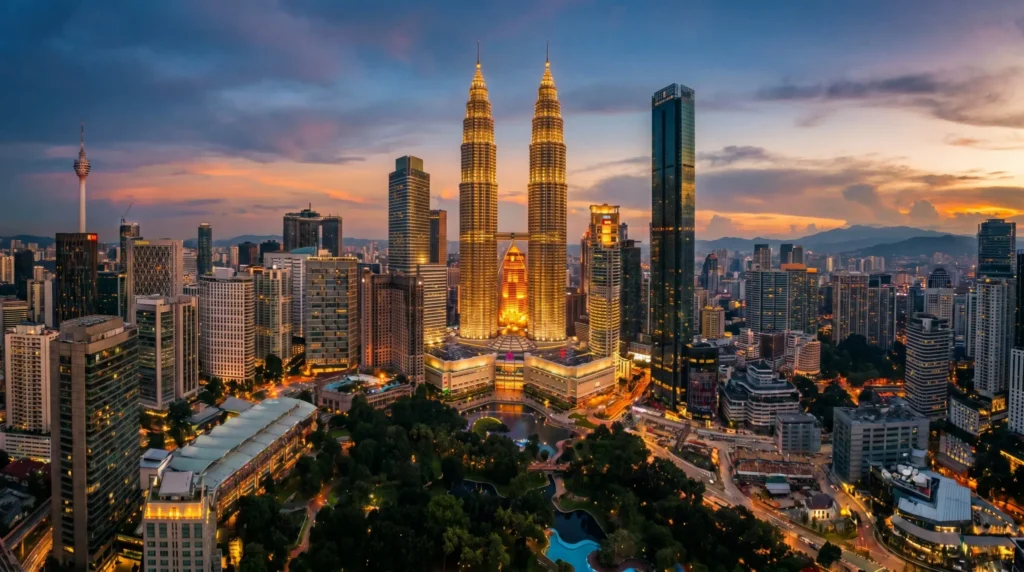
City Guide · Federal Territory of Kuala Lumpur
Kuala Lumpur, Malaysia: Twin Towers, Hawker Smoke, and the Most Underrated Capital in Southeast Asia
I have flown into Kuala Lumpur more times than any other city in Southeast Asia, and I still think most travellers wildly underrate it — they treat it as a one-night layover between Bangkok and Bali when it deserves four. We tell first-timers the same thing every time: this is a city of roughly 2.08 million people inside the federal-territory boundary, sitting at the heart of a Klang Valley conurbation of about 8.8 million , and it runs on a transit network that will get you from the airport to the foot of the Petronas Towers without a single taxi. My favourite KL ritual is a 7am roti canai and teh tarik at a 24-hour mamak stall before the heat lands, then the air-conditioned MRT to wherever the day is going. Treat this guide as the brief I would hand my own family the night before they cleared immigration at KLIA — the food streets, the temple-and-mosque tier, the Touch ‘n Go card, the day trips up to Genting and out to Melaka, and the rest .

Table of Contents
Why Kuala Lumpur?
Kuala Lumpur is the rare capital that is simultaneously a glass-and-steel finance hub, a 19th-century tin-mining boomtown, and a three-culture food laboratory — and it hands you all three within a single MRT ride. The city proper holds about 2.08 million residents inside the federal-territory boundary, but it is really the visible centre of the Klang Valley, a conurbation of roughly 8.8 million people that makes Greater Kuala Lumpur the third-largest metro area in Southeast Asia . The name itself means “muddy confluence” in Malay — the city was founded in 1857 where the Klang and Gombak rivers meet, at a spot tin prospectors used as a landing point .
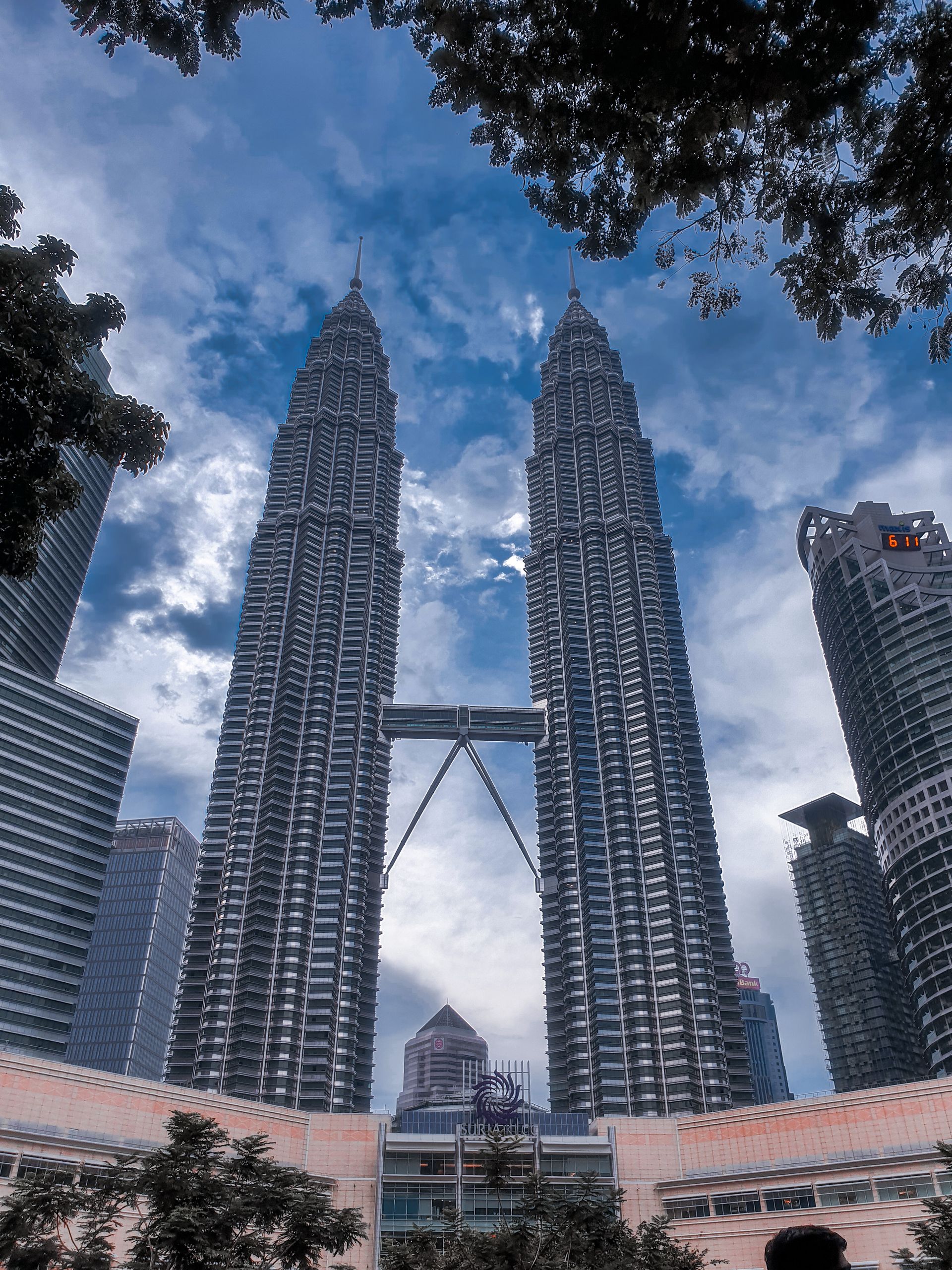
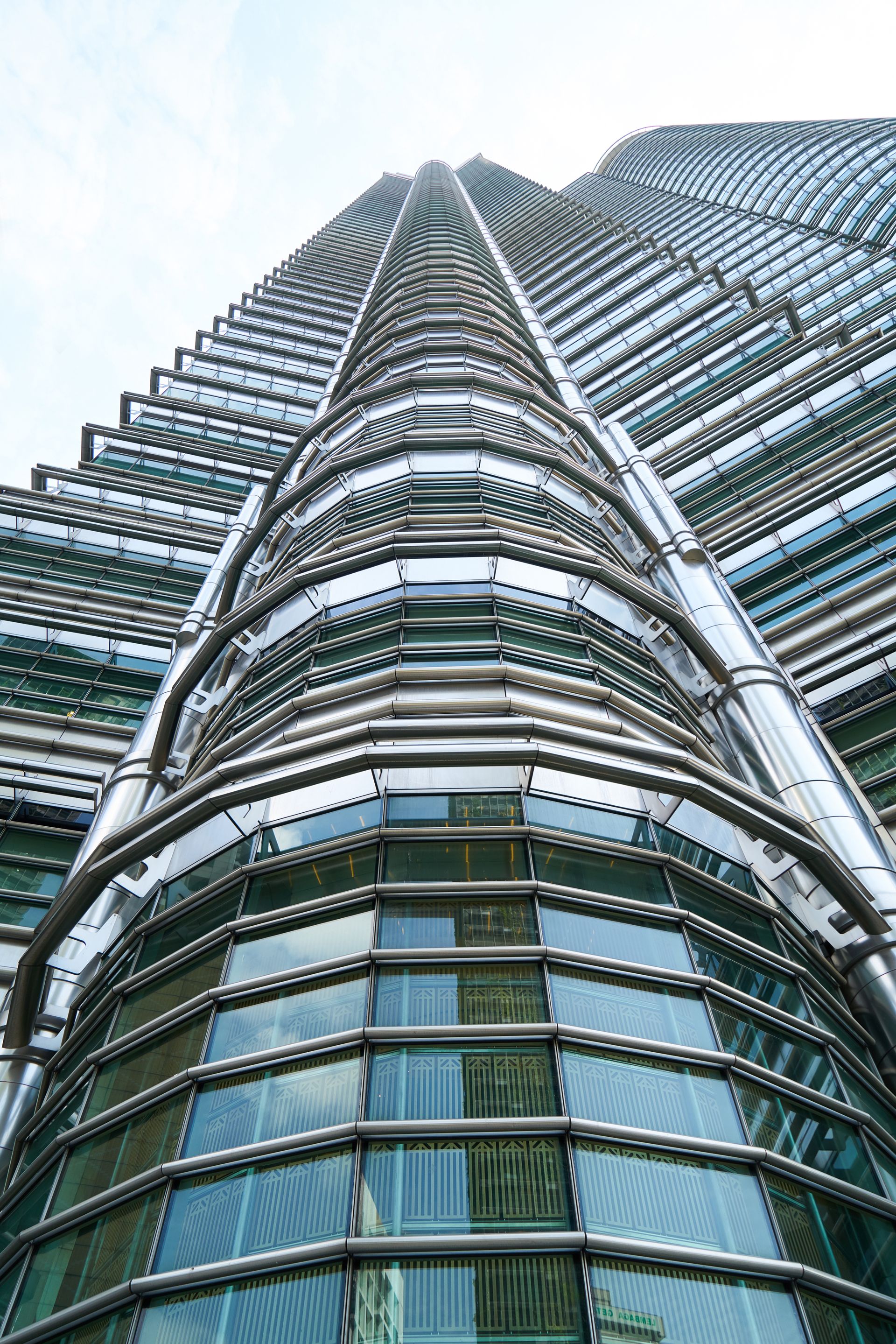
The city reads as a series of productive contradictions. The Petronas Twin Towers — 451.9 metres of César Pelli stainless steel, the tallest twin towers on Earth and the world’s tallest building from 1998 to 2004 — rise directly above a colonial core where a Moorish-revival railway station and an 1897 mosque still stand . A 7-Eleven sits next to a 24-hour mamak stall; a luxury KLCC mall backs onto a 50-hectare park. It is a Malay-majority Muslim city where the loudest signature dish is a Chinese-Malay-Indian hybrid, and where Thaipusam draws over a million Hindu pilgrims to a limestone cave on the northern edge of town.
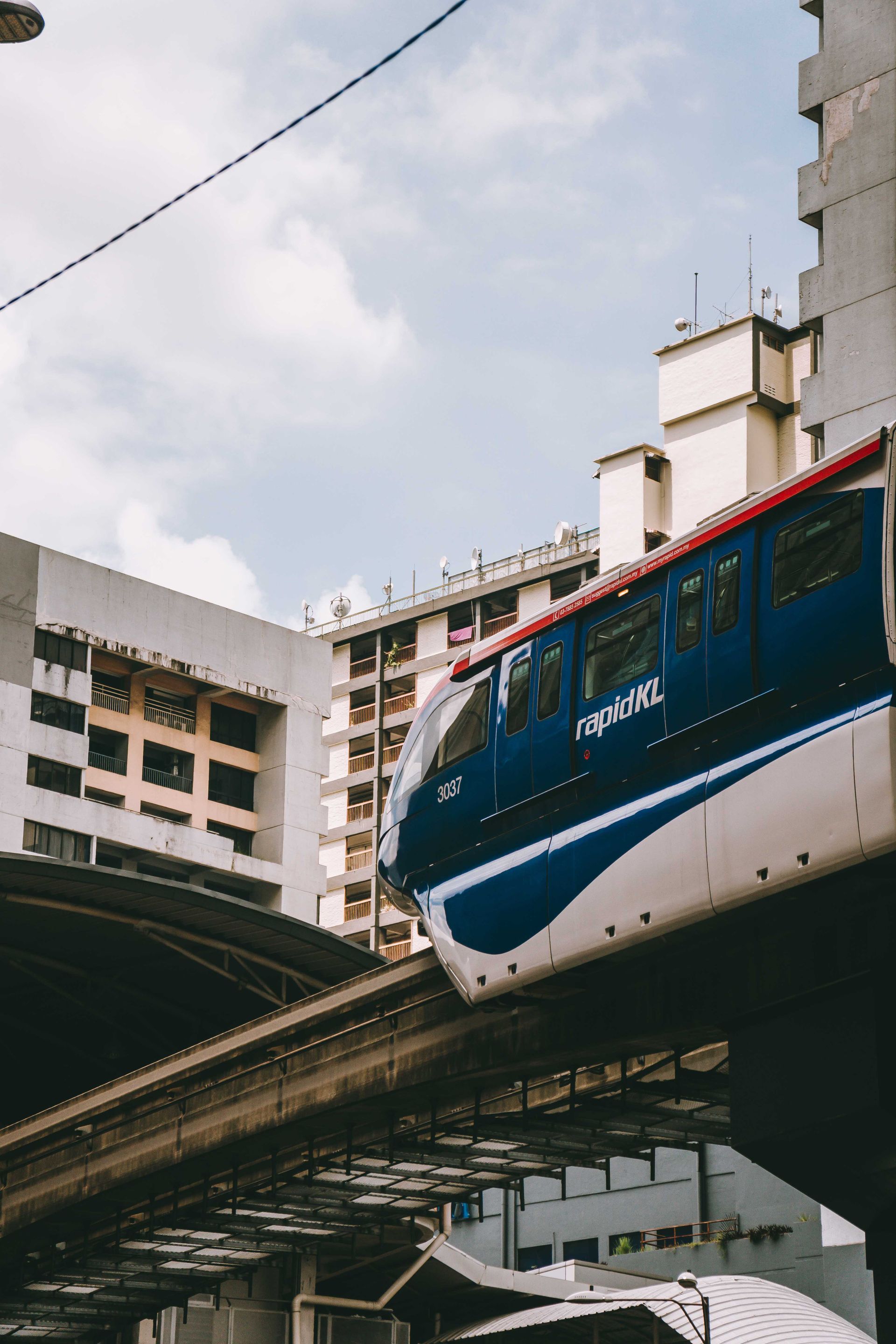
What makes it all feel coherent rather than chaotic is the transit. Greater KL runs six urban rail lines — LRT, MRT, and monorail — plus two airport express services, all on one integrated Touch ‘n Go fare system, and you are rarely more than a short walk from a station in the central districts . The single best argument for KL over its flashier regional rivals is value: a bowl of laksa costs under RM10, a spotless air-conditioned train ride costs under RM3, and a night in a stylish mid-range hotel runs a third of what it would in Singapore an hour south.
This guide covers the neighborhoods you will actually walk — KLCC, Bukit Bintang, Chinatown, Bangsar, KL’s heritage core — plus the hawker streets worth queueing for, the temple-and-mosque tier, the five day trips locals take on weekends, and the practical realities of the MDAC arrival card, the haze season, and getting around without ever needing a car.

Neighborhoods: Finding Your Kuala Lumpur
📍 Kuala Lumpur Map: Every Place in This Guide
Kuala Lumpur has no single old town the way Hanoi or Bangkok does; it sprawls outward from the colonial confluence in loosely defined districts, each with a distinct character and — crucially — its own rail station. The central cluster (KLCC, Bukit Bintang, the heritage core, Chinatown) is where most first-time visitors stay and where everything sits within a few stops of each other. The inner ring (Bangsar, Brickfields, Kampung Baru) is where you go for better-value food and a more residential rhythm. Staying within a short walk of an LRT, MRT, or monorail station puts almost every sight on your list within 25 minutes regardless of district .
The most useful mental map for a first visit treats the city as three concentric bands. The innermost band — the “Golden Triangle” of KLCC, Bukit Bintang, and the colonial heritage core — is where you will spend most of your daylight hours, and it is small enough to cross on foot or in two or three rail stops. The middle band gathers the residential-but-visitable districts: Chinatown for street food and temples, Brickfields for the rail hub and Indian food, Bangsar for cafés, and Kampung Baru for old-KL texture. The outer band — Mont Kiara, Sentul, Petaling Jaya, and the suburbs — is where the city’s eight-million-strong metro actually lives, and it is worth a foray only on a longer trip. Almost everything a first-timer wants sits inside the first two bands, and almost all of it is reachable without ever touching a taxi, which is the quiet superpower that separates KL from most of its Southeast Asian peers. Pick your base by what you want your evenings to feel like: glittering and convenient (KLCC), loud and food-forward (Bukit Bintang or Chinatown), or calm and local (Bangsar or Brickfields).
KLCC (Kuala Lumpur City Centre)
The glittering modern core, built on the former Selangor Turf Club racecourse and anchored by the Petronas Twin Towers, the Suria KLCC mall, and the 50-hectare KLCC Park with its evening fountain show. This is the highest-priced hotel district and the easiest first base — air-conditioned, walkable, and a single Kelana Jaya LRT line stop from most of the centre. If this is your first trip and you value convenience over character, this is where to sleep: the towers are your landmark, the park is your morning run, and the mall beneath the towers is your wet-weather backstop. The trade-off is that KLCC after the shops close can feel a touch corporate and quiet compared with the food-street districts; the fix is the ten-minute covered walkway to Bukit Bintang, which delivers you straight into the city’s loudest dinner scene without stepping outside into the heat.
- Petronas Twin Towers and the Skybridge (Level 41) and observation deck (Level 86)
- Suria KLCC — the towers’ base mall, plus the Petrosains science centre
- KLCC Park — Lake Symphony fountain show nightly, free
- Aquaria KLCC aquarium beneath the convention centre
Best for: first-time visitors, families, upscale travellers who want everything walkable. Access: LRT Kelana Jaya line, KLCC station.
Bukit Bintang
KL’s shopping-and-eating engine room — a dense grid of malls (Pavilion, Lot 10, Fahrenheit 88), the Jalan Alor food street, and the nightlife of Changkat Bukit Bintang. The covered, elevated air-conditioned walkway connects it directly to KLCC, a ten-minute stroll. This is where most of the city’s after-dark energy lives. The district packs more usable density than anywhere else in KL: you can wake up in a mid-range hotel, shop a luxury mall, eat a hawker dinner on Jalan Alor, and end the night in a Changkat speakeasy without ever ordering a Grab. It is also the city’s most international slice — the pavements blend Malaysian families, Gulf tourists, backpackers, and digital nomads — which makes it the easiest place to land cold and feel instantly oriented. The flip side is noise and hawkers tugging menus on Jalan Alor; if you want quiet you sleep elsewhere and visit Bukit Bintang for dinner.
- Jalan Alor — KL’s most famous open-air food street, 500 m of stalls
- Pavilion KL and Lot 10 — flagship shopping malls
- Changkat Bukit Bintang — bar and restaurant strip
- Bukit Bintang monorail and MRT interchange
Best for: shoppers, foodies, nightlife, first-timers who want to be in the thick of it. Access: Monorail Bukit Bintang; MRT Kajang line, Bukit Bintang station.
Chinatown (Petaling Street)
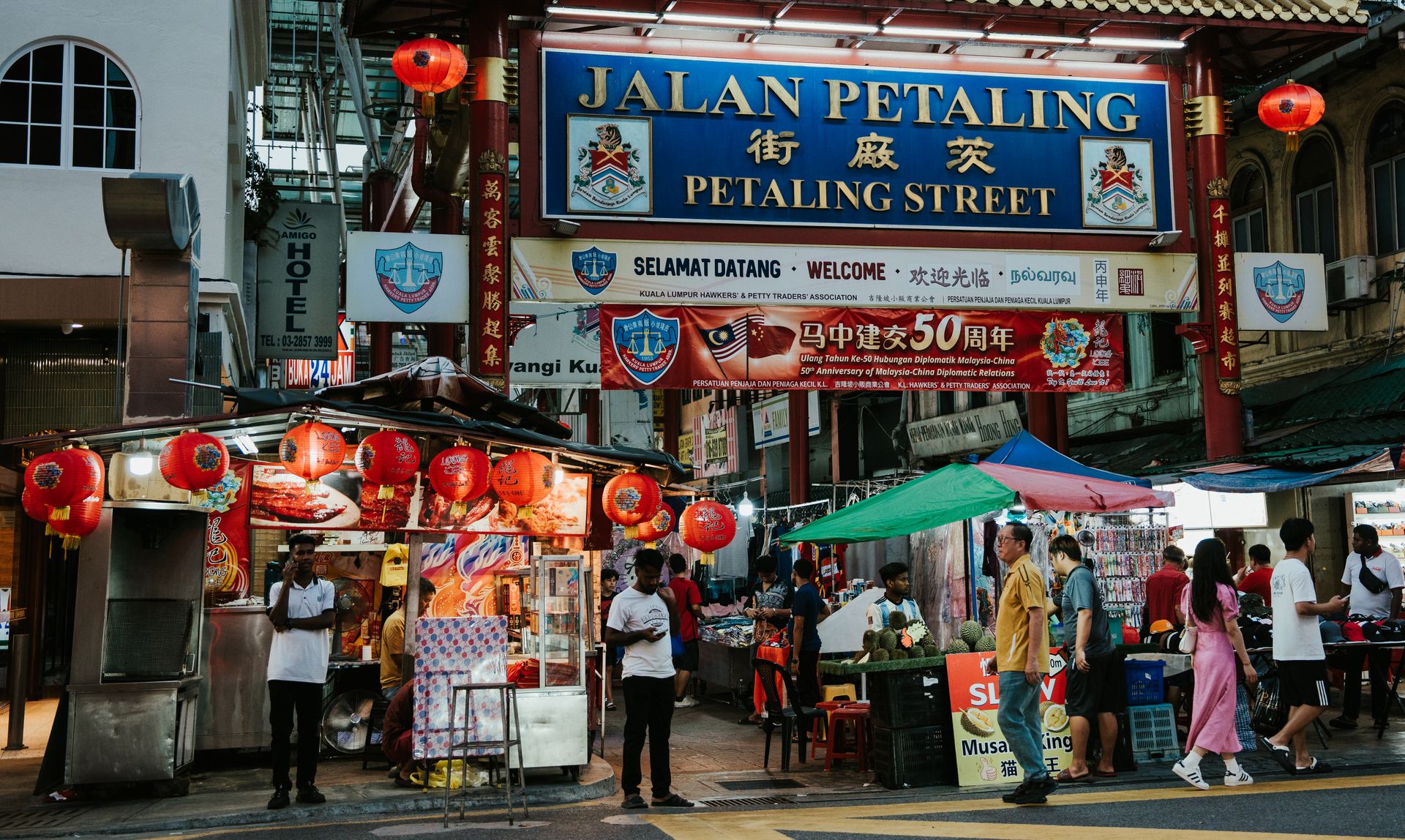
The 19th-century commercial heart, founded around the tin trade and centred on the covered Petaling Street market. By day it is wholesale trade and old kopitiam coffee shops; by night it becomes a knock-off-goods bazaar and a hawker haven. The neighbourhood holds some of the city’s oldest temples and the best-preserved pre-war shophouses. In the last decade Chinatown has quietly become KL’s hippest budget base, as the pre-war shophouses along Jalan Petaling, Jalan Sultan, and Lorong Panggung have been reborn as third-wave coffee bars, hostels, and rooftop guesthouses without losing the wet-market grit underneath. A single afternoon here takes you from a 150-year-old Hindu temple to a Taoist shrine thick with incense, past a Chinese clan house, and into a cocktail bar hidden behind an unmarked door — the densest cultural cross-section in the city. It is the cheapest central place to sleep, the best place to feel KL’s history underfoot, and a short Pasar Seni interchange ride from everywhere else.
- Petaling Street covered market and its hawker stalls
- Sri Mahamariamman Temple — KL’s oldest Hindu temple (1873)
- Guan Di and Sin Sze Si Ya Taoist temples
- Central Market (Pasar Seni) — 1888 art-deco craft market nearby
Best for: budget travellers, street-food hunters, history walkers. Access: LRT/MRT Pasar Seni interchange.
Merdeka Square & the Heritage Core
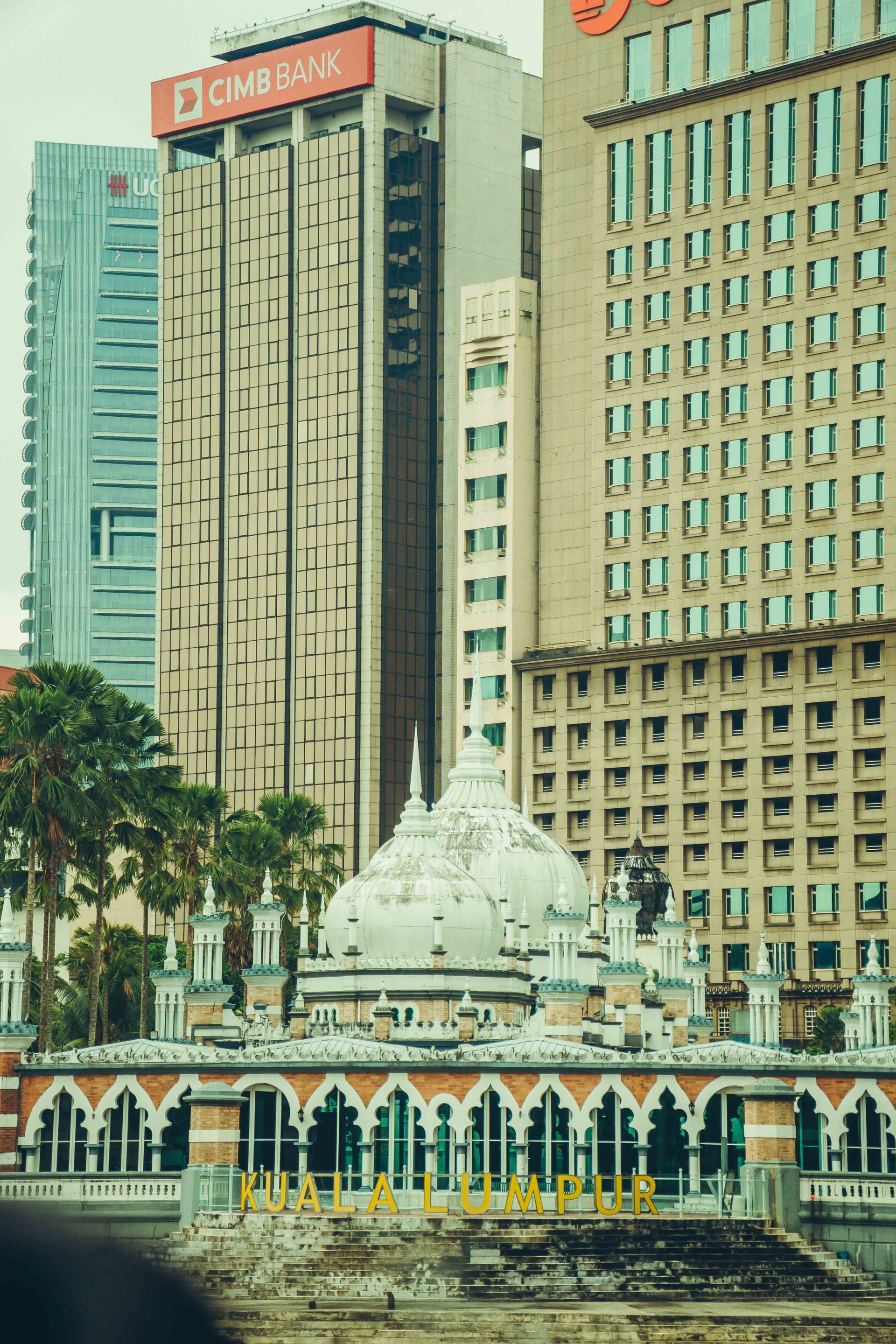
The colonial-administrative heart, where the Union Jack was lowered at midnight on 31 August 1957 and the Malayan flag raised. The square is ringed by the Moorish-revival Sultan Abdul Samad Building, the mock-Tudor Royal Selangor Club, and the confluence of the two rivers that gave the city its name, now landscaped as the River of Life walk. This is less a place to stay than a place to walk, ideally in the cooler early morning or after dark when the colonial facades are floodlit and the river runs blue under the light installation. The compact loop — square, secretariat building, Masjid Jamek, Central Market, and the old General Post Office — is the single best self-guided history walk in KL, and it joins seamlessly onto Chinatown a few minutes south. Come on Merdeka Day (31 August) or Malaysia Day (16 September) and the square fills with parades and crowds; come on an ordinary weekday morning and you may have the photogenic 1897 architecture almost to yourself.
- Merdeka Square (Dataran Merdeka) and its 95 m flagpole
- Sultan Abdul Samad Building — 1897 Moorish-revival landmark
- Masjid Jamek — 1909 mosque at the river confluence
- River of Life — illuminated riverside promenade
Best for: history buffs, architecture walkers, photographers. Access: LRT Masjid Jamek station.
Bangsar
The inner-ring expat-and-professional district, a 15-minute LRT ride southwest of the centre. Bangsar trades the towers for tree-lined streets, the Bangsar Village malls, and a famous concentration of cafés, bars, and mid-range restaurants. The Saturday-night Bangsar pasar malam (night market) is one of the city’s best. This is where KL feels most like a livable city rather than a skyline — leafy, low-rise, and walkable, with a brunch-and-coffee culture that rivals Melbourne’s and a Sunday-evening market that locals plan their week around. It is the base returning visitors choose once they have done the towers and want a calmer, more residential rhythm: better-value boutique hotels, restaurants where you book a table rather than queue at a stall, and an easy LRT hop back to the centre when you want the action. The neighbouring areas of Mid Valley and Bangsar South extend the same vibe, adding two of the city’s largest malls and a cluster of newer hotels aimed at business travellers.
- Bangsar Village I & II shopping
- Jalan Telawi café and bar strip
- Bangsar pasar malam (Sunday night market)
- APW Bangsar — converted printing-works food and event space
Best for: returning visitors, café culture, a quieter and cheaper base. Access: LRT Kelana Jaya line, Bangsar station.
Brickfields (Little India)
KL’s Little India, wrapped around the KL Sentral transport hub — the city’s main rail interchange and the arrival point for the KLIA Ekspres airport train. Brickfields is a riot of Tamil sari shops, banana-leaf rice restaurants, garland sellers, and temples, all a short walk from the cleanest transit hub in the city. For travellers, the appeal is brutally practical: nowhere else in KL puts you a five-minute walk from a train that reaches every line in the network and the airport in under half an hour, which makes Brickfields the smart base for anyone with an early flight, a tight layover, or a day-trip-heavy itinerary. The reward beyond the convenience is the food — some of the best and cheapest South Indian banana-leaf meals in Southeast Asia are served along Jalan Tun Sambanthan — and the colour of Deepavali, when the whole quarter is strung with lights and the temples overflow. It is busy, a little rough around the edges, and all the more characterful for it.
- Jalan Tun Sambanthan — the Little India spine
- Sri Kandaswamy Kovil temple
- KL Sentral — the city’s main rail hub and KLIA Ekspres terminus
- Banana-leaf rice restaurants along the main strip
Best for: transit-convenient stays, Indian food, budget hotels. Access: KL Sentral interchange (LRT, MRT, KTM, monorail, KLIA Ekspres).
Kampung Baru
A startling survivor — a Malay village of traditional wooden stilt houses that has held its ground since 1900 directly in the shadow of the Petronas Towers, the most photographed contrast in the city. It comes alive for the Ramadan bazaar, when the streets fill with the best Malay-food market in KL, and for late-night nasi lemak. Granted special status as a Malay Agricultural Settlement in 1900, the kampung has resisted a century of developer pressure to remain a low-rise pocket of old Malay life minutes from the glass towers — a contrast so sharp that the view from its lanes back toward KLCC is one of the defining images of modern KL. You do not stay here; you come to eat and to photograph, ideally at dusk, when the satay grills fire up and the towers light against the last of the sky. Walk it with respect — this is a living residential village, not an open-air museum — and you will eat some of the most honest Malay food in the city for a handful of ringgit.
- Traditional Malay kampung houses against the KLCC skyline
- The Ramadan bazaar (during the fasting month)
- Late-night nasi lemak and Malay-food stalls
- Sit-down views of the towers across the village rooftops
Best for: photographers, Malay-food fans, travellers seeking old-KL texture. Access: LRT Kampung Baru station.
Mont Kiara & Sentul (Outer Ring)
Two outer districts worth knowing: Mont Kiara is the leafy international-school-and-condo enclave northwest of the centre, with a strong Korean and Japanese food scene; Sentul, a former railway-yard district north of the core, has reinvented itself around the Sentul Depot creative complex and the KongsiKL arts space. Neither is a first-trip base, but both reward a returning visitor looking for the city beyond the towers.
- Mont Kiara — Korean and Japanese restaurants, Publika mall
- Sentul Depot — converted railway warehouses, weekend markets
- KongsiKL — arts and events warehouse
Best for: returning visitors, food explorers, the creative-scene crowd. Access: MRT Putrajaya line (Mont Kiara); KTM Sentul.
The Food

Kuala Lumpur is one of the great eating cities of Asia precisely because three cuisines — Malay, Chinese, and Indian — have been cooking side by side here for 150 years and constantly borrowing from each other. The result is a hawker culture where a single food court might serve Hokkien mee, banana-leaf rice, and nasi lemak from three adjacent stalls, all for under RM15 a plate. Street food runs roughly RM5–15 per dish and a sit-down casual meal RM20–40 per person, which makes KL one of the cheapest world-class food cities anywhere .
What sets KL apart from its regional rivals is not a single iconic dish but the sheer breadth of the overlap. A Malaysian’s idea of a normal week of meals might include a Malay nasi lemak breakfast, a Chinese bak kut teh lunch, an Indian-Muslim mamak supper, and a Peranakan curry somewhere in between — and crucially, all four traditions have been adapting to each other for so long that the boundaries blur. The mamak stall fries roti for Malay and Chinese customers alike; the Chinese kopitiam serves nasi lemak alongside its kaya toast; the nyonya kitchen marries Chinese technique to Malay spice. To eat well in KL you do not need reservations or a budget — you need an appetite, a tolerance for plastic stools and ceiling fans, and a willingness to point at what the next table is eating. The city’s best meals almost never come from a white tablecloth; they come from a stall that has cooked one dish for forty years.
A practical word on where to eat: the three great hunting grounds are the dedicated food streets (Jalan Alor in Bukit Bintang above all), the kopitiam and hawker centres scattered through every neighbourhood, and the 24-hour mamak stalls that anchor the city’s social life. Food courts in the malls are a clean, air-conditioned fallback when the heat or rain defeats you, and the quality is often higher than the setting suggests. Hygiene is generally good — look for stalls with a queue and high turnover — and tap water aside, you can eat with confidence almost anywhere a crowd is eating.
Malay & Mamak
Nasi lemak — coconut rice with sambal, fried anchovies, peanuts, egg, and cucumber — is the national dish and the universal KL breakfast; the mamak stall (Indian-Muslim, open 24 hours) is the city’s living room, where roti canai and teh tarik are served around the clock . Malay cooking leans on coconut, lemongrass, galangal, turmeric, and a fiery sambal belacan built on fermented shrimp paste; beyond nasi lemak, look for rendang (slow-braised beef in dry coconut curry), ayam percik (grilled chicken in spiced coconut sauce), and the rice-and-side-dishes spread of nasi campur. The mamak — Tamil-Muslim food, the great Malaysian melting-pot cuisine — is where you go at any hour for roti canai dipped in dhal and curry, mee goreng mamak (spicy fried noodles), nasi kandar (rice with a riot of curries ladled over it), and the theatrically pulled, frothy teh tarik. No KL trip is complete without one late-night mamak session under fluorescent light, watching a football match on a wall-mounted TV with a plate of roti and a glass of sweet tea.
- Village Park Restaurant (Damansara) — nasi lemak with fried chicken, the city’s most-cited plate (~RM12, ~US$2.70)
- Nasi Lemak Tanglin (Lake Gardens) — old-school banana-leaf nasi lemak (~RM8, ~US$1.80)
- Valentine Roti (Kampung Baru) — roti canai and teh tarik institution (~RM3, ~US$0.70)
Beyond the headline spots, the best Malay and mamak food in KL is rarely on a “best of” list at all — it is the unnamed stall outside your hotel that has been frying the same roti since before you were born. Trust the crowd, trust the turnover, and order what the locals around you are eating. For a single perfect introduction, sit down at a 24-hour mamak around 11pm, order a roti telur (egg roti), a plate of maggi goreng, and a teh tarik, and watch the city’s after-work crowd file in; it is the most authentic hour you can spend in KL, and it will cost less than a coffee back home.
Chinese & Hawker
KL’s Chinese hawker tradition is Cantonese- and Hokkien-rooted, and it produced some of the city’s signature dishes — Hokkien mee (thick noodles in dark soy), bak kut teh (peppery pork-rib soup), and Hainanese chicken rice. Petaling Street and the suburb of Pudu are the historic strongholds. The KL version of Hokkien mee is its own thing — fat yellow noodles braised in dark, caramelised soy with pork lard and a smoky wok hei char, quite different from the soupy Penang namesake — and it is the dish locals are most fiercely proud of. Beyond it, the Chinese hawker canon runs deep: chee cheong fun (rice-noodle rolls), wan tan mee (springy egg noodles with char siu and dumplings), claypot chicken rice cooked over charcoal, yong tau foo (stuffed tofu and vegetables in broth), and the breakfast-to-supper institution of dim sum, still served from trolleys at old halls in Pudu and along Jalan Imbi. Pair any of it with a kopitiam kopi — thick local coffee brewed with margarine-roasted beans — and a soft-boiled egg with kaya toast, and you have the quintessential KL Chinese breakfast.
- Kim Lian Kee (Petaling Street) — KL-style Hokkien mee since 1927 (~RM14, ~US$3.10)
- Sungai Wang / Hong Ngek — old-town claypot and pork-ball noodles (~RM12, ~US$2.70)
- Restoran Yut Kee (Jalan Kamunting) — Hainanese kopitiam classics, roast pork, kaya toast (~RM15, ~US$3.40)
For the full Chinese-hawker experience, head to a busy coffee-shop (kopitiam) where a dozen rented stalls cluster around shared tables — you pick a seat, then order a different dish from each stall and let the drinks runner find you. The corner kopitiams of Pudu, the Imbi Market vendors, and the heritage shops of Petaling Street are where this tradition runs deepest. Go hungry, order more than feels sensible, and split everything across the table.
Indian & Peranakan
Beyond the mamak, KL’s South Indian food is a destination in itself: banana-leaf rice in Brickfields, where a mound of rice is ringed with vegetable curries, papadum, rasam, and your choice of fish or mutton, all eaten by hand and refilled until you cover the leaf to signal you are done. Thosai (fermented rice-and-lentil crepes), idli, and vadai fill the breakfast and tea slots. Then there is Peranakan or Nyonya cuisine — the heritage cooking of the Straits-Chinese community that fused Chinese ingredients with Malay spices over generations — which gives you laksa, ayam pongteh, otak-otak, and the jewel-like kuih sweets. It is harder to find than hawker fare and worth seeking out at a dedicated Nyonya restaurant for one sit-down meal.
Beyond Nasi Lemak and Roti Canai
The deeper you go, the more the three cuisines blur. These are the dishes locals send first-timers to find once they have eaten the headliners — the second tier of the canon that turns a good food trip into a great one.
- Banana-leaf rice — South Indian rice with curries served on a leaf, Brickfields (~RM12, ~US$2.70)
- Char kway teow — wok-fried flat rice noodles with prawns and cockles (~RM10, ~US$2.25)
- Cendol & ABC — shaved-ice desserts with palm sugar and coconut (~RM6, ~US$1.35)
- Satay — grilled skewers with peanut sauce, best at Kampung Baru night stalls (~RM1 per stick, ~US$0.22)
- Durian — the famously pungent “king of fruits,” sold by the kilo at roadside stalls in season (Musang King is the prized cultivar)
- Apam balik — a thick, crispy-edged peanut-and-sweetcorn pancake folded over at pasar malam stalls (~RM4, ~US$0.90)
The honest truth about eating in KL is that the deeper you wander from the guidebook names, the better it gets. Every neighbourhood has its own legendary stall — a chee cheong fun cart that sells out by 9am, a nasi lemak auntie with a queue down the lane, a satay man whose grill has scented the same corner for thirty years. Ask your hotel’s front-desk staff or a Grab driver where they actually eat, and you will be pointed somewhere that never makes a list. That, more than any single dish, is the real reason food-obsessed travellers keep coming back to Kuala Lumpur.
A few practical notes to eat happily here. Drinks are ordered separately from a dedicated drinks stall, and the runner will track you down at your table — the local default is teh tarik or kopi, with fresh lime juice (limau ais) and sugarcane juice the great non-caffeinated options. Most hawker fare is halal or has a clearly marked Muslim section, and vegetarians are well served by the Indian banana-leaf and thosai shops and by Chinese vegetarian (chai) restaurants. Spice levels are negotiable — say “kurang pedas” for less chilli — and the ubiquitous sambal on the side lets you dial heat up yourself. Eat your biggest meals when the stalls are busiest (lunch and after 7pm), carry small notes since most stalls are cash-only, and do not be shy about sharing a table with strangers, which is completely normal at a packed kopitiam.
Food Experiences You Can’t Miss
If you only do three food things in KL, make them these — each is as much an experience as a meal, and together they cover the city’s Malay, Chinese, and Indian-Muslim food worlds across a full day-into-night arc.
- A Jalan Alor dinner crawl — graze across a dozen stalls in one evening on Bukit Bintang’s food street, from grilled satay and char kway teow to durian and fresh coconut
- A morning dim sum at an old Pudu or Petaling Street teahouse with trolley service, ordering by pointing as the carts roll past
- The Kampung Baru late-night satay and nasi lemak run, with the Petronas Towers lit behind you
- A Brickfields banana-leaf rice lunch eaten by hand, finished with a sweet milky teh and a wedge of payasam
- A weekend pasar malam graze in Bangsar or Taman Connaught, where the apom, ramly burgers, and fresh-fruit stalls are the whole point
Cultural Sights

KL’s cultural sights cluster into three easy strands: the modern icons (the towers and KL Tower), the colonial-and-religious heritage core (the mosques, the secretariat, the old square), and the temple circuit that threads through Chinatown and out to Batu Caves. A first-timer can cover the headliners in two well-planned days, ideally pairing an air-conditioned tower visit with a cooler-hours temple-and-mosque walk. Most religious sites are free; the towers and KL Tower are the only paid icons, and both reward advance booking.
Petronas Twin Towers
The city’s defining icon — two 88-storey towers reaching 451.9 m , linked by a double-decker Skybridge at Levels 41–42, with a public observation deck on Level 86. Completed 1998 to a César Pelli design whose floor-plan is based on an eight-pointed Islamic star, the towers were the tallest buildings in the world until Taipei 101 overtook them in 2004, and they remain the tallest twin towers ever built. Admission RM98 adult (~US$22) for the Skybridge-and-deck tour; book online in advance as timed slots sell out, especially in the dusk window when the city lights flick on below. Allow 90 minutes for the guided circuit. Best at dusk for the city-light transition; even if you skip the climb, the free fountain show in KLCC Park beneath the towers is unmissable.
Batu Caves
A 400-million-year-old limestone hill 13 km north of the centre , holding a Hindu temple complex inside a vast cathedral cavern reached by 272 rainbow-painted steps, guarded by a 42.7 m golden statue of Lord Murugan — the tallest of its kind in the world . Free admission. The main Temple Cave is a genuine geological cathedral, its ceiling soaring 100 m overhead with shafts of light dropping onto the shrines below; the lower Ramayana Cave adds garish, fairground-bright dioramas of Hindu epic. Go early — before 9am — to beat the equatorial heat, the tour-bus crowds, and the troops of long-tailed macaques that will snatch anything held loosely (keep bags zipped and food out of sight). Dress modestly to enter the temples. Reached in 25 minutes on the KTM Komuter train direct from KL Sentral, which makes it the easiest serious sight in the city to reach car-free.
Sultan Abdul Samad Building & Merdeka Square
The 1897 Moorish-revival former colonial secretariat, with its 41 m clock tower and copper domes, fronting the green expanse of Merdeka Square where independence was declared in 1957 . Exterior viewing free; the River of Life promenade links it to the mosque and Central Market in a short, photogenic walk. Best at night when the building is floodlit and the river installation glows blue. The surrounding heritage quarter — the old General Post Office, the Textile Museum, and the mock-Tudor Royal Selangor Club across the cricket green — rewards a slow morning loop before the heat builds.
Sri Mahamariamman Temple
KL’s oldest Hindu temple, founded 1873 and rebuilt with its elaborate 1968 gopuram (gateway tower) carved with 228 deities, on the edge of Chinatown. Admission free; remove shoes. It is the starting point of the Thaipusam procession to Batu Caves.
Thean Hou Temple
A six-tier Chinese temple opened in 1989 on a hill in Robson Heights, dedicated to the sea goddess Mazu and among the largest Chinese temples in Southeast Asia. Admission free; spectacular during Chinese New Year when it is hung with thousands of red lanterns. Best in late afternoon for skyline views.
National Mosque (Masjid Negara)
Malaysia’s 1965 national mosque, with a distinctive 16-pointed star concrete roof and a 73 m minaret, set in landscaped gardens near the old railway station . Free admission to non-Muslims outside prayer times; robes provided at the door, shoes off. A 10-minute walk from KL Sentral, it sits within an easy cluster of the Islamic Arts Museum, the Lake Gardens (Perdana Botanical Garden), and the KL Bird Park — making this the natural half-day for a museums-and-greenery afternoon away from the towers.
KL Tower (Menara KL)
A 421 m telecommunications tower set on Bukit Nanas, the city’s last patch of primary rainforest . Its observation deck at 276 m and open-air Sky Deck offer the one view that includes the Petronas Towers in the frame — which is precisely why many travellers prefer the view from here to the view from the towers themselves. Admission around RM80 (~US$18) for the Sky Deck, with its glass-floored Sky Box for the vertigo shot. The surrounding KL Forest Eco Park, a remnant of dipterocarp rainforest with a canopy walkway, is free and a cool, shaded antidote to the city heat. Best at sunset, when you can watch the skyline light up and the call to prayer drift across the rooftops.
Entertainment

KL’s after-dark life runs on two parallel tracks that rarely meet: a glossy, internationally minded scene of rooftop bars and clubs aimed at expats and tourists, and a sprawling, food-and-family-centred world of night markets, hawker streets, and late-night mamak sessions that is how most locals actually spend their evenings. The best nights mix both — a sunset cocktail with the towers in view, then a midnight plate of char kway teow at a pasar malam. Because alcohol is heavily taxed, drinking out is the one genuinely expensive thing to do in KL, so many travellers pour their evening budget into the view and their dinner budget into the street.
Rooftop Bars & Sky Bars
KL has one of Asia’s best rooftop-bar scenes, capitalising on the warm nights and the tower views. Heli Lounge Bar (a working helipad by day that opens its circular pad to drinkers at dusk), the Vertigo at Banyan Tree, and Marini’s on 57 facing the Petronas Towers head-on are the headliners, with newer entries like SkyBar at Traders Hotel offering the classic infinity-pool-and-towers shot. Typical cost RM35–60 (~US$8–13) per cocktail. Reserve a window or pad-edge slot for the towers view, especially at weekends, and check the dress code — most enforce smart-casual and turn away shorts and flip-flops after 7pm.
Changkat Bukit Bintang Nightlife
The city’s densest bar-and-club strip, a pedestrian-friendly stretch of restaurants, speakeasies, and live-music bars off Jalan Alor. Typical cost RM25–45 (~US$6–10) per drink. It runs late and is walkable from any Bukit Bintang hotel, which makes it the obvious choice for a night out without planning — wander the strip, follow the music, and duck into whichever bar has the crowd you want. For something more design-led, the TREC entertainment complex and the bars of Damansara Heights and Bangsar offer a slightly more grown-up scene. Wherever you go, factor the alcohol tax into your budget and keep your wits about you on the walk home, as with any nightlife district.
Night Markets (Pasar Malam)
The most authentically local night out — rotating street markets that take over a different neighbourhood each evening, selling street food, fruit, clothes, and household goods from rows of tarp-covered stalls. The Saturday Taman Connaught market (one of the longest in Asia, well over a kilometre of stalls) and the Bangsar Sunday market are the standouts, but almost every district has its weekly night. Effectively free to wander; budget RM20–30 to graze your way along, sampling apam balik, satay, fresh fruit, and ais kacang as you go. This, more than any bar, is the real KL night out — go hungry, bring small notes, and follow the smell of grilling chicken.
Live Music & Performing Arts
The Dewan Filharmonik Petronas, inside the towers’ base, is the home of the Malaysian Philharmonic Orchestra and one of Asia’s best concert halls; KLPac (Kuala Lumpur Performing Arts Centre) in Sentul stages theatre and contemporary dance. Tickets RM40–250 (~US$9–56) depending on programme. Book the MPO online.
Shopping as Sport
Shopping is a genuine KL pastime, and the city is built for it — from the luxury halls of Pavilion and Suria KLCC to the mid-market giants of Mid Valley and Sunway Pyramid, the electronics warren of Plaza Low Yat, and the wholesale chaos of Petaling Street and Central Market for crafts and counterfeits. The annual Malaysia Mega Sale Carnival turns the malls into a months-long discount event across the year, drawing shoppers from across the region. Window-shopping is free and air-conditioned (a genuine relief in the midday heat), prices in malls are fixed, and bargaining is expected only at street markets and the Petaling Street stalls — start low and settle around half the opening ask.
Cinemas & Family Attractions
KL’s malls hold huge multiplexes (tickets from RM15, ~US$3.40) and the city has strong family draws: Aquaria KLCC’s walk-through ocean tunnel, the hands-on Petrosains science centre inside Suria KLCC, the Berjaya Times Square indoor theme park, and KLCC Park’s free nightly fountain show. Further out, Sunway Lagoon — a major water-and-theme park with a wildlife zone — sits on the Klang Valley’s southwestern edge, and Genting’s indoor and outdoor parks are an hour north. With small children and a hot afternoon to fill, the mall complexes are a genuinely good option: air-conditioned, packed with attractions, and easy to reach by rail.
Day Trips

One of KL’s quieter advantages is how much sits within a day’s reach of it. Because the city anchors the whole Klang Valley and the country’s main road and rail corridors, you can spend a morning in a Hindu cave temple, an afternoon in a planned garden capital, or a full day in a UNESCO heritage town — all without changing your KL hotel. The rail-reachable trips (Batu Caves, Putrajaya) are the easiest and cheapest; Genting and Melaka are full-day commitments better done by bus; and the firefly run is an evening trip best arranged through a tour. If you have one spare day, spend it on Batu Caves; if you have two, add Melaka.
Batu Caves (25 minutes by KTM Komuter train)
The closest and most rewarding escape: a Hindu cave temple inside a 400-million-year-old limestone massif, 13 km north. Climb the 272 painted steps past the giant Murugan statue into the main Temple Cave, and explore the Ramayana and Dark caves below. The KTM Komuter train from KL Sentral runs direct to Batu Caves station for about RM2.60 . Go before 9am to beat the heat and the macaques, dress modestly for the temples, and keep food and loose bags out of monkey reach. Half a morning is enough, which makes it easy to pair with another rail-reachable stop.
Putrajaya (30–45 minutes by KLIA Transit train)
Malaysia’s purpose-built federal administrative capital, 25 km south — a planned garden city of grand Islamic architecture, the pink-domed Putra Mosque on a lakefront, sweeping boulevards, and photogenic bridges. The KLIA Transit train runs from KL Sentral to Putrajaya & Cyberjaya station. A half-day of architecture and lake cruises; quiet on weekdays.
Genting Highlands (1 hour by bus + cable car)
A cool-climate hill resort at 1,800 m, an hour’s drive north, with Malaysia’s only casino, the Genting SkyWorlds theme park, an indoor theme park, and the Awana SkyWay cable car — one of the longest and fastest gondola systems in Southeast Asia, with a glass-floored cabin option . Buses run hourly from KL Sentral to the Awana terminal, where you ride the cable car the rest of the way up; the temperature drops about 10°C from the city, so the mountain feels genuinely cool. It is a full day out and skews toward families and gamblers rather than culture-seekers, but the cable-car ride over rainforest and the novelty of needing a jacket an hour from the equator make it a fun change of pace. Pack a layer and check for mist, which can shroud the peak.
Melaka / Malacca (2 hours by bus)
The most popular full-day trip — a UNESCO World Heritage city 145 km south on the Strait of Malacca, layering Portuguese, Dutch, and British colonial history with a deep Peranakan (Baba-Nyonya) culture and a famous Jonker Street night market . The compact old town packs the red Dutch Stadthuys, the ruins of St Paul’s Church, the A Famosa fort gate, and a clutch of Baba-Nyonya mansion museums into a walkable core, all best explored on foot with a river-cruise break. Frequent express coaches run from TBS (Terminal Bersepadu Selatan) and take about two hours each way. It is a long but doable day; if you can spare a night, stay over to catch Jonker Street after dark and the town once the day-trippers have left.
Kuala Selangor & the Fireflies (1.5 hours by car)
A coastal escape 65 km northwest, pairing the Bukit Melawati hilltop fort and its silver-leaf monkeys with an after-dark boat ride to see thousands of synchronously flashing fireflies along the Selangor River mangroves. Best reached by car or organised tour; the firefly cruise runs after sunset. A classic evening trip.
Seasonal Guide
Kuala Lumpur sits two and a half degrees north of the equator, so it has no real seasons in the temperate sense — just a year-round 32°C, high humidity, and a rhythm set by two monsoons and the daily afternoon thunderstorm . Temperature barely moves across the calendar; what changes is how much it rains and, in some years, whether trans-boundary haze drifts in. The labels below follow the Northern-Hemisphere convention for easy reference, but the practical takeaway is simple: aim for the drier windows of February and May–July, pack for heat and sudden downpours whatever the month, and always carry a compact umbrella.
Spring (March – May)
An inter-monsoon shoulder with daytime highs around 32–33°C, high humidity, and frequent afternoon thunderstorms that clear by evening . April and May are among the better travel months — rain is brief and predictable, crowds are moderate. Wesak Day (the Buddhist festival, usually May) fills the temples; the KL International Tower Jump base-jumping event also lands in this window. Book around any Malaysian school holidays, when domestic travel spikes and hotel rates climb. This is a comfortable window for first-timers: the rain is rarely a trip-wrecker, and the city’s calendar of festivals keeps the temples and streets lively.
Summer (June – August)
The driest and most reliable stretch, with June recording the lowest monthly rainfall of the year (~146 mm) and steady 32–33°C highs . This is peak travel season for good reason. The one caveat is haze: in some years, agricultural fires on Sumatra push smoke over the Klang Valley in August and September, occasionally pushing air-quality readings into unhealthy territory — check the API index before outdoor plans.
Autumn (September – November)
The wet build-up toward the northeast monsoon. September carries lingering haze risk; October and November are the wettest months, with November averaging around 356 mm of rain . Storms are heavy but usually short. Deepavali (the Hindu festival of lights, October or November) lights up Brickfields and the temples — a spectacular but busy time to visit Little India.
Winter (December – February)
The northeast monsoon brings December rain, but by late January and February things dry out again into a second good travel window, with February among the driest months. Highs hold steady at 32°C year-round — KL has no cold season . Chinese New Year (late January or February) is the city’s biggest festival, with Thean Hou Temple at its most spectacular and the malls and Petaling Street decked in red and gold; Thaipusam at Batu Caves also falls in this window, drawing over a million pilgrims in a single extraordinary day. February is one of the two best months to visit overall — dry, festive, and warm.
Getting Around

Getting around Kuala Lumpur is the single thing the city does better than almost any of its regional peers, and it reshapes how you should plan your days: base yourself near a station, ride the rail for everything in daylight, and reserve Grab for late nights, luggage runs, and the gaps the trains do not cover. The combination of clean, cheap, air-conditioned trains and ubiquitous ride-hailing means you never need to rent a car or haggle with a taxi, and it is the reason a first-timer can see the whole city stress-free in a long weekend.
Urban Rail (LRT, MRT, Monorail)
Greater KL runs an integrated rail network of six urban lines — two MRT lines (Kajang and Putrajaya), three LRT lines (Kelana Jaya, Ampang, Sri Petaling), and the KL Monorail — most operated by Rapid KL under a single distance-based fare from about RM1.80 to RM7.50 per journey . Trains are air-conditioned, frequent, and clean. The Kelana Jaya LRT links KLCC, KL Sentral, and Bangsar; the monorail threads through Bukit Bintang.
Touch ‘n Go & Payment
The LRT, MRT, monorail, and KTM Komuter lines all run on the Touch ‘n Go contactless card, which you tap at the gates; the newer Touch ‘n Go eWallet and the MyRapid app handle top-ups and QR entry . A physical Touch ‘n Go card costs about RM10 and saves you queuing for paper tokens. The MY50 unlimited monthly pass (RM50) covers all Rapid KL rail and buses for 30 days — worth it only for very heavy use or a long stay. For most visitors the simplest approach is a physical Touch ‘n Go card topped up with RM30–50, which sails you through every gate and never needs an app or a signal; download the eWallet too if you want QR entry and the ability to split a cab or pay at convenience stores. The card also works on tolls and parking if you ever do rent a car.
Airport Access (KLIA & KLIA2)
Kuala Lumpur International Airport sits 45 km south, with two terminals (KLIA1 for full-service carriers, KLIA2 for AirAsia and budget airlines). The fastest link is the KLIA Ekspres train to KL Sentral, non-stop in about 28 minutes from KLIA1 and 33 minutes from KLIA2, for around RM55 one-way . From KL Sentral you transfer to any rail line or grab a taxi the last mile to your hotel. The cheaper, slower alternatives are the KLIA Transit (same line, stopping service) and intercity buses; a Grab to the centre is comparable in price to two Ekspres tickets but slower in traffic.
- KLIA Ekspres train — KL Sentral in 28–33 min, ~RM55 (~US$12)
- Airport taxi / Grab — 45–60 min, ~RM75–110 (~US$17–25)
Taxis & Grab
Grab (the dominant Southeast Asian ride-hailing app) is the default for door-to-door trips and almost always cheaper and less hassle than a metered taxi; download it before arrival. Street-hailed taxis have a flag-fall around RM3 but a reputation for refusing the meter — use them only when Grab surge-prices during rain. Grab is the better choice for late nights and luggage runs.
Walking & Navigation
Central KL is walkable in patches but defeated by heat, humidity, and incomplete pavements, so plan to combine short walks with rail hops. The covered, air-conditioned KLCC–Bukit Bintang elevated walkway is the great exception — a 10-minute climate-controlled link between the two main districts. Google Maps and the Moovit and MyRapid apps all give reliable real-time transit routing.
Budget Breakdown: Making Your Ringgit Count
Kuala Lumpur is one of the best-value major cities in the world for travellers, and understanding where the value sits is the key to a good trip. Food and transit are astonishingly cheap — you can eat three excellent hawker meals and ride the rail all day for under RM40 — while accommodation is mid-priced and alcohol is the one genuine splurge. That structure means a backpacker and a comfort traveller can eat the exact same world-class char kway teow; the difference between budget and luxury in KL is almost entirely about where you sleep and how much you drink, not the quality of what you eat. Plan accordingly, and you can travel well here on a fraction of what the same trip costs in Singapore or Bangkok’s pricier corners.
| Tier | Daily | Sleep | Eat | Transport | Activities | Extras |
|---|---|---|---|---|---|---|
| Budget | RM120–200 | RM40–90 hostel/guesthouse | RM25–45 hawker | RM10 rail | RM0–40 | RM20 |
| Mid-Range | RM300–550 | RM180–350 4-star | RM80–150 | RM30 rail+Grab | RM100–150 | RM50 |
| Luxury | RM900+ | RM600+ 5-star | RM250+ | RM120 Grab | RM250+ | RM150+ |
Where Your Money Goes
KL is one of the cheapest major capitals in the world for food and transit, and mid-priced for accommodation. The biggest swing is alcohol, which is heavily taxed — a single bar night can match a day’s food budget. A budget traveller eating at hawker stalls and riding the rail can live comfortably on RM150 a day; the jump to mid-range buys a 4-star hotel and air-conditioned comfort rather than dramatically better food. Accommodation is where your tier really shows: a clean Chinatown hostel bed runs RM40–90, a comfortable 4-star room RM180–350, and a five-star tower hotel RM600 and up, while the food you eat in between can be identical at every level. Currency is the Malaysian ringgit, with about RM4.5 to the US dollar in 2026 ; ATMs are plentiful and dispense ringgit at the interbank rate, so withdraw locally rather than changing cash at the airport.
Money-Saving Tips
- Eat where locals eat — hawker centres and mamak stalls deliver world-class food for RM5–15, while mall restaurants charge three times as much for less character
- Buy a Touch ‘n Go card and use rail over Grab for daytime trips; a full day of train travel rarely tops RM15
- Skip the bar markup: the free KLCC Park fountain show and rooftop hotel lobbies give the same views without the heavily taxed cocktail price
- Most religious sites — Batu Caves, the mosques, the temples — are free; budget your paid-attraction money for the Petronas Towers or KL Tower, not both
- Take day trips by rail (Batu Caves, Putrajaya) rather than booking a private tour, and use intercity express buses for Melaka and Genting
- Buy a local SIM at the airport rather than roaming — around RM30 buys a generous tourist data package
A realistic first-timer’s mid-range budget — a comfortable 4-star hotel, all hawker and casual-restaurant meals, rail plus the odd Grab, and a couple of paid attractions — lands around RM350–450 a day for one person, less per head as a couple sharing a room. Strip out the hotel by staying in a Chinatown hostel and you can do KL well for RM150 a day; add five-star hotels and rooftop drinking and you climb past RM900 just as fast. Wherever you sit on that scale, the food stays brilliant and the trains stay cheap.
Practical Tips
Language
Bahasa Malaysia is the official language, but English is very widely spoken in KL — on signage, in hotels, restaurants, and shops — making it one of the easiest major Asian cities for an English-speaking traveller. Mandarin, Cantonese, Hokkien, and Tamil are also widely heard, reflecting the city’s three-culture make-up. A few words of Malay (terima kasih for thank you) are warmly received but rarely necessary.
Cash vs. Cards
Cards and QR payments (Touch ‘n Go eWallet, GrabPay) are accepted at malls, mid-range restaurants, and hotels, but hawker stalls, night markets, and small kopitiams remain cash-first. Carry RM50–100 in small notes for street food, and keep your Touch ‘n Go topped up. ATMs are everywhere; notify your bank to avoid card blocks.
Safety
KL is generally safe for travellers, with violent crime against tourists rare; the main risks are opportunistic bag-snatching by motorcyclists and pickpocketing in crowded markets. Walk with your bag on the inside away from the road, use Grab at night, and watch belongings at Petaling Street and on packed trains. Solo and female travellers generally report feeling comfortable, including at night in busy central areas. The usual sense applies: keep valuables out of sight, be alert around crowded markets and packed train carriages, and prefer Grab to walking unfamiliar streets late at night. Scams are mostly low-grade — the occasional rigged street game or pushy “guide” near tourist sites — and easily sidestepped by walking on.
What to Wear
Light, breathable clothing for the constant 32°C heat and humidity, plus a layer for fierce mall and train air-conditioning. For mosques and temples, cover shoulders and knees — many sites provide robes. Smart-casual is expected at upscale bars and restaurants.
Cultural Etiquette
This is a Muslim-majority city, but a famously plural and easy-going one: use your right hand for eating and passing items, remove shoes before entering homes, mosques, and temples, and dress modestly at religious sites (shoulders and knees covered; many sites lend robes). During the fasting month of Ramadan, be discreet about eating, drinking, or smoking in public during daylight hours out of respect for those fasting. Public displays of affection are best kept low-key. A friendly demeanour and a willingness to remove your shoes and lower your voice in religious spaces will carry you a long way; Malaysians are warm and forgiving of honest mistakes by visitors.
Tipping
Tipping is not part of Malaysian culture and is never expected at hawker stalls, kopitiams, or in taxis. Mid-range and upscale restaurants and hotels usually add a 10% service charge plus 6–8% sales-and-service tax (shown as “++” on menus), so there is no need to tip on top. Rounding up a Grab fare or leaving small change for exceptional service is appreciated but entirely optional.
Connectivity
Buy a local prepaid SIM or eSIM (Maxis, Celcom, or Digi) on arrival at the airport for cheap, fast 4G/5G data — around RM30 for a generous tourist package, set up at the counter in minutes with your passport. An eSIM bought before you fly is even smoother if your phone supports it. Free Wi-Fi is common in malls, cafés, hotels, and across much of the rail network. Coverage in the central city and on the rail-reachable day trips is excellent; only the deepest stretches of the firefly mangroves and the higher reaches of Genting drop out. Reliable data matters here because Grab, Google Maps transit routing, and the Touch ‘n Go eWallet all assume you are online.
Health & Medications
No vaccines are required for entry from most Western countries, but check the CDC’s standard recommendations; dengue is present, so use mosquito repellent . KL has excellent, affordable private hospitals (a draw for medical tourism). Pharmacies (Guardian, Watsons) are everywhere and well-stocked.
Luggage & Storage
KL Sentral and KLIA both have staffed left-luggage counters and lockers, useful for a long layover or a final shopping day after check-out. Most hotels will hold bags for free on your departure day.
Frequently Asked Questions
How many days do I need in Kuala Lumpur?
Three to four full days is the honest sweet spot for a first visit — enough for KLCC and the Petronas Towers, Chinatown and the heritage core, a Bukit Bintang food crawl, and a Batu Caves morning, with one day left for a trip out to Melaka or up to Genting. Two days is a rushed taste that covers only the towers and a food street; five lets you add Putrajaya, slow down in Bangsar, and eat your way through a couple more neighbourhoods. Most travellers who give KL the full four days leave surprised by how much there was, and faintly annoyed they had booked it as a one-night layover the first time.
Is Kuala Lumpur good for solo travellers?
Yes — it is one of the easier Asian capitals for going solo. English is widely spoken, the rail network is safe, clean, and easy to navigate, hostels and budget hotels cluster in Chinatown and Bukit Bintang, and hawker-centre dining is culturally normal to do alone (sharing a table with strangers is standard). The compact, transit-linked centre means you rarely have to walk far after dark, and Grab covers the gaps cheaply. Female solo travellers generally report feeling comfortable; the usual urban caution at night and in crowds applies, as it would in any large city.
Do I need the Touch ‘n Go card for transit?
It is not strictly required — you can buy single-journey tokens — but a Touch ‘n Go card (about RM10) is strongly recommended: it works across LRT, MRT, monorail, and KTM with one tap, saves you queuing, and even pays highway tolls and some parking. Pick one up at the airport or any rail station and top it up as you go.
What about the language barrier?
Minimal. English is so widely spoken in KL that most travellers never struggle — menus, signage, transit announcements, and hotels all operate in English, and most Malaysians in the service economy switch to it effortlessly. Outside the centre and at older hawker stalls you may meet Malay-, Mandarin-, or Tamil-first speakers, but pointing at what the next table is eating and a smile bridge any gap. Learning a couple of words — terima kasih (thank you), sedap (delicious) — is a warmly received nice touch rather than a necessity. KL is genuinely one of the easiest major Asian cities for an English speaker to navigate solo.
When is the best time to visit and what about the haze?
The driest, most reliable windows are roughly May to July and February. October and November are the wettest months, though storms are usually short, heavy afternoon affairs that clear by evening rather than all-day washouts. The real wildcard is the August–September haze, when agricultural fires on Sumatra can occasionally drift smoke over the Klang Valley and push air quality into unhealthy ranges for days at a time — it varies wildly year to year, so check the Malaysian API (Air Pollutant Index) before booking outdoor-heavy plans in late summer, and have an indoor backup (malls, museums, the aquarium) ready. Temperature is a non-factor: it is 32°C and humid every month, so pack for heat regardless of when you come.
Can I use credit cards everywhere?
Nearly, but not at the places you will eat most. Cards and QR wallets work at malls, hotels, mid-range and upscale restaurants, and most attractions, but hawker stalls, night markets, kopitiams, and small coffee shops are still firmly cash-only. Carry RM50–100 in small notes for street food and keep a Touch ‘n Go eWallet topped up for the in-between — many stalls now accept its QR even when they refuse cards. ATMs are everywhere; tell your bank you are travelling to avoid a card block on your first withdrawal.
Is Kuala Lumpur worth visiting, or just a layover?
It is genuinely worth four days, not a single layover night. KL is the most underrated capital in Southeast Asia — world-class hawker food at a fraction of Singapore’s prices, a spotless and astonishingly cheap transit system, the Petronas Towers and Batu Caves as bona-fide icons, and an easy three-culture blend of Malay, Chinese, and Indian life that makes the city both fascinating and effortless to navigate. It lacks a single postcard “old town,” which is why it reads as a layover at first glance, but spend real time and you find a deep, food-obsessed, multi-layered city. Travellers who give it the time almost always leave wishing they had booked longer — which is exactly why this guide keeps insisting on four days.
Ready to Experience Kuala Lumpur?
KL rewards slow mornings as much as packed itineraries — a sunrise roti canai at a mamak stall, an air-conditioned MRT to the towers, a Jalan Alor dinner crawl, and a rooftop nightcap with the skyline lit below. Buy the Touch ‘n Go card, eat at every hawker stall you pass, and give the city the four days it deserves. For the broader Malaysian context — Penang, Borneo, Langkawi, and the route that ties them together — read the Malaysia Travel Guide.
Explore More City Guides
- Bangkok City Guide — sibling Southeast Asian capital and street-food rival to the north
- Ho Chi Minh City Guide — sibling SE Asian metropolis and motorbike-energy counterpoint
- Hong Kong City Guide — sibling skyline-and-dim-sum city to the northeast
- Malaysia Country Guide
- All City Guides
Alex the Travel Guru
Alex has spent the better part of two decades turning a battered notebook and a tolerance for overnight buses into the FFU city guide archive. Kuala Lumpur is the city he flies through more than any other in Southeast Asia, and the one he keeps telling friends to stop treating as a layover — he has climbed the 272 steps at Batu Caves before sunrise, eaten his way down Jalan Alor more times than he will admit, been gently scammed by exactly one Petaling Street watch seller, and ridden every line on the Rapid KL network. He writes these guides to answer the questions he needed answered the first time: what to book, what to skip, where locals actually eat, and how a city this easy stays this underrated.
More city guides you might like
Plan your trip to Kuala Lumpur
The booking tools we use ourselves. FFU may earn a commission at no extra cost to you.
Plan & book your trip to Kuala Lumpur
Booking through these searches supports our guides at no extra cost to you.