
Languages of Hong Kong SAR China
All languages of Eastern Asia →fluent beta classical · classes by phone with Maya at ranas.ai/maya
Hong Kong SAR · Skyline + dim sum + ferries
Hong Kong, China: Victoria Harbour SAR, Skyline Capital, Dim-Sum Headquarters
Part of our China travel guide.
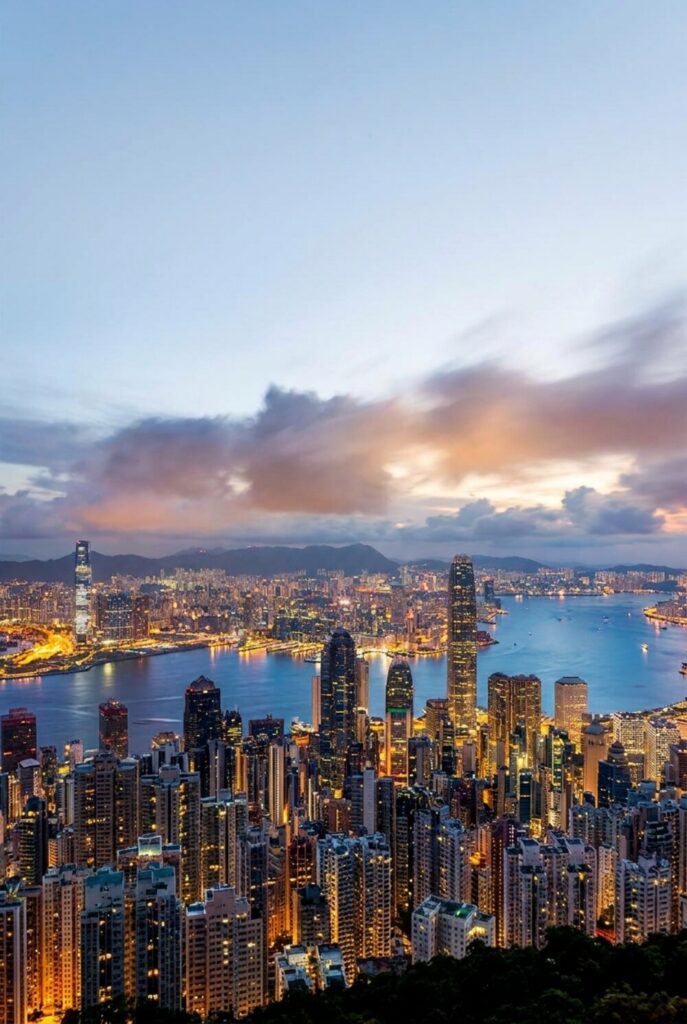
I have stayed in more Hong Kong hotels than in any other Asian city, and we keep going back. The SAR is three things at once — Hong Kong Island’s Victoria-Harbour-front skyline, Kowloon’s neon-and-temple chaos, and the New Territories’ green half nobody flies in for. My favourite ritual is the 7am Star Ferry from Tsim Sha Tsui to Central, then dim sum at One Dim Sum in Mong Kok, then the Peak Tram up to Victoria Peak before the cruise crowds. Treat this guide as the brief I would hand my own family before they cleared HKIA arrivals.

Table of Contents
Why Hong Kong?
Hong Kong is a Special Administrative Region of the People’s Republic of China since the 1 July 1997 handover, with its own immigration, currency (HKD), legal system (common-law) and passport. The SAR holds 7.49 million residents on 1,114 km² (the 2024 Census & Statistics Department mid-year estimate) spread across Hong Kong Island, Kowloon, the New Territories and 263 outlying islands.
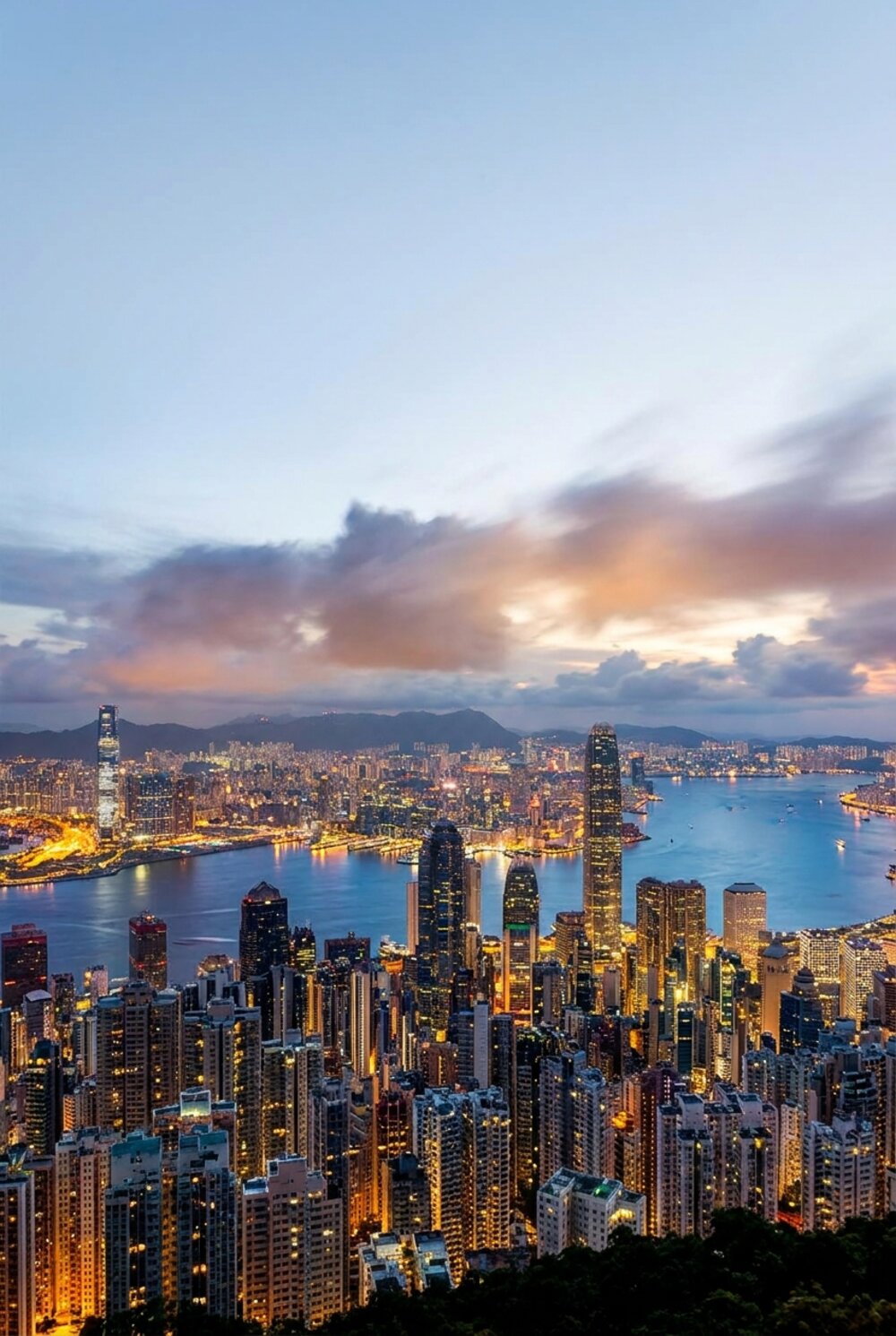
What makes Hong Kong different from any other Chinese city is the density and the verticality. Around 75% of the SAR is country park and undeveloped hillside; the urban core compresses 7+ million people into roughly 25% of the land area, producing the highest skyscraper density on Earth. Victoria Peak (552 m) is the spine of the island; Victoria Harbour is the spine of the experience; the MTR and Star Ferry are the spine of how locals move.
Hong Kong International Airport (HKIA) on Lantau Island is one of the world’s busiest by international passenger traffic; the Airport Express reaches Central in 24 minutes for HK$115. Plan four full days minimum.
Neighborhoods: Finding Your Hong Kong
📍 Hong Kong Map: Every Place in This Guide


Central & Sheung Wan (Hong Kong Island Core)
The financial district and the colonial old-town immediately west of it — IFC towers, the HSBC Building (Norman Foster, 1985), Statue Square, the Central–Mid-Levels Escalator (the world’s longest covered outdoor escalator at 800 m), the Soho restaurant cluster, and Sheung Wan’s antique shops on Hollywood Road. The starting point for almost every itinerary; the Star Ferry pier and the Peak Tram lower terminus are both here.
- Central Pier — Star Ferry to Tsim Sha Tsui (HK$5–6), 8 minutes
- Central–Mid-Levels Escalator — 800 m covered system, free, descends 06:00–10:00 then ascends 10:00–24:00
- Hollywood Road — antiques, Man Mo Temple (1847), traditional Chinese medicine shops
Best for: first-time arrivals, ferry access, dinner. Access: MTR Island Line to Central or Sheung Wan.
Tsim Sha Tsui (Kowloon Waterfront)
The Kowloon-side waterfront facing Hong Kong Island — Avenue of Stars, the Hong Kong Cultural Centre, the Hong Kong Museum of Art, the Star Ferry pier, and the Peninsula Hotel for afternoon tea. The harbour-front promenade is the city’s primary postcard view; the 8 p.m. Symphony of Lights show plays nightly.
- Tsim Sha Tsui Promenade & Avenue of Stars — Cantonese-cinema walk of fame
- Hong Kong Museum of Art — recent renovation, free admission Wednesdays
- The Peninsula Hotel — colonial-era afternoon tea (HK$668 per person)
Best for: harbour photography, museums, cross-harbour ferry. Access: MTR Tsuen Wan Line to Tsim Sha Tsui or East Tsim Sha Tsui.
Mong Kok & Yau Ma Tei (Kowloon Local)
The densest residential-and-market quarter on the planet (Mong Kok holds about 130,000 people per km²) — Ladies’ Market on Tung Choi Street, Goldfish Market, Flower Market, Bird Garden, and the Temple Street Night Market in Yau Ma Tei. Cantonese-language Hong Kong at full volume; the part of the city that hasn’t gentrified.
- Temple Street Night Market — Yau Ma Tei, 18:00–24:00 daily
- Ladies’ Market (Tung Choi Street) — clothing, accessories, electronics
- Tin Hau Temple (Yau Ma Tei, 1864) — sea-goddess temple at the market’s south end
Best for: markets, cheap eats, evening photography. Access: MTR Tsuen Wan Line to Mong Kok or Yau Ma Tei.
Wan Chai & Causeway Bay (East of Central)
The eastern half of Hong Kong Island’s north shore — Wan Chai’s bar streets and the Hong Kong Convention & Exhibition Centre (the 1997 handover venue), Causeway Bay’s Times Square shopping cluster and Victoria Park (Hong Kong’s largest urban park, 19 hectares). Sai Ying Pun is the new café-and-cocktail crowd; Tin Hau and Fortress Hill the residential extensions.
- Hong Kong Convention & Exhibition Centre — 1 July 1997 handover venue
- Times Square (Causeway Bay) — vertical shopping mall
- Victoria Park — 19-hectare park, Lunar New Year flower market venue
Best for: shopping, evening bars, conventions. Access: MTR Island Line to Wan Chai or Causeway Bay.
The Peak (Victoria Peak, Hong Kong Island)
The 552 m summit reachable by the 1888 Peak Tram (the world’s oldest funicular still in service) or by city bus 15. The Sky Terrace 428 observation deck and the Lugard Road circular walk (3.5 km, level grade) are the two anchor activities. Best at sunset on a clear day; book the Peak Tram time-slotted ticket online to skip the 90-minute queue.
- Peak Tram — 1888 funicular, refurbished 2022, HK$88 round-trip
- Sky Terrace 428 — covered observation deck
- Lugard Road Loop — 3.5 km level walk around the western slopes
Best for: sunset photography, light hike. Access: Peak Tram lower terminus at Garden Road, Central.
Lantau Island (West of HKIA)
The largest of the SAR’s 263 outlying islands — Tian Tan (Big Buddha) at Po Lin Monastery, the Ngong Ping 360 cable car (5.7 km, the world’s longest bi-cable system over open water), Tai O fishing village’s stilt houses, and Hong Kong Disneyland on the eastern flat. Half a day for Big Buddha + Tai O via the cable car; full day if Disneyland is part of the plan.
- Tian Tan (Big Buddha) — 34 m bronze statue, 1993
- Ngong Ping 360 cable car — 25-minute crossing, HK$310 round-trip standard cabin
- Tai O fishing village — stilt houses on Lantau’s west coast
Best for: day trip from Central, Disneyland, cable car. Access: MTR Tung Chung Line to Tung Chung, then cable car.
Lamma Island (South of Central)
The car-free outlying island 30 minutes by ferry from Central Pier 4 — Yung Shue Wan ferry village, the seafood restaurants of Sok Kwu Wan, and the 4 km Family Trail across the island. Saturday-afternoon weekend escape from Central; HK$25 round-trip.
- Yung Shue Wan — northern ferry-village arrival
- Family Trail (4 km) — Yung Shue Wan to Sok Kwu Wan crossing
- Rainbow Seafood — anchor seafood restaurant in Sok Kwu Wan
Best for: half-day escape, car-free walking, seafood lunch. Access: Central Pier 4 ferry to Yung Shue Wan, 30 minutes.
New Territories (Hong Kong’s Green Half)
The mainland-facing half of the SAR — 75% country park, the Hong Kong Wetland Park in Tin Shui Wai, the Sai Kung Peninsula’s beaches and country trails (the MacLehose Trail’s eastern section is the cover-photograph half), and the Sham Shui Po-to-New-Territories MTR line. Plan a full day for Sai Kung’s beach hop.
- Hong Kong Wetland Park — Tin Shui Wai, mangrove and waterbird boardwalks
- Sai Kung Country Park — MacLehose Trail Sections 1–3
- Tai Po Market & the Yim Tin Tsai art village — weekend day-trip duo
Best for: hiking, beach, weekend escape. Access: MTR East Rail Line + bus / minibus.
The Food

Cantonese Classics, Done Properly
Hong Kong is the easiest city in the world to taste the genuine Cantonese pantry — dim sum is the headline, but roast goose, char siu, wonton noodles, congee, claypot rice, and milk tea anchor the everyday table.
- Tim Ho Wan (multiple branches) — the Michelin-starred dim-sum chain, char-siu bao HK$30.
- Yat Lok (Stanley Street, Central) — Michelin-starred roast goose, plate HK$95.
- Mak’s Noodle (Wellington Street, since 1968) — wonton noodles HK$60.
Cha Chaan Teng (HK Diners)
The 1950s Hong Kong invention — a cha chaan teng (‘tea restaurant’) is a short-order Cantonese-Western fusion diner that runs from breakfast through midnight. Pineapple buns, bo-lo bao with butter (a slab of cold butter inside a fresh-baked sweet bun), milk tea, French toast Hong Kong-style, macaroni-and-luncheon-meat soup, baked pork-chop rice. The everyday meal Hong Kongers actually eat.
- Australia Dairy Company (Jordan, since 1970) — scrambled-egg-on-toast and milk pudding, HK$35.
- Capital Cafe (Wan Chai) — bo-lo yau, scrambled eggs with truffle, HK$58.
- Lan Fong Yuen (Central, since 1952) — the cha chaan teng credited with inventing ‘pantyhose’ milk tea (silky stocking-strained), HK$30.
Modern Hong Kong & Michelin
The Michelin Guide Hong Kong (since 2009) is the densest by stars-per-km² in Asia. Three-Michelin-starred Lung King Heen (Four Seasons Central) was the first Chinese-cuisine restaurant in the world to earn three stars (2009). Reservations open four to eight weeks ahead at the busiest tables.
- Lung King Heen (Four Seasons, 3 stars) — abalone puff and steamed lobster, set HK$2,580.
- Sushi Saito (Four Seasons, 3 stars) — Tokyo-import sushi omakase, HK$3,800.
- Mott 32 (Standard Chartered Bank Building) — modern Cantonese, HK$800–1,400.
- The Chairman (Sheung Wan, 1 star) — Cantonese seafood, set HK$880.
Food Experiences You Cannot Miss
- A 7am dim-sum breakfast at One Dim Sum or Tim Ho Wan, HK$120 per person — the meal Hong Kong actually eats
- An egg tart and milk tea at Tai Cheong Bakery (Lyndhurst Terrace), HK$13
- The Saturday Cooked Food Centre at the Sheung Wan Wet Market — local fish-ball noodles for HK$45
Cultural Sights

Victoria Peak & the Peak Tram
The 552 m highest point on Hong Kong Island, summited by the world’s oldest funicular still in service — the Peak Tram, opened 1888, refurbished 2022 with new Swiss-built carriages. Sky Terrace 428 plus tram round-trip HK$148 in 2026 (verify on site). Best at sunset on a clear day; book a time-slotted online ticket. The Lugard Road circular walk is free and runs around the western flank with the canonical postcard view.
Hong Kong Heritage Museum
The SAR’s flagship cultural-history museum in Sha Tin — the Bruce Lee gallery, the permanent Cantonese opera gallery (the Lui Cantonese opera collection), and the Hong Kong Toy Story exhibition cycle. Free admission Wednesdays; standard ticket HK$10. Plan two hours; combine with a Sha Tin lunch.
Wong Tai Sin Temple (Sik Sik Yuen)
The most-visited Taoist temple in Hong Kong, dedicated to the deity Wong Tai Sin (the Great Immortal Wong). Famous for kau cim fortune sticks — visitors shake a bamboo cylinder until one stick falls out, then have it interpreted at the on-site fortune-teller arcade. Free entry; arrive 09:00 sharp during Lunar New Year.
Star Ferry Crossing
The 8-minute Tsim Sha Tsui–Central crossing on the green-and-white Star Ferry, in continuous service since 1888. HK$5 lower-deck, HK$6 upper-deck; the cheapest Asia-Pacific harbour cruise that exists. Best at dusk; the upper-deck open-air seats are worth the surcharge.
Tian Tan (Big Buddha) & Po Lin Monastery
The 34 m bronze Buddha statue on Lantau’s Ngong Ping plateau, 1993 — paired with the Po Lin Monastery (1906), the Wisdom Path’s wooden inscriptions, and the Ngong Ping 360 cable car from Tung Chung. Free entry to the Buddha base; the small museum inside the statue requires a vegetarian-meal voucher (HK$120 with set lunch).
M+ & Hong Kong Palace Museum (West Kowloon Cultural District)
The two-anchor cultural centrepieces of the West Kowloon Cultural District — M+ (Herzog & de Meuron, 2021) is the SAR’s flagship visual-culture museum; the Hong Kong Palace Museum (2022) holds 900 Forbidden City artefacts on long-term loan from Beijing. Combo ticket HK$240; allow half a day. The waterfront connecting the two is the city’s best new public space.
Man Mo Temple (Sheung Wan)
1847 Tao temple to the gods of Literature (Man) and War (Mo), on Hollywood Road in Sheung Wan. Hanging incense coils fill the ceiling; the smoke is heavy. Free; respectful dress.
Tai Kwun (Centre for Heritage and Arts)
The restored Central Police Station compound (1864–1925, restored 2018) on Hollywood Road — an art and heritage centre with the JC Contemporary gallery, courtyard performances, and bars in the former Magistracy. Free admission to the heritage rooms; gallery shows ticketed.
Entertainment

Hong Kong Sevens (Apr 2026)
The annual three-day rugby sevens tournament — the SAR’s biggest sporting event since 1976. 2026 dates: 3–5 April at the new Kai Tak Stadium (the relocated venue from the old Hong Kong Stadium at So Kon Po). Day pass around HK$1,950–2,400; three-day pass around HK$3,800–5,400 (verify on official site). Book accommodation by January.
Lan Kwai Fong & Soho
Central’s bar-and-restaurant cluster — Lan Kwai Fong’s pedestrianised hill streets are the late-night strip, while Soho (above the Mid-Levels Escalator at Staunton and Elgin Streets) is the slightly-quieter restaurant grid. Most bars hit happy-hour 16:00–20:00 with HK$40–60 pints. Wyndham Street and Wo On Lane are the cocktail-focused alternatives.
Symphony of Lights
Nightly 8:00 p.m. multimedia laser-and-light show across 44 buildings on both Hong Kong Island and Tsim Sha Tsui shores; visible from any harbour-front spot. Best viewed from Tsim Sha Tsui Promenade or aboard a Star Ferry crossing booked for 19:50; free.
Live Music & the Cantopop Scene
Hong Kong Coliseum (Hung Hom, 12,500 seats) is the home of Cantopop concerts — Eason Chan, Sammi Cheng, Jacky Cheung. Smaller venues: KITEC Star Hall (3,600), AsiaWorld–Expo (14,000) at HKIA. Tickets via Cityline and HK Ticketing.
Mid-Autumn Festival (Sep–Oct)
The fire-dragon dance through Tai Hang on Mid-Autumn Festival night is one of Hong Kong’s UNESCO Intangible Cultural Heritage events — a 67 m straw dragon studded with incense sticks paraded through the Tai Hang lanes for three nights running. 2026 Mid-Autumn lands 25 September; lantern carnivals run at Victoria Park, Sha Tin and Wong Tai Sin.
Hong Kong Disneyland
The Lantau Island theme park — five themed lands plus a ‘Frozen’ kingdom (World of Frozen, 2023). One-day ticket HK$639–799 (off-peak/peak) in 2026 (verify on site). Reachable directly via MTR Disneyland Resort Line.
Day Trips

Lantau Island (Big Buddha + Tai O, full day)
The combo trip — Tian Tan Big Buddha at Po Lin Monastery via the 25-minute Ngong Ping 360 cable car, then a one-hour bus to Tai O fishing village’s stilt houses for lunch and a small dolphin boat tour. MTR to Tung Chung, cable car HK$235 one-way / HK$310 round-trip standard cabin in 2026 (verify on site).
Sai Kung Peninsula (Half-day to full day)
Hong Kong’s beach-and-hike heartland in the eastern New Territories — Sai Kung town’s seafood restaurants (the Sok Ku Wan-style dock-front fish tanks where you pick the catch), the MacLehose Trail’s eastern sections, and the Tai Long Wan beaches. MTR Tseung Kwan O Line to Hang Hau, then bus 101M to Sai Kung pier.
Lamma Island (Half-day, ferry from Central)
The 30-minute ferry from Central Pier 4 to Yung Shue Wan; walk the 4 km Family Trail across the island to Sok Kwu Wan’s seafood village; ferry back from Sok Kwu Wan. HK$25 round-trip; total walking 1.5 hours.
Macau (Full day, by ferry or HZMB bus)
The other Pearl River Delta SAR — Portuguese-colonial Senado Square, the Ruins of St Paul’s, the 338 m Macau Tower bungee jump, and the Cotai Strip casinos. Ferry from Sheung Wan or Tsim Sha Tsui (TurboJet, 60 min, HK$175); HZMB shuttle bus from the Hong Kong–Zhuhai–Macau Bridge (45 minutes, HK$65). Bring passport — Macau is a separate SAR with its own immigration.
Shenzhen (Full day, by MTR or high-speed rail)
The mainland-Chinese city immediately north — Lo Wu MTR border crossing to Luohu (45 minutes from Hong Kong), or the Hong Kong West Kowloon high-speed-rail terminus to Futian / Shenzhen North in 14–23 minutes. Requires a separate mainland China visa or the 240-hour transit visa-free; check eligibility before crossing.
Seasonal Guide

Spring (Mar–May)
Mild and humid; March averages 19°C climbing to 26°C in May. Hong Kong Sevens lands the first weekend of April (3–5 Apr 2026); Art Basel Hong Kong runs late March (26–29 Mar 2026). The shoulder window before summer humidity. Hotel rates 25% above winter; book three months ahead for Sevens weekend.
Summer (Jun–Aug)
Hot, humid, and typhoon-prone; July–August averages 28°C with 80%+ humidity and afternoon thunderstorms. The Hong Kong Observatory issues T1, T3, T8 and T10 typhoon signals; T8 closes the city. Indoor culture (museums, M+, Disneyland, malls) is the saving grace. Hotel rates lower than autumn but the weather penalty is real.
Autumn (Sep–Nov)
The best window. October–November bring crystalline skies, 22°C–27°C temperatures and the lowest humidity of the year. Mid-Autumn Festival lands 25 September 2026; the Tai Hang Fire Dragon dance runs the three nights around it. The Hong Kong Wine & Dine Festival lands late October. Hotel rates 30–40% above summer.
Winter (Dec–Feb)
Mild and dry; January averages 16°C with overnight lows around 12°C. Lunar New Year lands 17 February 2026; Victoria Park flower market runs six days before; the Lunar New Year fireworks blast over Victoria Harbour on the second day of the new year. Sweater weather rather than coat weather; hotel rates 30% below summer except over the Lunar New Year week.
Getting Around
Walking
Central, Sheung Wan, Tsim Sha Tsui and Mong Kok are walkable end-to-end inside their districts. The Central elevated walkways connect IFC, the HSBC building and the Star Ferry pier without crossing a street. Hills are real on Hong Kong Island; the Mid-Levels Escalator solves the Central–Soho ascent.
MTR (11 lines + Light Rail)
The world’s most-praised metro for cleanliness and signage — 11 heavy-rail lines plus the Light Rail in the New Territories, plus the Airport Express. Single fare HK$5–HK$80 distance-based in 2026 (verify on site). Bilingual English/Chinese signs and announcements; passport not required at gates.
Octopus Card (Prepaid Transit)
The all-in-one transit card — works on MTR, all city buses, the Star Ferry, the Peak Tram, the trams, plus 7-Eleven and most fast-food chains for sub-HK$1,000 purchases. Buy at any MTR Customer Service Centre (HK$39 deposit + load) or at HKIA. Tourist Octopus pre-loaded HK$100 in 2026 (verify on site).
Star Ferry
The 8-minute Tsim Sha Tsui–Central crossing has run continuously since 1888. HK$5 lower-deck weekday, HK$6 upper-deck weekday; HK$6.50 / HK$7.50 weekends. The single best HK$5 you will spend on the trip.
Airport Access
- HKIA → Hong Kong Station (Central): Airport Express, 24 minutes, HK$115 single.
- HKIA → Tsim Sha Tsui: Airport Express to Kowloon then 5-minute hotel shuttle, HK$105.
- HKIA → Central by Cityflyer A11/A21 bus: 60 minutes, HK$45.
Taxis
Three colour-coded taxi fleets — red (urban Hong Kong + Kowloon, drop HK$29 + HK$2.10/200 m), green (New Territories, slightly cheaper), and blue (Lantau, the cheapest). Insist on the meter (‘mai biu’). Cash preferred; many taxis don’t accept Octopus or cards. Uber operates but legality is grey.
Trams & Peak Tram
The 1904 double-decker tram on Hong Kong Island’s north shore (HK$3 flat fare) is itself a sight, running Western to Shau Kei Wan along the harbour. The Peak Tram (1888 funicular, HK$88 round-trip) is the steepest funicular in Asia; pre-book a time-slot ticket online to skip the 90-minute queue.
Budget Breakdown: Making Your Hong Kong Dollar Count
| Tier | Daily | Sleep | Eat | Transport | Activities | Extras |
|---|---|---|---|---|---|---|
| Budget | USD $80–130 | Hostel dorm HK$280–500 | Cha chaan teng HK$80–150 | Octopus + walking | Free temples + Star Ferry HK$5 + Wong Tai Sin | Egg tart HK$13, milk tea HK$30 |
| Mid-Range | USD $200–360 | 3–4 star hotel HK$1,200–2,500 | Sit-down dinner HK$300–600 | MTR + occasional taxi | Peak Tram HK$148, Big Buddha cable car HK$310 | Tim Ho Wan dim sum HK$120, Lan Kwai Fong drinks HK$120 |
| Luxury | USD $600+ | 5-star hotel HK$3,800–18,000+ | Lung King Heen HK$2,580 | Private driver HK$3,000/day | Sevens VIP box HK$8,500 | Peninsula afternoon tea HK$668 |
Where Your Money Goes
Hong Kong is more expensive than Beijing or Bangkok and roughly comparable to Tokyo or Singapore for mid-range comfort. The biggest line item is hotel — the SAR’s hospitality real estate is genuinely small and demand is genuinely high; mid-range rooms sit HK$1,200–2,500. The compensation is everywhere else: a Star Ferry crossing is HK$5, a tram ride is HK$3, a dim-sum breakfast is HK$120, and the country parks are free.
Money-Saving Tips
- Book hotels in Tsim Sha Tsui or Mong Kok — same MTR access, 20–35% cheaper than Central.
- Eat cha chaan teng for breakfast and lunch (HK$50–120); save Lung King Heen and similar for one big dinner.
- Use the Star Ferry, MTR and trams; taxis are the budget-killer.
- Wednesdays are free at the Hong Kong Heritage Museum and free or discounted at several other LCSD museums.
Practical Tips
Language
Cantonese is the dominant local language; English is co-official and near-universal in Central, Tsim Sha Tsui, hotels and major restaurants. Mandarin is widely understood but not as universally spoken as in mainland cities. Learn ‘m̀h gōi’ (please / thank you for service) and ‘dō jeh’ (thank you for a gift). Most signs are bilingual Chinese/English.
Cash vs. Cards / Octopus
Hong Kong is a cards-and-Octopus city. Octopus covers transit and convenience-store purchases; Visa, Mastercard and Amex work at restaurants, hotels and major retail; most taxis are cash-only. ATMs at HSBC, Standard Chartered, Bank of China and HK&Shanghai Banking Corp dispense HK$3,000 per withdrawal. Decline dynamic currency conversion at the till.
Safety
Hong Kong is among the safest world cities — petty theft is rare and violent crime against tourists almost unknown. The genuine risks are typhoon weather (T8+ closes the city; the Hong Kong Observatory app gives 12-hour warnings) and very rare political-protest closures. Emergency 999.
Visa & the SAR Border
Hong Kong has its own immigration system, separate from mainland China. Most Western nationalities (US, UK, EU, Australia, Canada, NZ) enter visa-free for 90 days. Travelling to Macau, Shenzhen or any other mainland city requires either the 240-hour transit visa-free programme (separate set of rules) or a standard Chinese L visa. Carry your passport at all times.
What to Wear
Light layers year-round — Hong Kong’s air-conditioned interiors run cold even in midsummer. A waterproof shell for May–September; cardigan or light jacket November–February. Smart-casual works at most fine-dining addresses; Lung King Heen, the Peninsula’s restaurants and the Captain’s Bar at Mandarin Oriental enforce a no-shorts dress code in the evening.
Cultural Etiquette
Tipping is not expected — service charge (10%) is added at most restaurants. Don’t stick chopsticks vertically into rice. The escalator is right-stand (the British convention); pedestrian-flow signs (‘Keep Left’ or ‘Keep Right’) are observed. Take photos in temples discretely; remove hats inside.
Connectivity
4G/5G blanket coverage from CSL, SmarTone and 3 Hong Kong; international roaming on most foreign carriers works fine. eSIMs from CSL or via Airalo from HK$80 for 5 GB / 7 days. Free public WiFi at every MTR station, every Star Ferry pier, and most major shopping centres.
Health & Medications
Public hospitals (Hospital Authority) are inexpensive but slow at A&E; private hospitals (Adventist, Hong Kong Sanatorium, Matilda International) offer English-speaking care in HK$. Pharmacies (Mannings, Watsons) carry Western medications. Travel insurance recommended.
Luggage & Storage
HKIA has 24-hour luggage storage at Terminal 2 (HK$60–100/day depending on size). Hong Kong and Kowloon stations on the Airport Express offer in-town check-in for most major carriers: drop bags up to 90 minutes before flight time and ride to HKIA hands-free.
Frequently Asked Questions
How many days do I need in Hong Kong?
Four full days minimum. Allocate one to Central + Soho + Peak; one to Tsim Sha Tsui + Mong Kok + Symphony of Lights; one to Lantau (Big Buddha + Tai O); one to Lamma or Sai Kung. Six days lets you add Macau or Shenzhen as full-day extensions without rushing.
Is Hong Kong good for solo travellers?
Excellent. Petty crime is rare, the MTR is signposted in English, and the city culture is comfortable with solo dining at cha chaan teng counters and dim-sum tables. Female solo travellers report Hong Kong as one of the safest Asian cities; standard precautions apply in the late-night Mong Kok and Wan Chai zones.
Do I need a separate visa from mainland China?
Yes — Hong Kong has its own immigration. Most Western nationalities (US, UK, EU, Australia, Canada, NZ) enter visa-free for 90 days. A mainland China visa or the 240-hour transit visa-free programme is needed if you continue to Beijing or Shanghai.
What about the language barrier?
Minimal in central districts. English is co-official; signs, menus and MTR announcements are bilingual. Mong Kok, Sham Shui Po and rural New Territories drop to Cantonese-only quickly; Pleco Cantonese and Google Translate solve most of it.
When are the busiest weeks?
Hong Kong Sevens weekend (3–5 April 2026), Lunar New Year week (17 February and the four days following 2026), Mid-Autumn Festival (25 September 2026), and Christmas–New Year week — all carry hotel-rate spikes of 50–120% above shoulder. Mainland Chinese Golden Week (1–7 October) crowds Disneyland and the Peak. The shoulder-best windows are mid-March to early April (Sevens-aside) and October–November.
Can I use credit cards everywhere?
Mostly. Visa, Mastercard and Amex work at restaurants, hotels and major retail. Octopus covers transit, 7-Eleven, McDonald’s and most fast food. The exceptions are taxis (cash-preferred), some street-food stalls and many Mong Kok / Sham Shui Po small shops. Carry HK$300–500 cash daily for these.
Is the Peak Tram worth the queues?
Yes if you book a time-slotted ticket online (peak.com.hk) — the standard queue at the lower terminus runs 60–90 minutes on weekend afternoons; the time-slotted queue runs 5–15 minutes. Alternatively, take city bus 15 from Central Pier 8 (HK$11.50, 25 minutes) — slower but no queue and a window seat. Sky Terrace 428 plus Peak Tram round-trip HK$148 in 2026 (verify on site).
Ready to Experience Hong Kong?
Four days in the Pearl-River-Delta SAR, two harbour ferries, one Lantau morning, one Lamma afternoon — that is the Hong Kong rhythm. For the full country context, read the China Travel Guide.
Explore More City Guides
Where to Stay
- Macau City Guide — the other Pearl River Delta SAR, Portuguese-colonial heritage and Cotai casinos
- Beijing City Guide — China’s imperial capital, Forbidden City and Great Wall base
- Taipei City Guide — Taiwan’s capital and night-market headquarters
- Tokyo City Guide — neighbouring Asian metropolis and intercontinental hub
- China Country Guide
- All City Guides
Alex the Travel Guru
Alex has been writing destination guides for FFU since 2019, with twelve Hong Kong trips on the docket and one annual late-October dim-sum-and-Sevens week (when Sevens lands a year that schedule allows). Hong Kong is the city Alex most often recommends to first-time intercontinental travellers in Asia — international airport, English-friendly, four-day itinerary, and the harbour skyline alone justifies the visit. For the full country context, read the China Travel Guide.
More city guides you might like
Plan your trip to Hong Kong
The booking tools we use ourselves. FFU may earn a commission at no extra cost to you.
Plan & book your trip to Hong Kong
Booking through these searches supports our guides at no extra cost to you.