
City Guide · Campania
Naples, Italy: Birthplace of Pizza, the Living Heart of the Mediterranean South
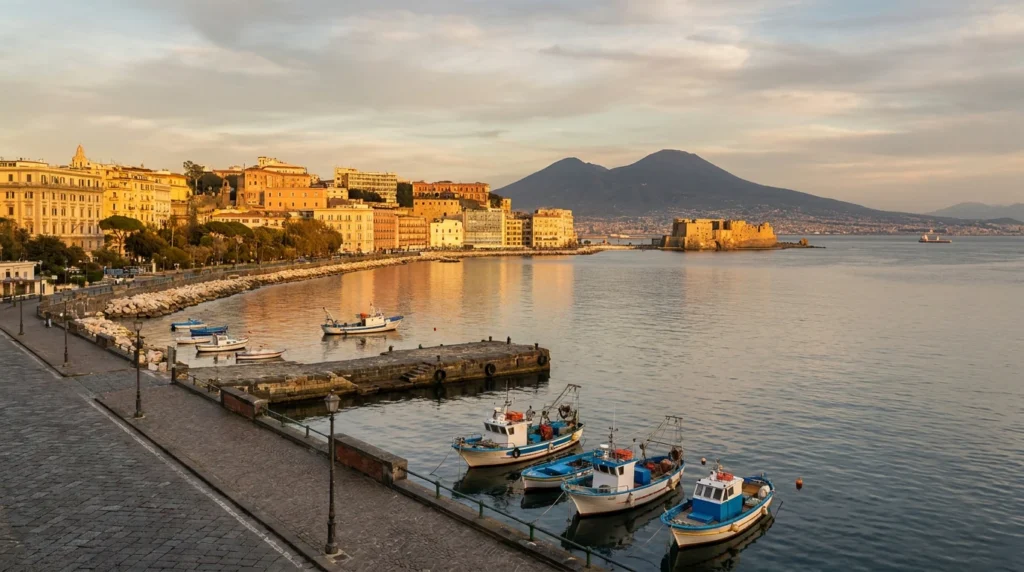
I have been arriving in Naples for twenty years, and I still get the same jolt every single time the train pulls out of the tunnel and the Bay of Naples opens up with Vesuvius brooding on the far shore. We tell first-time travellers to forget everything they think they know: Naples is loud, chaotic, gloriously alive, and easily the most misunderstood great city in Italy. This is where pizza was invented, where the historic centre is a UNESCO World Heritage maze of churches and street shrines, and where roughly 913,000 people live stacked above two thousand years of Greek and Roman city you can literally walk through underground . My favourite Naples ritual is a one-euro caffè standing at a bar in the Spanish Quarter at 8am, then a fried pizza eaten in the street. Treat this guide as the brief I would hand my own family the night before they landed — Spaccanapoli and the historic centre, the National Archaeological Museum’s Pompeii treasures, the seafront Castel dell’Ovo, the underground city, and the day trips to Pompeii, Vesuvius, Capri, and the Amalfi Coast that turn a city break into the trip of a lifetime .

Table of Contents
Why Naples?
Naples is the city that overwhelms first-time visitors and then ruins them for anywhere quieter. It is the great metropolis of the Italian south — roughly 913,000 people inside the city and around three million across its metropolitan area, packed between an active volcano and one of the most beautiful bays on earth . It does not polish itself for tourists the way Florence or Venice do; it carries on being itself. Founded by Greek colonists as Neapolis — the “new city” — around the 6th century BC, it has been inhabited for some 2,800 years, and its historic centre joined the UNESCO list in 1995.
The contradictions are the whole story. This is a city of staggering art and grinding poverty, of baroque churches and laundry-strung alleys, of world-class museums and street shrines to Maradona. The UNESCO-listed centro storico preserves the exact grid the Greeks laid out, with the three long decumani still running dead straight through the chaos, the most famous of them — Spaccanapoli — slicing the old city in two so cleanly you can see it from the hills above . Beneath your feet runs Naples Underground, a labyrinth of Greek-Roman aqueducts, quarries, and wartime shelters carved out over 2,400 years. Above the bay looms Vesuvius, the volcano that buried Pompeii and Herculaneum in AD 79 and whose treasures now fill the National Archaeological Museum, one of the greatest collections of classical antiquity in the world.
What makes Naples worth far more than the day-trip many travellers reduce it to is that it is both a destination and the perfect base. This is the home of pizza — the dish was born here, and the margherita was reputedly created in 1889 for Queen Margherita of Savoy in the city’s pizzerias . It is the gateway to Pompeii and Herculaneum, to the climb up Vesuvius, and to the islands and coastline of the Bay of Naples — Capri, Ischia, Procida, Sorrento, and the Amalfi Coast all within easy reach. And it is a city of extraordinary street food, of the most intense coffee culture in Italy, and of a warmth and humour found nowhere else in the country. This guide covers the neighbourhoods, the legendary food, the headline sights, the nightlife, the day trips, and the honest practicalities — including the safety questions Naples raises and how to navigate them.

Neighborhoods: Finding Your Naples
📍 Naples Map: Every Place in This Guide
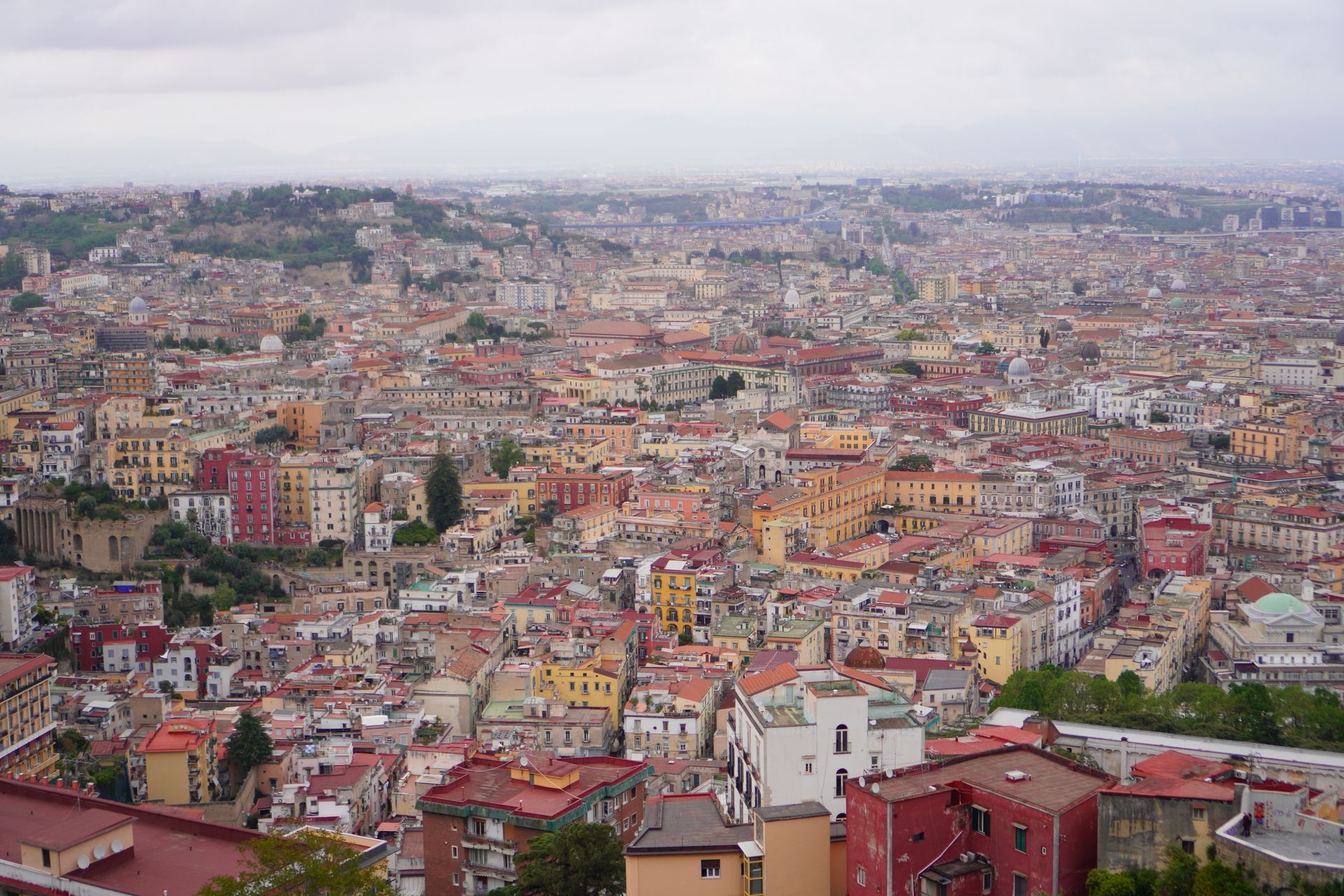
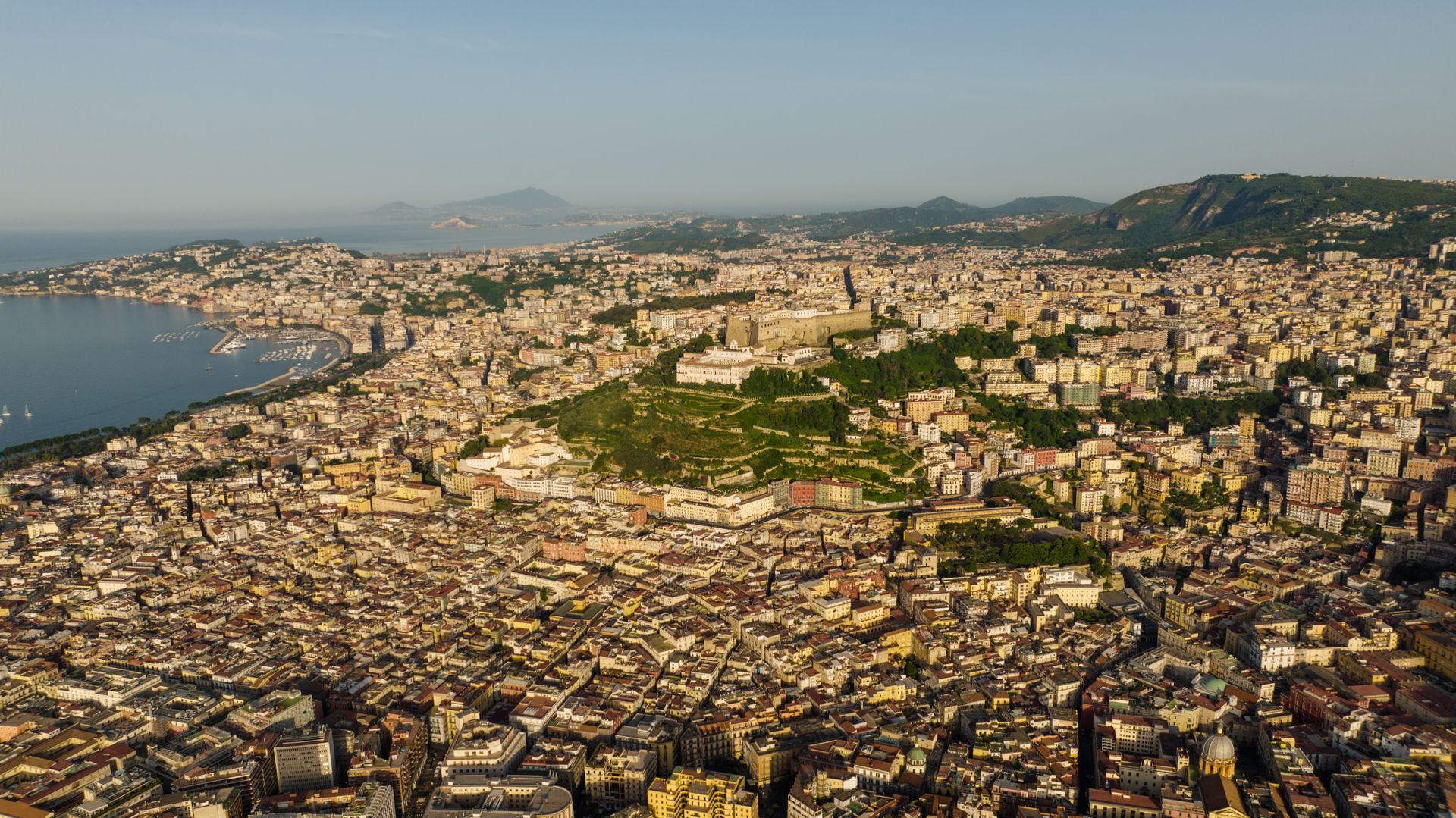
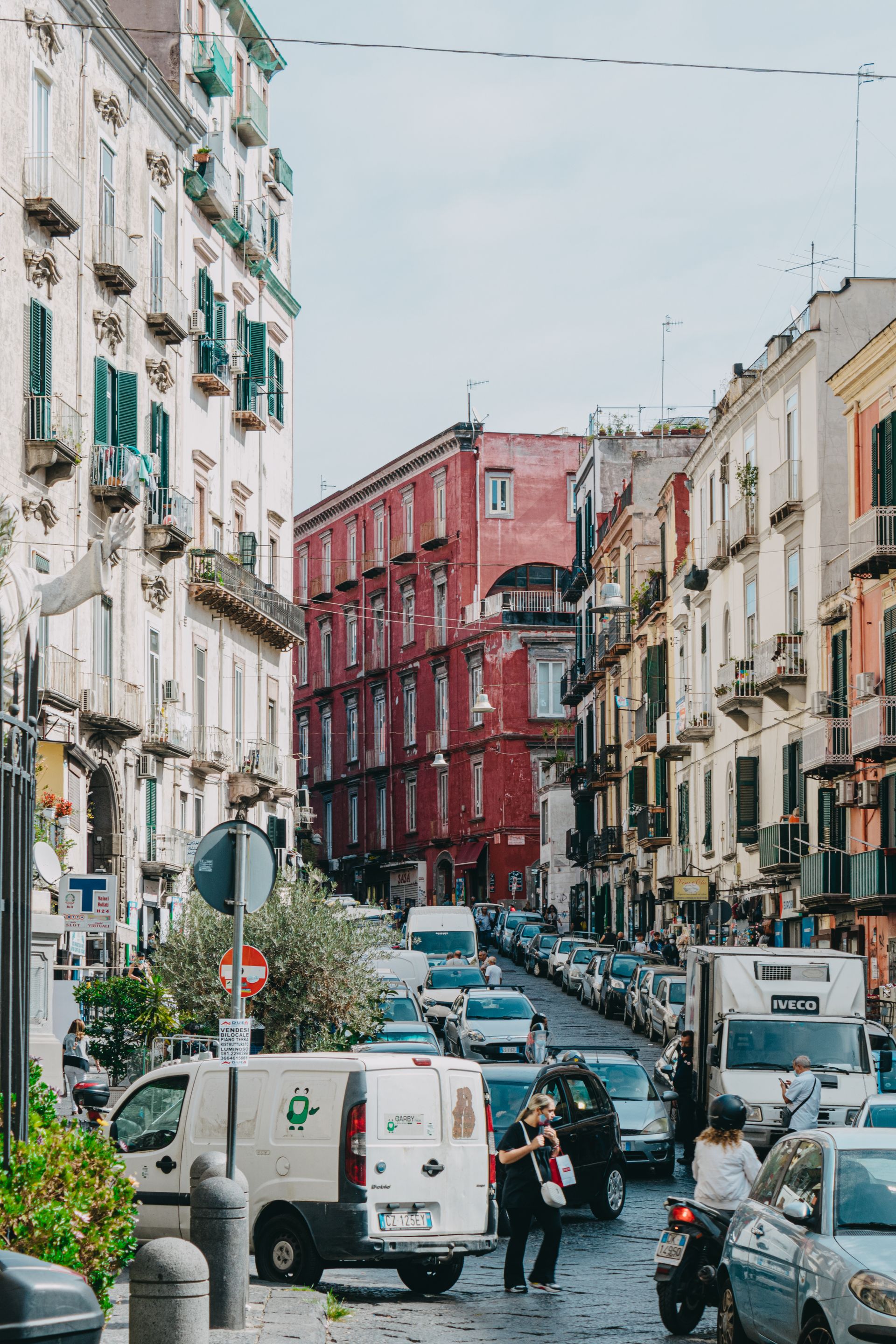
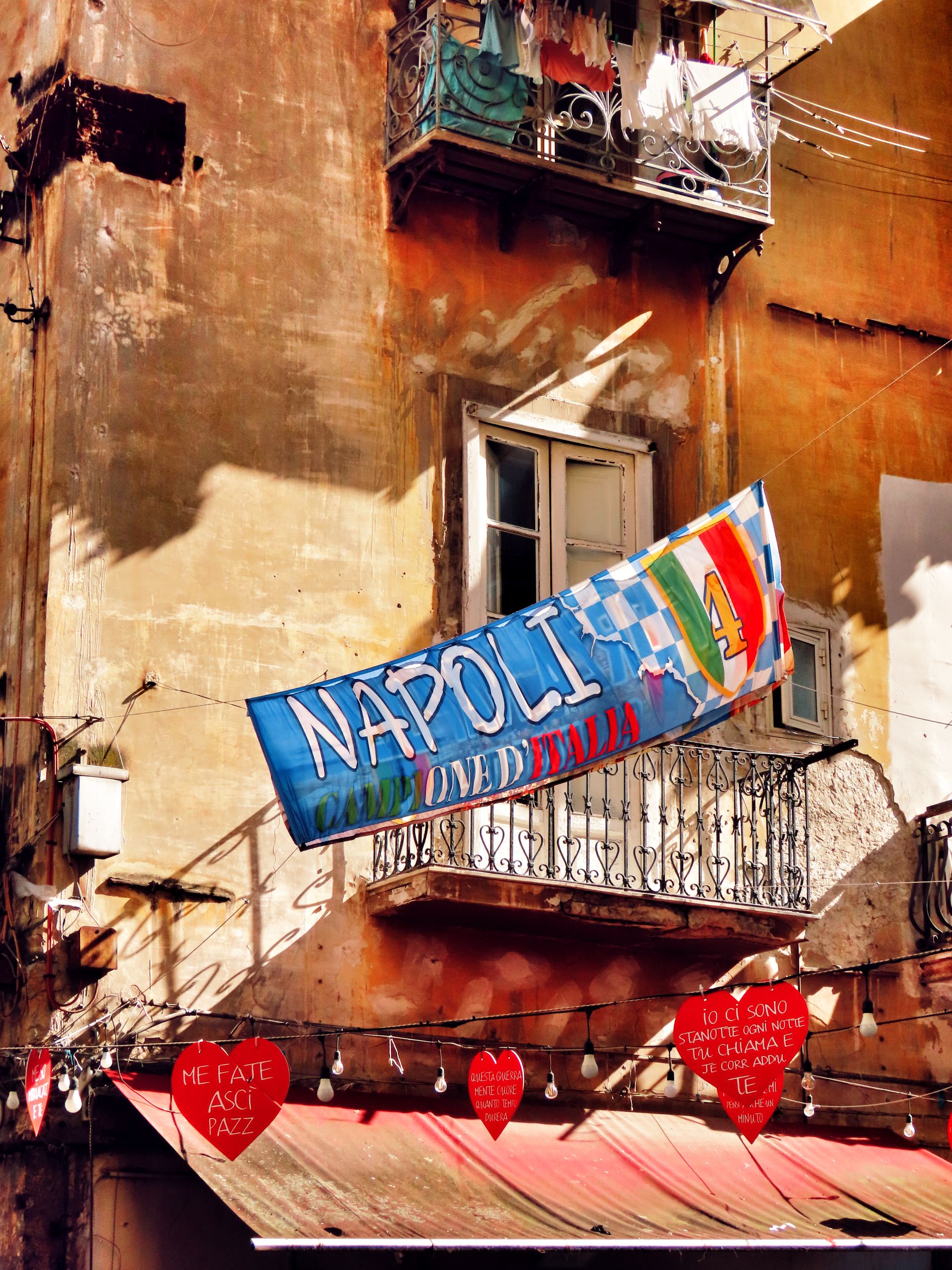
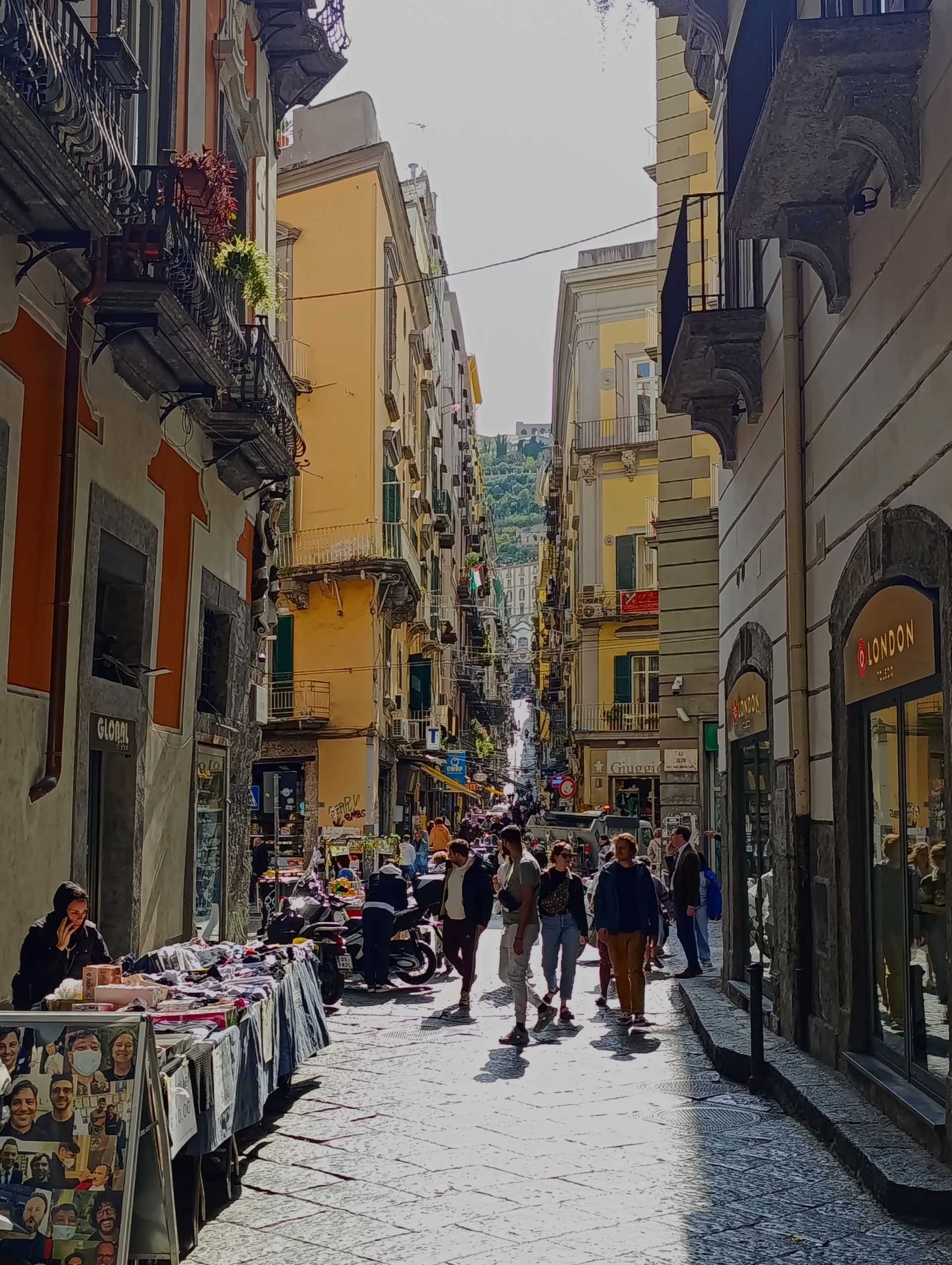
Naples is far more compact than its three-million metropolitan sprawl suggests, and almost everything a visitor wants sits in a wedge between the central station, the historic centre, and the seafront. The broad shape runs from the gritty, energetic streets around Napoli Centrale and the Vasto, west through the dense UNESCO-listed centro storico that the Greeks laid out, up the hill to the elegant Vomero, and down to the long waterfront of Chiaia, Santa Lucia, and the Lungomare. The Spanish Quarter — the Quartieri Spagnoli — climbs the slope just above the grand shopping street of Via Toledo, a vertical maze of laundry-strung alleys that has become the city’s most photographed neighbourhood . The single most useful orientation fact is that the long straight line of Spaccanapoli cuts dead through the old city from east to west; find it on a map and the chaos suddenly makes sense.
The character shift across the districts is dramatic and worth planning around. The historic centre is loud, intense, and thrilling, the beating heart of street-level Naples; Chiaia and the seafront are smarter, calmer, and more expensive; the Vomero hill is residential, green, and quieter, with the best views in the city; and the area immediately around the central station is the roughest, busy and convenient but not where most visitors want to sleep. First-time travellers torn between atmosphere and comfort usually end up basing themselves on the edge of the historic centre or in Chiaia, then diving into the alleys by day. This section walks the districts you will actually use, with the honest access and safety notes that matter most in a city this layered.
One practical note on choosing where to stay: Naples is intensely vertical and the traffic is famously chaotic, so the difference between neighbourhoods here is as much about energy and noise as about distance. The historic centre puts you in the thick of everything — the churches, the pizzerias, the underground, the street life — but it is loud well into the night and overwhelming for some. Chiaia and Santa Lucia trade that intensity for sea air, elegant streets, and an easier pace at a higher price. The Vomero offers calm, views, and a funicular ride down to the action. Decide first what you want your evenings to feel like, and let that drive the choice rather than worrying about a few hundred metres.
A useful mental map for first-timers: think of the city as a slope running down to the bay, sliced by three dead-straight ancient streets. The lowest and most chaotic layer is the historic centre and the port; above it, the grand crescent of Via Toledo and the Spanish Quarter climbing the hill; higher still, the residential Vomero with its castle and panoramas; and along the shore, the smart seafront districts of Chiaia and Santa Lucia. Two metro lines, three funiculars, and a tangle of buses connect it all, but much of the old city is best walked — slowly, and with your wits about you. A rechargeable transit ticket and a pair of sturdy shoes are most of the transport planning a visitor needs .
Centro Storico (The Historic Centre)
The UNESCO-listed old city is the soul of Naples and where most first-time visitors want to be — a dense, theatrical warren of churches, street shrines, pizzerias, and artisan workshops laid out on the original Greek grid. It is loud, intense, and utterly alive, busy with locals and visitors alike from dawn until late, and it puts you within walking distance of the Duomo, the underground, San Gregorio Armeno’s famous nativity workshops, and the best historic pizzerias. The trade-off is noise and crowds; this is a district to immerse yourself in rather than to rest in, and light sleepers should ask for a quiet interior room.
- Spaccanapoli, the dead-straight ancient street slicing through the old city
- Via San Gregorio Armeno, the year-round Christmas-crib artisan street
- The Cappella Sansevero and its astonishing Veiled Christ sculpture
- The Duomo of Naples and the chapel of San Gennaro, the city’s patron saint
Best for: first-time visitors, street life, food, history. Access: Metro Line 1 Dante or Università.
Quartieri Spagnoli (The Spanish Quarter)
Climbing the slope above Via Toledo, the Spanish Quarter is the most quintessentially Neapolitan neighbourhood — a vertical grid of narrow alleys laid out for Spanish garrison troops in the 16th century, strung with laundry, scooters, and shrines. Long considered edgy, it has become a magnet for visitors drawn by its street food, its murals (including the giant Maradona shrine), and its raw authenticity. It is lively and atmospheric by day and best explored with awareness after dark; it sits right beside the main shopping street and the Toledo metro, so it is supremely central without the polish of the seafront.
- The enormous Maradona mural and shrine on Via Emanuele De Deo
- Some of the city’s best street food and traditional trattorias
- The laundry-strung alleys that define the Naples postcard
- Easy access down to Via Toledo and the Toledo metro art-station
Best for: street food, atmosphere, photography, budget stays. Access: Metro Line 1 Toledo.
Chiaia & the Lungomare
South-west along the bay, Chiaia is the elegant, upmarket face of Naples — tree-lined streets, designer boutiques, smart cafés, and the long seafront promenade of the Lungomare Caracciolo, closed to traffic and lined with views of Vesuvius and Castel dell’Ovo. It is calmer, cleaner, and pricier than the historic centre, with the best aperitivo scene in the city and a genuine residential gentility. It suits travellers who want sea air, an easier pace, and comfortable evenings over the intensity of the old town, and it puts you on the waterfront within a short walk or bus ride of the centre.
- The Lungomare Caracciolo seafront promenade, car-free and made for sunset walks
- The Villa Comunale park and the historic Stazione Zoologica aquarium
- Smart shopping around Via dei Mille and Via Filangieri
- The best concentration of cocktail bars and aperitivo terraces in the city
Best for: couples, comfortable stays, seafront walks, nightlife. Access: Metro Line 6 or bus along the Riviera di Chiaia.
Santa Lucia & the Seafront Castles
The classic postcard quarter wraps around the little harbour of Borgo Marinari beneath the seafront Castel dell’Ovo, with grand hotels facing the bay and Vesuvius across the water. It is the most touristic stretch of waterfront, polished and a little formal, but the setting is unbeatable and the seafood restaurants around the marina are an institution. It works well for travellers who want a sea-view hotel and a short stroll to both the centre and Chiaia, and it is where many of the city’s grandest hotels and best bay views are found.
- Castel dell’Ovo, the seafront fortress on its tiny island, free to climb for the views
- The Borgo Marinari marina and its waterside seafood trattorias
- The grand bayfront hotels of Via Partenope with their Vesuvius panoramas
- An easy seafront walk west into Chiaia or east toward the port
Best for: sea views, seafood, a polished waterfront base. Access: Bus along Via Partenope; walkable from Chiaia.
Vomero
High above the city, the Vomero is Naples’ airy, residential hill quarter — quiet, green, and middle-class, with the best panoramas in the city and a cooler summer climate. Reached by three historic funiculars, it is home to the star-shaped Castel Sant’Elmo and the Carthusian monastery of San Martino, both perched on the ridge with sweeping views over the bay. It suits travellers who want calm, space, and views in exchange for a funicular ride to the action, and it offers better value and quieter nights than the centre or the seafront.
- Castel Sant’Elmo, the star-shaped fortress with the finest 360° view of Naples
- The Certosa di San Martino monastery and its museum
- The leafy shopping streets around Via Scarlatti and Piazza Vanvitelli
- Three historic funiculars linking the hill to the city below
Best for: views, quiet nights, families, value stays. Access: Funicolare Centrale, di Chiaia, or di Montesanto.
Mergellina & Posillipo
West of Chiaia, the seafront curves out to the fishing harbour of Mergellina and then climbs the green headland of Posillipo, the most exclusive residential corner of Naples with villas, gardens, and the city’s most romantic sunset views back across the bay. Mergellina has a relaxed marina, gelato kiosks, and the ferry pier for the islands; Posillipo above it is leafy and aristocratic, with hidden swimming coves and the Virgiliano park panorama. It rewards travellers who want a calmer, more local seaside base and are happy to be a little further from the historic centre.
- The Mergellina marina, ferry pier, and waterfront gelato kiosks
- The Parco Virgiliano on the Posillipo headland, with sweeping bay views
- The hidden swimming coves and seafood spots below Posillipo
- Sunset views back across the whole Bay of Naples to Vesuvius
Best for: a quiet seaside base, sunsets, island ferries, local life. Access: Metro Line 2 Mergellina or the seafront bus.
In short, pick by mood rather than by distance. First-timers chasing the real Naples should base on the edge of the historic centre or in the Spanish Quarter for unbeatable immersion; couples and anyone wanting comfort and sea air will be happiest in Chiaia or Santa Lucia; families and view-hunters should look to the Vomero; and those after a calmer, more local seaside feel should weigh Mergellina. Whichever you choose, the metro, funiculars, and a willingness to walk keep the rest of the city within easy reach — and almost nowhere central is genuinely far from the pizzerias and the bay.
The Food

Naples is, quite simply, one of the greatest food cities on earth, and the place where the single most famous dish in the world was born. This is the home of pizza — not a regional variation but the original, protected by tradition and by a UNESCO listing of the Neapolitan art of the pizzaiuolo as Intangible Cultural Heritage . The Neapolitan kitchen is the cuisine of the poor turned glorious: cheap, generous, intensely flavoured cooking built on tomato, mozzarella, seafood, vegetables, and an extraordinary tradition of street food and pastry. Eating here is loud, cheap, and joyous, from a one-euro fried pizza eaten standing in an alley to a leisurely seafood lunch by the marina. Come hungry, come curious, and abandon any diet at the city gates.
What makes eating in Naples so rewarding is that the best food is often the cheapest. A true Neapolitan pizza from a historic pizzeria costs €4–8; a sfogliatella pastry from a bar is a couple of euros; a paper cone of fried street snacks is pocket change. The city’s cucina povera traditions mean the headline dishes were designed to feed a crowded, working-class city well for very little, and that ethos survives. At the same time, Naples has a serious seafood tradition and a growing fine-dining scene, so you can spend as much as you like — but the soul of the city’s food is the cheap, perfect, traditional plate, and the trick is knowing which century-old institution does it best.
It helps to understand the rhythm of eating here. Breakfast is a stand-up espresso and a pastry at a bar; lunch runs roughly 13:00–15:00; the sacred ritual is the evening passeggiata and aperitivo before a late dinner from 20:00 onward. Neapolitans take their coffee seriously and fast — ordered, downed at the counter, and paid for in seconds — and the city’s pastry culture rivals its pizza. Knowing the rhythm lets you eat well and cheaply: a pastry-and-coffee breakfast, a pizza or street-food lunch, and a seafood or trattoria dinner is the classic Naples day, and rarely costs much.
It also pays to lean into the local specialities rather than reach for pan-Italian clichés. Campania is a region of volcanic soil, San Marzano tomatoes, buffalo mozzarella, lemons, and a long coastline, and its cooking reflects that — bright, tomato-forward, seafood-rich, and built around superb local produce. Order the pizza, yes, but also the seafood pasta, the fried street food, the rich Sunday ragù, and the legendary pastries, and you eat the city as the Neapolitans actually do. The difference between a tourist meal and a great one here is almost always a matter of walking two streets further from the main sights to where the locals queue.
A word on quality and provenance, because it genuinely matters here. The best Neapolitan ingredients carry protected designations that are worth knowing: the San Marzano tomatoes grown in the volcanic plain south of Vesuvius, the Mozzarella di Bufala Campana made from the milk of water buffalo in the surrounding countryside, and the giant Sorrento and Amalfi lemons that flavour the limoncello. A true Neapolitan pizza, made to the rules guarded by the city’s pizzaiuolo tradition, uses these specific ingredients, a long-fermented dough, and a wood-fired oven blazing at around 485°C, which is why the base cooks in under 90 seconds and emerges soft, blistered, and faintly charred rather than crisp. Knowing this helps you tell the real thing from the imitation, and it explains why Neapolitans are so fiercely, almost comically, proud of a dish that the rest of the world has taken and changed beyond recognition.
Pizza Napoletana
This is the reason many people come, and it lives up to every expectation. True Neapolitan pizza has a thin, soft, blistered base with a puffy charred crust (the cornicione), baked for 60–90 seconds in a screaming wood-fired oven, and comes in essentially two classic forms: the marinara (tomato, garlic, oregano, oil) and the margherita (tomato, mozzarella, basil), the latter reputedly created in 1889 for Queen Margherita. The best pizzerias are humble, century-old institutions where you queue, eat fast, and pay almost nothing. Order a margherita or a marinara and judge the city by it.
- L’Antica Pizzeria Da Michele — the legendary, no-frills temple of marinara and margherita since 1870 (pizzas around €5–6)
- Gino e Toto Sorbillo — the famous Via dei Tribunali pizzeria, perennially queued (pizzas around €5–9)
- Pizzeria Di Matteo — historic Tribunali spot beloved for its fried pizza and classic pies (pizzas around €4–7)
Street Food & Friggitorie
Naples may have the best street food in Italy, and the friggitorie (fry shops) are its temples. For a euro or two you can eat a paper cone of fried treasures — and the city’s pizza fritta, a folded deep-fried pizza stuffed with ricotta and pork, is a meal in itself. This is cheap, joyous, eaten-on-the-move food, and exploring it is one of the great pleasures of the city. Look for the busy hole-in-the-wall stands in the Spanish Quarter and around the historic centre.
- Pizza fritta — folded, deep-fried pizza stuffed with ricotta, provola, and pork (€3–5)
- Cuoppo — a paper cone of mixed fried seafood or vegetables and croquettes (€5–8)
- Frittatine di pasta — fried pasta cakes bound with béchamel and peas (€1.50–3)
Beyond Pizza and Street Food
The everyday Neapolitan and Campanian repertoire runs far deeper than pizza, and rewards exploration across trattorias and markets. Many of these are seafood and pasta dishes that show off the region’s coastline and volcanic soil, and several are Sunday rituals that take all day to make. Look out for the city’s pastry tradition too — Naples takes its sweets as seriously as its pizza.
- Spaghetti alle vongole — spaghetti with clams, the city’s classic seafood pasta (€10–16)
- Ragù napoletano — the rich, slow-cooked Sunday meat-and-tomato sauce (€10–14)
- Sfogliatella — the shell-shaped, crisp-layered ricotta pastry, riccia or frolla (€2–3)
- Babà — a rum-soaked sponge cake, a Neapolitan institution (€2–4)
- Pasta e patate / genovese — humble, beloved Neapolitan comfort pastas (€8–12)
Seafood & the Marina
With the bay on its doorstep, Naples has a deep seafood tradition that comes into its own around the marinas of Borgo Marinari, Mergellina, and the islands. Beyond the classic spaghetti alle vongole, look for the impepata di cozze (peppered mussels), the fried frittura di paranza of tiny whole fish, grilled catch of the day, and the seafood-laden risottos and pastas that change with the morning’s haul. The seafood places at the foot of Castel dell’Ovo are touristy but atmospheric; for better value and a more local catch, head to the no-frills trattorias of Mergellina or the markets. Prices for a seafood main run roughly €12–25, with whole fish often sold by weight, so check before ordering.
- Impepata di cozze — mussels steamed open with pepper, lemon, and parsley (€10–14)
- Frittura di paranza — a paper-light fry of small whole fish and seafood (€10–16)
- Spaghetti ai frutti di mare — spaghetti with mixed shellfish, a marina classic (€12–18)
Coffee, Pastries & What to Drink
Naples takes its coffee with religious seriousness, and the stand-up espresso at the bar is the local rhythm — short, intense, often already sweetened, and downed in seconds at the counter for around a euro. The tradition of the caffè sospeso (a “suspended coffee” paid forward for a stranger) was born here. Pair it with a sfogliatella or a babà, and you have the perfect Neapolitan breakfast. To drink with food, the regional wines are the volcanic Lacryma Christi del Vesuvio from the slopes of the volcano and the whites of the Campi Flegrei; for an aperitivo, a spritz on a Chiaia terrace is the local move. Limoncello, made from the giant lemons of the nearby Amalfi Coast and Sorrento, is the traditional after-dinner digestivo, served ice-cold from the freezer. The city’s pastry repertoire goes well beyond the sfogliatella and babà: look for the Easter pastiera (a wheat-and-ricotta tart), the zeppole di San Giuseppe in March, and the rum-and-cherry babà in every guise — Neapolitan sweets are a serious, year-round pleasure.
Two small rituals are worth honouring. First, the morning espresso-and-pastry standing at the bar — a couple of euros, gone in five minutes, and the single most efficient and authentic breakfast in the city. Second, the after-dinner limoncello, served ice-cold to cut a rich meal; many restaurants pour it free at the end. Get both right and you bookend the day exactly as a local would, for almost nothing.
One more habit worth adopting is the market browse. The Pignasecca market near Montesanto is the oldest and most atmospheric in the city — a chaotic, shouting tangle of fish stalls, fruit, cheese, and street-food fryers where ordinary Neapolitans actually shop. Even if you are not self-catering, an hour wandering it with a cuoppo in hand tells you more about how Naples really eats than any restaurant could, and the prices are a fraction of those near the sights. Many fryers will hand you something hot straight from the oil, and the fishmongers’ theatre alone is worth the trip.
Food Experiences You Can’t Miss
- A true Neapolitan margherita or marinara at a century-old historic pizzeria, eaten fast and cheap
- A pizza fritta or a cuoppo from a Spanish Quarter friggitoria, eaten standing in the street
- A stand-up espresso and a fresh sfogliatella at a historic bar at 8am
- A seafood lunch by the marina at Borgo Marinari beneath Castel dell’Ovo
- A chaotic morning browse through the Pignasecca street market
- An ice-cold limoncello and a fresh babà to finish a long Neapolitan dinner
Cultural Sights

National Archaeological Museum (MANN)
The Museo Archeologico Nazionale di Napoli holds one of the world’s greatest collections of Greco-Roman antiquities — and crucially, the finest treasures excavated from Pompeii and Herculaneum, including the spectacular mosaics, frescoes, and the famous Farnese marbles. The Pompeii rooms alone justify the visit, and the museum is the essential context to make sense of the ruins themselves. Founded in its present form in the late 18th century. Admission around €22; closed Tuesdays. Visit it before, not after, a trip to Pompeii.
Naples Underground (Napoli Sotterranea)
Beneath the chaos of the historic centre runs a vast labyrinth carved over 2,400 years — Greek tuff quarries, the Roman aqueduct, cisterns, and the air-raid shelters that sheltered Neapolitans during WWII bombing. Guided tours descend by candlelight through narrow passages to a hidden Greco-Roman theatre buried beneath the streets. Founded as Greek quarries from the 5th century BC. Admission around €12; guided tours only, roughly hourly. Not for the severely claustrophobic, but unforgettable.
Cappella Sansevero & the Veiled Christ
This small baroque chapel in the historic centre houses one of the most astonishing sculptures in the world — Giuseppe Sanmartino’s Veiled Christ (1753), carved from a single block of marble with a transparent veil so lifelike it has spawned centuries of legend. The chapel is dense with allegorical sculpture and the eccentric anatomical experiments of its alchemist prince. Completed 1753. Admission around €10; timed entry, book ahead as it sells out. Photography is not permitted inside.
Castel dell’Ovo
The seafront “Egg Castle” sits on a tiny island linked to Santa Lucia by a causeway, the oldest standing fortification in Naples, built on the site where legend says Virgil hid a magic egg that protects the city. It is free to climb, and the ramparts give one of the best free panoramas of the bay and Vesuvius. Roman origins, medieval fortress. Admission free; open daily, terraces best at sunset. The marina of Borgo Marinari at its foot is full of seafood restaurants.
Duomo di Napoli & San Gennaro
The city’s cathedral is dedicated to San Gennaro, Naples’ fiercely beloved patron saint, whose dried blood is said to liquefy in a famous thrice-yearly miracle watched by huge crowds. The gilded Royal Chapel of the Treasure of San Gennaro is a baroque jewel, and the cathedral incorporates an early-Christian basilica and a Greek-era baptistery. Founded in the 13th century. Admission free to the cathedral; small charge for the museum. Time a visit for the blood-miracle dates (Sep, Dec, May) for the full spectacle.
San Gregorio Armeno
The narrow lane in the heart of the old city is the world capital of the Neapolitan presepe (nativity scene), its workshops crammed year-round with hand-made figurines — from the Holy Family to satirical models of footballers and politicians. It is free to wander and busiest, magically so, in the run-up to Christmas. Centuries-old craft tradition. Admission free; shops open daily. The surrounding churches of the area are among the city’s finest.
Certosa di San Martino & Castel Sant’Elmo
High on the Vomero hill, the Carthusian monastery of San Martino is a baroque masterpiece with cloisters, a richly decorated church, and a museum of Neapolitan history and presepi, while the adjacent star-shaped Castel Sant’Elmo offers the single finest 360° view over the whole city and bay. Monastery founded in the 14th century. Admission around €6 each; both reached by funicular. Combine them for a half-day on the hill with the best panorama in Naples.
Two more sights reward the curious. The Royal Palace (Palazzo Reale) on the vast Piazza del Plebiscito holds the former Bourbon royal apartments and a grand staircase, and faces the colonnaded church of San Francesco di Paola across one of the largest squares in Italy; admission is around €10. And the Catacombs of San Gennaro, in the Sanità district north of the centre, are an extraordinary early-Christian underground burial complex of frescoed galleries, run as a social enterprise by local young people, with tours around €10 — a moving, off-the-tourist-track half-day that also gives you a reason to explore the up-and-coming Sanità neighbourhood and its baroque churches.
A sensible way to string these together is by geography and ticketing. Cluster the historic-centre sights — the underground, the Cappella Sansevero, the Duomo, and San Gregorio Armeno — into one walking day, ideally with the timed Sansevero slot booked ahead. Pair the National Archaeological Museum with a separate morning, and save the Vomero hill (San Martino and Sant’Elmo) for a clear afternoon when the view rewards the funicular ride. The seafront Castel dell’Ovo and the Royal Palace slot into a waterfront-and-Plebiscito walk, and the Catacombs make a rewarding morning in the Sanità. The seafront Castel dell’Ovo also slots into any sunset stroll along the Lungomare.
Entertainment
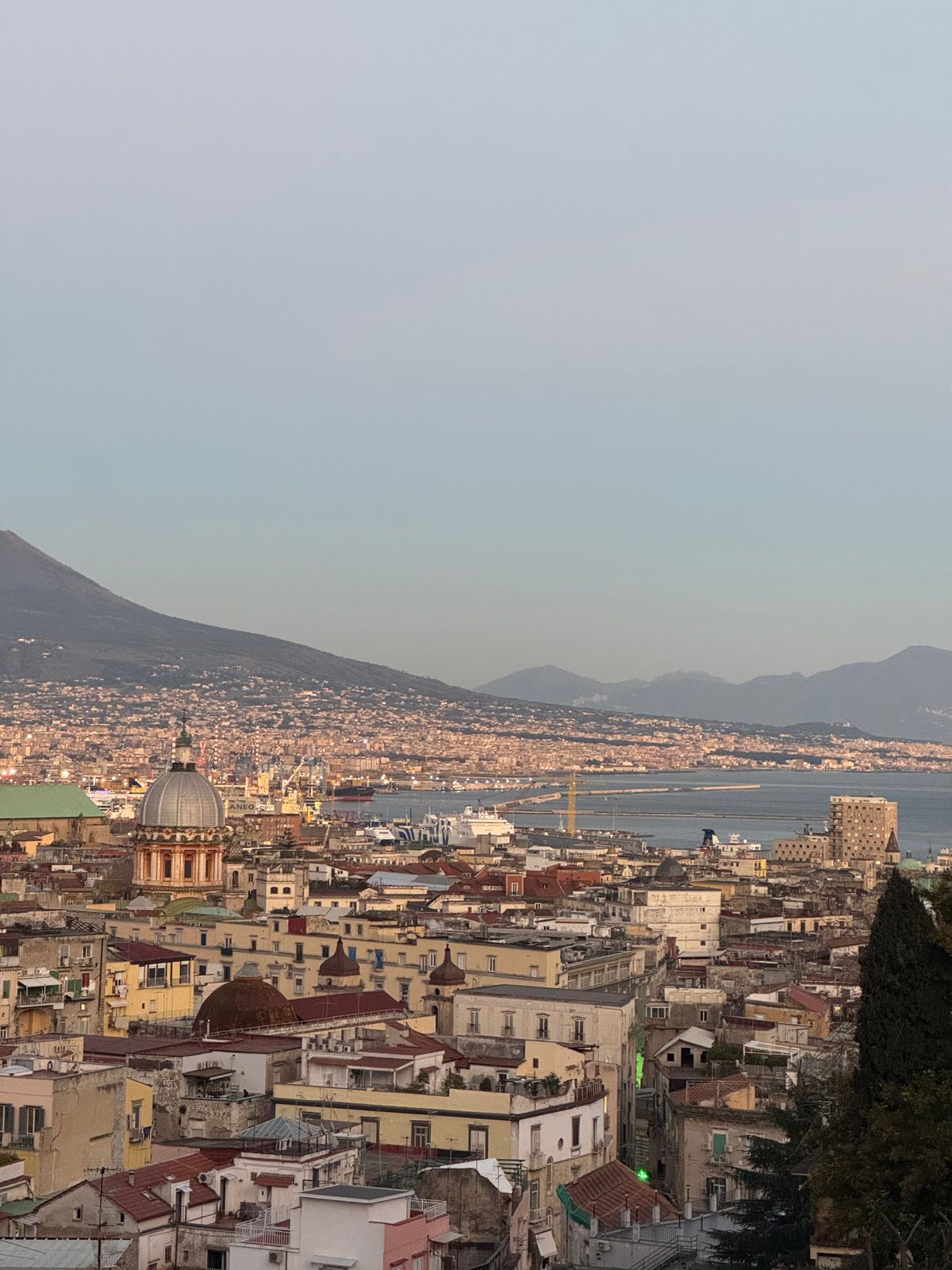
Opera at Teatro di San Carlo
The Teatro di San Carlo, opened in 1737, is the oldest continuously active opera house in the world, a sumptuous red-and-gold horseshoe beside the Royal Palace and a serious rival to La Scala. A night here is the most elegant evening out in the city. Typical cost €40–200+. The season runs roughly autumn to spring; daytime guided tours of the auditorium run year-round for around €9 if you cannot catch a performance, and a limited number of cheaper upper-gallery seats reward an early booking.
Aperitivo & Bars in Chiaia
Naples’ nightlife heart is Chiaia, where the streets around Piazza dei Martiri and the Baretti alleys fill with a young crowd spilling out of bars onto the pavement, drinks in hand. Drinks run roughly €6–12, often with a generous aperitivo nibble. Typical cost €6–12 a drink. The scene is loud, social, and very Neapolitan — more street party than cocktail lounge — and runs late into the night, especially at weekends. The seafront bars along the Lungomare trade on the Vesuvius view for a more relaxed early-evening drink, while the historic centre around Piazza Bellini and Via dei Tribunali draws a younger, studenty, more bohemian crowd to its cheaper bars and outdoor tables. Wherever you drink, the Neapolitan habit is to take the glass outside and join the crowd on the street, so the nightlife spills across whole piazzas on warm evenings.
The Islands & the Bay by Night
In summer the entertainment shifts to the water. Evening boat trips, sunset cruises, and the late ferries back from Capri, Ischia, and Procida turn the bay itself into the night’s main event, and the seafront towns put on open-air concerts and festivals through the warm months. A sunset aperitivo cruise from Mergellina or the Molo Beverello, or simply the last ferry back from a long island day, frames the city in a way no bar can. Costs vary widely, from a few euros for a scheduled ferry to €30–60 for an organised sunset cruise. It is the most memorable way to spend a warm Neapolitan evening, and a reminder that here the sea is never more than a few minutes away.
Football: Stadio Diego Armando Maradona
Football is close to a religion in Naples, and a match day for SSC Napoli at the stadium named for Diego Maradona — the Argentine god who led the club to its glory years and is still worshipped on murals across the city — is one of the most electric sporting atmospheres in Europe. Typical cost from around €30 for a match ticket. Book well ahead, especially for big fixtures; even without a ticket, watching a big game in a packed Spanish Quarter bar is an experience in itself.
Live Music & the Lungomare Passeggiata
Beyond the bars, Naples has a rich live-music tradition — from the classic Neapolitan song to a lively jazz and indie scene in the centre — and the nightly passeggiata along the car-free Lungomare seafront is free entertainment in itself, when half the city strolls between the castle and Mergellina at golden hour. Cover charges at music venues run roughly €5–20. The summer brings open-air concerts and festivals across the city and the bay, so check listings before you travel.
Theatre, Cinema & Festivals
Naples has a deep theatrical culture rooted in its comic and dramatic traditions — the legacy of Eduardo De Filippo and the masked figure of Pulcinella runs through its theatres — and a calendar full of festivals: religious feasts, the summer arts programme, and the spectacular Christmas season around San Gregorio Armeno. Many events are free or low-cost. The city’s faded grand cinemas and its art-house programming reward a look at the local listings, and the religious processions — above all the San Gennaro blood miracle, watched by huge crowds three times a year — are free, deeply local spectacles found nowhere else in Italy. In summer the city and the bay towns fill with open-air concerts, film screenings, and feast-day fireworks, so it is always worth checking what is on the night you arrive; much of it costs nothing and offers a window into Neapolitan life that no museum can match.
Day Trips
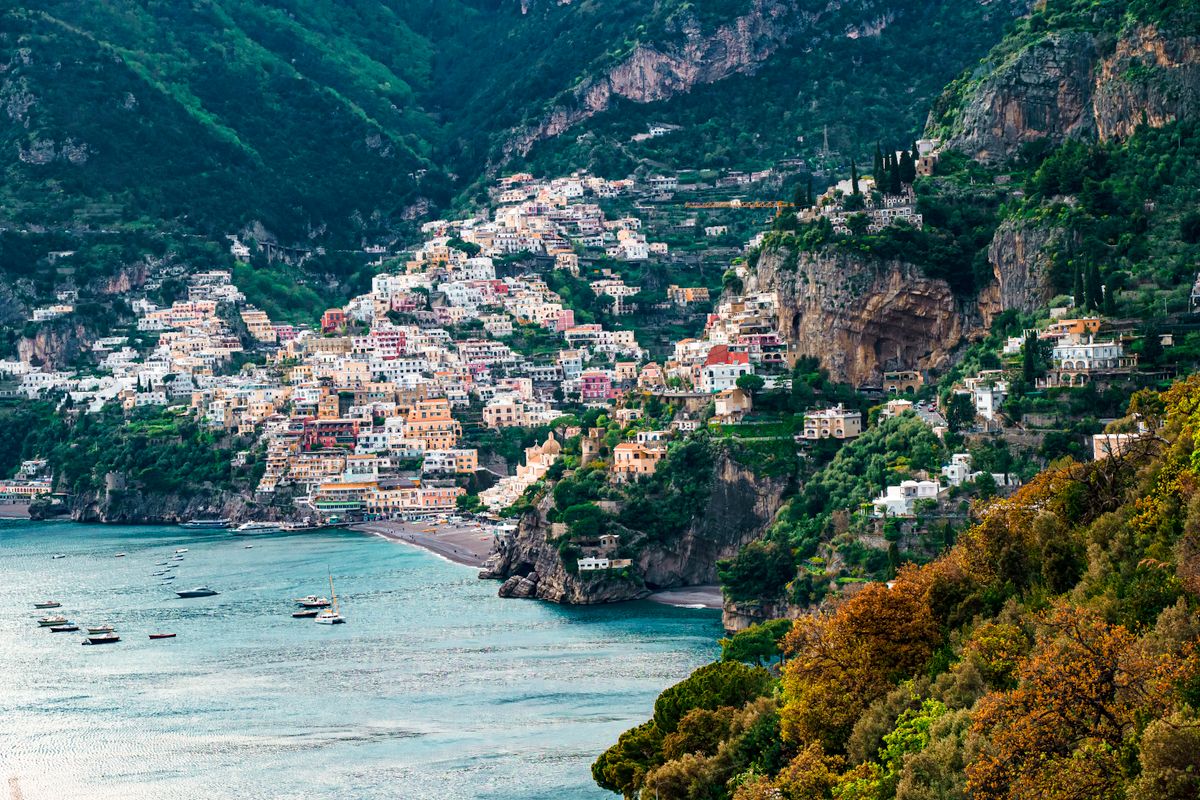
Pompeii (about 35 min by Circumvesuviana train)
The most famous archaeological site on earth is a short, cheap ride from Naples on the Circumvesuviana railway to Pompei Scavi, dropping you at the gates of the Roman city frozen by Vesuvius in AD 79. You can walk the original streets, houses, baths, brothel, amphitheatre, and the haunting plaster casts of the victims. Admission around €18. Go early to beat the heat and crowds, wear sturdy shoes, bring water and a hat, and ideally see the National Archaeological Museum in Naples first for context.
Mount Vesuvius (about 1 hr by train + shuttle)
The volcano that destroyed Pompeii can be climbed: take the Circumvesuviana to Ercolano or Pompei, then a shuttle bus up to the car park, from where a 20–30 minute walk reaches the crater rim with its smoking fumaroles and a staggering view over the bay. Admission to the crater path around €10, by timed reservation. Book the crater slot online in advance, bring layers (it is cooler and windier at altitude), and combine it with Pompeii or Herculaneum for a full volcano day.
Herculaneum (about 20 min by Circumvesuviana train)
Smaller and far less crowded than Pompeii but in many ways better preserved, Herculaneum (Ercolano) was buried by a different kind of volcanic flow that carbonised and preserved wooden beams, doors, furniture, and even food. It is a 20-minute train ride and a short walk downhill from Ercolano station. Admission around €13. It makes an excellent quieter alternative or pairing with Vesuvius, and its compact size means you can see it thoroughly in a couple of hours.
Capri, Ischia & Procida (about 40–60 min by ferry)
The three islands of the Bay of Naples each offer a different day out, all a fast ferry or hydrofoil from the Molo Beverello port. Glamorous Capri is famous for the luminous Blue Grotto, the dramatic Faraglioni sea stacks, the chic main town, and the chairlift up Monte Solaro — stunning but crowded and pricey in season. Larger, greener Ischia is the spa island, known for its thermal gardens, beaches, and the Aragonese Castle, and feels more relaxed and local. Tiny, pastel-painted Procida — Italy’s 2022 Capital of Culture — is the smallest and most authentic, an easy half-day of fishing-harbour charm with few of Capri’s crowds. Ferries run frequently in season; go early, and if Capri feels too polished, Procida or Ischia reward the swap.
The Amalfi Coast & Sorrento (about 1–2 hrs by train, bus, or ferry)
The most beautiful coastline in Italy is within day-trip reach — the Circumvesuviana runs to Sorrento in about an hour, and from there buses and ferries reach Positano, Amalfi, and Ravello along the cliff-hugging coast road. Go for the impossibly scenic drive, the cliffside villages, and the lemon groves, but be warned the coast road is slow and packed in summer; the seasonal ferries from Naples or Sorrento are often the faster, more pleasant way to reach Positano and Amalfi, and Sorrento itself makes a calmer base than the coast villages.
Seasonal Guide
Spring (March – May)
One of the best windows to visit, with daytime highs climbing from the mid-teens in March to the mid-20s°C by late May, the gardens in bloom, and the café terraces fully open . Easter brings vivid religious processions, and the city is at its most pleasant for walking the historic centre and the seafront before the summer heat arrives. Crowds and prices are moderate outside the Easter week peak. Pack layers for cool mornings and the odd spring shower, and aim for late April or May — arguably the single best window of the year to be in Naples, with warm days, manageable crowds, and the day-trip coast just coming into its own.
Summer (June – August)
Hot, humid, and busy, with daytime highs often in the low-to-mid 30s°C and a sticky heat that hangs over the dense old city . Many Neapolitans head to the coast and islands in August, when some shops and restaurants close, but the city stays lively with open-air concerts and festivals, and the bay and islands beckon. Hotel rates in the city can actually ease in August even as the coast peaks. If you visit in summer, sightsee early, retreat from the midday heat, and plan island or coast days to escape the city’s airless afternoons; carry water and seek the shade of the alleys.
Autumn (September – November)
Arguably the best season alongside late spring. September and October keep warm, pleasant weather while the summer crowds thin, the sea stays warm enough to swim, and the city returns to its normal rhythm after the August lull . The September date of the San Gennaro blood miracle draws huge crowds to the Duomo. The catch is increasingly wet, unsettled weather from late October into November, when the first autumn storms roll in off the bay. Early autumn is ideal; late November tips toward the damp, mild low season.
Winter (December – February)
Mild but wet by northern-European standards, with daytime highs around 12–14°C, plenty of rain, and rare cold snaps, but little of the freezing grey of northern Italy . Winter is when Naples is most itself: the run-up to Christmas turns San Gregorio Armeno into a magical crush of nativity workshops, the opera season is in full swing at the San Carlo, and the tourist crowds are at their lightest. The December date of the San Gennaro miracle adds to the drama, and the mild climate means café terraces and seafront walks stay viable on bright days. Pack a warm waterproof, embrace the cosy café-and-church rhythm, and enjoy the city at its most local and least crowded.
Getting Around

Regional & High-Speed Rail
Naples is the rail hub of southern Italy, with Napoli Centrale handling high-speed Trenitalia and Italo services that reach Rome in around 70 minutes and Florence, Bologna, and Milan beyond, plus regional trains across Campania . High-speed fares are cheapest booked ahead online; regional fares are fixed and need no booking. The separate Circumvesuviana and regional lines for Pompeii, Herculaneum, Sorrento, and the bay towns run from the lower level of Garibaldi station beside Centrale. From the centre you can be in Rome in little over an hour, which makes Naples an easy add-on to a wider Italian trip.
Metro & Funiculars (ANM)
The city transport operator ANM runs two metro lines plus an extensive bus and tram network and three historic funiculars up to the Vomero hill . Line 1 is modern and useful, famous for its “Art Stations” — Toledo station in particular is regularly named one of Europe’s most beautiful metro stops. Line 2 links the centre to Mergellina and Pozzuoli. A single urban ticket (TIC) costs €1.30 and is valid for around 90 minutes across metro, bus, tram, and funicular; a day ticket is €4.50. The funiculars are the easy way up to the Vomero and its castles.
Tickets / Prepaid Transit
Buy the integrated TIC tickets from station machines, tobacconists (tabacchi), and newsstands, and validate them on boarding; contactless tap-to-pay is being rolled out on the metro but is not yet universal, so paper tickets remain the reliable option . Validate or tap every time you enter the metro and on boarding buses and funiculars; inspectors check and an unvalidated ticket counts as fare evasion. For the day-trip lines (Circumvesuviana, ferries), buy separate tickets at the relevant station or port.
Airport Access
Naples International Airport (Capodichino) sits just 7 km north-east of the centre, unusually close for a major Italian city .
- Alibus airport shuttle — airport to Napoli Centrale and the port (Molo Beverello) in about 15–25 minutes, €5
- Official white taxi — fixed fare to the city centre or port around €18–27 depending on zone
Taxis
Use only the official white taxis with a meter and a licence number; agree on the fixed-fare option where one exists (to and from the airport, port, and station) and ask for the printed fare list to avoid disputes. Flag-fall starts around €3.50, with metered fares thereafter and surcharges at night and on Sundays. Taxis are most useful late at night after the metro stops, with heavy luggage, or for the airport. Always insist the meter is running or the fixed fare is agreed before you set off.
Navigation Tips
Apps: ANM (official city transit) and Trenitalia or Italo for the trains; Google Maps covers the buses and metro well. The historic centre is best walked — its alleys are too narrow and chaotic for any vehicle — so most visitors use the metro and funiculars for the hills and the longer hops, and the Circumvesuviana and ferries for day trips. A good rule of thumb is to walk the old city, take the funicular up to the Vomero, the metro for cross-town hops, and the ferry for the islands. Watch the traffic carefully on foot: Neapolitan driving is famously assertive and pedestrian crossings are negotiated rather than obeyed.
Budget Breakdown: Making Your Euro Count
| Tier | Daily | Sleep | Eat | Transport | Activities | Extras |
|---|---|---|---|---|---|---|
| Budget | €60–100 | €25–50 hostel/budget | €15–25 | €4.50 day ticket | €10–20 | €10 |
| Mid-Range | €130–230 | €80–150 hotel | €35–60 | €4.50–15 | €25–45 | €20 |
| Luxury | €350+ | €220+ sea-view hotel | €90+ | €30 taxis | €60+ | €40+ |
Where Your Money Goes
Naples is one of the best-value major cities in Italy, noticeably cheaper than Rome, Florence, or Milan, and food in particular is astonishingly affordable — a true Neapolitan pizza runs €4–8, street food is pocket change, and a generous trattoria meal with wine rarely tops €25–30 a head . Accommodation is the main swing cost, and it has risen as the city has boomed in popularity, peaking around Easter, the Christmas presepe season, and big football fixtures. The €1.30 metro fare and the walkability of the centre make transport a rounding error, and many of the best experiences — the seafront, Castel dell’Ovo’s ramparts, the churches, the street life — are free. A realistic budget trip leans on the cheap brilliant food, the free sights, the €4.50 day ticket, and a hostel or budget room, which together keep a comfortable day well under €100; the cost climbs mainly through a sea-view hotel and the ferries and entry fees for the islands and Pompeii.
Tipping is not expected the way it is in North America — service is generally included, and locals simply round up or leave a euro or two for good service, though many restaurants add a small per-person coperto (cover charge) to the bill. This keeps the real cost of eating out very low. Museum and site prices are moderate, clustering around €10–22, with the National Archaeological Museum and Pompeii the main ticketed must-sees. The day trips are where a Naples budget really grows: the Circumvesuviana fares are cheap, but Capri ferries, Amalfi Coast transport, and Vesuvius and Pompeii entry add up if you do them all. Fix your hotel and your day-trip plans first, since those two choices swing the total far more than anything you eat or drink in the city itself.
To put the tiers in context: a backpacker sleeping in a historic-centre hostel dorm, eating pizza and street food, and walking the free sights can genuinely keep a day to €60–80, with the cost climbing only on day-trip days when island ferries or site tickets are added. A mid-range traveller in a comfortable three-star hotel, eating at trattorias and doing a paid sight or two a day, lands around €130–200. The luxury tier — a sea-view hotel in Santa Lucia or Chiaia, seafood dinners, private boat trips to Capri — climbs past €350 with ease. Across all three, food and city transport stay remarkably cheap; it is sleep and the day trips that move the needle, so plan those two line items first and treat the rest as small, predictable extras.
Money-Saving Tips
- Eat like a local — pizza, street food, and trattoria lunches keep a day’s eating well under €25
- Drink your coffee standing at the bar for the cheap counter price, not the seated rate
- Buy a €4.50 day ticket if you will take more than three metro, bus, or funicular rides
- Do the free sights — the seafront, Castel dell’Ovo ramparts, the churches, San Gregorio Armeno, the markets
- Use the cheap Circumvesuviana for Pompeii, Herculaneum, and Sorrento rather than tours
- Refill a water bottle at the free public fountains, and consider an off-season visit when room rates ease
Practical Tips
Language
Italian is the official language, but Naples has its own strong language, Neapolitan (Napulitano), which you will hear constantly on the streets and in songs. English is spoken in hotels, tourist sites, and many central restaurants, but far less widely than in Rome or Milan, and almost not at all in the working-class quarters and on the Circumvesuviana. A few words of Italian go a long way, and opening with “buongiorno” and a smile genuinely changes the warmth of the welcome in this most sociable of cities.
Cash vs. Cards
Cards are accepted in hotels, larger restaurants, museums, and shops, and contactless is increasingly common, but Naples remains a more cash-oriented city than the Italian north — many pizzerias, street-food stands, market stalls, small trattorias, and taxis prefer or require cash. Carry €40–60 in small notes and coins, especially for street food and the markets. Use bank-branded ATMs (bancomat) rather than the standalone currency-exchange boxes, which give poor rates, and keep cash discreet given the city’s pickpocketing.
Safety
This is where honesty matters: Naples is a warm, welcoming city, but it has a real and well-earned reputation for petty crime, and you should take it seriously without letting it put you off. Pickpocketing and bag-snatching (including by scooter) are common in crowded tourist areas, on the Circumvesuviana train to Pompeii, around the central station, and in the markets; official advisories rate Italy as low-risk overall while consistently flagging street crime in Naples specifically . Keep valuables zipped, out of sight, and never in a back pocket or a phone-in-hand on the street; wear bags across the body and away from the road; avoid flashing expensive watches or jewellery; and be alert on the Pompeii train in particular. Violent crime against tourists is rare. Some areas (parts of the Sanità, the outer suburbs, around Centrale late at night) warrant extra care, but the historic centre, Chiaia, the Vomero, and the seafront are busy and fine to walk in the evening with normal city sense. Treat Naples as a city to enjoy fully but attentively.
What to Wear
Smart-casual works everywhere; Neapolitans dress with care and you will rarely feel overdressed in the centre. Modest dress (covered shoulders and knees) is required to enter the Duomo and other churches, so pack a layer for that. Summers are hot and humid, so light breathable clothing, a hat, and good walking sandals; winters are mild but wet, so a waterproof and a warm layer. Comfortable, sturdy shoes are essential for the rough, often broken pavements of the old city, and a discreet cross-body bag is the safest way to carry valuables.
Cultural Etiquette
A “buongiorno” (or “buonasera” later) before any request is expected and appreciated. Coffee culture has rules: a cappuccino is a morning-only drink, an espresso is taken standing at the counter, and Neapolitans drink it fast and often pre-sweetened. Meals run late — lunch from 13:00, dinner from 20:00. Neapolitans are warm, expressive, and direct, and physical closeness and loud conversation are normal; engage with the humour and energy and you will be embraced. Bargaining is fine in markets but not in shops or restaurants.
Connectivity
EU roaming rules apply for European SIMs, so most European visitors use their home plans at no extra cost, and 4G/5G coverage is good across the city, if patchy in the underground and on some Circumvesuviana stretches. Free public Wi-Fi is common in cafés and hotels; non-EU visitors staying a while may find a local prepaid eSIM from TIM, Vodafone, or WindTre cheaper than international roaming.
Health & Medications
EU and UK travellers should carry the EHIC or GHIC card for reciprocal care; everyone else needs travel insurance, since Italian healthcare is good but not free to non-residents. Pharmacies, marked by green crosses, are plentiful and the pharmacists can advise on minor ailments; a rota stays open at night and on Sundays. The tap water is safe to drink citywide and free public fountains run across the centre, so a refillable bottle is all you need .
Luggage & Storage
Napoli Centrale has staffed left-luggage and several private bag-storage services cluster around the station, the port, and the historic centre, holding luggage by the hour or day — useful for day-trippers and for the gap between an early checkout and a late flight or train. Booking a storage slot online in advance is worth it in the busy seasons. The port also has storage near the ferry terminals if you are island-hopping with bags.
Frequently Asked Questions
How many days do I need in Naples?
Three full days is the practical sweet spot for the city itself — enough for the historic centre and Spaccanapoli, the National Archaeological Museum, the underground, the Cappella Sansevero, the seafront and Castel dell’Ovo, and a proper pizza pilgrimage, with time to soak up the street life. Add a fourth and fifth day for the essential day trips — Pompeii and Vesuvius together, then Capri or the Amalfi Coast — and you have a rounded trip. Naples can be rushed in two days or used as a one-night base for Pompeii, but giving it three nights lets you see past the clichés and understand why it gets under travellers’ skin. Coast and island lovers could happily fill a week using Naples as a hub.
Is Naples good for solo travellers?
Yes, with awareness. Naples is sociable, walkable at its core, well connected, and welcoming to solo visitors, and the cheap street food and stand-up coffee culture make eating alone effortless and normal. The day trips are simple to do independently on the frequent trains and ferries. The honest caveat is petty crime: solo travellers should be especially mindful of pickpockets and bag-snatchers in crowds, on the Pompeii train, and around the station, keep valuables hidden, and stay alert walking alone late at night, sticking to the busy, well-lit central districts. Apply that city sense and Naples is a rewarding, friendly city for solo travel; hostels cluster in the historic centre and are sociable bases, and the many walking and food tours make it easy to meet other travellers.
Do I need a transit pass, and how do I reach Pompeii?
For the city, a €1.30 single TIC ticket covers metro, bus, tram, and funicular for about 90 minutes, and a €4.50 day ticket pays off after about four rides — worth it if you are using the funiculars to the Vomero. For Pompeii, Herculaneum, Vesuvius, and Sorrento, you use the separate Circumvesuviana railway from Garibaldi station, buying a cheap single ticket at the station for each leg (Pompeii is about €3.20 each way). There is no single pass covering both the city transit and the Circumvesuviana, so budget them separately, and keep your belongings secure on the often-crowded Pompeii train.
What about the language barrier?
It is more noticeable than in Rome or Milan but rarely a real problem. English is spoken in hotels, the main sights, and many central restaurants, but far less in the working-class quarters, on the Circumvesuviana, and in some traditional pizzerias and markets. Signage at the major sites is bilingual, and the transit apps work in English. A handful of Italian courtesies — “buongiorno”, “grazie”, “quanto costa?” — go a long way and are warmly received in this most expressive of cities. You will manage in English, but a little Italian noticeably improves the welcome.
Is Naples safe, and how worried should I be about crime?
Naples is broadly safe for visitors but has a genuine petty-crime problem that deserves respect, not fear. The real risks are pickpocketing and scooter-borne bag-snatching in crowds, around the station, in markets, and on the Pompeii train — not violent crime against tourists, which is rare. Keep valuables zipped and hidden, wear bags across the body and away from the road, do not walk with your phone out, and stay alert late at night, sticking to busy central areas. With those precautions the historic centre, Chiaia, the Vomero, and the seafront are perfectly enjoyable, including in the evening. Millions visit Naples happily every year; treat it like any big city and be a little extra attentive in crowds.
Can I use credit cards everywhere?
Increasingly, but less reliably than in northern Italy. Hotels, larger restaurants, museums, and shops take cards and contactless, but many pizzerias, street-food stands, market stalls, small trattorias, and taxis prefer or require cash. Carry €40–60 in small notes and coins, especially for the cheap, brilliant street food and the markets. Use bank-branded ATMs rather than standalone currency boxes, which give poor rates, and always choose to be charged in euros rather than your home currency when a card machine offers the choice, as the “dynamic currency conversion” rate is invariably poor.
What’s the best base for day trips to Pompeii and the coast?
Naples itself is the ideal hub: the Circumvesuviana to Pompeii, Herculaneum, Vesuvius, and Sorrento runs from the central Garibaldi station, and the ferries to Capri, Ischia, Procida, and the Amalfi Coast leave from the Molo Beverello port, both very central. Base yourself near the historic centre or the seafront for easy access to both. If your trip is mostly about the coast and islands rather than the city, Sorrento makes a calmer alternative base with its own ferry and rail links, but you will miss the extraordinary food, art, and energy that make Naples itself the real prize. For most travellers, a few nights in Naples followed by day trips is the perfect formula.
Ready to Experience Naples?
Come hungry, keep your bag zipped, and give the city itself two full days before you start day-tripping to Pompeii and the coast. For the full country context, read the Italy Travel Guide or the Italy country guide.
Explore More City Guides
- Rome City Guide
- Florence City Guide
- Venice City Guide
- Italy Country Guide
- Italy Travel Guide
- All City Guides
Alex the Travel Guru
Alex has spent two decades writing field-tested travel guides from the road, returning to Naples again and again for the pizza, the chaos, and the unmatched access to Pompeii, Vesuvius, and the coast — and learning the hard way to keep a hand on the bag on the Circumvesuviana. Every figure in this guide is paired with an authoritative source, and every photo and video is verified before it ships.
More city guides you might like


Plan your trip to Naples
The booking tools we use ourselves. FFU may earn a commission at no extra cost to you.
Plan & book your trip to Naples
Booking through these searches supports our guides at no extra cost to you.