
Egypt · Pyramid horizon, Nile dawn, koshary nights
Cairo, Egypt: Pyramid-Adjacent Capital, Islamic-Architecture Capital, the Mother of the World
Part of our Egypt travel guide.
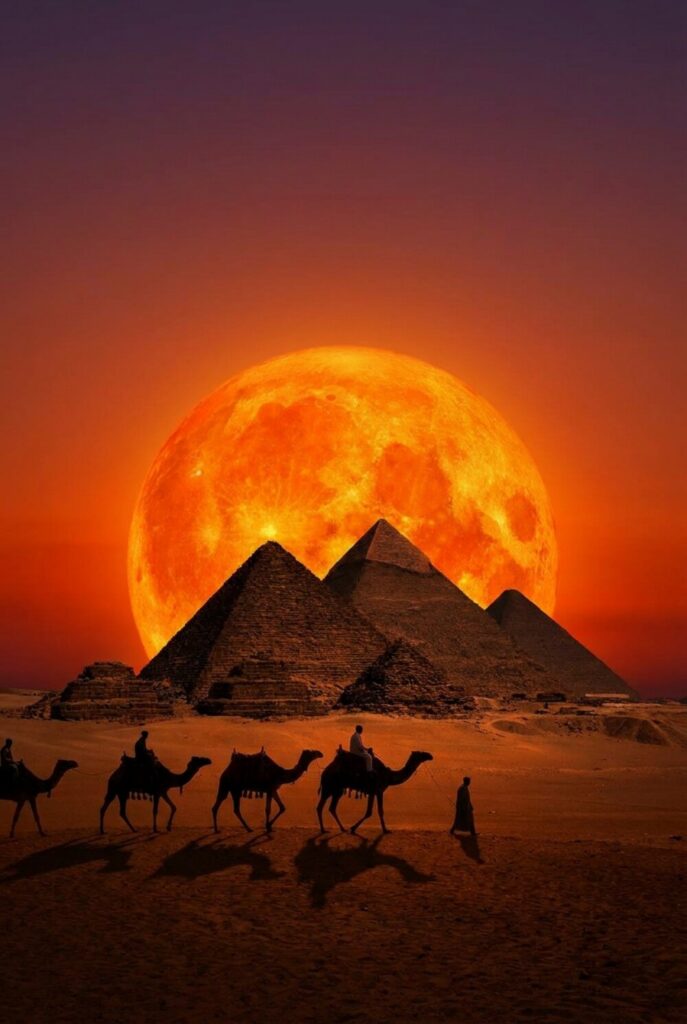
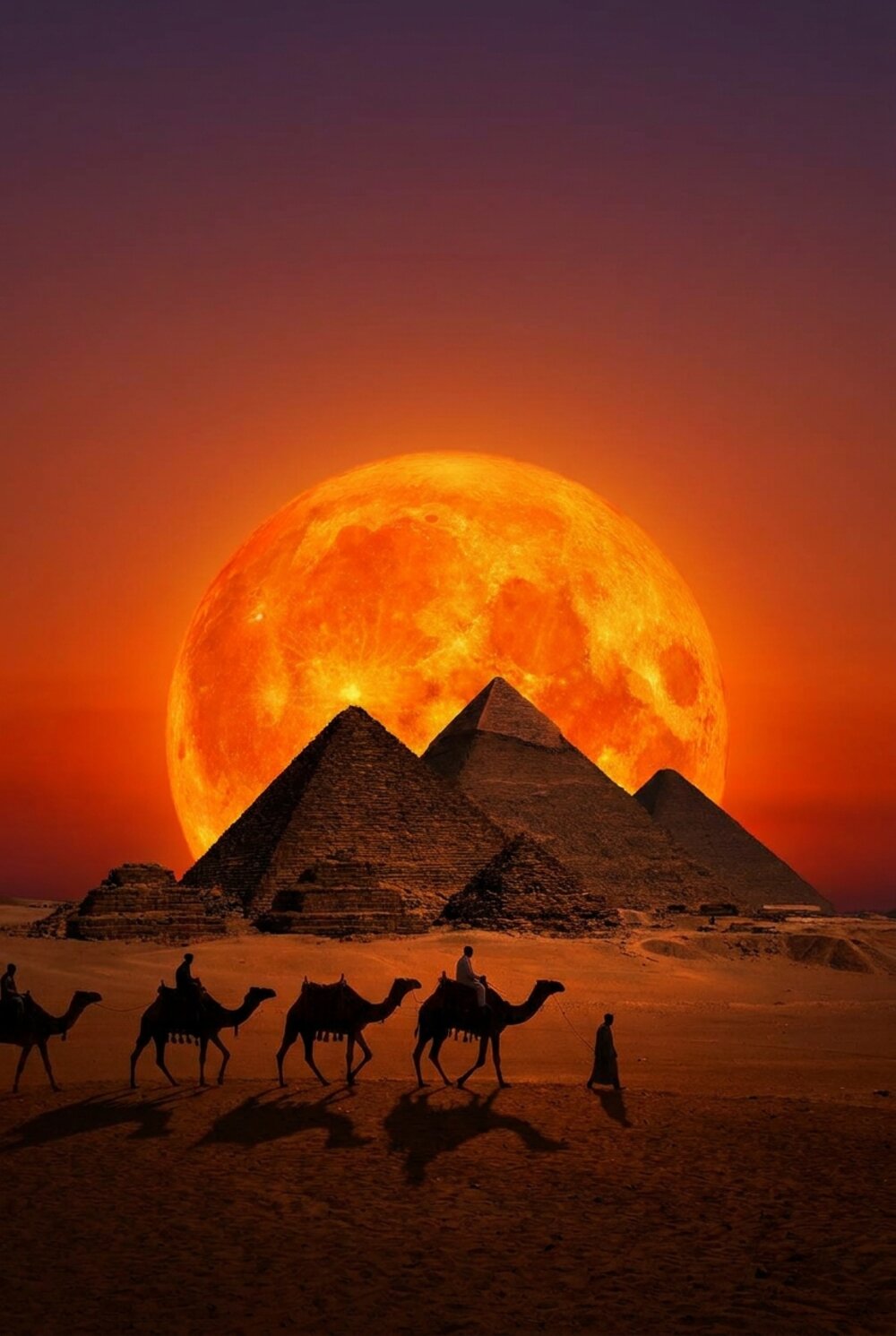
I have stood on enough Cairo rooftops at sunset to know the city resists every attempt to summarise it. We tell first-time travellers that Cairo is two cities welded together — the medieval one that grew around Al-Azhar from the 10th century, and the modern one Khedive Ismail laid out west of Ezbekiyya in the 1860s — and that the gap between the two is the entire point. My favourite hour in Cairo is the call to prayer at dusk from the citadel ramparts, with the Pyramids visible 13 km west across the haze. Treat this guide as the brief I would hand my own family on the taxi ride from Cairo International.

Table of Contents
Why Cairo?
Cairo is the largest city in the Arab world and in Africa, and the only metropolis on earth whose city limits sit a 25-minute drive from a fully intact wonder of the ancient world. Greater Cairo’s population — roughly 22 million people across Cairo, Giza and Qalyubia governorates — packs into the Nile Valley on a footprint barely wider than the river floodplain. The city is loud, dense and continuously inhabited since the Old Kingdom; it is also the place where most travellers’ Egypt itineraries begin and end.
What makes Cairo feel like several cities at once is the layering of distinct urban grammars within walking distance: the medieval Fatimid core around Al-Azhar (founded 970 CE) , the 19th-century Khedival downtown laid out by Khedive Ismail in 1869 to Haussmann’s Paris template, the Coptic quarter around the Hanging Church that pre-dates the Arab conquest, and the new Grand Egyptian Museum on the Giza Plateau road — at 484,000 square metres the largest archaeological museum in the world, with the full Tutankhamun collection on permanent display.
The city is also the launchpad for almost every Egypt itinerary. Cairo International Airport (CAI) is 15 km north-east of downtown; the Pyramids are 13 km west; Memphis and Saqqara are 25 km south; Alexandria is 220 km north on a 2.5-hour highway run; and the Luxor sleeper train pulls out of Ramses station nightly. Plan four full days in Cairo as your urban anchor, then head south on the train.
Neighborhoods: Finding Your Cairo
📍 Cairo Map: Every Place in This Guide


Islamic Cairo (Historic Cairo, UNESCO 1979)
The medieval Fatimid core that gives the city its UNESCO listing — over 600 listed monuments inside the walls of Bab Zuweila and Bab al-Futuh, and the densest concentration of medieval Islamic architecture on earth. Al-Muizz Street, the Fatimid spine, runs north-south through the heart of it; Al-Azhar Mosque (970 CE) sits at the southern end and is still the highest religious authority in Sunni Islam.
- Al-Muizz Street — UNESCO open-air museum of Mamluk and Fatimid monuments
- Khan el-Khalili — bazaar in continuous operation since 1382
- Sultan Hassan Mosque-Madrasa (1356) at the foot of the citadel
Best for: medieval architecture, bazaar shopping, history walks. Access: Metro Line 2 to Mohamed Naguib, then 15-minute walk; or taxi to Al-Hussein Square.
Downtown / Khedival Cairo (Wust el-Balad)
Khedive Ismail’s 1860s answer to Paris — laid out west of Ezbekiyya in Haussmannian boulevards, anchored on Tahrir Square and the original Egyptian Museum. The downtown grid contains a near-complete inventory of belle-époque commercial architecture (Yacoubian Building, Cairo Stock Exchange, Groppi café). The 2011 revolution was televised from Tahrir; today downtown is the city’s cinema, theatre and independent-bookstore hub.
- The Egyptian Museum on Tahrir Square — until 2025 home to Tutankhamun, now a Roman/Greco-Roman museum after most pharaonic objects moved to GEM
- Yacoubian Building (Talaat Harb) — belle-époque architecture and Alaa Al Aswany novel
- Groppi cafe and the original Khedival arcades on Sherif and Qasr el-Nil streets
Best for: walking the 19th-century city, Egyptian Museum, late-night cinema. Access: Metro Line 1 or 2 to Sadat (Tahrir).
Zamalek (Gezira Island)
The leafy embassy district on the northern half of Gezira Island, between two arms of the Nile — the city’s most walkable upscale neighbourhood. Cairo Tower (187 m, 1961), the Cairo Opera House complex, the Museum of Islamic Ceramics in Prince Amr Ibrahim Palace, and the densest concentration of independent restaurants, bookshops and galleries in the city. Travellers on a four-day Cairo plan often base here.
- Cairo Tower — 187 m observation deck with the city’s best Pyramids panorama on a clear day
- Cairo Opera House and the Museum of Modern Egyptian Art on the Gezira grounds
- 26th of July Street cafés and bookshops (Diwan, Sufi)
Best for: base hotel, slow cafés, Cairo Tower at sunset. Access: Metro Line 2 to Opera, then 5-minute walk over Qasr el-Nil bridge.
Coptic Cairo (Old Cairo / Misr al-Qadima)
The pre-Islamic Christian quarter built inside the Roman fortress of Babylon — the Hanging Church (al-Muallaqa, 3rd–4th century, current structure 7th), Saints Sergius and Bacchus (Abu Serga, traditionally where the Holy Family rested during the Flight into Egypt), the Coptic Museum and the Ben Ezra Synagogue (the oldest continuously used Jewish house of worship in Egypt). All four sit within a 200 m radius of the Mar Girgis Metro stop.
- The Hanging Church (al-Muallaqa) — Coptic Orthodox basilica suspended on the Roman gate
- Coptic Museum — 1908, holds the Nag Hammadi Gnostic library
- Ben Ezra Synagogue — site of the Cairo Geniza discovery
Best for: Christian heritage, archaeology, half-day quiet walk. Access: Metro Line 1 direct to Mar Girgis station — exits inside the Coptic compound.
Giza (Pyramids Plateau and the road to GEM)
The west-bank governorate that holds the Giza Plateau — the Khufu, Khafre and Menkaure pyramids and the Great Sphinx — plus the Grand Egyptian Museum on the access road. Most visitors arrive by taxi, Uber or Careem from downtown Cairo (45 minutes) or from the Mena House hotel a 5-minute walk from the plateau gate.
- Pyramids of Giza — Khufu (146 m), Khafre, Menkaure plus the Great Sphinx
- Grand Egyptian Museum (GEM) — opened phased entry 2024, full opening 2025
- Mena House — 1869 royal hunting lodge, now Marriott five-star at the plateau gate
Best for: the Giza Plateau, GEM all-day visit. Access: Uber/Careem from Tahrir 45 min, EGP 200–300; Metro Line 2 to Giza then taxi.
Heliopolis (Masr al-Gadida)
The Belgian-Egyptian-built garden suburb laid out in 1905–1922 by Baron Empain, with Moorish-revival villas, the Empain Palace (Qasr el-Baron) and the Basilica of Notre Dame d’Heliopolis. Closest to Cairo International Airport — many travellers spend their first or last night here. The new monorail terminus links Heliopolis to the New Administrative Capital.
- Empain Palace (Baron Empain Palace) — restored 2020, open to visitors
- Basilica of Notre Dame d’Heliopolis — 1910, modelled on Hagia Sophia
- Korba district — original 1900s arcaded shopping street
Best for: first/last night near CAI, early-20th-century architecture. Access: Metro Line 3 to Heliopolis (Square Roxy area).
Maadi
Leafy expat suburb 12 km south of downtown , built by the Egyptian Delta Land Company in 1907 on a grid of tree-lined avenues with single-family villas. International schools, the German Hospital, and the closest river-corniche running route to downtown. Quieter than Zamalek but further from sights — better for second visits or month-plus stays.
- Maadi Corniche — riverfront jogging path
- Road 9 — the suburb’s central restaurant and café strip
- Tunisian Village (Garden City) — 1920s villa cluster
Best for: long stays, families, quiet residential base. Access: Metro Line 1 to Maadi (25 minutes from Tahrir).
New Administrative Capital (NAC)
Egypt’s new political capital 45 km east of Cairo on the Cairo–Suez highway — a planned city with the parliament, ministries, the Iconic Tower (the tallest in Africa), the new presidential palace and a phased move of government departments through 2025–2027. Visitable on a half-day trip primarily for the ‘Misr Mosque’ (the largest in Egypt) and the Cathedral of the Nativity (the largest in the Middle East). The monorail from Cairo opened 2024.
- Misr Mosque — the largest mosque in Egypt
- Cathedral of the Nativity — largest church in the Middle East, consecrated 2019
- Iconic Tower — 393 m, tallest building in Africa
Best for: contemporary urbanism, day trip if you have a fifth Cairo day. Access: Cairo Monorail from Wadi Hof station; or Uber EGP 400–500 each way.
The Food

Egyptian Classics, Done Properly
Cairo is the easiest place in Egypt to taste the genuine national pantry — koshari at every street stall, ful medames bubbling in copper pots since 5am, ta’amiya (Egyptian fava-bean falafel) at the bakery counter, and molokhia stewed with rabbit at lunch in family kitchens. The classics anchor every itinerary; everything below is layered on top.
- Abou Tarek — the koshari institution since 1950, four-storey downtown koshari-only restaurant on Maarouf Street (EGP 45–80 a bowl)
- Felfela — Hoda Sharawi Street downtown, the original sit-down Egyptian-classics restaurant since 1959; ta’amiya, ful, molokhia, mahshi
- El Fishawy — Khan el-Khalili’s 1773 coffeehouse, mint tea and shisha (EGP 70–150)
Grilled Meats and Mezze
Cairo’s grill culture runs from the corner kebda (liver) sandwich stand to the white-tablecloth grills of Mohandiseen. The classic split: a downtown sit-down for kofta, kebab, hawawshi (spiced meat in baladi bread) and chicken shish, with mezze of baba ghanoush, tahini, hummus, salata baladi and labneh.
- Abou El Sid — Zamalek (26th of July Street); refined Egyptian-home-cooking menu
- Zooba — modern Egyptian street-food chain (Zamalek, Maadi, Heliopolis); Cairo’s tameya bowls reinvented
- Andrea Mariouteya — open-air spit-roasted chicken on the road to Saqqara (EGP 250–400)
Beyond Koshari and Ful
Cairo’s food map has expanded sharply since 2018 — the city now has solid third-wave coffee (30 North), several Levantine and Yemeni transplants, a credible Italian scene in Zamalek, and rooftop restaurants at the Marriott Mena House and the Marriott Zamalek with the city’s best Pyramids and Nile views.
- Sequoia — Zamalek tip on the Nile, Mediterranean menu, sunset
- Kazaz — Heliopolis Yemeni mandi and traditional clay-pot lamb
- 30 North — third-wave specialty coffee, Maadi and Zamalek branches
- Khufu’s Restaurant (Marriott Mena House) — fine dining with the pyramids in the window
Food Experiences You Cannot Miss
- An EGP 100 morning at El Fishawy — mint tea, shisha and the 1773 mirrored interior
- An Abou Tarek koshari bowl, eaten standing up at the counter on Maarouf Street
- Cairo Citadel sunset followed by El Hussein Square dinner at Naguib Mahfouz café — the Nobel-laureate writer’s haunt
Cultural Sights

Pyramids of Giza and the Great Sphinx
The Giza Plateau holds the only one of the original Seven Wonders still standing — the Great Pyramid of Khufu (146.6 m built height, 138.5 m today, c. 2580–2560 BCE), the Pyramid of Khafre, the Pyramid of Menkaure, the queens’ pyramids, the funerary temples and the Great Sphinx. Open daily 7am–5pm winter, 7am–7pm summer. General-admission ticket EGP 700 (verify at the gate); add EGP 900 to enter the Great Pyramid interior; combined ticket with GEM around EGP 1,200. Sound-and-light show three times an evening (English at 7:30pm typically; book via the Sound & Light Egypt site).
Grand Egyptian Museum (GEM)
The new state museum on the Giza Plateau road, 2 km east of the pyramids — at 484,000 m² the largest archaeological museum on earth. The full Tutankhamun collection (5,398 objects, 60% never previously displayed) is on permanent show across two galleries. Phased opening began 2024; the full 2025 opening released the Tutankhamun galleries and the grand staircase with its 87 colossi. Entry EGP 1,200 (foreigners) in 2026 (verify on official site); plan five hours minimum.
The Egyptian Museum on Tahrir Square
The 1902 neoclassical museum on Tahrir — until 2025 the world’s primary pharaonic collection, now reframed as a Greco-Roman and second-tier pharaonic museum after the major objects moved to GEM. Still essential for the royal mummies (separate ticket; the major royals moved in 2021 to the National Museum of Egyptian Civilization in Fustat) and for the original Auguste Mariette galleries. Entry EGP 450; 90 minutes adequate.
Saladin Citadel of Cairo (Qal’at Salah ad-Din)
The 12th-century Ayyubid fortress on Muqattam ridge — built 1176 by Salah ad-Din against Crusader attack and the seat of Egyptian government for 700 years. The Mosque of Muhammad Ali (Ottoman 1848) dominates the skyline; the al-Nasir Muhammad mosque (Mamluk 1335) and the Egyptian National Military Museum sit within the walls. Entry EGP 450; allow three hours and time it for late afternoon for the call to prayer at sunset.
Sultan Hassan Mosque-Madrasa and Al-Rifa’i Mosque
The two paired monuments at the foot of the citadel — Sultan Hassan (Mamluk 1356–1363, the largest medieval mosque in the world by floor area) and Al-Rifa’i (begun 1869, completed 1912; royal mausoleum holding King Farouk and the last shah of Iran). Combined ticket EGP 200; both wheelchair accessible.
Al-Azhar Mosque and University
Founded 970 CE by the Fatimids — the oldest continuously operating university in the world and the most authoritative seat of Sunni Islamic scholarship. The mosque is open to non-Muslim visitors outside prayer times (entry free, modest dress required). The Al-Azhar Park across the road (Aga Khan Trust 2005, EGP 50) is the city’s best green-roof view of Islamic Cairo and the citadel.
Coptic Museum and the Hanging Church
The Coptic Museum (1908, restored 2006) holds the world’s most comprehensive collection of Coptic Christian art — 16,000 objects spanning the 3rd to the 12th centuries, including the Nag Hammadi Gnostic library codices. The Hanging Church (al-Muallaqa) next door is built atop the southern gate of Roman Babylon Fortress; the current basilica dates to the 7th century. Combined ticket EGP 200; both inside the Mar Girgis Metro compound.
National Museum of Egyptian Civilization (NMEC, Fustat)
The 2021 museum in Fustat — the original Arab capital of Egypt — that now holds the 20 royal mummies moved from Tahrir in the televised ‘Pharaohs’ Golden Parade’. The Royal Mummies Hall (separate ticket EGP 200) is the most powerful single room in any Cairo museum; the chronological gallery upstairs walks Egypt from the prehistoric to the Islamic. Entry EGP 600; allow three hours.
Entertainment

Cairo Opera House
The Gezira Island opera complex hosts the Cairo Symphony Orchestra, the Cairo Opera Company and the Cairo Opera Ballet across three halls. Tickets EGP 100–500; the season runs September through July. Dress code is enforced at the Main Hall (no shorts, no flip-flops); collared shirt or jacket recommended.
Pyramids Sound and Light Show
The 50-minute show at the Giza Plateau’s east face — the Sphinx narrates the history of the kings — runs three times an evening in five languages. English at 7:30pm typically (verify on the Sound & Light Egypt site). Tickets EGP 1,500 in 2026 (verify on site). Better than the marketing copy suggests if you have already done the daytime visit.
Nile Dinner Cruises
Several boats depart from the Maadi Corniche and from in front of the Marriott Zamalek nightly — typical 2-hour cruise with a buffet, live oud and a folkloric tanoura whirling-dervish performance. Around EGP 800–1,500 per person; book one day ahead in peak season.
Coffeehouses and Shisha
Cairo’s coffeehouse culture is older than the city’s modern grid — El Fishawy in Khan el-Khalili has poured mint tea since 1773 ; Naguib Mahfouz café (named for the Nobel laureate, 1988) is the upmarket version on the same alley. Shisha is universal at every café (EGP 50–150) and is the city’s default evening venue ahead of bars.
Cairo Tower Sunset
The 187 m 1961 tower on the southern half of Gezira Island has the city’s best 360° viewpoint — Pyramids west, Citadel south, downtown east. Entry EGP 350 (verify); time it 30 minutes before sunset and stay through the call to prayer for the city’s most cinematic urban moment.
Live Music and Tarab
The Cairo Jazz Club (Mohandiseen, since 1996) is the indie-Arabic-jazz anchor; Room Art Space & Café in Garden City covers acoustic and Arabic indie; the Sawy Culture Wheel (Zamalek) hosts free or low-cost classical Arabic music several nights a week.
Day Trips

Memphis and Saqqara (Half day, 30 km, by car)
The original capital of unified Egypt and its necropolis, both UNESCO since 1979. Memphis is a single open-air museum with the lying Ramses II colossus and the alabaster sphinx; Saqqara holds the Step Pyramid of Djoser (c. 2670 BCE, the world’s oldest stone monumental structure, designed by Imhotep — re-opened 2020 after 14-year restoration). Entry to Saqqara EGP 450; combine with Dahshur for a full day.
Dahshur (with Saqqara, full day)
The third Memphis necropolis — the Bent Pyramid of Sneferu (the experimental step that taught the architects to build true pyramids) and the Red Pyramid (the first true smooth-faced pyramid in Egypt, the immediate predecessor to Khufu’s Great Pyramid at Giza). Quieter than Giza by an order of magnitude. Both interiors enterable on the standard EGP 200 ticket.
Alexandria (Long day or overnight, 220 km, by train or car)
Egypt’s second city and the cosmopolitan Mediterranean counterpoint — the Bibliotheca Alexandrina (2002, the modern Library of Alexandria) , the Catacombs of Kom el Shoqafa, the Roman Pompey’s Pillar, the Citadel of Qaitbay built on the Lighthouse foundations, and an underrated Greco-Roman Museum. The 2.5-hour train from Cairo Ramses (EGP 200–500 first class) is the easiest run; book the morning Alexandria-Marsa Matruh service and a return after dinner.
Fayoum Oasis (Full day, 100 km, by car)
The historic depression around Lake Qarun — Wadi El-Hitan UNESCO ‘Valley of the Whales’ (50-million-year-old whale fossils in situ) , the pottery village of Tunis, the Magic Lake and the Pharaonic temple of Karanis. A standard guided day-trip from Cairo runs around USD $90 per person and includes Wadi El-Hitan; self-drive is doable but the desert tracks need 4×4.
El Alamein (Long day or overnight, 290 km)
The North African front WWII battlefield — Commonwealth War Graves Commission cemetery (7,367 burials), German cemetery, Italian memorial, and the El Alamein Military Museum. The ‘New Alamein’ resort city and beach complex on the coast offers a swimming half-day; many travellers combine the visit with an Alexandria overnight.
Wadi Degla Protectorate (Half day, 35 km)
The closest piece of genuine desert to Cairo — a 30 km canyon east of Maadi, accessible by 2WD, with hiking and bouldering routes and 35-million-year-old marine fossils embedded in the canyon walls. Free entry to the protectorate; arrive before 10am to avoid the heat in shoulder season.
Seasonal Guide

Spring (March – May)
The shoulder peak. Daytime temperatures climb from 22°C in March to 32°C by mid-May; nights remain comfortable. The annual Egyptian Spring Pilgrimage in March 2026 — the religious-and-cultural calendar bringing pilgrims to Coptic and Islamic shrines around Easter — is the city’s most atmospheric four weeks of the year. The khamasin desert wind blows red dust into the city for 50 days from late March; pack a scarf. Sham el-Nessim (the Monday after Coptic Easter) is the public holiday when every Cairene picnics on the corniche.
Summer (June – August)
Genuine off-season. Daytime peaks 36–42°C in Cairo, hotter on the Giza plateau. Most museums are climate-controlled but the open-air sites (Pyramids, Citadel, Saqqara) need 7am starts and an early-afternoon heat retreat. Hotel rates 30–45% off winter peaks; a four-star Zamalek room runs USD $80–110.
Autumn (September – November)
The underrated shoulder window. Temperatures fall from 35°C to 22°C by mid-November ; the haze clears after the first northerly wind in late October. The Cairo International Film Festival runs in mid-November (Egypt’s flagship cinema event). Tourist arrivals climb steeply from October as European school holidays end; book GEM tickets one week ahead.
Winter (December – February)
Peak season for outdoor sightseeing. Highs 18–22°C, lows 8–12°C, near-zero rainfall. The Giza Plateau is at its photogenic best. Christmas–New Year and Coptic Christmas (7 January) push hotel rates to their annual maximum; book accommodation two months ahead for late December. Pack layers — early mornings on the plateau bite.
Getting Around
Cairo Metro
Africa’s first metro, opened 1987, now three operational lines (1, 2, 3) with Line 3 expanding east to Heliopolis and the airport through 2026. Single fare EGP 8–20 depending on zone; trains every 3–5 minutes peak; women-only carriages in the middle of every train (clearly marked). Line 1 covers Coptic Cairo (Mar Girgis), downtown (Sadat/Tahrir) and Maadi; Line 2 covers Tahrir, Mohamed Naguib (Islamic Cairo) and Giza; Line 3 covers Heliopolis. The metro is the single best way to skip the surface traffic.
Buses and Microbuses
The bus and microbus network is dense but unreadable for non-Arabic readers — minibuses follow informal but rigid routes; the Cairo Transport Authority (CTA) air-conditioned buses are easier (EGP 5–15). Most travellers skip both in favour of metro plus Uber.
Airport Access
- Uber/Careem from CAI to Zamalek/downtown — 35–60 minutes, EGP 350–500 in 2026 (verify in app).
- Cairo Airport Shuttle Bus 356 (Almaza to Tahrir via Heliopolis) — EGP 25, 75 minutes
- Cairo Metro Line 3 extension to airport — phased opening through 2026 (verify status before relying on it)
Taxis
White-and-black metered taxis are the official fleet; flag-fall EGP 8 plus EGP 2.50 per km. In practice most foreign travellers prefer Uber or Careem (both ubiquitous in Cairo) over street taxis — the apps eliminate fare negotiation, and prices are often lower than the meter. Surge pricing peaks Thursday and Friday evenings.
Cairo Monorail
The new electrified monorail to the New Administrative Capital and the 6th of October City began phased opening in 2024. Useful primarily for the NAC half-day trip; otherwise not relevant to standard tourist itineraries.
Walking
Islamic Cairo, Coptic Cairo and downtown are individually walkable end-to-end in 30 minutes each; between them you’ll need the metro or a taxi. Pavements are uneven, intersections are unmetered, and crossing major arteries needs Egyptian-pace decisiveness — locals cross in groups, and the universal advice is to follow an Egyptian crossing rather than wait for a gap.
Navigation Tips
Apps: Uber, Careem, Google Maps, Citymapper (works in Cairo). Cairo addresses are inconsistent — most central buildings are known by their nearest landmark, not their street number. The metro map is in Arabic and English; station signs at platform level show both.
Budget Breakdown: Making Your Egyptian Pound Count
| Tier | Daily | Sleep | Eat | Transport | Activities | Extras |
|---|---|---|---|---|---|---|
| Budget | USD $35–60 | Hostel/guesthouse EGP 350–700 | Koshari + ful EGP 150–250 | Metro EGP 8–20/ride | One major sight per day (Pyramids EGP 700, GEM EGP 1,200) | Mint tea EGP 30, shisha EGP 80 |
| Mid-Range | USD $90–160 | 3-star Zamalek EGP 1,800–3,500 | One sit-down dinner EGP 350–650 | Uber EGP 100–250/day | Pyramids + GEM combined ticket, Citadel, day-trip with driver | Nile dinner cruise EGP 800–1,500 |
| Luxury | USD $300+ | Marriott Mena House from EGP 8,000 | Khufu’s Restaurant tasting EGP 4,500 | Private driver and English-speaking guide EGP 2,500/day | Helicopter Pyramids tour from EGP 25,000 | Cairo Symphony night EGP 500 |
Where Your Money Goes
Cairo is one of the cheapest major capitals on earth in 2026 after the EGP devaluations of 2022–2024 — the Egyptian pound trades around EGP 50 to USD 1, and a four-star Zamalek room costs less than a budget Reykjavík hostel. The biggest line item for most mid-range travellers is sight-entry tickets, which are quoted in foreign-tourist tiers (EGP 700 Pyramids + EGP 1,200 GEM + EGP 450 Citadel + EGP 600 NMEC = EGP 2,950 over four days). The second-biggest is the airport-to-Zamalek Uber on arrival (EGP 350–500). Eating like a Cairene — koshari for lunch, ful sandwich for breakfast — costs USD $5 a day.
Money-Saving Tips
- Buy the Pyramids + GEM combined ticket at the GEM gate for around 15% off the separate prices
- Use the metro from Tahrir to Mar Girgis (Coptic Cairo) and Mohamed Naguib (Islamic Cairo) — saves EGP 100+ vs Uber
- Eat one street-food meal per day at Abou Tarek or Felfela — keeps food spend under USD $15/day
- Skip the standalone sound-and-light show if budget is tight — the Pyramids by daylight already pay back the entry fee
Practical Tips
Language
Egyptian Arabic is the lingua franca; Modern Standard Arabic appears on signage and government forms; English is widely used at hotels, museums and Uber. Learn ‘shukran’ (thanks), ‘min fadlak’ (please), ‘la, shukran’ (no thanks — useful at Khan el-Khalili). Tourist sites have multilingual signage; the bigger gap is taxi small-talk.
Cash vs. Cards
Cairo is cash-first — bring a working international debit card and withdraw EGP at any bank ATM (CIB, Banque Misr, NBE). Decline dynamic currency conversion. Cards work at hotels, modern restaurants and supermarkets; markets, taxis and most cafés are cash only. ATM limits typically EGP 6,000 per withdrawal.
Safety
Cairo is statistically among the safer megacities for tourists — petty theft (pickpocketing in Khan el-Khalili and on the metro) is the main risk; violent crime against foreigners is rare. Tourist Police (al-Shorta al-Siyahiya) operate at every major sight and speak basic English. Emergency 122. Egyptian Tourism Authority sites (Pyramids, Khan, Citadel) all have visible security and metal detectors.
What to Wear
Cairo dress code is conservative by Mediterranean and European standards. Women: shoulders covered, knees covered at religious sites and inside Old Cairo and the Citadel; loose trousers or below-knee skirts for mosques; a scarf for Al-Azhar and Sultan Hassan. Men: long trousers preferred at religious sites; shorts acceptable at the Pyramids and modern downtown but draw attention in Islamic Cairo. Pack a sun hat and high-SPF sunscreen — the plateau has no shade.
Cultural Etiquette
Greet with ‘salam aleykum’ (peace be upon you); reply ‘wa-aleykum salam’. Right hand only for eating, passing objects and handshakes. Tipping (baksheesh) is universal — EGP 20–50 for the bathroom attendant, EGP 50–100 for a hotel porter, 10–12% on restaurant bills (in cash, even when service is on the bill). Photographing women without consent is a serious breach; ask first.
Connectivity
4G/5G blanket coverage from Vodafone, Orange and Etisalat (now e&). eSIMs work everywhere; Vodafone Pay-As-You-Go 10 GB EGP 250 in 2026 (verify on site). Free WiFi at every hotel, café and at GEM/the Egyptian Museum.
Health and Medications
Pharmacies (saydaliyya) are dense — Seif and 19011 are the two big chains, both with 24-hour branches. Tap water is not drinkable; bottled is universal (EGP 5–10 per 1.5 L). Tourist sites and major hotels stock private clinics. EHIC is not valid; travel insurance is essential.
Luggage and Storage
CAI Airport has 24-hour storage (Terminal 3, EGP 100–200/day per bag); Ramses Station has paid lockers; most hotels store luggage free for departing guests. Useful if your night flight follows a daytime checkout.
Frequently Asked Questions
How many days do I need in Cairo?
Four full days as the Egypt-trip anchor — one for Giza Plateau and the Grand Egyptian Museum, one for Islamic Cairo (Khan el-Khalili, Citadel, Sultan Hassan), one for Coptic Cairo and the original Egyptian Museum on Tahrir, and one for Memphis + Saqqara + Dahshur as a full-day necropolis loop. Add a fifth day for Alexandria or NMEC if you can.
Is Cairo good for solo travellers?
Yes for both men and women, with caveats. The metro has women-only carriages (use them in rush hour); Uber/Careem are safer than street taxis after dark; Khan el-Khalili is fine in daylight, intense after 9pm. Female solo travellers report Cairo as more welcoming than expected — Egyptians are famously hospitable — but conservative dress eases interactions in Islamic Cairo and at religious sites. The biggest solo-traveller risk is touts at the Pyramids gate; book a private driver for the day to skip the negotiation.
Is the GEM + Pyramids combined ticket worth it?
Yes if you can spend a full day on the Giza Plateau. The combined ticket runs around EGP 1,200 (verify on official sites) versus EGP 700 (Pyramids) plus EGP 1,200 (GEM) bought separately — roughly 15% off, plus front-of-queue at GEM. The recommended order is GEM in the morning (5 hours, climate-controlled), Pyramids in the late afternoon (4pm onwards as the heat falls), Sphinx and sunset close.
What about the language barrier?
Manageable. Every museum, sight and metro station signs in English; Uber and Careem drivers communicate via the app; hotel receptionists are bilingual. The bigger gap is street markets and corner cafés — learn ‘kam el-thaman’ (how much) and ‘shukran’ (thanks). Google Translate handles bills and signs.
When is the Egyptian Spring Pilgrimage?
March 2026, with the headline week timed around Coptic Easter (Sham el-Nessim, the Monday after Easter, falls 13 April 2026). The pilgrimage covers Coptic and Islamic shrines across Cairo and the Delta — the city’s most atmospheric four weeks. Hotel rates climb 15–25% during pilgrimage week; book six weeks ahead.
Can I use credit cards everywhere?
No. Cairo is cash-dominant outside hotels, modern restaurants and major supermarkets. Markets (Khan el-Khalili), taxis, metro stations, koshari shops and most cafés are cash only. Bring a card that does free international ATM withdrawals; CIB and Banque Misr ATMs accept Visa and Mastercard. Decline dynamic currency conversion.
Is the Grand Egyptian Museum fully open?
Phased opening began 2024; the full opening of the Tutankhamun galleries and the grand staircase landed in 2025. By 2026 every major gallery is accessible; the King Tut Two-Gallery experience holds 5,398 objects (the entire find), 60% of which were never previously displayed at the Tahrir museum. Plan five hours at minimum; the Pyramids are 2 km west of GEM and viewable through the building’s western glass wall.
Ready to Experience Cairo?
Four days in the Mother of the World, one Pyramids sunset, one Citadel call to prayer, one koshari at Abou Tarek — that is the Cairo rhythm. For the full country context, read the Egypt Travel Guide.
Explore More City Guides
Where to Stay
- Luxor City Guide — open-air museum of New Kingdom temples and the Valley of the Kings
- Alexandria City Guide — Egypt’s Mediterranean cosmopolitan second city
- Aswan City Guide — Nubian Egypt at the dam, Philae and Abu Simbel base
- Sharm el-Sheikh City Guide — Red Sea diving and resort coast
- Egypt Country Guide
- All City Guides
Alex the Travel Guru
Alex has been writing destination guides for FFU since 2019 and has spent more weeks in Cairo than any other Arab capital — six trips to date, three of them with the GEM-opening calendar in mind. The koshari at Abou Tarek, the Citadel call to prayer, and the Saqqara Step Pyramid are Alex’s three Cairo non-negotiables. For the full country context, read the Egypt Travel Guide.
More city guides you might like
Plan your trip to Cairo
The booking tools we use ourselves. FFU may earn a commission at no extra cost to you.
Plan & book your trip to Cairo
Booking through these searches supports our guides at no extra cost to you.