
FFU Editorial Note: Cross-checked against the Italian National Tourism Board, UNESCO World Heritage Italy listings (Italy has 60 — more than any other country), and the official sites of every venue. Last verified: 1 May 2026.
Italy has more UNESCO World Heritage sites than any country on Earth — 60 of them, against France’s 53 and China’s 59. Which means the trap of an Italy trip is not finding things to do; it’s choosing. Below: 30 experiences that aren’t all Rome and Venice — though the icons earn their place — and that, taken together, would build the trip you’d recommend to a friend.
Part of the FFU Italy cluster: Italy country overview · 10-day Italy itinerary · Best time to visit Italy · Where to stay in Italy
Affiliate disclosure: Some links below are affiliate links. We only link to operators we’d use ourselves.
1. Walk the Roman Forum at golden hour
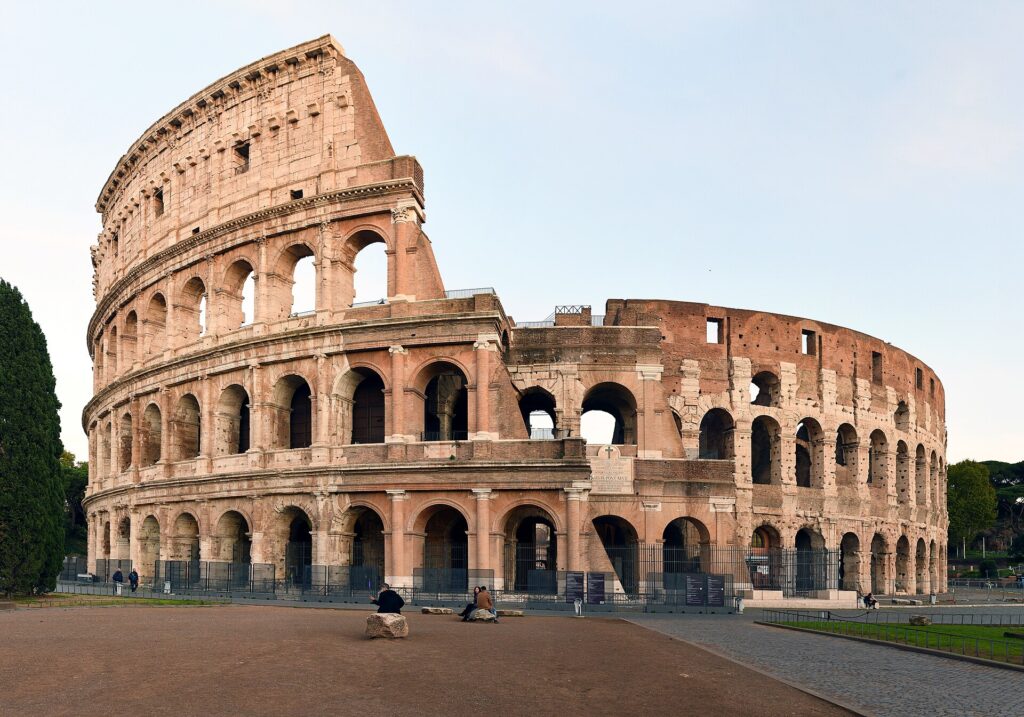
The Forum was the political and civic center of Republican Rome — by the 1st century BC every speech that mattered was given there, and the ruins of the Senate house, the Vestal Virgins’ temple, and Caesar’s funeral pyre site are still on the ground. Pay for the combined ticket with the Colosseum and Palatine Hill; enter through the Forum gate first, climb to Palatine Hill at the back for the view down, then exit at the Colosseum. By 5pm the day-trippers have left and the light turns the marble gold.
Cost: €18 combined ticket (Colosseum + Forum + Palatine), valid 24h
Hours: 9am–7pm (closes earlier in winter)
Pro tip: Book the timed-entry Colosseum slot for 4:30pm — the lowest demand, the best light, and you exit just as the lampposts switch on.
Reserve Colosseum + Forum tickets → [TODO: GetYourGuide affiliate]
2. Throw a coin in the Trevi Fountain (and learn what it actually means)
Built between 1732 and 1762, designed by Nicola Salvi, fed by a Roman aqueduct that hasn’t stopped running since 19 BC. The tradition: stand with your back to the fountain, throw a coin over your left shoulder with your right hand. One coin = you’ll return to Rome. Two coins = you’ll fall in love with an Italian. Three coins = you’ll marry them. The fountain pulls €3,000 a day — all donated to Caritas Italiana for the homeless.
Address: Piazza di Trevi
Cost: Free
Pro tip: Visit at 7am or after midnight. By 10am there are 1,000 selfie sticks. The fountain is illuminated until 1am.
Say it like a local. At the Trevi Fountain, say grazie mille (GRAHT-see-eh MEEL-leh) to whoever takes your photo. Practise it out loud with Maya on a free phone class, no app needed: book your free class. All six Italy phrases: watch the series. Maya is an AI language coach; this video is AI-generated.
3. See the Sistine Chapel — but go backwards
The Vatican Museums lead 7 million visitors a year through 7 km of corridors before the Sistine Chapel finale. Most are exhausted by the time they get there. The hack: book a 6:30am “early entry” tour, walk fast through the rooms in reverse, and stand in the Sistine Chapel with maybe 50 other people instead of 800. Michelangelo painted the ceiling between 1508 and 1512, on his back, and was paid 3,000 ducats. The Last Judgment on the altar wall came 25 years later.
Cost: €17 standard / €40+ early entry / €70+ private guided
Pro tip: Don’t talk in the chapel. Don’t take photos. Both are enforced and rule-breakers are publicly chastised by the Swiss Guards.
Book skip-the-line Vatican entry → [TODO: GetYourGuide affiliate]
4. Eat carbonara on Via dei Coronari
Roman carbonara is guanciale (cured pork jowl, not pancetta), pecorino romano, eggs, and pepper — no cream, ever. Romans get violent about this. The best traditional carbonarias in Rome: Roscioli (book 3 weeks ahead), Da Enzo al 29 (book 2 weeks ahead, Trastevere), Armando al Pantheon (book 1 month ahead). Off Via dei Coronari is where you find the unbooked tiny trattorias that locals actually eat at.
Cost: €14–€22 a plate at sit-down trattorias
Pro tip: Carbonara is dinner food — Italians don’t usually order it for lunch. Order it after 7pm and you signal you know what you’re doing.
5. Climb the Florence Duomo at sunrise
Brunelleschi finished the dome in 1436, after 16 years of construction; it was the largest unsupported dome in the world for 500 years. The 463-step climb up the inner staircase is the trip — you walk along the bowl of the dome, level with the painted Last Judgment frescoes, before emerging at the top with all of Florence in view. Book the 8:15am slot for empty stairs and warm light.
Cost: €30 combined ticket (Duomo, Baptistery, Bell Tower, Crypt) — valid 3 days
Pro tip: Don’t climb the Bell Tower (Giotto’s Campanile) AND the Duomo on the same day unless you have strong legs. They’re 414 and 463 steps respectively.
6. Stand in the Uffizi Gallery’s Botticelli room
The Uffizi was the Medici family’s office building (uffizi = offices) before becoming the world’s most concentrated Renaissance gallery. The Botticelli room contains The Birth of Venus and Primavera hung 5 metres apart — two of the most-reproduced paintings in art history, in the museum that owns them. Allow 4 hours minimum.
Cost: €25 standard / €40 timed-entry combined Uffizi + Pitti Palace + Boboli Gardens
Hours: 8:15am–6:30pm, closed Mondays
Pro tip: Book the 8:15am or 4pm slot — midday is the worst crowding. Bring a small backpack only (large bags must be checked).
Book Uffizi timed entry → [TODO: GetYourGuide affiliate]
7. Drink an Aperol spritz on a Venice canal
The spritz was invented in Veneto — Aperol or Campari, prosecco, sparkling water, an olive or orange slice, ice. Order one at a campo bar (Campo Santa Margherita has the best young energy) for €4–€6. Stand at the bar for the locals’ price; sit down and you double it. Cicchetti (Venetian tapas) are €1.50–€3 each — a working lunch is 4–6 of them with a glass of Veneto white.
Best bars: Cantina Do Spade (Rialto, since 1448), Al Mercà (campo bar, no seats), Al Timon (Cannaregio, canal-side)
Pro tip: The cheap, weak Hugo (elderflower) and Ugo (basil) spritzes are local favorites — try one if you don’t like the Aperol bitterness.
8. Take a vaporetto down the Grand Canal at sunset
Vaporetto Line 1 is Venice’s slowest public boat — 50 minutes from Piazzale Roma to San Marco, all 20-something stops. €9.50 for a single ride; €25 for a 24-hour pass. Sit at the front. Watch the palazzi go past — Ca’ d’Oro, Palazzo Grassi, Ca’ Pesaro, the Rialto Bridge, then Piazza San Marco at the finish line. There is no better €9.50 spent in Italy.
Cost: €25 24-hour pass (worth it if you’ll cross the Grand Canal more than 3 times)
Pro tip: Catch the 6pm boat in summer (8 hours of sun) or the 4pm in winter — sunset across the Grand Canal lasts about 30 minutes and is one of Italy’s strongest visuals.
9. Hike the Cinque Terre coastal path
Five Ligurian fishing villages stacked on cliffs above the Mediterranean, connected by a 12 km coastal hiking path (the Sentiero Azzurro). Monterosso al Mare, Vernazza, Corniglia, Manarola, Riomaggiore — listed north to south. The full hike takes 5–6 hours; most people do half (Monterosso to Vernazza is the most spectacular section, 90 minutes). The Cinque Terre Card (€7.50/day) covers the trail and the local train that connects the towns.
Closest train station: La Spezia, then local Cinque Terre train
Cost: €7.50 day pass (trail + train); €18 hiking + train + bus
Pro tip: Stay overnight in Vernazza or Monterosso. The day-trippers leave by 6pm and the villages become atmospheric — pesto pasta on a harbor wall as the boats come in.
10. Drive (or take the bus) along the Amalfi Coast
SS-163, the road that hugs the Amalfi Coast, is one of the world’s great drives — 50 km of cliff-edge switchbacks above the Tyrrhenian Sea, between Sorrento and Salerno. The villages along it (Positano, Praiano, Amalfi, Atrani, Ravello) all earn the postcard. If you don’t want to drive, the SITA bus runs the route for €5 — sit on the right side going east for the best views.
Best time: Late May or late September (avoid August traffic)
Pro tip: Stay in Atrani — Amalfi’s smaller, quieter neighbor (300 metre walk away) is half the price and feels like a proper village. Ravello (perched 350m up the mountain) is the cool, contemplative base.
Search Amalfi Coast hotels → [TODO: Booking.com affiliate]
11. Spend a day at Pompeii
Vesuvius erupted on 24 October 79 AD (the date was revised from August by 2018 archaeology — based on a charcoal inscription found that year). Pompeii was buried under 4–6 metres of ash; the city, frescoes, bodies, and graffiti were preserved nearly perfectly. The full site is 66 hectares — bigger than Vatican City. Allow 5 hours. The plaster casts of the people are at the Garden of the Fugitives and Stabian Baths.
Cost: €18 standard / €22 combined Pompeii + Herculaneum + 3 villas (3-day pass)
Closest train: Pompei Scavi (Circumvesuviana line from Naples or Sorrento)
Pro tip: Hire an official Pompeii guide at the entrance (€120 for 2 hours, splittable with strangers). Without context, Pompeii is broken walls; with a guide, it’s a city you can walk through.
12. Eat pizza in Naples (the legal kind)
UNESCO inscribed the “Art of Neapolitan Pizzaiuolo” on the Intangible Cultural Heritage list in 2017. Real Neapolitan pizza follows a 1984 protocol — type 00 flour, San Marzano tomatoes, fior di latte or buffalo mozzarella, fresh basil, baked at 485°C for 60–90 seconds. The two pizzerias most travelers queue for: L’Antica Pizzeria da Michele (Sorrento Gardener fame, queue 1–2 hours) and Sorbillo (slightly faster). The local secret: Di Matteo, where Bill Clinton ate in 1994.
Cost: €5–€10 per pizza
Pro tip: Order pizza fritta at least once — fried, then topped — a Naples specialty most travelers don’t know about.
13. Sip espresso standing at a Roman bar
An Italian breakfast is a cappuccino and a cornetto, eaten standing at a marble bar counter, in 4 minutes. Sit-down service in any Italian bar costs 2–3x more (you pay for the table, not the coffee). Order an “espresso” or just “un caffè” — never an “expresso.” After 11am, never order a cappuccino if you want to look like you know what you’re doing; locals consider milk-coffee a morning-only drink.
Cost: €1.20–€1.80 espresso, €1.50–€2.50 cappuccino
Best Roman bars: Sant’Eustachio Il Caffè (since 1938), Tazza d’Oro (next to the Pantheon)
Pro tip: Pay at the cashier first, take your receipt to the bar, then order. This trips up tourists for the first day.
Say it like a local. Order it like a local: un caffè, per favore. In Italy, un caffè is an espresso. Practise it out loud with Maya on a free phone class, no app needed: book your free class. All six Italy phrases: watch the series. Maya is an AI language coach; this video is AI-generated.
14. Visit the Last Supper in Milan
Leonardo da Vinci painted The Last Supper on the refectory wall of Santa Maria delle Grazie between 1495 and 1498. He used an experimental tempera-on-dry-plaster technique that started deteriorating immediately — what’s there now is the result of multiple restorations, the most recent (1999) controversial. UNESCO listed it in 1980. You must book in advance — tickets are released 3 months ahead and sell out within hours.
Cost: €15
Hours: 8:15am–7pm, closed Mondays
Pro tip: If you didn’t book 3 months ahead, look for combined city tour packages on GetYourGuide or Tiqets — they buy bulk slots and include the entry. Worth the 2x markup if you’re already in Milan.
15. Take an evening passeggiata in any Italian town
The passeggiata is the after-work walk along the main street, between roughly 6pm and 8pm, in every town in Italy. Couples, families, old men in jackets, teenagers — everyone is out, dressed up, walking slowly, stopping to talk. In Bologna it’s Via dell’Indipendenza. In Florence it’s Via Roma. In Rome it’s Via del Corso. In Verona it’s Via Mazzini. It is the most Italian thing you can do, and it costs nothing.
Cost: Free
Pro tip: Buy a gelato (€3 a cone), join the flow, walk one direction for 30 minutes, then back. Stop at a bar for an aperitivo halfway. That’s a perfect Italian evening.
16. Climb Mount Etna on Sicily
Etna is Europe’s most active volcano (the next runner-up isn’t close), 3,329 metres tall, in continuous eruption for the past 4,000 years. UNESCO listed it in 2013. You can hike up to 2,900m on guided tours; the summit craters are off-limits without a registered alpine guide. The lower slopes are vineyards — Etna Rosso is one of Italy’s most distinctive reds, grown in volcanic soil.
Cost: €40–€80 for half-day tours; €120–€180 for summit guided
Closest base: Catania (1 hour drive)
Pro tip: Go in the off-season (October–April) — summer is hot and packed with day-trippers from cruise ships. Late October you’ll have snow on the cone and almost no other tourists.
17. Explore the Matera cave dwellings (Sassi di Matera)
The Sassi (rocks) of Matera are cave dwellings carved into the sides of a limestone canyon, continuously inhabited for over 9,000 years — the longest continuously inhabited human settlement in Europe. UNESCO listed them in 1993. The caves were declared a “national shame” in 1952 and the population was forcibly relocated; in the 1980s they were rehabilitated. Today some are luxury hotels (sleep in a 9,000-year-old cave) and the rest are open as museums.
Cost: Free to wander; €5–€8 for the museum-cave (Casa Grotta)
Closest train: Matera Centrale (FAL line from Bari)
Pro tip: Stay one night in a cave hotel (Sextantio Le Grotte della Civita is the iconic one — €280/night). The Sassi at sunset, lit by lanterns, is a 9,000-year-old ghost story.
18. Walk Bologna’s porticoes
Bologna has 38 km of porticoes (covered arcades) — the longest in the world — and UNESCO listed them in 2021. The Portico di San Luca is the longest single one: 3.8 km, 666 arches, climbing from the city center up to the Sanctuary of San Luca on the hill. The whole city has a covered version; you can walk Bologna in the rain without an umbrella. Eat tortellini in brodo and tagliatelle al ragù (NOT spaghetti bolognese — it doesn’t exist in Bologna).
Cost: Free
Pro tip: Bologna is FUS, FAT, and FRUSTRATED — the local nickname for the Two Towers (Asinelli and Garisenda) which used to be 180 of them in the 12th century. Climb the Asinelli (498 steps, €5) for the city view.
19. Drive a Vespa around the Tuscan countryside
Tuscany — Florence, Siena, San Gimignano, Pienza, Montepulciano — is best on two wheels. Vespa rentals run €60–€90/day with helmets and insurance; you don’t need a motorcycle license for the 50cc models if you have a regular driver’s license. The Crete Senesi (the rolling clay hills south of Siena) is the iconic Tuscan landscape.
Best route: Florence → Greve in Chianti → Castellina → Siena → Montalcino → Pienza → Montepulciano (5 days)
Pro tip: Stop at agriturismi (working farms with rooms) for lunch — €25–€35 for a 4-course meal of what they grew that morning.
20. Stand in the middle of Piazza San Marco at midnight
Piazza San Marco is the only space in Venice that Napoleon called “the drawing room of Europe.” During the day it’s a tourist circus. At midnight, after the day-trippers have gone, it’s empty and silent — the four orchestras at the opposing cafés are gone, the pigeons are asleep, and the basilica’s gold mosaics catch the streetlamps. The whole city does this — empties dramatically at sunset — but the piazza is the most striking transformation.
Cost: Free (basilica admission €3 if open during your visit)
Pro tip: Stay on Venice’s main island (not Mestre, the mainland). Most travelers don’t, and miss the after-dark city.
21. Visit Pantheon and the Pantheon’s coffee shop
The Pantheon, finished by Hadrian around 126 AD, is the best-preserved Roman building in the world — still in continuous use as a Catholic church (Santa Maria ad Martyres) since 609 AD. The dome’s oculus is the only light source; when it rains, water falls into the church and drains through 22 small holes in the marble floor. Free entry as of 2023 (a small €5 fee was introduced in 2024 for non-Italian residents). The two coffees opposite — Tazza d’Oro and Sant’Eustachio — are arguably the two best espressos in Rome.
Cost: Free for residents / €5 for non-residents
Hours: 9am–7pm Mon–Sat, 9am–6pm Sun
Pro tip: Visit during a thunderstorm. The rain falling through the oculus is one of Rome’s secret spectacles.
22. Spend a day at Lake Como
Lake Como — 30 minutes by train from Milan — is the spectacular alpine lake you’ve seen in 30 movies. The villages around it (Bellagio, Varenna, Menaggio, Tremezzo, Como) are all reachable by ferry; one €25 day-pass covers everything. Villa del Balbianello (where the wedding scene from Casino Royale was filmed) is open to visitors as is Villa Carlotta, with its sub-tropical garden.
Cost: €25 ferry day-pass; €15 per villa
Closest train: Milano Centrale → Varenna or Como (1 hour either way)
Pro tip: Skip Bellagio, the most touristed town. Stay or visit Varenna — quieter, more atmospheric, easier to walk.
23. Eat truffles in Alba (or Umbria)
Alba in Piedmont is the truffle capital of Italy — white truffle (tartufo bianco) in October–December, black truffle (tartufo nero) year-round. The Alba International White Truffle Fair runs October to early December — you can buy a single truffle for €100–€500 at the market, or have it shaved on tagliolini at any local restaurant for €30–€50. Umbria’s Norcia is the second-best truffle region.
Best time: Mid-October through November for white truffle
Pro tip: Book truffle hunting (with dogs, in private forests) — €60–€120 for a 2-hour hunt, often ending with a tasting at the hunter’s farm. The dogs are the actual stars.
24. Take a cooking class in Italy you’ll actually use
The good Italian cooking classes don’t make 30 things — they make one perfect ragù, or hand-rolled pasta from scratch (orecchiette in Puglia, tagliatelle in Bologna, cavatelli in Calabria), or a 4-hour pizza class in Naples. Skip the touristy ones in Tuscany that promise “pasta + tiramisu + wine pairing.” Find a class run from a private home (Airbnb Experiences and EatWith have decent ones) for under €100 per person.
Cost: €70–€150 per person
Pro tip: Book in Bologna (the food capital) or Naples (pizza specifically) for the most authentic experience.
25. Stand at the rim of the Trulli at Alberobello
The trulli are conical limestone roofs in the town of Alberobello in Puglia — about 1,500 of them, listed UNESCO since 1996. The technique is dry-stone construction (no mortar, just gravity) and the conical shape was a tax-evasion strategy in the 16th century: when tax inspectors came, the locals could disassemble the roofs and claim no permanent structures existed. Most trulli today are gift shops or restaurants, but you can sleep in one (book 2 months ahead in summer).
Closest train: Alberobello (FSE line from Bari)
Cost: Free to walk; €5–€8 to enter the museum-trulli
Pro tip: Combine with Matera (90 min drive west). Both are UNESCO sites in Italy’s “deep south” that 90% of Italy visitors miss.
26. Take the Bernina Express through the Alps
The Bernina Express runs from Tirano (Italy) to Chur or St. Moritz (Switzerland) over the Alps — UNESCO listed as part of the Rhaetian Railway. 4 hours, panoramic windows, 196 bridges, 55 tunnels. The Brusio Spiral Viaduct is engineering art. €37 each way for second class.
Cost: €37 second class one-way; €70 round trip
Pro tip: Book reserved seats in summer (€10 supplement) — the panoramic cars fill up fast. Italian leg from Tirano (Sondrio province) is just 30 minutes from Lake Como — easy day trip.
27. Have aperitivo with cicchetti in Venice
Cicchetti are Venetian tapas — small bites on bread, eaten standing at bacari (local bars) with an ombra (small glass of wine, €1.50–€3) or a spritz. Order 4–6 cicchetti and 2 ombre for an entire meal, €15 total. The classic order: baccalà mantecato (whipped salt cod), polpette (meatballs), sarde in saor (sour-sweet sardines).
Best bacari: Cantina Do Spade · All’Arco · Bacareto Da Lele (the famous tiny bar near Piazzale Roma)
Pro tip: Drink at the bar (banco) for half the price of sitting (tavolo). Most Venetian bacari don’t have seats anyway.
28. Visit Verona during opera season
The Arena di Verona is a 30,000-seat Roman amphitheater built around 30 AD — still hosting opera every summer (Aida, La Traviata, Carmen) under the open sky. The 2026 season runs late June to early September. The cheapest seats (gradinata, unreserved) are €30 — you bring your own cushion (or rent one for €5) and sit on stone. The acoustics, after 2,000 years, remain perfect.
Cost: €30 gradinata / €100–€300 for reserved seats
Pro tip: Verona is also Romeo and Juliet country — Casa di Giulietta has the famous balcony but the stronger Shakespeare experience is the Festival Estate Teatrale (summer theater festival) in the Roman Theater across the river.
29. Drink wine in Chianti
Chianti is a Tuscan wine region between Florence and Siena — about 70 km of vineyards in rolling hills. The Chianti Classico zone has 600+ wineries; many do tastings (€20–€40 per person) with cellar tours. Buy direct from the winery for 30–50% below retail. The Strada del Vino Chianti Classico (the Chianti Wine Road) is the Italian Napa.
Best wineries: Castello di Brolio (the inventor of the Chianti formula, 1872) · Antinori nel Chianti Classico (modern architecture, sommelier-led tastings) · Castello di Ama (small, contemporary art on the property)
Pro tip: Book a driver — wine + Tuscan curves don’t mix. Several agriturismi offer driver-included tasting days for €150–€250.
30. Visit a small village no one’s heard of
Italy has 5,500+ comuni (municipalities) and somewhere between 100 and 350 of them are members of the “Borghi più belli d’Italia” (most beautiful villages) association. Pick three and add them to your trip. Recent FFU favourites: Civita di Bagnoregio (the “dying town” — 7 permanent residents, accessible only by footbridge, Lazio), Castelluccio di Norcia (the lentil-flowering village, Umbria, June bloom), Pitigliano (“Little Jerusalem,” ancient Etruscan tufa city, Tuscany).
Cost: Free
Pro tip: Borghi viaggi (small village travel) is Italy’s quietest pleasure. Drive an hour off any main route, find a hilltop town, eat lunch at the only trattoria, and you’ve seen the Italy that locals talk about.
When to plan each one
| Experience | Best month |
|---|---|
| Cinque Terre hiking | May, late September |
| Amalfi Coast | Late May or late September |
| Truffle hunting in Alba | Mid-Oct to early December |
| Verona opera | Late June – early September |
| Etna in snow | November – April |
| Chianti vendemmia (harvest) | Late September – early October |
| Castelluccio di Norcia lentil bloom | Mid-June through mid-July |
FAQ
How many days should I spend in Italy?
10 days minimum, 14 ideal. Rome (3) + Florence (2–3) + Venice (2) + a regional choice — Cinque Terre, Amalfi, or Tuscany — (3–4). Less than 10 days and you should pick one region (Tuscany alone, Amalfi alone, Sicily alone) instead of city-hopping.
Should I rent a car in Italy?
No for cities, yes for countryside. Florence, Rome, Venice, Naples — never. ZTL (Zona a Traffico Limitato) zones in city centers issue €100+ fines automatically. Tuscany, Sicily, Puglia, Amalfi — yes.
Is Italy expensive?
Cheaper than Northern Europe, more expensive than the Balkans. Mid-range hotel: €120–€220/night. Mid-range restaurant dinner: €30–€55/person. Espresso: €1.20. Total trip cost (no flights): €150–€220 per day per person mid-range.
Do I need to speak Italian?
No, but learning 20 words helps. “Buongiorno” (morning hello), “buonasera” (evening hello), “grazie” (thanks), “per favore” (please), “il conto” (the bill). English is widely spoken in tourist areas, less so in the south.
Article by FFU Editorial · Last verified: 1 May 2026 · Found a factual error? Email a correction and we’ll update within 48 hours.
The full Italy guide
FFU contains affiliate links. We earn a commission when you book through them — at no extra cost to you.
Plan your trip
- Tours & experiences: browse Italy tours and experiences on Klook.
- Airport pickup: pre-book an airport transfer with GetTransfer.
- Car hire: compare rental cars on GetRentacar.
- Bag storage: store your bags with RadicalStorage.
Disclosure: some links above are affiliate links — booking through them supports Facts From Upstairs at no extra cost to you.