
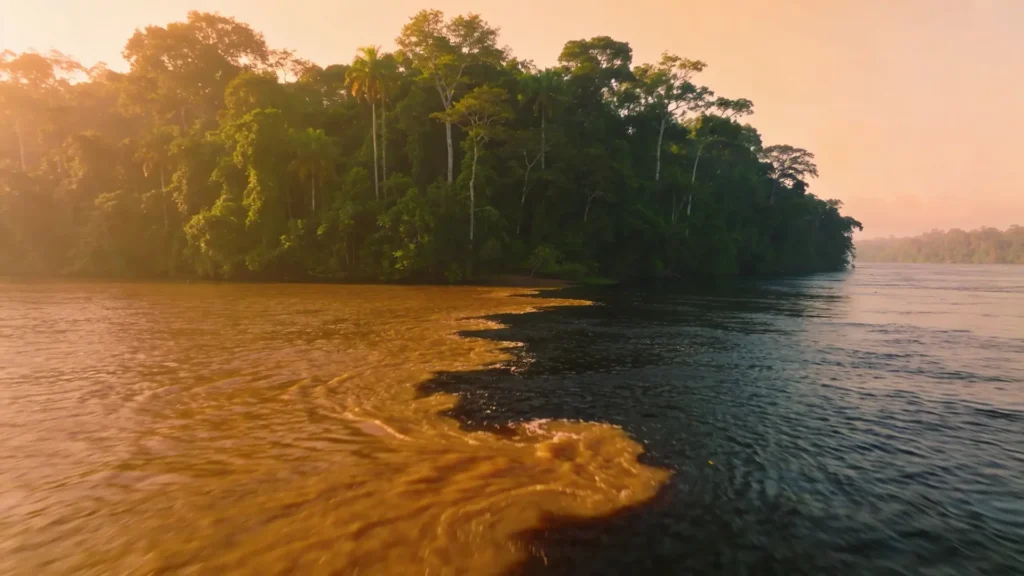
Belize City, Belize: Barrier Reef Gateway, Maya Temples & Jungle Rivers
Caribbean gateway to Maya ruins, barrier reef paradise, and English-speaking Central America
Belize City serves as Belize’s primary gateway despite recent capital relocation. The city maintains cultural significance, commercial importance, and tourism infrastructure making it essential arrival point for most visitors. The city’s English-speaking population, Caribbean colonial heritage, and geographic position between Maya ruins and barrier reef ecosystems create distinctive positioning within Central America.

Belize’s unique colonial history—British rather than Spanish dominance—created English as primary language. This linguistic distinction facilitates communication for English speakers while shaping Belize’s cultural positioning. The Caribbean cultural tradition emphasizes creolized African, European, and indigenous influences distinct from Spanish colonial patterns.
The city preserves colonial architecture from eighteenth and nineteenth centuries with wooden structures reflecting Caribbean building traditions. Contemporary Belize City combines tourism development with local communities, attractions with neighborhood authenticity. The city serves simultaneously as transit hub and destination meriting multi-day stays.
Table of Contents
Colonial Heritage & Architecture
Belize City preserves Caribbean colonial architecture through wooden structures featuring elevated foundations, wide galleries, designs adapted to tropical climate. The architecture reflects British Caribbean colonial traditions differing from Spanish colonial stone construction.
The Swing Bridge, completed in 1923, represents engineering achievement and functional art. The wooden bridge rotates to permit river passage by boats. Contemporary operation maintains historical procedures with twice-daily rotations.
St. John’s Cathedral, completed in 1820, represents Central America’s oldest stone structure. The cathedral survived hurricanes through solid construction.
Maya Ruins & Archaeology
Belize harbors exceptional concentration of Maya archaeological sites accessible from Belize City. The sites document Maya civilization from pre-classical through post-classic periods revealing sustained occupational sequences.
Lamanai, accessible by river boat, offers distinctive archaeological exploration. The site overlooks a lagoon, demonstrating Maya attention to environmental features. The site remains partially excavated, preserving mysteries.
Caracol
Massive urban center with large pyramid temples
Xunantunich
Ceremonial center with largest pyramid in Belize
Lamanai
Riverine site with excellent preservation
Placencia Maya Sites
Smaller sites revealing residential patterns
Barrier Reef & Marine
Belize contains sections of the world’s second-longest barrier reef providing accessible marine experiences. The reef extends 190 kilometers, protecting lagoons and supporting diverse marine ecosystems.
Day trips access reef experiences through snorkeling and diving operations. Half Moon Caye, featuring underwater archaeological sites and hawksbill turtles, provides memorable diving.
Manatee encounters have become increasingly possible through responsible tourism. The warm shallow waters provide ideal habitat, though populations remain threatened.
Caribbean Creole Culture
Belize’s cultural character reflects Caribbean creolized traditions combining African, European, and indigenous influences. Understanding contemporary Belize requires engaging with colonial legacies while recognizing contemporary cultural expressions.
Contemporary Belize City combines tourism with neighborhood authenticity, with residents maintaining cultural practices alongside tourist attractions.
Creole Language
English-based language with African structures
Caribbean Cuisine
Seafood, plantains, rice preparations
Music & Dance
Calypso, reggae, punta expressions
Social Networks
Family and community relationships
Planning Your Visit
Belize City serves primarily as arrival point and base for excursions. Most travelers arrive by flight, accessing Maya sites and marine environments through day trips.
Belize utilizes English as official language, facilitating communication for English speakers. The primary currency is Belizean Dollar, though US dollars remain widely accepted.
Tropical climate brings warm temperatures year-round. Rainy season (June-October) and dry season (November-May) create variations. Hurricane season overlaps with rainy season.
Getting Around Belize City & Practical Tips
Belize City is the country’s largest urban center and main transportation hub, though most travelers use it as a gateway rather than a destination. The city center around the Swing Bridge, Fort George district, and the Museum of Belize can be explored on foot in a few hours. The Fort George area — home to colonial-era mansions, the Baron Bliss Lighthouse, and waterfront restaurants — is the most pleasant and safest neighborhood for walking.
Water taxis are a major transport mode. The Belize Water Jets and San Pedro Belize Express run daily services to Caye Caulker (45 minutes, $20-25 BZD / $10-12.50 USD) and Ambergris Caye/San Pedro (75 minutes, $30-40 BZD). Terminals are on North Front Street, walkable from most downtown hotels. For inland destinations, James Bus Line and ADO operate scheduled services from the Novelo’s Bus Terminal to San Ignacio (2 hours), Belmopan, and Orange Walk.
Belize’s Barrier Reef — the second-largest in the world and a UNESCO World Heritage Site — is the main draw for most visitors passing through Belize City. Day trips to snorkel the reef depart from the Tourism Village pier and range from $75-150 BZD ($37-75 USD) including equipment. The Great Blue Hole (a massive underwater sinkhole made famous by Jacques Cousteau) requires a full-day trip or a base on the cayes.
Where to Eat in Belize City
Belizean cuisine is a flavorful fusion of Caribbean, Maya, Mestizo, and Garifuna influences. Rice and beans (cooked together in coconut milk) with stewed chicken is the national everyday meal — hearty, affordable, and served at street-side restaurants across the city for $8-12 BZD ($4-6 USD). The Fort George and BTL Park areas have the best concentration of sit-down restaurants.
Fry jacks (deep-fried dough pockets) stuffed with beans, cheese, or eggs are the essential Belizean breakfast — find them at market stalls and small eateries near the Swing Bridge for $3-5 BZD. For Garifuna cuisine (representing Belize’s Afro-Caribbean heritage), seek out hudut — mashed plantain with rich coconut fish stew — at restaurants in the south side or the Garifuna-owned establishments near the waterfront.
Best Time to Visit Belize
The dry season (November-April) is prime time — sunny days, calm seas ideal for diving and snorkeling, and comfortable temperatures around 26-30°C. February through April sees the best underwater visibility on the reef. This is peak tourist season, so cayes accommodations and popular dive trips should be booked in advance, especially around Christmas, Easter, and Carnival in February.
The rainy season (June-November) brings afternoon showers and the possibility of tropical storms or hurricanes (peak September-October). However, rain often clears quickly, prices drop 20-40%, and the lush inland jungle is at its most vibrant. May and June — the shoulder months — offer a nice balance of fewer crowds, lower prices, and mostly dry weather before the heavy rains begin.
Frequently Asked Questions
Do I need a visa to visit Belize?
US, UK, Canadian, EU, and Australian citizens can enter Belize visa-free for up to 30 days with a valid passport. Extensions of up to one month can be obtained at the immigration office in Belize City for $50 BZD. Your passport must be valid for at least six months beyond your entry date. There is a $40 BZD ($20 USD) departure tax, though this is increasingly included in airline tickets.
Is Belize City safe for tourists?
Belize City requires caution. The Fort George district and Tourism Village area are generally safe during daylight. Avoid walking in the south side neighborhoods and any area after dark — use taxis instead (your hotel can call a trusted driver). Most tourist crime involves opportunistic theft rather than violence. Many travelers minimize time in the city itself and head quickly to the cayes, San Ignacio, or Placencia, which are much more relaxed.
Should I stay in Belize City or head straight to the islands?
Most travelers spend one night maximum in Belize City before catching a water taxi to Caye Caulker or Ambergris Caye. However, one full day in the city lets you visit the Museum of Belize (housed in a former colonial prison), the Old Belize cultural complex, and the Swing Bridge area. If your flight arrives late, the Fort George area has comfortable hotels within walking distance of the water taxi terminals for an early morning departure.
What currency does Belize use?
The Belize dollar (BZD) is pegged to the US dollar at a fixed 2:1 rate — $1 USD always equals $2 BZD. US dollars are accepted everywhere in Belize, making currency exchange largely unnecessary. ATMs dispense Belize dollars and are available at banks in the city center. Credit cards are accepted at hotels and larger restaurants but cash is preferred at smaller establishments, water taxi terminals, and market stalls.
What should I not miss near Belize City?
The top experiences accessible from Belize City: snorkeling or diving the Barrier Reef (day trip or caye-based), visiting Altun Ha Maya ruins (45 minutes north, the temple featured on Belikin beer labels), exploring the Belize Zoo (45 minutes west, featuring only native Belizean species in natural habitats), and the Community Baboon Sanctuary in Bermudian Landing (45 minutes northwest, home to howler monkeys). The Lamanai Maya ruins can be visited as a full-day trip including a river boat journey through the jungle.
Discover Belize’s English-Speaking Caribbean
Belize City invites exploring colonial heritage, discovering Maya treasures, diving pristine reefs, and experiencing Caribbean creole culture.
Start planning your Belize City adventure today with Facts From Upstairs.