
FFU Editorial Note: Climate normals from Hellenic National Meteorological Service. Festival dates cross-checked against Visit Greece — Greek National Tourism Organisation. Ferry schedules per current Greek Travel Pages. Last verified: 8 May 2026. This seasonal breakdown is part of our full Greece travel guide.
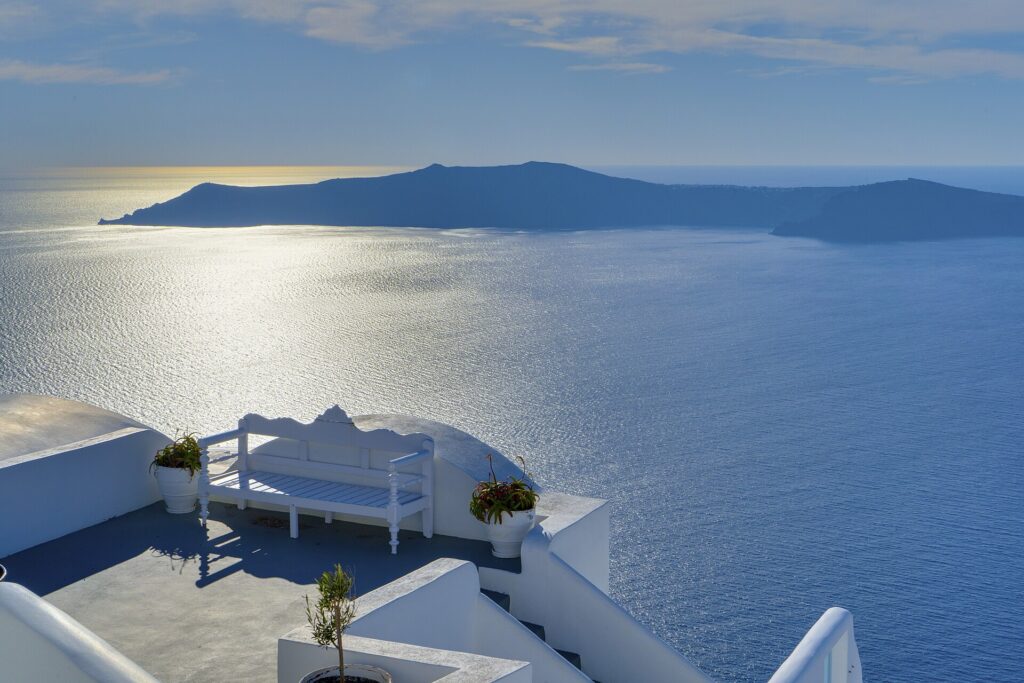
Greece is two countries: the islands and the mainland. Each has its own seasonal rhythm. Santorini in August is unwalkable noon-to-five and the prices are insulting; Santorini in mid-May is paradise. Athens in July is brutal but Athens in October is the best urban week of the European autumn. Below: a month-by-month breakdown so you can pick the trip that matches the version of Greece you actually want.
Part of the FFU Greece cluster: Greece overview · 30 things to do · 10-day itinerary · Where to stay
At a glance
| Month | Weather | Crowds | Highlight |
|---|---|---|---|
| January | Cool, often rainy mainland — 7–13°C Athens | Lowest of the year | Empty Acropolis, Crete mild winter, lowest prices |
| February | Cool, almond bloom Crete | Low | Apokries (Greek Carnival), wildflowers begin |
| March | Mild — 10–17°C, lengthening days | Building | Independence Day (March 25), Athens before crowds |
| April | Mild — 14–20°C, glorious | Greek Easter spike, then dip | Greek Easter (the country’s biggest event), wildflowers peak |
| May (recommended) | Perfect — 18–25°C nationwide | Medium and rising | Islands open in earnest, calm seas, swim-able |
| June | Warm — 24–30°C, dry | High — European school’s out | Athens Festival begins, Cyclades at peak photogenic |
| July | Hot — 30–35°C, meltemi winds Cyclades | Peak European holidays | Athens Festival, beach weeks, all islands full |
| August | Brutal — 35°C+ inland, hot islands | Coastal peak, Athens emptier | Assumption (Aug 15), AVOID Athens; islands at peak |
| September (recommended) | Warm easing — 24–29°C | Drops fast after the 15th | Sea still warm, post-Greeks-return, harvest |
| October (recommended) | Cool, golden — 17–24°C | Medium | Last swim weeks, Athens at peak walking weather |
| November | Cool, often rainy — 13–18°C | Low | Mainland trips, olive harvest, low prices |
| December | Cool, mild Crete — 8–15°C | Low (early), high (Christmas–NY) | Christmas markets in Thessaloniki, Crete winter sun |
January — Empty Acropolis, mild Crete, lowest prices
The off-season Greece nobody talks about. Athens runs 7–13°C — chilly, often grey, occasionally bright. The Acropolis, Ancient Agora, and the National Archaeological Museum sit at 20% of August foot traffic — you can stand in front of the Parthenon and breathe. Hotels in Plaka, Monastiraki, and Koukaki run 50% below July prices. Crete is the surprise: the south coast around Chania and Rethymno hits 16–18°C on bright afternoons, almond blossoms are starting, and the gorges are walkable without summer heat. The Cyclades are largely closed — most hotels and ferries on Santorini and Mykonos shut from late October through early April. Skip them for January.
Best for: Athens museum days · Acropolis without queues · Crete mild-winter walks · Thessaloniki and northern Greece (cooler but bright) · Olympia and Delphi without crowds
Avoid: Cyclades (mostly closed) · Mount Olympus or hiking trails (snow-covered)
Signature event: Epiphany (January 6) — across coastal Greece, priests bless the waters and young men dive in to retrieve a thrown cross. Spectacle in Piraeus, Volos, and Thessaloniki.
February — Apokries (Greek Carnival), Crete almond blossoms
The first hint of spring. Crete’s almond and citrus blossoms start late January through February — drives through the Lasithi plateau or the Selinos region of Chania province are extraordinary. Patras hosts Greece’s biggest Apokries (Carnival) — three weeks of parades climaxing the weekend before Lent, with a final-night float burning. Skiathos, Rhodes, and Athens all run smaller Apokries celebrations. Athens stays cool but brighter than January; Plaka café terraces fill on warm afternoons. Many Cycladic islands begin a slow reawakening — limited ferries, but the bigger islands (Naxos, Paros) start opening accommodation for early travellers.
Best for: Patras Carnival · Crete almond bloom · Athens with breathing room · Thessaloniki film festival (early-mid February) · cheap city breaks
Avoid: Cycladic island hopping — most are still half-closed · Mount Parnassos hiking (still winter conditions)
Signature event: Apokries (Carnival, three weeks before Lent — peaks final weekend) · Thessaloniki Documentary Film Festival
March — Independence Day, the shoulder month that quietly wins
March is when Greece tilts toward spring. Athens runs 10–17°C, often bright. Wildflowers carpet the mainland and the Peloponnese — drives through Arcadia or the Mani peninsula are at their greenest. Independence Day (March 25) brings parades in Athens (Syntagma Square) and pride celebrations across the country — historically significant, photogenic, no tourist density. The Cyclades islands begin reopening — Santorini’s first hotels and restaurants start service in mid-March, ferries resume on a partial schedule. Crete is fully reopen and 17–22°C with excellent walking conditions. Hotel prices are 30–40% below May.
Best for: Athens and Acropolis · Peloponnese road trips · Crete walking · Independence Day parades · Delphi and Olympia · pre-Easter low prices
Avoid: The very last week if Greek Easter falls early — prices spike with Holy Week
Signature event: Greek Independence Day (March 25) · Annunciation (also March 25, doubled holiday)
April — Greek Easter, the country’s biggest event
Greek Easter (which usually falls 1–4 weeks after Western Easter) is the most significant event in the Greek calendar. The week of processions, midnight Resurrection masses, and Easter Sunday lamb roasts is more important than Christmas. Patmos, Corfu, Hydra, and the Mani peninsula host the most photogenic Easter traditions. Hotels in those locations triple in price during Holy Week and book out 4–6 months ahead. Outside Easter, April is gorgeous — Athens 14–20°C, wildflowers at peak across the mainland, the Cyclades opening properly with full ferry schedules from mid-month. Sea swimming starts on warmer days (water around 17°C — bracing).
Best for: Greek Easter (book 4+ months ahead, pick a destination — Patmos, Corfu, Hydra are the best) · Crete and the Peloponnese countryside · pre-summer Athens · Cyclades pre-peak opening
Avoid: The popular Easter destinations without lead-time booking · Athens during Holy Week if you want quiet (city is full of returning Greek diaspora)
Signature event: Greek Easter (date varies by year — usually mid to late April)
May — The best all-round month in Greece
If you have one week to spend in Greece and full flexibility, spend it in mid-to-late May. Temperatures sit in a near-perfect band: Athens 17–24°C, Cyclades 19–24°C, Crete 20–26°C with sea temperatures reaching 19–20°C — swimmable on warm days. The Cyclades are fully open with full ferry schedules. Santorini and Mykonos haven’t yet hit their summer crush — restaurants take walk-ins, sunset spots have empty space, the famous donkey-trail in Fira is uncrowded. Wildflowers peak on the islands. Athens jacaranda trees flower late May. The catch: prices climb steadily through the month, and the last week (overlapping with European school breaks) gets crowded. Sweet spot: May 6–22.
Best for: Pretty much everything — Cyclades, Crete, Athens, Peloponnese, the Saronic Gulf islands, sailing trips · island-hopping at full schedule but pre-peak prices
Avoid: Booking last-minute — Greece in May has tightened · Athens during Eurovision week if Greece is hosting (rare, but check)
Signature event: Anthestiria (Athens spring flower festival, mid-May) · Athens Festival opens late May
June — Athens Festival, Cyclades at peak photogenic
June flips Greece into summer mode. European schools end mid-June and demand surges — the Cyclades fill rapidly, Santorini and Mykonos hit prime crowds, Crete’s beach towns fill. Athens runs 24–30°C — hot but bearable with early-morning Acropolis visits. The Athens & Epidaurus Festival opens — six weeks of opera, theatre, and concerts at the Odeon of Herodes Atticus (the 2nd-century AD stone amphitheatre at the foot of the Acropolis) and at Epidaurus’s ancient theatre. Buy tickets the moment the program drops in March. Sea temperatures hit 22–24°C — comfortably swimmable. The famous meltemi northerly wind starts blowing in the Cyclades — keeps things cool but can disrupt ferry schedules on bigger-wind days.
Best for: Athens Festival · Cyclades at peak photographic conditions (clearer light, less haze) · Saronic Gulf islands (Hydra, Spetses) · Peloponnese coast · sailing
Avoid: Last week of June without lead-time bookings on the Cyclades · meltemi-vulnerable ferry routes (Mykonos to Santorini cancellations possible)
Signature event: Athens & Epidaurus Festival (June through late August) · Rockwave Festival (Athens, late June)
July — Heat, festivals, full islands, sailing weather
July is hot and busy. Athens hits 30–35°C, the Cyclades 28–32°C, Crete 30°C+. Cities are doable with early starts and indoor afternoon retreats. The Cyclades are at full throttle — Santorini’s caldera-edge restaurants book six weeks out, Mykonos’s beach clubs are at peak energy, Naxos and Paros at peak family-beach mode. The meltemi blows hard most July afternoons — actually a blessing for cooling but can ground small-island ferries. The Athens Festival runs at full intensity. Sailing is at its best — the steady meltemi winds make Cyclades-circuit charters reliable. The big-name festivals (Rockwave, Release, AthensRoad) cluster in early-to-mid July.
Best for: Cycladic island hopping · sailing charters · Cretan beaches · Saronic Gulf weekenders · Athens Festival · Rhodes · the Dodecanese · Skiathos and the Sporades
Avoid: Athens for sustained walking · island-hopping with rigid schedules during meltemi · last-minute Cycladic bookings — Santorini in July is cult-status full
Signature event: Athens & Epidaurus Festival peak · Rockwave (early July) · Hellenic Festival (mid-July onwards)
August — Don’t visit Athens. Visit the islands.
August is when Athens empties. Greeks themselves leave the capital for the islands; many neighborhood restaurants close for the entire month. The flip side: islands are at full intensity, with August 15 (Assumption Day, “Dekapentavgousto”) as the country’s biggest holiday — celebrations across Tinos (the religious centre), Paros, Santorini, and the mainland with three days of festivals, fireworks, and family gatherings. Hotels in popular islands triple in price for the Assumption week and book out by April. Sea temperatures peak at 25°C+. The Athens Festival winds down in the third week of August. Ferries are full; book reserved seats for any inter-island route.
Best for: Cyclades (Santorini, Mykonos, Paros, Naxos, Milos, Folegandros) · Sporades · Ionian islands (Corfu, Kefalonia, Zakynthos) · Crete beaches · Peloponnese coastal towns
Avoid: Athens (locals gone, restaurants closed, brutal heat) · Santorini for budget bookings · last-minute ferry tickets during Assumption week
Signature event: Dekapentavgousto / Assumption (August 15) — major all-island celebrations · Aegean Regatta · Eptanissos Beach Run
September — The locals’ month, the writer’s pick
September is the answer for travellers who already know May is great. The first 10 days are still summer-busy as Greeks finish their August holidays. Then, around September 15, the country exhales. Athens drops to 24–28°C with golden-late-summer light. Sea temperatures stay 24–25°C through early October — fully swimmable. The Cyclades hotel rates drop 25–35% from August. The Peloponnese olive harvest begins late September. Wine harvest (vendemmia) on Santorini and in Nemea (mainland Peloponnese) opens to small-group winery visits. The Cycladic islands quiet down dramatically — Santorini at sunset becomes peaceful again, Mykonos beach clubs operate at half-occupancy. Best month for hiking the Samaria Gorge (Crete) and the Vikos Gorge (Zagori).
Best for: Cyclades post-Greek-summer · Crete walking + beach combo · Peloponnese · the Zagori villages · sailing · Athens at peak walking weather · Santorini wine harvest
Avoid: The first 10 days for Greeks-have-left atmosphere · Athens during the Tasidemo / Athens Marathon week (mid-November so not a September issue, but plan accordingly)
Signature event: Vendimia (grape harvest, mid-September through October) · Athens Marathon registration peaks · Aigina Pistachio Festival (mid-September)
October — Athens at peak walking weather, last swim weeks
October is gorgeous almost everywhere in Greece. Athens runs 17–24°C, dry, the year’s best urban walking weather. The Acropolis at sunset is uncrowded; the National Archaeological Museum is genuinely walkable. Cyclades sea temperatures hold 22–23°C through mid-month — the last comfortably swimmable weeks. Crete and Rhodes stay warm and dry through the month. The Athens Marathon (early November but trains in October) brings increased hotel demand for the prior week. The OXI Day holiday (October 28 — Greece’s WWII national day) brings parades and partial restaurant closures. Mainland Greece’s autumn is at peak — drives through Meteora, the Pelion peninsula, and the Zagori villages produce the kind of photographs that ruin you for other countries.
Best for: Athens at peak · Meteora monasteries (best month) · Pelion peninsula · last-warm Cyclades · Crete and Rhodes warm-end · Athens Marathon week (book early)
Avoid: Booking around October 28 OXI Day without lead-time · Cyclades after October 25 (most properties close)
Signature event: OXI Day (October 28 — national holiday with parades) · Athens Marathon (last Sunday of October or first of November)
November — Cheapest, mainland-focused, Crete still warm
November is when the budget traveller cleans up. Hotel rates in Athens drop 50% below July levels. Crowds disappear from the Acropolis, the Ancient Agora, and the major museums. The trade-off: weather. Athens 13–18°C with regular rain; northern Greece (Thessaloniki, Meteora) cooler and damper. The Cycladic islands are largely closed. The reward: Greece’s food calendar is at its best. New olive oil from Crete and the Peloponnese hits restaurant menus, raki season opens in Crete (the autumn pomace-distillation parties), and the autumn mushroom and chestnut foraging is at peak. Crete and Rhodes stay 16–20°C and bright on most days — the warm-weather backup.
Best for: Athens cheap city break · Thessaloniki food trip · Meteora and Zagori (autumn colours peak early November) · Crete warm-winter escape · museum-heavy days
Avoid: Cyclades (mostly closed) · ferry-dependent itineraries (storm cancellations rise)
Signature event: Athens Marathon (first Sunday) · Polytechnic Day (November 17 — historical, observed but not a major tourist event)
December — Christmas markets in Thessaloniki, Crete winter sun
December divides cleanly. December 1–22: low crowds, cool but bright in Athens (8–15°C), Christmas markets in Thessaloniki (the country’s best) and Athens (Syntagma Square). The Acropolis lit up at night for Christmas is a quiet beauty. Crete sits at 13–18°C with reliable sunshine. December 23 – January 6: Greek families travel; mainland mountain destinations (Arachova, Metsovo, the Zagori) fill up; rates spike. New Year’s Eve in Athens (Syntagma Square fireworks) is the big urban party. Greek tradition: gifts arrive on January 1 (St. Basil’s Day), not December 25. Christmas markets close after Christmas Eve.
Best for: Thessaloniki Christmas markets · Crete warm-winter escape · Arachova and Greek mountain ski escapes · pre-Christmas Athens · museums · Greek mainland Orthodox Christmas Eve traditions
Avoid: Christmas week in mountain towns without lead-time · ferry-dependent island hops (winter storms)
Signature event: Christmas Eve carol traditions (children sing door-to-door for coins) · St. Basil’s Day (January 1, gift-giving day) · Epiphany (January 6, water-blessing ceremonies)
The honest answer for first-timers
If money is no object: the third week of May. Cyclades open and pre-crush, Athens in shirtsleeves, sea swim-able on warm days, prices below July peaks.
If you want best weather and lighter crowds: mid-to-late September. Post-Greeks-return, sea still warm, harvest season, Cyclades quieting.
If you want bargains: early-mid November. Athens hotel rates at annual lows, Crete still warm, food season at peak.
If you want Greek Easter: book 4+ months ahead. Patmos, Corfu, Hydra are the best destinations; the experience is unforgettable.
If you want to sail the Cyclades: mid-June through mid-September. The meltemi wind makes for reliable sailing conditions.
If you want a warm winter without leaving Greece: Crete. Reliable 16–18°C through January and February, almonds blooming, gorges walkable.
Avoid these dates regardless
- August 1–20 — Cyclades and Crete are at peak crowds and peak prices; Athens is half-empty in a bad way.
- Greek Easter week (date varies — usually mid-to-late April) — popular Easter destinations triple in price.
- Assumption Day weekend (August 15) — every island is full; Tinos in particular books out by April.
- Christmas / New Year peak (December 23 – January 6) — mountain destinations spike; Cyclades closed.
- Athens Marathon weekend (early November) — Athens hotels fill rapidly; book 2 months ahead.
- Major Athens Festival nights (June–August) — surrounding hotels and restaurants in Plaka fill on big-name nights.
Continue planning: Greece overview · 30 things to do · 10-day itinerary · Where to stay
FFU contains affiliate links. We earn a commission when you book through them — at no extra cost to you.
Plan your trip
- Tours & experiences: browse Greece tours and experiences on Klook.
- Airport pickup: pre-book an airport transfer with GetTransfer.
- Car hire: compare rental cars on GetRentacar.
- Bag storage: store your bags with RadicalStorage.
Disclosure: some links above are affiliate links — booking through them supports Facts From Upstairs at no extra cost to you.