
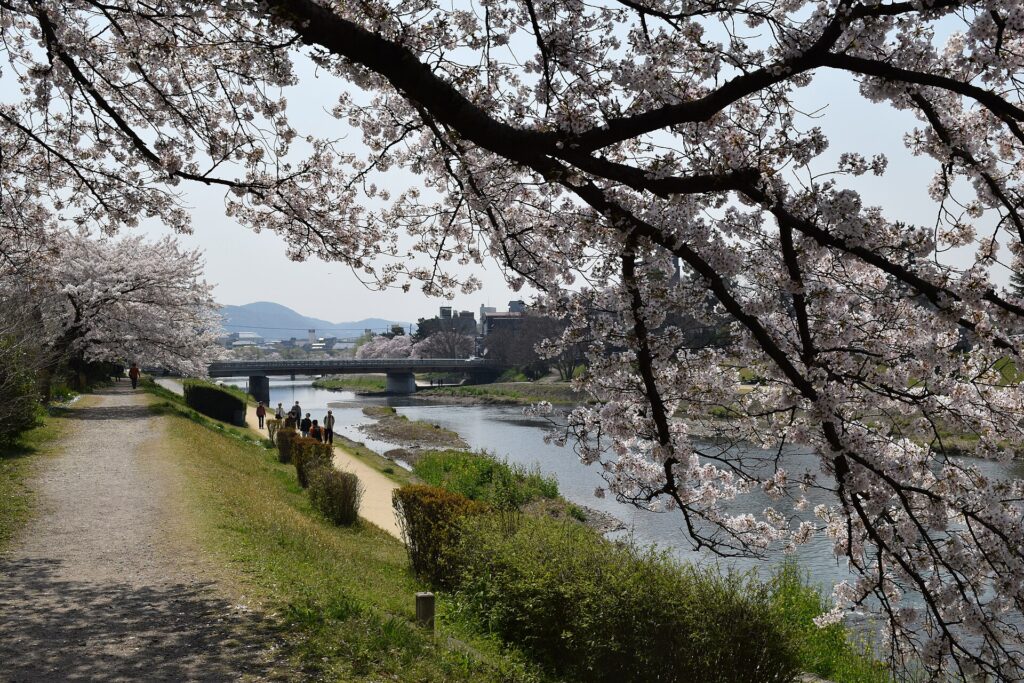
FFU Editorial Note: Cherry blossom forecasts cross-checked against the Japan Meteorological Corporation. Climate normals from Japan Meteorological Agency. Last verified: 1 May 2026. This seasonal breakdown is part of our full Japan travel guide.
The honest answer to “when should I visit Japan” depends on what you’re chasing. Cherry blossoms peak in April for a week. Snow monkeys bathe in steam through January. Mt Fuji is statistically clearest in winter. The summer is brutal in Tokyo and unmissable on the coast. Below is a month-by-month breakdown with the actual trade-offs — weather, crowds, prices, festivals — so you can pick the month that matches the trip you actually want.
Part of the FFU Japan cluster: Japan overview · 25 things to do in Japan · 14-day Japan itinerary
At a glance
| Month | Weather | Crowds | Highlight |
|---|---|---|---|
| January | Cold, dry, clear | Low (post-NY) | Powder skiing, Mt Fuji visibility |
| February | Cold, dry, clear | Low–medium | Sapporo Snow Festival, plum blossoms |
| March | Cool, pleasant | Building | Plum blossoms, early cherry blossoms (Kyushu) |
| April | Mild, perfect | Peak (sakura) | Cherry blossoms (Honshu) |
| May | Mild, perfect | Medium | Lush green, hiking, festivals (avoid Golden Week) |
| June | Tsuyu (rainy season) | Low | Hydrangeas, cheaper hotels, less crowded temples |
| July | Hot, humid | High (festivals) | Gion Matsuri (Kyoto), beaches |
| August | Brutal heat | High (Obon) | Fireworks, summer festivals; AVOID cities |
| September | Warming down | Low–medium | Post-typhoon clarity, fewer crowds |
| October | Cool, dry, perfect | Medium | Hiking, the year’s best month |
| November | Cool, dry | Peak (koyo) | Autumn leaves (koyo) in Kyoto |
| December | Cold, dry, clear | Low (early), high (NY) | Mt Fuji clarity, illuminations |
January — Clearest skies and best snow
January is the locals’ secret. Skies are clear, the air is dry, Tokyo is back to normal after the New Year holiday (Jan 1–3 is shut), and Mt Fuji is statistically visible 60% of mornings — the highest of any month. Hokkaido and the Japan Alps get the deepest powder of the year mid-month. Tokyo runs 1–10°C, Kyoto is similar with occasional snow.
Best for: Skiing Niseko, Hakuba, Nozawa Onsen · onsen with snow falling · Mt Fuji clarity · cheap hotel rates first 3 weeks · winter illuminations
Avoid: January 1–3 (most temples and museums closed); Chinese New Year week (book ahead)
Festival: New Year shrine visits (hatsumode) — atmospheric if you’ve never seen 3 million people pray in a week
February — Cold, clear, plum blossoms, Sapporo Snow Festival
Still cold and dry, but the first sign of spring arrives — plum blossoms (ume) in Mito, Atami, and Kyoto’s Kitano Tenmangu shrine bloom mid-to-late February. Sapporo Snow Festival (early Feb, 7-day run) draws 2 million visitors to see ice sculptures the size of buildings. Powder skiing is still excellent.
Best for: Sapporo Snow Festival · plum blossoms · Hokkaido · onsen weeks · still cheap pre-spring rates
Avoid: Sapporo during the Snow Festival without 4 months booking lead time
Festival: Sapporo Snow Festival (Feb 4–11 in 2026)
March — The shoulder you should consider
Underrated month. Plum blossoms peak across Honshu. Cherry blossoms start in Kyushu (Fukuoka, late March) before opening in Tokyo and Kyoto in the last days of March. Weather is cool but pleasant — 8–14°C in Tokyo, light layers. Crowds are building but not yet at peak. Hotel prices are still moderate before April’s surge.
Best for: Beating the cherry blossom crowds in Kyushu · plum-blossom photography · pre-sakura hotel rates
Avoid: The very last week if you have inflexible dates — sakura forecasting changes year-to-year
Festival: Hina Matsuri (Doll Festival, March 3); Omizutori (water-drawing fire festival at Todai-ji, Nara, early March)
April — Cherry blossom peak — and yes, it’s worth the crowd
The most-photographed week of the Japanese year. Tokyo and Kyoto sakura peak typically April 1–10, northern Honshu (Sendai, Hirosaki) April 15–25, Hokkaido (Sapporo) early May. Hotels are 2x normal price and book out 6 months ahead. Yoshino Mountain in Nara has 30,000 trees in altitudinal bands April 5–15 — the serious cherry blossom hunter’s destination.
Best for: Cherry blossoms · perfect 14–20°C weather · the photographs of your life
Avoid: Easter week (Western tourists pile on) · the very famous parks (Ueno, Meguro River) on weekends — go midweek dawn
Festival: Hanami picnics under the trees · Takayama Spring Festival (April 14–15) with elaborate floats
May — Lush, mild, perfect — but Golden Week is brutal
Possibly the best month in Japan if you can avoid Golden Week (April 29 – May 5, when domestic travel triples and prices peak). After May 6, the country exhales — fresh greenery covers the temples, weather is 18–23°C, hiking trails open, and crowds drop dramatically. Cherry blossoms have moved to Hokkaido (early May).
Best for: Hiking Nakasendo, Kumano Kodo, Mt Fuji approach trails · Hokkaido sakura · gardens in their fresh-green peak
Avoid: Golden Week (April 29 – May 5) like your trip depends on it. Hotels triple in price; everything is full
Festival: Sanja Matsuri (Senso-ji, mid-May, three days, 1.5 million people)
June — Tsuyu — rainy season — and surprisingly wonderful
Tsuyu (the rainy season) hits most of Japan early-to-mid June and lasts about a month. It rains, but not constantly — usually short heavy showers, then sun. The trade-off is hydrangeas everywhere, hotel rates 30–40% below peak, and almost no crowds at major temples. Mid-range hotels in Kyoto that are ¥35,000 in April are ¥18,000 in June.
Best for: Hydrangea season at Hase-dera (Kamakura) and Mimuroto-ji (Kyoto) · cheap hotels · empty bamboo grove and Fushimi Inari · indoor museums and tea ceremony classes
Avoid: Beach plans (typhoons start late June) · hiking the Japan Alps (still snowy at altitude)
Festival: Hokkaido is dry and beautiful in June — northern alternative
July — Hot, festival-heavy, time to head north or coastal
Tokyo and Kyoto are hot and humid — 28–33°C with 70%+ humidity. The cities aren’t pleasant midday. But: Gion Matsuri runs the entire month in Kyoto, climaxing July 17 with the famous float parade. Beach towns on the Sea of Japan side and Hokkaido are perfect. Mt Fuji climbing season opens July 1.
Best for: Gion Matsuri · climbing Mt Fuji (do the overnight route) · beach trips to Okinawa or Izu Peninsula · Hokkaido (low 20s°C and dry)
Avoid: Walking-tour-heavy days in Tokyo or Kyoto midday
Festival: Gion Matsuri (Kyoto, all of July) · Tenjin Matsuri (Osaka, July 24–25, river boat parade with fireworks)
August — The brutal month — go to the coast, not the city
August is hot, sticky, and crowded with domestic Obon (mid-August) travel. Tokyo regularly hits 35°C with humidity that makes 30 minutes outside feel like a workout. Hotel prices spike for Obon week (Aug 13–17) when most Japanese travel home. The salvation: fireworks (hanabi) festivals every weekend, summer matsuri in every neighborhood, and the country’s coastlines are at their best.
Best for: Hanabi (fireworks) on the Sumida River · Obon traditions · beaches (Okinawa, Shikoku, Izu) · mountain escapes (Karuizawa, Hakone, Lake Kawaguchi)
Avoid: Tokyo, Kyoto, Osaka heat-walking days · Obon week (Aug 13–17) for spontaneous travel
Festival: Awa Odori (Tokushima, Aug 12–15) — 1.3 million people dance for 4 days
September — The post-summer secret window
September is when the locals know to travel. The first weeks remain warm but humidity drops. Late September feels like Tokyo’s best — 22–27°C, dry mornings, crisp evenings. Typhoon season peaks early-to-mid September (track JMA forecasts) but the storms pass quickly and clear the air. Crowds are way down post-Obon.
Best for: Photography (clearest air post-typhoons) · cycling Shimanami Kaido · ferries to remote islands · last beach days · pre-foliage Kyoto
Avoid: Booking non-refundable plane tickets to Okinawa during typhoon weeks
Festival: Tsukimi (moon viewing) · Kishiwada Danjiri (Sept 15) — wooden floats raced through Osaka streets
October — Argument: the best month of the year
Cool, dry, clear, mild — 18–22°C in Tokyo and Kyoto, low humidity, blue skies. Trees start turning in Hokkaido and the Japan Alps mid-month. Less crowded than April and arguably better weather. If you can only pick one shoulder month, pick this one.
Best for: Hiking Nakasendo, Kumano Kodo, Mt Fuji shrines · cycling · day trips · Tokyo Fashion Week · open-air everything
Avoid: Halloween weekend in Shibuya (dangerously crowded since 2023; Tokyo officials now actively discourage attendance)
Festival: Takayama Autumn Festival (Oct 9–10) · Jidai Matsuri (Kyoto, Oct 22) — 2,000 costumed marchers parading 1,200 years of Japanese fashion
November — Autumn leaves (koyo) peak — the second photo season
The second great pilgrimage month. Kyoto’s autumn leaves peak November 15–25 — temple gardens (Tofuku-ji, Eikan-do, Kiyomizu-dera) are illuminated at night, the maple trees go cardinal red against gold ginkgo. Tokyo peaks slightly later (late Nov–early Dec). Hotels are nearly as expensive as April’s sakura week, but the photography rivals it. Cool weather (10–18°C), no rain.
Best for: Koyo (autumn leaves) photography · night illuminations · onsen as it gets cold · final pre-winter clarity
Avoid: Tofuku-ji on weekends (you will see the back of someone’s head, not maples) — go weekday opening
Festival: Shichi-Go-San (Nov 15) — 3, 5, and 7-year-olds in formal kimono visit shrines
December — Cold, clear, illuminated — and one of the year’s best windows
December divides cleanly. December 1–25: low crowds, clear skies, illuminations everywhere (Kobe Luminarie is the most famous), bargain hotel rates, and Mt Fuji visibility nearly as high as January. December 26 – January 3: domestic New Year travel — temples are packed for hatsumode, hotels are full, prices spike. Cold (5–12°C in Tokyo) but bearable with layers.
Best for: Winter illuminations · Mt Fuji clarity · onsen + snow · Christmas Eve KFC tradition (yes, really)
Avoid: December 29 – January 3 unless you’re chasing the New Year experience specifically
Festival: Hatsumode (first shrine visit of the year) Dec 31 night – Jan 3
The honest answer for first-timers
If money is no object: first week of April for cherry blossoms, despite the prices.
If you want the best weather and lighter crowds: mid-October.
If you want bargains: late June (rain, hydrangeas, half-price ryokans).
If you want clear Mt Fuji photographs: January 8–25.
If you want autumn leaves: November 18–25 in Kyoto, late November–early December in Tokyo.
If you want festivals: mid-July for Gion Matsuri or August for fireworks (but bring tolerance for heat).
Avoid these dates regardless
- Golden Week (April 29 – May 5) — domestic travel chaos, 2x prices
- Obon (August 13–17) — same as above
- New Year (Dec 29 – Jan 3) — most attractions closed, hotels full
- Sapporo Snow Festival peak weekend (without 4 months booking lead time) — Sapporo hotels triple
- Cherry blossom weekend in Tokyo (peak Sat–Sun in early April) — Yoyogi Park and Meguro River are unwalkable
Article by FFU Editorial · Last verified: 1 May 2026 · Found a factual error? Email a correction and we’ll update within 48 hours.
The full Japan guide
- Japan country overview
- 25 best things to do in Japan
- 14-day Japan itinerary
- How much does a Japan trip cost?
- Tokyo guide
- Kyoto guide
FFU contains affiliate links. We earn a commission when you book through them — at no extra cost to you.
Plan your trip
- Tours & experiences: browse Japan tours and experiences on Klook.
- Airport pickup: pre-book an airport transfer with GetTransfer.
- Car hire: compare rental cars on GetRentacar.
- Bag storage: store your bags with RadicalStorage.
Disclosure: some links above are affiliate links — booking through them supports Facts From Upstairs at no extra cost to you.