
🚗 Getting Around Rotorua
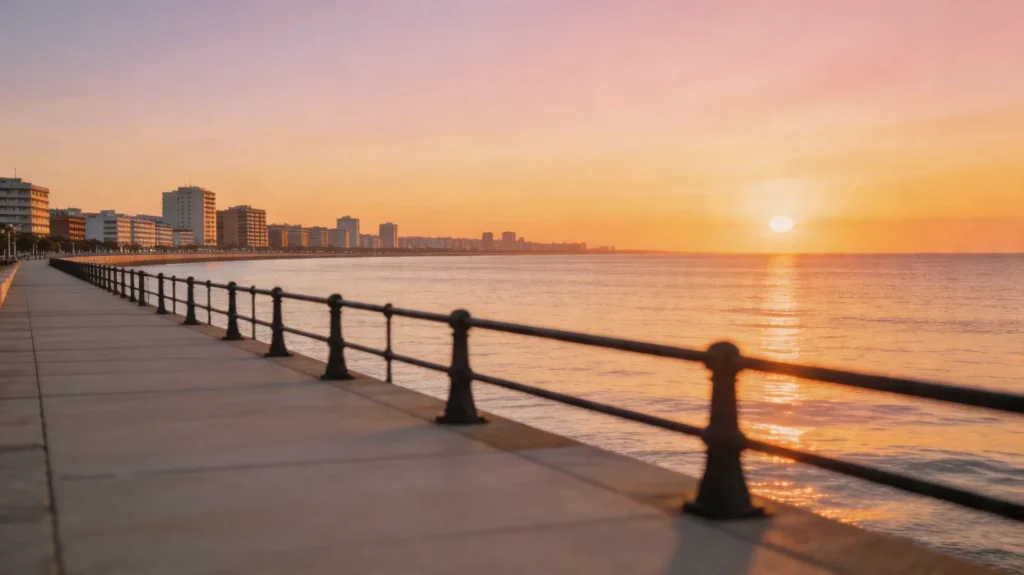
Rotorua’s compact town center is walkable, with restaurants, shops, and the lakefront all within easy reach on foot. However, most geothermal attractions, Maori cultural sites, and adventure activities are spread across the wider region, making a rental car the most practical option for independent travelers. Rental agencies operate at Rotorua Airport and in town.
Local bus services (Baybus) connect some attractions but run infrequently — they’re useful for budget travelers with flexible schedules but not ideal for packed itineraries. Guided tour operators offer half-day and full-day packages combining multiple geothermal sites and cultural experiences, which can be excellent value when factoring in entry fees and expert commentary.
Cycling is increasingly popular, with Rotorua’s network of dedicated bike trails extending well beyond the mountain biking tracks. E-bike rentals make exploring the lakefront and outlying areas accessible to all fitness levels. For travel beyond Rotorua, InterCity buses connect to Auckland (3.5 hours), Taupo (1 hour), and other North Island destinations.
🍽️ Where to Eat & Drink in Rotorua
Rotorua’s food scene reflects New Zealand’s culinary evolution — fresh local ingredients, Maori-influenced cooking techniques, and international influences create a dining landscape that surprises many visitors. The must-try experience is a hangi feast, where meat and vegetables are slow-cooked underground using geothermal heat or heated stones. Several Maori cultural experiences include hangi dinners, offering smoky, tender flavors impossible to replicate with conventional cooking.
The Eat Streat dining precinct on Tutanekai Street concentrates excellent restaurants, cafes, and bars along a pedestrianized stretch with outdoor seating. You’ll find everything from wood-fired pizza to craft beer taprooms to fine dining featuring New Zealand lamb, venison, and fresh seafood. Lakefront cafes along Lake Rotorua provide scenic settings for brunch with views across the water to Mokoia Island.
For budget-friendly options, the Rotorua Night Market (Thursday evenings) serves diverse street food from local vendors. The region’s trout fishing heritage means fresh rainbow trout appears on many menus — note that trout cannot be commercially sold in New Zealand, so restaurant trout is farm-raised while lake-caught fish can be prepared by some establishments if you bring your own catch.
❓ Frequently Asked Questions About Rotorua
Does Rotorua really smell like sulfur?
Yes — Rotorua’s distinctive sulfur smell (often compared to rotten eggs) is caused by hydrogen sulfide gas released from geothermal vents throughout the region. The smell is strongest near active thermal areas and varies by wind direction and weather. Most visitors adjust within a few hours, and many locals say they no longer notice it at all. It’s a small trade-off for living among such extraordinary natural phenomena.
How many days do I need in Rotorua?
Two to three days allows a thorough Rotorua experience — one day for geothermal attractions (Te Puia or Wai-O-Tapu), one day for Maori cultural experiences and thermal bathing, and a third for adventure activities or mountain biking. Budget travelers or those with specific interests can cover highlights in two full days, while outdoor enthusiasts could easily spend a week exploring trails and lakes.
Is Rotorua good for families with children?
Rotorua is excellent for families. Children are fascinated by bubbling mud pools and erupting geysers, and many geothermal parks have well-designed visitor paths with educational displays. Family-friendly activities include the Skyline Gondola and luge, Wingspan bird sanctuary, and gentle lake kayaking. Many thermal pools have dedicated children’s areas with appropriate temperatures.
What’s the best geothermal attraction to visit?
Te Puia (home to Pohutu Geyser and the New Zealand Maori Arts & Crafts Institute) offers the most comprehensive experience combining geothermal features with cultural immersion. Wai-O-Tapu Thermal Wonderland features the most visually stunning colored pools and the Lady Knox Geyser. If time allows, visiting both provides complementary experiences — Te Puia for geysers and culture, Wai-O-Tapu for colorful thermal landscapes.
Can I combine Rotorua with other North Island destinations?
Absolutely. Rotorua sits centrally on the North Island, making it an ideal hub. Taupo and Tongariro National Park are just 1-1.5 hours south, Hobbiton (Matamata) is 45 minutes northwest, and the Coromandel Peninsula is 2 hours northeast. Many travelers combine Rotorua with an Auckland–Rotorua–Taupo–Wellington route covering the North Island’s highlights.
Rotorua, New Zealand: Geothermal Wonderland, Maori Culture & Mud Pools
Where Geothermal Wonders Meet Sacred Maori Traditions in New Zealand’s Thermal Heart
Rotorua stands as one of the world’s most active geothermal regions, where the earth’s interior energy manifests through bubbling hot springs, dramatic geysers, and steaming volcanic vents. Located in New Zealand’s North Island, the city occupies a landscape unlike anywhere else on the planet—one where visitors can stand among erupting geysers, witness boiling mud pools, and experience the primal power of planetary geology. The combination of spectacular natural phenomena with deep Maori cultural significance creates a destination where natural wonder and indigenous heritage intertwine inseparably.
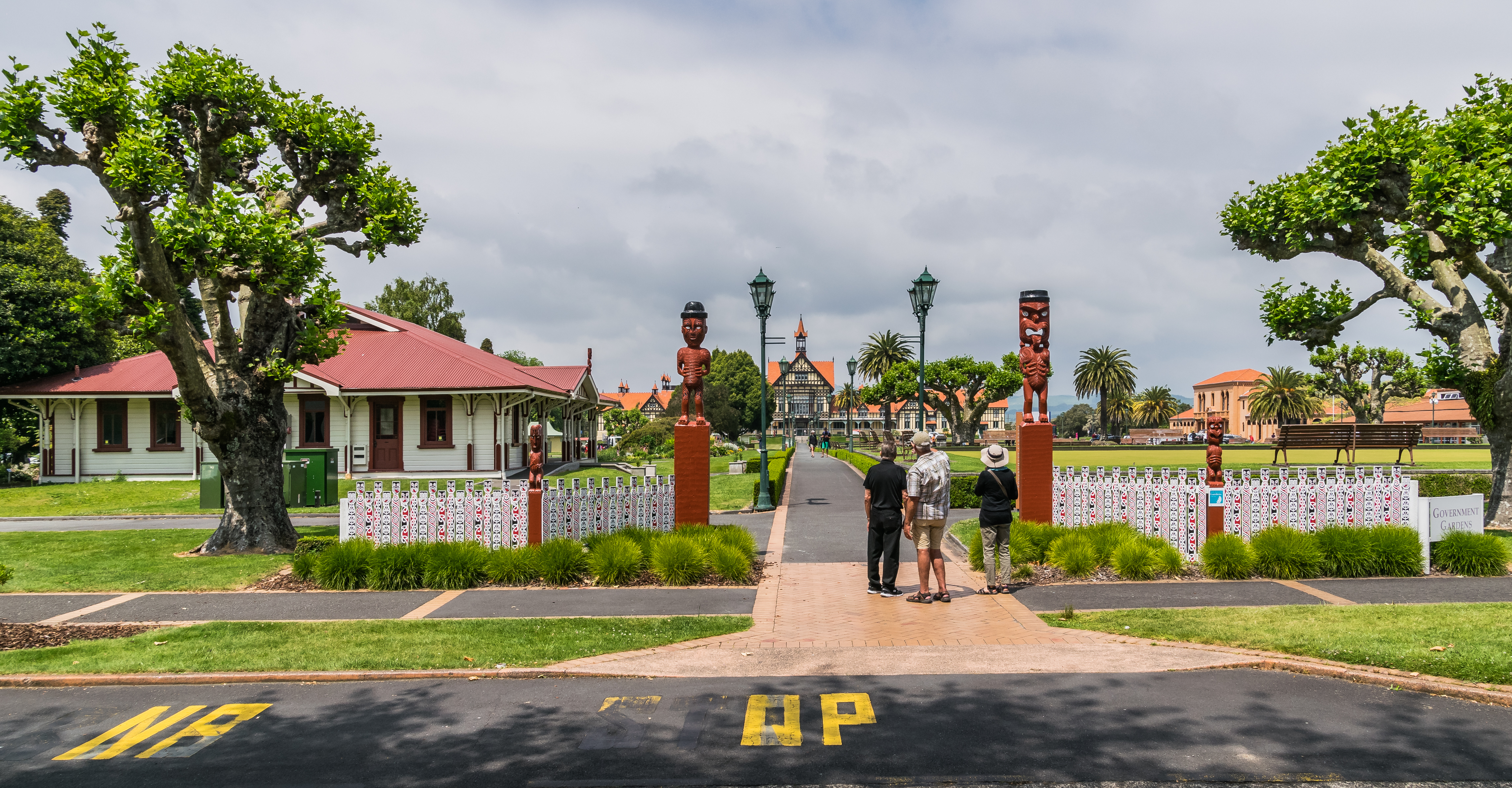
The region’s geothermal intensity results from New Zealand’s position on the Pacific Ring of Fire, where tectonic plates collide and create geological turbulence. This geological setting, while creating constant natural drama, also shaped Maori settlement patterns—early arrivals recognized geothermal energy’s potential and developed sophisticated systems for heating, cooking, and healing. Contemporary Rotorua preserves these ancient traditions while attracting visitors fascinated by the earth’s raw power.
For travelers interested in geological science, indigenous cultures, adventure activities, and natural phenomena that defy expectation, Rotorua offers experiences combining education with wonder. The region rewards extended visits that allow understanding how geothermal landscapes shape settlement patterns, cultural development, and contemporary community identity.
Table of Contents
Geothermal Wonders & Natural Phenomena
Rotorua’s geothermal landscape centers on the Geyser Valley region, where Pohutu Geyser erupts regularly, shooting water and steam up to 30 meters into the air. The geyser’s eruptions, while unpredictable in exact timing, occur multiple times daily with enough regularity to allow visitor planning. Standing near an erupting geyser provides visceral understanding of planetary energy—the combination of sound, heat, and visual spectacle creates unforgettable sensory experiences.
The Rotorua Caldera, formed approximately 140,000 years ago through explosive volcanic eruption, defines the region’s geology. The eruption dispersed ash across New Zealand, fundamentally altering landscapes hundreds of kilometers away. The caldera’s lake-filled interior now appears peaceful, yet beneath the water lies volcanic rock containing the geothermal heat generating contemporary phenomena. The geological drama remains palpable for visitors understanding the landscape’s violent volcanic origins.
The Champagne Pool, a colorful hot spring, displays brilliant blues, oranges, and yellows resulting from mineral deposits and thermophilic organisms thriving in extreme temperatures. The pool’s colors change depending on viewing angle and light conditions, creating visual phenomena that seem to exceed photographic reality. The pool’s silica-rich water flows over edges, creating mineral terraces resembling frozen waterfalls.
Mud pools throughout the region bubble with geothermal gases and superheated clay, creating otherworldly landscapes of browns, grays, and reds. The mud’s thickness varies from pourable to solid, with gases generating distinctive sulfurous aromas detectable from distance. Walking among mud pools provides encounters with landscapes fundamentally shaped by planetary forces.
Maori Culture & Living Traditions
Rotorua stands at the heart of Maori New Zealand, with Maori communities comprising substantial population percentages and maintaining strong cultural traditions. The region’s indigenous people, Te Arawa iwi (tribe), inhabited these lands for over 3,000 years, developing sophisticated understanding of geothermal energy, natural resources, and sustainable settlement patterns. Contemporary Maori communities maintain cultural practices, languages, and worldviews that predate European arrival by millennia.
Traditional Maori villages showcase hangi (earth ovens) that utilize geothermal heat for cooking. Maori people recognized that heated earth in geothermal zones could cook food without requiring fire—understanding that transformed resource utilization and cultural development. Contemporary visitors can participate in traditional hangi cooking experiences, learning techniques passing through generations while enjoying food cooked through methods ancestors used for centuries.
Te Whakarewarewa (The Geyser) village preserves living Maori community alongside geothermal features, with residents maintaining traditional arts, crafts, and cultural practices. Visiting provides opportunities to observe weaving, wood carving, and other traditional arts while learning about Maori philosophy and relationship with landscape. The village’s integration of cultural preservation with tourism creates complex dynamics worth examining thoughtfully.
Contemporary Maori artists throughout Rotorua explore traditional and contemporary mediums, creating works addressing cultural identity, historical trauma, and contemporary experience. Visiting galleries and attending cultural performances reveals how Maori communities express identity while engaging with global artistic movements. This artistic engagement demonstrates culture as living practice rather than historical artifact.
Traditional Arts
Weaving, carving, and other crafts passed through generations
Cultural Centers
Museums and living villages preserving and sharing Maori heritage
Performance Arts
Haka, poi dances, and other traditional performances
Spiritual Traditions
Contemporary practice of ancestor respect and natural world relationship
Adventure Activities & Outdoor Experiences
Rotorua offers adventure activities for varying skill levels, from sedate lake cruises to extreme adrenaline experiences. The region’s natural features—lakes, forests, and geothermal zones—provide settings for mountain biking, hiking, fishing, and water sports. The Rotorua Adventure Hub provides access to ziplines, jet boats, skydiving, and other extreme activities centered in town.
Mountain biking through Rotorua’s network of tracks combines forest scenery with technical riding challenges. Trails range from beginner-friendly to advanced downhill routes. The volcanic soil creates excellent riding conditions, while geothermal vents alongside some trails remind riders of their spectacular setting. The region’s extensive trail network attracted a professional mountain biking event, establishing Rotorua’s reputation as adventure destination.
Lake activities include fishing for rainbow trout (Rotorua’s lakes contain excellent fishing), jet boating, kayaking, and scenic cruises. The lakes’ thermal features add drama to water activities—some hot springs discharge directly into lakes, creating unusual temperature variations and mineral-rich waters. Early morning or sunset activities provide particularly beautiful lighting and fewer crowds.
Hiking throughout the region ranges from short geothermal walks to multi-day treks. The volcanic plateau scenery combines dramatic geological features with indigenous forest ecosystems. Well-marked trails provide safe access while allowing exploration of spectacular landscapes.
Unique Thermal Experiences
Thermal pools and bathing experiences represent Rotorua’s most distinctive and therapeutic offerings. The region contains dozens of geothermal pools with varying temperatures, mineral compositions, and settings. Soaking in naturally heated mineral-rich waters while surrounded by volcanic landscape creates experiences unavailable elsewhere on earth.
The Rotorua District Geothermal Area contains multiple thermal attractions accessible as day visits. Travelers can visit different locations throughout the region, experiencing diverse geological features and varying levels of tourist infrastructure. Some pools remain largely undeveloped, providing encounters with thermal features in natural settings. Others provide facilities, warm water showers, and changing rooms enabling comfortable extended bathing.
Spa facilities throughout Rotorua utilize thermal waters for massage, mud treatments, and relaxation therapies. Visitors can combine natural bathing with professional spa treatments, extending the therapeutic experience. Many accommodations include private thermal pools, allowing room-based thermal soaking.
Natural Pools
Geothermally heated pools in natural settings
Spa Facilities
Professional treatments utilizing thermal waters
Mud Bathing
Silica and mineral-rich mud treatments
Hot Springs
Thermal spring experiences from luxury to rustic
Planning Your Rotorua Visit
Rotorua is accessible via Auckland, New Zealand’s largest international airport, approximately 240 kilometers away (3-4 hour drive). Domestic flights also serve Rotorua directly. Rental cars provide maximum flexibility for exploring the region’s scattered attractions. Organized tours offer alternative transportation for visitors preferring guided experiences.
Spring (September-November) and autumn (March-May) provide pleasant temperatures (15-20°C) with manageable rainfall. Summer (December-February) brings warm weather but crowds and higher accommodation prices. Winter (June-August) brings cooler temperatures but fewer tourists and excellent conditions for thermal pool soaking in contrast with cool air.
Rotorua smells distinctly sulfurous due to geothermal activity and hydrogen sulfide emissions. New arrivals often notice this smell immediately; most visitors acclimate within hours or days. The aroma, while strong initially, reflects the region’s geological authenticity.
Rotorua is small enough for walking downtown but large enough to provide services and restaurants. The region’s infrastructure accommodates tourism while maintaining local character. Restaurants range from casual cafes to fine dining establishments, with quality generally good across price ranges.
Currency is New Zealand dollars. Credit cards are widely accepted, with ATMs available throughout town. Rotorua offers good value compared to major tourist destinations, with thermal experiences and accommodations reasonably priced for New Zealand.
Experience Rotorua’s Geothermal Magic
Rotorua invites you to witness planetary forces in action, honor indigenous cultures that shaped New Zealand’s identity, and immerse yourself in thermal experiences that rejuvenate body and spirit. From erupting geysers to traditional Maori villages to adventure activities, Rotorua delivers world-class experiences unavailable elsewhere.
Start planning your Rotorua adventure today with Facts From Upstairs.