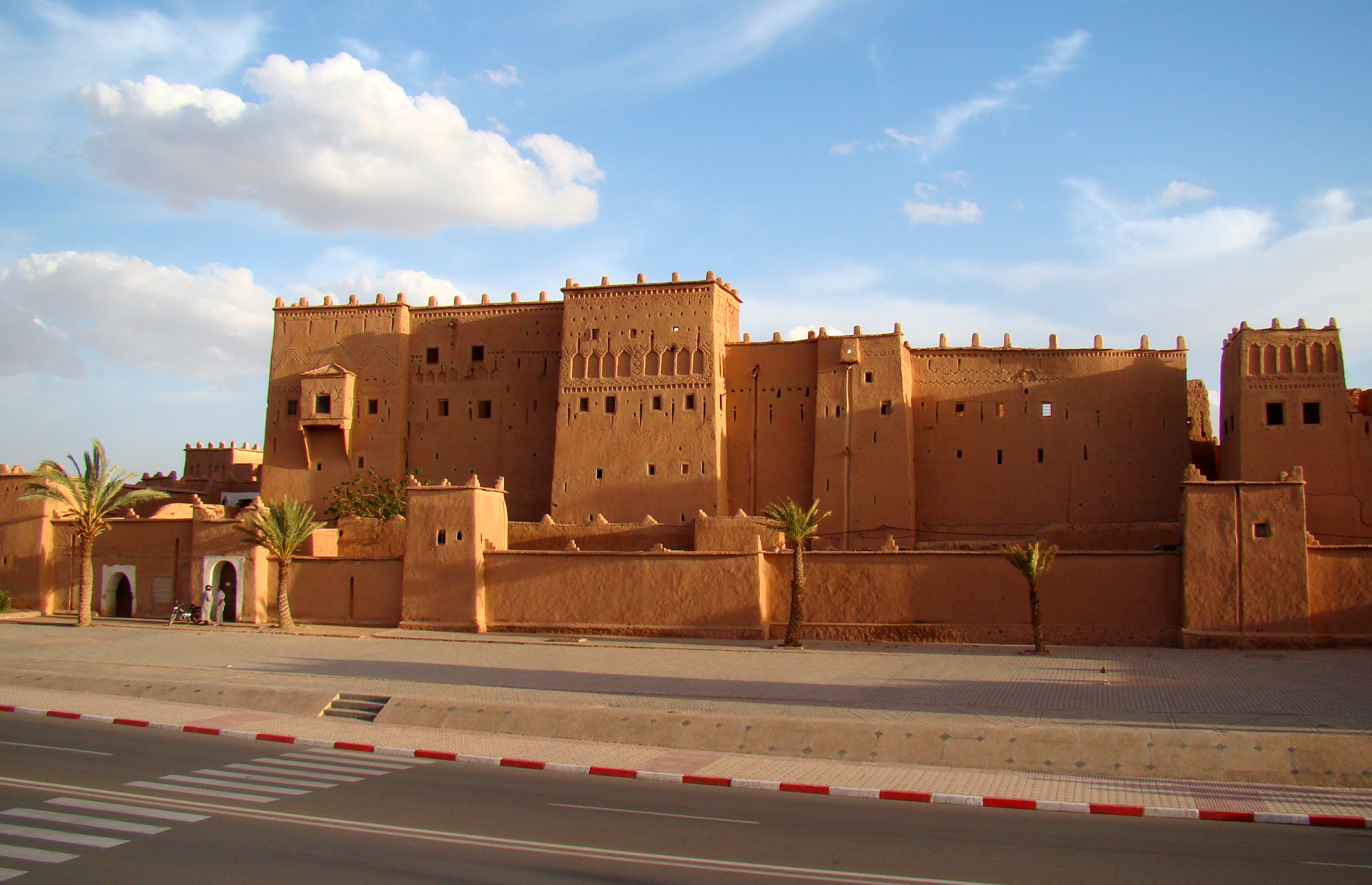
Ouarzazate, Morocco: Door of the Desert, Film Studios & Kasbah Trails
Door of the Desert, Film Studios & Kasbah Trails
Facts From Upstairs Travel • Updated March 2026
40
Desert Kasbah Monuments
1.5K+
Year-round Visitors
Ouarzazate, Morocco emerges as a cinematic gateway where desert landscapes meet film industry ambitions. Nestled at the crossroads of Saharan trade routes and contemporary tourism, this city embodies Morocco’s multifaceted character. Ancient kasbahs testify to historical trading networks, while film studios represent modern creative enterprise. This destination rewards travelers seeking authentic desert experiences intertwined with cultural heritage and contemporary cultural production.
place-name meanings reveals how communities understand themselves and their geographical positions within larger regional and global contexts.
✦
Historical Significance & Cultural Heritage
Ouarzazate’s history spans centuries, with layers of cultural, commercial, and political significance accumulating across generations. Ancient trade routes connected this location to distant regions, bringing merchants, ideas, religions, and technologies that shaped local development. Colonial periods introduced new architectural styles, administrative systems, and economic structures that persist in contemporary urban form.
Archaeological sites throughout the region document pre-colonial civilizations, revealing sophisticated societies with complex social organization, trade networks, and cultural achievements. Museums preserve artifacts and historical narratives, though many collections remain incomplete or inadequately documented. Visiting these institutions with critical awareness—understanding what stories are presented, what perspectives are centered, what historical narratives shape contemporary identity—enriches historical understanding.
📚
Fun fact: Many African cities served as intellectual centers where scholars, philosophers, and religious leaders engaged in sophisticated discourse. Universities and learning institutions flourished in historical {city}, contributing to broader intellectual traditions across the region.
Colonial architecture in Ouarzazate represents multiple European influences and local adaptations. Stone buildings, administrative centers, and residential structures from colonial periods reflect architectural styles, materials, and engineering knowledge contemporary Europeans brought to African contexts. Walking through older neighborhoods reveals how colonial urban planning created spatial hierarchies reflecting racial and class systems that persist in contemporary geography.
Traveler’s Tip: Visit historical sites during morning hours when light reveals architectural details and fewer tourists congrats spaces. Hire local guides who possess detailed knowledge about sites’ histories, cultural meanings, and contemporary interpretations beyond guidebook summaries.
Ancient Traditions
Indigenous societies developed sophisticated cultures predating colonial contact, with artistic, agricultural, and organizational achievements documented through archaeological evidence and oral histories.
Colonial Legacies
European colonization introduced new architectural, administrative, and economic systems that fundamentally transformed local societies and persist in contemporary urban and political structures.
Independence Movements
Anti-colonial resistance movements culminated in independence, reshaping national identity and political systems while communities worked to recover and reestablish cultural practices suppressed during colonialism.
Contemporary Heritage
Modern {city} preserves historical sites while navigating challenges of limited preservation funding, tourist pressures, and development demands competing for urban space and resources.
✦
Natural Wonders & Outdoor Exploration
The regions surrounding Ouarzazate offer natural beauty ranging from pristine beaches to tropical forests to dramatic geological formations. These ecosystems support endemic plant and animal species found nowhere else globally, making natural area visits opportunities for understanding evolutionary processes and ecological adaptation. Responsible tourism practices—staying on marked trails, respecting wildlife, minimizing waste—protect these fragile environments.
🏖️
Fun fact: Tropical climates create distinctive ecosystems where biodiversity concentrates in smaller geographic areas than temperate zones. Rainforests, coastal areas, and wetlands near {city} host extraordinary species diversity, with new species regularly documented by scientists exploring remote areas.
Beach experiences near Ouarzazate range from crowded tourist areas to isolated stretches accessible only by boat or hiking. Snorkeling and diving reveal coral reef ecosystems supporting thousands of fish species and other marine organisms. These fragile ecosystems face threats from climate change, pollution, and tourism impacts, making diving practices that minimize harm—maintaining distance from corals, avoiding sunscreen chemicals, not touching marine life—essential components of responsible travel.
Traveler’s Tip: Book tours and activities through established operators offering fair wages to guides and crew. Ask operators about their environmental practices, wildlife protection measures, and community benefit models. Supporting responsible tourism operators creates market incentives for ethical practices throughout the industry.
Hiking and trekking opportunities throughout the region offer encounters with landscapes and wildlife unavailable in developed nations. Multi-day treks through forests, across plateaus, or along coastal areas require physical preparation but reward participants with immersion in natural beauty and often encounters with local communities living in remote areas.
🌴
Natural ecosystems and outdoor adventure opportunities
✦
Local Culture & Community Engagement
The strongest travel experiences in Ouarzazate emerge through engagement with local communities, participation in cultural events, and genuine interaction rather than passive observation of culture as performance. This requires humility, genuine interest in others’ perspectives, and willingness to acknowledge power dynamics and historical injustices shaping contemporary relationships between travelers and communities.
🎭
Fun fact: Traditional arts, music, and dance forms in {city} preserve cultural heritage while contemporary artists adapt traditional forms for modern contexts. Attending performances, visiting artist studios, and purchasing directly from creators supports cultural practitioners economically while gaining authentic cultural understanding.
Markets in Ouarzazate remain primary social and commercial centers where locals gather, shop, and socialize. Unlike tourist-focused markets, neighborhood bazaars offer authentic commerce, fair pricing, and opportunities to observe daily life patterns. Learning basic local language phrases demonstrates respect and dramatically improves interactions with vendors and community members.
Traveler’s Tip: Eat where locals eat rather than seeking restaurants catering to tourist palates. Food stalls, family restaurants, and markets offer authentic cuisine at reasonable prices while supporting local food entrepreneurs directly. Asking vendors about dishes, ingredients, and preparation methods transforms eating from consumption into cultural education.
Religious sites including mosques, churches, temples, and sacred spaces welcome respectful visitors, though appropriate dress and behavior protocols vary. Understanding these protocols—removing shoes in certain spaces, dressing modestly, observing prayer times—demonstrates respect while providing opportunities to observe spiritual practices sustaining communities.
Language & Communication
Learning basic phrases in local languages facilitates interactions, demonstrates respect, and enriches travel experiences substantially. Language barriers become opportunities for creative communication and deeper engagement rather than frustrations.
Food & Hospitality
Sharing meals represents fundamental human connection across cultures. Food traditions reveal how communities adapted to environments, what ingredients sustainability provides, and how cultural values shape culinary practices.
Arts & Crafts
Traditional crafts including textiles, pottery, woodworking, and jewelry preserve cultural knowledge while providing income for artisans. Purchasing directly from creators supports communities economically and ensures fair compensation.
Festivals & Celebrations
Experiencing local festivals immerses travelers in community celebrations while supporting cultural practitioners. Understanding festival meanings and historical contexts enriches appreciation beyond spectacle enjoyment.
✦
Cuisine & Culinary Traditions
Ouarzazate’s cuisine reflects geographical position, historical influences, and local agricultural production. Regional dishes developed over generations, embedding cultural knowledge, seasonal awareness, and flavor preferences particular to communities. Understanding food traditions requires appreciating how geography shapes ingredient availability, how history introduces new crops and cooking techniques, and how communities maintain culinary practices sustaining cultural identity.
🍽️
Fun fact: African and island cuisines throughout the region emphasize fresh ingredients, sustainable fishing practices, and recipes passed through generations. Spices including cloves, cardamom, cinnamon, and nutmeg that shaped global trade remain fundamental to contemporary cooking, preserving flavor profiles established centuries ago.
Street food in Ouarzazate offers authentic experiences at minimal expense. Vendors cooking near markets, beaches, and transportation hubs serve traditional preparations using time-tested techniques. These food entrepreneurs maintain culinary traditions while supporting families through direct food sales. Purchasing street food supports local economies directly while experiencing authentic cuisine.
Traveler’s Tip: Request recommendations from local guesthouses, guides, and community members rather than relying on guidebooks or online reviews. Locals know hidden neighborhood restaurants serving excellent food at fair prices, offering experiences inaccessible to tourists following standard guidebooks.
Dining in Ouarzazate ranges from upscale restaurants serving contemporary interpretations of traditional cuisine to family-operated establishments maintaining ancestral recipes. High-end restaurants cater to international tourists and wealthy locals, while modest establishments serve primarily local customers. Both extremes offer valuable experiences—refined restaurants demonstrate how chefs recontextualize traditional cuisines, while modest establishments reveal how communities actually eat.
🥘
Local cuisine and culinary traditions
✦
Planning Your Visit
Visiting Ouarzazate requires practical preparation including understanding entry requirements, seasonal considerations, health precautions, and logistical details enabling smooth travel experiences. Research current conditions, local news, and travel advisories before departure, recognizing that information changes and firsthand reports from recent travelers provide valuable current perspectives.
Most visitors require visas, obtainable through embassies, consulates, or online systems. Visa acquisition typically requires several days, so initiate applications well before travel dates. Yellow fever vaccination remains recommended for much of the region, and malaria prophylaxis may be advisable depending on specific destinations. Consult medical professionals specializing in travel medicine for personalized health recommendations.
✈️
Fun fact: International flights to {city} typically route through continental hubs or regional centers. Flight costs vary significantly by season, with lower prices during shoulder seasons and higher prices during peak tourism periods. Booking in advance typically reduces costs, though flexibility regarding travel dates enables finding better pricing.
The optimal visiting season extends from June through October, when rainfall decreases and temperatures remain moderate. Dry seasons (specific months vary by location) offer excellent conditions for outdoor activities and wildlife observation. Rainy seasons bring lush landscapes and fewer tourists, though some activities become challenging. Understanding seasonal patterns enables selecting ideal travel timing.
Traveler’s Tip: Travel during shoulder seasons (May-June or September-October) for optimal combinations of pleasant weather, fewer tourists, and moderate accommodation prices. Book accommodations in advance during peak seasons but remain flexible during shoulder seasons when availability remains high despite moderate demand.
Accommodations in Ouarzazate range from luxury international hotels to locally-operated guesthouses. Mid-range options offer good value with comfortable conditions and cultural integration. Guesthouses provide opportunities to interact with proprietors who offer local knowledge and travel advice unavailable through international hotel chains. Supporting local accommodation operators ensures economic benefits remain within communities.
Entry & Documentation
Passports must be valid for at least six months beyond travel dates. Visa requirements vary by nationality—research requirements well in advance and obtain necessary documentation before departure.
Health Precautions
Consult travel medicine specialists for personalized health recommendations. Vaccinations, malaria prophylaxis, travel insurance, and basic medical supplies protect health and provide peace of mind during extended travels.
Currency & Money
Local currency remains necessary for bazaar purchases, local restaurants, and transportation. ATMs in city centers provide convenient access to local currency. Credit cards work at upscale establishments but cash remains essential.
Transportation & Movement
Local buses, shared taxis, and ride-sharing apps facilitate urban movement. Hiring experienced drivers for excursions outside cities provides safe transportation and local knowledge. Walking remains feasible for downtown exploration.
✦
Getting Around Ouarzazate
Ouarzazate’s town center is small and walkable, with the main avenue Mohammed V connecting most hotels, restaurants, and the tourist office. The Atlas Corporation Studios and Taourirt Kasbah are both within easy walking distance of the center. However, the region’s real treasures—the kasbahs, gorges, and desert—lie beyond the town itself.
Grand taxis (shared Mercedes sedans) run between Ouarzazate and nearby destinations including Aït Benhaddou (30 minutes), Skoura (40 minutes), and the Dades Valley. CTM and Supratours buses connect Ouarzazate to Marrakech (4–5 hours over the Tizi n’Tichka pass), Errachidia, and Zagora. The mountain pass road to Marrakech is one of Morocco’s most scenic drives.
Renting a car is the best option for exploring the Route of a Thousand Kasbahs, Todra Gorge, and Dades Gorge at your own pace. 4WD vehicles are recommended if venturing into the desert toward Merzouga or M’Hamid. Many visitors hire a local driver-guide for multi-day circuits—this provides local expertise, eliminates navigation stress on mountain roads, and costs surprisingly little split between travelers.
Traveler’s Tip: The road from Marrakech over the Tizi n’Tichka pass is winding and slow but spectacular. Allow a full day for the drive and stop at the Telouet Kasbah along the way—an often-missed gem with stunning tile work and mountain views.
✦
Where to Eat & Drink
Ouarzazate’s dining scene is modest but satisfying, centered on traditional Moroccan cuisine. Tagines are the star—slow-cooked stews of lamb, chicken, or vegetables with preserved lemons, olives, or prunes, served bubbling in conical clay pots. Restaurant Douyria and Chez Dimitri (the town’s oldest restaurant, operating since 1928 and once frequented by film crews) are reliable choices.
Couscous, traditionally served on Fridays, appears on most menus throughout the week for tourists. Harira soup, a tomato-based lentil and chickpea soup, makes an excellent starter or light meal. In the kasbahs and guesthouses along the Route of a Thousand Kasbahs, home-cooked meals prepared by family hosts often surpass restaurant dining in both quality and atmosphere.
Mint tea is the social lubricant of Morocco—expect it offered at every shop, hotel, and encounter. The desert regions around Ouarzazate produce excellent dates, particularly the Medjool variety from the Draa Valley. Fresh-squeezed orange juice from street carts costs just a few dirhams and provides refreshment during hot exploration days.
Traveler’s Tip: If staying at a kasbah guesthouse, always book the dinner option—hosts prepare multi-course traditional meals that are often the culinary highlight of a Morocco trip. Vegetarian tagines are easily arranged with advance notice.
✦
Frequently Asked Questions
What is the best time to visit Ouarzazate in 2026?
March through May and September through November offer the most comfortable temperatures (20–30°C). Summer (June–August) brings extreme desert heat exceeding 40°C, making outdoor exploration uncomfortable. Winter (December–February) is mild during the day but cold at night, with occasional snow on the High Atlas passes that can affect the road from Marrakech.
Can I visit Aït Benhaddou as a day trip?
Yes—Aït Benhaddou is just 30 kilometers from Ouarzazate and makes an easy half-day excursion. This UNESCO World Heritage fortified village has appeared in dozens of films including Gladiator and Game of Thrones. Cross the river (stepping stones or shallow ford) to explore the kasbah, then climb to the summit granary for panoramic views. Entry to the village is free; a local guide adds historical context for a small tip.
Is Ouarzazate worth visiting or just a transit stop?
While many travelers pass through Ouarzazate en route between Marrakech and the Sahara, spending 2–3 nights allows proper exploration of the film studios, Aït Benhaddou, the Route of a Thousand Kasbahs, and the Dades or Todra Gorges. The town serves as an excellent base for day trips and is far more relaxed than Marrakech’s intense medina.
How do I get from Ouarzazate to the Sahara?
The Sahara dunes at Merzouga (Erg Chebbi) are about 5–6 hours east via the Dades Valley and Todra Gorge. M’Hamid and Erg Chigaga are about 5 hours south through the Draa Valley. Most visitors do a 2–3 day circuit combining gorge visits with a desert overnight. Buses run to both Merzouga and Zagora/M’Hamid, but a rental car or private driver offers far more flexibility for stops along the way.
What films were made at Ouarzazate’s studios?
Atlas Corporation Studios and nearby CLA Studios have hosted hundreds of productions including Lawrence of Arabia, Gladiator, Kingdom of Heaven, The Mummy, Game of Thrones, and Babel. Studio tours let you walk through surviving sets including ancient Egyptian temples and a full-scale Jerusalem gate. The surrounding landscape’s resemblance to the Middle East, ancient Rome, and biblical settings keeps it in demand with international filmmakers.
✦
Explore More Destinations
✦
Experience Authentic Ouarzazate
Travel to Ouarzazate offers opportunities for meaningful cultural encounters, natural beauty exploration, and personal transformation that transcend typical tourism experiences. This destination welcomes curious travelers seeking authentic engagement with communities, landscapes, and traditions shaping African and island heritage.
Start planning your Ouarzazate adventure today with Facts From Upstairs.