
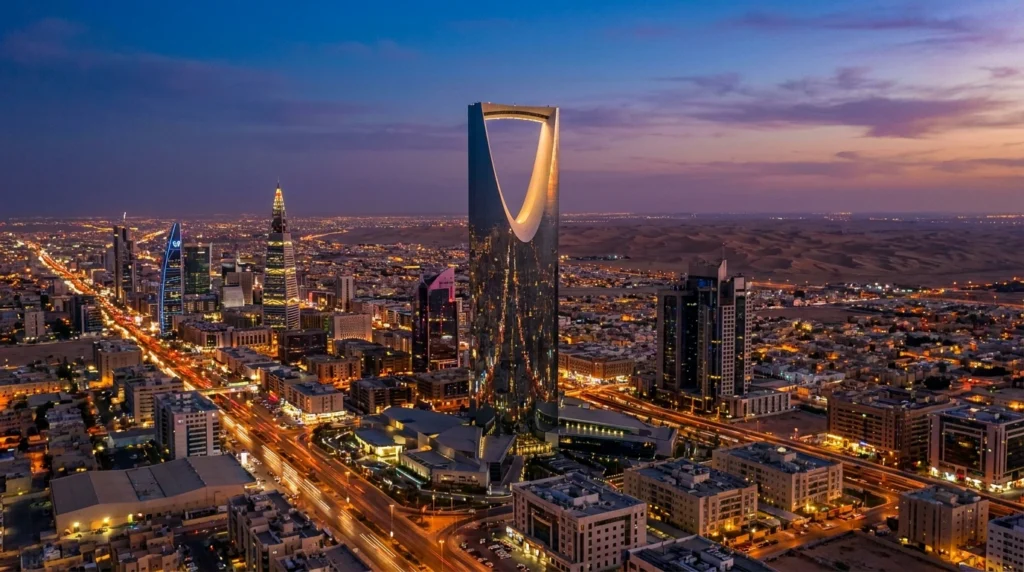
City Guide · Najd, Central Saudi Arabia
Riyadh, Saudi Arabia: The Desert Capital Reinventing Itself at Full Speed
I remember when a night out in Riyadh meant a mall food court and a drive past the Kingdom Centre, and that was about it. We came back in 2026 and barely recognised the place: a brand-new 85-station driverless metro humming under the city , the mud-brick palaces of Diriyah glowing at night as a UNESCO-listed heritage quarter , concerts and Formula E and a Saudi-cup horse race where there used to be silence after dark. Riyadh is the largest city on the Arabian Peninsula, home to roughly seven million people on a high desert plateau, and it is changing faster than almost anywhere I have travelled . This is the guide I would hand my own family before they flew in: how the new tourist e-visa works, when to come so you are not walking through 45°C heat, where to eat kabsa and where to find the third-wave coffee scene, and how to fold the Edge of the World cliffs and old Diriyah into a long weekend. Treat the rest as the unhurried orientation I wish someone had given me.

Table of Contents
Why Riyadh?
Riyadh is the capital and largest city of Saudi Arabia, and the largest city on the entire Arabian Peninsula, sitting at about 612 metres on a limestone plateau in the historic Najd region at the heart of the country . Its name comes from the Arabic for “gardens” or “meadows” — a reference to the wadis that once made this an oasis on the caravan routes — and that contrast between desert and irrigation still shapes the city. Today its population is around seven million, having exploded from a walled town of barely 30,000 people a century ago, and the government’s Vision 2030 plan openly aims to grow it toward 15–20 million by the 2030s .
For most of the twentieth century Riyadh was closed to leisure travellers; you came for business, for the Hajj corridor, or not at all. That changed almost overnight. In September 2019 Saudi Arabia launched a tourist e-visa scheme open to citizens of roughly 60 countries, and Riyadh went from a place foreigners transited to a destination in its own right . The pace of physical change since has been staggering: the fully automated Riyadh Metro, with six lines and 85 stations across 176 kilometres, opened to the public in stages from December 2024 and is recognised by Guinness World Records as the world’s longest driverless metro network .
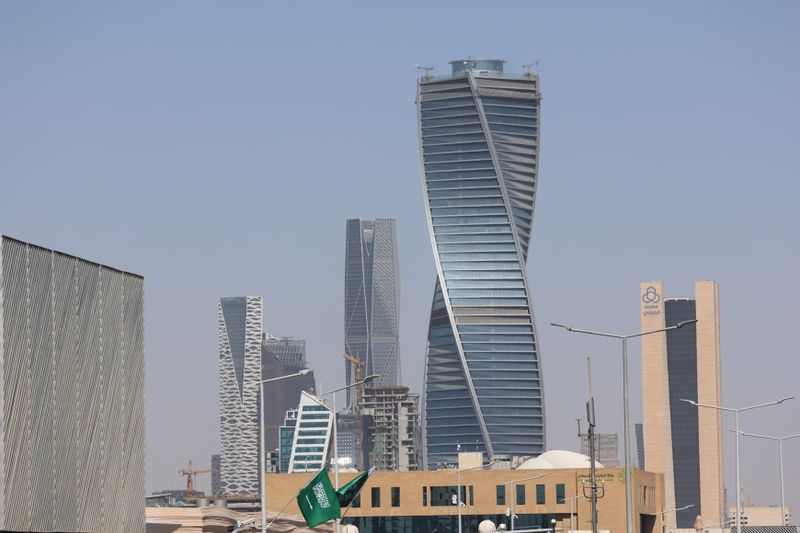
The city reads as a set of deliberate contradictions. It is intensely modern — the Kingdom Centre’s parabolic crown, the Al Faisaliah needle and the cluster of towers in the King Abdullah Financial District define a skyline that did not exist a generation ago — yet a short drive northwest sits Diriyah, the mud-brick birthplace of the first Saudi state, inscribed as a UNESCO World Heritage Site in 2010 and now restored as a heritage and dining district . The At-Turaif district there, with its Najdi architecture, is the single best place to understand where the modern kingdom came from.
Riyadh is also a city built for the car and the air conditioner, and that defines the rhythm of a visit. Summers are brutal — June through August routinely sees highs of 43–45°C, and the city effectively lives indoors and after dark in those months . The pay-off is a glorious winter: from November to March, days sit in the high teens to mid-twenties Celsius, evenings are cool, and the desert around the city is at its most inviting. This is when the Riyadh Season entertainment festival runs, the Diriyah cliffs and the Edge of the World are comfortable to visit, and outdoor dining returns to the rooftops.
What makes Riyadh worth a stop now, rather than in five years, is precisely that it is mid-transformation. You can ride a gleaming new metro to a financial district that looks like science fiction, eat a plate of lamb kabsa with your hands in a traditional restaurant, walk through 18th-century mud palaces at dusk, and stand on a 300-metre cliff edge over an empty desert — all inside a long weekend. The infrastructure is finally catching up with the ambition, the crowds have not yet, and prices for a major Gulf capital remain reasonable.
This guide covers the neighbourhoods you will actually base yourself in, the food scene from camel-meat institutions to specialty coffee, the cultural tier of Diriyah, the National Museum and the Masmak Fortress, the entertainment that Riyadh Season has unleashed, the desert day trips that justify renting a car, and the practical realities of dress, alcohol-free nightlife, prayer-time closures and the heat. For the wider national picture, it pairs with our Saudi Arabia Travel Guide, and with the regional sibling guides to Dubai and beyond.
Getting There

Almost everyone arrives by air at King Khalid International Airport (RUH), about 35 kilometres north of the city centre, which already handled over 20 million passengers a year before its current expansion and is being rebuilt toward a planned capacity of well over 100 million by the 2030s . It is a major hub for Saudia and the low-cost carrier flynas, with direct links across the Gulf, Europe, Africa and Asia. From the airport, a taxi or ride-hail (Uber and the local Careem both operate) into the centre takes 30–45 minutes and runs roughly SAR 70–110 depending on traffic and destination.
The new Riyadh Metro now reaches the airport too: the dedicated Line 1 / airport connection links the terminals to the wider driverless network that opened from December 2024, making car-free arrivals genuinely viable for the first time . Within the Gulf, you can also reach Riyadh overland or by the SAR national railway, which connects the capital to the Eastern Province and to Qassim and Hail to the north .
Crucially, sort your tourist e-visa online before you travel: most eligible nationalities apply through the official Visit Saudi portal or get a visa-on-arrival, and the visa also covers Umrah-season travel outside the Hajj period .
Getting Around
For decades Riyadh had essentially no public transport, and the car was the only realistic way to move around a city built on a sprawling grid of multi-lane highways. That changed at the end of 2024. The city is now served by a brand-new metro, an integrated bus network, and the ride-hailing apps that most visitors still lean on for door-to-door convenience. The single most important thing to understand is that Riyadh is vast and low-rise: distances between districts are large, summer heat makes walking outdoors punishing, and you will rely on wheels of some kind for almost everything.
The Riyadh Metro
The Riyadh Metro is the headline change, and it transforms how a visitor can move. Six colour-coded lines run across 85 stations and roughly 176 kilometres of fully automated, driverless track — the longest such network in the world, per Guinness World Records — opened to the public in phases from 1 December 2024 and substantially complete by early 2025 . It carried 1.9 million passengers in its first week alone. Stations are air-conditioned and modern, fares are low (a single ride starts around SAR 4), and the network links the airport, the financial district, the main commercial spine of Olaya and King Fahd Road, and the old downtown. Tickets use the rechargeable darb card and app.
Buses and the Bus Rapid Transit
Alongside the metro, the King Abdulaziz Project rolled out an extensive city bus network with hundreds of routes and feeder services designed to connect neighbourhoods to metro stations . For most short-stay visitors the buses are less useful than the metro plus ride-hail, but they are cheap and increasingly comprehensive, and the same darb card works across both.
Ride-Hailing and Taxis
Uber and the Dubai-based Careem are ubiquitous, reliable and the default for most travellers; fares are reasonable by Gulf standards and you avoid any language friction. Traditional metered taxis exist but are less consistent. A cross-city ride-hail trip typically runs SAR 25–60. Note that traffic on the main arteries — King Fahd Road, the Northern Ring Road — can be heavy at rush hour and around prayer times.
Driving and Car Hire
If you plan to visit the Edge of the World, Diriyah at your own pace, or anything beyond the metro corridor, hiring a car is the most flexible option. International chains operate at the airport and across the city, an International Driving Permit is recommended alongside your home licence, and fuel is famously cheap. Roads are excellent and well-signed in English, though local driving can be assertive. Women have been able to drive in Saudi Arabia since the ban was lifted in June 2018 .
Navigation Tips
Google Maps works well for driving and now covers the metro; the local darb app handles metro and bus journey planning and ticketing. Addresses follow the Saudi national address format, but for ride-hail you can simply drop a pin. Be aware that many shops, restaurants and even some attractions pause briefly for each of the five daily prayer times, so build a little slack into your timings.
Neighbourhoods: Where to Base Yourself
📍 Riyadh Map: Every Place in This Guide
Riyadh is enormous and zoned more by function than by old-city character, so choosing a base is really about choosing which version of the city you want on your doorstep — gleaming towers and malls, heritage and dining, or the historic downtown. Below are the districts most first-time visitors actually consider, with an honest read on who each suits.


Olaya and Al Sulaymaniyah
The commercial and hotel heart of modern Riyadh, clustered around the Kingdom Centre and Al Faisaliah towers and the Olaya metro corridor. This is where most international hotels, malls and restaurants sit, and it is the most convenient first-visit base — central, walkable in patches, and directly on the metro. Expect higher prices and a business-traveller feel.
Diplomatic Quarter (DQ)
A leafy, low-density enclave of embassies, parks and walking trails in the west of the city, the DQ is the greenest and most relaxed district, with some boutique stays and a calmer pace. Good for travellers who want quiet and space, less so for anyone wanting nightlife or sights on the doorstep.
Al Bujairi and Diriyah
Northwest of the centre, the restored Diriyah area — especially the Bujairi Terrace dining district beside the UNESCO-listed At-Turaif — has become Riyadh’s most atmospheric place to eat and stay, with heritage architecture and a string of high-end restaurants . Stay here for heritage and dining; it is a drive from the modern centre.
Al Murabba and the Old Downtown
The historic core around the Masmak Fortress, Deira souq and the old Murabba Palace is the most traditional part of the city — gold souqs, the National Museum and a denser, older streetscape. Budget hotels cluster here, and it puts you close to the heritage sights, though it is less polished than the north.
The Food: Kabsa, Camel and a Coffee Revolution
Riyadh’s food scene splits cleanly in two: deep-rooted Najdi and wider Saudi tradition on one side, and an explosive new wave of international restaurants and specialty coffee on the other. There is no alcohol anywhere in the kingdom, so dining out is the social centre of gravity — long, late and generous — and the coffee culture, both traditional Arabic qahwa and third-wave espresso, is taken very seriously.

What to Order
- Kabsa — the national dish: spiced rice with lamb, chicken or camel, often the centrepiece of a shared platter.
- Jareesh and Qursan — hearty Najdi wheat and bread-based dishes, the home cooking of central Arabia.
- Mandi and Mathloutha — slow-cooked meat over rice, Yemeni-influenced and hugely popular.
- Camel meat and camel milk — a local specialty worth trying at least once, leaner and richer than beef.
- Dates and Arabic qahwa — cardamom-scented coffee with dates, the ritual welcome of any Saudi gathering.
Where to Eat
Bujairi Terrace at Diriyah is the standout destination-dining district, with both Saudi and international high-end options in a heritage setting. Olaya and Tahlia Street hold the densest run of mid-range and international restaurants and cafes, while the old downtown around Deira has the most traditional, no-frills Najdi eateries. For coffee, the specialty scene clusters in Olaya, Al Malqa and the northern districts.
Timing and Etiquette
Saudis eat late, and restaurants fill after 9pm; many close or pause briefly at each prayer time, so check before you set out. During Ramadan, eating in public during daylight is not permitted, and the city comes alive at night with iftar feasts. Tipping around 10–15% is appreciated though not always expected, and family sections exist in many restaurants for groups with women.
Cultural Sights: From Mud Palaces to the Sky Bridge
Riyadh’s sights span an unusually wide arc — from the 18th-century mud-brick birthplace of the Saudi state to towers you ride to the top of for a desert-city panorama. The heritage tier centres on Diriyah, the National Museum and the Masmak Fortress; the modern tier on the Kingdom Centre and Al Faisaliah towers. Together they make two full days of sightseeing without leaving the metropolitan area.

Diriyah and At-Turaif
The most important historical site in the city, Diriyah was the original capital and seat of the House of Saud in the 18th and early 19th centuries. Its At-Turaif district, with its distinctive Najdi mud-brick palaces, was inscribed as a UNESCO World Heritage Site in 2010 and has been painstakingly restored as a heritage quarter with museums and the adjacent Bujairi Terrace dining district . Visit in the late afternoon and stay for the floodlit evening; book tickets in advance.
The National Museum of Saudi Arabia

Part of the King Abdulaziz Historical Center in the Murabba district, the National Museum is the best single introduction to Arabian history, from prehistory and pre-Islamic Arabia through the rise of Islam to the founding of the modern kingdom. Its galleries are well-curated and air-conditioned, making it an ideal midday refuge from the heat. Admission is inexpensive and it pairs naturally with the nearby Murabba Palace.
The Masmak Fortress
This squat clay-and-mud fortress in the old downtown is where the pivotal 1902 raid took place that allowed Ibn Saud to capture Riyadh and begin unifying the kingdom — a spearhead reportedly still lodged in one of its gates . Now a small museum, it sits beside the Deira souq and the historic Al Thumairi gate, and is the symbolic heart of old Riyadh.
The Kingdom Centre and Al Faisaliah
For the modern counterpoint, ride to the top of the 302-metre Kingdom Centre, completed in 2002, whose curved Sky Bridge between its two crowning peaks gives the best panorama of the city; the Al Faisaliah Tower nearby offers a similar view from its golden globe . Both are best at sunset, when the desert haze turns gold and the city lights come on below.
Entertainment: Riyadh Season and the New Nightlife
Until very recently Riyadh had almost no public entertainment — cinemas were banned, concerts were rare, and evenings revolved around malls and restaurants. That has reversed dramatically. Cinemas reopened in 2018, and the annual Riyadh Season festival now brings concerts, sports, theme zones and international acts to the city through the cool months, drawing millions of visitors . There is still no alcohol, so nightlife is built around food, coffee, shows and the desert.

Riyadh Season
The flagship entertainment festival, running roughly October to March, transforms the city with dedicated zones such as Boulevard City and Boulevard World — concerts, restaurants, rides, sports events and shows on a vast scale. If your visit overlaps it, book tickets in advance; it is the single biggest reason the city now feels alive after dark .
Concerts, Sport and Shows
Riyadh has hosted Formula E, major boxing bouts, the Saudi Cup horse race (the world’s richest, run at King Abdulaziz Racetrack) and a steady stream of international musicians and DJs. Check listings for the dates of your trip; many events sell out well ahead .
Malls, Cinemas and Cafes
For everyday evenings, the big malls — the Kingdom Centre’s mall, Riyadh Park, Granada — combine cinemas, dining and air-conditioned shelter, while the northern districts’ specialty cafes stay busy late. Family sections and prayer-time pauses are the norm.
Day Trips From Riyadh
Riyadh sits in the middle of a vast, dramatic desert, and the best day trips trade the city’s towers for raw landscape. A hired car or organised tour is essential — there is no public transport to any of these — and all are best done in the cool season and outside the midday heat.

The Edge of the World (Jebel Fihrayn) — ~90 min by car

The signature Riyadh day trip: a section of the Tuwaiq escarpment where sheer cliffs drop to an endless plain, roughly 90 minutes northwest of the city. The final stretch is rough desert track best tackled in a 4×4; many visitors go with a tour for the logistics. Go for sunrise or sunset and bring plenty of water.
Diriyah — ~30 min by car
Even if you visited At-Turaif in the city section, the wider Diriyah area — wadi walks, the Bujairi Terrace, and the heritage trails — rewards a half-day at its own pace, especially in the evening when it is floodlit.
Tuwaiq Escarpment and Desert Camps — varies
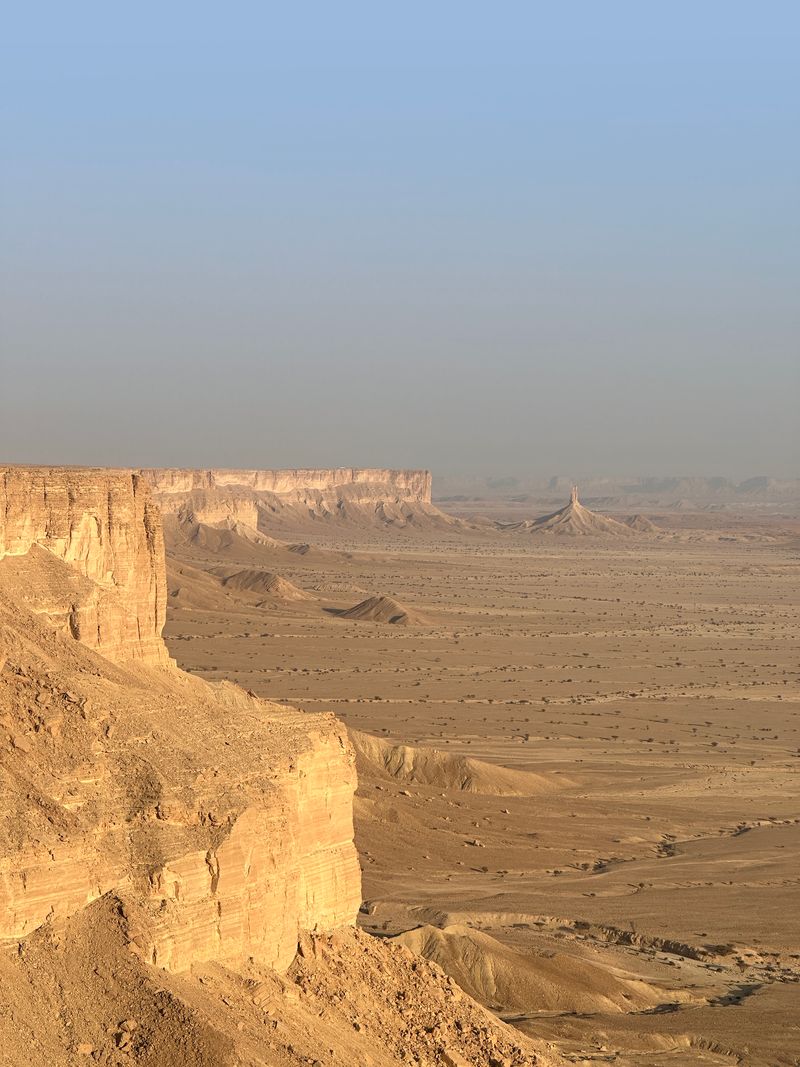
Beyond the famous viewpoint, the broader Tuwaiq plateau offers hiking, dune areas and desert camps where you can have dinner under the stars. Operators in Riyadh run half- and full-day trips combining several stops.
When to Visit: A Season-by-Season Guide
Riyadh’s desert climate is the single biggest factor in timing a trip. It is one of the hottest large cities in the world in summer and pleasantly mild in winter, with very little rain year-round. Here is how the year actually feels on the ground.
Winter (December–February)
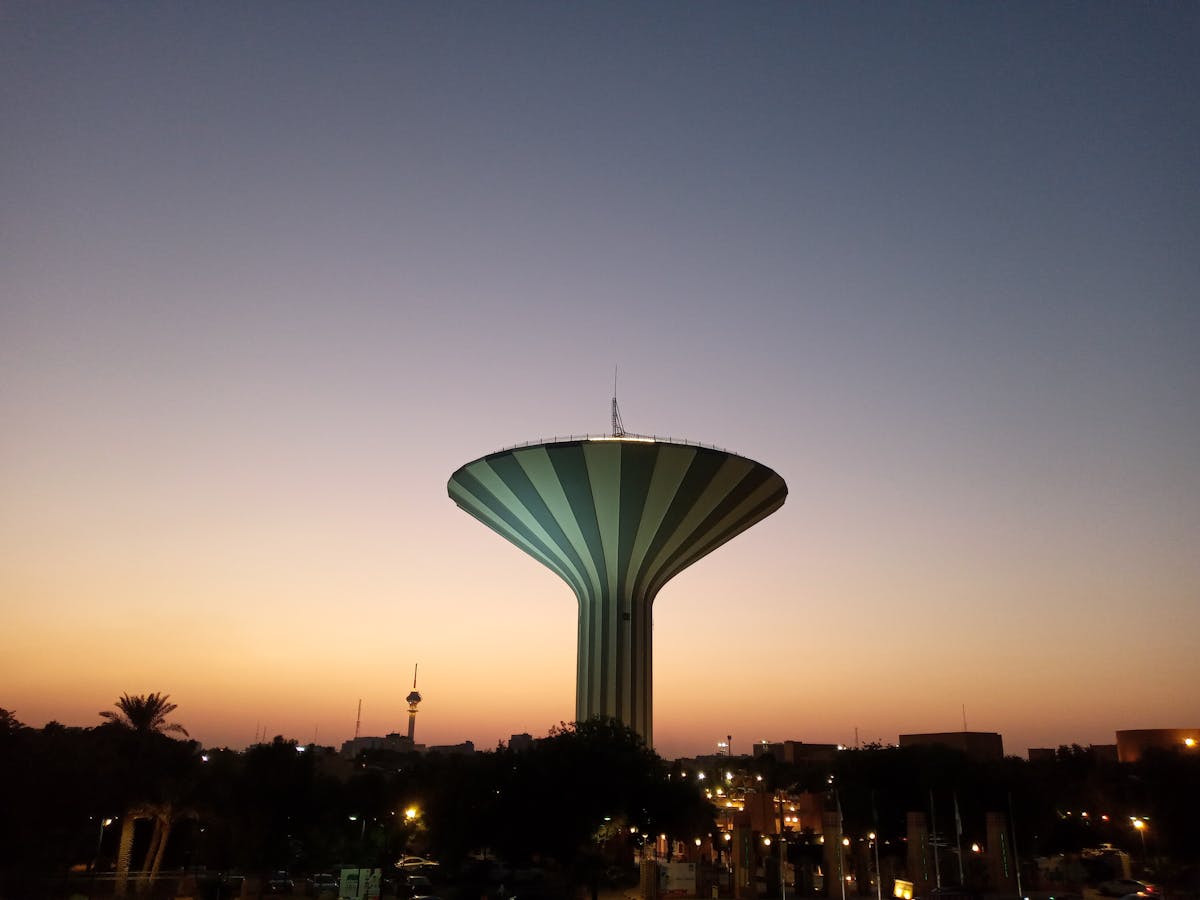
The peak season and easily the best time to visit. Daytime highs sit in the high teens to mid-twenties Celsius, evenings are cool enough for a jacket, and the desert is at its most inviting. This is when Riyadh Season runs, the Edge of the World is comfortable, and outdoor dining returns. Book ahead, as it is also the busiest and priciest window.
Spring (March–May)
A good shoulder season, warming steadily from pleasant March into hot May. March and early April are still very comfortable and quieter than mid-winter; by May daytime temperatures climb past 35°C and outdoor activity starts to need an early start. Prices ease relative to peak winter.
Summer (June–August)
Brutally hot. Daytime highs routinely hit 43–45°C, and the city lives indoors and after dark . Hotels are cheapest now, malls and museums offer air-conditioned refuge, and if you adopt the local rhythm — sights early, rest at midday, out after sunset — it is survivable but far from ideal. Avoid outdoor day trips entirely.
Autumn (September–November)
The heat breaks gradually through September and October into a very pleasant November, which rivals winter for comfort and is slightly less crowded. Late autumn is an excellent, slightly cheaper alternative to the deep-winter peak, with the Riyadh Season build-up already underway.
Budget Breakdown: What Riyadh Actually Costs
Riyadh is more affordable than Dubai or Doha for most things, with cheap fuel, low metro fares and reasonable food, though international hotels can be pricey. The figures below are per-person daily estimates excluding flights, in Saudi riyals (SAR), based on 2025–2026 prices .
Budget (SAR 200–320/day)
A budget hotel or hostel bed runs SAR 100–180; traditional Najdi meals and shawarma keep food to SAR 50–90; the metro and the occasional ride-hail cover transport cheaply. Most museums are inexpensive, so you can see a lot for little.
Mid-Range (SAR 500–900/day)
A comfortable four-star hotel is SAR 350–600 for a double; add SAR 120–220 for restaurant meals, ride-hailing around the city, and entry to paid attractions or a Riyadh Season ticket. This is the typical comfortable-tourist band.
Luxury (SAR 1,800+/day)
A five-star room such as the Ritz-Carlton or Four Seasons runs SAR 1,200–2,500+, fine dining at Bujairi Terrace adds SAR 400–800, and a private desert tour or premium experience pushes the day well past SAR 1,800.
Key Fixed Costs
- Metro single ride — from about SAR 4
- Tourist e-visa — roughly SAR 300–535 including insurance
- National Museum entry — low, around SAR 10–25
- Airport ride-hail to centre — about SAR 70–110
- Edge of the World tour — roughly SAR 200–400 per person
Practical Tips and Safety
Riyadh is a very safe city for visitors with low crime, but it is also a conservative one with rules and rhythms that differ from most destinations. A little preparation around dress, prayer times and customs makes the difference between a smooth trip and avoidable friction. None of it is alarming — it is simply the etiquette of a deeply traditional society opening rapidly to tourism.

Money and Payments
The currency is the Saudi riyal (SAR), pegged to the US dollar. Cards are accepted almost everywhere, contactless and Apple Pay are ubiquitous, and ATMs are plentiful; carry some cash for small traditional eateries and souqs. Tipping around 10–15% is appreciated but not mandatory.
Dress and Customs
Dress modestly: men should avoid shorts in conservative areas, and women should wear loose, shoulder- and knee-covering clothing, though the once-mandatory abaya is no longer required for foreign women . Public displays of affection are inappropriate, alcohol and pork are illegal, and the five daily prayer times bring brief closures of many shops and restaurants.
Safety and Health
Violent crime against tourists is rare and the city is generally very safe day and night. The main practical risks are the heat — carry water and avoid midday sun in summer — and the traffic, which is fast and assertive. Both the UK and US governments rate routine travel to Riyadh as low-risk while advising caution near some borders .
Practical Essentials
- Language: Arabic; English widely used in hotels, malls and business.
- Plugs: Type G (UK three-pin), 230 V — bring a UK-pattern adapter.
- Weekend: Friday–Saturday; Friday mornings are quietest.
- SIM: cheap tourist SIMs from STC, Mobily or Zain at the airport.
- Alcohol: none — the entire kingdom is dry.
Frequently Asked Questions
How many days do you need in Riyadh?
Three full days is the sweet spot: one for the modern city and metro, one for the heritage tier of Diriyah, the National Museum and the Masmak Fortress, and one for a desert day trip to the Edge of the World. Two days covers the essentials at a rush; four or more lets you add day trips and slow down.
What is the best time of year to visit Riyadh?
Late November to February is by far the best: mild days of 15–25°C, cool evenings, Riyadh Season in full swing and the desert at its most pleasant. Avoid June to August, when highs of 43–45°C make outdoor sightseeing unbearable. March and November are good, slightly cheaper shoulder months.
Do I need a visa to visit Riyadh?
Most visitors do, but it is easy: since 2019 citizens of roughly 60 countries can get a tourist e-visa online or a visa-on-arrival, usually issued within minutes to days and including basic insurance. Apply through the official Visit Saudi portal before you fly, and the same visa lets you travel elsewhere in the kingdom.
Is Riyadh walkable, or do I need transport?
Riyadh is a large, car-oriented city and is not walkable between districts, especially in the heat. The new driverless metro, opened from December 2024, now covers the main corridors cheaply, and Uber and Careem handle the rest. Hire a car only for desert day trips, where there is no public transport at all.
How do I get from Riyadh airport to the city centre?
King Khalid International Airport (RUH) is about 35 kilometres north of the centre. A ride-hail or taxi takes 30–45 minutes for roughly SAR 70–110, and the new metro also connects the airport to the network for a fraction of that .
Is Riyadh safe for tourists?
Yes, very. Crime against visitors is rare and the city is safe day and night. The main practical risks are the extreme summer heat and the fast traffic. Both the UK and US governments rate routine travel to Riyadh as low-risk. Dress modestly and respect local customs and prayer times.
Can women travel to Riyadh independently?
Yes. Foreign women can travel, drive (the ban was lifted in 2018), stay in hotels and move around independently, and the once-mandatory abaya is no longer required for visitors. Modest dress — loose clothing covering shoulders and knees — is still expected, and solo female travellers report Riyadh as safe and easy.
Is there any nightlife in Riyadh?
Not in the Western, alcohol-led sense — the kingdom is entirely dry. But the social night out is thriving: late dinners, specialty coffee, the Riyadh Season festival zones, concerts, shows and rooftop dining all run late into the evening, especially in the cool season.
What food is Riyadh famous for?
Kabsa — spiced rice with lamb, chicken or camel — is the national dish and the thing to try first. Other staples include jareesh, mandi, camel meat and the cardamom-scented Arabic qahwa coffee served with dates. Riyadh also has an excellent modern specialty-coffee scene in its northern districts.
Was This Guide Helpful?
We update our Riyadh guide as prices, transit and opening hours change — and in a city moving this fast, they change often. Let us know if it helped; your feedback shapes the next revision.
Ready to Experience Riyadh? Come Before the Crowds
Riyadh rewards the curious traveller right now, in the gap between its old self and the megacity it is becoming. Ride the brand-new metro to a science-fiction financial district, eat kabsa with your hands in the old downtown, wander floodlit mud palaces at Diriyah, and stand on a cliff edge over an empty desert — all in a single long weekend, and all before the tourist masses arrive. Come in winter, sort your e-visa first, and lean into the contradictions. For the wider picture, see our Saudi Arabia travel guide, and pair Riyadh with the regional sibling guide to Dubai for a complete Arabian itinerary.
Explore More City Guides
Riyadh is one stop in our growing library of Middle East and regional city guides. Keep planning with these companion pages:
More city guides you might like
Plan your trip to Riyadh
The booking tools we use ourselves. FFU may earn a commission at no extra cost to you.
Plan & book your trip to Riyadh
Booking through these searches supports our guides at no extra cost to you.