
City Guide · Lombardy
Milan, Italy: Gothic Spires, the Last Supper, and the Capital of Fashion and Design
I have flown into Milan more times than I can count — usually into Malpensa for the long-haul connections, occasionally into little Linate when I want to be in the centre within twenty minutes — and the ritual is always the same: drop the bag, take the metro to Duomo, and walk up out of the station into that impossible white marble forest of spires. We tell first-time travellers that Milan is the most misunderstood city in Italy. It is not Rome or Florence and it never tries to be; it is Italy’s business engine, its fashion and design capital, and a city of roughly 1.37 million people that works for a living and plays hard after dark . My favourite Milan habit is the early-evening aperitivo along the Navigli canals, when a single spritz buys a buffet and the whole city seems to spill onto the towpaths. Treat this guide as the brief I would hand my own family the night before they landed — the Duomo terraces, Leonardo’s Last Supper that you must book months ahead, the Quadrilatero fashion blocks, the glass-domed Galleria, the metro that actually works, and the Lake Como day trip that turns a city break into a proper holiday .

Table of Contents
Why Milan?
Milan is the city that confounds first-time visitors who expect another open-air museum and instead find Italy’s working capital — its financial centre, its fashion and design industry, and its busiest international gateway, home to roughly 1.37 million people inside the city and over three million across the surrounding metropolitan city of Milan . It does not wear its history on the surface the way Rome and Florence do; you have to go looking for it, and when you do — the Duomo, the Last Supper, the Castello Sforzesco — it rewards you enormously. The trade is that Milan is also the one Italian city that feels genuinely modern, with skyscrapers, a clean efficient metro, and a nightlife and dining scene the rest of the country envies.
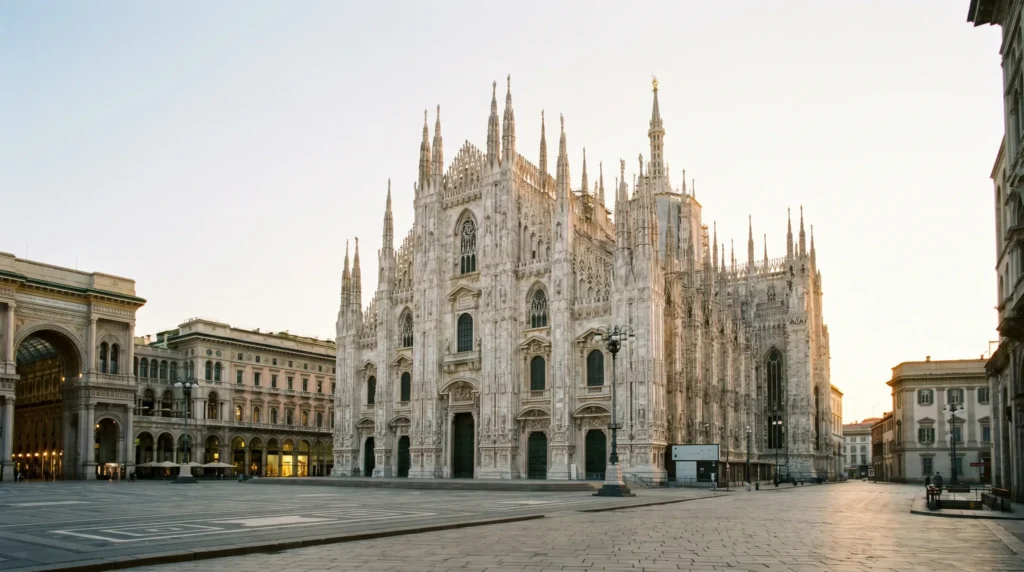
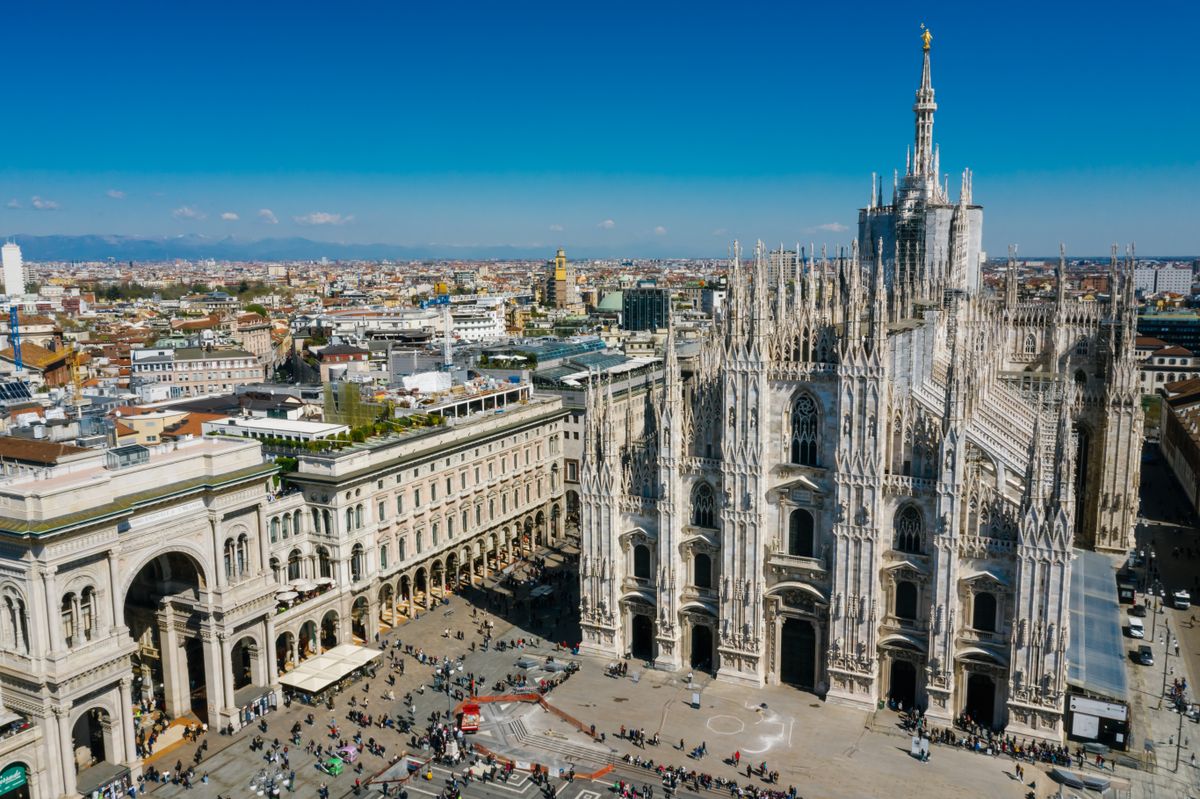
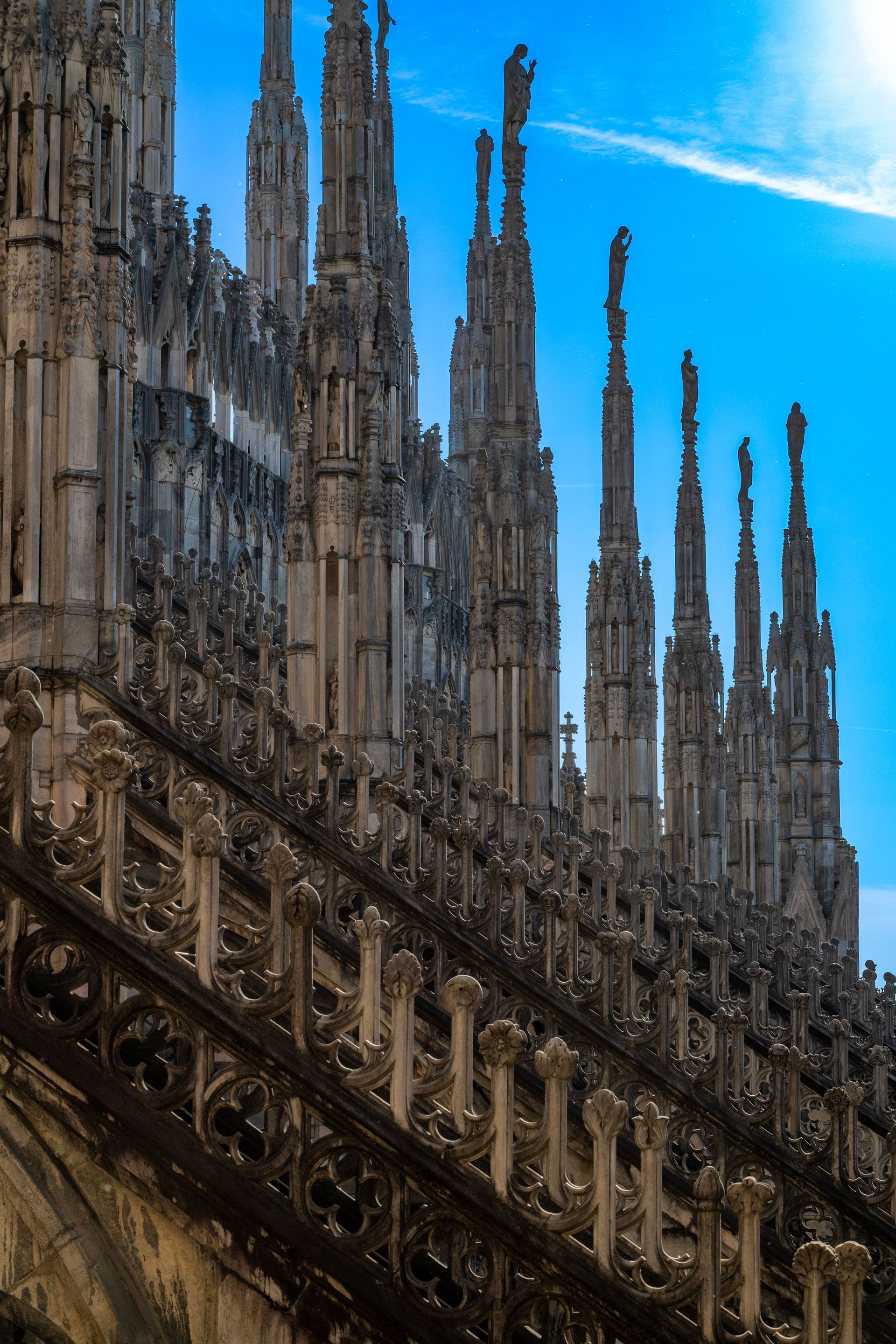
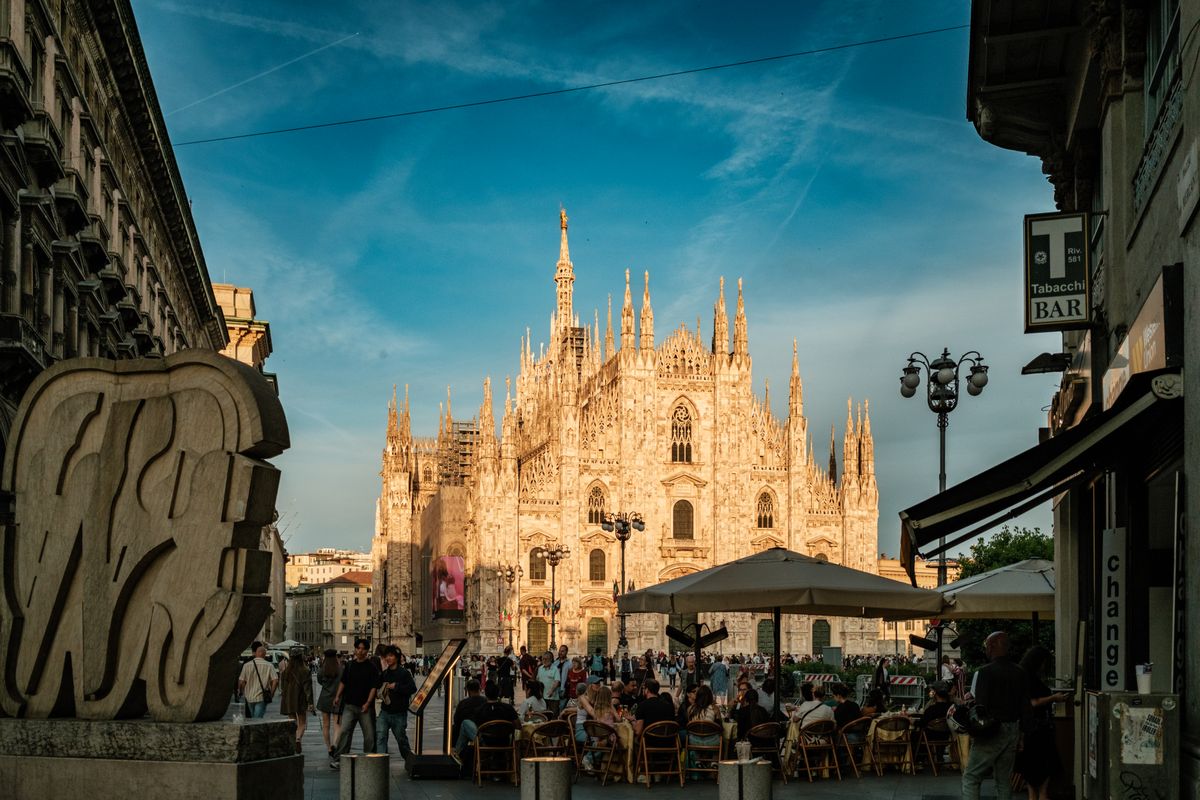
The city’s defining monument tells the story. The Duomo, Milan’s vast Gothic cathedral, took nearly six centuries to build — construction began in 1386 and the last details were finished only in the 20th century — and bristles with 135 marble spires and more than 3,400 statues, crowned by the gilded Madonnina that no Milanese building traditionally rose above . Walk its rooftop terraces and you stand inside a forest of carved pinnacles with the Alps on the horizon. A short walk west, in the refectory of Santa Maria delle Grazie, Leonardo da Vinci’s Last Supper — painted between 1495 and 1497 and inscribed on the UNESCO World Heritage List in 1980 — survives in a room that admits just a few dozen visitors at a time .
What makes Milan worth more than the day-trip it is often reduced to is the breadth beyond those two icons. This is the global capital of fashion — the Quadrilatero della Moda packs the world’s flagship houses into a handful of blocks — and of design, with the Salone del Mobile and Fuorisalone turning the whole city into an exhibition each April . It is the home of La Scala, of two of football’s most storied clubs, and of an aperitivo culture that invented the modern pre-dinner ritual. And it is the best base in northern Italy: Lake Como, the Alps, and a dozen art cities all sit within easy reach by train. This guide covers the neighbourhoods, the distinct Milanese food, the headline sights, the design and opera scene, the day trips, and the practical realities of the metro and the airports.
Neighborhoods: Finding Your Milan
📍 Milan Map: Every Place in This Guide
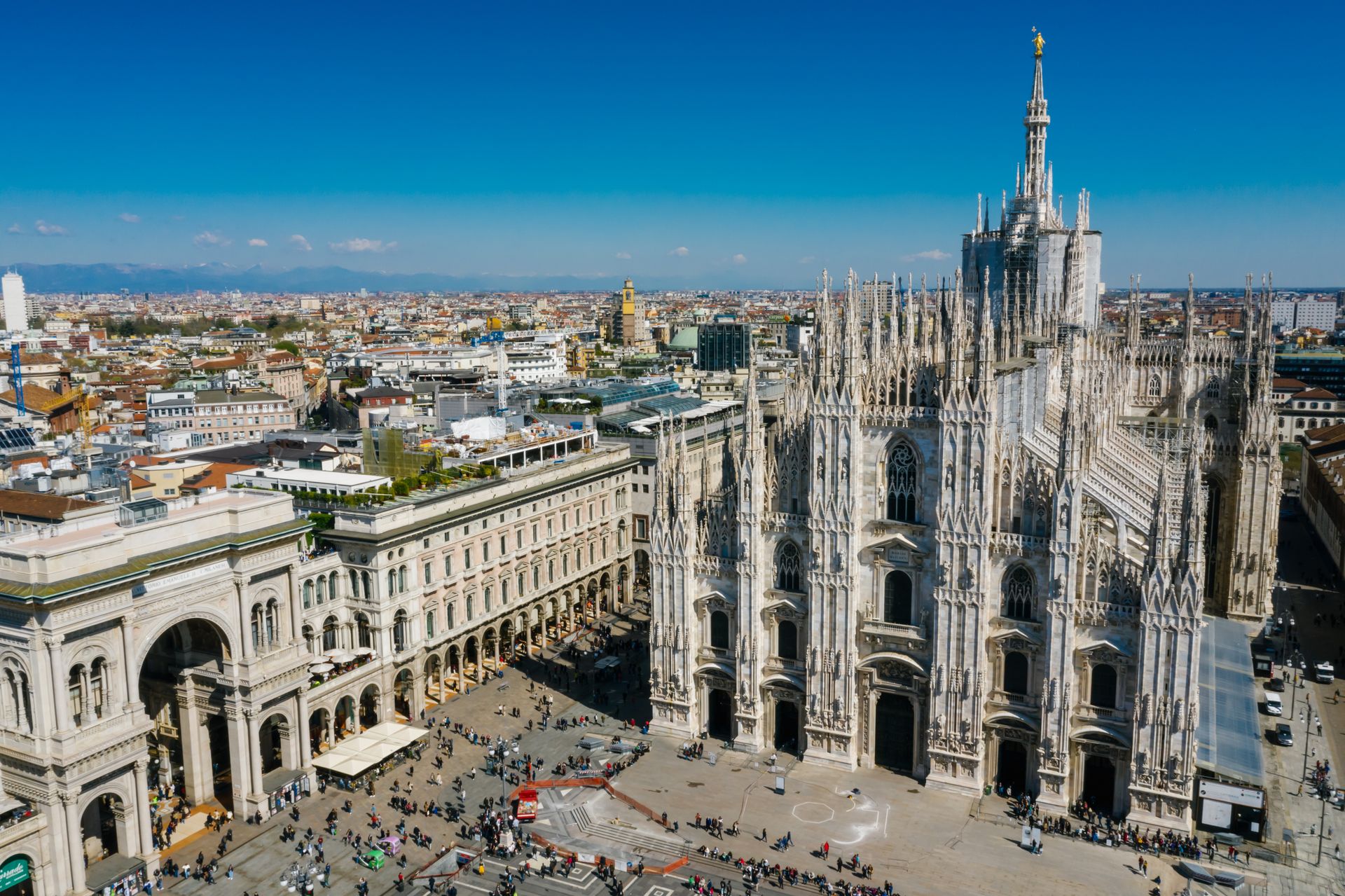
Milan is compact at its core and sprawling at its edges, but almost everything a visitor wants sits inside the ring of the old Spanish walls, threaded by a metro that makes the rest trivial. The broad shape runs in concentric circles out from the Duomo: the cathedral and the Galleria at the dead centre; the fashion Quadrilatero and Brera art quarter just to the north; the Castello Sforzesco and Parco Sempione to the north-west; the canal-side Navigli to the south; and the regenerated business district of Porta Nuova rising to the north with its skyscrapers and vertical forest. Staying anywhere inside this ring puts you within a few metro stops of every major sight . The single most useful orientation fact is that the Duomo is both the geographic and the psychological centre, and the M1 and M3 metro lines cross directly beneath it — so wherever you sleep, you are rarely more than a 15-minute ride from the cathedral steps.
The character shift across the districts is real and worth planning around. The centre around the Duomo is grand, expensive, and busiest with visitors and shoppers; Brera is the romantic, gallery-and-bistro quarter; the Navigli are the nightlife and aperitivo heart, lively and loud after dark; Porta Nuova and Isola are sleek, modern, and where young Milanese actually live and drink; and the area around Centrale station is convenient for transport but charmless. Returning visitors almost always trade a first-trip Duomo-side hotel for a Brera or Navigli base on later trips — the atmosphere is better and the prices, away from the cathedral, ease off. This section walks the districts you will actually use, with the access notes that matter.
One practical note on choosing where to stay: because the metro is so efficient and the centre so walkable, the difference between neighbourhoods here is far more about atmosphere and price than about convenience. Almost nowhere central is genuinely “far” from the sights. So decide first what you want your evenings to feel like — the polish of the centre, the bohemian calm of Brera, the canal-side buzz of the Navigli, or the modern edge of Porta Nuova — and let that drive the choice, rather than worrying about being a stop or two further out. The one real trade-off is price against character: the Duomo-adjacent and Quadrilatero rooms cost the most, while the Navigli and the streets around Porta Venezia offer far better value with more local life.
A useful mental map for first-timers: think of the city as a wheel with the Duomo at the hub. The grand shopping-and-sights core fills the centre; Brera and the Quadrilatero sit just north of it; the Castello and its park to the north-west; the canals to the south; and the modern towers to the north. Two metro lines do most of the heavy lifting through the centre — the red M1 and the yellow M3 both stop at Duomo — and trams fill in the surface routes the metro misses. A rechargeable ATM transit ticket and a pair of comfortable shoes are genuinely most of the transport planning a visitor needs . Below are the districts you will actually choose between, with the trade-offs that matter for each.
Duomo & the Historic Centre
The cathedral core is where most first-time visitors want to be, and for good reason — the Duomo, the Galleria, La Scala, and the main shopping streets all sit within a few minutes’ walk. It is the grandest and most polished part of the city, busy with tourists and well-heeled shoppers by day and quieter at night once the day-trippers leave. The trade-off is price and a certain lack of residential life: this is a district to visit rather than to live in, and rooms here command a premium. But for a short first trip it is unbeatable for convenience, with both major metro lines crossing beneath the cathedral.
- The Duomo and its rooftop terraces, the city’s defining sight
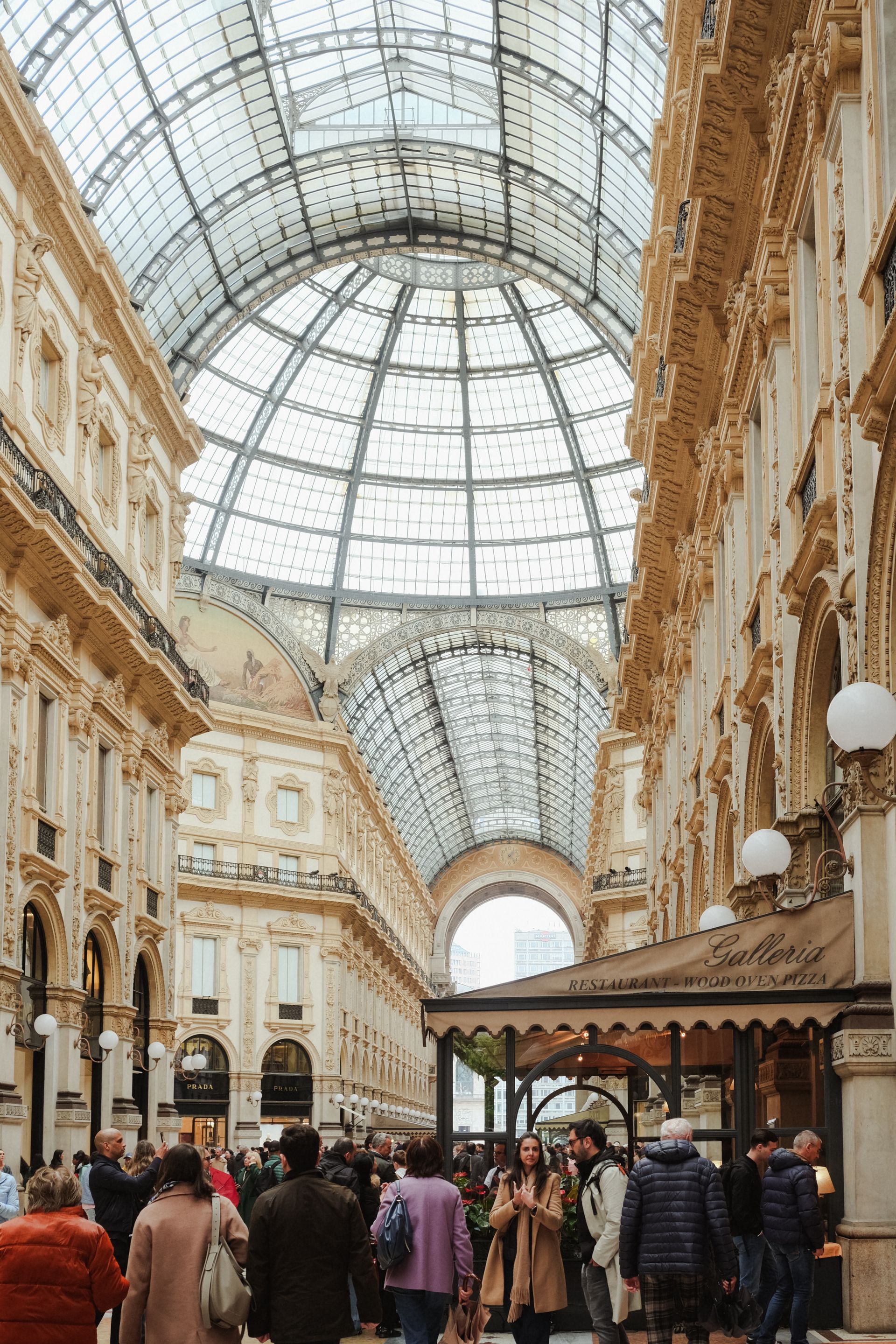
- Galleria Vittorio Emanuele II — the glass-domed 19th-century arcade, the world’s oldest active shopping gallery
- Teatro alla Scala — the legendary opera house on Piazza della Scala
- The Museo del Novecento and the Palazzo Reale exhibitions beside the cathedral
Best for: first-time visitors, short trips, shopping, sightseeing on foot. Access: Metro M1/M3 Duomo.
Brera
The cobbled artists’ quarter just north of the centre is Milan’s most romantic neighbourhood — narrow lanes, ivy-draped façades, antique shops, and a famous art academy and gallery at its heart. It feels like a village dropped into the middle of the city, with some of the best small restaurants and wine bars in Milan and a genuine bohemian history. It is more expensive than the Navigli but quieter and more refined, and it puts you within easy walking distance of both the Duomo and the Castello. It suits travellers who want atmosphere and good food over nightlife, and couples in particular tend to love it.
- Pinacoteca di Brera — one of Italy’s great art galleries, strong on Renaissance and Baroque painting
- The Orto Botanico di Brera, a hidden botanical garden behind the academy
- Via Brera and its cobbled lanes of galleries, antique shops, and bistros
- The buzzing evening aperitivo scene around Via Fiori Chiari
Best for: couples, food lovers, a refined central base. Access: Metro M2 Lanza or M3 Montenapoleone.
Navigli
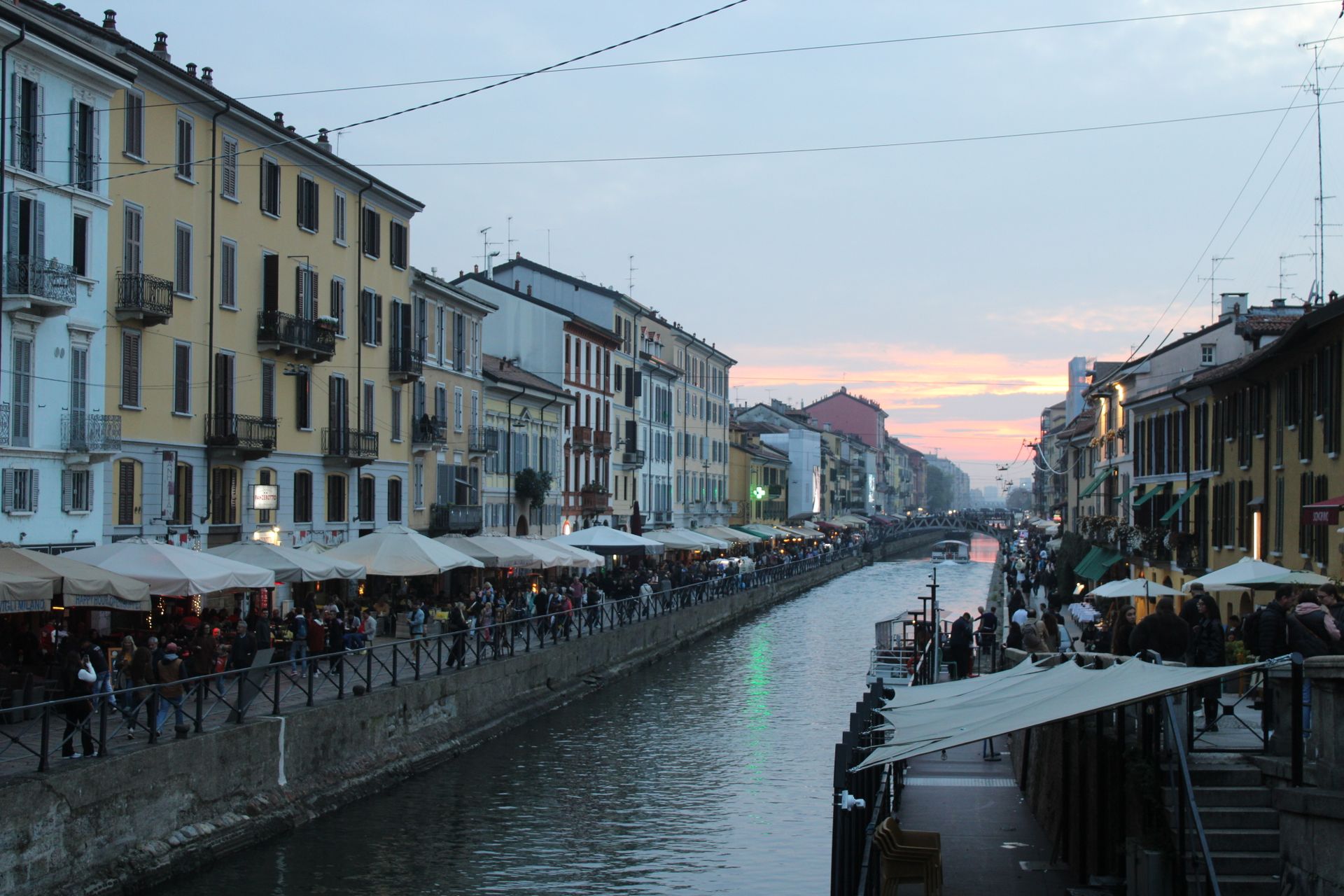
The canal district south of the centre is Milan’s nightlife and aperitivo heart, built around the Naviglio Grande and Naviglio Pavese — surviving stretches of a medieval canal network that once ringed the whole city. The towpaths are lined with bars, restaurants, artist workshops, and vintage boutiques, and on summer evenings the whole quarter spills outdoors over spritzes and aperitivo buffets. It is lively and can be loud late at night, so light sleepers should ask for a room set back from the water, but it offers better value than the centre and far more local energy. The last Sunday of each month brings a huge antiques market along the Naviglio Grande.
- The Naviglio Grande towpath, the oldest canal in Milan, lined with bars and restaurants
- The monthly Mercatone dell’Antiquariato antiques market along the canal
- The Vicolo dei Lavandai, a preserved 19th-century communal washhouse on the water
- The dense aperitivo and live-music scene around Ripa di Porta Ticinese
Best for: nightlife, aperitivo, value stays, younger travellers. Access: Metro M2 Porta Genova or M3 Porta Romana, then a short walk.
Porta Nuova & Isola
North of the centre, the regenerated Porta Nuova district is the face of modern Milan — a cluster of glass skyscrapers around the Piazza Gae Aulenti, the famous Bosco Verticale “vertical forest” residential towers wrapped in trees, and the buzzing former working-class Isola quarter behind them, now full of independent bars and restaurants. It is sleek, walkable, and where young professional Milanese actually live and drink, with a very different feel from the historic core. It works well as a base for travellers who want a contemporary, less touristy side of the city, and it is a short metro hop or a pleasant walk from the centre.
- Piazza Gae Aulenti and the Porta Nuova skyscraper cluster, including the UniCredit Tower
- The Bosco Verticale — the award-winning tree-covered residential towers
- The Isola quarter’s independent bars, restaurants, and design shops
- The elevated Biblioteca degli Alberi park linking the towers
Best for: modern Milan, nightlife, a less touristy base. Access: Metro M2/M5 Garibaldi FS or M5 Isola.
Porta Venezia & Corso Buenos Aires
East of the centre, the Porta Venezia district wraps around the city’s largest park and the long shopping artery of Corso Buenos Aires, one of Europe’s busiest retail streets. It is a diverse, lively residential quarter — Milan’s most multicultural neighbourhood and the heart of its LGBTQ+ scene — with Liberty-style (Art Nouveau) mansions, good-value hotels, and excellent everyday restaurants from around the world. It offers a genuine slice of how Milanese actually live, at noticeably lower prices than the historic core, while still being two metro stops from the Duomo. It rewards travellers who want local life and good value over postcard surroundings.
- The Giardini Pubblici Indro Montanelli, the city’s oldest public park, with the natural history museum and planetarium
- Corso Buenos Aires, a long, dense shopping street of mid-market and international brands
- The Liberty-style mansions around Via Malpighi and Porta Venezia
- A diverse, multicultural food scene and the centre of Milan’s LGBTQ+ nightlife
Best for: value stays, shopping, local life, longer trips. Access: Metro M1 Porta Venezia or Lima.
Sant’Ambrogio & the Cattolica quarter
South-west of the centre, around the ancient Basilica di Sant’Ambrogio and the Università Cattolica, lies one of the oldest and quietest corners of historic Milan. It is close to Santa Maria delle Grazie and Leonardo’s Last Supper, full of churches and small museums, and far calmer than the centre or the Navigli, with a studenty, residential rhythm. It suits travellers who want a peaceful, central-but-not-touristy base within walking distance of the major art sights, and it offers better value than the Duomo core. The area also holds the Basilica di San Lorenzo and its Roman columns, a reminder of Milan’s deep classical past.
- The Basilica di Sant’Ambrogio, one of Milan’s oldest and most important churches
- Santa Maria delle Grazie and Leonardo’s Last Supper, a short walk away
- The Colonne di San Lorenzo — a row of Roman columns and a lively evening gathering spot
- The Museo Nazionale della Scienza e della Tecnologia Leonardo da Vinci
Best for: art-focused stays, quiet central base, history. Access: Metro M2 Sant’Ambrogio.
In short, pick by mood and budget rather than by distance. First-timers on a short trip should default to the Duomo core or Brera for unbeatable walking access to the headline sights; couples and food lovers will be happiest in Brera; younger travellers and night owls belong on the Navigli; those after a modern, less touristy feel should look at Porta Nuova and Isola; and anyone chasing value and local life should weigh Porta Venezia or the quiet Sant’Ambrogio quarter, both an easy metro hop from the centre. Whichever you choose, the efficient metro keeps every other district within comfortable reach.
The Food

Milanese cuisine is genuinely distinct from the Italian food most visitors picture. This is northern, butter-and-rice country rather than the olive-oil-and-tomato south — the signature dishes are built on saffron, rice, butter, veal, and the long slow braises of a cold-winter city. The flavours are rich and restrained: golden risotto, breaded veal, slow-cooked osso buco, and the eggy domed panettone that Milan gave the world at Christmas. The city also has a deep café and aperitivo culture, and one of the most exciting modern dining scenes in Italy, where Michelin-starred kitchens sit alongside century-old trattorias still cooking the classics. Coming hungry and curious is the right approach; this is a food city that rewards both the €4 standing lunch and the serious sit-down dinner.
What makes eating in Milan so rewarding is the range of price points and the quality at every tier. You can eat very well and cheaply at lunchtime — a slice of focaccia, a tramezzino, a plate of pasta at a workers’ trattoria — and the famous aperitivo culture means that in the early evening the price of a single drink (around €8–12) often includes access to a generous buffet that can stand in for dinner. At the top end, Milan has one of the densest concentrations of fine dining in Italy, and the design-and-fashion money keeps the restaurant scene constantly evolving. The trick is knowing which neighbourhood does what: the Navigli for aperitivo and casual dinners, Brera and the centre for classic Milanese, Isola and Porta Nuova for the modern scene.
It helps to understand the rhythm of eating here. Lunch runs roughly 12:30–14:30 and is often the working Milanese’s quick, good-value meal; the sacred ritual is aperitivo from about 18:00–21:00, when bars put out food alongside the drinks; and dinner proper starts late, from 20:00 onward. The aperitivo is not just a drink — in Milan it is practically a meal, and the city effectively invented the “apericena” (aperitivo plus dinner) buffet model. Knowing this lets you eat cheaply and sociably: a couple of well-chosen aperitivo stops can replace a restaurant dinner entirely, which is exactly how many young Milanese eat on weeknights.
It also pays to think regionally rather than reach for the pan-Italian clichés. Milan sits at the heart of Lombardy, a wealthy farming region of rice paddies, dairy pastures, and slow-braising winters, and its cooking reflects that: rice and polenta in place of the pasta of the south, butter in place of olive oil, and a fondness for veal, pork, and the kind of long, slow, patient cooking that suits a foggy winter climate. The result is food that feels closer to the cuisines of nearby Switzerland and Austria than to the sun-drenched plates most visitors associate with Italy. Lean into that difference — order the risotto and the cotoletta rather than another margherita pizza — and you eat the city as the Milanese actually do, which is the whole point of coming.
Classic Milanese
The city’s signature dishes are worth seeking out at a proper old-school trattoria rather than a tourist trap. Risotto alla milanese — short-grain rice slow-cooked with butter, onion, white wine, beef stock, and the saffron that turns it gold — is the defining plate, often served alongside osso buco. The cotoletta alla milanese is a thick bone-in veal chop breaded and fried in butter, a close cousin of the Wiener schnitzel and a point of fierce local pride. These are rich, satisfying, cold-weather dishes, and the best versions come from the kind of family-run place that has been doing them for generations.
- Trattoria Masuelli San Marco — a historic family trattoria for classic Milanese and Piedmontese cooking (mains around €18–28)
- Ratanà — refined modern takes on Milanese classics near Porta Nuova, risotto and osso buco done beautifully (mains around €22–32)
- Trattoria Trippa — a buzzing modern trattoria celebrated for offal and traditional dishes, reservations essential (mains around €16–26)
Aperitivo & Apericena
The early-evening aperitivo is the single most Milanese way to eat and drink, and the Navigli is its spiritual home. For the price of a spritz, a Negroni, or a glass of Franciacorta — usually €8–12 — many bars lay out a buffet of pasta, focaccia, cured meats, olives, and small bites that can comfortably replace dinner. The ritual runs from roughly 18:00 to 21:00, and the social point is as much the people-watching as the food. Choose your bar for the quality of the spread and the view rather than the cocktail, and arrive early before the best food is picked over.
- Spritz Navigli — a canal-side institution for the classic spritz-and-buffet aperitivo on the Naviglio Grande (drinks around €8–10)
- Bar Basso — the historic bar in Porta Venezia that invented the oversized “Negroni Sbagliato” (cocktails around €10–14)
- Terrazza Aperol — the Aperol flagship bar right on Piazza del Duomo, for an aperitivo with a cathedral view (drinks around €12–15)
Beyond Risotto and Cotoletta
The everyday Milanese and Lombard repertoire runs much deeper than the two famous dishes, and rewards exploration across markets, bakeries, and trattorias. Many of these are slow-cooked comfort dishes built for the region’s foggy winters, and several — like panettone — have become global exports that taste entirely different fresh from a Milan pasticceria. Look out for the city’s pastry tradition too: Milan takes its cafés and patisseries seriously, and a mid-morning coffee with a slice of something sweet is part of the daily fabric.
- Osso buco — cross-cut veal shank braised until meltingly tender, traditionally served with risotto alla milanese (€18–26)
- Cassoeula — a hearty winter stew of pork and Savoy cabbage, deeply traditional Lombard comfort food (€14–20)
- Panettone — the tall, domed, candied-fruit Christmas bread that Milan gave the world, sold year-round at the best bakeries (€20–35 a cake)
- Mondeghili — Milanese meatballs of leftover braised meat, breaded and fried, a classic aperitivo bite (€6–10)
- Risotto al salto — leftover saffron risotto pressed and pan-fried into a crisp golden cake, a beloved local trick (€12–16)
Markets & Where to Shop for Food
Milan’s covered and street markets are the cheapest and most rewarding way to eat and shop for food. The Mercato Centrale inside Centrale station and the historic Mercato Comunale in the Wagner district pack regional produce, cheese, and cured meats under one roof, while neighbourhood street markets rotate through the week across the city. For a sit-down market meal, the Mercato Centrale’s upstairs food hall lets you eat artisan versions of Milanese and Italian classics from a cluster of stalls. The Navigli’s monthly antiques market is more about browsing than food, but the canal-side cafés around it make an easy lunch stop.
If you are self-catering or just want a cheap, excellent lunch, the markets and the city’s many panetterie and salumerie are the move. A few euros buys a wedge of focaccia, a slice of pizza al taglio, some local cheese, and a handful of olives that together beat most sit-down lunches, and the stallholders will happily point you to what is in season. Peck, the legendary luxury food hall near the Duomo, is worth a visit even just to look — its prepared foods, cheeses, and pastries are the gold standard of Milanese gastronomy, ideal for assembling a high-end picnic.
Coffee, Pastries & What to Drink
Milan takes its coffee bars and pastry shops seriously, and a stand-up espresso at the counter is the local rhythm — order and drink it standing for a fraction of the seated price. The historic Pasticceria Marchesi (part-owned by Prada) and the Caffè Cova in the Quadrilatero are the grand old names, perfect for a coffee-and-pastry pause between fashion blocks. To drink, the regional star is Franciacorta, Lombardy’s excellent traditional-method sparkling wine, which makes a more local aperitivo choice than prosecco; the Negroni and the Milanese spritz are the classic cocktails; and the city’s craft-cocktail scene, centred on bars like Bar Basso and the Brera and Isola districts, is among Italy’s best. A glass of Franciacorta with the aperitivo buffet is the most Milanese drink you can order.
Two small rituals are worth honouring. First, the morning cappuccino-and-brioche standing at the bar — a euro or two, gone in five minutes, and the single most efficient breakfast in the city. Second, the after-dinner amaro or grappa, a bitter herbal digestivo that the Milanese take to settle a rich meal; let the waiter recommend the house pour. Get both right and you bookend the day exactly as a local would, for almost nothing.
One more habit worth adopting is the Sunday-market browse. On weekends the neighbourhood street markets — the Mercato di Viale Papiniano near the Navigli is the biggest — fill with stalls of seasonal fruit and vegetables, cheese, cured meats, olives, bread, and street food, and they are where ordinary Milanese actually shop. Even if you are not self-catering, an hour wandering a local market with a coffee in hand is one of the cheapest and most authentic food experiences in the city, and it tells you more about how Milan really eats than any restaurant could. Many stalls will let you taste before you buy, and the prices are a fraction of those at the smart central food halls.
Food Experiences You Can’t Miss
- A proper Navigli aperitivo at golden hour, spritz in hand, watching the canal towpaths fill up
- A classic risotto alla milanese and osso buco at an old-school family trattoria
- A stand-up espresso at the counter of a grand historic café in the Quadrilatero
- A slice of fresh panettone from a Milan pasticceria — utterly unlike the boxed supermarket version
- A browse and a picnic assembled from the Peck food hall near the Duomo
Cultural Sights

Duomo di Milano
Milan’s vast Gothic cathedral is the city’s defining sight and one of the largest churches in the world, bristling with 135 marble spires and more than 3,400 statues, crowned by the gilded Madonnina. Construction began in 1386 and dragged on for nearly six centuries, with the final details completed only in the 20th century. Climb to the rooftop terraces — by stairs or lift — to walk among the carved pinnacles with the city and, on clear days, the Alps spread below. Founded 1386. Admission from about €10 for the cathedral, around €15–20 including the rooftop terraces; book a timed slot online to skip the worst queues.
The Last Supper (Cenacolo Vinciano)
Leonardo da Vinci’s Last Supper, painted on the refectory wall of Santa Maria delle Grazie between 1495 and 1497, is one of the most famous paintings on earth and a UNESCO World Heritage Site since 1980. Only about 40 visitors are admitted at a time for a strictly timed 15-minute viewing, which makes advance booking absolutely essential — tickets are released roughly three months ahead on the official site and sell out within minutes. Admission is around €15, and reservations are mandatory even on the free first-Sunday slots. If the official site is sold out, a guided tour with bundled tickets is the reliable fallback.
Galleria Vittorio Emanuele II
The glass-domed shopping arcade linking Piazza del Duomo to Piazza della Scala is the world’s oldest active shopping gallery, completed in 1877 and named for the first king of a unified Italy. Its soaring glass-and-iron vaults, mosaic floors, and luxury flagship stores make it as much a monument as a mall — locals spin a heel on the mosaic bull for luck. It is free to walk through at any hour and is the natural link between the cathedral and the opera house. Admission free; best early or late to photograph the dome without the crowds.
Castello Sforzesco & Parco Sempione
The vast brick fortress north-west of the centre was the seat of the Sforza dukes who ruled Renaissance Milan, and now houses a cluster of civic museums — including Michelangelo’s unfinished final sculpture, the Rondanini Pietà. Behind it stretches Parco Sempione, the city’s great central park, ending at the Arco della Pace. The castle courtyards and the park are free to wander; the museums charge a single modest combined ticket. Admission around €5 for the museums, courtyards free; allow a half-day to combine castle and park.
Pinacoteca di Brera
In the heart of the Brera quarter, this is one of Italy’s greatest art galleries, strong on Renaissance and Baroque painting — Raphael, Caravaggio, Mantegna’s foreshortened Dead Christ, and Piero della Francesca all hang here. The collection grew from the adjacent art academy, and the building’s courtyard and the hidden botanical garden behind it are worth the detour. Admission around €15; closed Mondays. Pair it with a wander through Brera’s lanes and an aperitivo afterwards.
Teatro alla Scala
La Scala, opened in 1778, is one of the world’s most storied opera houses, the stage on which Verdi, Puccini, and Rossini premiered works and where the greatest singers still aspire to perform. Even without a performance, the small museum lets you peek into the gilded auditorium. The opera and ballet season runs roughly December to July, opening famously on 7 December, the feast of Sant’Ambrogio. Museum admission around €12; performance tickets from about €30 to well over €200.
Basilica di Sant’Ambrogio & San Lorenzo
Beyond the headline sights, Milan’s early-Christian churches reveal its deep, pre-Renaissance past. The Basilica di Sant’Ambrogio, founded in the 4th century by the city’s patron saint, is one of the oldest churches in Milan and a masterpiece of Lombard Romanesque. Nearby, the Basilica di San Lorenzo Maggiore is fronted by a row of 16 Roman columns — the city’s finest classical remains — and the square in front fills with locals on summer evenings. Both are free to enter (small charge for some chapels) and far quieter than the cathedral.
A sensible way to string these together is by geography and ticketing. Cluster the free-and-flexible sights — the Galleria, the Castello courtyards, Sant’Ambrogio and San Lorenzo — around the fixed, pre-booked slots for the Last Supper and the Duomo terraces, which alone dictate the shape of your day. The Pinacoteca di Brera and La Scala’s museum slot neatly into a Brera afternoon, and almost everything here sits within a 20-minute walk or a couple of metro stops of the cathedral, so a well-planned two days covers the lot without feeling rushed.
Entertainment
Opera & La Scala
An evening at Teatro alla Scala is the most atmospheric night out in the city, with a season of opera, ballet, and symphonic concerts running roughly December to July in one of the world’s great auditoriums. Tickets start around €30 for the upper galleries and climb steeply for premieres and big-name productions. Typical cost €30–250+. A limited number of cheap same-day gallery tickets are released from the box office on performance days — queue early, dress smartly, and you can experience La Scala for the price of a good dinner.
Aperitivo & Cocktail Bars
Milan’s after-work drinking culture is among the best in Italy, from the canal-side aperitivo crowds of the Navigli to the design-led cocktail bars of Brera, Isola, and Porta Nuova. Drinks run roughly €8–15, and many bars throw in a generous buffet at aperitivo hour. Typical cost €8–15 a drink. The historic Bar Basso in Porta Venezia, birthplace of the oversized “Negroni Sbagliato,” is a pilgrimage for cocktail lovers, while the rooftop bars around the Duomo and Porta Nuova trade on the view. For a special night, the terrace bars overlooking the cathedral charge a premium but deliver a skyline you will not forget; book ahead at weekends, when the best tables go fast.
Football: San Siro
The legendary San Siro stadium, shared by the city’s two great clubs AC Milan and Inter, is one of football’s cathedrals, holding around 75,000 fans under its distinctive spiralling ramps and red girders. A match day — especially the Derby della Madonnina between the two clubs — is an unforgettable spectacle; on non-match days, stadium-and-museum tours run daily. Typical cost from around €30 for a match ticket, around €30 for the tour. Book matches well ahead, particularly for the derby and big European nights.
Live Music & Nightclubs
Beyond the bars, Milan has a serious live-music and club scene, from intimate jazz venues like the Blue Note to large concert arenas and the electronic clubs that keep going until dawn. Cover charges run roughly €10–25 depending on the venue and night. The Navigli and Isola hold the densest concentration of live-music bars, while the bigger clubs cluster on the city’s edges. Milan stays out late — clubs rarely fill before midnight and run well into the early hours, and the dress code at the smarter venues is taken as seriously as everything else in this city. The big-name international tours stop at the Mediolanum Forum and the San Siro stadium, so check the listings before you travel; a stadium concert here is a memorable night even if the metro home afterward is a scrum.
Design Week & Fashion Week
Twice a year the city transforms for its signature events. The Salone del Mobile and the city-wide Fuorisalone turn all of Milan into a design exhibition each April — the world’s biggest design event, with installations, parties, and showrooms open across every district. Milan Fashion Week, in February/March and September, brings the global fashion circus to the runways. Both fill hotels and spike prices, so book far ahead or deliberately avoid those weeks; but if you can get a room, the energy is extraordinary and much of the Fuorisalone is free to wander.
Shopping as a Sport
In the world’s fashion capital, shopping is genuine entertainment, and you do not need to buy to enjoy it. The Quadrilatero della Moda — the golden rectangle of Via Montenapoleone, Via della Spiga, and their cross-streets — packs the flagship stores of every major house into a few blocks of window-shopping theatre. Corso Buenos Aires and Corso Vittorio Emanuele II cover the high street, while the design showrooms of Brera and the canal-side vintage shops of the Navigli round out the day. Even browsing the Quadrilatero windows is a free education in why this city sets the global pace. For bargains rather than browsing, the outlet villages an hour out of town and the twice-yearly winter and summer sales (the saldi) draw shoppers from across Europe, while the vintage and second-hand shops of the Navigli reward a patient afternoon’s hunt for one-off pieces.
Day Trips
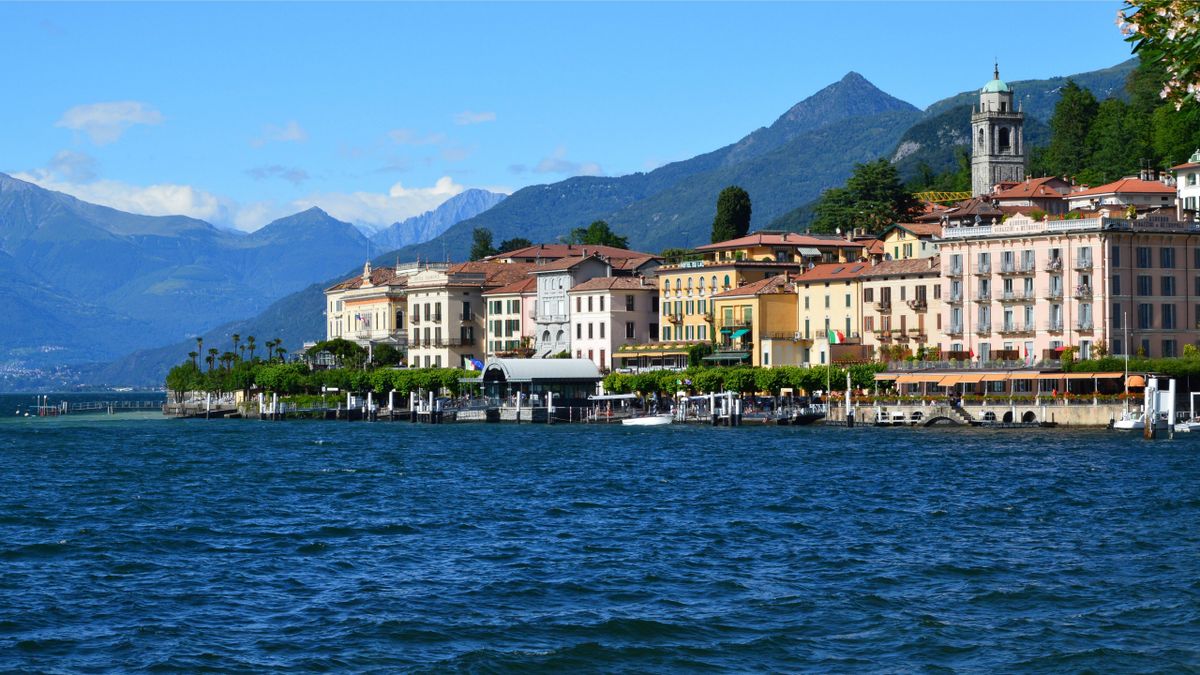
Lake Como (about 1 hr by train)
The most famous day trip from Milan, Lake Como is reachable in around an hour by frequent trains to Como San Giovanni or Varenna, dropping you at the shore of one of the world’s most beautiful lakes. From Como town or Varenna you can take the ferries that link the elegant villages — Bellagio, Menaggio, Tremezzo and the Villa Carlotta gardens — and ride the funicular up to Brunate for the panorama. Go for the lake steamers, the villa gardens, and the Alpine backdrop; it turns a city break into a proper escape.
Bergamo (about 50 min by train)
The walled hilltop Città Alta of Bergamo is one of northern Italy’s most beautiful old towns, reachable in under an hour by train, with a funicular up to its Venetian ramparts, a stunning Piazza Vecchia, and a colourful Romanesque basilica. It is far less touristy than Como, with superb food and sweeping views over the plain toward the Alps. It makes an easy, rewarding half- or full-day and pairs well with the local sparkling wines of the surrounding hills. Wander up to the ramparts at golden hour, eat the local casoncelli pasta in a back-street trattoria, and you have one of the most underrated days out from Milan — and because Bergamo has its own airport, it is also an easy first or last stop on a wider trip.
Pavia & the Certosa (about 35 min by train)
South of Milan, the university city of Pavia and the extraordinary Certosa di Pavia — a vast, lavishly decorated Carthusian monastery — make a quieter, art-focused day trip reachable in around 35 minutes by train. The Certosa’s marble façade and frescoed cloisters are among the finest Renaissance work in Lombardy, and Pavia itself has a handsome medieval centre and a covered bridge over the Ticino. It is the best choice for travellers who have done the lakes and want history without crowds. One of Italy’s oldest universities gives the town a lively, studenty buzz and good cheap eating, and the monastery sits a short bus or taxi ride out of the centre, so allow a little extra time to combine the two comfortably in a single relaxed day.
Turin (about 1 hr by high-speed train)
The elegant former royal capital of Turin is an hour away by high-speed train, with grand arcaded boulevards, the spiralling Mole Antonelliana and its excellent cinema museum, the Egyptian Museum (the world’s second-largest), and a serious café and chocolate culture. It is a genuinely different city — Baroque, aristocratic, and Alpine — and makes a full and rewarding day. Book the fast trains ahead for the cheapest fares, and set aside time for the historic cafés where the local bicerin, a layered drink of espresso, chocolate, and cream, was invented; it is the perfect mid-afternoon reward after the museums.
Verona (about 1 hr 10 min by high-speed train)
The romantic city of Verona — Roman arena, Juliet’s balcony, and a beautifully preserved medieval centre on a bend of the Adige river — is reachable in around 70 minutes by high-speed train, making it a comfortable day trip or a stepping stone toward Venice. Its summer opera season in the ancient Roman amphitheatre is one of Italy’s great open-air spectacles, with performances under the stars that draw audiences from across Europe. It offers the classic Italian-city experience that Milan deliberately is not, and because the fast trains continue east to Venice, it slots neatly into a multi-city itinerary.
Seasonal Guide
Spring (March – May)
One of the best windows to visit, with daytime highs climbing from the mid-teens in March to the mid-20s°C by late May, gardens in bloom, and the café terraces fully open . The big caveat is the Salone del Mobile design week in April and the spring fashion shows, which fill hotels city-wide and push prices to their annual peak, so book months ahead or deliberately avoid those weeks. Outside the event spikes, spring offers warm, pleasant weather, manageable crowds, and the city at its most energetic. Pack layers for the cool mornings and the odd spring shower, and consider basing a trip around the late-May window once Design Week has cleared but the warm evenings have arrived — arguably the single best week of the year to be in Milan.
Summer (June – August)
Hot, humid, and quiet — Milan sits on the Po plain and bakes in summer, with daytime highs often in the low-to-mid 30s°C and sticky, still air . Many Milanese leave for the coast or the lakes in August, when shops and restaurants close for the holidays and the city can feel half-empty. Hotel rates drop, and the lakes and Alps are an easy escape from the heat. If you visit in summer, sightsee early, retreat indoors at midday, and take advantage of the thinner crowds at the major sights, and plan at least one lake day to escape the heat of the plain.
Autumn (September – November)
Arguably the best season after late spring. September keeps warm, pleasant weather while the crowds thin, and the city comes back to life after the August lull . The catch is the September fashion week, which spikes hotel prices, and the increasingly grey, foggy, and wet weather from late October into November, when the Po-valley mist for which Milan is famous settles in. Early autumn is ideal; late November tips into the damp, cold low season, though the run-up to the festive season has its own charm.
Winter (December – February)
Cold, grey, and often foggy, with daytime highs around 5–8°C, occasional snow, and the famous Po-valley mist . But winter is also when Milan is most itself: the opera season at La Scala opens on 7 December, the Christmas markets and the panettone season are in full swing, and the winter sales (saldi) in January draw shoppers from across Europe. The cold keeps tourist crowds light at the major sights, and the Alpine ski resorts are a short train ride away. Pack a warm waterproof coat and embrace the cosy, indoor rhythm of café, gallery, and opera.
Getting Around
Regional & High-Speed Rail
Milan is the rail hub of northern Italy, with the monumental Milano Centrale station handling high-speed Trenitalia and Italo services to Rome, Florence, Venice, Turin, and beyond, and frequent regional trains to Como, Bergamo, Pavia, and the lakes . High-speed fares are cheapest booked ahead online; regional fares are fixed and need no booking. The smaller Milano Cadorna and Porta Garibaldi stations handle suburban and airport lines. From the city centre you can be in Venice or Rome in under three hours, which makes Milan an ideal first or last stop on an Italian trip.
Metro & Trams (ATM)
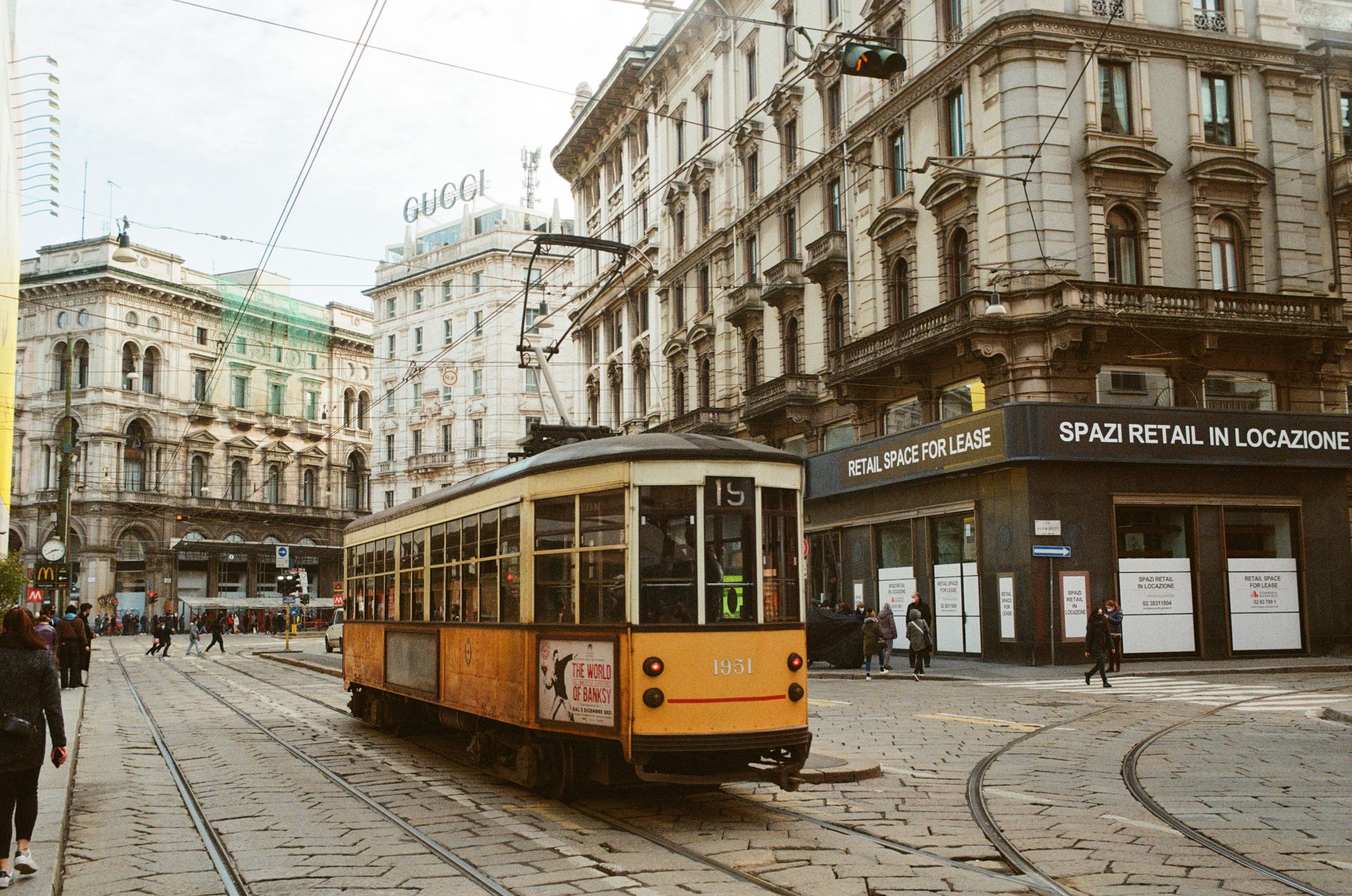
The city transport operator ATM runs five metro lines — M1 (red), M2 (green), M3 (yellow), M4 (blue), and M5 (lilac) — plus an extensive tram and bus network, and it is clean, frequent, and genuinely easy to use . The M1 and M3 both stop at Duomo, the M4 connects Linate airport to the centre, and the historic orange trams add a charm the metro lacks. A single ticket costs €2.20 and is valid for 90 minutes including transfers; a 24-hour pass is €7.60 and a carnet and multi-day passes offer further savings, all usable across metro, tram, and bus.
IC Cards / Prepaid Transit
You no longer need a separate transit card in Milan — ATM gates accept contactless tap-to-pay with a bank card or phone directly, automatically charging the single fare and capping the daily total, which is the simplest option for visitors . Alternatively, buy paper tickets or load an ATM card from station machines and tobacconists. Validate or tap every time you enter the metro and on boarding trams and buses; inspectors check regularly and an unvalidated ticket counts as fare evasion.
Airport Access
Milan is served by three airports — Malpensa (the main long-haul hub, about 50 km north-west), Linate (closest, about 7 km east), and Bergamo Orio al Serio (used by low-cost carriers) .
- Malpensa Express train — Malpensa to Milano Centrale in about 51 minutes (37 to Cadorna), every 30 minutes, €15 one way
- Metro M4 (blue line) — Linate airport to the city centre in around 12–15 minutes, €2.20
Taxis
Flag-fall starts around €3.30–6.50 depending on the time of day, with metered fares thereafter; licensed white taxis queue at ranks outside stations, the airports, and the main squares, or are booked by phone or app rather than hailed on the street. Taxis are most useful late at night after the metro stops running (around 00:30) and for the airport with heavy luggage. For Malpensa, the train is far cheaper and often faster than the roughly €100 fixed taxi fare, so most visitors without much luggage take the Malpensa Express.
Navigation Tips
Apps: ATM Milano (official transit, with contactless and live times) and Trenord or Trenitalia for the regional and high-speed trains. The historic centre is genuinely walkable end to end, so most visitors use the metro mainly for the airports, the longer cross-town hops, and reaching the Last Supper or San Siro. A good rule of thumb is to walk anything inside the centre, take the metro for everything further out, and book high-speed trains ahead for day trips; that simple split covers almost every journey a visitor needs and keeps costs low. The metro runs until around 00:30, so plan a taxi or a night bus for later returns from the Navigli or San Siro.
Budget Breakdown: Making Your Euro Count
| Tier | Daily | Sleep | Eat | Transport | Activities | Extras |
|---|---|---|---|---|---|---|
| Budget | €90–130 | €35–60 hostel/budget | €20–30 | €7.60 day pass | €10–20 | €10 |
| Mid-Range | €180–300 | €110–180 hotel | €45–75 | €7.60–15 | €25–45 | €20 |
| Luxury | €450+ | €280+ design hotel | €120+ | €30 taxis | €60+ | €40+ |
Where Your Money Goes
Milan is the most expensive city in Italy, and accommodation is by far the swing cost — it peaks sharply during the April Design Week and the February and September fashion weeks, when rates can double or triple, and eases markedly in the August and winter low seasons . Food, by contrast, can be very reasonable: a lunchtime trattoria meal or a generous aperitivo buffet keeps a day’s eating well under €30, while a serious sit-down dinner with wine runs €40–70 a head. The €2.20 metro fare and the city’s walkability make transport a rounding error, and many of the best experiences — the Galleria, the Duomo square, the Navigli towpaths, the Brera lanes — are free. A realistic budget trip leans on those free sights, the aperitivo buffets, the €7.60 day pass, and a low-season or non-event hotel, which together can keep a comfortable day well under €130 a head; the same trip during Design Week, with a central hotel, easily triples that. The single biggest lever on the total is therefore when you come and where you sleep, not what you do once you arrive — avoid the event weeks and Milan is far more affordable than its reputation suggests.
Tipping is not expected the way it is in North America — service is generally included, and locals simply round up or leave a euro or two for good service, though some restaurants add a small per-person coperto (cover charge) to the bill. This keeps the real cost of eating out lower than first-time visitors expect. Museum and attraction prices are moderate, mostly clustering around €10–15, and the Last Supper and the Duomo terraces are the main ticketed must-sees. The way a Milan trip gets genuinely expensive is through event-week accommodation and high-end shopping and dining, all of which are easy to avoid or indulge as your budget allows. A simple rule keeps the maths honest: fix your dates and your hotel first, since those two choices swing the daily total far more than anything else, and treat everything after that — meals, transit, sights — as comparatively small and predictable line items.
Money-Saving Tips
- Treat aperitivo as dinner — one €8–12 drink with a buffet beats a full restaurant meal for value and atmosphere
- Tap a contactless card at the metro gates; the daily cap means you never pay more than the day-pass price
- Avoid the April Design Week and the February/September fashion weeks, when hotel rates double or triple
- Eat your main meal at lunch from a workers’ trattoria menu, and drink your coffee standing at the counter
- Do the free sights — the Galleria, Duomo square, Navigli, Brera, the Castello courtyards — and book the Last Supper at the official price rather than via a pricey tour
- Refill a water bottle at the free “vedovelle” street fountains rather than buying bottled water, and use regional trains (no booking needed) for the cheaper day trips to Como, Bergamo, and Pavia
Practical Tips
Language
Italian is the official language; the historic Milanese dialect (a variety of Lombard) survives mostly in older speakers and place names. As Italy’s international business capital, Milan has more widely-spoken English than most Italian cities — hotels, restaurants, shops, and the transit system all cope well in English. Even so, opening any interaction with “buongiorno” and a few words of Italian is genuinely appreciated and changes the tone of the service you get.
Cash vs. Cards
Cards are accepted almost everywhere, including contactless tap-to-pay on the metro and in the vast majority of shops, restaurants, and museums. The exceptions are some small market stalls, a few traditional cash-only trattorias, and tipping, so it is worth carrying €30–40 in small notes and coins. ATMs (bancomat) are plentiful; use bank-branded machines rather than the standalone currency-exchange boxes, which give poor rates.
Safety
Milan is generally a safe city, but it has Italy’s most persistent pickpocketing problem in tourist hotspots — the Duomo square, the metro (especially the M1, M2, and M3), Centrale station, and crowded trams are the main risk areas; official advisories rate Italy as low-risk overall while consistently flagging petty theft in cities . Keep valuables zipped and out of sight, be wary of distraction scams and “friendship bracelet” hustlers around the cathedral, and watch your bag on packed metro carriages. Violent crime against visitors is rare. The centre, Brera, and the Navigli stay busy and well-lit late, so evenings out are comfortable; the streets immediately around Centrale station are the one area worth extra care after dark.
What to Wear
This is the world’s fashion capital, and the Milanese dress with care — smart-casual is the safe default and you will rarely feel overdressed. Modest dress (covered shoulders and knees) is required to enter the Duomo and other churches, so pack a layer for that. Summers are hot and humid, so light breathable clothing; winters are cold, grey, and damp, so a warm waterproof coat. Comfortable but presentable shoes are ideal — you will walk a lot, but trainers-with-everything marks you as a tourist.
Cultural Etiquette
A “buongiorno” (or “buonasera” later) before any request is expected in shops, cafés, and at counters. Coffee culture has rules: a cappuccino is a morning-only drink, an espresso is taken standing at the counter, and ordering a milky coffee after a meal will raise eyebrows. Meals run late by northern-European standards — lunch from 12:30, dinner from 20:00 — and the aperitivo hour around 18:00–21:00 is sacred. The Milanese are more reserved and business-like than southern Italians, so the pace is brisker and more punctual.
Connectivity
EU roaming rules apply for European SIMs, so most European visitors use their home plans at no extra cost, and 4G/5G coverage is excellent across the city and the metro. Free public Wi-Fi is common in cafés, hotels, and many public spaces; non-EU visitors staying a while may find a local prepaid eSIM from TIM, Vodafone, or WindTre cheaper than international roaming.
Health & Medications
EU and UK travellers should carry the EHIC or GHIC card for reciprocal care; everyone else needs travel insurance, since Italian healthcare is good but not free to non-residents. Pharmacies, marked by green crosses, are plentiful and the pharmacists can advise on minor ailments; a rota stays open at night and on Sundays, including a 24-hour pharmacy at Centrale station. The tap water is safe to drink citywide — the city’s many ornate “vedovelle” drinking fountains run free, so a refillable bottle is all you need .
Luggage & Storage
Milano Centrale has staffed left-luggage and several private bag-storage services cluster around the station, the Duomo, and the other main stations, holding luggage by the hour or day — useful for day-trippers and for the common gap between an early hotel checkout and a late flight or train. Booking a storage slot online in advance is worth it during the event weeks, when the busiest near-station services fill up. The airports also have terminal storage if you arrive early and want to explore before checking in.
Frequently Asked Questions
How many days do I need in Milan?
Three full days is the practical sweet spot for the city itself — enough for the Duomo and its terraces, the pre-booked Last Supper, the Galleria and La Scala, the Castello and Brera, and the Quadrilatero and Navigli, with time for proper aperitivi. Add a fourth or fifth day for a Lake Como, Bergamo, or Turin day trip and you have a rounded short break. Milan can be done as a long weekend, and many travellers use it as a one- or two-night start or end to a wider Italian trip, but giving it three nights lets you see past the “just a business city” cliché. If you are a design, fashion, or opera enthusiast, you could happily fill a week.
Is Milan good for solo travellers?
Yes — it is one of the easiest cities in Italy for solo travel. It is compact and walkable at its core, superbly connected by metro and rail, generally safe, and has a sociable aperitivo and café culture where eating or drinking alone is completely normal. The standing-coffee and aperitivo-buffet habits make cheap solo meals effortless, and day trips are simple to do independently on the frequent trains. The well-lit central districts are comfortable to walk in the evening. Apply the usual city precautions against pickpockets on the metro and around the Duomo, keep an eye on your belongings, and you will find Milan a relaxed and welcoming city for travelling alone. Hostels and design-led budget hotels cluster around Porta Venezia and the Navigli, both lively and sociable bases, and the city’s many group walking tours and aperitivo crawls make it easy to meet other travellers if you want company.
Is the ATM transit pass worth it?
For most visitors, contactless tap-to-pay is better than any pass — just tap a bank card or phone at the metro gates and on trams, and ATM charges the €2.20 single fare automatically, capping your daily spend at the €7.60 day-pass price, so you can never overpay. If you prefer paper, a 24-hour pass at €7.60 pays for itself after about three-and-a-half rides, easily reached on an airport-arrival day, and multi-day passes suit longer stays. That said, the centre is so walkable that many visitors only use transit for the airports, San Siro, and the longer hops, so a handful of single fares may be all you need.
What about the language barrier?
It is minimal in practice. As Italy’s international business capital, Milan has more widely-spoken English than most Italian cities — hotels, restaurants, shops, and the transit system all cope well in English, the signage is clear, and the transit apps work in English. A polite “buongiorno” on entering and “grazie” on leaving go a long way socially and are genuinely expected. You will manage entirely in English, but a handful of Italian courtesies noticeably improves the warmth of the welcome.
When is the best time to visit and avoid crowds?
Late spring (April–June, outside Design Week) and early autumn (September–October, outside fashion week) are the sweet spots — pleasant weather, gardens and terraces open, and the city at its liveliest. Avoid the April Salone del Mobile and the February and September fashion weeks if you dislike crowds and high prices, when hotels fill city-wide. Summer is hot and quiet as locals leave, and winter is cold and foggy but cheap, with the opera season and Christmas markets as compensation.
Can I use credit cards everywhere?
Almost everywhere, including contactless on the metro and in the great majority of shops, restaurants, and museums. The exceptions worth knowing are some small market stalls, a few traditional cash-only trattorias, and tipping, so carry €30–40 in small notes and coins as a backup. Use bank-branded ATMs rather than the standalone currency boxes, which give noticeably worse exchange rates, and always choose to be charged in euros rather than your home currency when a card machine offers the choice, as the “dynamic currency conversion” rate is invariably poor.
Do I really need to book the Last Supper in advance?
Absolutely — there is no walk-up option. Only about 40 people are admitted at a time for a strictly timed 15-minute viewing, so tickets are released roughly three months ahead on the official Cenacolo Vinciano site and sell out within minutes of release. Booking is mandatory even for the free first-Sunday slots. Set a reminder for the release date and book the moment it opens; if the official site is sold out, a reputable guided tour with bundled tickets is the reliable fallback, though it costs more. Do not arrive in Milan hoping to get in on the day — you will not.
Ready to Experience Milan?
Book the Last Supper the day tickets open, pack something smart for La Scala, and give yourself a day for Lake Como. For the full country context, read the Italy Travel Guide.
Explore More City Guides
Alex the Travel Guru
Alex has spent two decades writing field-tested travel guides from the road, landing in Milan through all three of its airports and learning the hard way to book the Last Supper months in advance. Every figure in this guide is paired with an authoritative source, and every photo and video is verified before it ships.
More city guides you might like
Plan your trip to Milan
The booking tools we use ourselves. FFU may earn a commission at no extra cost to you.
Plan & book your trip to Milan
Booking through these searches supports our guides at no extra cost to you.