
City Guide · The Pacific Northwest
Seattle, United States: Coffee, Mountains, Saltwater, and the Sound That Started Grunge
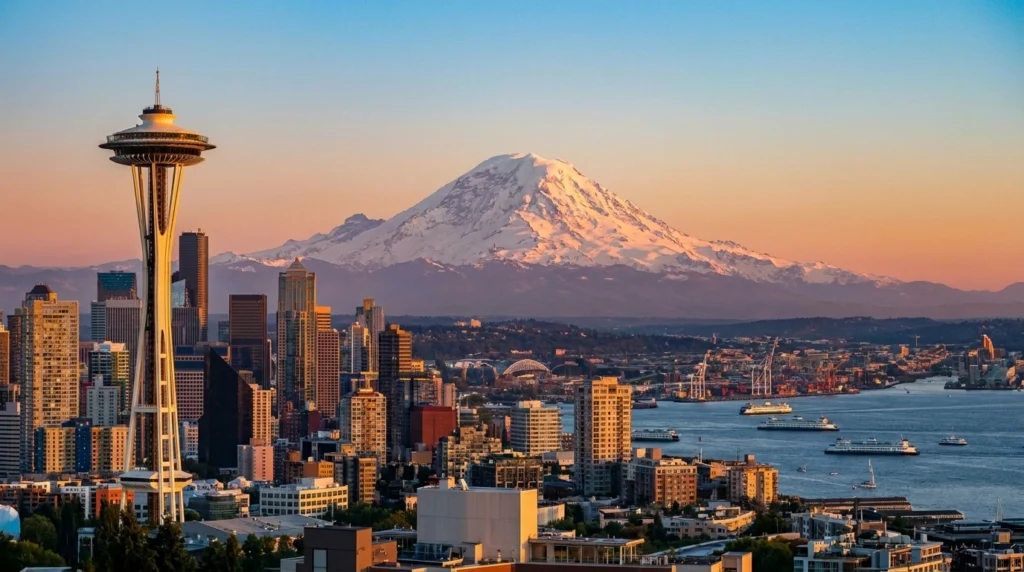
I have come back to Seattle in every kind of weather it has, and the first thing I tell anyone heading to the Emerald City is to stop apologising for the rain and start using it. This is a city of roughly 780,000 people wedged between the saltwater of Puget Sound and the freshwater of Lake Washington, with a snow-capped volcano on the southern horizon that locals simply call “the mountain” . My favourite Seattle morning is a flat white pulled at a Capitol Hill roaster, followed by the smell of fish and fresh flowers as Pike Place Market wakes up, then a ferry out into the Sound just to watch the skyline and the Olympics line up behind the wake. We tell first-timers to give the city three or four full days, to ride the ferries even without a destination, and to treat the grey days as permission to dive into the museums, the coffee houses, and the record stores that built a music scene the whole world copied. Treat this guide as the brief I would hand my own family before they flew into Sea-Tac — the market and the monorail, the Space Needle and the salmon, the grunge clubs and the day trips to Rainier, and the transit logic that ties this hilly, watery, caffeinated city together .
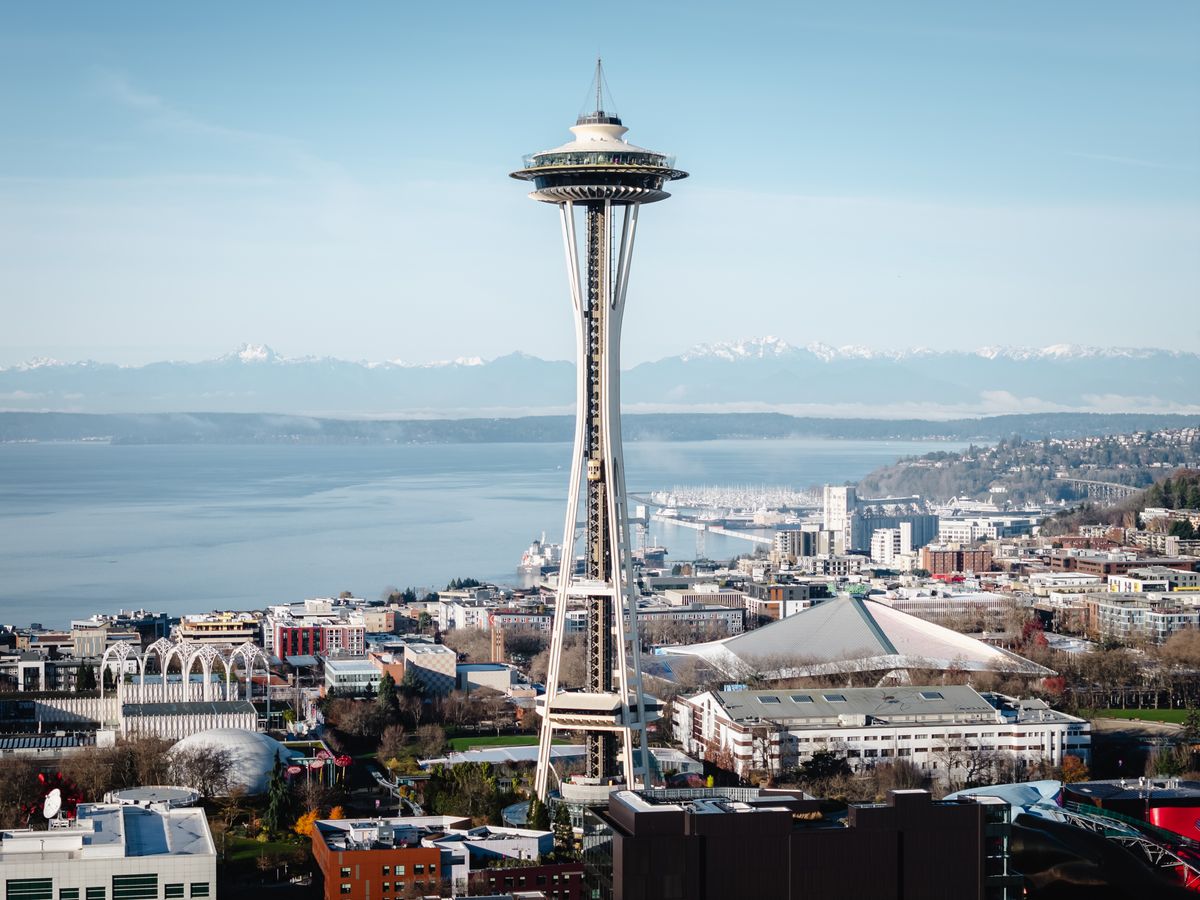
Table of Contents
Why Seattle?
Seattle is the great Pacific Northwest city that turns its weather into a personality, and that is precisely its charm: a place where mountains, saltwater, and rainforest press right up against a tech-money skyline, where the coffee is taken seriously and the music once changed the world. The city proper holds roughly 780,000 people, the largest city in Washington State and the anchor of a metropolitan area of nearly four million, hemmed between Puget Sound to the west and Lake Washington to the east on a series of glacial hills . It is a young city by American standards — it boomed with the 1897 Klondike Gold Rush, when Seattle outfitted prospectors heading north to the Yukon — and that frontier-then-tech trajectory still shapes its restless, reinventing energy .
The city reads as a set of productive contrasts. It is a global technology capital, home to Amazon and Microsoft’s orbit and a downtown of glass towers, yet its soul lives in the neighbourhoods — the cafés and clubs of Capitol Hill, the bohemian Fremont with its troll under the bridge, the Scandinavian fishing heritage of Ballard, the pan-Asian density of the Chinatown-International District. It is famous for relentless grey skies, yet it sits in some of the most spectacular geography in the country, fronting an inland sea with the Olympic Mountains to the west, the Cascades to the east, and Mount Rainier, a 4,392-metre active volcano, dominating the southern skyline on a clear day .
The geography is the secret to enjoying it. Seattle is built on hills between two bodies of water, so the views are constant and the orientation is easy — the Sound is always west, the lake always east. The light-rail line links the airport to downtown and Capitol Hill, the ferries fan out across Puget Sound as part of the largest ferry system in the United States, and the compact core means the market, the waterfront, and Seattle Center are all walkable . The other secret is the rain itself: Seattle is genuinely wet, but mostly in a soft, low-intensity drizzle that locals barely acknowledge, and the wettest months reward you with cosy coffee houses, world-class museums, and the indoor culture that made the city what it is.
This guide covers the neighbourhoods you will actually spend time in, the salmon-and-coffee food culture worth travelling for, the marquee sights from the Space Needle to Chihuly Garden and the Museum of Flight, the music heritage that gave the world Hendrix and grunge, the day trips Seattleites take on weekends, and the practical realities of ESTA, the light rail, the ferries, and the famous weather. Start at the market and the waterfront; everything else flows out from the Sound.

Neighborhoods: Finding Your Seattle
📍 Seattle Map: Every Place in This Guide
Seattle is best understood as a compact downtown core wrapped around the waterfront, ringed by a set of strongly characterful neighbourhoods on the surrounding hills — and the single biggest mistake first-timers make is never leaving the Pike Place–to–Space Needle tourist corridor. Downtown sits on the slope between Elliott Bay and Interstate 5: the retail core and Pike Place Market, the historic Pioneer Square at the south end, and the Chinatown-International District just beyond it. North of downtown, across the old industrial strip, sits the cluster of attractions at Seattle Center. The real texture, though, lives up the hills and out along the water — the nightlife of Capitol Hill, the quirk of Fremont, the maritime Ballard, and the university energy of the U-District .
This section walks the eight neighbourhoods you will actually use, grouped by character: the downtown and waterfront core, the historic south end (Pioneer Square, the International District), the buzzing near-north (Capitol Hill, Seattle Center / Lower Queen Anne), and the distinctive outer neighbourhoods (Fremont, Ballard, the University District), with notes on access and who each district suits best.
Downtown & the Waterfront
The retail-and-hotel core sloping down to Elliott Bay, anchored by Pike Place Market and a recently rebuilt waterfront promenade that replaced an old elevated highway. It is the most walkable, transit-connected square mile in the city and where most visitors begin.
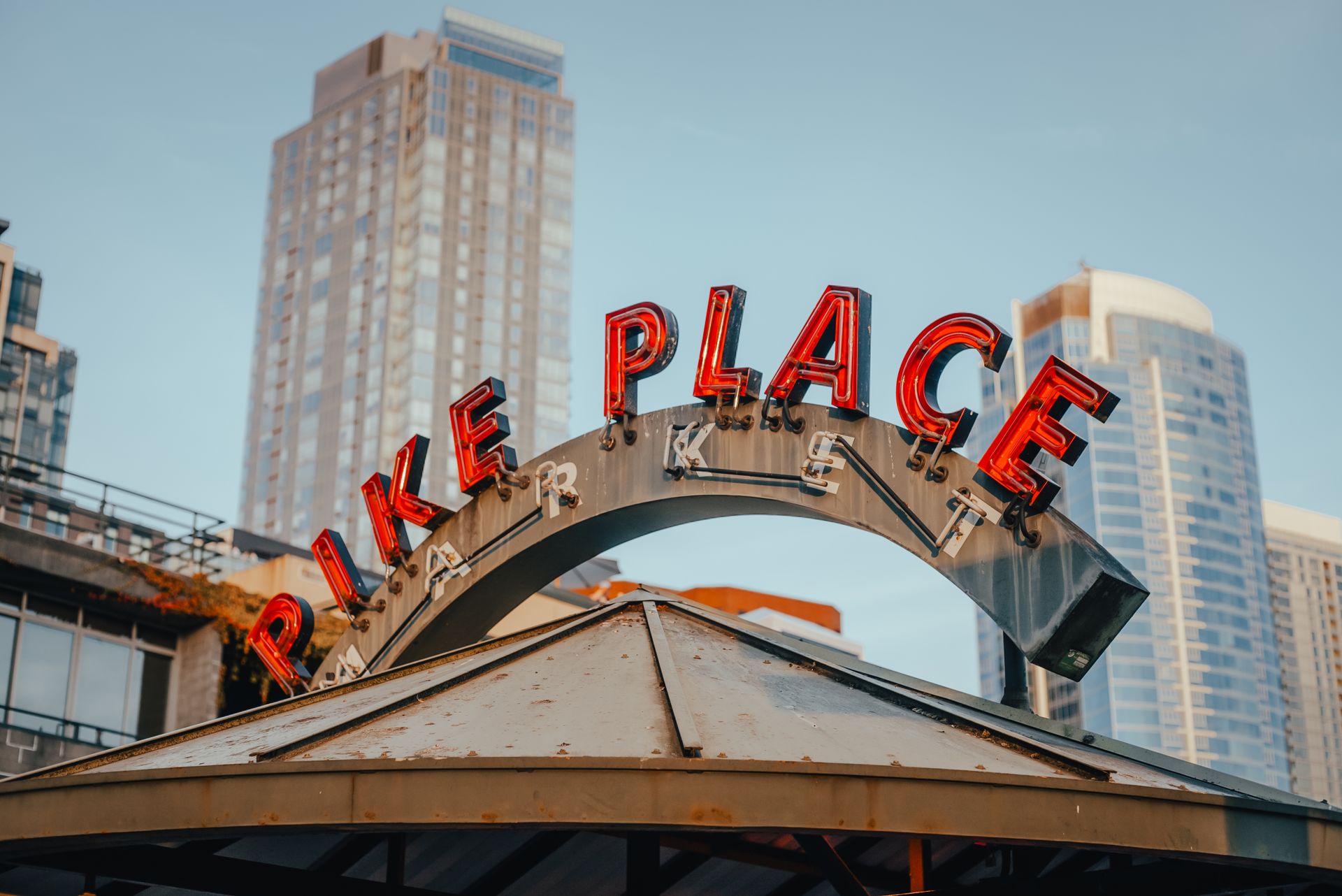
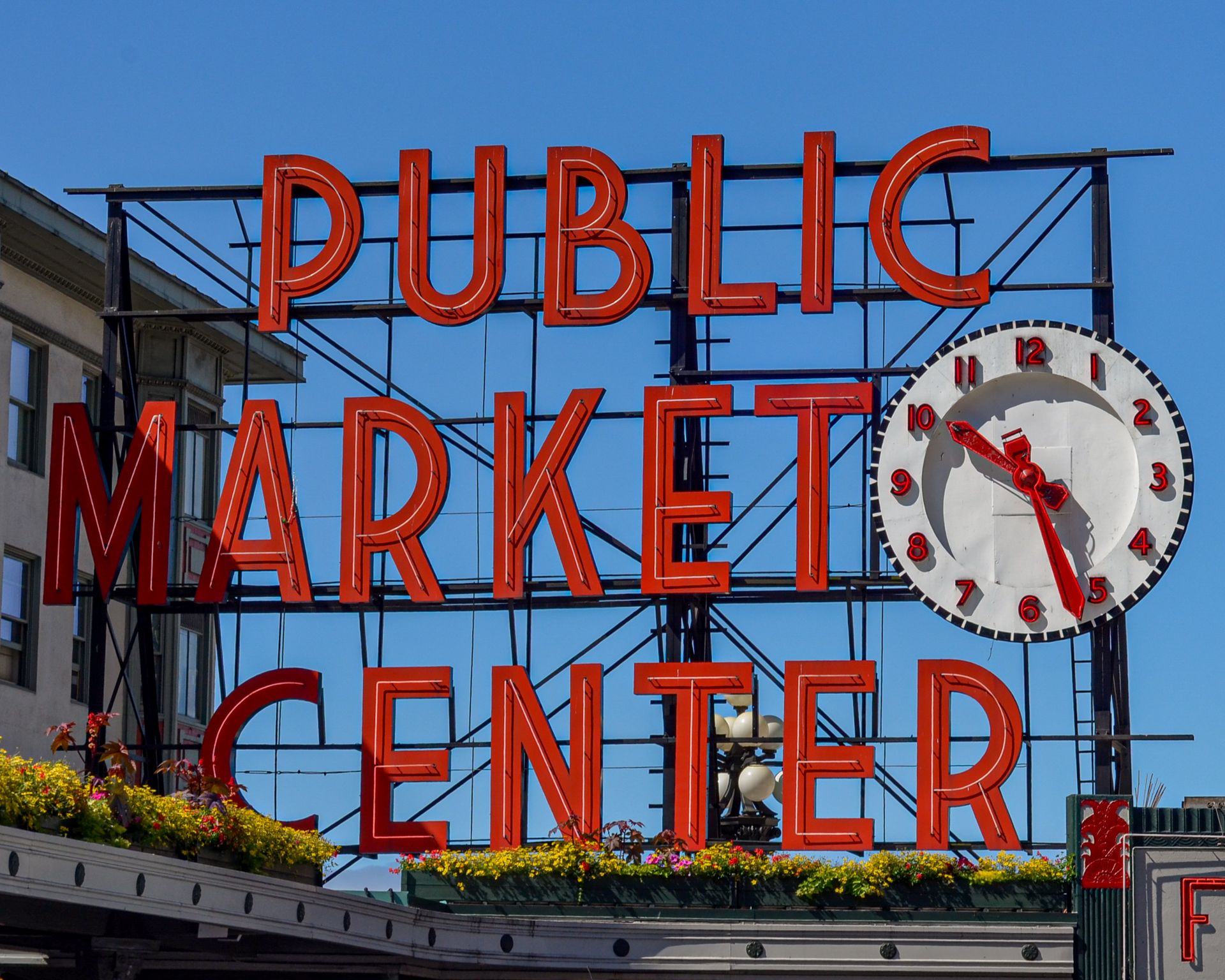
- Pike Place Market — the flying fish, the original Starbucks, and the gum wall
- The new Waterfront Park, the Seattle Aquarium, and the Great Wheel on Pier 57
- The Seattle Art Museum and the retail core around Westlake
Best for: first-time visitors, the market, car-free travellers. Access: Link light rail to Westlake or Pioneer Square; walkable throughout.
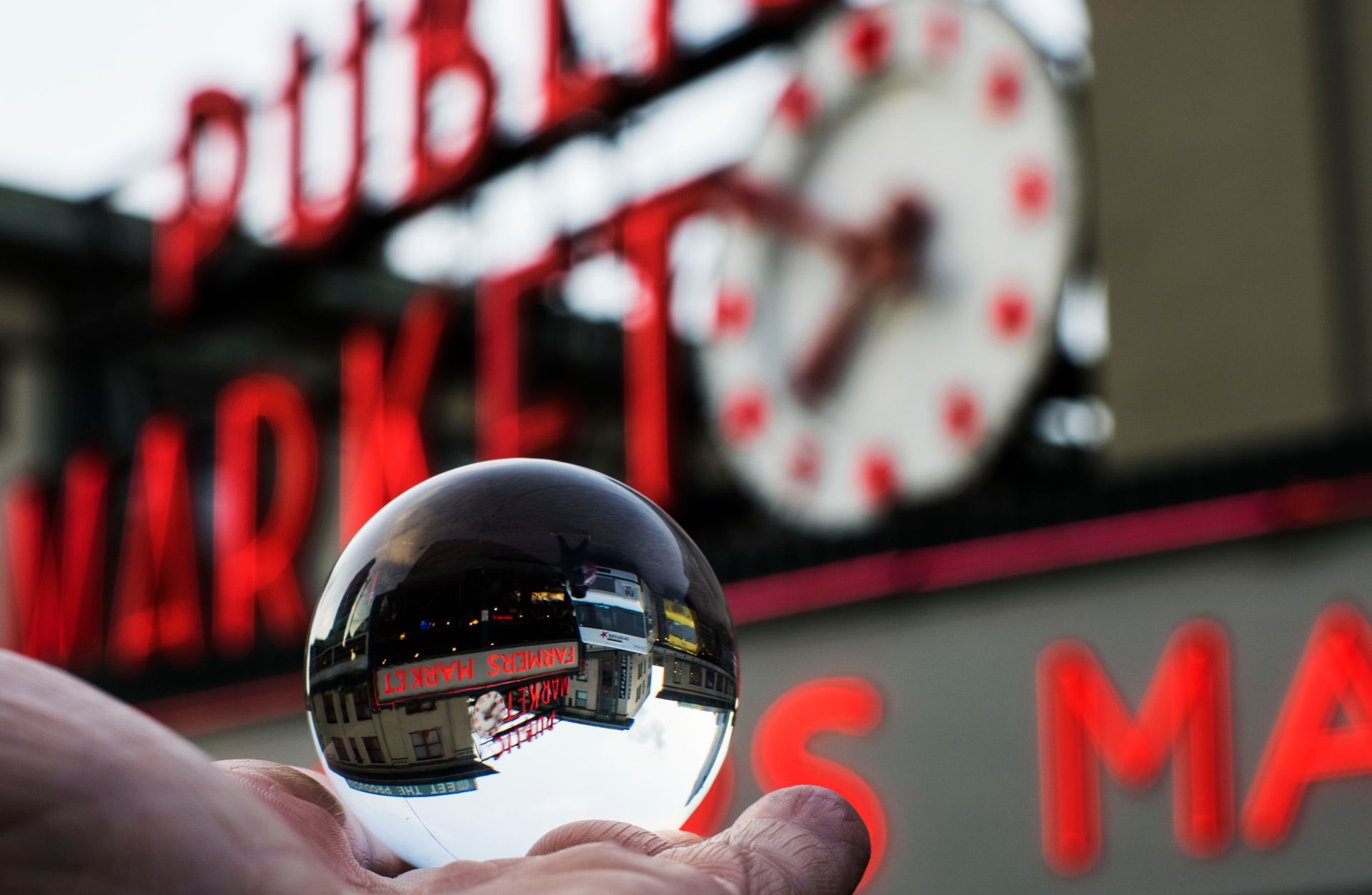
Downtown is where most visitors start and where Seattle’s postcard moments cluster. Pike Place Market is the obvious magnet — a working, century-old public market where fishmongers throw salmon, farmers sell dahlias, and the very first Starbucks still pulls espresso across the street — but the bigger story is the reborn waterfront. The teardown of the old Alaskan Way Viaduct opened up a wide new pedestrian promenade, Waterfront Park, connecting the market down to the piers, the aquarium, and the ferry terminal. Base yourself here if your priority is walking to the market and stepping onto the light rail or a ferry; just know that the after-dark energy migrates uphill to Capitol Hill, so downtown is a base for daytime efficiency rather than late-night life.
Pioneer Square
Seattle’s oldest neighbourhood and its original downtown, a compact district of handsome 1890s Romanesque-revival brick buildings rebuilt after the Great Seattle Fire of 1889, now home to galleries, bars, sports crowds, and the famous underground tour .
- The Underground Tour through the buried streets of old Seattle
- Occidental Square, the galleries, and the totem poles
- Klondike Gold Rush National Historical Park and First Thursday art walks
Best for: history buffs, art walks, sports fans (the stadiums are next door). Access: Link light rail / King Street Station; walkable from downtown.
Pioneer Square is where Seattle began, and it rewards a slow wander. After the 1889 fire levelled the wooden downtown, the city rebuilt in brick and stone one storey higher, leaving the old ground floors buried — a quirk you can explore on the cult-favourite Underground Tour through the hollow sidewalks and storefronts beneath today’s streets. Above ground, the district is a leafy, low-rise grid of art galleries, independent bookshops, coffee roasters, and bars around Occidental Square, with the Klondike Gold Rush museum telling the story of the 1897 stampede that made the city rich. It sits right next to the football and baseball stadiums, so it swings between sleepy gallery district and roaring game-day crowd; come on a First Thursday for the monthly art walk.
Chinatown-International District
The historic heart of pan-Asian Seattle just southeast of Pioneer Square — a dense, atmospheric neighbourhood of Chinese, Japanese, Vietnamese, and Filipino heritage, with some of the best and best-value food in the city.
- The Wing Luke Museum of the Asian Pacific American Experience
- Uwajimaya, the landmark Asian grocery and food hall
- Dim sum, pho, and the historic Nihonmachi (Japantown) blocks
Best for: food crawls, museums, culturally curious travellers. Access: Link light rail to Chinatown-International District station.
The Chinatown-International District — locals call it the CID — is the most rewarding neighbourhood in the city for eating, and one of the most historically layered. It braids together a traditional Chinatown, a historic Japantown that never fully recovered from the WWII internment of its residents, a Little Saigon to the east, and a strong Filipino presence, all within a few walkable blocks. The anchor is the Wing Luke Museum, the only US museum devoted to the Asian Pacific American experience, housed in a restored hotel that itself tells the story of immigrant Seattle. Eat your way through dim sum parlours, pho counters, bubble-tea shops, and the sprawling Uwajimaya grocery and food hall. It is a short light-rail hop from downtown and an essential half-day for any visitor.
Capitol Hill
Seattle’s densest, liveliest neighbourhood and the centre of its nightlife and LGBTQ+ life — a hilltop grid of bars, music venues, third-wave coffee, independent restaurants, and record shops just east of downtown.
- Pike/Pine corridor bars, clubs, and live-music venues
- Independent coffee roasters and the city’s best casual dining
- Volunteer Park, its conservatory, and the Asian Art Museum
Best for: nightlife, coffee, younger travellers, LGBTQ+ travellers. Access: Link light rail to Capitol Hill station.
Capitol Hill is where Seattle’s after-dark energy concentrates, and it rewards an aimless afternoon as much as a big night out. The Pike/Pine corridor is the heart of it — a tight grid of cocktail bars, dive bars, dance clubs, and live-music rooms that draws a young, in-the-know crowd, alongside the long-standing centre of the city’s LGBTQ+ community. By day the same streets hold some of the best independent coffee roasters in a coffee-obsessed city, plus excellent casual restaurants, vintage shops, and record stores. At the quieter north end, the genteel Volunteer Park offers a conservatory, a water tower with skyline views, and the Seattle Asian Art Museum. A direct light-rail stop puts the neighbourhood minutes from downtown and the airport.
Seattle Center & Lower Queen Anne
The legacy campus of the 1962 World’s Fair at the foot of Queen Anne hill — home to the Space Needle and a cluster of museums, theatres, and the city’s marquee attractions, ringed by the bars and restaurants of Lower Queen Anne (“Uptown”).
- The Space Needle, Chihuly Garden and Glass, and the Museum of Pop Culture
- The Pacific Science Center and the monorail to downtown
- Climate Pledge Arena and Seattle Center’s festivals and fountain
Best for: first-timers, families, the marquee attractions. Access: Seattle Center Monorail from Westlake; or buses to Lower Queen Anne.
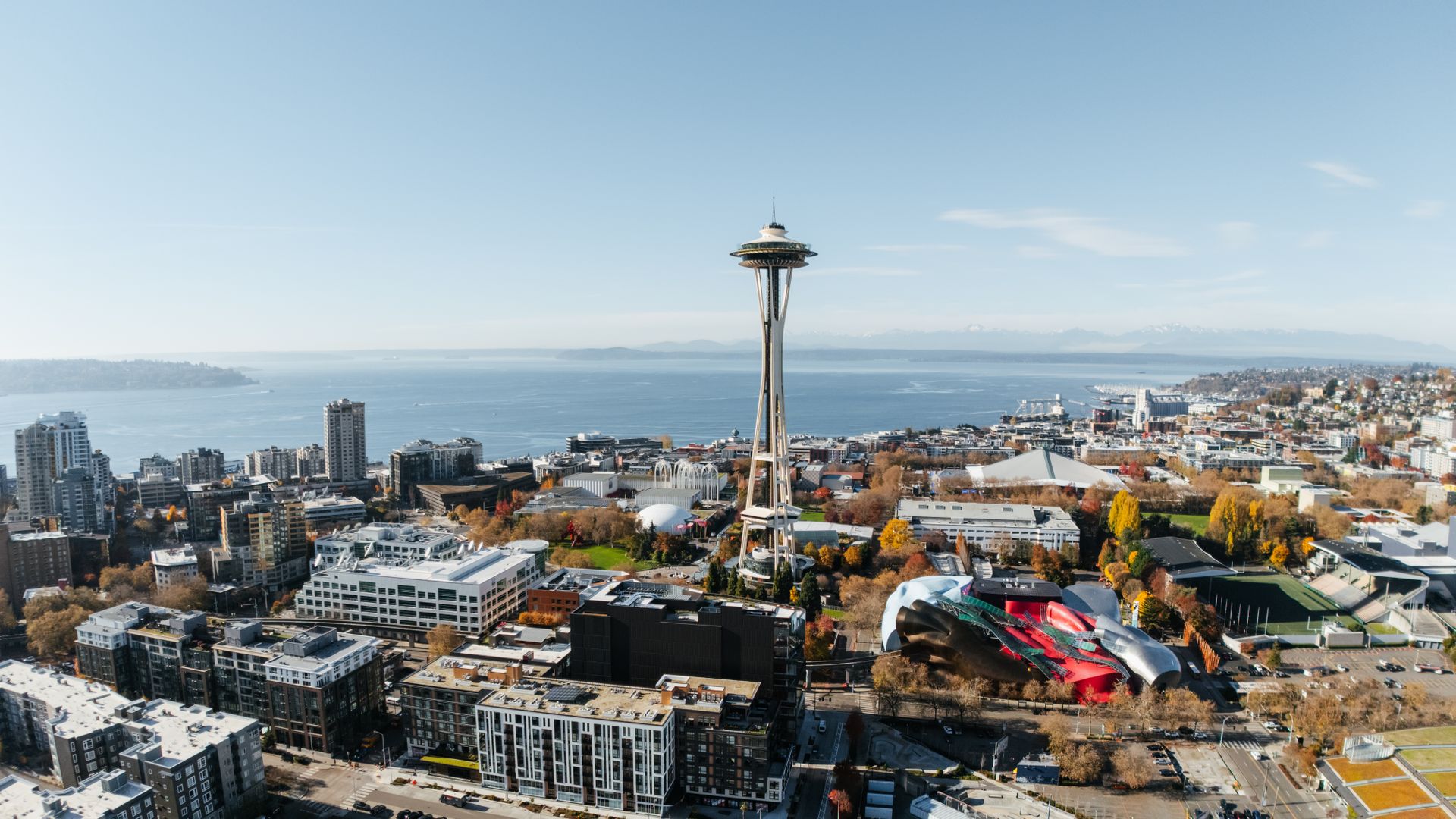
Seattle Center is the legacy of the 1962 Century 21 Exposition, the World’s Fair that built the Space Needle and the monorail and gave the city its futuristic icon. Today the 74-acre campus packs in more visitor-facing attractions than anywhere else in Seattle: the Needle and its glass-floored observation deck, Chihuly Garden and Glass, the Frank Gehry-designed Museum of Pop Culture, the Pacific Science Center, the International Fountain, and Climate Pledge Arena, home to the NHL’s Kraken. Around it, Lower Queen Anne (rebranded “Uptown”) supplies the restaurants and bars. The two-minute monorail ride from downtown’s Westlake Center is the fun way to arrive, and the whole campus is best tackled as a full, attraction-dense day.
Fremont & Ballard
Two beloved north-of-the-canal neighbourhoods: bohemian, self-styled “Center of the Universe” Fremont with its public art and Sunday market, and the historically Scandinavian, maritime Ballard with its locks, breweries, and the best farmers’ market in the city .
- The Fremont Troll under the Aurora Bridge and the Fremont Sunday Market
- The Hiram M. Chittenden (Ballard) Locks and fish ladder
- Ballard’s brewery district, the Nordic Museum, and the Sunday farmers’ market
Best for: repeat visitors, brewery and market lovers, slow-travel. Access: Buses from downtown; RapidRide lines serve Ballard.
Fremont and Ballard are the north-side neighbourhoods that returning visitors fall for. Fremont leans gleefully weird — it cheekily calls itself the “Center of the Universe,” and its public art includes a giant troll clutching a real Volkswagen Beetle under the Aurora Bridge, a Cold War rocket bolted to a building, and a summer Sunday street market. A short way west, Ballard wears its Scandinavian fishing heritage in the excellent Nordic Museum and a strong year-round farmers’ market, while its old industrial blocks have become one of the densest brewery districts on the West Coast. Ballard is also home to the Hiram M. Chittenden Locks, where you can watch boats — and, in season, salmon climbing a fish ladder — pass between saltwater and freshwater. Both reward a relaxed half-day away from the downtown bustle.
The University District
The lively, affordable neighbourhood around the University of Washington’s grand campus northeast of downtown — student-priced food, the Burke Museum, and one of the most beautiful college quadrangles in the country when the cherry blossoms bloom.
- The University of Washington campus and its cherry-blossom Quad
- The Burke Museum of Natural History and the Henry Art Gallery
- “The Ave” (University Way) for cheap, global student eats
Best for: budget travellers, museum-goers, spring blossom season. Access: Link light rail to U-District or University of Washington station.
The University District corrects the assumption that Seattle is expensive everywhere. Built around the University of Washington — one of the country’s great public research universities, with a campus whose Gothic Quad erupts in pink cherry blossom each spring — the neighbourhood runs on student energy and student prices. “The Ave,” University Way, is a long strip of cheap and genuinely good global food, from Thai and Vietnamese to ramen and falafel, alongside cafés, bookshops, and music venues. The campus itself holds the excellent Burke Museum of natural history and culture and the contemporary Henry Art Gallery. A direct light-rail line now connects it to downtown and the airport in minutes, making it a smart, well-priced base for travellers happy to be a short ride from the centre.
The Food

Seattle is one of America’s great eating cities, and its food map is drawn by the cold, clean waters of the North Pacific and a century and a half of immigration around the Sound. This is, above all, a seafood town — wild Pacific salmon, sweet Dungeness crab, Penn Cove mussels and clams, spot prawns, geoduck, and the briny oysters of Puget Sound and Willapa Bay are the backbone of the local table — but it is also the city that exported modern coffee culture to the world, and a place where Vietnamese pho, Filipino lumpia, cheap teriyaki, and Ethiopian injera are as genuinely local as a grilled salmon fillet. The result is a city where the best meal of your trip is as likely to be a $12 bowl of pho in the International District, or a paper boat of fresh crab eaten standing at Pike Place Market, as it is a multi-course tasting menu in one of the country’s most celebrated dining rooms. The unifying thread is an emphasis on freshness and provenance — Seattleites care a great deal about where their food comes from, a sensibility that runs from the farmers’ markets to the fine-dining tasting menus. Approach it the way locals do: eat with the seasons and the tides, take the coffee seriously, lean into the abundant seafood, and chase the specific dish in its home neighbourhood rather than expecting the best of everything downtown.
Seafood & the Pacific Northwest Table
The defining cuisine of Seattle is the bounty of the cold Pacific, and no food trip is complete without it. Wild salmon — king (chinook), sockeye, and coho — is the icon, grilled, smoked, or cured into lox, and the Native Coast Salish tradition of cooking it on cedar planks over open fire is still celebrated. Around it sits a deep larder of Dungeness crab, Penn Cove mussels and clams, geoduck, spot prawns, and the briny, distinct oysters that the cold local waters produce. Pike Place Market is the obvious starting point, but the city’s serious seafood restaurants — from old-school institutions to modern Pacific Northwest rooms — are where the cooking shines.
- The Walrus and the Carpenter — Ballard’s beloved oyster bar, local oysters by the dozen ($3–$4 each)
- Ivar’s Acres of Clams — the classic 1938 waterfront chowder house ($14–$28)
- Taylor Shellfish Oyster Bar — farm-to-table oysters from the company’s own beds ($18–$36)
A word on eating seafood here, because timing matters. The flavour follows the seasons and the tides: wild salmon peaks from late spring through summer, Dungeness crab and oysters are best in the cooler months, and spot prawns have a short, prized spring window. The most democratic way to taste it is at Pike Place Market, where you can grab a cup of clam chowder, a smoked-salmon sample, or a fresh crab cocktail and eat it looking out over Elliott Bay. For a sit-down meal, the city’s oyster bars are the move — order a mixed dozen to taste the difference between the cold-water varieties, ask the shucker what came in that morning, and pair it with a crisp local white or a Washington State sparkling wine. A full seafood lunch at the market rarely tops $20, while a serious oyster-bar dinner runs $40–$70 a head.
Coffee & Café Culture
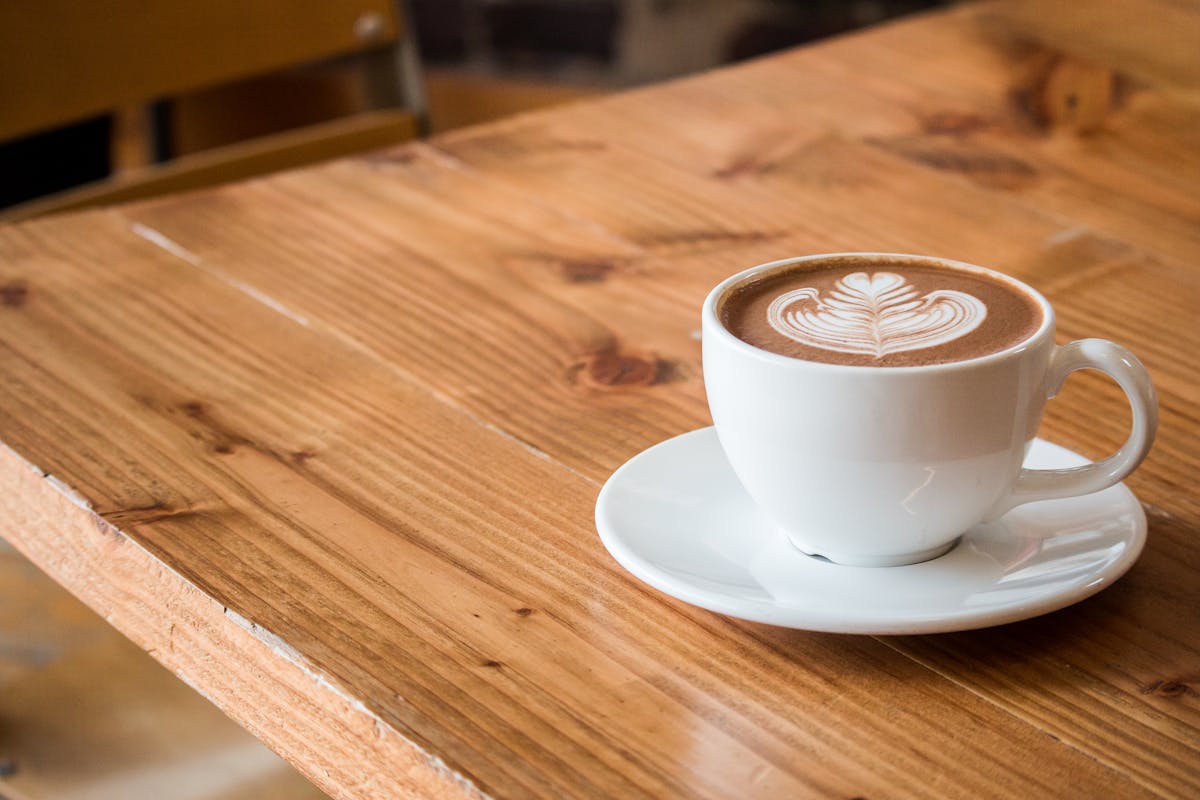
Seattle did not invent coffee, but it arguably invented the modern coffee shop, and the city’s café culture is woven into daily life and the rainy-day rhythm. The first Starbucks opened at Pike Place Market in 1971, and while the original store is now a tourist pilgrimage, the real story is the third wave that followed — independent roasters and baristas who treat espresso the way a sommelier treats wine. Capitol Hill, Ballard, and Fremont overflow with serious roasters; a flat white or a pour-over and a pastry is the proper way to start a grey morning. The drink to know is the breve and the flat white, and the etiquette is simple: order a single, sit, and watch the rain.
- Original Starbucks (Pike Place) — the 1971 first store; expect a queue for the photo ($4–$7)
- Victrola Coffee Roasters — a Capitol Hill third-wave benchmark ($4–$7)
- Espresso Vivace — the latte-art pioneer that helped define the city’s style ($4–$7)
The coffee here is a culture, not just a caffeine fix, and leaning into it is one of the easiest ways to feel local. The independent roasters take their sourcing and roasting seriously, and many will happily walk you through a single-origin pour-over the way a wine bar talks through a flight. The unwritten etiquette is relaxed: cafés are working living rooms where people linger for hours with a laptop or a book, so it is perfectly fine to nurse a single drink through a downpour. Pair the coffee with the city’s excellent bakery scene — laminated pastries, sourdough, and the Scandinavian baking of Ballard — and you have the ideal grey-morning ritual. Tipping a dollar or rounding up at the counter is normal and appreciated.
Beyond Salmon and Coffee
To stop at the icons would be to miss the point of eating in Seattle, which is that its immigrant neighbourhoods run some of the best restaurants in their cuisines anywhere on the West Coast, often at remarkably low prices. The Chinatown-International District is the obvious treasure — dim sum trolleys, Cantonese barbecue, steaming bowls of Vietnamese pho, Japanese izakaya, and Filipino home cooking, much of it excellent and inexpensive, with the sprawling Uwajimaya grocery and food hall as its anchor. The city is also famous for cheap, beloved teriyaki, a uniquely Seattle fast-food obsession found on seemingly every block, and for a deep Vietnamese, Ethiopian, and Mexican presence across the diverse south end. Anchoring the casual end is a strong food-truck and brewpub scene that has turned former industrial blocks into eating destinations, while at the top, the city’s fine-dining rooms turn the Pacific Northwest larder — wild seafood, foraged chanterelle and morel mushrooms, summer berries, and Washington produce — into some of the most celebrated and ingredient-driven cooking in the country. The genius of the Seattle table is how easily a single day can run from a $4 teriyaki lunch to a tasting menu without ever feeling incoherent.
- Dough Zone / Jade Garden — dumplings and dim sum in the International District ($12–$26)
- Pho Bac — the original Seattle pho, a local institution ($12–$16)
- Canlis — the storied 1950 fine-dining landmark with lake views ($175+ tasting)
- Paseo — the cult Caribbean-roast sandwich shop, Fremont ($11–$15)
Markets, Breweries & Where to Drink
Two more institutions deserve a place on any itinerary. The first is the city’s market culture, headed by the century-old Pike Place but extended through a network of excellent neighbourhood farmers’ markets — Ballard’s year-round Sunday market is the best of them — that fill the squares with Washington produce, artisan cheese, fresh-caught seafood, and the cut flowers the region is known for. Shopping a market, even just to graze and people-watch, is one of the most pleasant and authentic things to do in the city. The second institution is Seattle’s drinking culture, which runs genuinely deep. This is one of the great American craft-beer cities, with Ballard alone home to a remarkably dense, walkable cluster of breweries and taprooms, and more scattered across Fremont, Capitol Hill, and Georgetown. Alongside the beer sits a serious Washington wine scene — the state is the second-largest wine producer in the country, and its big, ripe Columbia Valley reds and crisp whites are poured everywhere — plus a sophisticated cocktail scene on Capitol Hill and a thriving non-alcoholic and cider movement. A flight at a Ballard taproom, a glass of Washington Syrah at a wine bar, or a craft cocktail in a Pike/Pine speakeasy all count as quintessential Seattle nights. The through-line across the whole food and drink map is the same, and it is worth repeating: in Seattle, the quality of a meal or a pour has very little to do with the price of it.
Fine Dining & the New Northwest
Seattle’s upper tier has quietly become one of the most interesting restaurant scenes in the country, and it rewards a splurge. The defining style is a hyper-local, ingredient-driven cooking that treats the Pacific Northwest larder — wild line-caught seafood, foraged chanterelle and morel mushrooms, summer berries, Washington stone fruit, and produce from the farms of the Skagit and Yakima valleys — as the whole point rather than a garnish. Canlis, perched above Lake Union since 1950, remains the grand occasion restaurant, but the energy now sits with a generation of chef-driven rooms that pair that larder with influences from across the Pacific Rim. Reservations at the most celebrated tables open weeks ahead and vanish quickly, so book before you fly; if you cannot get in, the bar menus and early seatings are often the smart, cheaper way to taste the same kitchen. Expect tasting menus to run $120–$200 a head before wine, with à la carte rooms landing closer to $60–$90. The common thread is restraint and provenance: dishes built around two or three impeccable ingredients at their seasonal peak, plated with the same quiet confidence that runs through the rest of the city.
What ties the whole spectrum together — and what makes Seattle genuinely special to eat in — is that the same values show up at every price point. The $14 bowl of clams at a waterfront chowder house and the $180 tasting menu both start from the same premise: the water is cold, the salmon is wild, the mushrooms were foraged that week, and the cook’s job is mostly to stay out of the way. Plan a few days here and you can eat your way down a single ingredient — salmon as market chowder, as a smoked sample, as a cedar-planked fillet, as the centerpiece of a tasting menu — and watch how the city’s whole food culture is really one idea, expressed at a dozen different prices.
Food Experiences You Can’t Miss
- A cup of clam chowder and a crab cocktail eaten at Pike Place Market overlooking Elliott Bay
- A mixed dozen of cold-water oysters at a Ballard oyster bar
- A pour-over at an independent Capitol Hill roaster on a rainy morning
- A pho-and-dim-sum crawl through the Chinatown-International District
Cultural Sights
For a city famous for tech money and grey skies, Seattle is astonishingly rich in world-class cultural institutions — and a striking number of the best are clustered together at Seattle Center, the legacy campus of the 1962 World’s Fair. The practical advantage is geography: the Space Needle, Chihuly Garden and Glass, the Museum of Pop Culture, and the Pacific Science Center sit within a single walkable campus, so you can see a great deal in one efficient day rather than crisscrossing the city. A useful money-saving note before you start: the Seattle CityPASS bundles the Space Needle, the aquarium, and a choice of other top attractions at a steep discount, and the Seattle Art Museum and several others offer free or pay-what-you-can days, so it pays to check the calendar before buying individual tickets .
The Space Needle
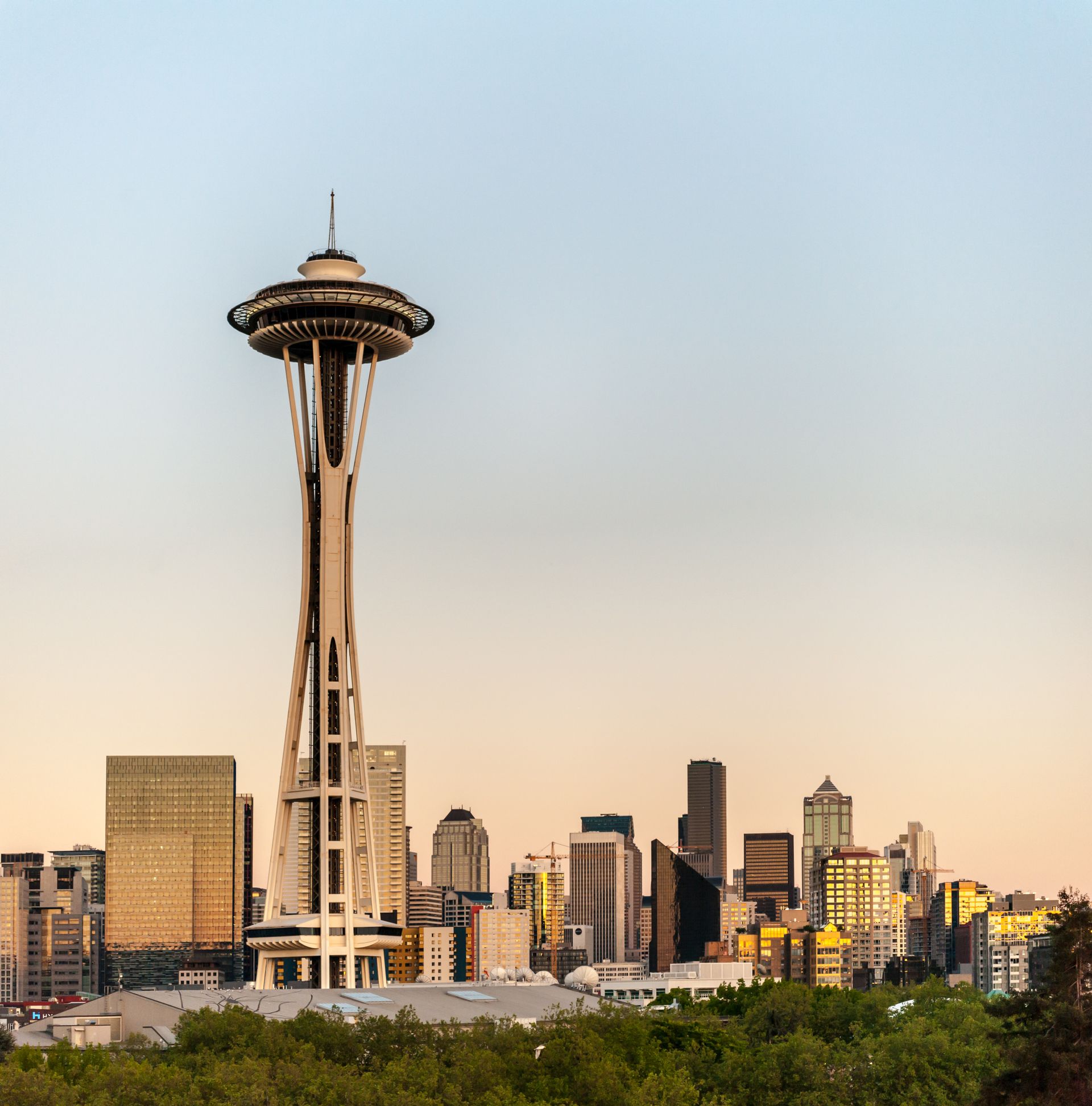
Built for the 1962 World’s Fair and still the city’s defining icon, the 605-foot (184-metre) Space Needle offers 360-degree views over downtown, Puget Sound, and — on a clear day — Mount Rainier and the Olympics. A 2018 renovation added glass floors and tilting glass walls to the observation level. General adult admission runs roughly $30–$40 depending on the day and time; book a timed slot online to skip the queue, and aim for a clear-weather sunset .
Chihuly Garden and Glass
At the foot of the Space Needle, this dazzling museum showcases the large-scale blown-glass sculpture of Tacoma-born artist Dale Chihuly, culminating in a 40-foot glasshouse and an outdoor garden where the glass forms tangle with living plants. It is one of the most photogenic indoor attractions in the country and a perfect rainy-day stop. General adult admission is around $36, often bundled with the Space Needle .
The Museum of Pop Culture (MoPOP)
Housed in a swooping, multicoloured Frank Gehry building at Seattle Center, MoPOP celebrates music, science fiction, and pop culture, with deep exhibits on Seattle’s own Jimi Hendrix and the Nirvana-led grunge explosion alongside a towering sculpture made of guitars. General adult admission is around $32; it rewards a half-day and pairs naturally with the rest of Seattle Center .
The Museum of Flight
South of the city near Boeing Field, the Museum of Flight is one of the largest air-and-space museums in the world, a fitting tribute to the city that Boeing built. Highlights include a retired Concorde, an early Air Force One, a Lockheed SR-71 Blackbird, and a full Space Shuttle trainer. General adult admission is around $26; reach it by bus or car and allow a half-day for the full collection .
Pike Place Market & the Seattle Art Museum
Back downtown, two more essentials anchor a cultural day. Pike Place Market, opened in 1907 and one of the oldest continuously operating public farmers’ markets in the country, is a major sight in its own right rather than just a place to shop — the famous flying-fish throwers at the fishmonger, the buckets of dahlias and tulips, the original 1971 Starbucks across the street, the labyrinth of lower-level antique and curiosity shops, and the gloriously notorious gum wall in Post Alley below. Spend a morning getting lost in its multiple levels and you will see the city’s soul . A few blocks away, the Seattle Art Museum (SAM) holds a genuinely strong collection spanning Native Northwest Coast art, a deep Asian collection, and modern and contemporary American works, marked outside by Jonathan Borofsky’s giant moving “Hammering Man” sculpture; adult admission runs around $35, with a free first Thursday each month and a free, sculpture-filled Olympic Sculpture Park on the waterfront run by the same museum.
Pioneer Square & the Underground
The city’s oldest neighbourhood rewards an hour or two of wandering. Pioneer Square is the birthplace of Seattle, rebuilt in handsome red-brick Romanesque Revival after the Great Fire of 1889, and today it mixes galleries, bookstores, and historic saloons around a leafy, totem-pole-topped square. Its signature attraction is the Underground Tour, a guided walk through the buried storefronts and sidewalks of the original street level — raised an entire storey after the fire — that doubles as a wry, funny lesson in how the modern city literally sits on top of the old one. It is one of Seattle’s most distinctive experiences and a perfect rainy-afternoon activity . Pair it with the nearby Klondike Gold Rush National Historical Park, a free, compact museum that tells the story of the 1897 stampede that turned Seattle into a boomtown.
Entertainment

Seattle’s nightlife and entertainment punch far above the city’s mellow reputation, and they are rooted in genuine cultural history rather than spectacle. This is the city that gave the world Jimi Hendrix, the birthplace of grunge, and a place with a deep live-music DNA, a respected theatre and arts scene, and a sports culture famous for the loudest crowds in American football. The trick, as ever, is to cluster your nights by area — live music and bars on Capitol Hill, breweries in Ballard, theatre and the symphony downtown, sport at the stadiums in SoDo — and to book the marquee acts ahead, because the best nights sell out.
Live Music & the Grunge Legacy
No American city’s recent music history looms larger than Seattle’s. This is where Jimi Hendrix grew up and is buried, and where, in the late 1980s and early ’90s, the sludgy, melodic “grunge” sound of Nirvana, Pearl Jam, Soundgarden, and Alice in Chains erupted out of the local club scene and the Sub Pop record label to reshape global rock for a generation . That lineage is not just history: you can still feel it at venues like the historic Crocodile in Belltown, the Showbox near Pike Place Market, Neumos on Capitol Hill, and the Tractor Tavern in Ballard, with covers typically $15–$40 for touring and local acts alike. The Museum of Pop Culture tells the full story across its music galleries, complete with the iconic guitar sculpture, but the living version of it is a sweaty, intimate club show — and catching one remains one of the most authentic Seattle nights going. Beyond rock, the city sustains a strong jazz scene, anchored by the renowned Dimitriou’s Jazz Alley downtown, and a busy calendar of summer music festivals.
Breweries, Bars & Cocktails
Seattle is one of the great craft-beer cities in the country, and a brewery crawl is a genuine entertainment option in its own right rather than a sideline. Ballard alone holds well over a dozen breweries and taprooms within easy walking distance of one another — the densest cluster in the city, and many of them family- and dog-friendly in the early evening — while Capitol Hill, Fremont, and Georgetown add many more. For cocktails, the Pike/Pine corridor on Capitol Hill runs a sophisticated, design-led bar scene, and the city’s enthusiastic Prohibition-era speakeasy revival hides some excellent rooms behind unmarked doors and bookshop facades. Washington’s status as a major wine state also means serious wine bars pouring big Columbia Valley reds. A flight at a Ballard taproom or a craft cocktail on the Hill, typically $8–$16 a drink, is the easy, reliable local night out, and the walkability of these districts means you can sample several spots without ever touching a car.
Theatre, Arts & the Symphony
Seattle has a serious performing-arts scene for its size, the legacy of decades of civic investment and a culture that takes the indoor arts seriously through the long grey season. The acclaimed Seattle Symphony plays at the architecturally striking, acoustically superb Benaroya Hall downtown; the Pacific Northwest Ballet and the well-regarded Seattle Opera both perform at McCaw Hall in Seattle Center; and a strong network of theatres — the Tony-winning Seattle Repertory Theatre, the intimate ACT, and the 5th Avenue Theatre’s lavish musicals among them — keeps the stages busy year-round. Tickets range widely, from around $25 rush and student seats to $100-plus for marquee performances, and many companies release discounted day-of or under-25 tickets, so it is always worth checking before you book. A winter evening at the symphony or the ballet is one of the most pleasant ways to spend a rainy Seattle night.
Sports & the Loudest Crowd in Football
Seattle is a passionate sports town. The NFL’s Seahawks pack Lumen Field with the “12s,” a crowd so loud it has registered on seismographs; the MLB’s Mariners play next door at T-Mobile Park; the NHL’s expansion Kraken fill Climate Pledge Arena; and the city is a hotbed of soccer, with the Sounders drawing huge MLS crowds. Catching a game in SoDo is a quintessential Seattle experience; tickets start around $25 and climb steeply for marquee fixtures.
Day Trips

Mount Rainier National Park (2.5 hours by car)
“The mountain” that dominates Seattle’s southern skyline is a 4,392-metre active volcano and the centrepiece of a national park of wildflower meadows, hanging glaciers, waterfalls, and old-growth forest. The Paradise area on the mountain’s south side, with its grand historic lodge, visitor centre, and a web of trails, is the classic full-day destination, and in late summer its subalpine meadows erupt into one of the most famous wildflower blooms in the country. The drive itself is part of the reward, climbing through dense forest before the peak fills the windshield. A car is essential — there is no public transit to the park — and the high country can hold snow into July, so always check road and weather status before committing to the long drive, and start early to beat the summer-weekend crowds at the entrance gates .
Olympic National Park (2.5 hours by car & ferry)
Across Puget Sound on the Olympic Peninsula, this vast UNESCO World Heritage park packs three utterly distinct ecosystems — temperate rainforest, glaciated alpine peaks, and wild, driftwood-strewn Pacific coastline — into one extraordinary landscape. The dripping, moss-draped Hoh Rain Forest, the alpine meadows and ridge-walks of Hurricane Ridge above Port Angeles, and the tide pools of Rialto and Ruby beaches are the headline stops. Combining a ferry crossing with the drive is the most scenic approach, and because the park is so large and the stops so far apart, this is the one day trip that genuinely rewards an overnight in Port Angeles or Forks to do it justice rather than rushing it in a single long day .
Bainbridge Island (35 minutes by ferry)
The easiest, most quintessentially Seattle day trip, and the one to do even if you only have a spare afternoon: a 35-minute ferry ride across Elliott Bay delivers you to a relaxed, green island with a walkable downtown of independent shops and restaurants, a handful of wineries and a distillery, a moving Japanese-American exclusion-memorial and history museum, and gorgeous views back at the Seattle skyline. The crossing itself is the highlight — for the price of a cheap walk-on ferry ticket you get a mini harbour cruise with the city, the Sound, and the Olympics on display. You can do the whole trip on foot without a car, which makes it the perfect, low-effort escape for a rainy or a clear afternoon alike .
Snoqualmie Falls & the Cascade Foothills (45 minutes by car)
A thundering 268-foot waterfall in the Cascade foothills — taller than Niagara — set in the misty, evergreen country made famous as the backdrop to the cult TV series Twin Peaks. It is an easy half-day: a short walk leads to viewpoints above and below the falls, a historic lodge perches at the brink, and the small towns of the Snoqualmie Valley, with their antique shops and the famous “damn fine” pie, sit nearby. It pairs well with a short hike at nearby Rattlesnake Ledge for one of the most photographed valley views in the region, making a satisfying outdoors-and-small-town loop close to the city.
Woodinville Wine Country (45 minutes by car)
Just northeast of the city, the small town of Woodinville has improbably become Washington’s wine-tasting hub, with more than 130 tasting rooms clustered together pouring the big, sun-drenched Columbia Valley reds and crisp whites — all without the four-hour drive east to the vineyards themselves. Washington is the second-largest wine-producing state in the country, and Woodinville is the convenient shop window for its best producers. It makes an easy, indoor-friendly afternoon of tastings that works in any weather; arrange a designated driver, a rideshare, or a guided tour, since the whole point is to sample widely across several rooms.
Seasonal Guide
Spring (March – May)
A green, changeable shoulder season and one of the most rewarding times to visit if you accept the gamble on weather. Showers and sun trade places by the hour, sometimes within the same walk, so the locals’ layer-and-shell wardrobe is essential. The reward is a city bursting into colour: the cherry blossoms erupt across the University of Washington Quad in late March and early April, the tulip fields of the Skagit Valley an hour north put on one of the great flower displays in the country, and the city’s parks, gardens, and the Washington Park Arboretum come alive. Crowds and hotel prices are still moderate before the summer surge, daylight stretches quickly from the dim winter, and the salmon and oyster seasons are turning over. Plan indoor backups for the wet afternoons and seize the bright mornings for the waterfront and the markets.
Summer (June – August)
The glorious payoff for the wet winters and, without question, the best time to visit. From roughly mid-July through early September, Seattle enjoys long, warm, and reliably dry days — the famous rain all but vanishes, temperatures sit comfortably in the low-to-mid 20s Celsius, and the mountains line the horizon for weeks at a stretch. The long northern daylight means light until well past 9pm, and the calendar fills with festivals, outdoor concerts, ferry trips, and farmers’ markets every weekend. This is also the only dependable window for the high country at Mount Rainier and Olympic National Park, where the wildflowers peak and the mountain roads are finally clear of snow. The trade-off is that it is firmly peak season: hotel rates climb sharply, the Space Needle and popular restaurants need booking ahead, and the ferries fill up, so reserve early and start your sightseeing days before the late-morning crowds arrive.
Autumn (September – November)
September is a genuinely hidden gem — frequently as warm and dry as high summer, but with thinner crowds and gentler prices, making it many seasoned travellers’ favourite month in the city. As October arrives the grey, drizzly Pacific Northwest pattern reasserts itself, the leaves turn gold across the parks and the Arboretum, and Seattle settles back into its cosy indoor rhythm. It is an excellent value season for the museums, the coffee houses, and the breweries, and it coincides with the start of the prime oyster and Dungeness crab season, so the seafood is at its best. Pack a proper rain shell from October onward, and treat the shortening days as an invitation to linger over long café mornings.
Winter (December – February)
Cool, grey, and famously wet, but rarely freezing — Seattle gets far more drizzle than snow, with daytime temperatures usually hovering in the single digits Celsius, just above freezing. Real snow in the city is uncommon and rarely lasts, though the surrounding Cascade peaks pile up the powder for nearby skiing. Daylight is short, with the sun setting by mid-afternoon in December, so the smart play is to lean fully into the indoor culture that the climate created: the museums, the symphony and ballet, the breweries and cocktail bars, and the unhurried café mornings that define a Seattle winter. Crowds and hotel prices are at their lowest, holiday lights brighten the market and Seattle Center, and the city wears its rain with such practised, umbrella-free ease that you may find yourself adopting the habit too.
Getting Around
Link Light Rail
Seattle’s backbone for visitors is the Link light rail, the fast, modern train that runs from Sea-Tac International Airport straight north through the Rainier Valley, the stadium district, downtown, Capitol Hill, and the University District, with extensions reaching ever further across the region as the network expands. It is frequent, runs from early morning to past midnight, and is comfortably the smartest way to get from the airport into the city — roughly 40 minutes to downtown for only a few dollars, bypassing the notorious Interstate 5 traffic entirely. For a visitor, the line conveniently strings together a remarkable share of the places you will want to go: the airport, the historic Pioneer Square, the downtown core, the Chinatown-International District, the nightlife of Capitol Hill, and the University District all sit on a single ride .
Buses, Streetcar & Monorail
Where the train does not reach, King County Metro runs an extensive and reliable bus network, including the frequent, high-capacity RapidRide lines that serve neighbourhoods the rail does not yet touch, such as Ballard and West Seattle. Two short streetcar lines — the South Lake Union and First Hill cars — fill downtown gaps, and the genuinely fun two-minute Seattle Center Monorail, another sleek 1962 World’s Fair relic, glides from Westlake Center in the retail core directly to the Space Needle and Seattle Center. Buses can be slow in downtown traffic, so for cross-town hops the train is usually faster, but the bus network is what makes a car-free visit to the outer neighbourhoods entirely practical.
ORCA Card
One tap-to-pay ORCA card is the key to the whole regional system: a single card covers Link light rail, Metro and Sound Transit buses, the streetcars, the monorail, and even the Washington State Ferries, with free or reduced transfers between them within a two-hour window. You can buy and load a physical card at airport and station kiosks, or use the ORCA mobile app and a contactless credit card on most services — either way it is far easier and cheaper than fumbling for exact cash on every ride. For a visit of more than a day or two, an ORCA card pays for itself quickly and removes all the friction of moving around the city .
Airport Access
- Link light rail from Sea-Tac to downtown — ~40 minutes, around $3
- Taxi or rideshare from Sea-Tac to downtown — ~30 minutes, $45–$60
Taxis & Rideshare
Rideshare apps (Uber and Lyft) are widely used across the city and are usually cheaper, faster, and easier to hail than a traditional taxi, which you will rarely see cruising for fares. They are especially useful for late nights when the trains stop running, for the steep hills that make walking tiring, and for reaching the Ballard breweries and other spots off the rail lines. Expect surge pricing during major sporting events, concerts, and rush hour, when fares can climb sharply; building a little flexibility into your timing keeps costs down.
Ferries & Navigation Tips
Useful apps include Transit and Google Maps, both of which handle Seattle’s multi-agency system well. The Washington State Ferries are part of the transit network as much as they are a tourist attraction — it is the largest ferry system in the United States, fanning out from the downtown Colman Dock terminal across Puget Sound to Bainbridge Island, Bremerton, and beyond. Walk-on passengers board easily and very cheaply, and the crossing doubles as a scenic harbour cruise with the skyline and the Olympics on display. Check sailing times in advance, particularly in summer and for vehicle reservations, and remember that the lake-and-Sound geography means you are never far from a memorable view .
Budget Breakdown: Making Your Dollars Count
| Tier | Daily | Sleep | Eat | Transport | Activities | Extras |
|---|---|---|---|---|---|---|
| Budget | $95–150 | $45–90 (hostel/shared) | $25–40 | $8 (ORCA day) | $0–25 (free sights) | $15 |
| Mid-Range | $200–340 | $160–260 (3-star hotel) | $55–85 | $15 (transit + rideshare) | $40–70 (museums) | $30 |
| Luxury | $560+ | $380+ (4–5-star) | $140+ | $50 (taxis) | $120+ (tours, fine dining) | $60+ |
Where Your Money Goes
Seattle is one of the pricier American cities to visit, but the cost is lopsided: it is driven overwhelmingly by accommodation, while food, transit, and many of the best experiences are far more reasonable than the headline reputation suggests. Hotel rates are the dominant line in any Seattle budget, and they swing dramatically with the season — a downtown room that costs $160 on a grey February night can triple during a dry July weekend or a major convention, so when you visit matters more to your wallet than almost any other decision. Food, by contrast, spans the full range: you can eat superbly for $12–$16 in the Chinatown-International District or the University District, or spend $175 on a tasting menu at a landmark like Canlis, and both feel authentically Seattle. Transit is genuinely cheap, with a day of unlimited light rail, buses, and streetcars costing only a few dollars on an ORCA card, and the city is studded with free or nearly-free pleasures — Pike Place Market, the rebuilt waterfront promenade, the parks and beaches, the Fremont Troll, the gum wall, and the lakefront and Sound views that cost nothing at all. Numbeo’s cost-of-living index gives a useful, current baseline for what you will actually pay across categories . The practical upshot is that a careful traveller can keep a Seattle trip surprisingly affordable by controlling the two big levers — the timing of the visit and the choice of neighbourhood to sleep in — while spending freely on the food and ferries that make the city memorable.
Money-Saving Tips
- Visit in the shoulder seasons (September, or April–May) or the off-season for hotel rates that can be half the summer peak — this is the single biggest saving available
- Buy a Seattle CityPASS if you plan to visit the Space Needle, the aquarium, and two or more other big attractions; it bundles them at a steep discount over individual tickets
- Eat in the Chinatown-International District and the U-District’s “the Ave,” where excellent, filling meals run $12–$16 rather than $30-plus downtown
- Use an ORCA card and skip the rental car for a city stay; ride the cheap Washington State Ferries for the harbour views instead of paying for a dedicated sightseeing cruise
- Lean on the free attractions — the market, the waterfront, the parks, and the Ballard Locks — and time museum visits to their free or pay-what-you-can days
- Drink Washington wine and craft beer at the source in Woodinville and Ballard rather than at marked-up downtown bars, and grab happy-hour seafood deals, a Seattle institution, for fine-dining quality at a fraction of the dinner price
- Carry a refillable water bottle and lean on the city’s free public restrooms, libraries, and covered market arcades on rainy days rather than buying your way indoors; many of Seattle’s signature pleasures, from the waterfront promenade to the parks and viewpoints, never cost a cent
Practical Tips
Language
English is universal, and you will have no language barrier whatsoever as an English speaker — every visitor service, sign, menu, and transit announcement operates in English. Seattle is, however, a highly diverse and immigrant-rich city, so you will hear Spanish, Chinese, Vietnamese, Tagalog, and many other languages day to day, especially across the south end and in the Chinatown-International District, which adds to the texture of the place without ever complicating a visit.
Cash vs. Cards
Seattle is among the most cashless cities in the United States. Credit and debit cards and mobile wallets such as Apple Pay and Google Pay are accepted nearly everywhere, from food trucks and coffee carts to the ferries and the light rail, and a growing number of businesses no longer take cash at all. It is worth carrying a small amount of cash for tips, the occasional cash-only craft stall at Pike Place Market, and small purchases at farmers’ markets, but for the overwhelming majority of your spending a contactless card or phone is all you need.
Safety
Seattle is generally a safe city for visitors, with the usual big-city common sense warranted. The most likely risks by far are petty: car break-ins (never leave anything visible in a parked car) and opportunistic theft of unattended bags or phones. A handful of pockets — parts of Third Avenue downtown, sections of Pioneer Square, and areas near the bus tunnel — can feel rough or have a visible street-homelessness and drug presence, particularly after dark, and are best avoided late at night, but violent crime against tourists is rare. Stay aware of your surroundings in the evening, keep valuables out of sight, and you are very unlikely to have any trouble .
What to Wear
Dress in layers and bring a genuinely waterproof shell rather than a heavy coat — locals rely on a good hooded rain jacket and conspicuously do not carry umbrellas, which mark you instantly as a visitor in the soft Seattle drizzle. Footwear should be comfortable and grippy for the steep, often damp hills, and waterproof shoes pay off from autumn through spring. Even in summer the evenings cool off noticeably near the water and on the ferries, so a light jacket is worth packing year-round; the city’s style is casual and outdoorsy, so you will rarely feel underdressed.
Cultural Etiquette
Seattleites are friendly and helpful but famously reserved, a trait locals themselves wryly call the “Seattle Freeze” — polite and courteous, but slow to form new friendships with strangers, so do not mistake the reserve for rudeness. The practical etiquette is straightforward: tip 18–20% at restaurants and bars and a dollar or so at coffee counters, queue patiently, and take the city’s environmental seriousness to heart by sorting your recycling and compost, which Seattle enforces strictly. And whatever you do, do not complain about the rain — locals have made peace with it, and the surest way to feel like an outsider is to grumble about the weather or pop open an umbrella.
Connectivity
Connectivity is excellent throughout the city: fast and near-universal mobile coverage, and free Wi-Fi in cafés, hotels, public libraries, museums, the airport, and across much of the transit network. A US eSIM or an international roaming plan will keep you reliably online everywhere you are likely to go, and the abundance of café Wi-Fi makes Seattle an easy city for remote workers and travellers who need to stay connected.
Health & Medications
Seattle has world-class medical facilities, including the major Harborview Medical Center trauma hospital and the University of Washington Medical Center, plus numerous urgent-care clinics for minor issues. Pharmacies — Americans call them drugstores — are plentiful and well stocked for over-the-counter needs, though some common-elsewhere medications require a prescription. The single most important piece of advice is to carry comprehensive travel insurance: US medical care is extraordinarily expensive for visitors without it, and even a minor treatment can produce a large bill.
Luggage & Storage
Several downtown bag-storage services and networks of lockers near the waterfront, Pike Place Market, and the main transit stations let you stash luggage between a morning hotel check-out and a late-evening flight or ferry. Most hotels will also happily hold your bags on your last day. Either option is well worth using to squeeze in a final market visit, a waterfront walk, or even a half-day trip to Bainbridge Island before heading to the airport unencumbered.
Frequently Asked Questions
How many days do I need in Seattle?
Three to four full days is the sweet spot for a first visit. Two days is enough to cover the downtown core — Pike Place Market, the rebuilt waterfront, and Seattle Center with the Space Needle, Chihuly Garden and Glass, and the Museum of Pop Culture — but it leaves the city feeling like a checklist. A third and fourth day are where Seattle really opens up: time to wander Capitol Hill’s cafés and bars, the breweries and locks of Ballard, the quirk of Fremont, and the food of the Chinatown-International District, plus a ferry ride or a full day trip out to Mount Rainier, Olympic National Park, or Bainbridge Island. If you have a week, the surrounding Pacific Northwest justifies every extra day.
Is Seattle good for solo travellers?
Yes, it is excellent for solo travel. The city is safe, walkable, and very easy to navigate by light rail, and its deep café culture makes solo dining, reading, and people-watching completely normal rather than awkward. The famously reserved “Seattle Freeze” means locals can be slow to strike up conversation with strangers, so you may need to make the first move, but hostels, brewery taprooms, group tours, and live-music venues are genuinely sociable places to meet people. Overall the city is welcoming, low-pressure, and well set up for travellers exploring on their own.
Do I need an ORCA card or can I pay per ride?
Either works, but it depends on the length of your stay. You can tap a contactless credit card or use the ORCA mobile app on Link light rail and most buses for pay-as-you-go travel, which is perfectly fine for a short visit. If you are riding several times a day or staying more than a day or two, a reloadable ORCA card is more convenient and economical — it covers the light rail, buses, streetcars, the monorail, and even the Washington State Ferries, with free transfers between them within a two-hour window, and removes any friction from moving around the city.
What about the language barrier?
There is none for English speakers — English is the universal language of the city, and every sign, menu, ticket machine, and visitor service operates in it. Seattle is a very diverse city, so you will hear a rich mix of other languages day to day, particularly Spanish, Chinese, Vietnamese, and Tagalog in the south end and the International District, but this only adds to the texture of a visit. You will never struggle to be understood or to find your way.
When is the best time to visit, and is it always raining?
July through September is the best window, with warm, reliably dry days, long northern daylight, mountains on the horizon, and festivals every weekend. Seattle’s rain reputation is genuinely overstated: while it is grey and drizzly from late autumn through spring, the rain is usually light and persistent rather than heavy, and the summers are gloriously, dependably dry. Visit in summer for the weather and the high-country day trips, or in the shoulder seasons (September especially, or April–May) for lower hotel prices, thinner crowds, and the city’s cosy indoor culture of museums, breweries, and coffee houses.
Can I use credit cards everywhere?
Almost everywhere — Seattle is one of the most cashless cities in the United States. Credit and debit cards and mobile wallets are accepted from the ferries and the light rail to food trucks and coffee carts, and many businesses no longer accept cash at all. It is worth carrying a small amount of cash for tipping and the occasional cash-only craft stall at Pike Place Market or a farmers’ market, but for the vast majority of your spending a contactless card or phone is all you will ever need.
Should I rent a car in Seattle?
Not for a city-only visit. Downtown parking is expensive and scarce, the hills are steep and tiring to drive, and the light rail combined with rideshare and the ferries covers the central neighbourhoods easily and cheaply. A car is genuinely useful only for the day trips beyond the city — Mount Rainier, Olympic National Park, Snoqualmie Falls, or Woodinville wine country — none of which are reachable by transit. The smart approach is to spend your city days car-free and rent a vehicle only for the morning you head out of town, returning it before you would otherwise pay to garage it downtown. If you would rather not drive at all, organised day-tour operators run comfortable trips to Rainier and the Olympic Peninsula that handle the logistics for you.
Ready to Experience Seattle?
Pack a rain shell and an open mind: ride the ferries, embrace the grey, and let the market, the mountains, and the coffee set your pace. For the full country context, read the United States Travel Guide and the canonical United States country guide.
Explore More City Guides
- New York City City Guide
- Los Angeles City Guide
- Chicago City Guide
- United States Country Guide
- All City Guides
Alex the Travel Guru
Alex has spent two decades chasing ferries, mountains, and the perfect flat white across the Pacific Northwest, and keeps coming back to Seattle for its rare mix of saltwater, wilderness, and caffeinated city life. Every Facts From Upstairs guide is written from repeat, on-the-ground visits and cross-checked against tourism boards, transit operators, and official sources so the numbers, prices, and practicalities hold up when you land.
More city guides you might like
Plan your trip to Seattle
The booking tools we use ourselves. FFU may earn a commission at no extra cost to you.
Plan & book your trip to Seattle
Booking through these searches supports our guides at no extra cost to you.