
City Guide · Transylvania · Cluj County
Cluj-Napoca, Romania: Transylvania’s Unofficial Capital, Where a Gothic Spire, 50,000 Students, and One of Europe’s Biggest Festivals Share the Same Square
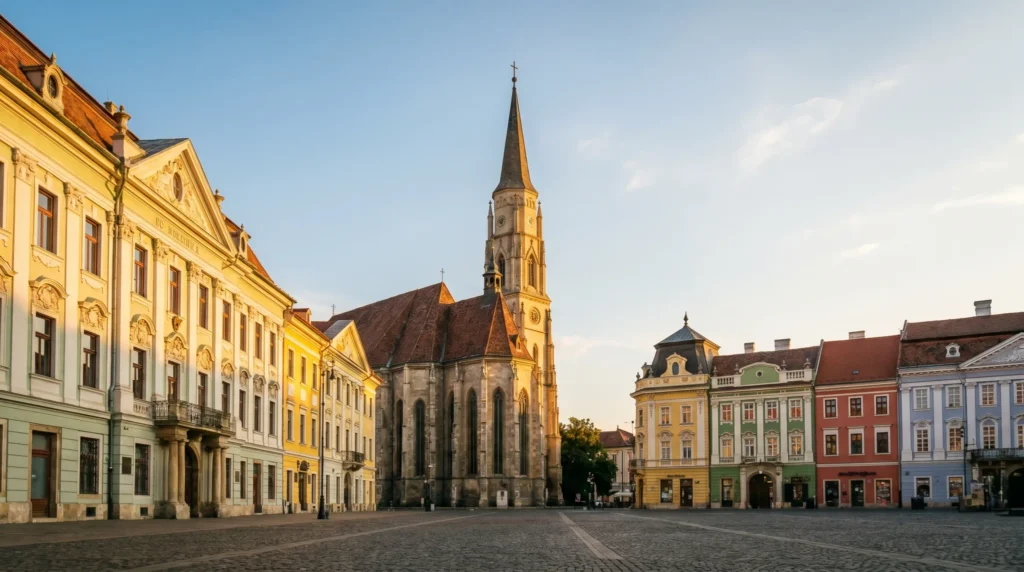
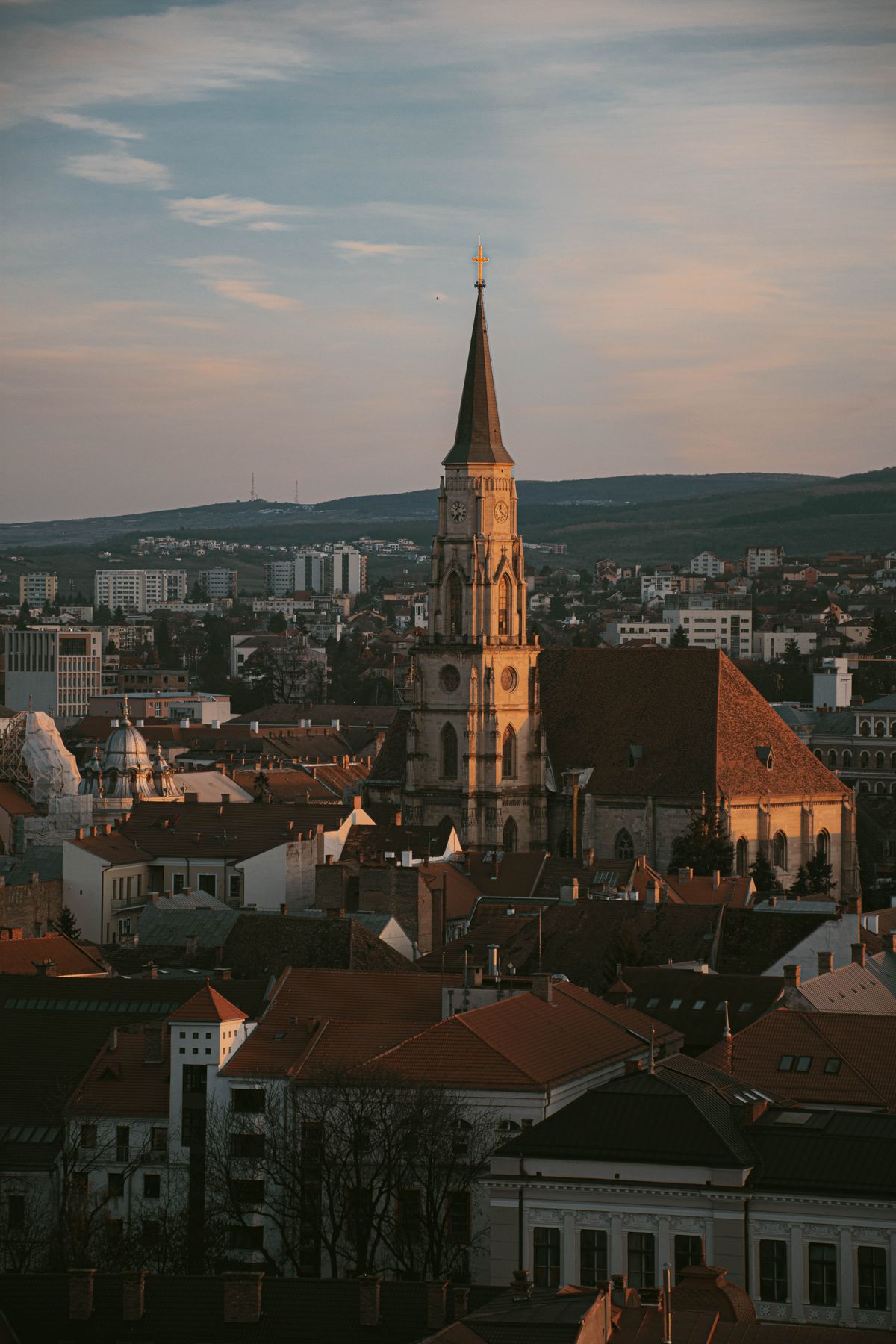
I came to Cluj-Napoca expecting a quiet stopover between Bucharest and Bran Castle and ended up staying a week, and I tell everyone the same thing now: this is the most quietly confident city in Romania. We watched the sun come up over the Gothic tower of St. Michael’s Church in Piața Unirii with a third-wave coffee in hand, and by midnight we were arguing about which terrace bar had the better wine list. Roughly 286,000 people live in the city proper and around 411,000 across the metropolitan area, but the number that matters is the student one — Babeș-Bolyai University alone enrols close to 50,000, which is why the place feels a decade younger than its medieval bones . My favourite Cluj ritual is the climb up Cetățuia hill at golden hour for the rooftop-and-spire view, then the slow walk down into the café streets around the university. Treat this guide as the brief I would hand my own family before they flew into Avram Iancu airport — the square, the salt mine, the haunted forest, the festivals, and the leu, all in one place .
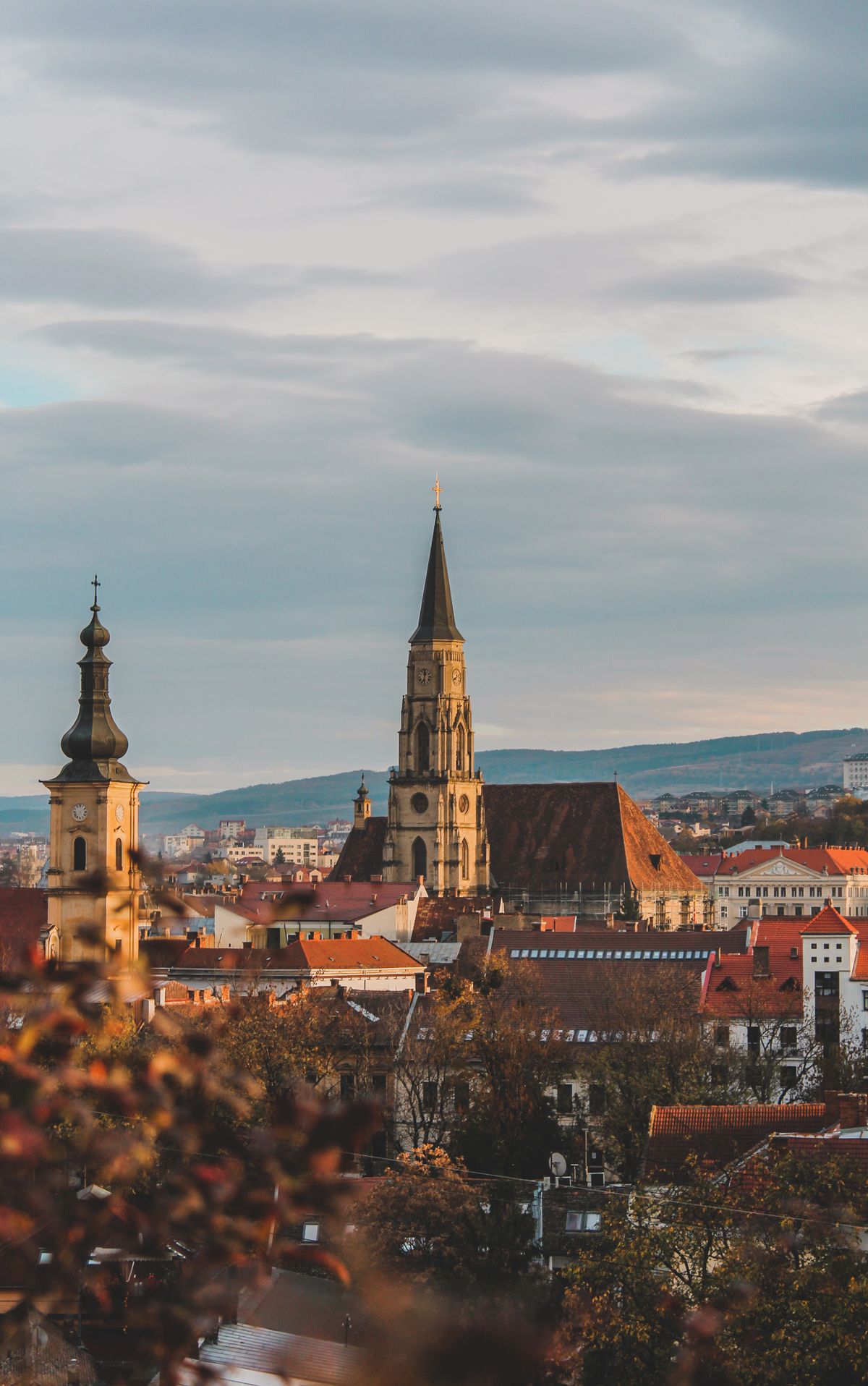
Table of Contents
Why Cluj-Napoca?
Cluj-Napoca is the city Romanians themselves move to, and once you have spent a few days here it is obvious why. It is a place of roughly 286,000 residents — about 411,000 across the metropolitan area — but it punches far above that weight, functioning as the unofficial capital of Transylvania, the country’s leading university town, and its fastest-growing technology hub all at once . The compound name tells the story: “Cluj” is the medieval Saxon-Hungarian town, “Napoca” the Roman settlement it was built over, and the hyphen between them holds two thousand years of layered history.
What gives Cluj its particular energy is the student body. Babeș-Bolyai University, founded in 1872, enrols close to 50,000 students across its faculties, and several other universities push the city’s total student population higher still . The result is a centre that feels perpetually in its twenties — third-wave coffee shops, independent bookshops, craft-beer bars, and a nightlife that outlasts almost anywhere else in the country. By day the medieval and Habsburg architecture around Piața Unirii reads as a handsome provincial capital; by night the same streets fill with students, software engineers, and festival-goers.
Then there is the festival dimension, which is genuinely outsized. Each summer Cluj hosts UNTOLD, one of the largest electronic-music festivals in Europe, drawing hundreds of thousands of people to the Cluj Arena and the city’s parks, and the eclectic Electric Castle festival fills the grounds of a Transylvanian palace just outside town . Few cities of this size carry events of that scale, and fewer still wear them so lightly — a week after UNTOLD packs up, the centre is back to its calm café rhythm. That contrast, between medieval calm and festival roar, is the essence of the place.
The Cluj most visitors miss is the one between the headline acts: the leafy walks up Cetățuia hill for the rooftop view, the serene Dimitrie Brândză-style Botanical Garden, the long student lunches, and the day trips into a countryside studded with salt mines, gorges, and a forest that markets itself as the most haunted on Earth. This guide covers the neighborhoods you will actually walk, the Transylvanian dishes worth crossing town for, the cathedral-and-square tier of sights from St. Michael’s to the Matthias Corvinus statue, the five day trips Cluj locals take on weekends — Salina Turda, Turda Gorge, and Hoia-Baciu Forest among them — and the practical realities of the leu, the buses, and Romania’s brand-new Schengen membership.
Neighborhoods: Finding Your Cluj-Napoca
📍 Cluj-Napoca Map: Every Place in This Guide
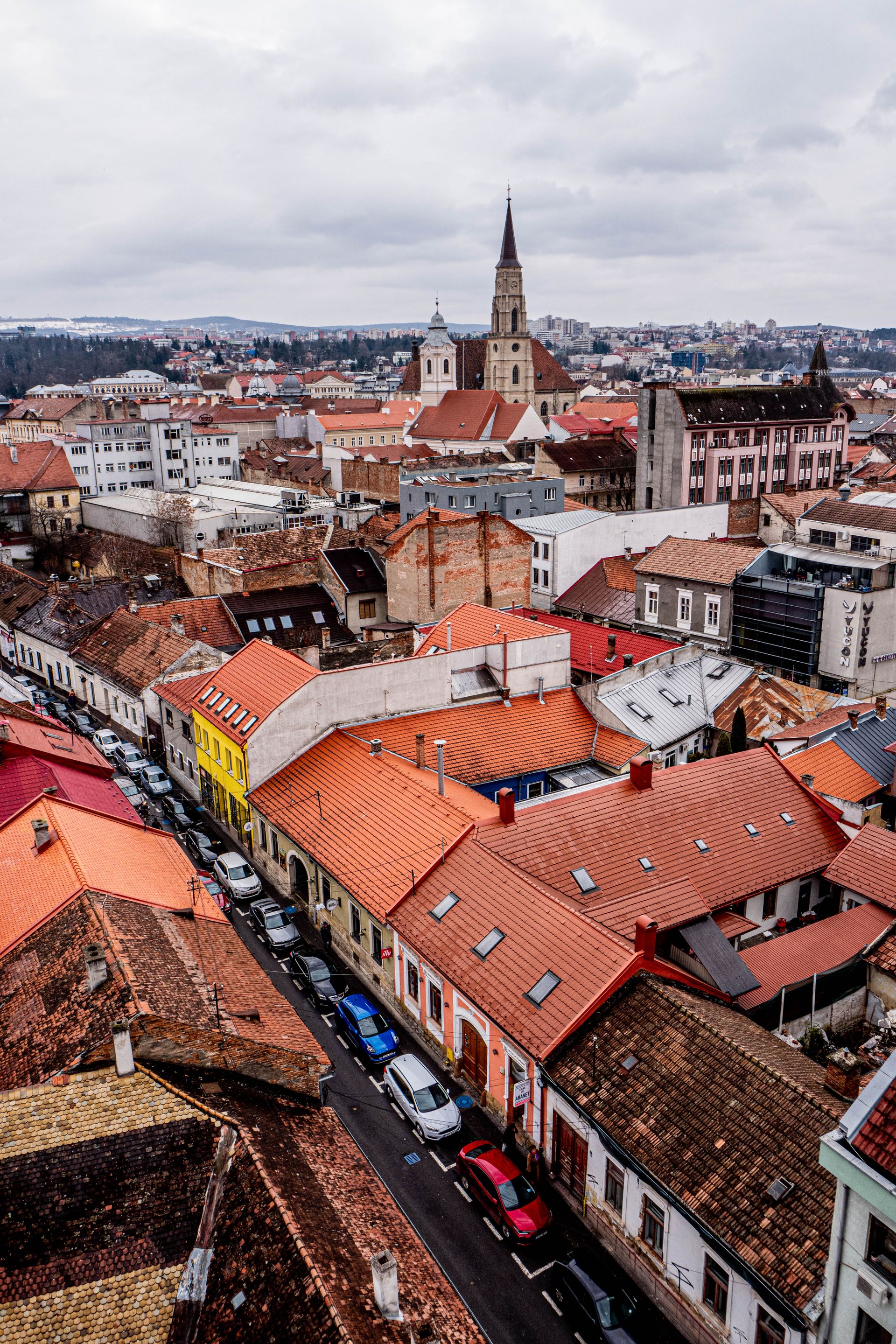
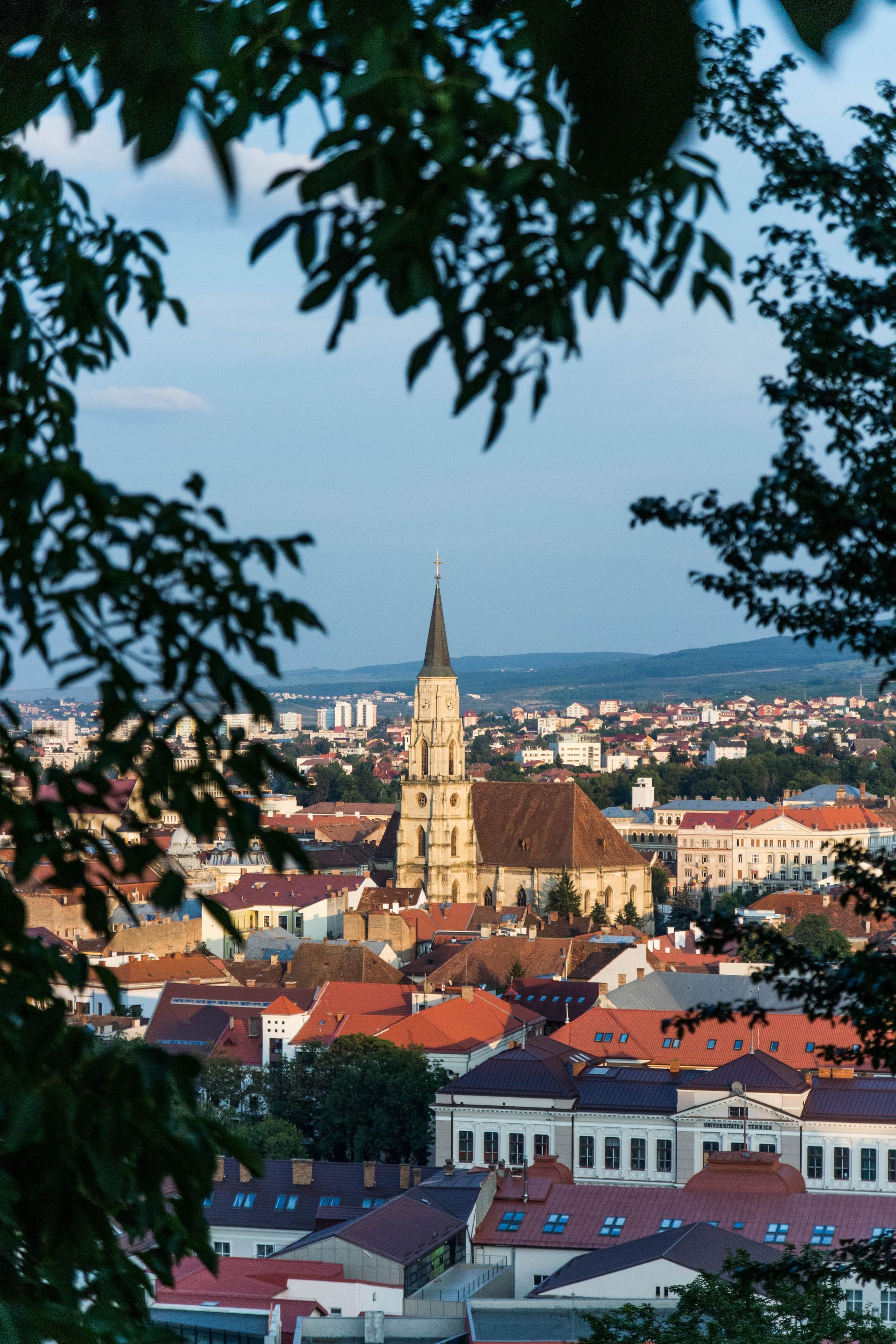
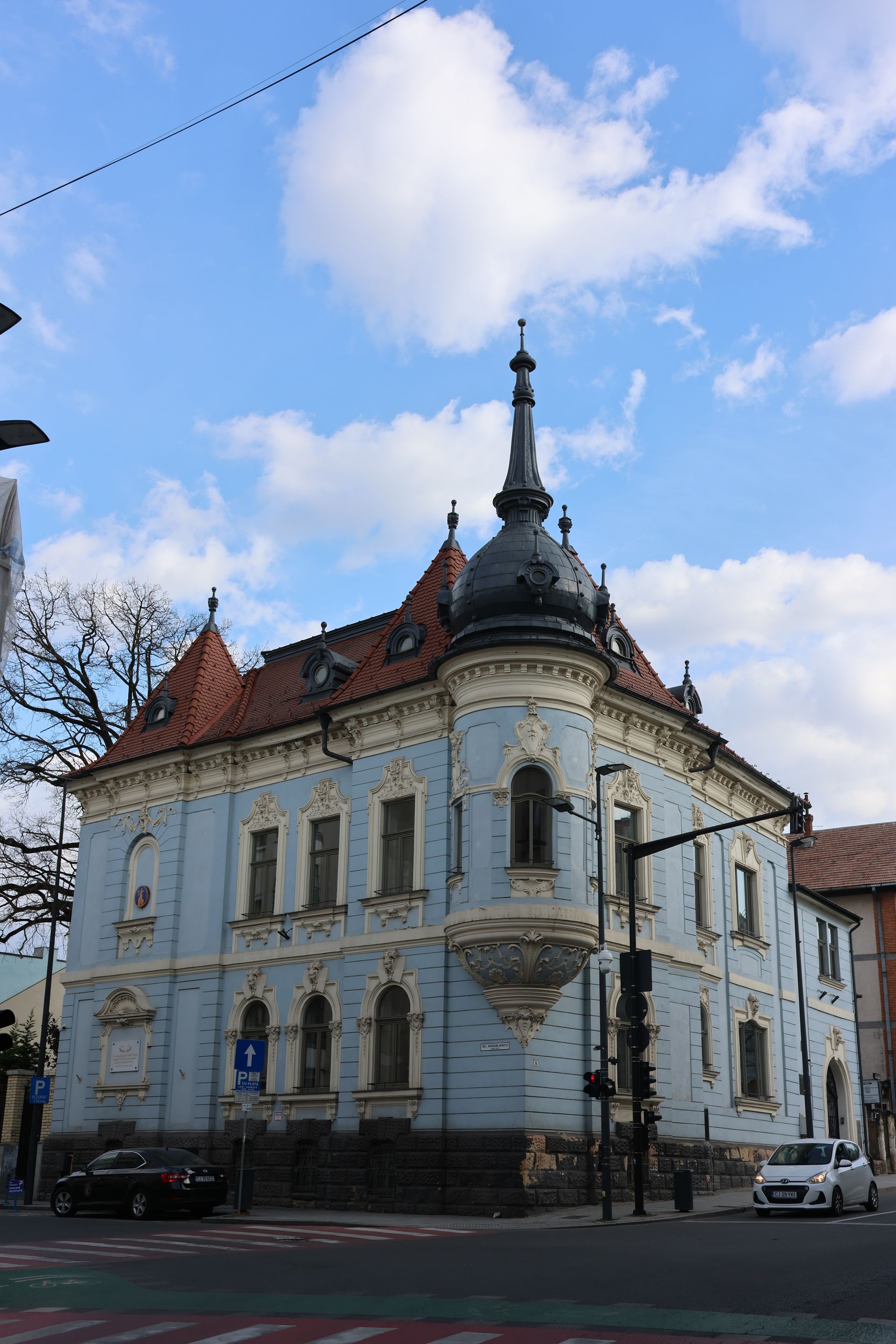
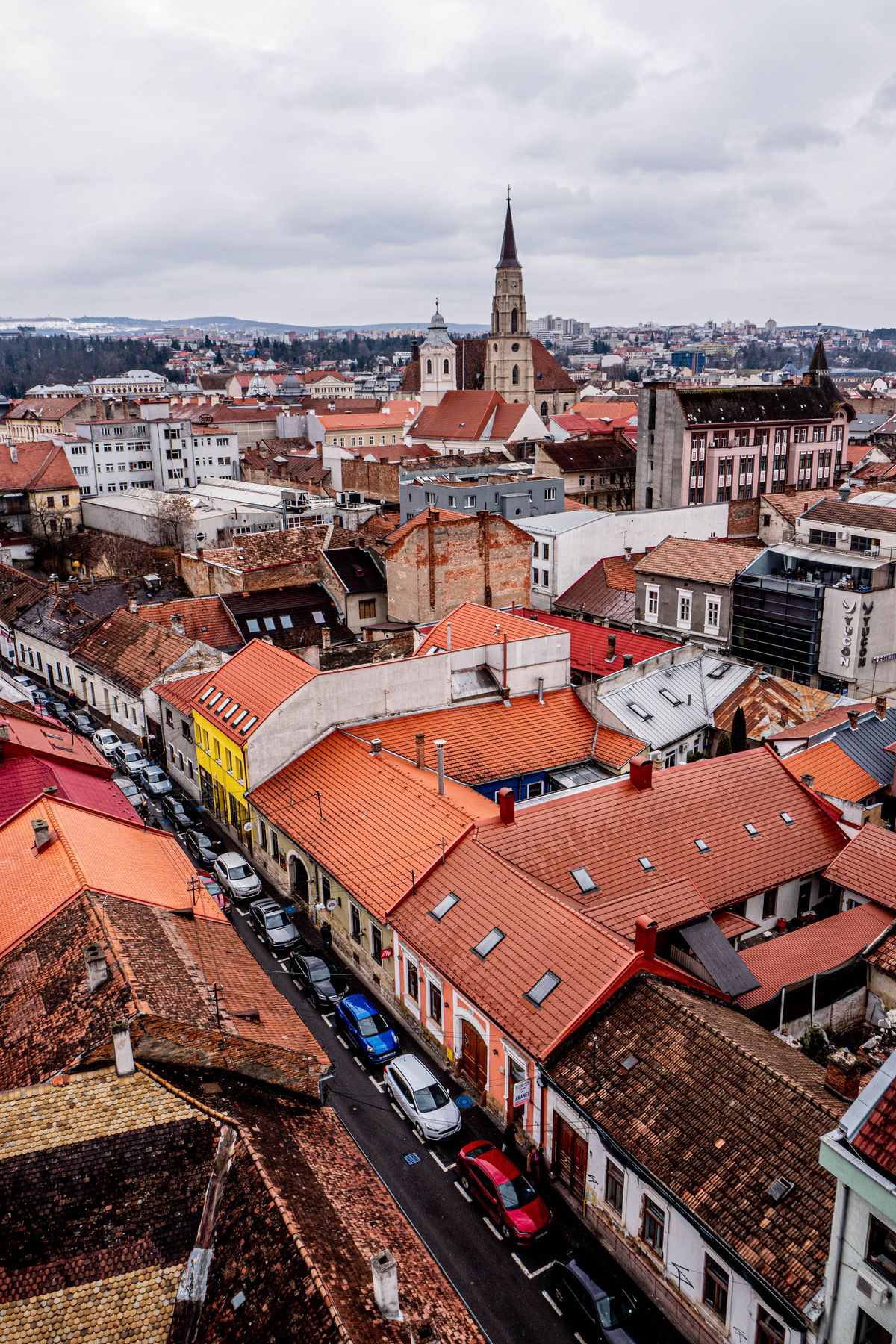
Cluj-Napoca is a compact, dense city that rewards walking, and for a visitor the useful map is by character rather than by administrative district. Almost everything you came to see sits within the historic core around Piața Unirii and the streets radiating from it; the university quarter to the south fills with student life; the genteel Andrei Mureșanu and Grigorescu districts spread west and uphill; and the Cetățuia hill to the north gives the city its postcard view . Staying within a 15-minute walk of Piața Unirii puts every sight on your list within easy reach, and because the centre is flat and small, most days you will move on foot far more than you expect.
The thing to understand about Cluj’s geography is that it grew over two thousand years on the same site. The Romans built Napoca here; medieval Saxon and Hungarian settlers walled the town of Klausenburg/Kolozsvár around what is now the old centre; and the Habsburgs lined the boulevards with the Baroque and neoclassical façades that still define the streetscape. The upshot is that a single square can hold a Gothic church, a Habsburg palace, and a Roman foundation, and the most rewarding way to read the city is to walk those layers deliberately rather than tick off sights.
This section walks the neighborhoods you will actually use, grouped by what they feel like on the ground: the medieval square at the centre, the student-and-café quarter, the leafy uphill residential districts, and the hilltop and parkside green spaces. For a first visit, base yourself in or beside the centre; on a second trip, consider the calmer feel of Andrei Mureșanu or the greenery of Grigorescu, which trade a little walking distance for a great deal of charm.
A word on scale, because it changes how you plan. Cluj is a mid-sized city of roughly 286,000 within the municipality and around 411,000 across the wider metropolitan area, yet the part a visitor cares about is astonishingly small . From the spire of St. Michael’s you can walk to the university quarter in five minutes, to the foot of the Cetățuia stairs in fifteen, and to the Botanical Garden in under half an hour. There is no metro and you will rarely need a taxi inside the centre; the city’s density and its flat historic core mean that the most efficient transport is your own two feet, with the cheap bus and trolleybus network reserved for the run out to Grigorescu, the train station, or the airport. Plan your days as loops radiating out from Piața Unirii and you will waste almost no time in transit.
The neighbourhoods also carry the city’s bilingual, multi-ethnic character, which is worth understanding before you arrive. Cluj has been Romanian, Hungarian, and German by turns, and a substantial Hungarian-speaking minority still lives here; you will see street names, church services, and restaurant menus in both languages, and the Hungarian-language theatre and university faculties are part of the everyday fabric rather than a museum piece . None of this affects a visitor practically — almost everyone in the tourist trades speaks good English, and the young, tech-fluent population in particular switches languages effortlessly — but it explains why a single square can feel like three cities at once, and why the food, the festivals, and even the architecture refuse to fit one national story.
Piața Unirii & the Old Centre
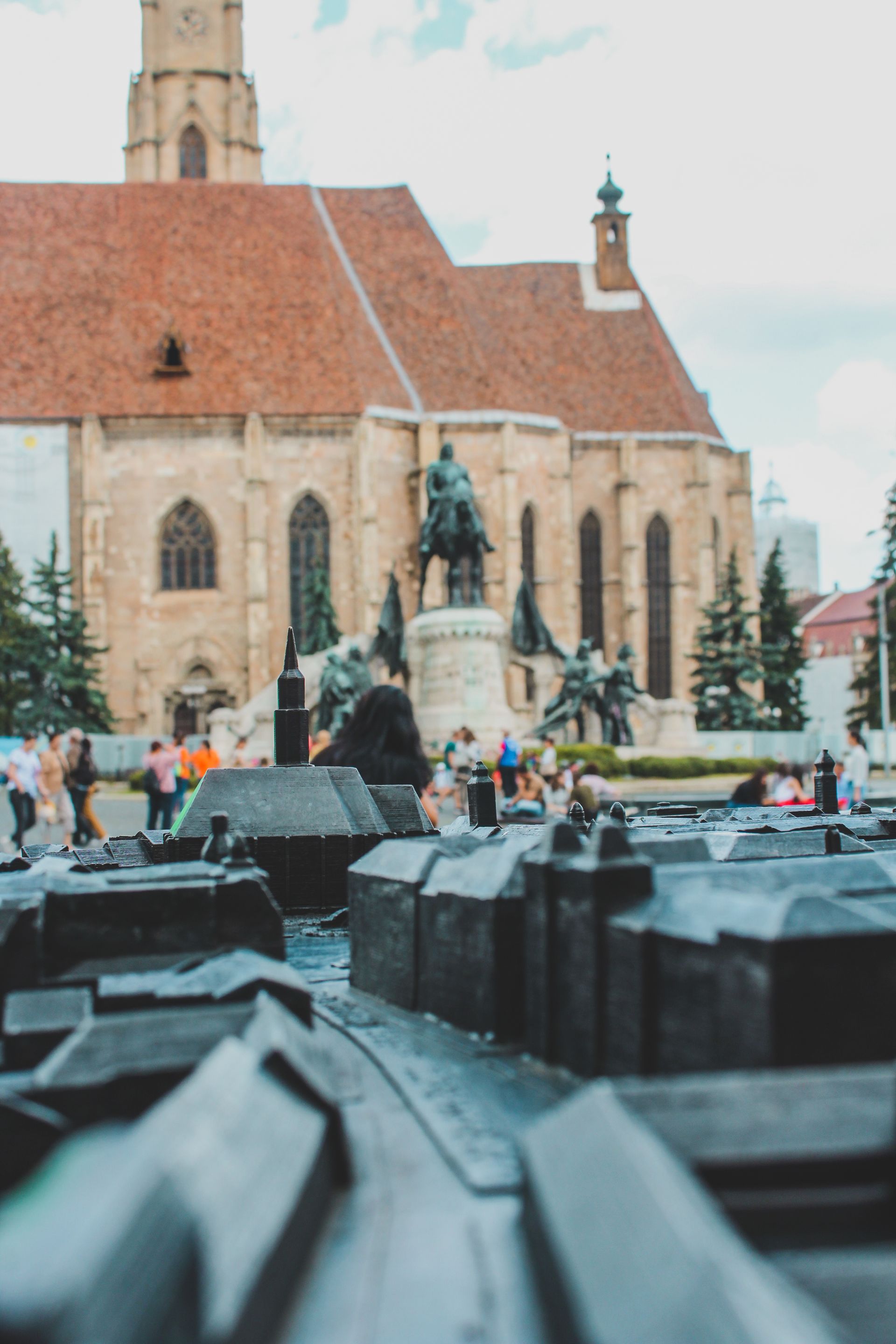
The medieval and Habsburg heart of Cluj, built around the vast Union Square (Piața Unirii) and the soaring Gothic St. Michael’s Church at its centre. This is the city’s living room — a pedestrian-friendly expanse ringed by pastel palaces, cafés, museums, and the Matthias Corvinus equestrian monument, with the Banffy Palace (now the National Museum of Art) on one side . By day it is a handsome civic square for coffee and people-watching; by night the surrounding streets fill with the city’s bar and restaurant crowd. Almost everything a short-stay visitor wants sits within these few blocks.
Layered into the centre are the city’s oldest corners: the second great square of Piața Muzeului with its Franciscan church and the Roman foundations of Napoca beneath, the narrow streets of antique dealers and bookshops, and a clutch of small Orthodox and Reformed churches. Spend a morning here before the terraces fill and you get the history without the crowds, then return after dark to see why every Cluj local has a Piața Unirii story.
- St. Michael’s Church — the 14th–15th-century Gothic landmark, the second-largest church in Romania
- Matthias Corvinus Monument — the grand 1902 equestrian statue of the Cluj-born Hungarian king
- Piața Muzeului — the cobbled “museum square” with the Roman Napoca site and Franciscan church
If you only have time to sleep in one part of Cluj, make it here. The cluster of small hotels, boutique guesthouses, and apartments around Piața Unirii and Piața Muzeului puts you within a few minutes’ walk of every major sight, the best concentration of restaurants, and the late-night bar streets, and it means you can drop your bags, explore on foot, and never think about transport again. The trade-off is noise: the square and its tributary streets are lively until late, especially in summer and during festival season, so light sleepers should ask for a courtyard-facing room. For most visitors the convenience overwhelms the drawback.
Best for: first-timers, walkers who want everything in one zone, café culture. Access: central and pedestrian; any city bus to Piața Mihai Viteazu, then a five-minute walk.
The University Quarter (Centru-Sud)
The young, studenty heart of the city around Babeș-Bolyai University and the streets south of Piața Unirii toward Piața Lucian Blaga. With close to 50,000 students at Babeș-Bolyai alone, this is where Cluj’s famous café and nightlife culture lives — third-wave coffee shops, cheap student canteens, indie bars, and bookshops, with the energy of a town where a huge share of the population is under thirty . This is where you find the city’s best-value plates, its specialty coffee, and a less touristy version of the nightlife than the central square.
It is also one of the easiest areas to feel the rhythm of ordinary Cluj life — terraces full of students between lectures, small parks tucked between the university buildings, and the buzz of a city that takes its higher education seriously. Budget travellers and solo visitors gravitate here for the price, the energy, and the central location within a short walk of nearly everything.
- Babeș-Bolyai University central campus and the streets of Piața Lucian Blaga
- The specialty-coffee and craft-beer cluster around Strada Universității and Piața Muzeului
- Cinema City and the student-bar streets toward the Someș river
Best for: budget travellers, solo walkers, café and bar culture. Access: a five-minute walk south from Piața Unirii.
Andrei Mureșanu & the Genteel Uphill
The most desirable residential quarter in the city, climbing the southern slopes above the centre — quiet, tree-lined streets of interwar villas, embassies and consulates, and some of Cluj’s best restaurants and small hotels. It is the closest thing the city has to a leafy garden suburb, and it sits a comfortable walk or a short bus hop from Piața Unirii. Walking its streets is a calm counterpoint to the buzz of the centre, and the views back over the rooftops improve as you climb.
It is a quieter base than the centre but still well connected, and it pairs naturally with a Cetățuia-hill walk or an evening meal away from the tourist terraces. Architecture enthusiasts could spend an hour here simply reading the interwar façades, while couples and families appreciate the calm, residential pace.
- The interwar villa streets climbing toward Strada Republicii
- The restaurant and small-hotel cluster on the slopes south of the centre
- Easy access to the southern hills for a walk above the city
Best for: a quieter base, foodies, architecture nerds. Access: a 10–15 minute uphill walk or short bus from Piața Unirii.
Grigorescu (The Green West)
A large, leafy residential district spreading west along the Someș river, beloved by families and students alike for its parks, riverside paths, and proximity to the Botanical Garden. It is more local than touristy — the kind of neighbourhood where you see Cluj actually living rather than performing — and its green riverbanks make it one of the pleasantest places in the city for a morning run or an evening stroll. The district sits a short bus ride west of the centre, close enough to walk back along the river on a fine evening.
Grigorescu suits travellers who want a calmer, more residential base with quick access to green space and the river, and who do not mind a 10–15 minute hop into the historic core. The riverside and the nearby parks give it an unexpectedly relaxed, almost suburban feel just minutes from the medieval centre.
- The Someș riverside walking and cycling paths
- Proximity to the Alexandru Borza Botanical Garden
- Local markets, bakeries, and student-priced restaurants
Best for: families, runners, longer-stay visitors wanting calm. Access: frequent buses west along the river from the centre.
Cetățuia & the Northern Hill
Not a residential neighbourhood so much as the city’s great green viewpoint — the Cetățuia hill rises just north of the centre across the Someș, crowned by the remains of an 18th-century Austrian fortress and offering the single best panorama over the rooftops, the spire of St. Michael’s, and the surrounding hills . A short, steep walk or a set of staircases takes you up; the reward is the postcard view of Cluj, best at sunset when the light catches the red roofs and the church towers.
Because it sits within easy reach of the centre, Cetățuia is an easy half-hour excursion even if you are not staying nearby, and it pairs perfectly with an evening descent into the café streets for dinner. Photographers love the golden-hour light over the city, and it is the one Cluj experience almost every local recommends to a first-time visitor. Go up an hour before sunset, bring a layer for the breeze on top, and time your descent for blue hour when the church towers light up and the terraces below start to fill — it is the single most efficient way to understand the shape of the city in a single evening.
Whichever base you choose, the practical rule for Cluj is the same: pick a neighbourhood for its character, not its postcode, and lean on the compact centre and cheap buses to stitch the rest together. First-timers rarely regret the convenience of the old centre; returning visitors often trade up to the calm of Andrei Mureșanu or the green edges of Grigorescu. None of these areas is more than a short, cheap hop from the others, so even a single base puts the whole city within comfortable reach.
- The Austrian fortress remains and the hilltop viewpoint over the city
- The staircases and paths up from the riverside
- The best sunset panorama of the old centre and its spires
Best for: photographers, walkers, sunset-chasers. Access: a 15-minute walk north across the Someș from Piața Unirii.
The Food

Cluj-Napoca’s food is Transylvanian — a hearty, three-cultures larder where Romanian, Hungarian, and Saxon traditions sit on the same menu, often in the same dish. You will meet the national canon of sarmale (minced-meat-and-rice rolls in soured cabbage), mici (skinless grilled minced-meat sausages), and ciorbă (a sour soup), but here they share the table with the Hungarian-inflected goulash and stuffed-cabbage of the region, and with the smoked meats and dense breads of the old Saxon villages. As a major student city, Cluj also has the country’s liveliest specialty-coffee and casual-dining scene. Prices below are in lei with an approximate USD conversion at roughly 4.6 lei to the dollar.
What surprises first-time visitors is how cheaply you can eat genuinely well here, and how international the everyday scene has become. The student population and the tech industry have between them seeded brunch spots, vegan cafés, craft-beer taprooms, and third-wave coffee roasters across the centre, so a day’s eating can swing from a 3-lei covrig pretzel at a street stand to a long terrace lunch of Transylvanian classics. Romania sat at the crossroads of the Habsburg, Ottoman, and Slavic worlds for centuries, and Transylvania in particular absorbed a strong Central European streak — the soups, the paprika, the dense pastries — that sets Cluj’s cooking apart from the more Balkan flavours of Bucharest.
The rhythm of the table here mirrors the rest of Romania: lunch is the main meal, often a multi-course affair on weekends; a țuică plum-brandy aperitif opens proceedings; bread, soured-cream-topped soups, and a grilled-meat or stewed main anchor the middle; and something sweet and dairy-rich — papanași most likely — closes it. Eat the way locals do and you will spend less, eat better, and understand the place faster than any sight will teach you. Below, the food is grouped the way you will actually encounter it: the traditional Transylvanian halls, the cheap-and-glorious grills and student food, the dishes beyond the famous trio, and the experiences worth planning a meal around.
Traditional Transylvanian Halls
The tavern restaurants and traditional halls are where you eat the canon — sarmale, mici, ciorbă, and the region’s Hungarian-influenced stews — in rooms that often double as folk-themed sights. These are living institutions where locals celebrate birthdays and name-days, and the cooking holds up to the surroundings. Expect generous portions, house wine or țuică by the carafe, and a proper sit-down lunch that ranks among the best-value cultural experiences in the city.
- Casa Boema — sarmale with mămăligă (40–55 lei, ~$10), a long-running traditional Cluj kitchen
- Roata — Transylvanian platters and ciorbă in a rustic courtyard setting (40–65 lei, ~$11)
- Hanul Dacilor / Baracca — from rustic Transylvanian to refined modern Romanian (45–90 lei, ~$14)
A word on the soured-soup tradition that runs through this cooking: the “ciorbă” prefix marks a soup made sour, traditionally with fermented wheat bran (borș) or with lemon or vinegar, and it is the dish Romanians miss most when abroad. The tripe version, ciorbă de burtă, is the cult classic — rich, garlicky, finished with sour cream and a hit of vinegar — but the bean, vegetable, and meatball (perișoare) versions are gentler entry points. Order one as a starter in any traditional hall and you have understood half of Transylvanian home cooking in a single bowl.
Grills, Street Food & Student Eats
The everyday Cluj meal is mici off a charcoal grill with mustard, fresh bread, and a beer — eaten standing or at plastic tables, gloriously cheap, and a staple of the student diet. This is the food of match days, market mornings, and summer evenings, and the best version is found not in a restaurant but at a no-frills grill where the smoke and the queue tell you everything. A plate of five mici with mustard and a hunk of bread is the canonical cheap lunch, and it rarely costs more than a few euros.
Beyond the mici grill, Cluj’s street food leans on the bakery: warm covrigi (pretzels) studded with poppy or sesame, flaky plăcintă pastries filled with cheese or apple, and the Transylvanian fairground favourite kürtőskalács (chimney cake) — a sweet, spit-roasted dough cylinder of Székely Hungarian origin, cinnamon-sugared and impossible to resist. The Central Market (Piața Centrală) and smaller neighbourhood markets double as open-air canteens.
- Charcoal grills around Piața Mihai Viteazu — a plate of five mici (22–28 lei, ~$5.50)
- Covrigărie stands — fresh covrigi (Romanian pretzels) (3–5 lei, ~$0.90)
- Kürtőskalács / chimney-cake stalls — a freshly spit-roasted cinnamon chimney cake (12–18 lei, ~$3)
Beyond Sarmale and Mici
The Transylvanian table runs far deeper than the headline dishes, drawing on Hungarian, Saxon, and Romanian traditions in equal measure. Spend a few days eating widely and you will meet a cuisine built on dairy, paprika, smoked meats, and slow-cooked comfort — sheep’s cheese folded into polenta, paprika-rich stews, and braided sweet breads that appear at every celebration. These are the dishes that turn a quick visit into an appetite for the whole region.
Vegetarians do better here than the meat-heavy reputation suggests: fasole bătută (mashed bean paste), zacuscă (roasted-vegetable spread), polenta-and-cheese plates, and lighter vegetable soups are all traditional and widely available, and as a young, international city Cluj has more dedicated vegan and vegetarian spots than anywhere in Romania outside Bucharest. Ask for mâncare de post (Orthodox fasting food) and you will be pointed to a surprisingly deep set of meat-free options.
The sweet course deserves its own attention. Romanian and Transylvanian desserts are dairy-rich and unfussy: papanași, the fried cheese-dumpling crowned with sour cream and forest-fruit jam, is the one everyone remembers, but you will also meet clătite (thin pancakes), the Hungarian-style kürtőskalács chimney cake, and the festive walnut-cocoa swirl of cozonac. Cluj’s specialty-coffee culture has surged with the student and tech crowd, so the modern meal increasingly ends not with a heavy dessert but with a good flat white in one of the design-led cafés that fill the centre. Either way, you will rarely spend more than a few euros to finish well.
One last practical note on eating here: portions are generous, service is friendly but unhurried, and a 10% tip is appreciated rather than expected. Lunch specials — the meniul zilei — are the single best value in the city, often pairing a soup, a main, and sometimes a dessert for the price of a single dish at dinner. Eat your big meal in the middle of the day, graze on grills and bakery snacks in the evening, and you will eat better for less than almost anywhere else in Europe.
If you want to dig deeper, build a meal or two around the markets and small producers. The Central Market and the neighbourhood piețe sell the pickles, cured meats, sheep’s cheeses, and seasonal fruit that underpin home cooking, and many traders are happy to let you taste before you buy. A picnic assembled from a Cluj market — bread, telemea cheese, tomatoes, a jar of zacuscă, and a bottle of Transylvanian wine — is one of the cheapest and most satisfying lunches in the city, and a direct line to how locals actually eat at home. It is also a reminder that the best of Cluj’s food culture is spread across its grills, bakeries, markets, and family tables rather than concentrated in any single famous restaurant.
- Papanași — fried doughnut-cheese dumplings with sour cream and jam (20–28 lei, ~$5)
- Gulaș (goulash) — the Hungarian-influenced paprika beef stew, a Transylvanian staple (28–40 lei, ~$7)
- Varză à la Cluj — the city’s signature layered cabbage-and-minced-meat casserole (30–42 lei, ~$8)
- Mămăligă cu brânză — polenta with sheep’s cheese and sour cream (18–25 lei, ~$4.50)
- Cozonac — a sweet braided walnut-and-cocoa bread, festive but year-round
- Zacuscă — roasted-vegetable and aubergine spread, an autumn staple (sold by the jar)
If you want to taste the regions without leaving the city, look for Székely Hungarian influences in the chimney cake and the stuffed cabbage, Saxon touches in the smoked meats and dense rye breads, and the Romanian Orthodox larder in the soured soups and fasting dishes. Cluj’s better traditional restaurants increasingly flag these origins on the menu, turning a single dinner into a tour of Transylvania.
Food Experiences You Can’t Miss
Some meals in Cluj are less about a single dish than about the setting and the ritual around it. Build at least one of these into your trip and the food becomes a memory rather than a refuelling stop.
- A weekend morning at the Central Market (Piața Centrală) for produce, cheeses, and pickles
- A plate of varză à la Cluj, the city’s own cabbage casserole, in a traditional hall
- A glass of Transylvanian wine (the region’s whites are excellent) at a centre wine bar
- A freshly spit-roasted kürtőskalács chimney cake from a street stall, eaten warm
- A flat white in a third-wave café around Piața Muzeului — Cluj’s specialty-coffee scene is Romania’s best
Transylvanian wine deserves a special mention: the hills around Cluj and the wider region produce crisp, aromatic whites — Fetească Regală and Fetească Albă among the indigenous grapes — that you will rarely encounter at home. A glass costs a fraction of a comparable French or Italian pour, and the centre’s wine bars are happy to walk you through a flight. Pair it with a sheep’s-cheese-and-cured-meat board and you have a perfect, inexpensive evening.
Cultural Sights

Cluj’s cultural sights are unusually concentrated, which is good news for short visits: with the exception of the Botanical Garden, everything below sits within a 15-minute walk of Piața Unirii, and a determined morning can take in the church, the palace-museum, the cathedral, and the Roman foundations before lunch. The city is not a blockbuster-museum destination in the way that Vienna or Budapest are; its appeal is the density and the layering — Roman ruin, Gothic church, Baroque palace, and inter-war cathedral all within a few hundred metres — rather than any single must-see hall. Most sights are cheap or free, opening hours are generous outside Mondays, and English signage has improved markedly in recent years.
A practical note on timing and money: keep small lei notes for the modest entry fees (most are 12–20 lei, well under $5), check that the day you have chosen is not a Monday when several museums close, and note that the churches expect respectful dress and quiet during the frequent services. If the weather turns, the museums and the great covered interiors of St. Michael’s and the Orthodox cathedral make an easy wet-weather plan; if it is fine, the Botanical Garden and a Cetățuia walk reward the open air. Below, the sights run roughly in the order you would encounter them walking out from the central square.
St. Michael’s Church (Biserica Sfântul Mihail)
The Gothic masterpiece at the centre of Piața Unirii and the symbol of the city. Built between roughly 1316 and 1487, it is the second-largest church in Romania, with a soaring nave, a richly carved 15th-century portal, and a neo-Gothic tower added in the 19th century that is the tallest in the country. Admission to the church is free; a small donation is welcome. Open daily, with hours around services.
Step inside from the bustle of the square and the scale takes over — a single vast Gothic hall, light falling through high windows onto the stone. It is the city’s spiritual and visual anchor, the building every panorama from Cetățuia hill orients around, and a five-minute visit gives you the historical bearings for everything else in the centre. Look for the carved portal and the Renaissance-era pulpit, and step back outside to see the tower against the sky.
Matthias Corvinus Monument
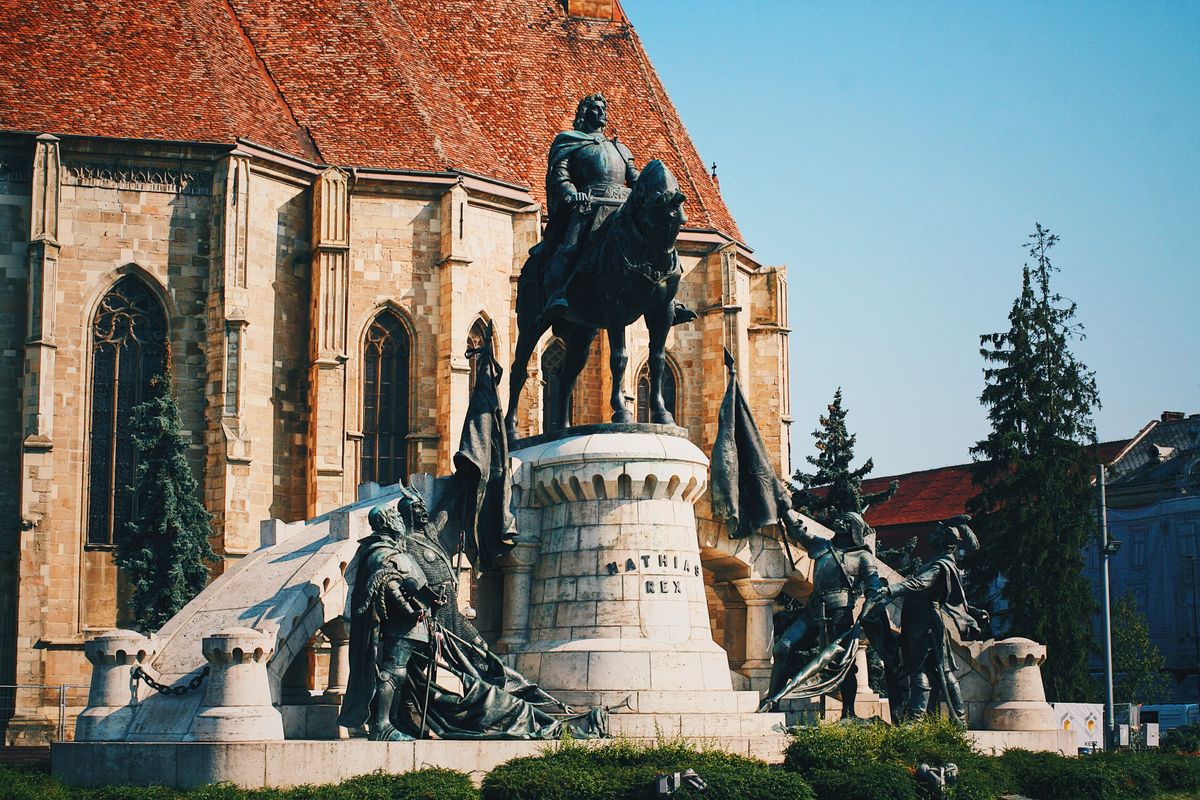
The grand equestrian statue that fronts St. Michael’s Church, unveiled in 1902 to honour Matthias Corvinus — the Renaissance king of Hungary who was born in Cluj in 1443 and is one of the great figures of Central European history. The bronze group, by the sculptor János Fadrusz, shows the king on horseback flanked by his captains and is considered one of the finest public monuments in Romania. Free to view in the square.
The statue is the city’s most photographed object and a focal point of Piața Unirii life — a meeting spot, a backdrop for events, and a reminder of the deep Hungarian thread in Cluj’s history. The house where Matthias was born still stands a few streets away and is marked with a plaque, an easy add-on for anyone tracing the city’s medieval story.
Banffy Palace & the National Museum of Art
The finest Baroque building in Transylvania, the 18th-century Banffy Palace on Piața Unirii now houses the National Museum of Art of Cluj-Napoca, with a strong collection of Romanian and European painting. Admission around 20 lei (~$4.50); closed Mondays. The ornate façade alone is worth the walk across the square, and the galleries inside — luminous medieval icons, 19th-century Transylvanian landscapes, and modern Romanian work — make a rewarding hour out of the rain.
Alexandru Borza Botanical Garden
One of the largest and most beautiful botanical gardens in southeastern Europe, founded in 1920 and spread over some 14 hectares on the southern slopes, with themed sections, glasshouses, a Japanese garden, and a Roman garden displaying artefacts from ancient Napoca. Admission around 15 lei (~$3.25). It is the city’s green lung and a favourite student escape — a place to spend a slow afternoon among glasshouses and ponds, with a tower in the centre offering a view back over the gardens to the city.

Dormition of the Theotokos Cathedral (Orthodox Metropolitan Cathedral)
The monumental Romanian Orthodox cathedral on Piața Avram Iancu, built between 1923 and 1933 in a Brâncovenesc-meets-Byzantine style, with a vast central dome and richly painted interior. It is the seat of the Metropolitan of Cluj and the great Orthodox counterweight to the Gothic St. Michael’s. Admission free; respectful dress expected. The square in front, with the statue of the 1848 revolutionary Avram Iancu and the National Theatre alongside, is one of the grandest civic spaces in the city and pairs naturally with a walk from Piața Unirii.
Pharmacy Museum & the Roman Foundations
Tucked into the corner of Piața Unirii, the Pharmacy Museum occupies the oldest pharmacy building in Romania, in operation from 1573, with original fittings, alchemical jars, and frescoes in the cellar. Admission around 12 lei (~$2.60). Nearby Piața Muzeului exposes fragments of Roman Napoca beneath the medieval town. Together they make the city’s two-thousand-year continuity tangible — the same few blocks have been a town since the Romans, and these small sights let you stand on the proof.
Entertainment
For a city its size, Cluj punches absurdly above its weight after dark. The reason is demographic: with tens of thousands of students and a fast-growing technology workforce, a huge share of the population is young, sociable, and out most nights of the week, and that energy underwrites everything from the festival calendar to the density of bars and the quality of the coffee. Two of Europe’s biggest summer music festivals — UNTOLD and Electric Castle — are based here, and between them they draw well over half a million visitors to the Cluj area each year, but the everyday scene of student bars, specialty cafés, and grand state theatres is what gives the city its reputation as Romania’s most liveable. The sections below run from the big-ticket festivals down to the everyday pleasures you can drop into on any evening.
UNTOLD Festival
One of the largest electronic-music festivals in Europe, UNTOLD takes over Cluj each summer — the 2026 edition runs 6–9 August — drawing hundreds of thousands of fans to the Cluj Arena and the surrounding Central Park for four days and nights of headline DJs and live acts across multiple stages. Four-day passes start around 690 lei. Typical cost 690 lei and up for the festival; far more with accommodation. If you are coming for UNTOLD, book accommodation months ahead — the whole city sells out, and prices spike accordingly. It is the single event that puts Cluj on the global map each August, transforming the calm university town into a roaring festival capital that bills itself as “the world capital of night and magic.”
Electric Castle
The other festival giant, Electric Castle, is held in July on the grounds of the Bánffy Castle at Bonțida, about 30 km from Cluj — an eclectic, genre-spanning event (rock, electronic, hip-hop, indie) set against a romantic Transylvanian palace. Multi-day passes run from around 600 lei. Typical cost 600 lei and up. Many attendees base themselves in Cluj and shuttle out to the site. With its castle setting and broad musical sweep, Electric Castle has built a cult following across Europe and is, for many, the more atmospheric of the two festivals — a genuine reason to time a Cluj trip for high summer.
Old-Town Nightlife & Student Bars
Outside festival season, Cluj’s nightlife is driven by its enormous student population — the centre and the university quarter are dense with bars, craft-beer taprooms, cocktail rooms, and clubs that run late, especially during term time. A pint runs roughly 12–18 lei and cocktails 28–40 lei. Typical cost 80–180 lei for an evening. The scene is younger, cheaper, and less stag-party-driven than Bucharest’s Old Town, and it spans everything from quiet wine bars to basement clubs. Midweek in term time is surprisingly lively; weekends draw a younger, louder crowd.
Specialty Coffee & Café Culture
Cluj has Romania’s best specialty-coffee scene, a direct product of its student and tech population — a cluster of third-wave roasters and design-led cafés around Piața Muzeului and the university streets serve genuinely excellent coffee at a fraction of Western prices. A flat white runs 12–16 lei. Typical cost 12–20 lei per visit. Café-hopping is half the pleasure of a Cluj morning, and the cafés double as co-working spaces, bookshops, and people-watching perches. It is the most everyday and most accessible slice of the city’s youthful culture.
Theatre, Opera & Classical Music
Cluj has both a Romanian and a Hungarian state theatre, a Romanian National Opera, and a Hungarian Opera — a density of high culture that reflects the city’s dual heritage. Romanian National Opera tickets start around 30 lei, theatre from 25 lei. Typical cost 30–90 lei. Performances are largely in Romanian or Hungarian, but the spectacle-driven opera and the grand historic playhouses on Piața Avram Iancu can be worth a ticket regardless of language. The standard is high and the prices astonish Western visitors.
Parks & the Botanical Garden
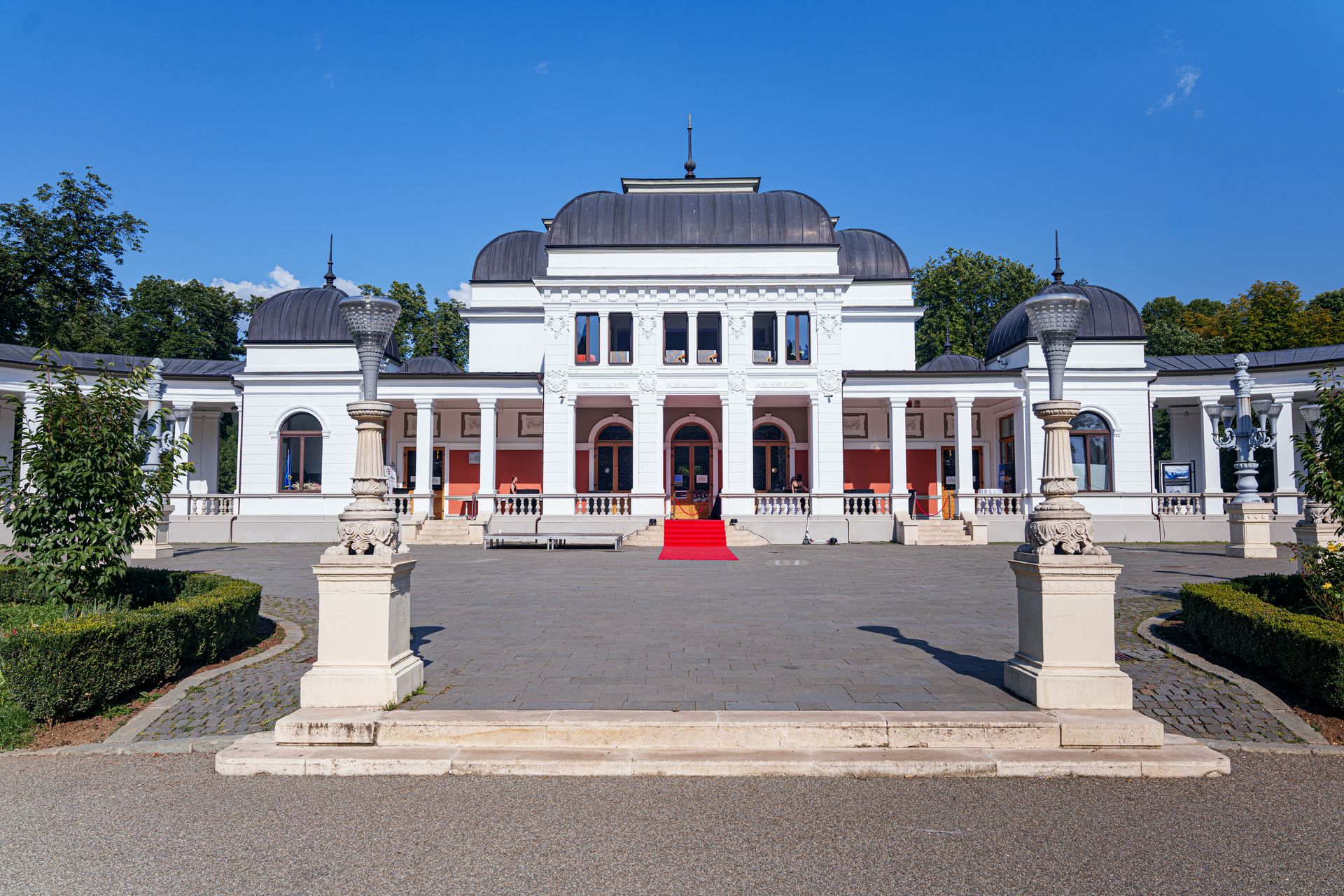
Central Park (Parcul Central Simion Bărnuțiu) with its lake and the 1897 casino building, and the Botanical Garden on the southern slopes, are free or near-free, beloved, and central to Cluj social life — rowboats, terrace kiosks, and long walks. Typical cost free to a few lei for a boat. On a warm evening these green spaces are where the city actually socialises, and spending an unhurried hour in one of them, doing nothing in particular, is one of the most authentically local things you can do in Cluj.
Day Trips
One of Cluj-Napoca’s underrated strengths is the cluster of genuinely remarkable day trips within an hour or two of the city — a salt mine that doubles as an underground amusement park, a dramatic limestone gorge, a forest that markets itself as the most haunted on Earth, and the medieval towns of the Transylvanian heartland. The trips below are ordered roughly by how rewarding they are for the effort; most are easiest with a hire car, an organised tour, or a short regional bus from Cluj.
Salina Turda Salt Mine (40 minutes by car)
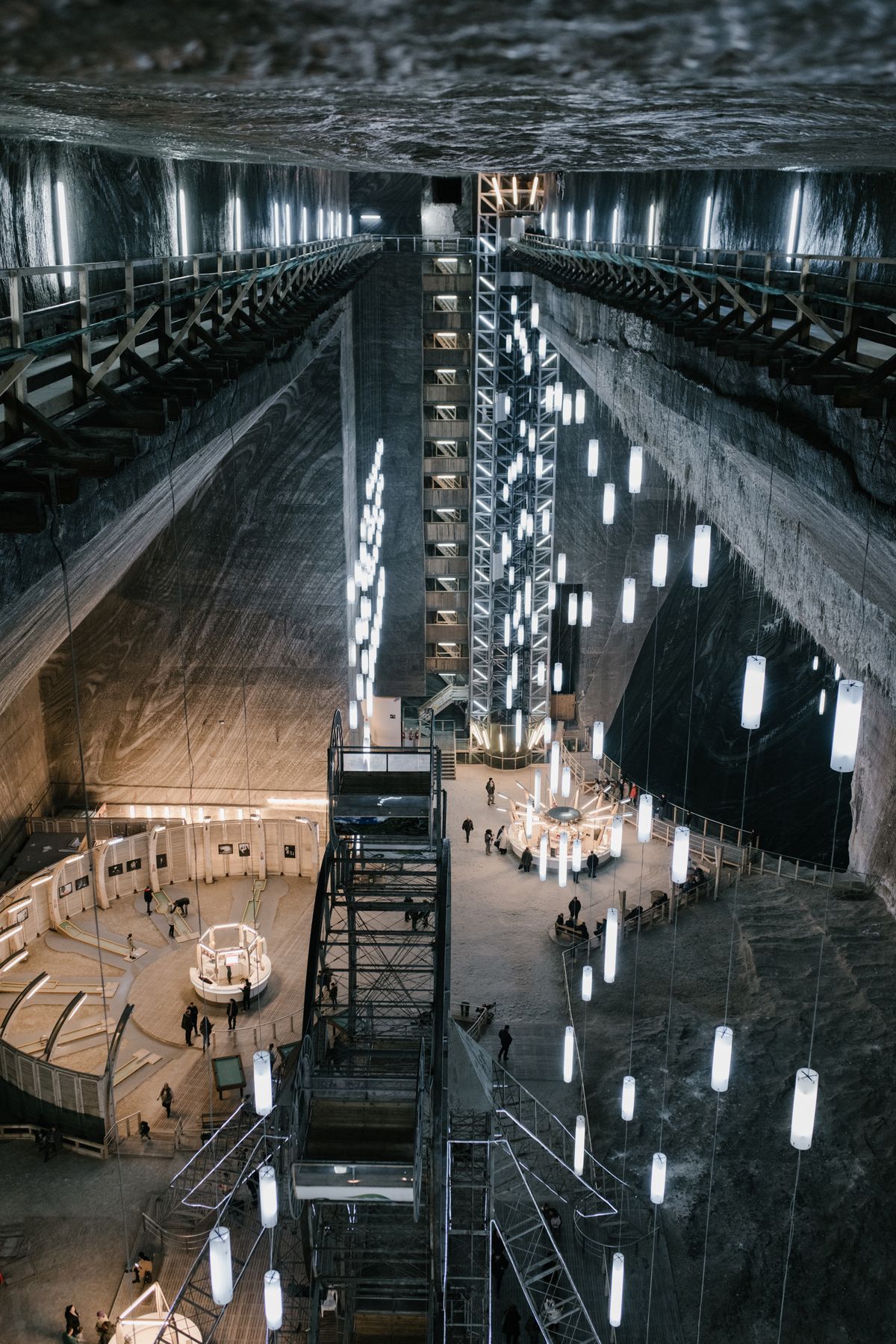
The single best day trip from Cluj. The Turda salt mine, worked since at least the Roman era and into the 20th century, was reopened in 2010 as a spectacular underground tourist attraction — vast caverns 100-plus metres deep, ringed by walkways and futuristic lighting, holding a Ferris wheel, an amphitheatre, mini-golf, and a subterranean lake with rowing boats. Admission around 50 lei (~$11). It is about 30 km south of Cluj, reachable by car, tour, or regional bus to Turda plus a local connection. The scale and the strangeness are genuinely world-class; allow two hours underground, and bring a light layer, as it is cool and damp year-round. Many visitors combine it with Turda Gorge in a single day.
Turda Gorge (Cheile Turzii) (45 minutes by car)
A dramatic limestone gorge a short drive from the salt mine, where the Hășdate river has carved sheer 300-metre cliffs over millions of years, threaded by a well-marked walking trail with footbridges and ladders. It is a protected nature reserve rich in rare plants and birds, and one of the best easy hikes in Transylvania. Free to enter; small parking fee. The full walk through the gorge and back takes two to three hours at an easy pace, and pairing it with Salina Turda makes a perfect full day out of Cluj — the surreal underground in the morning, the wild gorge in the afternoon.

Hoia-Baciu Forest (“the world’s most haunted forest”) (20 minutes by car)
Just on the western edge of Cluj lies Hoia-Baciu, a forest that has built an international reputation as “the world’s most haunted,” fuelled by ghost stories, tales of unexplained lights, and famously crooked, spiralling tree trunks. The reality is more prosaic — it is a pleasant, accessible woodland with marked trails, a lake, and an adventure park — but the legend gives an ordinary forest walk an irresistible frisson. It is the easiest day trip of all, almost within the city, and a fun, atmospheric couple of hours for anyone who enjoys a good ghost story alongside their hike.
Bánffy Castle, Bonțida (35 minutes by car)
The “Versailles of Transylvania,” a vast Baroque-and-Renaissance noble residence about 30 km northeast of Cluj, long ruined and now under a celebrated restoration led by the Transylvania Trust. It is the dramatic setting for the Electric Castle festival each July. Outside festival dates, it is a romantic, half-restored pile open for visits and tours, and a window into the lost world of the Transylvanian aristocracy. The combination of grand architecture and atmospheric decay makes it one of the most photogenic spots near the city.
Alba Iulia & the Apuseni Mountains (1.5–2 hours by car)
For a longer day, the star-shaped Vauban citadel of Alba Iulia — Romania’s most impressive fortress town and the symbolic site of the 1918 union — lies about 100 km south, while the limestone caves, gorges, and villages of the Apuseni Mountains spread west of the city. Both reward a full day and a car. Alba Iulia’s beautifully restored citadel, with its bastions and changing-of-the-guard ceremony, is one of the most rewarding historical day trips in the country, and the Apuseni offer caves and wild scenery for the more adventurous.
Seasonal Guide
Cluj-Napoca has a continental climate moderated by its Transylvanian-plateau setting at around 340 metres elevation — warm summers and cold, snowy winters, with comfortable, walkable shoulder seasons . The season you choose shapes the trip: late spring and early autumn are the all-round winners for comfort and value, while high summer is festival season and winter is cold but cheap and atmospheric.
Spring (March – May)
The sweet spot. Daytime highs climb from about 10°C in March to 22°C in late May, the Botanical Garden and Central Park come into bloom, and terrace season opens across the centre. Crowds and prices are modest, and the student city is at its liveliest in term time. May in particular is close to ideal — warm enough for long days on foot, cool enough that heat never becomes a factor, and busy with the energy of a full university calendar.
Summer (June – August)
Warm and festival-packed, with daytime highs of 26–30°C and occasional hotter spells. This is the season of Electric Castle (mid-July) and UNTOLD (early August), when the city’s population swells and accommodation sells out citywide. Outside festival weeks, summer is pleasant for terraces, day trips, and long evenings, though the centre can feel quieter as students leave for the holidays. Book months ahead if your dates overlap the festivals; otherwise enjoy the warm, easy pace.
Autumn (September – November)
The second great window. September stays warm (highs around 23°C) and the light turns golden over the rooftops from Cetățuia hill; by November highs drop to 7–9°C and the first cold rains arrive. The students return, the cafés fill, and the Apuseni foothills blaze with autumn colour for day trips. Early autumn rivals late spring for the best all-round conditions, with smaller crowds, comfortable temperatures, and the most flattering light of the year for photographers.
Winter (December – February)
Cold and often snowy, with daytime highs of 0–4°C and overnight lows well below freezing. December brings a Christmas market to Piața Unirii in front of St. Michael’s, with lights, mulled wine, and crafts, and the nearby Carpathian ski resorts are within easy reach. Hotel rates fall and museum queues vanish. Pack a proper coat and waterproof boots — Cluj in the snow has a particular Transylvanian charm, and the combination of cheap hotels, empty sights, and steaming mulled wine makes it an underrated time to visit.
If you have the freedom to choose your dates, aim for May, June, or September: you get long, warm, walkable days, the full energy of the university term, terrace season in full swing, and prices and crowds well short of the festival peaks. Avoid the UNTOLD and Electric Castle weeks (mid-July and early August) unless those festivals are the reason you are coming, since the whole city books out and rates climb steeply. Travellers chasing value and atmosphere over warmth should not overlook the depths of winter, when the Christmas market, cheap hotels, and snow-dusted spires make for a quietly magical and inexpensive trip.
Getting Around
Walking
Cluj-Napoca has no metro, but it barely needs one for a visitor — the historic centre is compact and flat, and walking is genuinely the best way to experience it. Piața Unirii, the university quarter, the Orthodox cathedral on Piața Avram Iancu, and the riverside are all within a comfortable 15–20 minute stroll of one another. The caveats are practical rather than serious: some pavements are uneven, and the climb up to Cetățuia or the southern districts is steep but short. Stick to the human-scale centre and you will walk most of your itinerary without touching transit at all.
Buses, Trams & Trolleybuses (CTP Cluj)
The city’s public transport, run by CTP Cluj-Napoca, is a dense network of buses, trolleybuses, and trams that covers everywhere a visitor needs to go beyond the walkable centre. A single ride costs around 3 lei (~$0.65); tap a contactless bank card directly on the validator, use the CTP mobile app, or buy a paper ticket. Trams and trolleybuses fill the longer east–west routes. Vehicles are frequent and cheap, and for the few longer hops a short stay involves — out to Grigorescu, the Botanical Garden, or the airport — the surface network does the job easily.
Tickets & Prepaid Transit
The simplest approach for a short visit is to tap a contactless Visa or Mastercard directly on the on-board validators — no card purchase needed. Alternatively, the CTP Cluj app lets you buy tickets from your phone, and ticket machines at major stops and the airport sell paper tickets (around 3 lei a ride; a two-trip airport ticket is about 6 lei).
Airport Access
- Bus 5 (CTP) from Avram Iancu Airport to the main train station (Piața Gării) — about 30 minutes, ~3 lei (~$0.65) per trip
- Express bus A1E / bus 8 also link the airport with the city; a Bolt or taxi to the centre runs roughly 30–50 lei (~$7–$11)
Taxis & Rideshare
Cluj has plentiful metered taxis at honest rates (flag-fall and per-km both around 2.5–3.5 lei), but the foolproof move is Bolt, which dominates the city and removes any haggling. A typical cross-city ride runs 15–30 lei (~$4–$7). Always order via the app rather than hailing at the airport curb, and you will never overpay. Ride-hailing here is so cheap and reliable that most visitors never need a metered taxi at all; cars arrive within minutes almost anywhere central.
Rail Connections
Cluj-Napoca’s main station (Gara Cluj-Napoca) links the city to the rest of Transylvania and beyond, but note that the train to Bucharest is slow — roughly 8 hours or more — so for the capital, flying is almost always the better choice. Trains are useful for regional hops (Turda, Alba Iulia, the Saxon towns) and scenic, if leisurely. For longer Romanian itineraries, treat Cluj as a fly-in hub via Avram Iancu airport rather than a rail gateway.
Navigation Tips
Apps: Moovit, Google Maps, and the CTP Cluj app for live bus times; Bolt for door-to-door. The centre is small and walkable, so most of your navigating is on foot. For the few longer hops — the airport, Grigorescu, a day-trip departure point — the surface buses and Bolt cover everything cheaply. You will rarely need anything more complicated, and transport is never the part of the trip you have to budget around.
Budget Breakdown: Making Your Lei Count
Cluj-Napoca is one of the best-value city breaks in Europe, and the table below sketches three realistic daily budgets in Romanian lei (RON). They assume you are already in the city and exclude flights and intercity travel; conversions use roughly 4.6 lei to the US dollar. The headline takeaway is simple — even a comfortable day here costs less than a modest one in most of Western Europe, and the gap is widest on food and transport. The one big exception is festival season, when accommodation prices spike sharply.
| Tier | Daily | Sleep | Eat | Transport | Activities | Extras |
|---|---|---|---|---|---|---|
| Budget | ~155 RON | 50–70 RON dorm | 40 RON | 8 RON | 30 RON | 15 RON |
| Mid-Range | ~340 RON | 170–240 RON hotel | 85 RON | 15 RON | 55 RON | 35 RON |
| Luxury | ~720 RON | 420+ RON hotel | 190 RON | 35 RON | 110 RON | 75 RON |
Where Your Money Goes
Cluj is among the cheapest cities in the EU for a visitor. A hostel dorm runs around 50–70 lei (~$11–$15) and a comfortable mid-range hotel 170–240 lei (~$37–$52); a budget traveller can do the whole day on roughly 155 lei (~$34), a mid-range visitor on about 340 lei, and a comfortable one on around 720 lei. The biggest swing factor is accommodation, not food or transport — eating and getting around are almost trivially cheap by Western standards.
To put those tiers in context: on the budget end you are sleeping in a hostel dorm, eating mici and covrigi from grills and bakeries, riding the bus or walking, and limiting paid sights to one or two a day — and still having a genuinely good time, because so much of Cluj’s appeal (the square, the parks, the Cetățuia view, the café atmosphere) is free or near-free. The mid-range tier adds a private hotel room, sit-down restaurant dinners with wine, and the full slate of museum admissions and a day-trip tour without thinking twice. Even the “luxury” daily figure here would barely cover a mid-range day in Vienna or Munich.
The single biggest lever is when you come. Hotel rates are reasonable most of the year but spike dramatically during UNTOLD and Electric Castle, when the whole city books out — shifting your dates a week either side of the festivals can halve your accommodation cost. Food and transport, by contrast, are so cheap that trying to economise on them changes your daily total by only a handful of lei, so eat and ride freely and save your discipline for the accommodation booking.
Money-Saving Tips
- Tap a contactless card straight onto CTP bus and tram validators — no need to buy any transit card for a short trip
- Eat your big meal at lunch, when many restaurants run a cheaper meniul zilei (menu of the day)
- Avoid the UNTOLD and Electric Castle weeks unless you are attending — accommodation prices spike citywide
- Withdraw lei from bank ATMs (BCR, BRD, Banca Transilvania, which is headquartered here) and always decline the machine’s “convert to your currency” (DCC) offer — it costs you more
- Lean on the free sights — Central Park, the Botanical Garden’s modest fee, St. Michael’s, the Cetățuia view, and a walk around Piața Unirii cost little or nothing
Practical Tips
Cluj is one of the easiest cities in Eastern Europe to travel in, and most of the practical friction a visitor fears simply does not materialise here. It is safe, cheap, English-friendly, and digitally seamless — tap-to-pay on the buses, fast mobile data, reliable ride-hailing, and tap water you can drink straight from the cold tap. The notes below cover the handful of things genuinely worth knowing before you arrive, from the currency and the plugs to the post-2025 Schengen and forthcoming ETIAS rules, so that you can spend your attention on the city rather than the logistics. None of it is complicated; a single read-through here should leave you ready to land and go.
Language
Romanian is the official language — a Romance language, so French, Italian, or Spanish speakers will catch words and signs — and Cluj also has a large Hungarian-speaking community, so you will see and hear Hungarian widely too. English is spoken fluently by the city’s huge student population and under-40s, in hotels, restaurants, and tourist sites; older residents and market vendors may not speak it. “Bună ziua” (good day), “mulțumesc” (thank you), and “vă rog” (please) go a long way, and locals are genuinely pleased when a visitor attempts even a word or two.
Cash vs. Cards
Cards (Visa and Mastercard) are accepted almost everywhere — restaurants, shops, buses, ride-hailing — and contactless is universal. Carry 50–100 lei in cash for markets, small kiosks, church donations, and tips. The currency is the leu (RON); Romania is not yet in the eurozone, so do not assume euros are accepted.
Safety
Cluj is one of the safest cities in Romania, with very low rates of violent crime; the realistic risks are minor — occasional pickpocketing in crowds and at festivals, and the usual nightlife common sense. Use Bolt at night, keep your phone secure in festival crowds, and you will have no trouble.
What to Wear
Smart-casual works everywhere; Cluj is a young, stylish city but rarely formal. Pack layers for spring and autumn, light breathable clothing plus sun cover for summer (and festival gear if relevant), and a serious coat and waterproof boots for winter. Bring a light layer year-round for Salina Turda, which is cool underground. Modest cover (shoulders, knees) is expected inside churches.
Cultural Etiquette
Romanians are warm but initially formal — a handshake and “bună ziua” on entering a small shop is appreciated. Accept an offered țuică or pălincă toast graciously. In churches, dress modestly and avoid loud talk. In Cluj specifically, be aware of the city’s dual Romanian-Hungarian heritage and treat both communities with equal respect. Tipping 5–10% in restaurants is standard.
Connectivity
Romania has some of the fastest, cheapest mobile internet in Europe, and Cluj — as a tech hub — is exceptionally well connected. Buy a local prepaid SIM (Orange, Vodafone, Digi/RCS-RDS) for a few euros, or use an eSIM; free Wi-Fi is common in cafés and hotels. EU roaming applies for EU SIMs. Navigation, ride-hailing, and live transit routing all work seamlessly — one of the quiet pleasures of travelling here is how frictionless the digital side of the trip is.
Power & Plugs
Romania uses the standard European 230V supply at 50Hz with Type C and Type F sockets — the same two round pins used across most of continental Europe. Travellers from the UK, US, or elsewhere with different plugs should pack a simple adapter; US visitors should also check that their devices handle 230V (most modern chargers do, but some appliances do not).
Health & Medications
Pharmacies (farmacie) are plentiful, many open 24 hours, and pharmacists often speak English. EU visitors should carry an EHIC/GHIC card; everyone else should have travel insurance. Tap water is safe to drink. No special vaccinations are required for Romania.
Luggage & Storage
The main train station has left-luggage facilities, and some hostels and private bag-storage services operate around the centre — handy for a late flight or a Salina Turda day trip without your bags.
Frequently Asked Questions
How many days do I need in Cluj-Napoca?
Two full days covers the city itself comfortably — one for Piața Unirii, St. Michael’s, the museums, and the café streets, and one for the Botanical Garden, the Cetățuia view, and a slower neighbourhood wander. Add a third day for the Salina Turda and Turda Gorge day trip, and a fourth for Hoia-Baciu Forest or a longer trip to Alba Iulia, and you have an ideal long weekend. With only a single day, prioritise the centre and the square; with a week, use Cluj as a base for exploring Transylvania, since the day trips are excellent and the city is the region’s most comfortable hub. Many travellers fold Cluj into a wider Transylvanian loop that also takes in Sibiu, Brașov, and the painted castles of the Carpathians, in which case two nights here is the usual allocation — enough to feel the city without losing momentum on the road.
Is Cluj-Napoca good for solo travellers?
Excellent — it is safe, cheap, walkable, and full of young people, which makes it one of the easiest cities in Romania to visit alone. The huge student population means English is everywhere, the café and bar scene is sociable and unpretentious, and solo dining is completely normal. Hostels run walking tours and pub crawls if you want company, and Bolt removes any late-night transport worry. Solo female travellers generally report feeling very comfortable, with the usual big-city common sense around nightlife crowds.
Do I need to buy a transit ticket, or can I just tap a card?
For a short visit, just tap a contactless bank card on the CTP bus and tram validators — there is no need to buy any pass. A single ride is around 3 lei. If you prefer, the CTP Cluj mobile app lets you buy tickets from your phone, and ticket machines at major stops and the airport sell paper tickets. Honestly, though, the centre is so walkable that you may only need transport for the airport and the odd longer hop.
What about the language barrier?
Minimal in Cluj. As a major student and tech city, it has one of the highest rates of English fluency in Romania, and you will also hear a lot of Hungarian. Menus and signage often appear in English, and most younger residents speak it well. It thins out with older people and at neighbourhood markets, where a few Romanian phrases and a friendly manner carry you through. Romanians are generally patient and welcoming with visitors who make any effort at all — the barrier is far lower than the unfamiliar place names might lead you to expect.
When is the best time to visit Cluj-Napoca?
May–June and September–October are the peak-quality windows — warm enough for terraces, cool enough for walking, with smaller crowds and lower prices, and the student city at its liveliest in term time. If you are coming for the festivals, target mid-July for Electric Castle or early August for UNTOLD, but book accommodation months ahead and expect higher prices. December brings the Christmas market and cheap winter hotels. Avoid arriving during a festival week without a booking, when the whole city sells out.
Is it worth visiting Salina Turda and the haunted forest, or are they tourist traps?
Both are genuinely worth it, for different reasons. Salina Turda is spectacular and unlike anything else in Europe — a vast, futuristically lit salt cavern with a Ferris wheel and an underground lake — and easily the standout day trip; pair it with the dramatic Turda Gorge nearby. Hoia-Baciu Forest is more about the legend than the reality: it is a pleasant, accessible woodland whose “world’s most haunted” reputation adds a fun frisson to an easy walk almost within the city. Manage expectations on the paranormal angle and enjoy it as an atmospheric stroll. A practical tip for both: Salina Turda and Turda Gorge sit close together south of the city and combine neatly into one full day by car or organised tour, while Hoia-Baciu is so close to Cluj’s western edge that it works as a half-day on foot or by a short bus-and-walk. Neither needs a guide, but a tour spares you the logistics if you would rather not drive.
Can I use credit cards everywhere?
Nearly — Visa and Mastercard with contactless work at restaurants, shops, hotels, buses, and ride-hailing apps across the city, and Cluj (home to Banca Transilvania) is a very card-friendly place. Carry 50–100 lei in cash for markets, kiosks, church donations, and tips. Romania uses the leu (RON), not the euro, so do not rely on foreign currency. Withdraw lei from a bank ATM rather than an airport exchange booth, and always decline the machine’s offer to “convert to your home currency,” which quietly bakes in a poor rate. Stick to ATMs attached to recognised banks such as Banca Transilvania, BCR, or BRD, avoid the standalone Euronet machines that dominate the airport and tourist spots and charge punishing fees, and you will get a near-interbank rate on every withdrawal.
Ready to Experience Cluj-Napoca?
Cluj rewards the traveller who slows down — a morning coffee in a quiet square before the terraces fill, a golden-hour climb up Cetățuia hill, a long Transylvanian lunch, a sub-€15 night at the opera. Build in the day trip to Salina Turda and Turda Gorge, the wander through Hoia-Baciu Forest, and a wine bar evening in the centre. For the full country context and a route that pairs Cluj with the rest of Transylvania and the Carpathians, read the Romania Travel Guide.
Explore More City Guides
- Brașov City Guide — sibling medieval Saxon city in the Carpathians
- Sibiu City Guide — sibling Transylvanian Saxon capital with cobbled squares
- Timișoara City Guide — sibling western Romanian city and 2023 European Capital of Culture
- Romania Country Guide
- All City Guides
Alex the Travel Guru
Alex has spent the better part of two decades turning a battered notebook and a tolerance for overnight buses into the FFU city guide archive. In Cluj specifically, he has walked every district at least once, eaten his way through the grills around Piața Mihai Viteazu and the third-wave cafés of the university quarter, climbed Cetățuia hill at sunset more times than he can count, descended into Salina Turda twice, and once spent an afternoon in Hoia-Baciu Forest looking unsuccessfully for ghosts. He writes these guides to answer the questions he needed answered the first time: what to book, what to skip, where locals actually eat, and how to see past a city’s reputation to the place that is genuinely there.
More city guides you might like
Plan your trip to Cluj-Napoca
The booking tools we use ourselves. FFU may earn a commission at no extra cost to you.
Plan & book your trip to Cluj-Napoca
Booking through these searches supports our guides at no extra cost to you.