
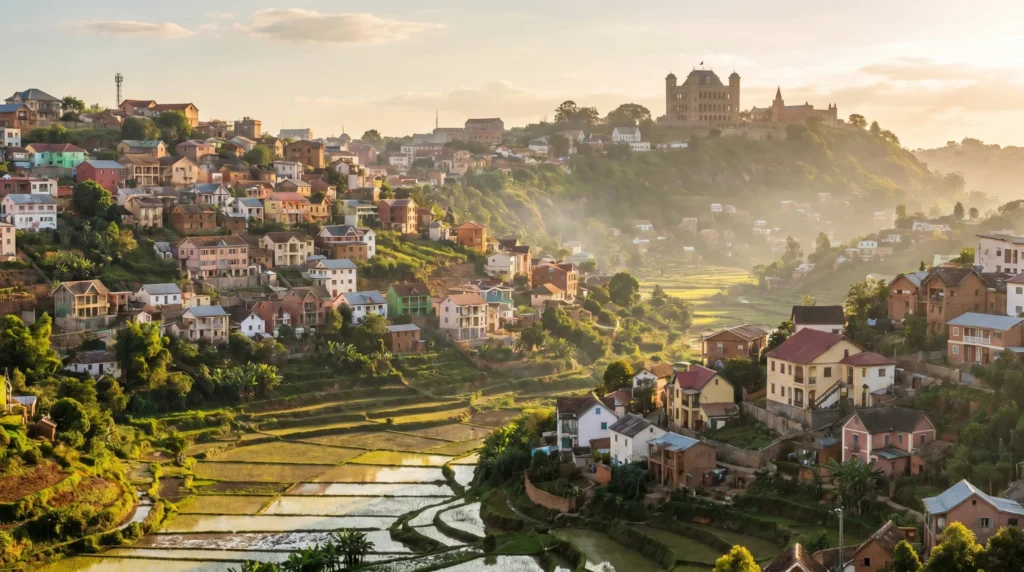
City Guide · Madagascar · Central Highlands
Antananarivo, Madagascar: The City of a Thousand Hills and Madagascar’s Front Door
I have landed at Ivato in the thin, bright light of the dry season and in the warm grey drizzle of February, and the first thing I tell anyone arriving in Antananarivo is to look up. This is a city built across a tangle of steep granite hills 1,280 metres above the sea, its terracotta-and-rice-paddy sprawl climbing to the royal Rova that crowns the highest ridge, and almost nobody comes here for the city alone. We treat Tana, as everyone calls it, as the front door to the whole of Madagascar — the place every lemur trek, baobab road trip, and rainforest expedition begins and ends. It is chaotic, hilly, deeply Malagasy, and far more rewarding than its transit-stop reputation suggests. Treat this guide as the briefing I hand my own friends before they fly into the highlands.

Table of Contents
Why Antananarivo?
Antananarivo is the capital of Madagascar and its largest city, with 1,274,225 residents recorded inside the city at the 2018 census and well over two million across the wider urban area. It sits at roughly 1,280 metres in the island’s central highlands, sprawled across a tangle of steep granite hills, which makes it one of the highest national capitals on earth and the highest among island countries. That geography is the whole story: the city grew up around the royal palace, or Rova, on its highest hill, founded around 1610 when the Merina king Andrianjaka took the site and is said to have garrisoned it with a thousand soldiers — the origin of the name Antananarivo, “City of the Thousand.”
Most travellers meet Tana as a gateway rather than a destination, and the scale of what lies beyond it explains why. Madagascar split from the African mainland around 88 million years ago and evolved in near-total isolation, so the overwhelming majority of its wildlife is found nowhere else: roughly 107 species of lemur, all of them endemic, alongside hundreds of chameleon and reptile species and the famous baobab trees of the west. Madagascar welcomed about 317,000 visitors in 2024, a continued recovery for a country whose tourism is built almost entirely on this endemic nature, and nearly every one of them passed through Antananarivo, the island’s principal international gateway.
The contradiction underneath those numbers is what makes Tana worth a day or two rather than a single overnight before the safari. This is at once a deeply historic highland city — brick palaces, a 17th-century royal hill, French colonial avenues and staircases — and a chaotic, fast-growing modern capital wrestling with traffic, pollution, and poverty. A royal tomb can sit a short, steep walk from a sprawling open-air market; a quiet colonial church can open onto a lane of zebu-cart traffic and street vendors. Madagascar is also one of the world’s poorest countries, and that reality is visible on the streets in a way first-time visitors should be prepared for.
Tana runs at a particular highland rhythm: rice paddies push right up to the edge of the built-up hills, the air at altitude is cool and often crisp even when the lowlands swelter, and the light over the terracotta rooftops at dawn and dusk is genuinely beautiful. The city is the cultural heart of the Merina people, the centre of Malagasy political life, and the staging ground for the country’s adventure tourism — the place where every trip to Andasibe’s indri, the southern spiny forest, or the western baobab roads is organised, provisioned, and begun.
This guide covers the neighbourhoods that define the city from the royal upper town down to the markets of Analakely, the food scene behind rice, zebu, and the national dish romazava, the historic sights from the Rova to Lake Anosy, the day trips that turn Tana into a base camp for lemurs and rainforest, and the transit, budget, seasonal, altitude, and safety details that first-time visitors need to plan a trip in any season.

Neighborhoods: Finding Your Antananarivo
📍 Antananarivo Map: Every Place in This Guide
Antananarivo reads less like one downtown than like a vertical city stacked up a set of steep hills, and the fastest way to understand it is to think in terms of height. The royal upper town, la haute-ville, crowns the ridges around the Rova; below it the middle town tumbles down staircases to the markets and the long colonial spine of the Avenue de l’Indépendance in Analakely; and around all of it the modern city sprawls outward into newer suburbs and toward the airport at Ivato. A willingness to walk the staircases, ride a taxi or taxi-be, and budget plenty of time for traffic will get you through all of the districts below.
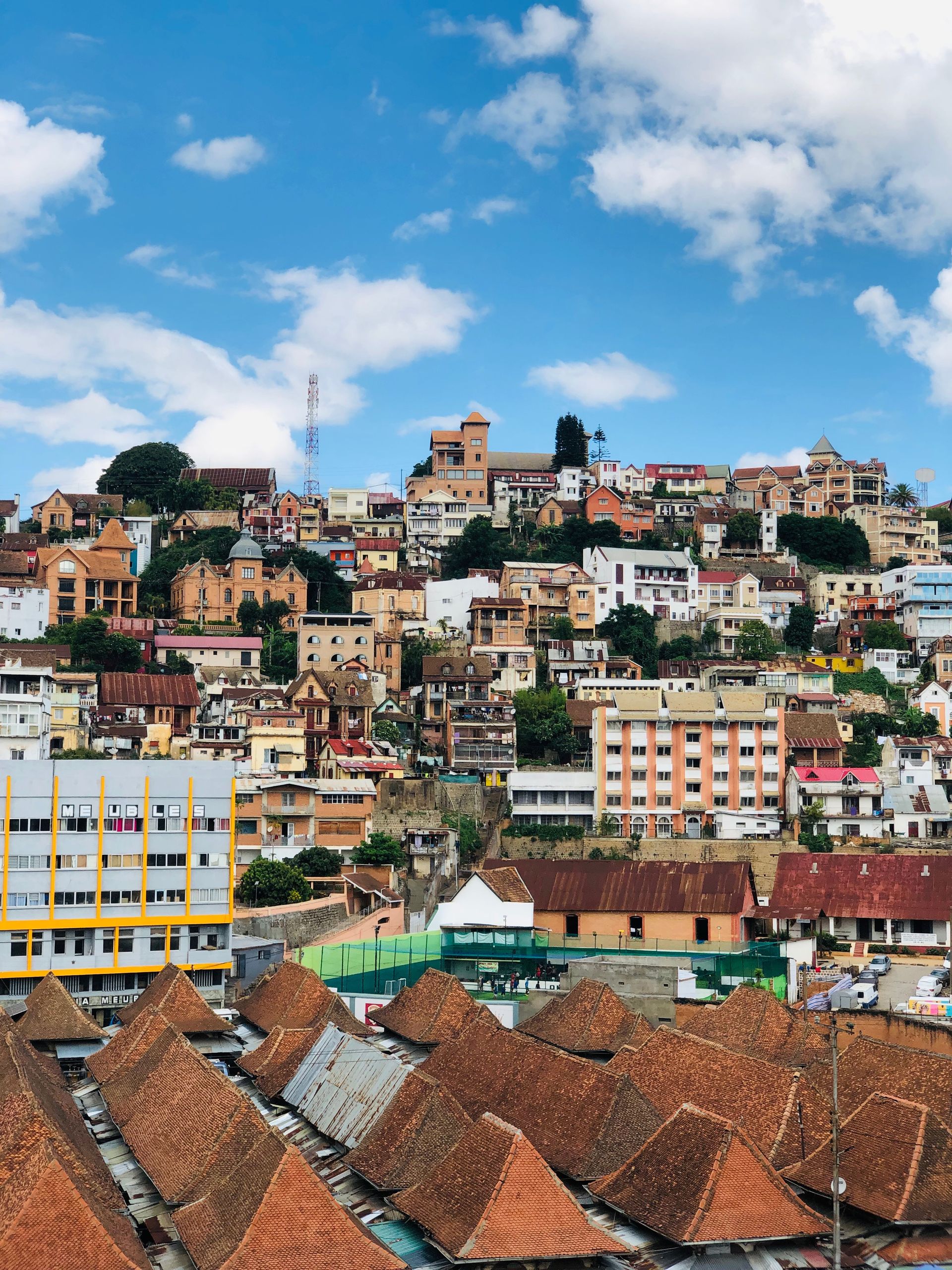
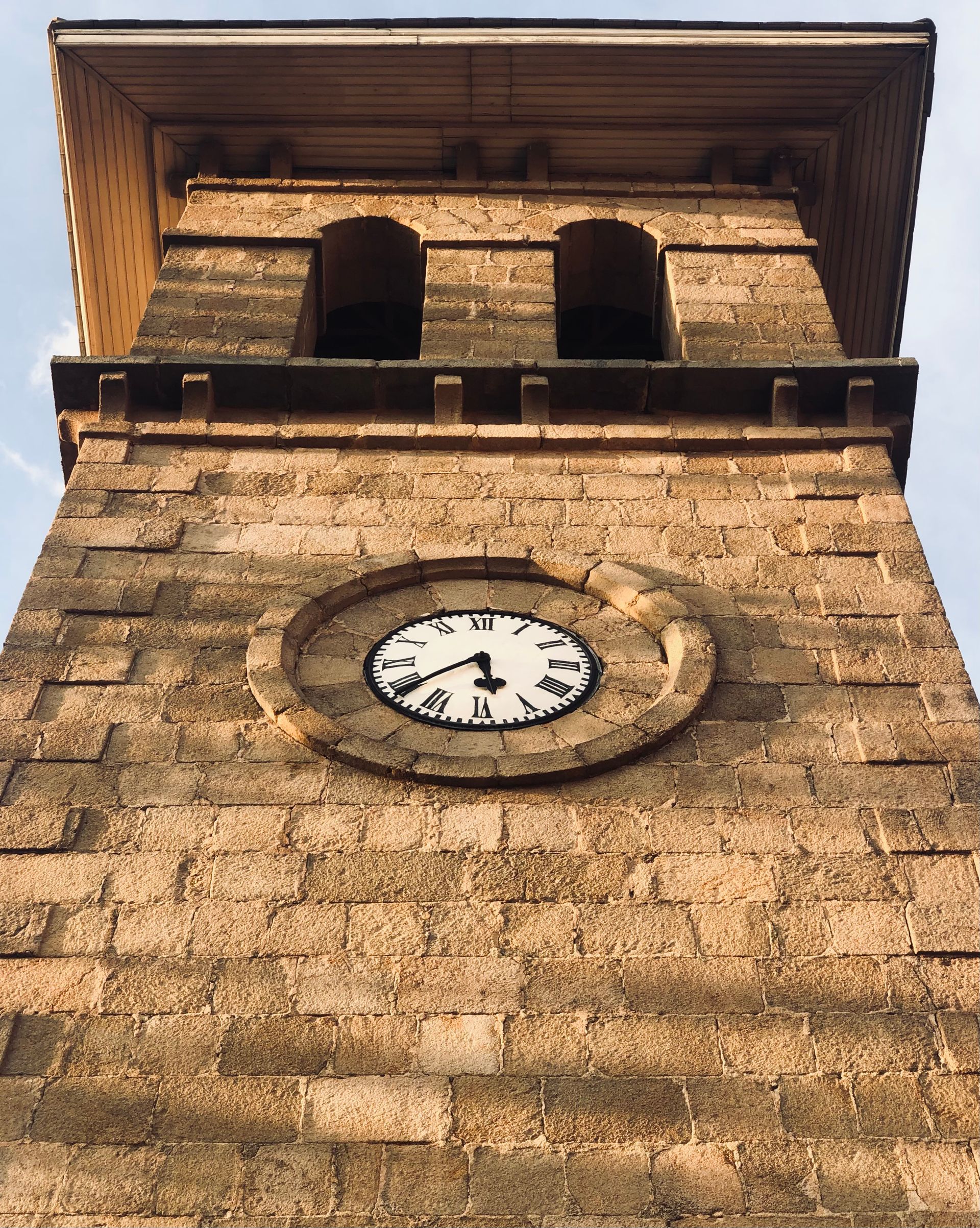
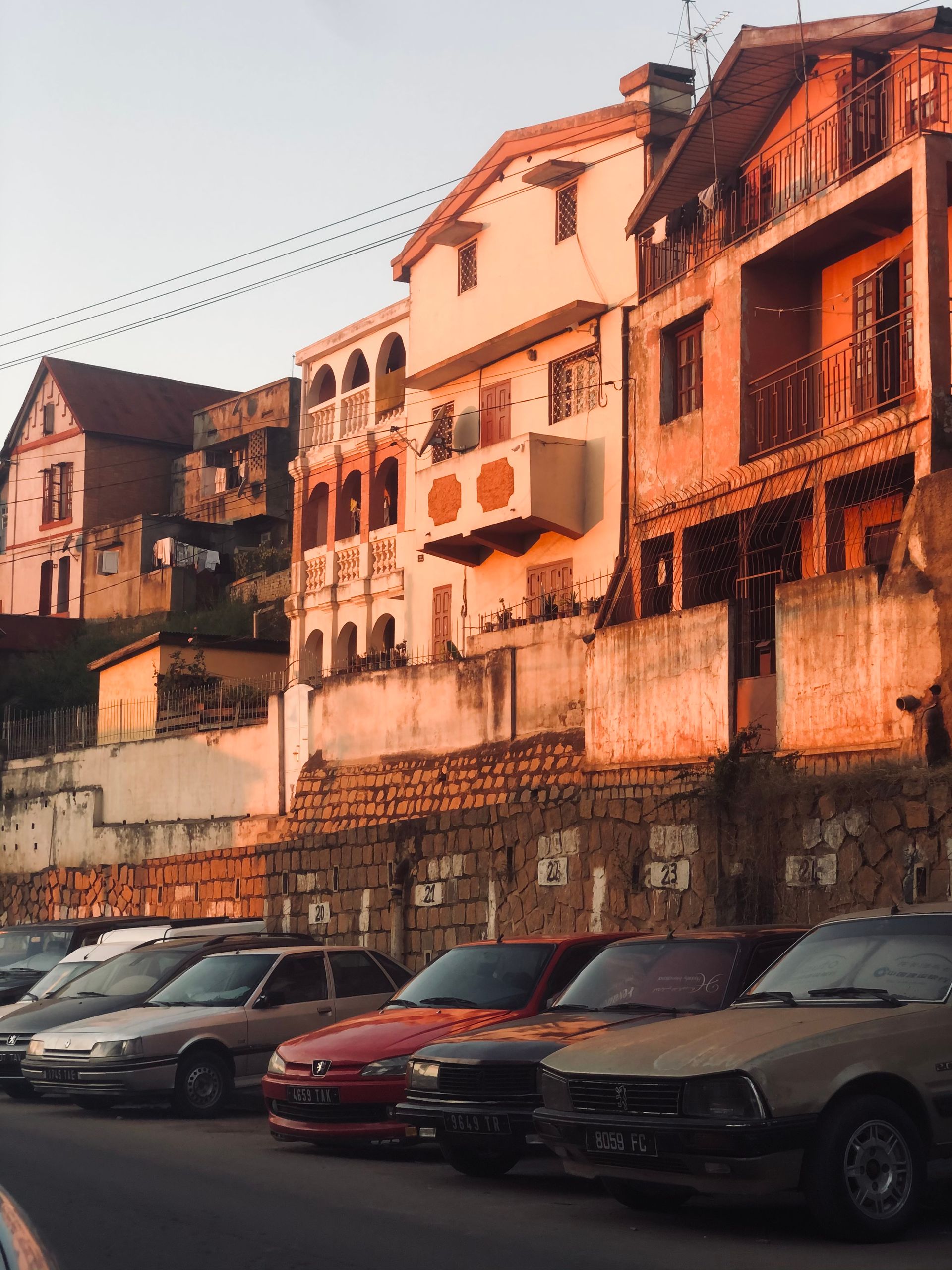
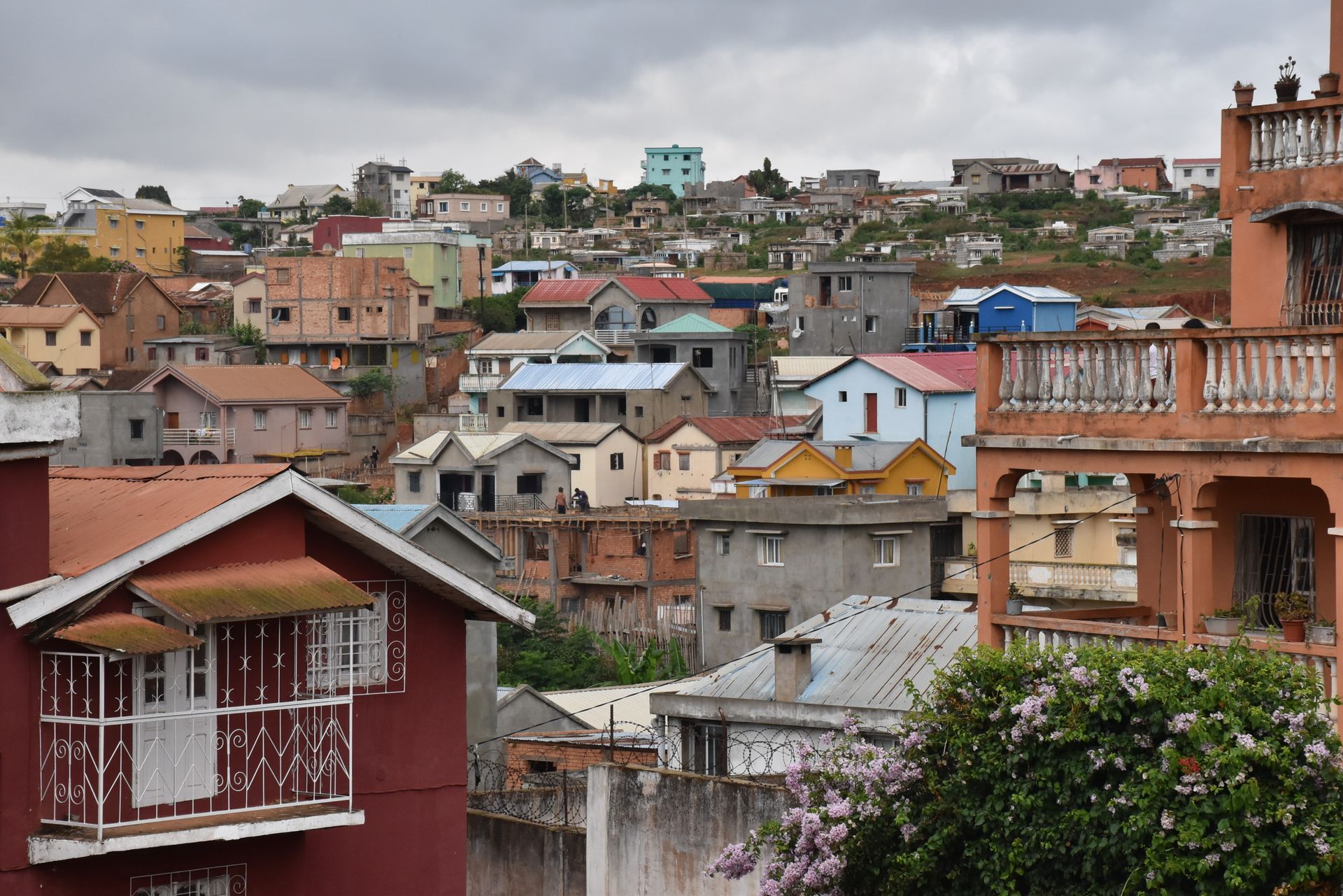
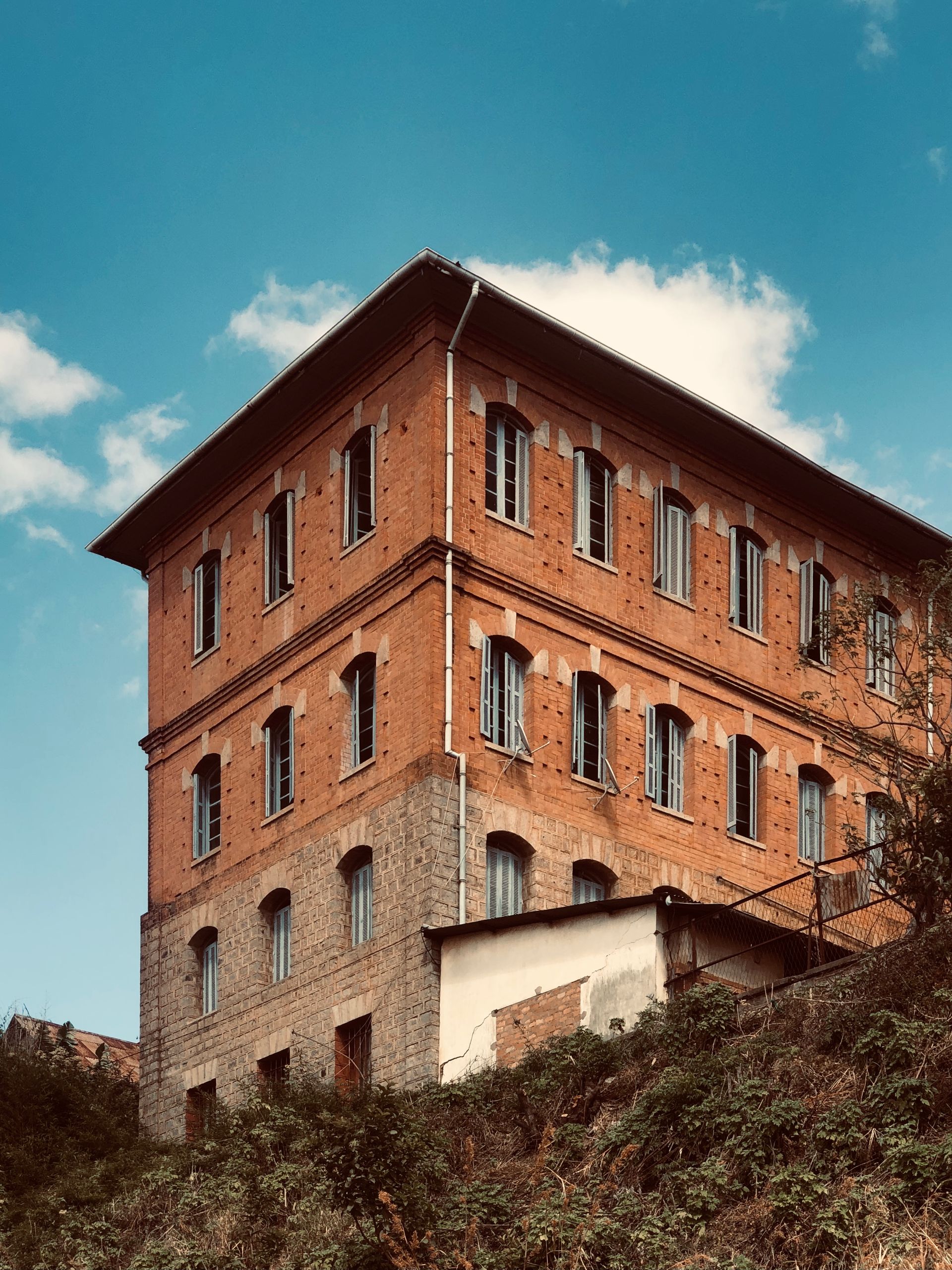
Read the neighbourhoods below as a loose descent from the royal hilltop down to the market valley and out into the modern suburbs. Most visitors base themselves in the upper or middle town for the views, the historic core, and proximity to the main sights, and use taxis to reach the markets and the airport. Whichever base you choose, plan your days by altitude and geography rather than by checklist, because Tana’s steep, congested streets punish back-and-forth crossings.
It helps to remember just how large and concentrated this city is by the standards of the region. Antananarivo and its surrounding agglomeration are home to well over a million and a half people, and the wider capital region is the most densely populated and economically important part of the entire island, which gives even the quietest districts a constant background hum of commerce, movement, and improvisation. The city was founded around 1610 by the Merina king Andrianjaka, who chose the defensible hill of Analamanga and, tradition holds, stationed a thousand soldiers to hold it — hence the name, “City of the Thousand.” That founding logic of height and defence still shapes the map four centuries later: the oldest, grandest quarters sit highest, and the city has grown downward and outward from the royal ridge ever since. Understanding that single fact — that altitude tracks both history and prestige — turns what can feel like a baffling tangle of lanes into a legible, layered place.
A word on practicalities before you choose where to sleep and wander. Distances on a map mean very little here, because the combination of steep gradients, narrow single-lane streets, and chronic congestion can stretch a journey of a couple of kilometres into the better part of an hour at the wrong time of day. The travellers who enjoy Tana most are the ones who cluster their plans by district, walk wherever the terrain allows, and accept that the city sets its own pace. Pickpocketing and bag-snatching are the main day-to-day risks, concentrated in the crowded market valley and after dark, so each neighbourhood entry below flags how alert you should be and how best to arrive.
Haute-Ville (The Upper Town)
The royal heart of Antananarivo, the ridge-top old town that grew up around the Rova and still holds the city’s grandest historic buildings, the Andafiavaratra Palace, fine churches, and the best panoramas over the whole highland sprawl. This is the Tana of the imagination: tall, narrow brick houses with carved wooden balconies leaning over steep cobbled lanes, quiet squares, and views that open at every turn. It is the most atmospheric and walkable part of the city, though the climb is real — come with comfortable shoes and time to linger.
- The Rova (Queen’s Palace) and the royal hill of Analamanga
- The Andafiavaratra Palace and its museum of royal artefacts
- Panoramic viewpoints over the city and the rice plains
What makes the upper town special is that it has never been flattened or modernised away: the brick houses with their fretworked wooden balconies, the steep stone staircases that double as streets, and the 19th-century churches built during the Merina monarchy’s Christian period all survive in something close to their original form. Wandering here in the late afternoon, as the light turns the brick gold and the rice plains below catch the sun, is the defining experience of the city and costs nothing. Give it the better part of a day, take the climbs slowly, and let yourself get lost in the lanes — the views reset at every corner.
Best for: history, photography, walking. Access: a steep climb or short taxi from the centre; staircases connect it to the middle town.
Analakely & the Avenue de l’Indépendance (The Lower Town)
The commercial heart of the city in the valley below, centred on the long colonial spine of the Avenue de l’Indépendance and the market district of Analakely beneath the great twin staircases. This is the busiest, loudest part of Tana: street vendors, the historic Analakely market arcades, shops, and the constant flow of taxi-be minibuses. It is the city at its most energetic and its most chaotic, and the area travellers should be most alert in — the avenue and market are notorious for pickpocketing, especially in crowds.
- The Avenue de l’Indépendance and its colonial arcades
- The Analakely market district and the twin staircases
- Soarano railway station at the head of the avenue
This is where the everyday economic life of the capital concentrates, and where you feel most directly the energy of a city of well over a million people going about its business. The Avenue de l’Indépendance, laid out under French colonial rule and lined with arcaded buildings, runs from the Soarano station down through the valley and is the closest thing Tana has to a grand boulevard. The market district that spills off it is dense, loud, and endlessly photogenic by day — but it is also the area where official travel advice most consistently warns of pickpocketing and bag-snatching in the crowds. Come in daylight, leave the watch and the camera bag at the hotel, carry only what you need, and treat the avenue as a place to experience rather than to linger after dark.
Best for: markets, street life, colonial architecture. Access: central and walkable; watch your belongings and avoid after dark.
Anosy & the Lake District
The administrative quarter around the heart-shaped artificial Lake Anosy, ringed by jacaranda trees that bloom mauve in October and overlooked by the Monument aux Morts war memorial on its island. Many ministries and the city’s larger institutional buildings cluster here, and the lakeside makes one of the more relaxed strolls in the centre, though — as everywhere in Tana — it is best enjoyed in daylight.
- Lake Anosy and the island war memorial
- The jacaranda bloom in spring (October–November)
- The administrative and ministerial district
Best for: a daytime stroll, photography, jacarandas. Access: south of the centre; short taxi ride.
Tsimbazaza & the Botanical Quarter
The leafy district south-west of the centre built around the Tsimbazaza zoological and botanical park, the city’s long-established nature institution and the easiest place in Tana to get a first, gentle look at lemurs and endemic plants without leaving the capital. The surrounding area is quieter and greener than the market valley, and the park itself is a useful primer before you head out to the wild.
- The Tsimbazaza zoological and botanical garden
- Endemic Malagasy flora and a first look at lemurs
- A calmer, greener pocket of the city
Best for: families, a wildlife primer, gardens. Access: south-west of the centre; taxi recommended.
Ivandry, Ankorondrano & the Modern North
The newer, more upmarket business and embassy districts north of the centre, on the road toward the airport, where many of the city’s smarter hotels, shopping centres, restaurants, and corporate offices cluster. It is less historic and less photogenic than the upper town, but it is where travellers who prize comfort, reliable power, and quieter nights tend to stay, and it shortens the morning run to Ivato.
- Modern hotels, malls, and restaurants
- Embassies and corporate offices
- Convenient for the airport road
Best for: comfort, business, airport access. Access: north of the centre, toward Ivato; taxi or hotel transfer.
Ambohimanga & the Royal Hill (Beyond the City)
The sacred royal hill of Ambohimanga, about 20 km north of Tana, is a UNESCO World Heritage Site and the spiritual cradle of the Merina monarchy — the fortified village, royal compound, and burial sites from which the kings who founded Antananarivo came. Strictly a day trip rather than a neighbourhood, it is the single most important historical excursion from the city and pairs naturally with an understanding of the Rova in the upper town.
- The UNESCO-listed royal city of Ambohimanga
- The fortified village and royal compound
- Sacred sites and panoramic highland views
Best for: history, UNESCO sites, half-day trips. Access: ~20 km north; taxi or arranged tour.
How the City Fits Together
It helps to picture Antananarivo as a layered cone. At the summit sits the Rova and the haute-ville, the royal old town with the best views and the densest history; below it the middle town spills down staircases and switchback lanes to the market valley of Analakely and the colonial Avenue de l’Indépendance; and from there the modern city sprawls outward, north toward the airport and the business districts, south toward the lakes and the botanical park. The genius of this layout, and its frustration, is that the historic core is compact and walkable on foot — but the moment you need to cross the city by road, Tana’s steep, congested, often single-lane streets can turn a short hop into a forty-minute crawl. The travellers who enjoy the capital most are the ones who walk the upper town and the staircases where cars cannot easily follow, ride between districts in the quieter middle of the day rather than the morning and evening crush, and treat the city as two days of acclimatisation and atmosphere before the wildlife rather than a checklist to race through. Get the vertical geography into your head on the first day and the rest of the trip flows.
Where to Base Yourself
For a first visit, the upper or middle town is the most rewarding base — it puts the Rova, the historic churches, the viewpoints, and the colonial avenues within walking distance, and the city’s most characterful hotels occupy restored brick houses on the ridges. Travellers who prize comfort, reliable power, and an easier airport run gravitate to the modern northern districts around Ivandry and Ankorondrano, accepting a longer ride into the historic core in exchange for malls, international restaurants, and quieter nights. Whichever base you choose, plan your days by altitude and geography: cluster the upper-town sights together, do the markets and the lake in daylight, and give any out-of-town excursion — Ambohimanga, the Lemurs’ Park, Andasibe — its own half- or full day, so you spend your time among the hills rather than stuck in cross-city traffic. Keep a buffer for the unexpected, because Tana rewards travellers who treat the schedule as a sketch rather than a timetable.
The Food

Antananarivo eats at the crossroads of the Indian Ocean. At its heart is Malagasy highland cooking, built around rice — eaten at virtually every meal and in some of the world’s largest per-capita quantities — zebu (the humped highland cattle), leafy greens, and a fierce chilli-and-ginger condiment called sakay. Layered on top are deep French colonial influences, visible in the bakeries, patisseries, and bistro cooking of the upper town, alongside Chinese, Indian, and Indian Ocean creole flavours. Prices below are indicative and were current at the time of writing; treat them as ranges, not quotes.
The first thing to understand about eating in Tana is the central, almost sacred place of rice. Malagasy people are among the highest per-capita rice consumers on earth, and rice (vary) is not a side dish here but the meal itself — everything else, however delicious, is technically the laoka, the accompaniment that flavours the rice. A Malagasy who has eaten a generous plate of meat and vegetables but no rice will tell you, sincerely, that they have not yet eaten. This single cultural fact explains the shape of almost every plate you will be served: a mound of rice, a smaller serving of stew or greens alongside it, and a little dish of sakay on the table for those who want heat. Lean into it rather than fighting it, and you will eat as the city eats.
The second thing to grasp is how layered the city’s food has become through its history. The French colonial period, which lasted into 1960, left behind not just the croissants and baguettes of the upper-town bakeries but a whole bistro and patisserie culture that the capital has thoroughly made its own — a good Tana boulangerie can hold its own against many in provincial France. The large and long-established Chinese community gave the city soupe chinoise, its beloved noodle soup, along with a repertoire of fried snacks and stir-fries. Indian and Comorian traders contributed samosas (sambos), spiced flavours, and pickles. And from the coasts, several hours away by road, come the seafood, the vanilla, and the tropical fruit that the highland markets pile high. The result is that Antananarivo offers far more variety than its modest size and its reputation as a rice-and-stew town would suggest — you can eat a different cuisine at every meal without leaving the city.
Rice & the National Dishes
Rice (vary) is the foundation of every Malagasy meal, and the classic capital plate pairs it with a hearty stew. Romazava — a beef-and-leafy-greens broth — is widely regarded as the national dish, while ravitoto, pounded cassava leaves cooked with pork, runs it close.
- Romazava — zebu beef simmered with brèdes (leafy greens) over rice, the national dish (Ar 8,000–20,000, ~$2–5)
- Ravitoto sy henakisoa — pounded cassava leaves with pork, a highland favourite (Ar 8,000–20,000, ~$2–5)
- Vary amin’anana — a comforting rice-and-greens porridge eaten any time of day (Ar 4,000–10,000, ~$1–2.50)
Street Food & Snacks
The markets and street corners of Tana fry, grill, and griddle a whole repertoire of cheap snacks, eaten standing up with a glass of sweet tea or fresh fruit juice. They are the most direct way to taste the everyday city.
- Mofo gasy — sweet rice-flour griddle cakes, the classic Malagasy breakfast (Ar 500–2,000, ~$0.10–0.50)
- Koba — a dense rice-flour, peanut, and banana log sliced into rounds (Ar 1,000–3,000, ~$0.25–0.75)
- Sambos & grilled brochettes — samosa-style pastries and zebu skewers from street grills (Ar 1,000–5,000, ~$0.25–1.20)
Beyond Romazava and Ravitoto
The capital’s food goes well past its headline stews, drawing on the island’s coasts, its French inheritance, and its large Chinese and Indian communities.
- Henan’omby ritra — slow-braised zebu beef reduced to a dark, rich stew (Ar 10,000–25,000, ~$2.50–6)
- French patisserie & baguettes — the colonial legacy, excellent in the upper town (Ar 1,000–8,000, ~$0.25–2)
- Soupe chinoise — the beloved Tana noodle soup, a Chinese-Malagasy staple (Ar 6,000–15,000, ~$1.50–3.50)
- Achard & sakay — pickled vegetables and the fiery chilli condiment that accompanies everything (Ar 500–3,000, ~$0.10–0.75)
Food Experiences You Can’t Miss
- A market breakfast of hot mofo gasy and sweet milky tea from a street griddle in Analakely
- A proper sit-down plate of romazava or ravitoto over mountains of rice at a local hotely (eatery)
- A French-influenced dinner in a restored upper-town brick house, the city’s most atmospheric dining
Where the Island Meets the Highlands: Understanding Tana’s Plate
To eat well in Antananarivo is to read the city’s position at the meeting point of Africa, Asia, and the Indian Ocean. From the highlands themselves come the rice and zebu that anchor every plate; from the French came the bread, the patisserie, and the bistro habit that gives the upper town its cafes; from the Chinese and Indian communities came the noodle soups, the sambos, and a whole layer of fried-snack culture; and from the coasts come the seafood, the vanilla, and the tropical fruit that find their way up to the capital’s markets. The smartest approach is to treat each meal as a chance to taste a different layer rather than chasing one definitive Tana dish. A market mofo gasy breakfast, a romazava lunch at a hotely, and a French-influenced dinner in the upper town will travel you across the whole Malagasy food map in a single day. The city rewards curiosity over caution: the most memorable meals are rarely in hotel dining rooms but in the small hotely eateries and market grills where a single dish has been cooked the same way for generations. Ask what is good, share plates, and do not let the international restaurants of the smart northern districts convince you that you have seen the city’s food.
One practical note on prices and value: nearly everything in this section costs a fraction of what comparable food would in a Western capital, which means the usual budgeting instinct — trading down to save money — rarely applies. The best rice plates, the best street snacks, and the best romazava are cheap precisely because they are everyday food made at volume by specialists, so chase reputation and queues rather than price. Where you do spend more — a French dinner, a heritage-hotel meal — you are paying for the setting and the service as much as the cooking. If you are nervous about street food on a first trip, start with hot, freshly griddled items like mofo gasy and grilled brochettes cooked to order in front of you, drink only sealed or boiled drinks, and ease into the markets over your first couple of days rather than diving in on arrival.
A Day of Eating, Hour by Hour
Start the morning with hot mofo gasy and sweet milky tea from a street griddle, eaten standing up as the markets come to life. Move into a mid-morning snack of koba or a sambos from a corner vendor. Lunch is the moment for the national dishes — a plate of romazava or ravitoto over rice at a busy hotely, the cheapest and most genuinely Malagasy meal you can order. Take an afternoon break with fresh tropical fruit or a French patisserie and a coffee in the upper town, then return after dark to a restored brick-house restaurant for a French-influenced dinner, or to a local spot for henan’omby ritra and a Three Horses Beer (THB), the ubiquitous national lager. This rhythm spaces out the rich food and keeps you eating where each part of the city does its best work.
Drinks, Vanilla & the Sweet Tradition
Madagascar is one of the world’s great vanilla producers, and the bean turns up in everything from ice cream to the local rum. The everyday drink is sweet, milky tea or strong French-style coffee; the national beer is the ubiquitous Three Horses Beer (THB); and the local spirit is rhum arrangé, rum steeped with vanilla, fruit, and spices, served as a digestif. Fresh tropical fruit juices — lychee, tamarind, mango, passionfruit — are abundant and cheap, and the markets pile high with seasonal produce from the highlands and the coasts.
Where to Eat: Hotely, Markets, and the Upper Town
The cheapest and most genuinely Malagasy food in the city comes from the hotely — small, no-frills eateries, often little more than a counter and a few benches, that serve a rotating handful of stews over rice for a couple of dollars. These are where ordinary Tana eats lunch, and a busy hotely with a queue and high turnover is both the most authentic and the safest place to try the national dishes. The markets layer street food on top: griddle stalls turning out mofo gasy at dawn, vendors slicing koba, grills sending up the smoke of zebu brochettes. At the other end of the spectrum, the upper town and the smarter northern districts hold the city’s restaurants proper — restored brick houses with terraces and city views serving French-influenced cooking, and a handful of genuinely refined kitchens. A first-time visitor does well to spread their meals across all three registers rather than retreating to hotel dining rooms, which are reliably comfortable but rarely tell you anything about the city.
Tipping and etiquette are gentle here. A service charge is sometimes included at smarter restaurants; where it is not, rounding up or leaving five to ten percent is appreciated rather than expected, and at a hotely it is unnecessary. Meals are unhurried and sociable, plates are often shared, and eating with the right hand — or with a spoon — is normal. Lunch is the main hot meal of the day for many locals, which is why the hotely are busiest at midday and why a long, rice-heavy lunch followed by a lighter evening is a sensible rhythm for visitors too.
Vegetarian & Dietary Notes
Antananarivo is easier for vegetarians than its meat-heavy reputation suggests, because rice and greens form the backbone of the diet: vary amin’anana, brèdes, and vegetable achards are everywhere, and most stews can be found in vegetable versions. Vegans should watch for the pork and beef fat used to cook many greens; ask. Beware that water and unpeeled raw produce are the main risks rather than the cooked food itself. Stick to sealed bottled or boiled water, peel your own fruit, and favour hot food cooked to order.
Cultural Sights

Antananarivo’s cultural sights are overwhelmingly the legacy of the Merina monarchy that founded and ruled the city from the 17th century until the French abolished the kingdom at the end of the 19th, layered over with the churches and public buildings of the colonial period that followed. The result is a compact, walkable concentration of history on and around the royal ridge: a palace complex on the highest hill, a prime minister’s palace just below it, the stone churches of the monarchy’s Christian era, and the colonial avenues and markets in the valley. Almost all of it can be seen on foot over a day or two if you base yourself in the upper or middle town, and the single most important historical site of all — the sacred royal hill of Ambohimanga — sits a short drive to the north. Most monuments charge a modest foreign-visitor entry fee payable in cash; budget small notes and pair the ticketed sights with the free pleasure of wandering the ridge-top lanes.
The Rova (Queen’s Palace, Manjakamiadana)
The fortified royal palace complex that crowns Antananarivo’s highest hill at around 1,480 metres, home to the sovereigns of the Kingdom of Imerina and later the unified Kingdom of Madagascar, and visible from almost anywhere in the city. Gutted by fire in 1995 and the subject of a long restoration, it remains the single most important historic site in Tana, with sweeping views over the highland sprawl. Admission charged for foreign visitors; come for the views and the royal history.
The Andafiavaratra Palace
The grand pink palace just below the Rova, former residence of the powerful 19th-century prime minister Rainilaiarivony — the statesman who married three successive queens and effectively ran the kingdom for over thirty years — now a museum housing royal artefacts, many of them rescued from the 1995 Rova fire. Its collection of regalia, portraits, furniture, and ceremonial objects is the best place in the city to understand the Merina court at the height of its power, in the decades before the French annexation. The building itself, with its baroque flourishes and commanding position, tells you a good deal about the wealth and ambition of the 19th-century kingdom. Admission charged; it pairs naturally with a visit to the Rova next door, and seeing the two together gives the clearest possible picture of how the monarchy lived and ruled.
Lake Anosy & the Monument aux Morts
The heart-shaped artificial lake in the administrative quarter, ringed by jacaranda trees and overlooked by a war memorial on a central island. It is one of the city’s most recognisable landmarks and an easy, photogenic daytime stroll, at its best when the jacarandas bloom mauve in October and November.
Tsimbazaza Zoological & Botanical Park
The capital’s long-established nature park, the easiest place in Tana to see lemurs, endemic plants, and a museum of Malagasy natural history without leaving the city — a useful primer before heading out to the wild. Admission charged.
The Analakely Market & Avenue de l’Indépendance
The bustling commercial spine of the lower town, where the colonial arcades of the avenue meet the sprawling market district beneath the twin staircases. The avenue itself, laid out under French rule and running from the Soarano station down through the valley, is the grandest piece of colonial urbanism in the city, and the market that spills off it has been the trading heart of the capital for generations. It is Tana at its most energetic and most photogenic — a place for street life, colour, and people-watching by day — but also the area where official travel advice most consistently warns of pickpocketing in the crowds, so come in daylight, carry little, and keep belongings close.
The Upper-Town Churches & Colonial Architecture
The haute-ville is studded with 19th-century stone churches built during the Merina monarchy’s Christian period, when the court adopted Christianity and a wave of church-building followed, alongside the brick-and-balcony houses and French colonial public buildings that give the old town its distinctive skyline. Several of these churches mark the sites where early Malagasy Christians were martyred, lending them a significance well beyond the architectural. Wandering the ridge-top lanes between them, with the views opening at every turn and the brick glowing in the late light, is the best free experience in the city — no ticket, no queue, just the layered history of the capital laid out underfoot. Allow an unhurried afternoon and let the route find itself.
Ambohimanga (UNESCO Royal Hill)
The sacred fortified royal city about 20 km north of Tana, a UNESCO World Heritage Site and the spiritual cradle of the Merina monarchy — the village, royal compound, and burial sites from which the founders of Antananarivo came. A half-day excursion and the most important historical site in the region.
Entertainment

Entertainment in Antananarivo is more intimate and more improvised than in a big international city, and all the better for it. There are no sprawling clubbing districts or marquee venues; instead the city’s evening life happens in restaurant-bars, cultural centres, and on the streets and markets themselves, and the best of it — live Malagasy music, the extraordinary hira gasy folk spectacle, a programme of films and concerts at the French institute — rewards a little planning and a willingness to ask around. As the capital and cultural heart of the island, Tana draws the country’s best musicians and hosts its most reliable schedule of events, but programmes are informal and word-of-mouth, so your hotel and a reputable local contact are your best sources. The one firm rule applies after dark everywhere: arrange your transport in advance and do not walk back at night.
Live Malagasy Music
Antananarivo is the centre of Malagasy popular music, from the highland salegy and hira gasy traditions to contemporary bands, and the city’s restaurant-bars and cultural venues regularly host live sets. Malagasy music is one of the genuine cultural treasures of the Indian Ocean — melodic, rhythmically intricate, and shaped by influences from Africa, Indonesia, and Europe — and hearing it played live in a small Tana bar, where the crowd knows every song, is one of the great evening pleasures of the capital. Typical cost is a drink minimum or a modest cover. Ask your hotel what is on; programmes are informal and word-of-mouth, and the best nights are often unadvertised.
Hira Gasy Folk Spectacle
The hira gasy is a uniquely Malagasy performance art and one of the most distinctive things you can witness anywhere on the island — troupes in elaborate 19th-century costume combining music, dance, and, above all, kabary, the highly stylised art of oratory, in day-long open-air spectacles. Rooted in the highland traditions of the Merina, a hira gasy is part concert, part theatre, part moral debate, with rival troupes competing in eloquence and crowd appeal before an audience that follows every flourish. They take place especially around the capital on Sundays and at festivals, and catching one is a window into a living tradition that has changed remarkably little in a century and a half. Typical cost is low, or free for public performances; ask locally about where and when.
Cultural Centres & Cinema
The French-backed Institut Français de Madagascar and other cultural centres in the capital run a steady programme of concerts, film screenings, exhibitions, and theatre, and are among the most reliable places in the city to find scheduled evening events with fixed times and ticketing — a welcome contrast to the word-of-mouth music scene. They are also a good way to encounter contemporary Malagasy art, film, and writing alongside French and international work, and their cafes and courtyards are pleasant, safe places to spend an evening. Check their current programmes online or by phone; typical cost ranges from free to modest.
Upper-Town Bars & Restaurants
The restored brick houses of the haute-ville and the smarter northern districts hold the city’s most atmospheric bars and restaurants, many with terraces and city views, pouring THB beer and rhum arrangé. Typical cost Ar 5,000–25,000 (~$1.20–6) for drinks.
Markets as Theatre
By day, the great open-air markets — and the artisan and craft markets on the city’s edges — are entertainment in themselves, with woodcarving, raffia and silk weaving, and Malagasy crafts to browse. Typical cost free to browse; bargain for purchases.
Festivals & Seasonal Events
The city’s calendar turns around events like the Donia and other Malagasy music festivals (regional), Independence Day on 26 June — when the capital fills with parades, music, and celebration — and, most remarkably, the famadihana, the “turning of the bones” reburial ceremonies of the highlands. Held in the cooler winter months, the famadihana sees families exhume their ancestors, rewrap them in fresh silk shrouds, and dance with the remains in a joyful celebration of kinship and continuity — an expression of the profound Malagasy reverence for ancestors. It is strictly by invitation and demands the greatest respect; never treat it as a spectacle. Typical cost varies, and the most meaningful events are not ticketed at all.
Day Trips

For most travellers, the day trips are the real reason Antananarivo is on the itinerary at all: the capital is the launch pad for Madagascar’s astonishing endemic wildlife, almost all of which — the lemurs above all — exists nowhere else on earth. The island split from the African mainland tens of millions of years ago and evolved in isolation, producing a flora and fauna so distinctive that biologists sometimes call it the eighth continent. From Tana you can reach a gentle introduction to lemurs in under an hour, the country’s most popular rainforest park in three to four, and the UNESCO royal hill of Ambohimanga in well under one. The golden rule is to match the trip to the time you have: the half-day excursions slot easily around a city base, while the serious wildlife parks deserve an overnight, because the best lemur activity is at dawn and dusk and the drives are long. Arrange everything through a reputable operator in the capital, where permits, guides, and transport are organised.
Lemurs’ Park (1 hour by car)
A private 40-hectare reserve on the western edge of the capital where nine lemur species move freely through endemic vegetation — the gentlest, closest introduction to lemurs within easy reach of the city, ideal for a first half-day and for families. Guided walks bring you within metres of the animals.
Andasibe-Mantadia National Park (3–4 hours by car)
The most popular wildlife excursion from Tana, an eastern rainforest park famous for the indri — the largest living lemur, known for its haunting, whale-like territorial song — alongside diademed sifakas and bamboo lemurs across eleven lemur species. Best experienced as an overnight rather than a rushed day trip: the indri call at dawn, drifting through the rainforest canopy, is one of the most extraordinary sounds in the natural world, and you want to be in the forest early to hear and find them. An overnight also lets you walk the trails at dusk for nocturnal species and visit the nearby community reserves.
Ambohimanga Royal Hill (45 minutes by car)
The UNESCO-listed sacred royal city north of Tana, the cradle of the Merina monarchy, with its fortified village, royal compound, sacred sites, and panoramic highland views. Still a place of pilgrimage and reverence for many Malagasy, it remains spiritually charged in a way the restored Rova in the city no longer quite is, and visiting it deepens everything you will have seen on the royal ridge. It is the single most rewarding historical day trip from the capital, and an easy half-day.
Lake Mantasoa (2 hours by car)
A large highland reservoir east of the city set among pine forests and rolling hills, a popular weekend escape from Tana for boating, walking, and lakeside lodges — a green, cooler counterpoint to the busy capital. The dammed lake was created in the 19th century under the Merina prime minister Jean Laborde, who built an industrial complex here, and today its pine-fringed shores and cool air make it a favourite escape for residents of the capital seeking quiet and fresh air at weekends.
Antsirabe & the Highland Road (3 hours by car)
The spa town of Antsirabe to the south, reached along the scenic highland RN7, is famous for its colourful pousse-pousse (rickshaws), thermal springs, and craft workshops — a classic first stop on the overland route toward the southern parks and a window into highland life.
Seasonal Guide
Antananarivo’s climate is shaped by its altitude rather than its tropical latitude: at around 1,280 metres above sea level the capital is markedly cooler and milder than the coasts, with two clear seasons — a cool, dry winter and a warm, wet summer — rather than the steamy heat first-time visitors often expect. The broad rule is simple: the dry season from roughly April to October is the prime window for the city and for the wildlife beyond it, with clear highland skies, comfortable days, and good road conditions, while the wet season from December to February brings heavy afternoon downpours, harder road access, and the island’s cyclone season on the coasts. Whatever the month, pack warm layers for the cold dry-season nights and a rain shell for the wet, because the highland weather swings more than the latitude suggests.
Spring (March – May)
The tail of the rains gives way to the cool, clear dry season. By April and May the highland skies clear, the landscape is lush and green, and daytime temperatures are mild — one of the best windows of the year for the city and for heading out to the parks.
Winter (June – August)
The heart of the cool, dry season and the peak travel window. Days are crisp and sunny, nights at altitude can drop close to 10°C (bring a warm layer), and the dry roads and clear skies make this the prime time for wildlife and overland travel, which is also why it is the busiest and priciest window — book lodges and drivers well ahead. Independence Day on 26 June fills the capital with parades, music, and celebration, a vivid time to be in the city if you do not mind the crowds. The cold nights catch many visitors out, so pack a genuinely warm layer for evenings at altitude.
Spring/Dry-season end (September – November)
Still dry and increasingly warm, with the jacarandas blooming mauve around Lake Anosy in October and November. A lovely, photogenic time in the city before the rains return, and good for the parks before the wet sets in. October is often singled out as one of the most beautiful months in the capital, with the jacaranda haze over Lake Anosy and warm, settled days that have not yet tipped into the humidity of the rains. It is also a strong window for wildlife, as many lemur species are active and some are carrying or rearing young.
Summer (December – February)
The warm, wet season: short, heavy afternoon downpours, humid heat in the lowlands (milder at Tana’s altitude), and the island’s cyclone season on the coasts. Travel is cheaper and the highlands are green, but roads can wash out and some parks become hard to reach — build in flexibility.
Getting Around
Getting around Antananarivo is, frankly, the hardest part of visiting it, and the sooner you make peace with that the more you will enjoy the city. There is no metro, no commuter rail, and no ride-hailing infrastructure of the kind found in larger capitals; instead you have shared minibuses for those on a tight budget and travelling with a local, unmetered taxis for everyone else, and your own two feet for the historic core. The terrain compounds the difficulty: the city climbs steep hills on narrow, often single-lane streets, and traffic at the morning and evening peaks can be punishing, so distances on a map bear little relation to journey times. The practical upshot is that most visitors walk the upper town, hire a trusted taxi or a car and driver for everything else, travel in the calmer middle of the day where they can, and never assume a short hop will be quick. Below is how each option works.
Taxi-be (Shared Minibuses)
The taxi-be — battered shared minibuses that grind along fixed routes — are the backbone of public transport in Tana and astonishingly cheap, with short hops costing around 500–600 ariary. They are crowded, slow, and unmarked for outsiders, and pickpocketing is a risk, so most visitors use them only with a local guide rather than as their main way around.
Rail
Madagascar’s railways are limited and largely freight or regional; the historic Soarano station at the head of the Avenue de l’Indépendance is more a landmark than a working passenger hub for visitors. There is no commuter rail or metro in the capital, so do not plan around trains for getting around the city.
Walking the Upper Town
The historic core — the haute-ville, the staircases, and the upper-town lanes — is best explored on foot, and walking is genuinely the most rewarding way to see it, since cars cannot easily follow the staircases and narrow lanes where the city is at its most atmospheric. Many of the connections between the upper and middle town are flights of stone steps rather than roads, so a fit walker can often beat a taxi between two upper-town points. The climbs are steep and the cobbles uneven, though, so wear sturdy shoes, carry water, pace yourself in the altitude, and keep valuables out of sight. Stick to daylight and busier streets, and if in doubt about a quiet lane, turn back.
Airport Access
- Pre-arranged hotel transfer from Ivato (TNR) — 30–60 minutes, ~Ar 60,000–120,000 (~$15–30)
- Airport taxi from the Ivato rank — 30–60 minutes depending on traffic, agree the fare before you get in
Taxis
City taxis are mostly old, cream-coloured Renaults and 2CVs with no meters — always agree the fare before you set off, and ask your hotel for the going rate. Flag-fall is informal and negotiable. Use hotel-recommended drivers, especially at night, when taxis are the only sensible way to move around.
Navigation Tips
Apps: Google Maps, Maps.me (offline). Download offline maps before you arrive, since data can be patchy, and save your destination plus a nearby landmark in French or Malagasy to show drivers, because street addressing is informal and many drivers navigate by landmark rather than by address. Allow far more time than the map distance suggests — Tana’s traffic is severe and its hills slow everything down — and try to schedule cross-city journeys outside the morning and evening peaks, when the single-lane streets seize up almost completely. A local driver who knows the back lanes is worth a great deal at rush hour, and a little patience and good humour go a long way when the city sets its own unhurried pace.
Budget Breakdown: Making Your Ariary Count
Antananarivo is genuinely inexpensive by Western standards for the things produced and consumed locally — food, local transport, and museum entries cost very little — but the overall shape of a Madagascar trip budget is unusual, because the single biggest cost for most visitors is not accommodation or food but the car and driver that you need both to move safely around the congested capital and, far more significantly, to reach the wildlife parks that are the reason most people come. The currency is the ariary (MGA), which trades at roughly 4,200 to the US dollar at the consular rate, and the country runs overwhelmingly on cash. The tiers below cover daily spending in the city itself; budget the multi-day park excursions, with their guides, permits, transport, and lodges, as a separate line, because they can easily double a daily figure and are where the real money goes.
| Tier | Daily | Sleep | Eat | Transport | Activities | Extras |
|---|---|---|---|---|---|---|
| Budget | ~$20–40 | $8–20 guesthouse | $5–10 hotely | $2–6 taxi-be/taxi | $3–8 entries | $2–5 water, SIM |
| Mid-Range | ~$60–130 | $30–70 hotel | $15–35 restaurants | $15–30 driver | $10–25 guided | $5–15 sundries |
| Luxury | ~$200+ | $120+ boutique | $50+ fine dining | $50+ private car | $40+ tours | $20+ extras |
Where Your Money Goes
Tana is inexpensive by Western standards: food, local transport, and entries cost little, and the biggest line item for most travellers is a car and driver, since this is how you both move safely around the city and reach the wildlife beyond it. Imported goods and international-standard hotels are the exceptions that cost closer to global prices. Budget separately for the guided day trips and overnight excursions that are the real reason most people come. A useful way to think about it: your in-city daily spend will likely be modest and easy to control, while the wildlife logistics — driver, fuel, guides, park permits, and lodges — are a larger, lumpier cost that you arrange as a package rather than day by day. Travellers who underestimate this part of the budget, or who try to cut it too hard, are the ones most likely to come away disappointed, because it is precisely the parks and the lemurs that justify the long journey to Madagascar in the first place.
Money-Saving Tips
- Eat at local hotely eateries and markets, where a full rice plate costs a couple of dollars
- Agree taxi fares in advance and share a driver with other travellers for day trips
- Carry cash in ariary — cards are rarely accepted outside upscale hotels, and ATMs cap withdrawals
- Walk the upper town and historic core, which costs nothing and is the best of the city
- Book guides, permits, and transport through a single reputable operator to avoid paying twice
A Note on Value
The instinct that serves travellers well in Tana is not to economise on the everyday — the cheap food and local transport are also the best and most authentic — but to spend deliberately where it counts: a reliable, English- or French-speaking driver-guide, well-run park lodges, and the entry fees and permits that fund conservation. Skimping on the wildlife logistics, in particular, is a false economy, because a bad operator can waste the very days you came for. Change enough cash for each stage in advance, keep a reserve of small ariary notes for fees and tips, and treat cards and ATMs as a backup rather than a plan.
Practical Tips
A handful of practical realities shape every trip to Antananarivo, and getting them right in advance makes the difference between a smooth visit and a frustrating one. The city runs on cash, not cards; it speaks Malagasy and French rather than English; it sits high enough to be genuinely cold at night despite its tropical latitude; and it asks for sensible, low-profile caution rather than anxiety. Layered on top are the formalities of the wider trip — visas, vaccinations, malaria advice, and travel insurance covering medical evacuation, which matters more here than in most destinations given the remoteness of the parks. None of this is onerous, but all of it benefits from being sorted before you fly. The notes below cover the essentials; always check current official government travel and health advice close to your departure, as fees, requirements, and the political situation can change.
Language
Malagasy and French are both official languages, and French is widely used in business, government, and tourism, so a little French goes a long way in Tana. English is limited outside upscale hotels and tour operators. A few Malagasy greetings (manao ahoana, misaotra for thank you) are warmly received; carry a translation app and your destination written down for drivers.
Cash vs. Cards
Madagascar is overwhelmingly a cash economy. The ariary (MGA) is the currency, trading at roughly 4,200 to the US dollar at the consular rate; carry cash for almost everything, as cards are accepted only at larger hotels and a few restaurants. ATMs exist in the city but cap withdrawals and can be unreliable, so change money at banks or licensed exchanges and keep small notes.
Safety
Exercise increased caution. The US State Department rates Madagascar Level 2, and violent crime including armed robbery occurs, with petty crime — pickpocketing and bag-snatching — common in crowded areas such as the Avenue de l’Indépendance and Analakely market. Avoid walking after dark, keep valuables out of sight, use hotel-recommended taxis at night, and check current government travel advice before you go, as the political situation can change.
What to Wear
Tana sits at altitude, so it is cooler than visitors expect: pack layers, including a warm fleece or jacket for the dry-season nights (June–August), plus a rain layer for the wet season. Dress modestly and unflashily in the city, leave expensive jewellery and watches at home, and bring sturdy shoes for the steep, uneven streets and the parks.
Cultural Etiquette
Malagasy culture places great weight on fihavanana (kinship and social harmony) and on respect for ancestors. Be aware of fady (local taboos), which vary by region and can govern behaviour at sacred sites and tombs; ask before photographing people, tombs, or ceremonies, and treat the famadihana reburial rites, if you are fortunate enough to be invited, with great respect.
Connectivity
Local SIM cards (Telma, Orange, Airtel) are cheap and easy to buy with a passport, and 4G covers the capital reasonably well, though it thins out fast in rural areas. Buy a SIM at the airport or in the city, download offline maps, and expect power cuts — carry a power bank.
Health & Medications
Check current vaccination advice well before travel and discuss malaria prophylaxis with a travel clinic, as risk exists in much of the country (lower at Tana’s altitude). Drink only sealed or boiled water, bring any prescription medication with you, and carry a basic first-aid and rehydration kit. Travel insurance covering medical evacuation is strongly advised.
Luggage & Storage
Most hotels will store luggage for guests heading out on multi-day park excursions, which is the norm here — ask your hotel to hold your main bag while you travel light to Andasibe or the south. Left-luggage facilities are otherwise scarce, so plan around your accommodation.
Frequently Asked Questions
How many days do I need in Antananarivo?
Two full days is the realistic minimum for the city itself: one for the upper town and the Rova with its panoramas, plus the lake and the colonial avenues, and one for the markets and a first lemur encounter at Tsimbazaza or the Lemurs’ Park. Most travellers then use Tana as a launch pad, adding several more days for the wildlife — Andasibe’s indri to the east is the most popular first trip. Build in a buffer day for the city’s slow traffic and for organising onward travel.
Is Antananarivo good for solo travellers?
It can be, with sensible caution. The historic upper town is rewarding to explore on foot by day, English is limited so some French helps, and reputable tour operators make it easy to arrange guided trips. Petty crime — pickpocketing and bag-snatching — is the main risk, concentrated in crowded markets and after dark, so avoid walking at night, use hotel taxis, and keep valuables hidden. Solo women travel here with extra care, particularly in the evenings.
Do I need to pay entry fees at the sights?
Yes. The main monuments — the Rova, the Andafiavaratra Palace, Tsimbazaza, the Lemurs’ Park, and the national parks — each charge a foreign-visitor entry fee, usually modest by Western standards and payable in cash (ariary). Carry small notes, budget for the fees in advance, and balance the ticketed sights with the free pleasures of wandering the upper town and the markets.
What about the language barrier?
It is real but manageable. Malagasy and French are the official languages, and French is widely spoken in tourism and business, so a little French goes a long way; English is limited outside upscale hotels and operators. Learn a few Malagasy greetings, carry a translation app, and write your destination plus a nearby landmark down to show taxi drivers, since street addressing is informal.
When is the best time to visit?
April to October — the cool, dry season — is the prime window, with clear highland skies, comfortable days, and the best conditions for wildlife and overland travel; the jacarandas bloom around Lake Anosy in October and November. The warm, wet season from December to February brings heavy afternoon rain and the island’s cyclone season on the coasts, with cheaper travel but harder road access. Pack warm layers, as dry-season nights at altitude are cold.
Can I use credit cards everywhere?
No — Madagascar is overwhelmingly a cash economy. Cards are accepted only at larger hotels and a handful of restaurants, while taxis, markets, hotely eateries, and most shops want cash in ariary. Carry enough small notes for the day, change money at banks or licensed exchanges, and treat ATMs as a backup rather than a reliable source, since they cap withdrawals and can be out of service.
How do I get from the airport into the city?
Ivato International Airport sits about 16 km north-west of the centre, and the drive takes 30–60 minutes depending on traffic. The simplest and safest options are a pre-arranged hotel transfer or a taxi from the airport rank with the fare agreed before you set off, roughly Ar 60,000–120,000 (~$15–30). There is no airport train or metro. Change a little cash and buy a SIM in the terminal, and confirm any pickup with your hotel in advance.
Do I need a visa, and how do I get one?
Most nationalities need a visa, available on arrival at Ivato or in advance as an e-visa. Expect to pay around €30 (about US$35) for stays up to 15 days, with higher fees for 30-, 60-, and 90-day stays, payable in ariary, euros, or US dollars. Check the latest fees and eligibility on the official Madagascar e-visa portal before you fly, as the rules changed recently, and have the cash ready on arrival.
Is Antananarivo a good base for seeing lemurs?
Yes — it is the main gateway to Madagascar’s wildlife. The Lemurs’ Park on the city’s western edge offers a gentle first encounter within an hour’s drive, and Andasibe-Mantadia National Park, three to four hours east, is the most popular trip for seeing the indri and other rainforest lemurs in the wild. Almost every wildlife itinerary on the island is organised, permitted, and provisioned from Tana, so allow time in the city to arrange it through a reputable operator. Bear in mind that Madagascar’s lemurs — roughly a hundred or more species, all of them endemic — are concentrated in protected forests that take time to reach, so the more lemur diversity you want to see, the more days you should budget beyond the capital. A first-timer with limited time can still have a genuinely memorable encounter on a single overnight to Andasibe, while a dedicated wildlife traveller might spend a fortnight working south and never run out of new species. Either way, Tana is where it all begins.
Ready to Experience Antananarivo?
Tana rewards travellers who slow down, look up, and take the city two days at a time before chasing the lemurs. Its royal hilltop Rova, its colonial avenues and markets, and its role as the front door to every wildlife trip in Madagascar make it both an atmospheric destination in its own right and the natural launch point for the rainforests and baobab roads beyond. For the full country context — visa rules, regional routes, park seasons, and the bigger picture — read the Madagascar Travel Guide before booking. Give the capital at least two full days, time your visit to the cool dry season for clear highland skies, and arrange any wildlife excursion through a reputable operator.
Explore More City Guides
Where to stay: characterful brick-house stays in the historic upper town, comfortable mid-range and business hotels in the modern northern districts, and easy airport options near Ivato.
- Zanzibar City Guide — the Indian Ocean spice island off Tanzania, a classic beach pairing with a Madagascar trip
- Nairobi City Guide — East Africa’s safari hub and a major air gateway for onward connections from Tana
- Cape Town City Guide — South Africa’s mountain-and-sea city, another anchor on a wider southern-Africa itinerary
- Madagascar Country Guide — national context for visas, regional routes, park seasons, and the bigger cultural picture
- All City Guides
More city guides you might like
Plan your trip to Antananarivo
The booking tools we use ourselves. FFU may earn a commission at no extra cost to you.