
City Guide · Provincia de Panamá · Panama
Panama City, Panama: Glass-Tower Skyline, the UNESCO Casco Viejo & the Canal That Built a Capital
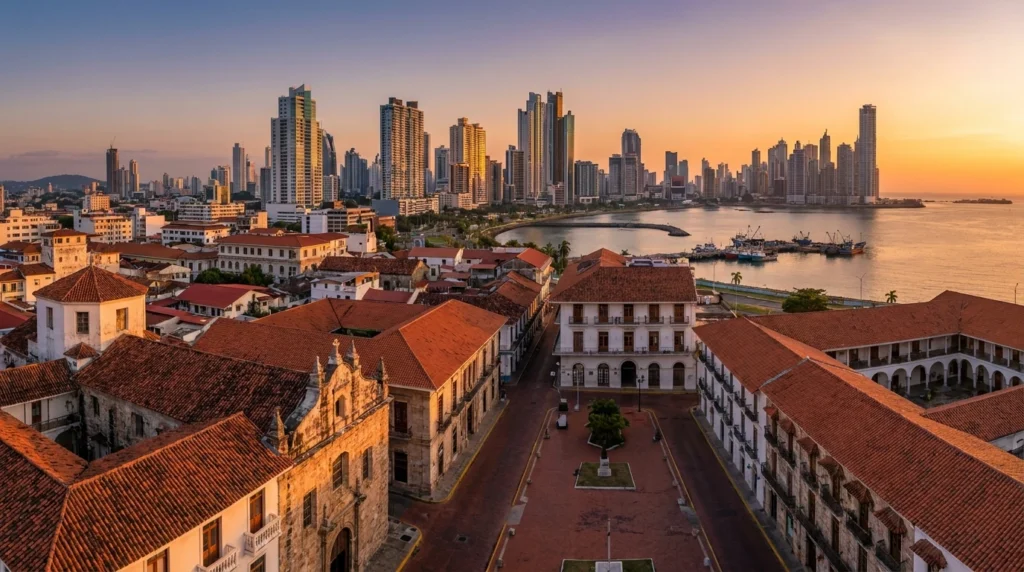
I came to Panama City expecting a stopover and stayed a week, because no other capital in the Americas packs so many contradictions into one skyline view. From a rooftop in the colonial quarter you can see a wall of Dubai-style glass towers, a 16th-century cathedral, and ships queuing for the Panama Canal — all in one frame. The city was founded by the Spanish on 15 August 1519, the first European city on the Pacific coast of the Americas , and today its metropolitan area holds roughly 2.1 million people. Its historic core, the Casco Viejo (or Casco Antiguo), was rebuilt in 1673 after the privateer Henry Morgan torched the original settlement, and it was inscribed on the UNESCO World Heritage list in 1997. The canal that gives the city its global weight opened in 1914 and still moves more than 11,000 ships a year across the 80-kilometre cut between two oceans. The currency is the US dollar (locally the balboa, pegged 1:1), so North American travellers skip the exchange-desk maths entirely. Treat this guide as the brief I would hand my own family before they flew into Tocumen — and for the wider country frame read it alongside our Panama country guide.

Table of Contents
Why Panama City?
Panama City is the only capital in the Americas where you can watch a Neopanamax container ship climb the Miraflores Locks in the morning, wander a UNESCO colonial quarter of restored 17th-century townhouses at lunch, and drink a cocktail in a rooftop bar wrapped in glass skyscrapers by night — all within twenty minutes of each other. The Spanish founded the city on 15 August 1519 as the first European settlement on the Pacific coast of the Americas, and used it as the staging point for the conquest of Peru and the silver trade that flowed back across the isthmus. When the Welsh privateer Henry Morgan sacked and burned the original city in 1671, the survivors rebuilt two years later on a defensible peninsula a few kilometres west — the Casco Viejo, completed and settled in 1673, that today carries the UNESCO listing.
The city wears three identities at once. It is a colonial port — the ruins of the original Panamá Viejo and the restored Casco Antiguo were jointly inscribed by UNESCO, first listed in 1997. It is a global trade hub — the Panama Canal opened in 1914, was widened with the Cocolí and Agua Clara locks in 2016, and carried 11,240 ship transits in 2024, funnelling the dollar economy that built the skyline. And it is a 21st-century financial capital — the towers of the banking district along Avenida Balboa and Punta Pacifica have earned it the “Dubai of the Americas” tag, and the US dollar circulates as everyday cash.
What guidebooks under-rate is how easy the city is to navigate. A clean, air-conditioned metro — the first in Central America, opened in 2014 — links the airport corridor, the old transport terminal at Albrook and the city centre for a flat 35-cent fare. Tocumen International Airport sits about 21 kilometres east of downtown, a 25-to-30-minute taxi away , and the rainforest of Soberanía National Park is barely 35 minutes from the glass towers.

Neighborhoods: Finding Your Panama City
📍 Panama City Map: Every Place in This Guide
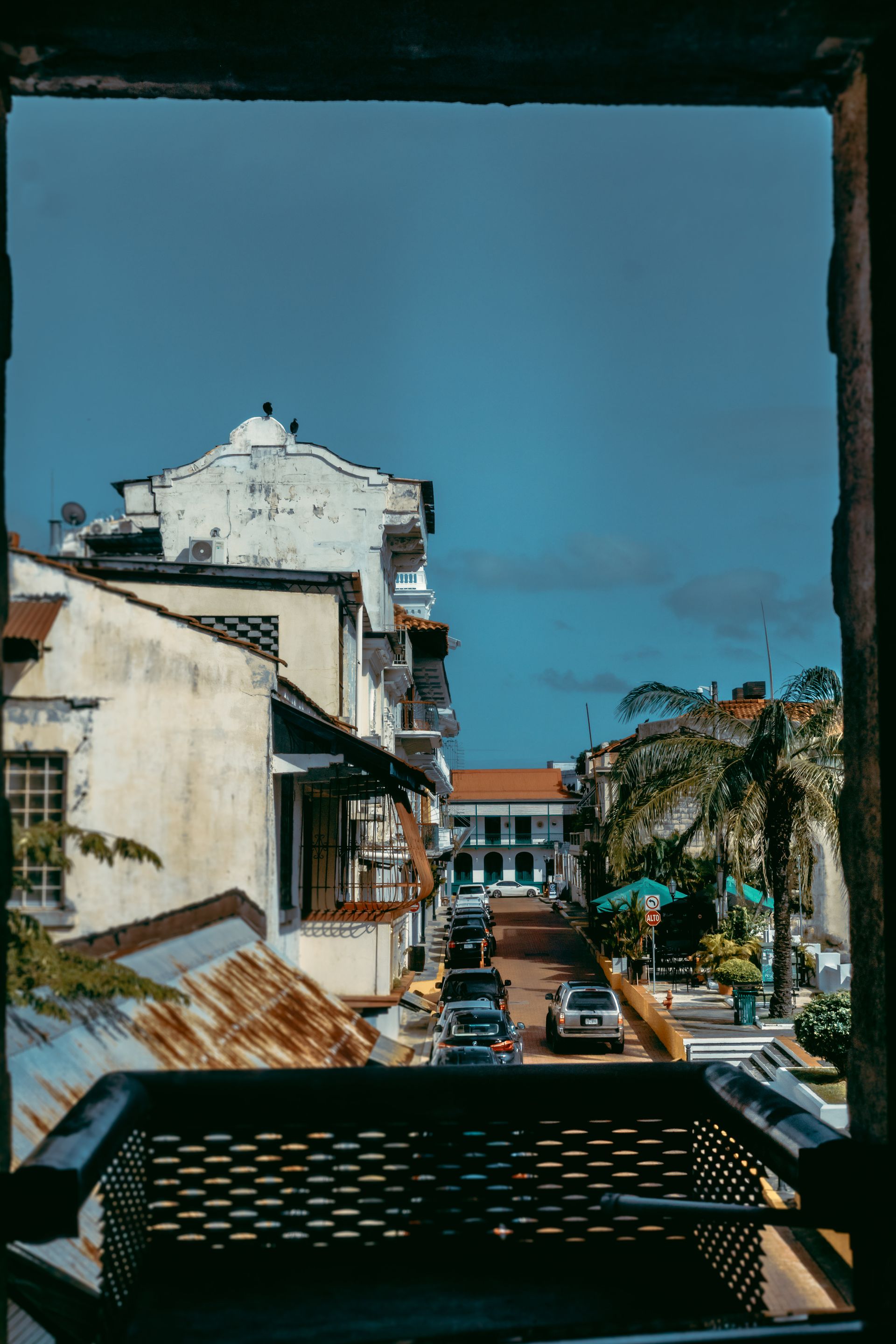
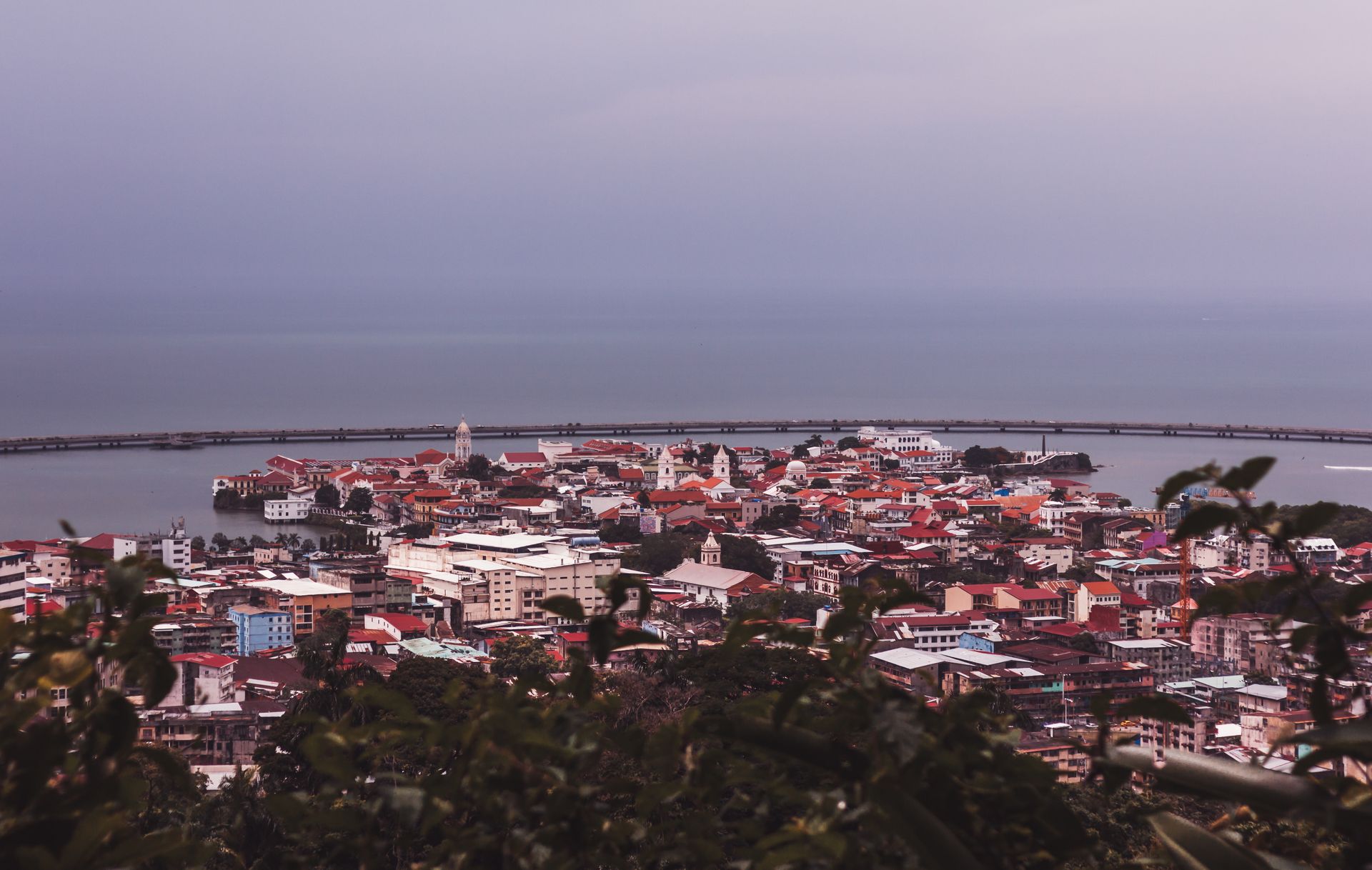
Casco Viejo (Casco Antiguo / San Felipe)
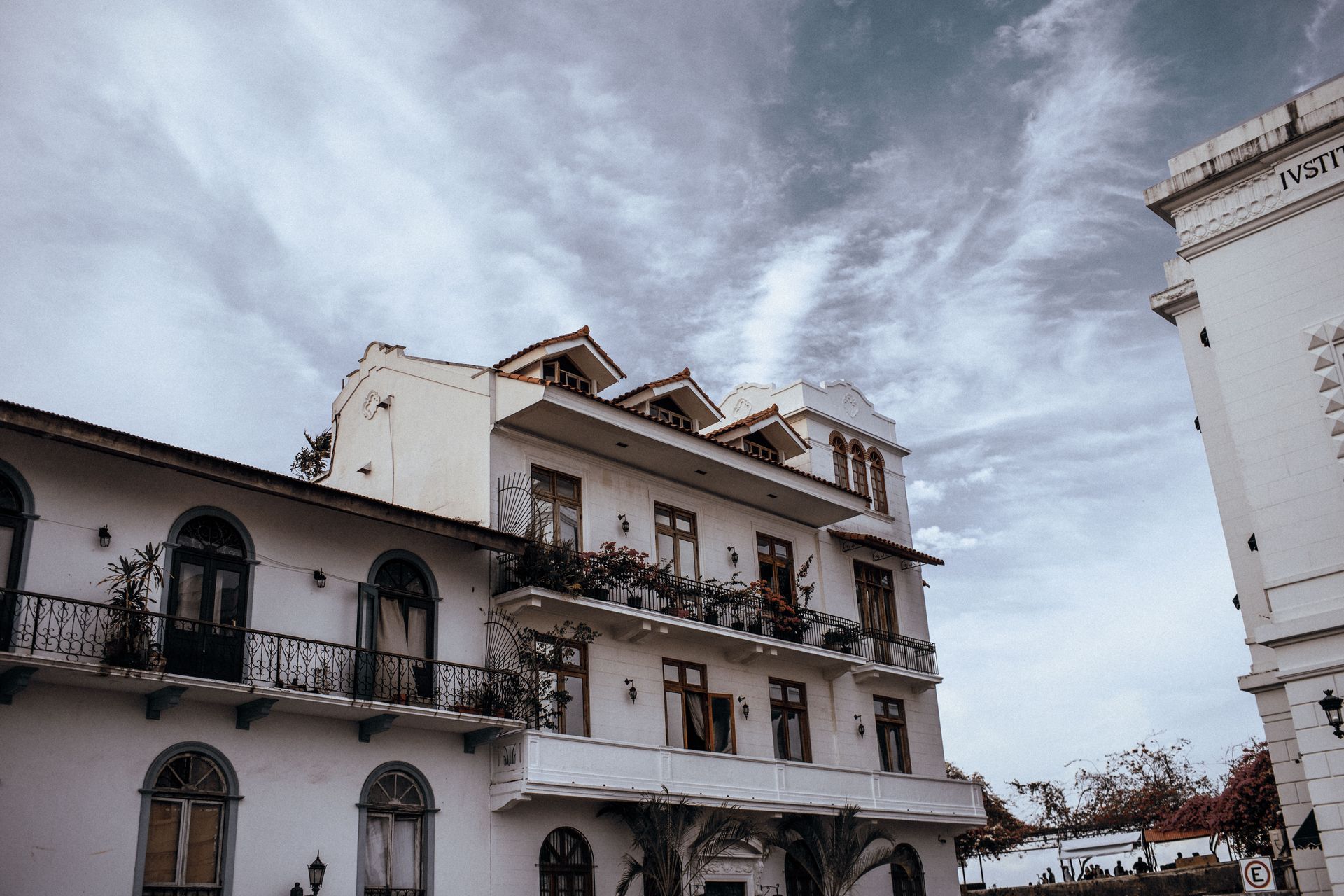
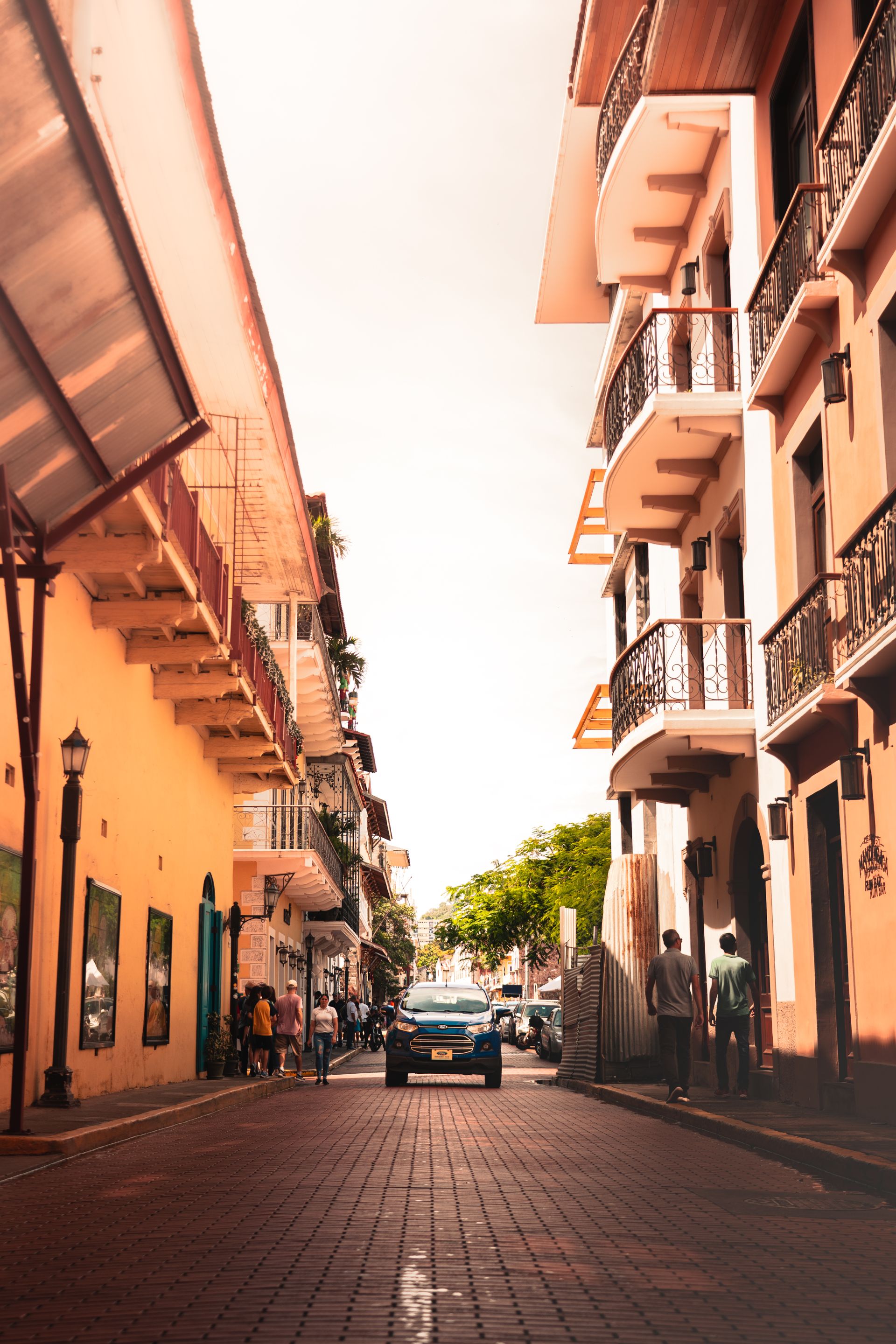
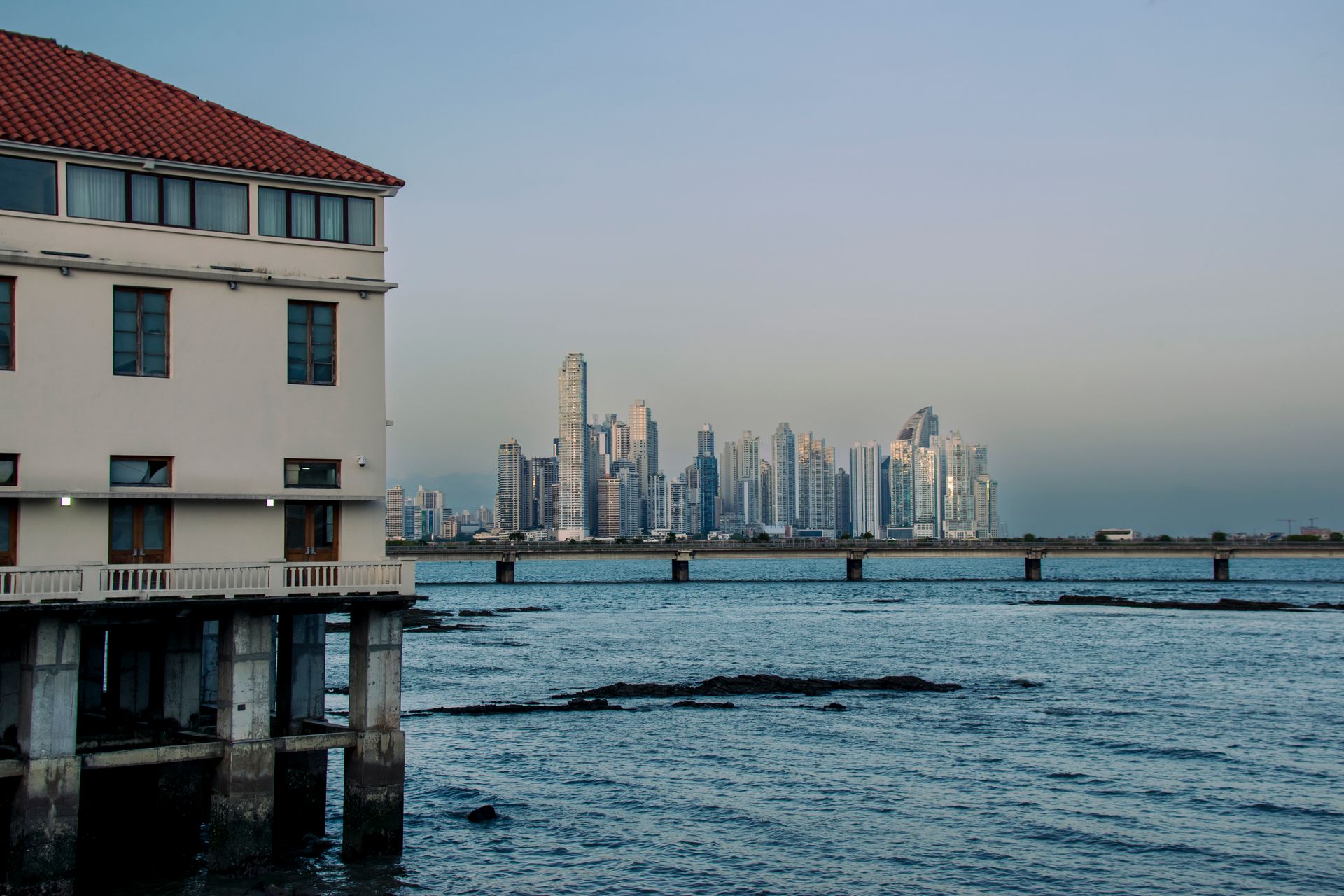
The UNESCO-listed old town and the city’s most atmospheric quarter — cobbled streets, colourful colonial and French-era facades, rooftop bars and the densest concentration of restaurants and nightlife in the capital, all rebuilt from 1673 after the original city burned.
- Plaza de la Independencia and the Metropolitan Cathedral
- Plaza de Francia and the seafront ramparts (Las Bóvedas)
- The rooftop-bar scene with skyline-across-the-bay views
Best for: first-time visitors who want history, food and nightlife within walking distance. Access: taxi/rideshare from downtown ~$5–8; walkable once you arrive.
Bella Vista & Marbella (Banking District)
The skyline you see in every postcard — the modern financial heart along Avenida Balboa and the Cinta Costera waterfront promenade, packed with hotels, malls, restaurants and the best of the city’s glass-tower views.
- The Cinta Costera seafront park for jogging, cycling and skyline photos
- Calle Uruguay’s restaurant-and-bar strip
- Easy metro and taxi access to the rest of the city
Best for: business travellers and those who want modern hotels and waterfront walks. Access: Metro Line 1 (Iglesia del Carmen / 5 de Mayo); central to everything.
El Cangrejo
The trendiest, most bohemian and multicultural district — a web of streets that spread like a crab’s claws (hence the name), arguably the most walkable neighbourhood in the city, with cafes, casinos, a strong restaurant scene and a relaxed residential feel.
- Via Argentina’s cafe-and-bar strip
- Walkable streets with diverse international dining
- Mid-range hotels and a local, lived-in atmosphere
Best for: longer stays, digital nomads and foodies who want to walk everywhere. Access: Metro Line 1 (Iglesia del Carmen); a short taxi from Casco Viejo.
Amador Causeway (Calzada de Amador)
A breakwater built from canal-excavation rock that links four small islands to the mainland — a flat seafront promenade for cycling and walking, with marinas, the Biomuseo, restaurants and the city’s best long skyline views, plus the walled Zona de la Rumba nightlife enclave.
- The Frank Gehry-designed Biomuseo
- Bike rentals along the causeway
- Marinas and ferry pier for Taboga Island
Best for: sunset walks, families and skyline photography. Access: taxi/rideshare; no metro — budget for the fare both ways.
Punta Pacifica & Costa del Este
The luxury enclaves — gleaming high-rise towers, upscale malls and the city’s most exclusive hotels and residences, with a Miami-meets-Bahamas feel and a reputation as the safest part of town.
- Top-end hotels and rooftop pools
- Multiplaza and the upscale shopping scene
- Quiet, secure streets ideal for families
Best for: luxury travellers, families and those prioritising security and modern comfort. Access: taxi/rideshare; close to the banking district.
The Food
Panamanian Classics (Comida Típica)
Panamanian home cooking is hearty and built on rice, beans, root vegetables and slow-braised meat — the national repertoire centres on sancocho (a restorative chicken-and-culantro soup with yuca and ñame, often called the national dish), ropa vieja (shredded beef in tomato sauce), arroz con pollo and patacones (twice-fried green-plantain discs).
- Sancocho de gallina — the national chicken-and-culantro soup (~$5–8)
- Ropa vieja with rice & patacones — the everyday lunch plate (~$8–12)
- Arroz con pollo — Panama’s comfort-food chicken rice (~$6–10)
Seafood & the Mercado de Mariscos
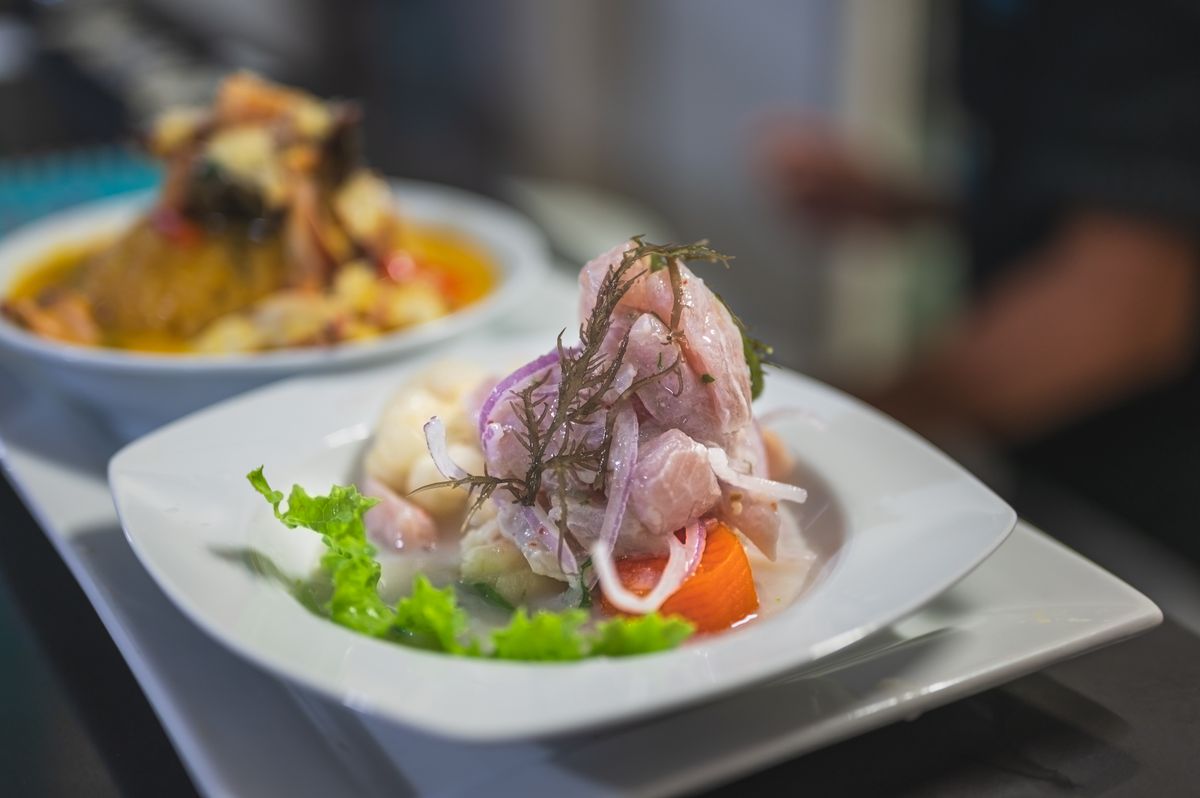
Panama City is a two-ocean seafood capital, and the social heart of it is the Mercado de Mariscos fish market, opened in the 1990s with Japanese aid, where fishermen sell directly and the ceviche counters draw locals and travellers alike.
- Mercado de Mariscos ceviche counters — corvina or shrimp ceviche by the cup (~$3–6)
- Corvina a la plancha — grilled Pacific sea bass (~$10–16 a plate)
- Pulpo & camarones — octopus and shrimp dishes across the market stalls (~$8–14)
Beyond Sancocho and Ceviche
The street-and-snack layer is cheaper and everywhere — this is where breakfasts and quick bites earn their keep.
- Hojaldra & tortilla de maíz — fried dough and corn cakes, the classic breakfast base (~$1–3)
- Carimañolas & empanadas — stuffed yuca and pastry fritters from corner stalls (~$1–2)
- Raspados — shaved-ice treats for the heat (~$1–2)
Food Experiences You Can’t Miss
- A morning ceviche crawl through the Mercado de Mariscos counters, eaten standing with a cold Balboa or Atlas beer
- A Casco Viejo dinner-and-rooftop-bar evening, the city’s densest restaurant cluster
- A geisha-coffee tasting — Panama’s Boquete highlands grow some of the world’s most prized coffee, poured in city cafes
Cultural Sights

The Panama Canal & Miraflores Locks
The 80-kilometre canal opened in 1914 and remains the city’s defining sight; the Miraflores Visitor Center, on the Pacific approach, has observation decks where you watch ships rise and fall through the locks, plus a museum on the canal’s construction. Admission roughly $17 for adults and $7 for children; ships generally transit mid-morning and mid-afternoon.
Casco Viejo & the Metropolitan Cathedral
The UNESCO-listed old town, settled in 1673, packs a Spanish colonial cathedral, French-era and republican architecture, plazas and church ruins into a walkable peninsula; the Catedral Metropolitana on Plaza de la Independencia is its centrepiece. Free to wander; individual museums and churches charge small fees.
Panamá Viejo (Old Panama Ruins)
The stone shells of the original 1519 city, burned by Henry Morgan in 1671 and now an archaeological park with a museum and the iconic cathedral tower you can climb for views. Part of the UNESCO inscription alongside Casco Viejo; admission around $15 for foreign visitors.
Biomuseo
Frank Gehry’s only building in Latin America, a riot of crumpled coloured roofs on the Amador Causeway, telling the story of how the isthmus rose from the sea three million years ago and changed the planet’s biology. Admission around $18 for adults.
Cerro Ancón & the Cinta Costera
The forested hill of Cerro Ancón is the highest point in the city, crowned by a giant Panamanian flag and reachable on foot for skyline-and-canal views; below it, the Cinta Costera seafront promenade runs along the bay past the old town. Both are free.
Entertainment
Casco Viejo Rooftop Bars
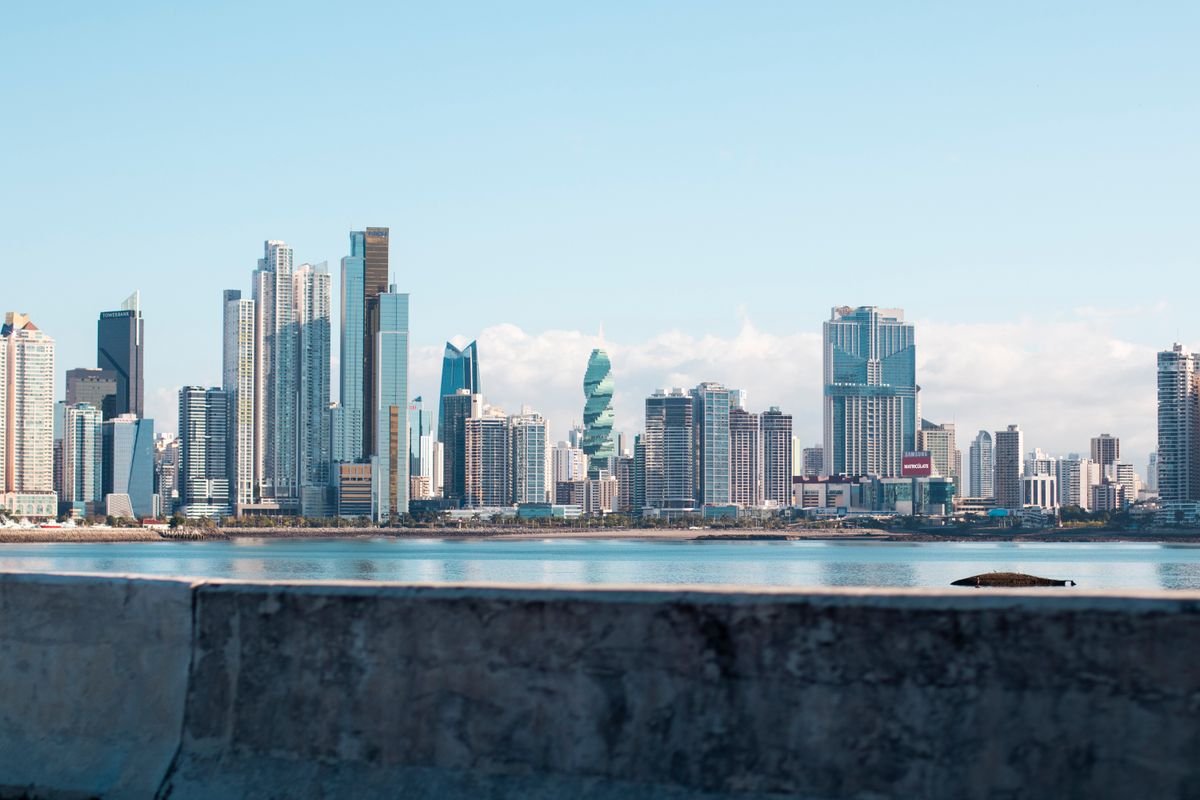
The old town is the nightlife heart of the city: rooftop bars on restored colonial buildings look across the bay to the lit skyline, and most of the capital’s best cocktail spots cluster within a few blocks. Typical cost $8–14 a cocktail; arrive before sunset for a table.
The Amador Causeway & Zona de la Rumba
The walled Zona de la Rumba on the Amador Causeway is a secure enclave of glitzy bars and clubs with sea breeze and skyline views; drinks are pricey and you’ll need a taxi both ways. Typical cost $10–15 a drink plus fares.
Live Music & Casinos
Salsa, jazz and típico-folk bands play across Casco Viejo and El Cangrejo, while the big hotels along the banking strip run 24-hour casinos. Cover charges run $5–20; casinos are free to enter.
Theatre & Culture
The restored Teatro Nacional in Casco Viejo (1908) stages opera, ballet and concerts, and the city’s museums and galleries fill the cultural calendar. Ticket prices vary by show.
Day Trips

Soberanía National Park (35 min by car)
A rainforest national park barely 35 minutes from downtown, famous for the Pipeline Road birding trail and home to roughly 760 species of mammals, amphibians, birds and reptiles — the easiest jungle escape from any capital in the Americas.
Monkey Island & Gatún Lake (45 min + boat)
A boat tour on Gatún Lake, the artificial lake at the heart of the canal, slips past islands where capuchin and howler monkeys, sloths and crocodiles live in undisturbed rainforest — about 45 minutes by road to Gamboa, then by boat.
Taboga Island (45 min by ferry)
The “Island of Flowers,” a Pacific retreat reachable by a 45-minute ferry from the Amador Causeway, with beaches, a historic village and a hillside walk — the classic half-day escape from the heat.
Portobelo & the Caribbean Coast (2–3 hours)
A historic Spanish colonial port town on the Caribbean side, with UNESCO-listed fortifications, Caribbean beaches nearby and an Afro-Caribbean Congo culture — about 2 to 3 hours by road.
San Blas Islands / Guna Yala (full day)
The palm-fringed coral islands of the autonomous Guna Yala comarca, with turquoise water, snorkelling and Guna-run cabins — a long but unforgettable full-day trip, roughly 13 hours including the 4WD transfer.
Seasonal Guide
Spring (March – May)
March and April are the hottest, driest and sunniest months — peak dry season, with highs near 30°C and reliable sunshine, ideal for the canal, the old town and day trips, though afternoon rains start creeping back by mid-May.
Summer (June – August)
The green/rainy season is in full swing: mornings are usually sunny, with heavy but short afternoon downpours, lush landscapes, fewer crowds and lower prices — pack a light rain shell and plan outdoor sights for the morning.
Autumn (September – November)
The wettest stretch, especially October and November, with the heaviest rainfall of the year; humidity is high and afternoons can wash out, but the city stays warm and the rainforest is at its greenest.
Winter (December – February)
The start of the dry season and the most popular time to visit — sunny, breezy with the trade winds, and comfortable; book ahead around the holidays and Carnival (usually February), when the city and beaches fill up.
Getting Around
The Metro
Panama City has the first metro in Central America, opened in 2014: Line 1 runs north–south through the centre (San Isidro to Albrook) and Line 2 runs east toward Tocumen, with Line 3 (a monorail under the canal to the western suburbs) under construction. Clean, air-conditioned and fast, it is the best way to skip downtown traffic.
Metrobus
The Metrobus network of modern city buses fills the gaps the metro doesn’t reach, running on the same prepaid card; fares are $0.25 a ride, or $1.25 on the express corridor toll routes.
RapiPass / Prepaid Transit
Both the metro and Metrobus use a prepaid contactless card, sold at stations for a small refundable deposit and topped up at kiosks; the “3-in-1” RapiPass covers Lines 1 and 2, the Metrobus and the Albrook terminal, and each fare includes two free transfers within 40 minutes.
Airport Access
- Taxi / private transfer from Tocumen (PTY) — 25–30 minutes, ~$30 fixed fare for two
- Free airport shuttle to the nearest Metro Line 2 station, then metro — 45–60 minutes, $0.35–0.50
Taxis & Rideshare
Yellow street taxis are cheap but unmetered — agree the fare first. Rideshare apps (Uber, inDrive) are widely used, cheaper for tourists and safer at night because the price and route are fixed in advance.
Navigation Tips
Apps: Google Maps, Uber. The metro is easiest for the city spine; for Casco Viejo, Amador and the canal you’ll want a taxi or rideshare. Traffic is heavy at rush hour, so favour the metro between roughly 7–9am and 5–7pm.
Budget Breakdown: Making Your Dollars Count
| Tier | Daily | Sleep | Eat | Transport | Activities | Extras |
|---|---|---|---|---|---|---|
| Budget | $40–65 | $15–30 hostel/guesthouse | $10–15 market & street food | $2–5 metro/bus | $10–20 free sights & one paid | $5 water & SIM |
| Mid-Range | $90–180 | $60–120 hotel | $30–50 sit-down meals | $15–30 taxis/rideshare | $30–60 canal & Casco tours | $15 drinks & tips |
| Luxury | $250+ | $180+ Punta Pacifica hotel | $80+ fine dining | $40+ private driver | $100+ private guide & day trip | $40+ rooftop bars |
Where Your Money Goes
Because Panama uses the US dollar, there’s no exchange-rate maths and prices feel familiar to North American travellers. The metro and market food keep daily costs low, while the big spends are guided day trips (San Blas and Gamboa especially) and the rooftop-bar and fine-dining scene in Casco Viejo and the banking district.
Money-Saving Tips
- Ride the metro instead of taxis for the city spine — a 35-cent fare versus $5+ a cab
- Eat lunch at the Mercado de Mariscos or a comida-corriente diner for a few dollars
- Visit in the green season (May–Nov) for lower hotel rates and thinner crowds
Practical Tips
Language
Spanish is the official language and the everyday tongue, but English is widely understood in tourism, banking, Casco Viejo and the bigger hotels thanks to a century of US ties; a few words of Spanish go a long way with taxi drivers and market vendors.
Cash vs. Cards
The US dollar is legal tender (the balboa is pegged 1:1 and exists only as coins), so cards work widely in hotels, malls and restaurants — but carry small bills for taxis, the fish market and street food.
Safety
Tourist areas like Casco Viejo, the banking district and Amador are safe with normal city caution; the FCDO and US State Department advise increased caution for petty theft and warn off neighbourhoods such as El Chorrillo, Curundú and parts of San Miguelito, especially after dark. Use rideshare apps at night.
What to Wear
Light, breathable clothing for the heat and humidity year-round, plus a compact rain shell in the green season; the banking district and upscale restaurants lean smart-casual in the evenings.
Cultural Etiquette
Panamanians are warm and relatively formal — a handshake and a buenos días open doors. Tipping around 10% is standard in restaurants (check whether it’s already added), and dollar bills for porters and guides are appreciated.
Connectivity
4G/LTE coverage is strong across the city; buy a local prepaid SIM (or eSIM) from +Movil, Tigo or Digicel at the airport or a mall for cheap data, and most hotels and cafes offer free Wi-Fi.
Health & Medications
Panama City has excellent private hospitals (several US-affiliated); the CDC recommends routine vaccinations and notes mosquito-borne risks for jungle day trips, so bring repellent. Carry travel insurance and any prescription meds in their original packaging.
Luggage & Storage
Tocumen Airport and several Casco Viejo hostels offer luggage storage; the Albrook bus terminal (next to the metro hub) is the most central left-luggage option for day trips.
Frequently Asked Questions
How many days do I need in Panama City?
Three full days covers the canal at Miraflores, a Casco Viejo walking circuit, the Panamá Viejo ruins and the Amador Causeway at sunset; a fourth day lets you add a Soberanía rainforest, Monkey Island or Taboga Island trip; five fits a longer San Blas or Portobelo excursion. Most visitors find three days the sweet spot for the city itself.
Is Panama City good for solo travellers?
Yes. The tourist core — Casco Viejo, the banking district and Amador — is walkable and well-policed, the metro is easy and cheap, and English is widely understood. Use normal city caution, avoid the flagged neighbourhoods after dark, and use rideshare apps at night rather than hailing street taxis.
Do I need to change money or can I use US dollars?
No exchange needed — Panama uses the US dollar as legal tender. The local balboa is pegged 1:1 and exists only as coins identical in size to US cents, so North American travellers can spend their own cash directly; just bring small bills for taxis and the market.
What about the language barrier?
Manageable. Spanish is the everyday language, but English is common in tourism, hotels, Casco Viejo and banking after a century of US ties. Learn buenos días, gracias and por favor, carry a translation app, and you’ll get by easily in the visitor core.
When is the best time of year to visit Panama City?
December to April — the dry season, with reliable sunshine, breezy trade winds and highs around 30°C, ideal for the canal, the old town and day trips. The green/rainy season (May–November) brings sunny mornings, short afternoon downpours, lush scenery and lower prices.
Can I use credit cards everywhere?
Mostly yes — cards work widely in hotels, malls and restaurants, and ATMs dispensing US dollars are everywhere. But the Mercado de Mariscos, street stalls, yellow taxis and small vendors are cash-only, so carry small-denomination dollar bills.
Is the Panama Canal worth visiting, and where do I see it?
Absolutely — it’s the city’s defining sight. The easiest viewing is the Miraflores Visitor Center on the Pacific side, where observation decks let you watch ships rise and fall through the locks; go mid-morning or mid-afternoon when transits are most likely, and pair it with the Biomuseo on the Amador Causeway.
Ready to Experience Panama City?
Few capitals let you cross five centuries and two oceans in a single day the way Panama City does. For the full country context, read the Panama Travel Guide.
Explore More City Guides
- Cartagena City Guide
- Bogotá City Guide
- Mexico City City Guide
- Panama Country Guide (or browse Panama)
- All City Guides
Alex the Travel Guru
Alex has spent two decades writing field-tested travel guides from the road — sleeping in Casco Viejo guesthouses, riding the new metro at rush hour and timing visits to the Miraflores Locks to catch a Neopanamax transit. Every figure in this guide is paired with an inline source, and the full list sits below.
More city guides you might like
Plan your trip to Panama City
The booking tools we use ourselves. FFU may earn a commission at no extra cost to you.
Plan & book your trip to Panama City
Booking through these searches supports our guides at no extra cost to you.