
City Guide · State of Quintana Roo · Mexico
Cancún, Mexico: Caribbean Beaches, the Gateway to the Riviera Maya & Mayan World
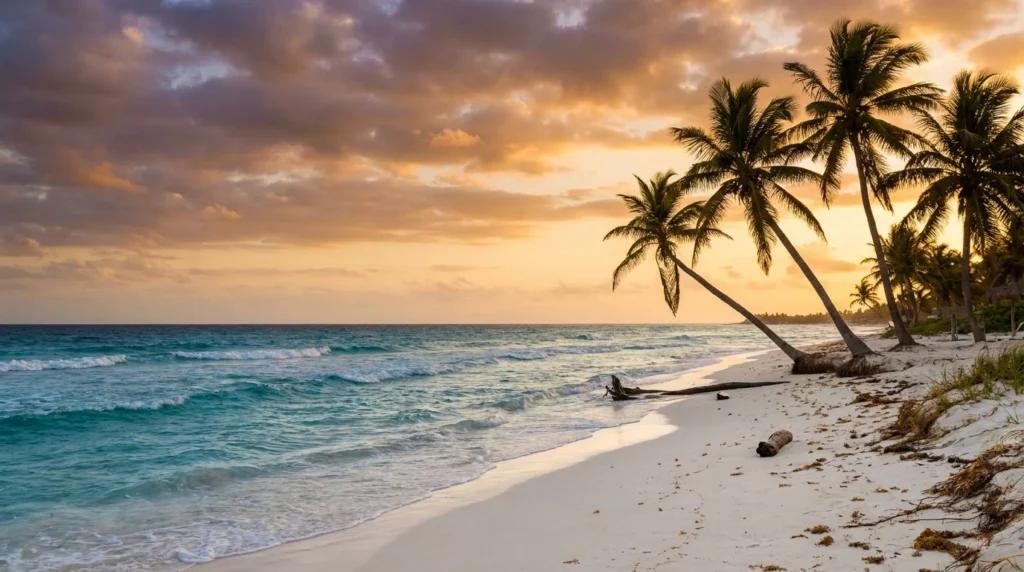
I arrived in Cancún expecting nothing but spring-break cliché and all-inclusive wristbands, and left convinced it is the best-value base in the Caribbean for travellers who actually want to explore. This is not an old colonial town — Cancún was a deliberate invention, a stretch of empty dune that Mexico’s tourism development agency chose by computer model in 1970 and built from scratch into the country’s flagship resort. Today the city proper holds roughly 888,000 people and its airport is the second-busiest in Mexico, the main air gateway to the entire Yucatán. The draw is the postcard itself — the 22-kilometre Zona Hotelera barrier island, a ribbon of white coral sand and impossibly turquoise Caribbean water, fronting the world’s second-largest barrier reef. But the real prize is everything within a day’s drive: the cenotes of the Yucatán, the ruins of Chichén Itzá and Tulum, and the islands of Isla Mujeres and Cozumel. Treat this as the brief I’d hand my own family before they boarded a flight into CUN — and for the wider Mexican frame (the peso, tipping, the cartel-safety nuance), read it alongside our Mexico country guide.

Table of Contents
Why Cancún?
Cancún is the only place in the Caribbean where you can wake up on a barrier island of powder-white coral sand, snorkel the world’s second-largest reef before lunch, swim in a freshwater jungle cenote in the afternoon, and stand inside a thousand-year-old Mayan ruin the next morning — all from a single, well-connected base. The city is barely fifty years old: Mexico’s federal tourism-development fund (then Infratur, now FONATUR) chose this empty Quintana Roo dune in 1970 using a computer model that scored beaches, weather and proximity to US air markets, and built a resort from nothing. The first hotels opened mid-decade; today greater Cancún holds roughly 888,000 residents and is the engine of Quintana Roo’s economy.
The city wears two faces. There is the Zona Hotelera — a 22-kilometre, number-7-shaped barrier island separating the Caribbean Sea from the Nichupté lagoon, lined end to end with resorts, beach clubs, malls and nightclubs, and fronting some of the clearest water in the hemisphere. And there is El Centro — the real, working downtown a few kilometres inland where the half-million people who run the resorts actually live, eat tacos at neighbourhood stalls, shop at the Mercado 28 and pay peso prices instead of dollar ones. Most visitors never cross the bridge into it, which is exactly why you should.
What guidebooks under-rate is Cancún’s role as a launchpad. It anchors the Riviera Maya and sits at the head of the Yucatán’s greatest hits: Chichén Itzá, one of the New Seven Wonders of the World, is about three hours west ; the clifftop ruins of Tulum and the diving of Cozumel are south down Highway 307; the Mesoamerican Barrier Reef — the largest in the Western Hemisphere — runs the whole coast. Cancún International Airport, about 20 kilometres south of the Zona Hotelera, is the second-busiest in Mexico and the busiest international gateway, which is why the fares are so good.
The other thing Cancún sells, and delivers, is the weather. The city has a tropical climate with two clear seasons: a dry winter from roughly November to April and a wetter, hotter season from May to October, when most rain falls as short afternoon downpours. Sea temperatures stay swimmable year-round, which is why the beach clubs never close. The trade-off is the Atlantic hurricane season, officially June 1 to November 30, peaking in late summer. A direct hit is uncommon in any single week, but it is the one variable worth checking before you lock in dates — and the main reason shoulder-season fares are so often the sweet spot.
So who is Cancún for? More people than the spring-break stereotype suggests. It works for first-timers who want a soft landing — English is widely spoken in the Zona Hotelera, US dollars circulate freely, and the all-inclusive model removes most logistics. It works for families, because the reef-sheltered beaches are calm and the parks are built for kids. And it works for independent travellers willing to cross into El Centro, where the food, prices and day-trip departures reward treating Cancún as a base camp. The honest verdict: if you want only an empty beach the Zona Hotelera will feel too built-up — but if you want one base combining world-class water, ancient cities, cenotes and easy logistics, few destinations do it this efficiently.
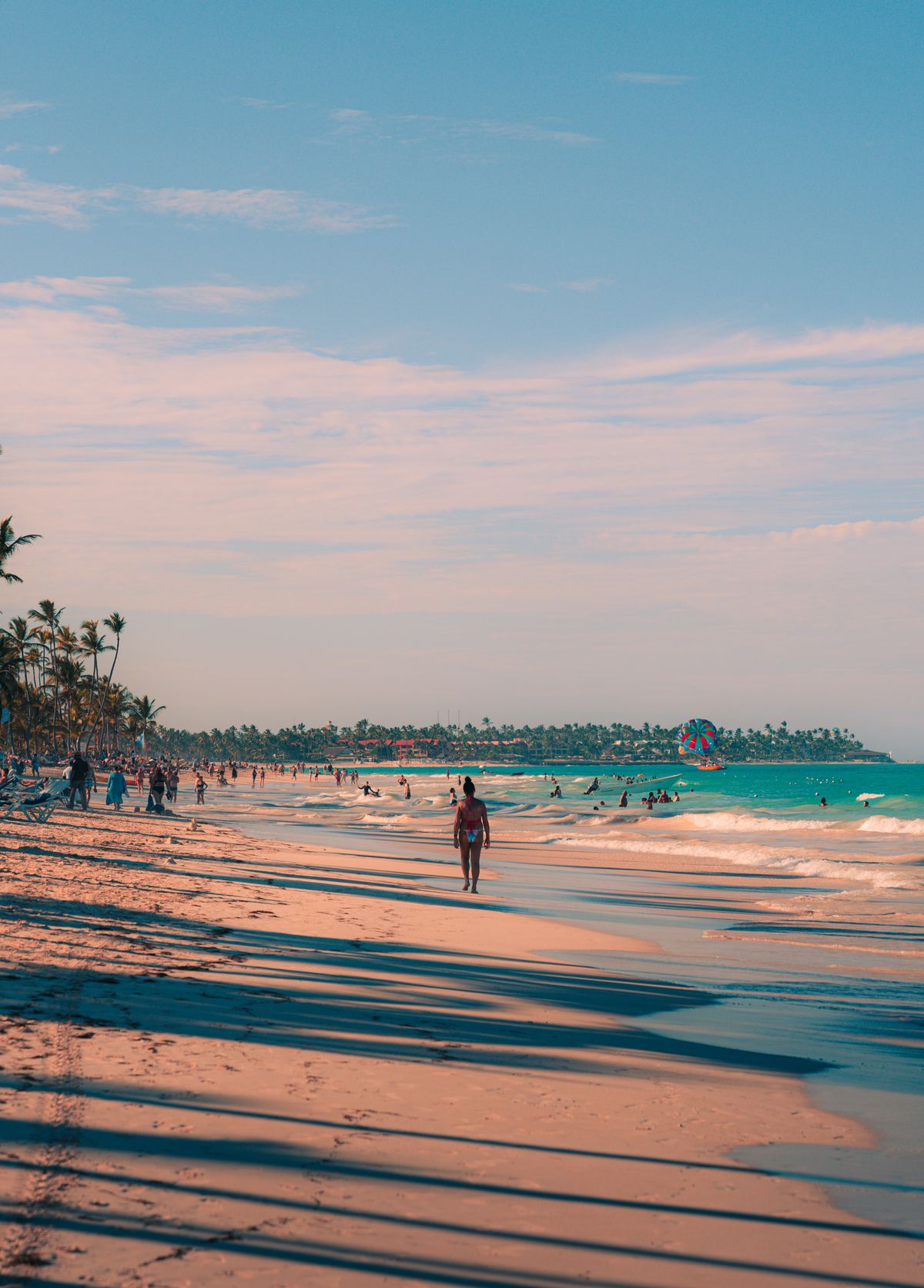
Neighborhoods: Finding Your Cancún
📍 Cancún Map: Every Place in This Guide
Zona Hotelera (Hotel Zone)
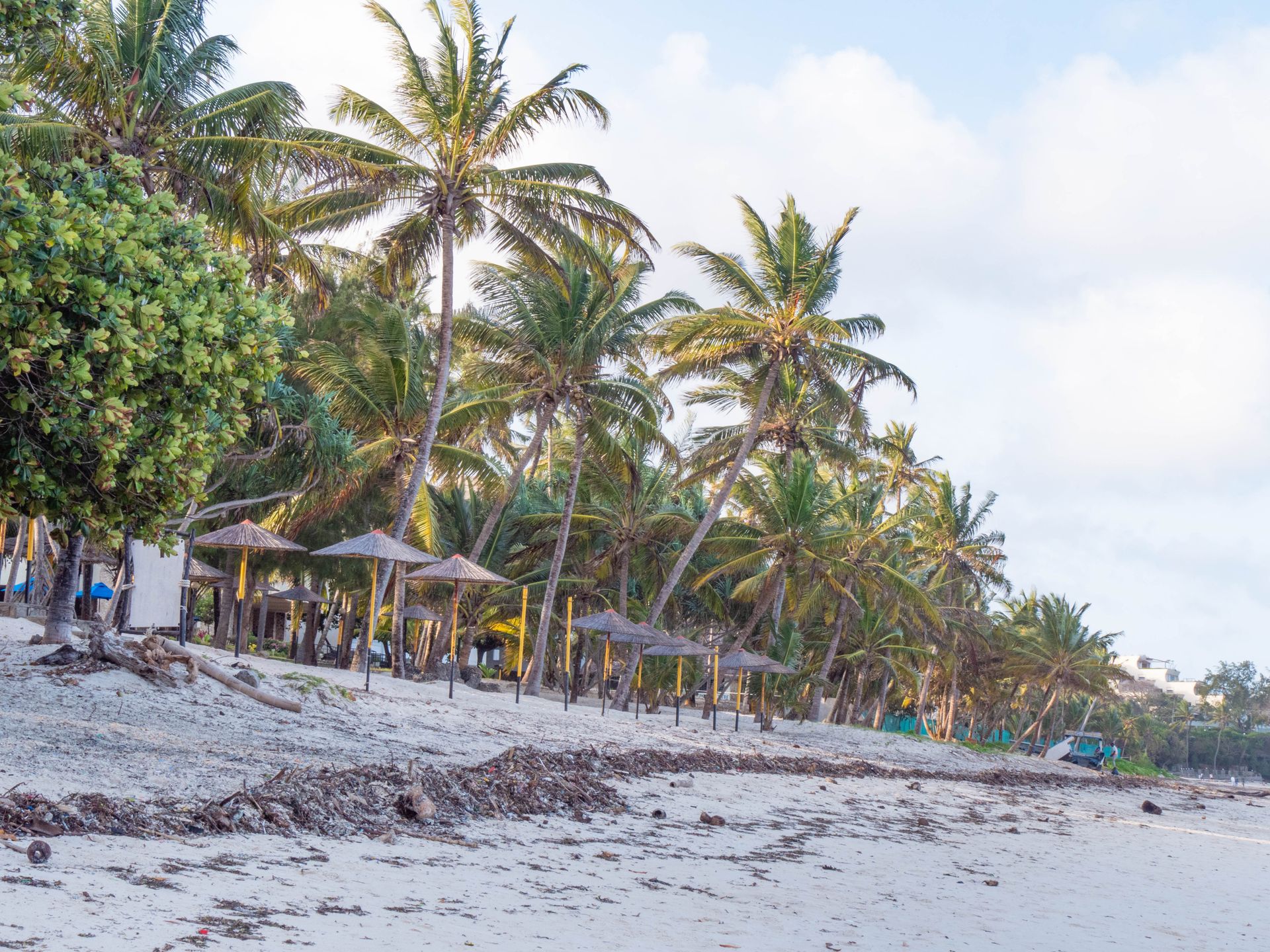
The 22-kilometre barrier island shaped like the number 7 — this is the postcard Cancún of resorts, beach clubs, malls and nightclubs, with the Caribbean on one side and the Nichupté lagoon on the other, organised by kilometre markers along Boulevard Kukulcán.
- Playa Delfines (Km 17.5) — the big public beach with the “Cancún” letters and the best free swimming
- The Zona’s reef-fringed beaches and the Nichupté lagoon water-sports scene
- La Isla and Kukulcan Plaza malls, and the El Rey Mayan ruins at Km 18
Best for: first-time visitors who want the beach within steps of the room. Access: R-1 / R-2 buses run the boulevard for ~12 pesos; taxi from CUN ~$25–45 USD.
El Centro (Downtown Cancún)
The real, working city a few kilometres inland where most residents live and eat — gridded avenues, neighbourhood taquerías, the Mercado 28 craft-and-food market and peso prices instead of dollar ones. Centred on Avenida Tulum and Avenida Yaxchilán.
- Avenida Yaxchilán — the downtown restaurant-and-bar strip
- Mercado 28 and Mercado 23 — markets for cheap eats and crafts
- Parque Las Palapas — the central square and evening street-food hub
Best for: travellers who want value, real Mexican food and local life. Access: R-1 bus from the Zona Hotelera, ~20–30 minutes.
Puerto Juárez & Punta Sam
The northern ferry-terminal district where the boats leave for Isla Mujeres — less touristy, with local seafood spots and the Ultramar and car-ferry docks. The jumping-off point for the islands.
- The Ultramar passenger ferry to Isla Mujeres (~15–20 minutes)
- Punta Sam car ferry for vehicles to the island
- Local marisquerías (seafood eateries) near the docks
Best for: island day-trippers and seafood seekers. Access: R-13 bus or taxi from downtown to the Gran Puerto terminal.
Punta Cancún & the Nightclub Zone
The bend in the “7” around Km 9–10 where the Zona Hotelera’s nightlife concentrates — the megaclubs, the Coco Bongo show-club, and the cluster of bars that gave Cancún its party reputation, alongside Playa Gaviota Azul (Forum Beach).
- Coco Bongo — the famous acrobatics-and-tribute show-club
- The Forum and Party Center cluster of clubs and bars
- Playa Gaviota Azul — the surf-and-swim beach behind the strip
Best for: nightlife, spring-breakers and big-night-out groups. Access: R-1 bus or taxi along Boulevard Kukulcán.
Isla Mujeres
The small, car-light island eight kilometres off Cancún, reached by a 15-to-20-minute ferry — a slower, golf-cart-paced counterpoint with the famous Playa Norte and a more bohemian feel than the mainland resort strip.
- Playa Norte — consistently rated among the Caribbean’s best beaches
- The Punta Sur sculpture park and southern cliffs
- Golf-cart loops of the whole island in a half-day
Best for: a calmer, more local-feeling beach day or overnight. Access: Ultramar ferry from Gran Puerto / Puerto Juárez.
The Food

Yucatecan Classics
Beyond the all-inclusive buffet, Cancún sits in the Yucatán, home to one of Mexico’s most distinctive regional cuisines — cochinita pibil (achiote-marinated pork slow-roasted in banana leaf), panuchos and salbutes (fried tortillas with toppings), sopa de lima and the habanero-and-sour-orange flavours that set the peninsula apart. The best of it is in El Centro, not the Zona.
- El Tigre y El Toro — Argentine-Italian wood-fired plates downtown (~250–400 MXN, ~$15–24 USD a main)
- Los de Pescado — Baja-style fish tacos and ceviche (~60–120 MXN, ~$4–7 USD)
- La Habichuela — classic Yucatecan and Caribbean cooking in a garden setting (~300–500 MXN, ~$18–30 USD a main)
Tacos & Street Food
The everyday food layer is where Cancún is cheapest and best — downtown taquerías, the Parque Las Palapas evening stalls and the Mercado 28 fondas serve tacos al pastor, marquesitas (the Yucatecan crepe-cone dessert) and fresh aguas frescas for a few dollars.
- Tacos al pastor — spit-roasted pork tacos from downtown stalls (~15–25 MXN each, under $2 USD)
- Marquesitas — crisp rolled crepe with cheese and Nutella, a Yucatán street classic (~40–70 MXN)
- Ceviche & aguachile — citrus-cured seafood from Puerto Juárez marisquerías (~120–220 MXN)
Beyond Tacos and Cochinita
The Caribbean and the resort scene add their own layer — fresh seafood, Mexican-Caribbean fusion and the international restaurants of the Zona Hotelera.
- Pescado a la tikin-xic — achiote-rubbed grilled fish, a coastal Yucatecan dish (~200–350 MXN)
- Sopa de lima — the peninsula’s lime-and-turkey soup (~80–140 MXN)
- Chiles rellenos & mole — mainland Mexican standards on most menus (~150–280 MXN)
- Micheladas & mezcal — the beer-and-lime cocktail and Oaxacan agave spirit (~80–180 MXN)
Food Experiences You Can’t Miss
- An evening at Parque Las Palapas, working the downtown street-food stalls with the locals
- A Mercado 28 lunch of cochinita pibil and a fresh agua de jamaica
- A sunset seafood platter at a Puerto Juárez marisquería before the last ferry back
Cultural Sights

Museo Maya de Cancún & San Miguelito
Cancún’s own archaeology museum in the Zona Hotelera (Km 16.5), opened in 2012, pairs a strong Mayan collection with the adjacent San Miguelito ruins on the same ticket. Admission ~90 MXN (~$5–6 USD); closed Mondays.
El Rey Ruins (Zona Arqueológica El Rey)
The small Mayan site at Km 18 of the Zona Hotelera, dating mainly to the late Postclassic period and famous for the iguanas that now occupy it — the easiest ruin to reach in the city itself. Admission ~75 MXN (~$4–5 USD); best early morning.
Chichén Itzá (day trip)
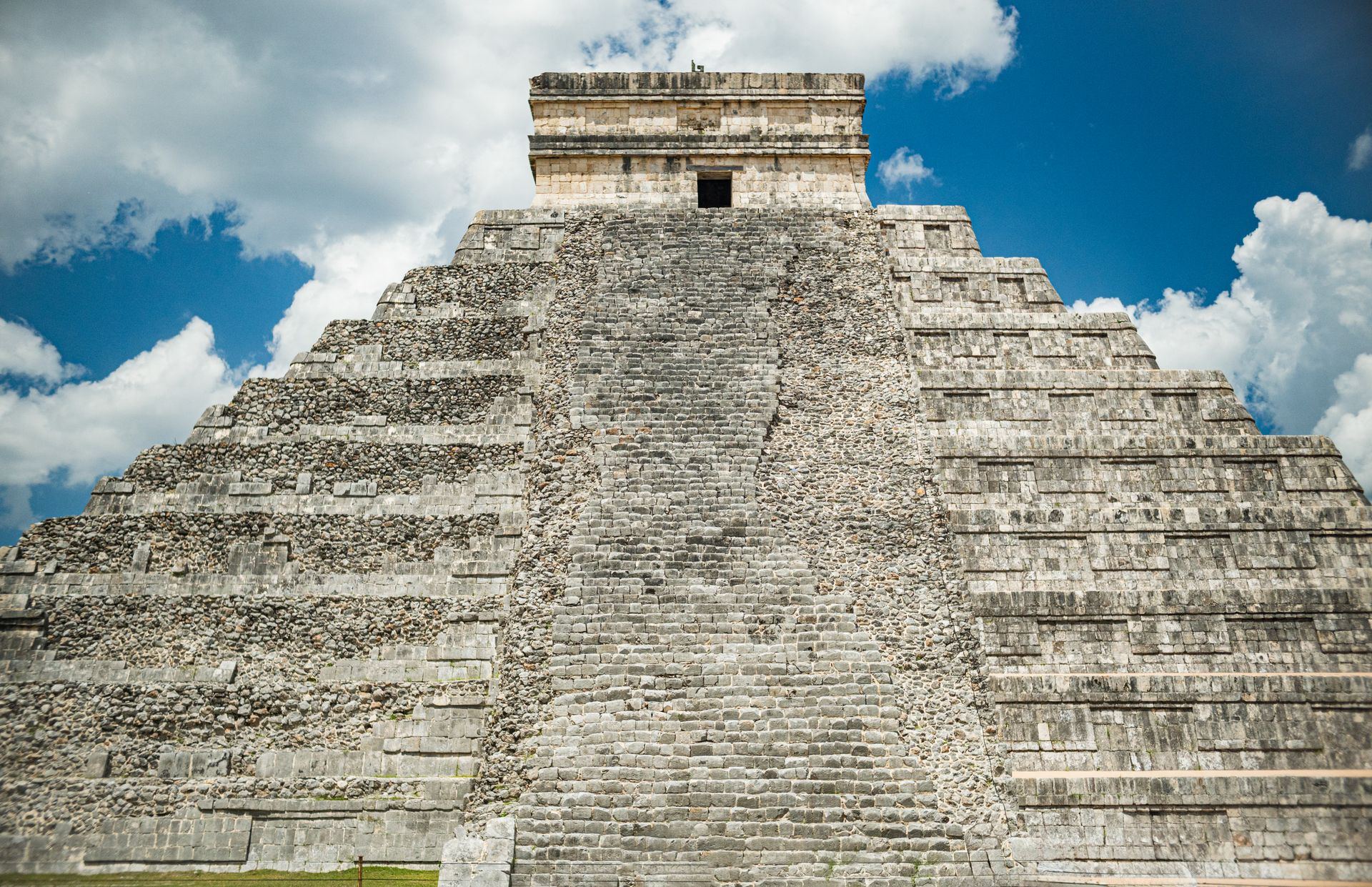
The great Mayan city about three hours west, a UNESCO World Heritage Site and one of the New Seven Wonders of the World, centred on the Temple of Kukulkan (El Castillo). Admission ~614 MXN total in state and federal fees; arrive at opening to beat the heat and crowds.
Tulum Archaeological Zone (day trip)
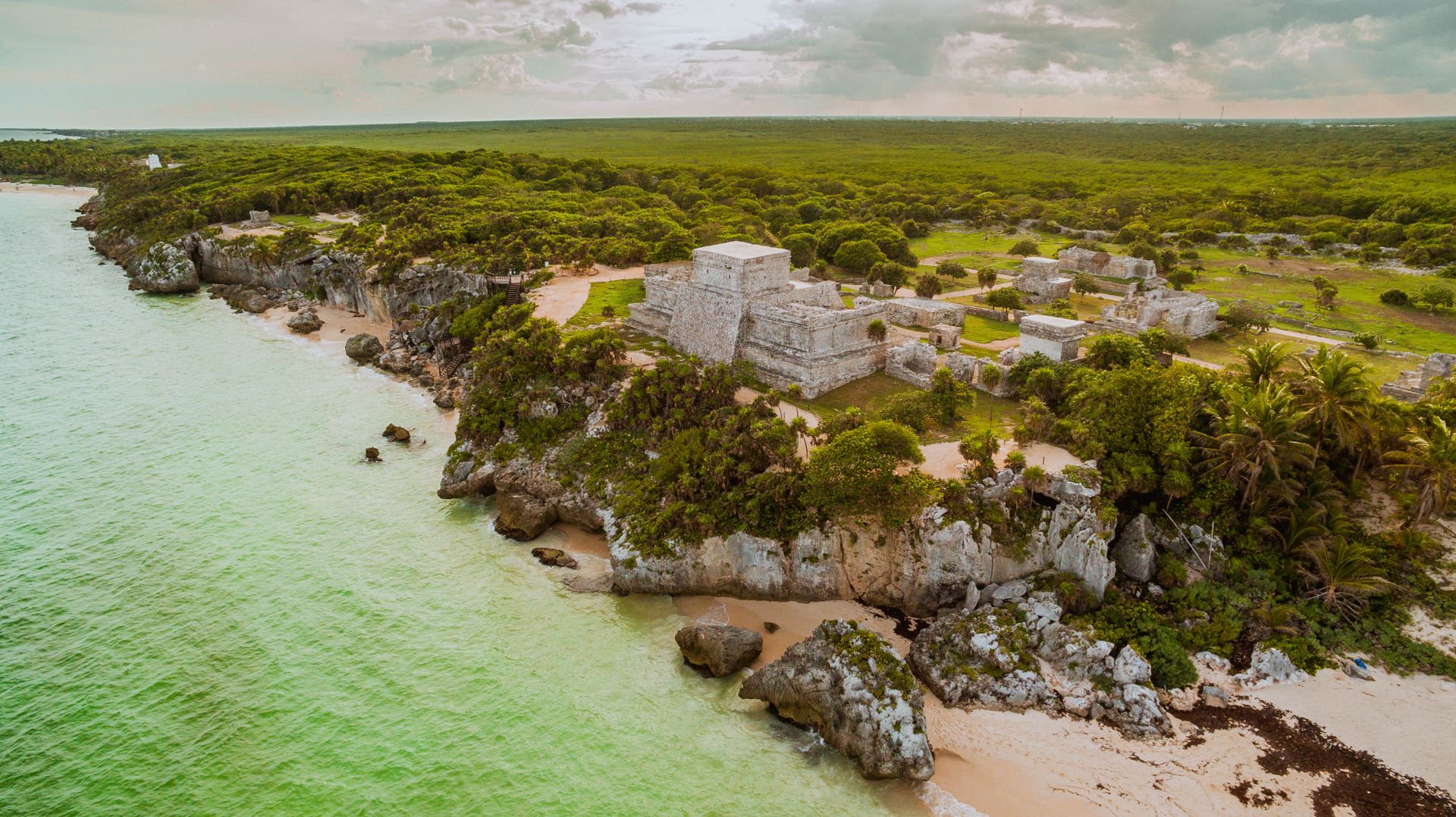
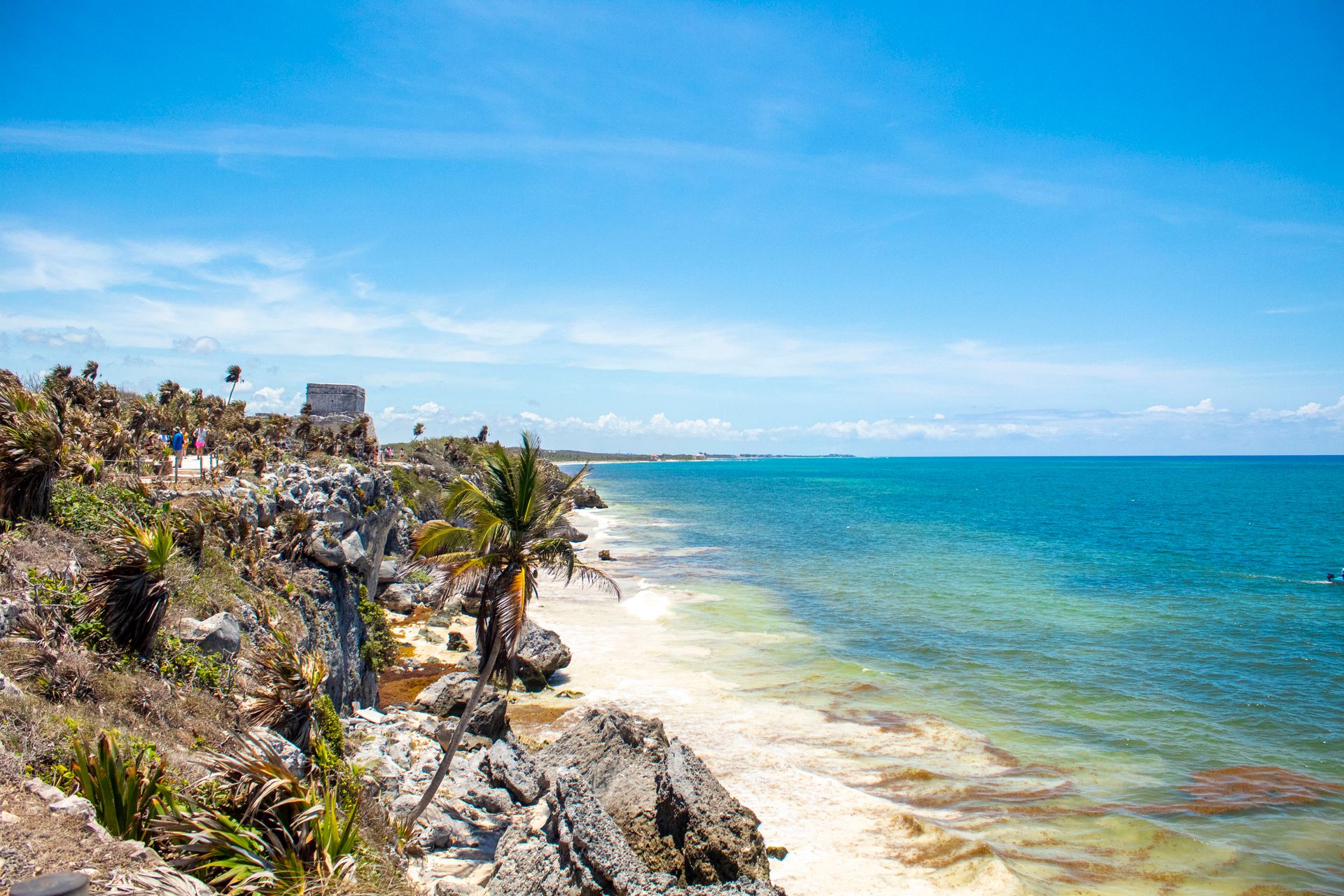
The only major Mayan city built on the coast, its temples set on a low cliff above the Caribbean about two hours south — smaller than Chichén Itzá but unmatched for setting. Admission ~95 MXN (~$5–6 USD); go early to swim at the beach below.
Playa Delfines & the Cancún Sign
The big public beach at Km 17.5 with the giant coloured “CANCÚN” letters, a free clifftop viewpoint over the Caribbean and the city’s most photographed spot. Free; best at sunrise for the light and the empty sand.
Entertainment

Coco Bongo
The famous Punta Cancún show-club — a non-stop spectacle of acrobats, tribute acts and confetti rather than a regular dancefloor, and the signature Cancún night out. Typical cost $90–130 USD open-bar entry; book ahead online for the early-entry deals.
Megaclubs of Punta Cancún
The Boulevard Kukulcán club cluster around Km 9 — the big-room venues that built Cancún’s party reputation, peaking during the February–April spring-break window. Typical cost $40–80 USD cover/open bar.
Beach Clubs & Day Parties
The Zona Hotelera and Playa Gaviota Azul beach clubs run daytime music, loungers and food-and-drink minimums — the daylight counterpart to the nightclubs. Typical cost $20–60 USD minimum spend.
Cenote & Reef Adventures
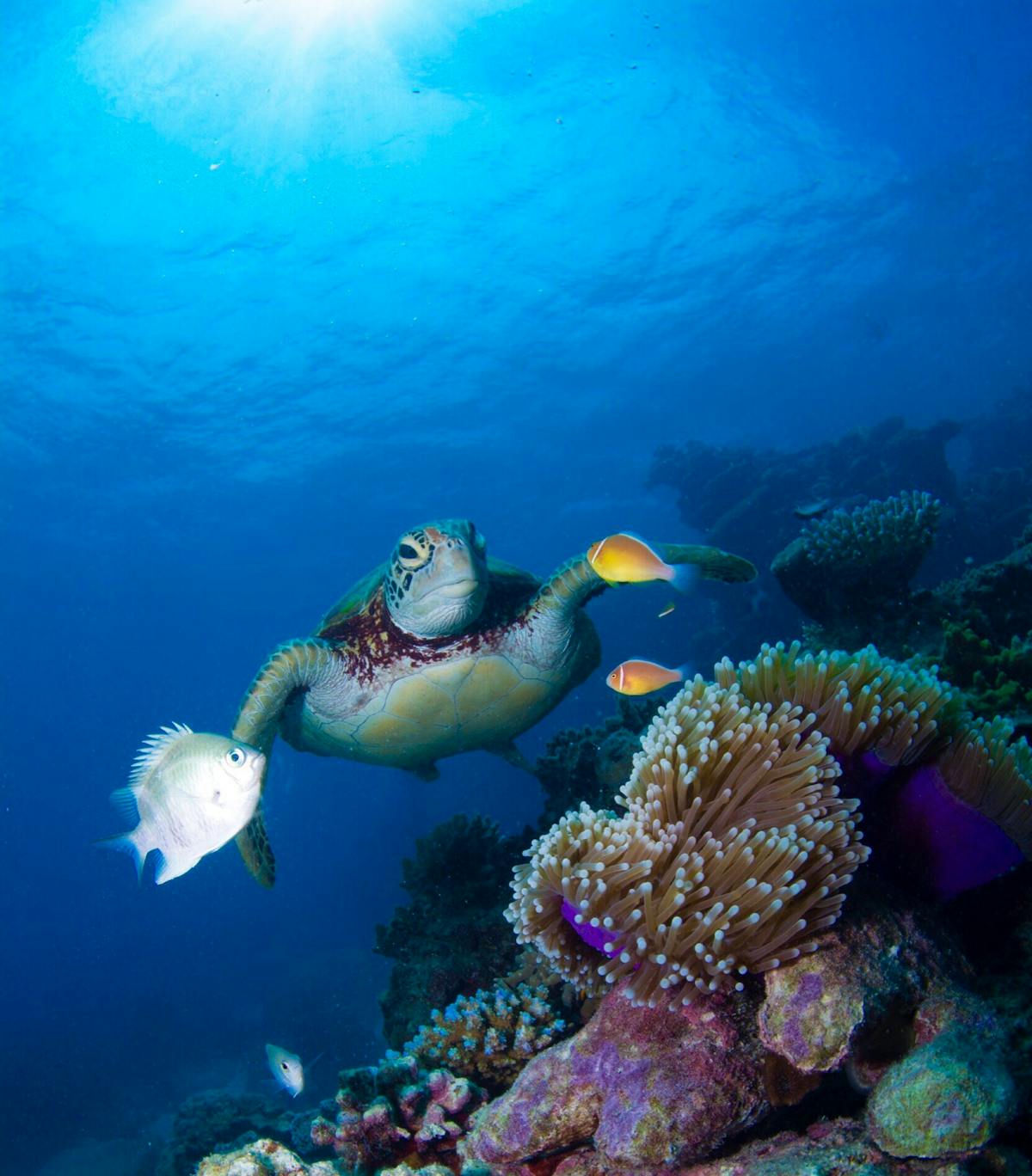
The active alternative to nightlife — snorkel or dive the Mesoamerican reef, swim the jungle cenotes of the Riviera Maya, or visit the MUSA underwater sculpture museum off Cancún. Typical cost $50–120 USD a tour.
Day Trips
Chichén Itzá & a cenote (3 hours by car)
The classic full-day combo — the New-Seven-Wonders Mayan city paired with a swim in a jungle cenote such as Ik Kil and a stop in colonial Valladolid. Leave by 07:00 to beat the heat and the tour buses.
Tulum & the Riviera Maya (2 hours by car)
The clifftop Mayan ruins above the Caribbean plus the beaches and cenotes south down Highway 307 — combine with the Gran Cenote or Dos Ojos for snorkelling.
Isla Mujeres (15–20 minutes by ferry)
The car-light island with Playa Norte, golf-cart loops and a calmer pace, an easy half- or full-day from the Gran Puerto terminal.
Cozumel (Playa del Carmen + ferry, ~1.5–2 hours)
Mexico’s premier dive island on the Mesoamerican reef, reached via the Playa del Carmen passenger ferry — long for a day trip but worth it for divers.
Xcaret & Xel-Há eco-parks (1–1.5 hours by car)
The Riviera Maya’s flagship eco-archaeological theme parks, combining cenotes, snorkelling, wildlife and Mayan-themed shows for a packed family day.
Seasonal Guide
Spring (March – May)
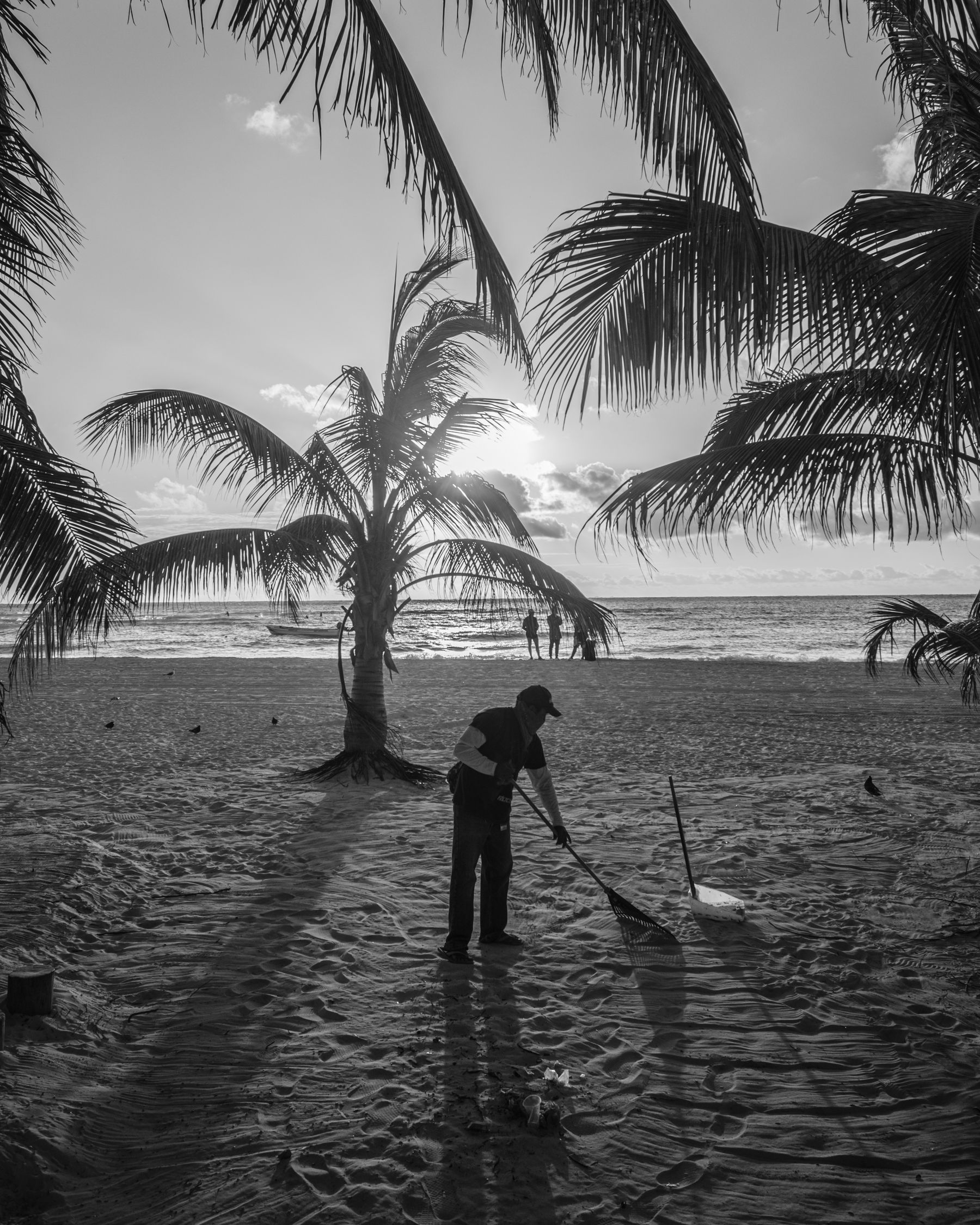
Warm, dry and sunny early on, with highs around 29–32°C, but spring is also the heart of the sargassum-seaweed season, when mats of brown algae can wash up on the Caribbean-facing beaches. March–April is peak spring-break and Easter (Semana Santa) crowding and pricing; book well ahead. Isla Mujeres’ Playa Norte, which faces the sheltered side, is the sargassum refuge.
Summer (June – August)
Hot and humid with highs of 32–34°C and afternoon downpours; this is also the start of the Atlantic hurricane season, which runs June to November. The compensations are warm sea temperatures, the summer festival calendar and the family-holiday energy. Plan two-shift days — beach and ruins in the morning, shade or pool at midday.
Autumn (September – November)
September and October carry the highest hurricane risk of the year, with the wettest weather and the lowest crowds and prices; build flexibility and travel insurance into any autumn trip and watch the forecasts. November is a sweet spot — the storms ease, the sargassum has usually cleared, and the high season has not yet begun.
Winter (December – February)
Cancún’s prime season — dry, sunny, comfortable highs of 27–29°C, the clearest Caribbean water and the least seaweed. It is also the busiest and priciest window, especially the Christmas–New Year stretch and the US winter-break weeks; book accommodation and Chichén Itzá tours weeks ahead.
Getting Around
R-1 / R-2 City Buses
The cheap, frequent backbone — the R-1 and R-2 routes run the length of Boulevard Kukulcán between the Zona Hotelera and downtown for around 12 pesos (~$0.70 USD), paid in cash to the driver, all day and most of the night.
ADO Buses & the Maya Train
The ADO intercity bus network links Cancún to Playa del Carmen, Tulum, Mérida and Valladolid in comfort; the new Tren Maya also serves the region from a station near the airport. Fares vary by route and class.
Ferries to the Islands
The Ultramar passenger ferries run from Gran Puerto / Puerto Juárez to Isla Mujeres (~15–20 minutes) and from Playa del Carmen to Cozumel — the islands are part of the everyday transport network, not just tours.
Airport Access
- ADO airport bus from CUN to the downtown ADO terminal — ~40–60 minutes, ~110 MXN (~$6–7 USD)
- Pre-booked private transfer or authorised taxi to the Zona Hotelera — 25–40 minutes, ~$45–70 USD
Taxis
Cancún taxis are unmetered — agree the fare before you get in, as Zona Hotelera and airport rates are quoted in dollars and run high. There is no Uber pickup at the airport; downtown trips are cheaper than Zona ones.
Navigation Tips
Apps: Google Maps (download the Yucatán offline), and the ADO app for intercity buses. A local SIM or eSIM is cheap and coverage along the Riviera Maya is good.
Budget Breakdown: Making Your Pesos Count
| Tier | Daily | Sleep | Eat | Transport | Activities | Extras |
|---|---|---|---|---|---|---|
| Budget | $50–80 | Downtown hostel/hotel $25–45 | Taco stands & markets $10–15 | R-1 bus & ferry $3–6 | Public beaches & El Rey $5–10 | $5–8 |
| Mid-Range | $150–300 | Zona Hotelera resort $100–200 | Sit-down restaurants $40–70 | Some taxis & transfers $20–40 | Chichén Itzá / cenote tour $50–90 | $15–30 |
| Luxury | $400+ | Luxury all-inclusive $300+ | Fine dining $100+ | Private driver $120+ | Private guide & dive $150+ | $40+ |
Where Your Money Goes
Accommodation and tours are the big levers. The Zona Hotelera prices everything in dollars, so a downtown base plus day trips by ADO bus and ferry can run a third of an all-inclusive stay. The peso trades around 17 to the US dollar, so card-friendly Cancún still rewards carrying some cash for stalls, buses and taxis.
Money-Saving Tips
- Sleep and eat in El Centro and bus or ferry out to the beaches and islands — the single biggest saving.
- Take the R-1 bus and the ADO airport bus instead of dollar-priced Zona Hotelera taxis.
- Buy tours and ferry tickets directly from operators rather than through resort concierges, who add a margin.
Practical Tips
Language
Spanish is the official language, but Cancún is among the most English-friendly destinations in Mexico — the Zona Hotelera, resorts and tour operators run largely in English, and downtown staff often manage too. A few words of Spanish still earn warmth at neighbourhood stalls.
Cash vs. Cards
Cards are widely accepted in resorts, restaurants and malls, but carry pesos for buses, taxis, market stalls and tipping. Pay in pesos rather than dollars where you can — dollar pricing usually bakes in a poor exchange rate.
Safety
The US State Department places Quintana Roo (which includes Cancún) at Travel Advisory Level 2 (Exercise Increased Caution) as of 2025, noting that the tourist areas are generally well policed but that crime can occur. Stick to authorised taxis, watch drinks in the club zone, and use ATMs inside banks or resorts.
What to Wear
Light, breathable beachwear and sun protection year-round; a hat and reef-safe sunscreen for the beaches and ruins; a light layer for fierce resort air-conditioning and cooler winter evenings. Comfortable shoes for the ruins.
Cultural Etiquette
Tipping is expected — 10–15% in restaurants, a few pesos for baggers and bellhops, and a tip for tour guides and drivers. Mexicans are warm and polite; a greeting (buenos días) before a request goes a long way.
Connectivity
Coverage along the Riviera Maya is good; a local Telcel SIM or an eSIM is cheap and beats most resort wifi. Download offline maps for the inland ruin-and-cenote runs where signal drops.
Health & Medications
Tap water is not reliably potable — drink bottled or filtered. Bring reef-safe sunscreen, insect repellent for jungle cenotes and any prescription medication; private clinics in the Zona Hotelera are good but expensive, so travel insurance is essential.
Luggage & Storage
The airport and the downtown ADO terminal have left-luggage, and most hotels hold bags on arrival and departure days — useful for a last beach day before a late flight.
Frequently Asked Questions
How many days do I need in Cancún?
Four full days is the sweet spot — one for the Zona Hotelera beaches, one for a Chichén Itzá and cenote day trip, one for Isla Mujeres, and one for downtown food and the Museo Maya. Six lets you add Tulum and a Cozumel dive; a week suits a relaxed beach-and-ruins mix without rushing.
Is Cancún good for solo travellers?
Yes. It is one of the easiest places in Mexico to travel solo — English is widely spoken, the R-1 bus and Ultramar ferry make getting around cheap and simple, and the tourist areas are well policed. Keep the usual city sense about drinks and ATMs, use authorised taxis at night, and downtown hostels make meeting people easy.
Do I need to rent a car in Cancún?
Not for most trips. The R-1 bus covers the Zona Hotelera and downtown, ADO buses and the Maya Train link the inland towns and ruins, and ferries reach the islands — all cheaply and without parking hassles. A car only pays off if you want to chase remote cenotes or beaches on your own schedule.
What about the language barrier?
Minimal. Cancún is among the most English-friendly destinations in Mexico: resorts, tour operators and most Zona Hotelera staff work in English, and downtown gets by. Learn hola, gracias and por favor, carry an offline translation app, and you’ll have no trouble — a little Spanish still earns goodwill at the taco stands.
When is the best time of year to visit Cancún?
December to April — the dry season, with comfortable highs of 27–29°C, the clearest water and the least seaweed, though Christmas–New Year and spring break are the priciest, busiest weeks. November is an underrated sweet spot once the hurricane season eases and the spring sargassum is still months away.
Can I use credit cards everywhere?
Mostly yes in resorts, restaurants and malls, but carry pesos for buses, taxis, market stalls and tipping. Pay in pesos rather than dollars when offered the choice, since dollar pricing usually applies a poor exchange rate, and use bank or resort ATMs for cash.
What is the sargassum seaweed, and will it ruin my beach trip?
Sargassum is brown floating algae that can wash onto Cancún’s Caribbean-facing beaches mainly from spring into summer; volumes vary year to year and resorts rake it daily. To dodge it, travel December–February, or head to the sheltered Playa Norte on Isla Mujeres, which faces the calmer side and is usually clear.
Ready to Experience Cancún?
From the turquoise water of the Zona Hotelera to a sunrise inside Chichén Itzá and a downtown taco crawl, Cancún rewards travellers who treat it as a launchpad and not just a resort. For the full country context, read the Mexico Travel Guide.
Explore More City Guides
- Mexico City City Guide
- Cartagena City Guide
- San José City Guide
- Mexico Country Guide
- All City Guides
Alex the Travel Guru
Alex has spent two decades working the Mexican Caribbean — watching Cancún grow from a single-strip resort into the gateway for the entire Yucatán, learning which beaches dodge the sargassum, and figuring out how to eat like a local in El Centro instead of paying dollar prices on the strip. He’s caught the sunrise at Chichén Itzá before the tour buses, snorkelled the MUSA underwater sculptures, ridden the R-1 bus downtown for two-dollar tacos, and taken the dawn ferry to Playa Norte more times than he can count. The Cancún brief here reflects the rhythm of those trips, UNESCO and INAH records for the ruins, the US State Department and CDC advice, the Mexican tourism authorities, and the ground-truth on what works for a four-to-six-night Caribbean base in 2026.
More city guides you might like


Plan your trip to Cancún
The booking tools we use ourselves. FFU may earn a commission at no extra cost to you.
Plan & book your trip to Cancún
Booking through these searches supports our guides at no extra cost to you.