
City Guide · Province of La Habana · Cuba
Havana, Cuba: Classic-Car Capital, Malecón Sunsets & the UNESCO Old Town of La Habana Vieja
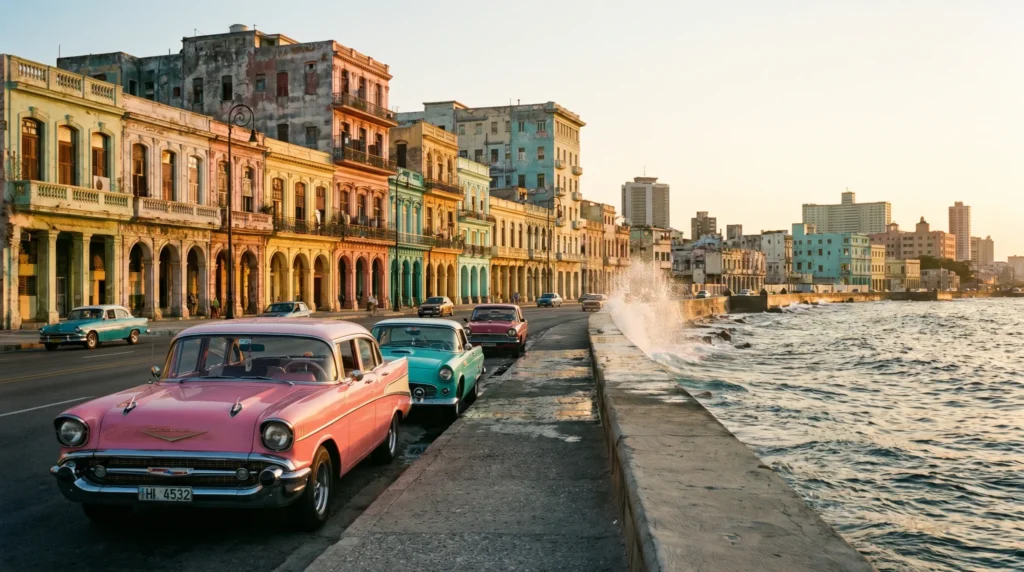
I came to Havana braced for the postcard — the candy-coloured 1950s Chevrolets, the crumbling colonial facades, the Malecón at golden hour — and found a city far more layered than its Instagram shorthand. Havana is the largest city in the Caribbean, home to roughly 2.1 million people in its metropolitan area and around 1.75 million inside the city proper at the end of 2024. Old Havana (Habana Vieja) and its ring of stone fortifications were inscribed as a UNESCO World Heritage Site in 1982 for a colonial core that fuses European, African and Caribbean threads across five centuries — the city was founded by the Spanish in 1519 , and 2019 marked its 500th anniversary. The frozen daiquiri was reputedly perfected here at El Floridita , the mojito legend belongs to La Bodeguita del Medio , and the 8-kilometre Malecón seawall is the social spine where the whole city gathers at dusk. Treat this guide as the brief I would hand my own family before they boarded a flight into José Martí International — and for the wider Cuban frame (the dual-currency mess, the casa particular system, the US travel rules) read it alongside our Cuba country guide.
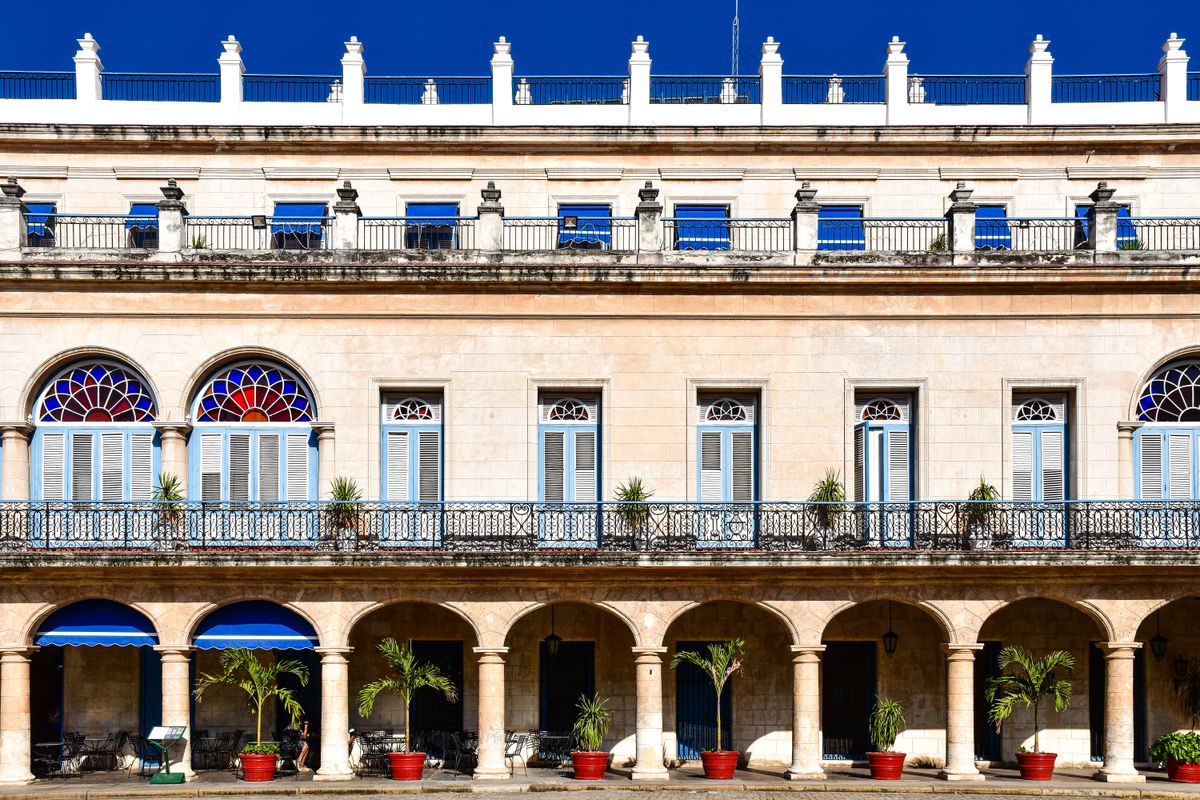
Table of Contents
Why Havana?
Havana is the only place in the Caribbean where you can stand in a 16th-century stone fortress guarding the harbour mouth, walk ten minutes to a baroque cathedral carved from coral-rock that fossil hunters still pick shells out of, drink a frozen daiquiri at the bar where the recipe was perfected in the 1930s , and ride a 1955 Chevrolet Bel Air along an 8-kilometre seawall — all without leaving a city core that the Spanish laid out in 1519. The Spanish crown made Havana the assembly point for its treasure fleets because of the deep, sheltered bay; the city grew rich on that traffic, ringed itself with fortifications, and by the 18th century was one of the largest cities in the Americas. UNESCO inscribed Old Havana and its fortifications on the World Heritage list in 1982 (Reference 204) on the strength of more than 900 buildings of historic importance packed into the colonial grid.
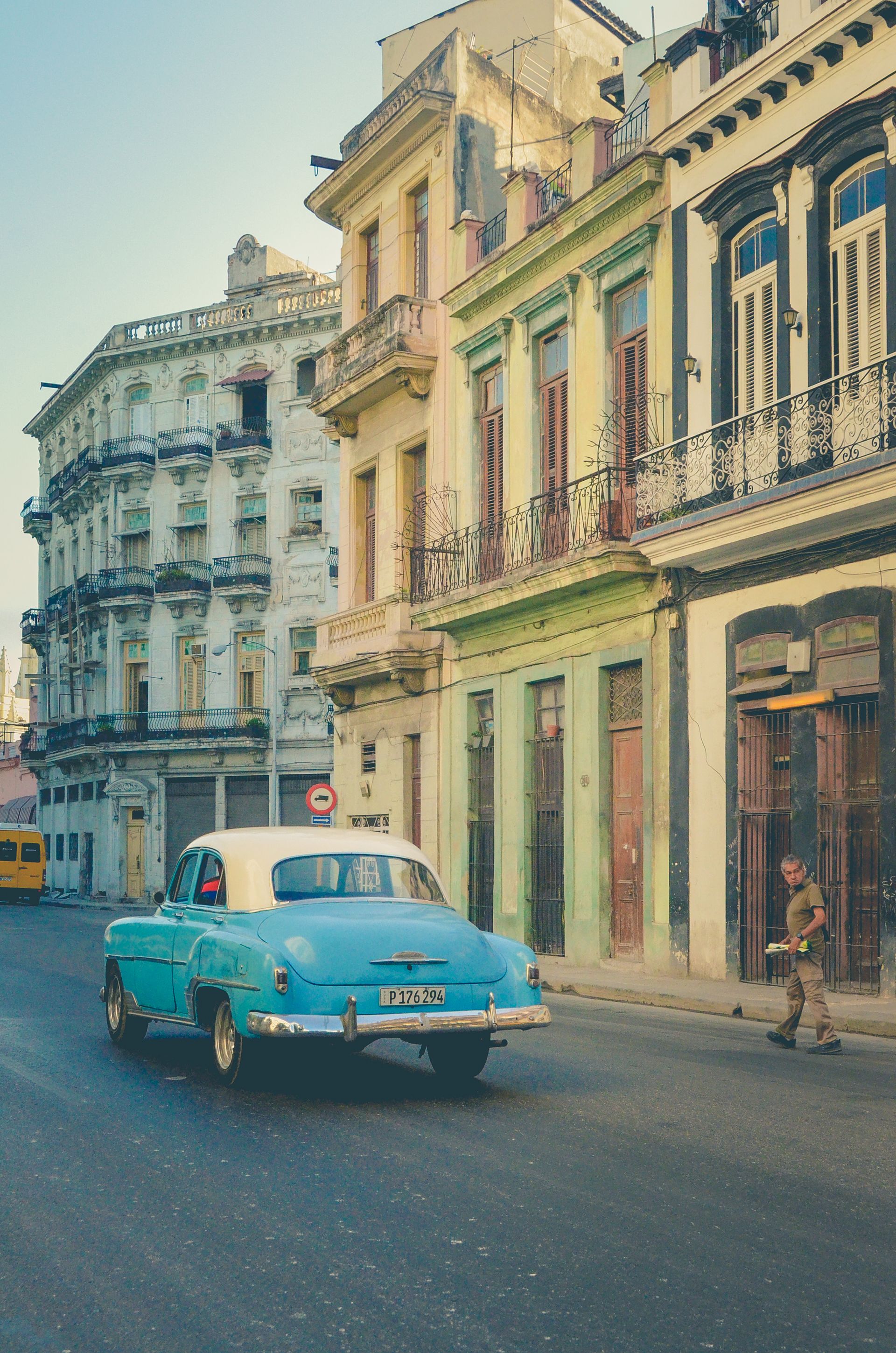
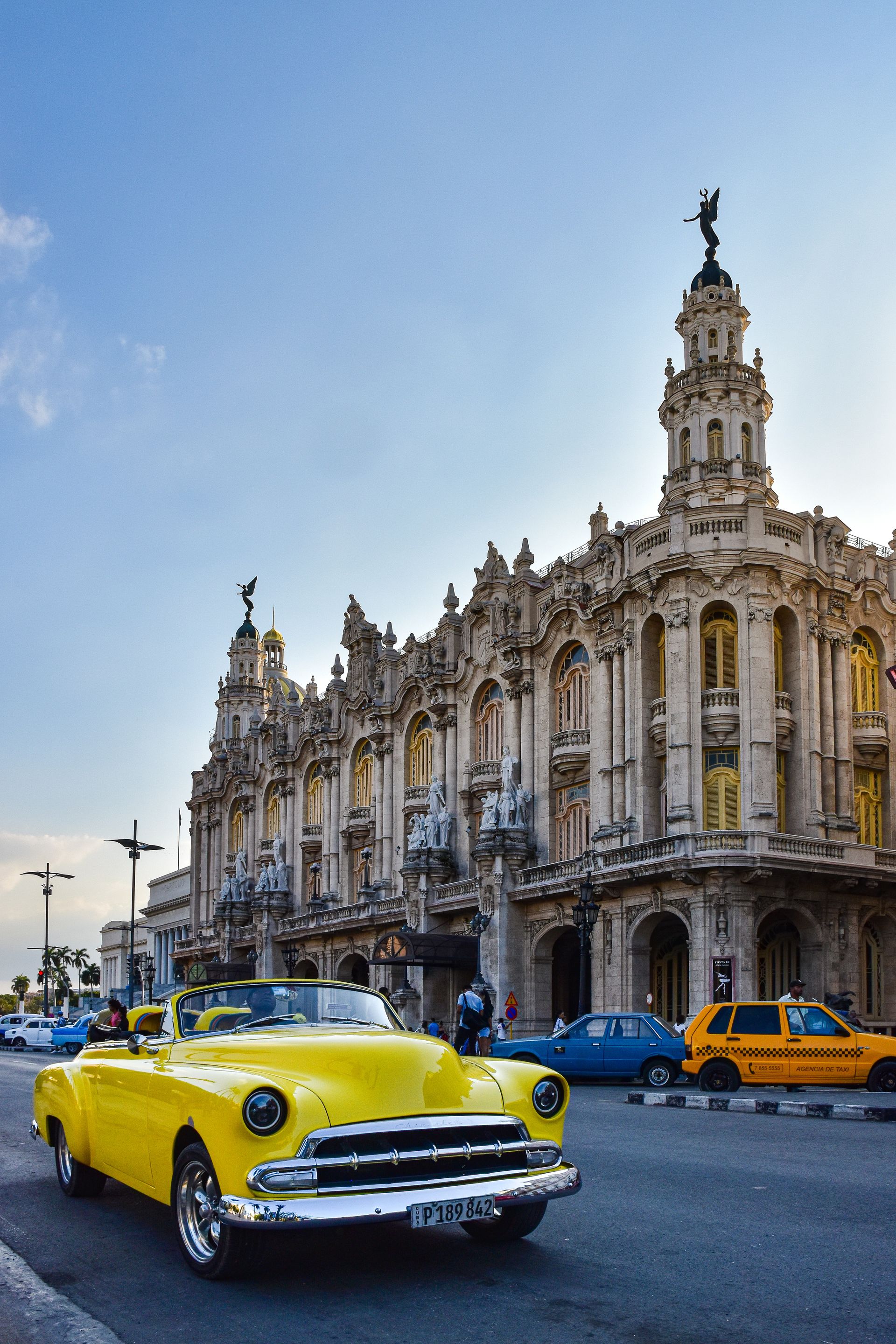
The city wears three identities simultaneously. It is a Spanish colonial port — the Castillo de los Tres Reyes del Morro and the Castillo de la Real Fuerza date Havana’s defences to the 16th century, and Plaza de Armas, Plaza Vieja, Plaza de la Catedral and Plaza de San Francisco anchor the restored Habana Vieja core. It is a mid-century time capsule — the 1959 revolution and the subsequent US embargo froze the city’s American car fleet in place, and roughly 60,000 pre-1960 American cars still run on Cuban roads, many of them as tourist taxis. And it is a living, struggling 21st-century capital — the dual-currency reforms, the chronic power cuts, the rise of private paladar restaurants and casas particulares since the 2011 economic opening all play out on the same streets as the postcard.
What guidebooks under-rate is how walkable the core is. Habana Vieja’s four main plazas sit within a fifteen-minute stroll of each other; the Capitolio and the Gran Teatro mark the boundary with Centro Habana; the Malecón runs unbroken from the harbour mouth past Centro and Vedado to the Almendares river. A classic-car taxi covers the Vedado–Vieja axis in fifteen minutes; the Capitolio reopened to the public in 2018 after an eight-year restoration timed for the city’s 500th anniversary. José Martí International Airport sits about 16 kilometres south of the centre, a 25-to-30-minute taxi away.

Neighborhoods: Finding Your Havana
📍 Havana Map: Every Place in This Guide
Habana Vieja (Old Havana)
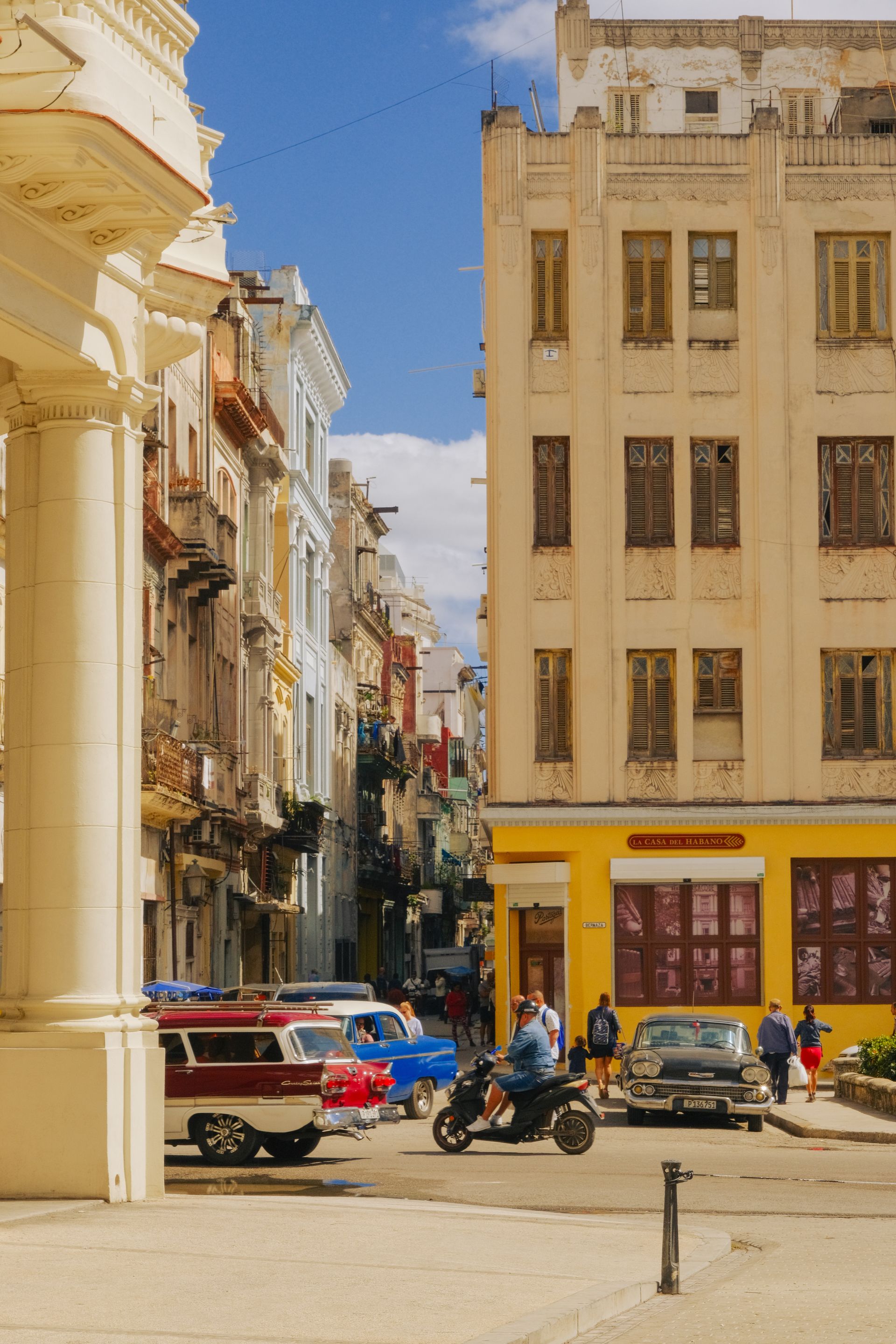
The UNESCO core and the city’s crown jewel — a colonial grid of restored plazas, baroque churches and coral-stone palaces founded in 1519 and heavily patrolled, so it stays lively and broadly secure day and night. Plaza Vieja, founded in 1559, was meticulously restored from the late 1990s under UNESCO-backed programmes.
- The four signature plazas: de Armas, de la Catedral, Vieja and de San Francisco
- Calle Obispo — the pedestrian spine of shops, bars and bookstalls
- El Floridita and La Bodeguita del Medio, the two Hemingway cocktail shrines
Best for: first-time visitors who want the postcard within walking distance. Access: walk; classic-car taxi from the airport ~$25–35.
Centro Habana
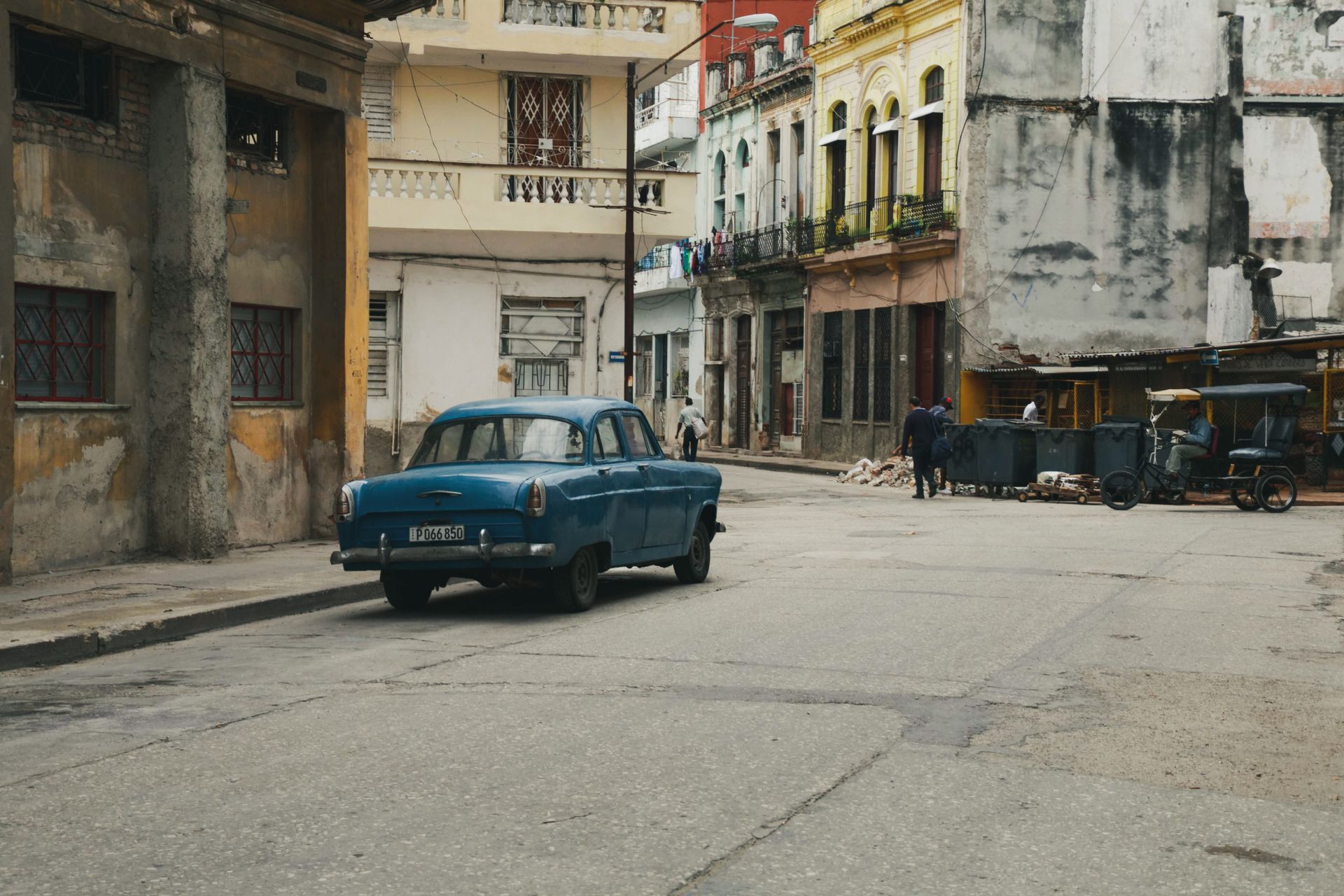
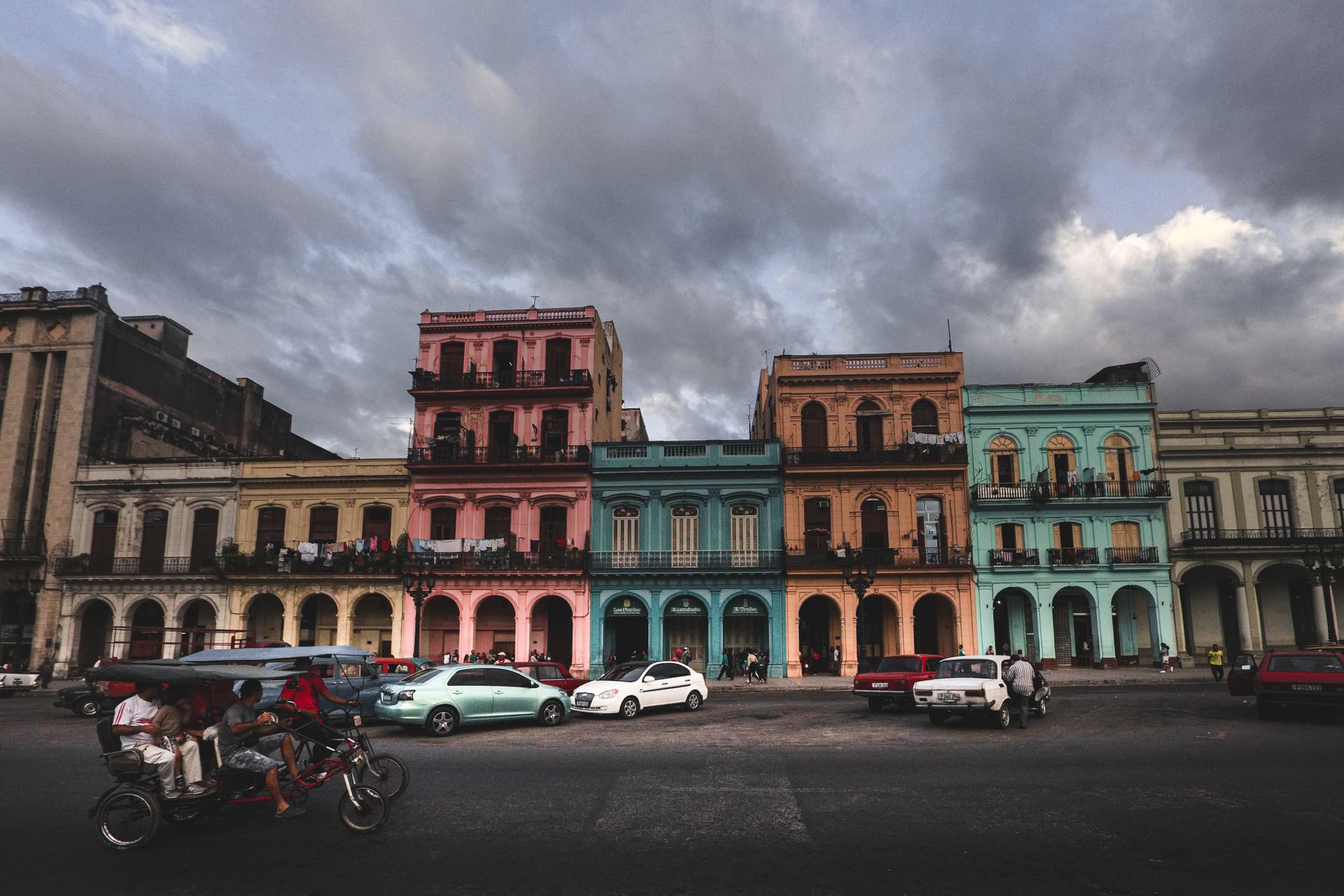
A dense, working-class district between Habana Vieja and Vedado, bordered to the north by the Malecón — faded facades, neighbourhood markets and a raw, lived-in energy, with rooftop bars like Malecon 663 catching the sea breeze.
- The Malecón waterfront at the Centro stretch — people-watching central
- The Capitolio and Gran Teatro on the Habana Vieja border
- Barrio Chino (Havana’s small Chinatown) and the Callejón de Hamel Afro-Cuban art alley
Best for: travellers who want grit and authenticity over polish. Access: walk from Habana Vieja; classic-car taxi along the Malecón.
Vedado
Havana’s 20th-century centre — wide boulevards, Art Deco and mid-century towers, leafy squares and the cultural-business hub. La Rampa (23rd Street from L Street to the Malecón) is its heart, and it holds the University of Havana, the Hotel Nacional and the Plaza de la Revolución.
- The Hotel Nacional terrace — the classic Vedado sunset drink
- Plaza de la Revolución with the Che and Camilo murals
- Cementerio de Colón, one of the great cemeteries of the Americas
Best for: nightlife, live music and a quieter base than the Old Town. Access: classic-car taxi or P-route bus from Habana Vieja, ~15 minutes.
Miramar
The upscale, leafy diplomatic quarter west of Vedado across the Almendares — broad ficus-lined avenues, pre-revolution mansions, embassies and the higher-end restaurant scene. Quieter and more refined; better for longer or family stays.
- Fifth Avenue (Quinta Avenida) — the grand mansion boulevard
- The Miramar paladar scene, among the city’s most ambitious
- The Russian Orthodox cathedral and the seafront west of the tunnel
Best for: diplomats, families, return visitors seeking space and calm. Access: classic-car taxi through the Almendares tunnel from Vedado.
The Malecón & Casablanca
Not a residential barrio so much as the city’s living room — the 8-kilometre Avenida de Maceo seawall runs from the harbour mouth in Habana Vieja along Centro and Vedado to the Almendares, and at dusk the whole city gathers on it. Across the harbour, the Casablanca and Regla districts hold the Cristo de La Habana statue and the fortress complex.
- Sunset on the seawall — rum, music and fishing lines
- The Castillo de los Tres Reyes del Morro and the nightly cañonazo cannon ceremony
- The ferry to Regla and Casablanca from the Habana Vieja waterfront
Best for: every visitor, every evening. Access: walk the seawall; ferry from the Old Town piers.
The Food

Cuban Classics (Comida Criolla)
Cuban cooking is hearty, slow-braised and built on pork, beans, rice and root vegetables — the national repertoire centres on ropa vieja (shredded beef in tomato sauce), roast pork, black-bean soup, congrí (rice and beans cooked together), boiled yuca with mojo criollo and fried plantains. The best of it now comes from privately run paladares rather than state restaurants.
- La Bodeguita del Medio — ropa vieja & the legendary mojito (~$5 USD)
- Paladar San Cristóbal — comida criolla in a Centro Habana townhouse (~$15–25 USD a main)
- Doña Eutimia — ropa vieja off Plaza de la Catedral (~$12–18 USD a main)
Cocktail Shrines & Bars
Havana is a cocktail city: the frozen daiquiri was perfected at El Floridita in the early 1930s by the bartender Constantino Ribalaigua, whose motto for the bar is “la cuna del daiquiri” (the cradle of the daiquiri) , while La Bodeguita del Medio claims the mojito since 1942.
- El Floridita — the frozen daiquiri (~$7.50 USD)
- La Bodeguita del Medio — the mojito (~$5 USD)
- Sloppy Joe’s Bar — restored 1917 bar near the Parque Central (~$5–7 USD a cocktail)
Beyond Ropa Vieja and the Mojito
The street-and-cafe layer is cheaper and more everyday — this is where casa breakfasts and corner stalls earn their keep.
- Tostones & mariquitas — fried green-plantain chips and discs (~$1–2 USD)
- Café cubano — sweet espresso shot, the national fuel (cents–$1 USD)
- Cuban sandwich & pan con lechón — roast-pork rolls from street counters (~$2–4 USD)
- Guarapo & helado Coppelia — fresh sugar-cane juice and the state ice-cream institution in Vedado
Food Experiences You Can’t Miss
- A mojito-and-daiquiri Hemingway crawl: La Bodeguita then El Floridita, the apocryphal but irresistible itinerary
- A casa particular breakfast of tropical fruit, eggs and Cuban coffee on a Habana Vieja rooftop
- A rooftop-paladar dinner in Centro or Vedado with a Malecón view at sunset
Cultural Sights

El Capitolio (National Capitol Building)
Cuba’s monumental capitol, built in the 1920s and loosely modelled on the US Capitol in Washington, reopened to the public in 2018 after an eight-year restoration timed for Havana’s 500th anniversary. Admission ~$10–15 USD for a guided interior tour; best visited mid-morning.
Plaza de la Catedral & the Cathedral of Havana
The baroque Cathedral of San Cristóbal, completed in 1777 from coral-rock blocks that still show marine fossils, anchors the most photogenic of the four plazas. Free to enter; tower climb a small fee.
Castillo de los Tres Reyes del Morro
The 16th-to-17th-century fortress guarding the harbour mouth, part of the UNESCO-listed defensive system; the adjacent La Cabaña fortress hosts the nightly 21:00 cañonazo cannon ceremony in period dress. Admission ~$6–8 USD.
Museo Nacional de Bellas Artes
Cuba’s national fine-arts museum, split across a Cuban-art building near the Parque Central and a Universal-art building, holding the definitive collection of Cuban painting from the colonial era to the present. Admission ~$5 USD per building.
Plaza de la Revolución
The vast civic square in Vedado, framed by the José Martí memorial and the steel murals of Che Guevara and Camilo Cienfuegos on the ministry facades — the backdrop to the great political rallies of the revolution. Free; a standard classic-car-tour stop.
Entertainment

Tropicana Cabaret
The legendary open-air 1939 cabaret in Marianao, an extravagant feathers-and-rumba floor show that has run almost continuously since before the revolution. Typical cost $75–120 USD including a drink; book ahead through your casa or a tour desk.
Fábrica de Arte Cubano (FAC)
A converted Vedado cooking-oil factory turned multi-disciplinary art-and-music venue — galleries, bars and live stages under one roof, and the hottest night out in the city. Typical cost ~$2–3 USD entry plus drinks; closed parts of the year, check the schedule.
Live Son & Salsa
The Casa de la Música venues (Centro and Miramar), the Buena Vista Social Club-style shows and countless bar bands keep Havana’s son and salsa tradition live nightly. Typical cost $5–20 USD cover.
The Malecón at Night
The free, default Havana evening — rum, portable speakers, fishing lines and the whole city out on the seawall. No cost beyond what you bring.
Day Trips

Viñales Valley (2.5–3 hours by car)
The UNESCO-listed tobacco-and-karst valley in Pinar del Río province — mogote limestone hills, working tobacco farms, cigar-rolling demonstrations and horseback rides. The classic full-day Havana excursion, about 2.5–3 hours each way.
Playas del Este (25–40 minutes by car)
The string of white-sand beaches east of the city — Santa María del Mar is the nearest — reachable by taxi or the seasonal beach bus for a half-day swim.
Las Terrazas & Soroa (1.5–2 hours by car)
An eco-community and orchid garden in the Sierra del Rosario biosphere reserve, good for a cooler, greener day of waterfalls and birdwatching.
Matanzas & the Hershey route (1.5–2 hours by car)
The “city of bridges” east along the bay, historically linked to Havana by the electric Hershey train (note the line has suffered prolonged service suspensions for bridge repairs).
Varadero (2–2.5 hours by car)
Cuba’s flagship beach resort strip on the Hicacos peninsula — long for a day trip but doable as an overnight if you want a classic Caribbean-beach contrast to the city.
Seasonal Guide
Spring (March – May)
The tail of the dry season and one of the best windows — warm, comparatively low humidity, and ahead of the summer heat and hurricane risk. Daytime highs run 28–31°C with reliable sun. Hotel rates ease off the December–February peak; the Malecón evenings are perfect. Book a few days ahead for the well-known paladares.
Summer (June – August)
Hot and humid, with highs of 31–33°C and afternoon thunderstorms; this is also the start of the Atlantic hurricane season, which runs June to November. The compensations are the Carnaval de La Habana in late July and August along the Malecón, and cheaper, quieter conditions. Plan two-shift days — sightseeing morning and evening, pool or shade at midday.
Autumn (September – November)
The peak of the hurricane window — September and October carry the highest storm risk, and power and supply disruptions are more likely. Build flexibility into any autumn trip and watch the forecasts. The flip side is the lowest-tourism, lowest-price stretch of the year, and November cools and dries out as the season closes.
Winter (December – February)
Havana’s prime season — dry, sunny, comfortable highs of 24–27°C and low humidity. It is also the busiest and priciest window, with the December Havana Film Festival and the February International Book Fair as cultural anchors; the Christmas–New Year stretch books out weeks ahead.
Getting Around

Classic-Car & Modern Taxis
The default way to move between barrios. Tourist classic-car taxis are negotiable and atmospheric; modern state and private taxis are metered or fixed. Always agree the fare before departing — there is no Uber in Cuba. A short cross-town hop runs $5–15 USD.
Coco Taxis & Bicitaxis
Cocotaxis are bright-yellow three-wheeled fibreglass pods shaped like a coconut — fun for short hops such as Old Havana to Vedado; bicitaxis (cycle rickshaws) cover the Old Town. Both are negotiable; agree the price first.
P-Route City Buses
The cheap local option: the “P” guagua routes (P16, P19 and others) cross the city for a few Cuban pesos and connect the centre to the Plaza de la Revolución and Vedado; crowded, no fixed timetable, and not suited to large luggage.
Airport Access
- Fixed-price taxi from José Martí (HAV) to central Havana — 25–30 minutes, ~$25–35 USD
- P16 / P19 public bus from Terminal 2 to the centre — 50–60 minutes, a few pesos
Taxis
Flag-fall is effectively whatever you negotiate — there is no universal meter culture. Use classic-car and private taxis for comfort and convenience between barrios; the fare is typically the same for Habana Vieja, Centro and Vedado from the airport.
Navigation Tips
Apps: Maps.me (offline), Google Maps (download the area offline before you arrive). Mobile data via the state ETECSA network is slow and patchy — download maps and any guides while you still have wifi.
Budget Breakdown: Making Your Pesos Count
| Tier | Daily | Sleep | Eat | Transport | Activities | Extras |
|---|---|---|---|---|---|---|
| Budget | $30–50 | Casa particular $20–35 | Stalls & cheap paladares $8–12 | P-bus & walking $2–5 | Free plazas & Malecón | $3–5 |
| Mid-Range | $80–160 | Boutique hotel $60–110 | Paladares $25–45 | Classic-car taxis $15–30 | Museums & a car tour $20–40 | $10–20 |
| Luxury | $250+ | Gran Hotel Manzana / Kempinski $200+ | Top paladares $60–100 | Private car & driver $80+ | Tropicana & private guide $100+ | $30+ |
Where Your Money Goes
Cash is king and the exchange rate is the single biggest budget lever. The official rate is fixed but cash dollars and euros fetch far more on the informal market — roughly 440 CUP to the dollar in late 2025, versus the official 120. Bring all the cash you need: US-issued cards do not work in Cuba, and accommodation plus the famous paladares and car tours are where the money flows.
Money-Saving Tips
- Bring euros or Canadian dollars rather than USD to dodge the punitive ~8–10% USD conversion penalty on official exchange.
- Stay in casas particulares — cheaper, with breakfast and local knowledge included.
- Eat where Cubans eat: peso street stalls and cafeterias cost a fraction of the tourist paladares.
Practical Tips
Language
Spanish is universal; Cuban Spanish is fast and drops final consonants, so even confident speakers should listen hard. English is spoken in hotels, the bigger paladares and on tours, but thins out fast in working-class barrios — a little Spanish goes a long way.
Cash vs. Cards
Cuba is overwhelmingly a cash economy and US-issued credit and debit cards do not work at all because of the embargo — bring all the cash you expect to need in euros, Canadian dollars or US dollars.
Safety
The US State Department has Cuba at Travel Advisory Level 2 (Exercise Increased Caution) as of 2025, citing crime and unreliable electrical power and fuel. Violent crime against tourists is rare and Habana Vieja is heavily patrolled, but petty theft and scams have risen with the economic crisis — watch bags in Centro, ignore street “jineteros” touting cigars and restaurants.
What to Wear
Light, breathable clothing year-round; a hat and sun protection for the open plazas and the Malecón; a light layer for air-conditioned bars and winter evenings. Comfortable shoes for the cobbles.
Cultural Etiquette
Cubans are warm and direct; greetings matter, tipping in cash is appreciated and expected in the tourist economy, and photographing people (especially in costume on the plazas) is a paid transaction — ask first.
Connectivity
Mobile data on ETECSA is slow and roaming barely exists; wifi is sold via Nauta cards for hotspots and the bigger hotels. Treat Havana as a largely offline trip and download what you need in advance.
Health & Medications
Tap water is not potable — drink bottled. Bring any prescription medication you need plus a basic kit, as pharmacy stocks are unreliable. Travel insurance with medical cover is mandatory for entry to Cuba.
Luggage & Storage
Most casas particulares and hotels hold bags on arrival and departure days; there is limited formal left-luggage, so plan around your casa.
Frequently Asked Questions
How many days do I need in Havana?
Three full days covers Habana Vieja’s four plazas, the Malecón at sunset, Vedado and a classic-car tour; four lets you add a Viñales valley day trip or the Playas del Este beaches; five fits Matanzas or an overnight to Varadero. Most visitors find three days the sweet spot for the city itself.
Is Havana good for solo travellers?
Yes. Habana Vieja is heavily patrolled and lively day and night, violent crime against tourists is rare, and Cubans are famously welcoming — the main risks are petty theft and persistent street touts (jineteros). Keep cash discreet, use known taxis after dark, and stay in a casa particular where the hosts double as local fixers.
Do US citizens need a special category to visit Havana?
Yes. US law bars ordinary tourism to Cuba, so US travellers must qualify under one of the OFAC general-licence categories (commonly “Support for the Cuban People”), keep records for five years, and avoid entities on the Cuba Restricted List. Other nationalities simply need a tourist card and travel-medical insurance.
What about the language barrier?
Manageable but real. Spanish is universal and English is limited outside hotels, the bigger paladares and tours; Cuban Spanish is fast and clipped. Learn buenos días, gracias and por favor, carry an offline translation app, and you’ll get by — a little Spanish earns a lot of goodwill.
When is the best time of year to visit Havana?
December to April — the dry season, with comfortable highs of 24–28°C and low humidity, and ahead of the June–November Atlantic hurricane window. December (film festival) and February (book fair) are cultural high points but also the priciest, busiest weeks; March–April balances good weather with easing crowds.
Can I use credit cards everywhere?
No — and US-issued cards do not work at all. Cuba is a cash economy; bring all the cash you need in euros, Canadian dollars or US dollars, change it at informal-market rates for everyday peso spending, and pay paladares, taxis and casas in cash. Carry small denominations.
Should I bring US dollars or euros to Cuba?
Bring euros or Canadian dollars if you can. US dollars work but official exchange applies a roughly 8–10% conversion penalty, so euros stretch further; in either case the informal market (around 440 CUP to the dollar in late 2025) gives far more pesos than the fixed official rate, so cash dollars and euros are king for paladares and tours.
Ready to Experience Havana?
From the daiquiri at El Floridita to the classic-car cruise along the Malecón at sunset, Havana rewards travellers who lean into its rhythm and come prepared with cash and patience. For the full country context, read the Cuba Travel Guide.
Explore More City Guides
Where to Stay
Alex the Travel Guru
Alex has spent the better part of two decades returning to Havana — watching the city open to private paladares and casas particulares after 2011, weathering the dual-currency reforms, and learning the unwritten rules of the cash economy the hard way. He’s walked Habana Vieja’s four plazas at dawn before the touts wake up, ridden a 1955 Bel Air along the Malecón at golden hour, and ordered too many daiquiris at El Floridita. The Havana brief here reflects the rhythm of those visits, UNESCO and Cuban tourism guidance, the US State Department and CDC advice, and the ground-truth on what works for a three-to-four-night stay in 2026 — with a soft spot for a Vedado rooftop paladar and a seawall sunset.
More city guides you might like

Plan your trip to Havana
The booking tools we use ourselves. FFU may earn a commission at no extra cost to you.
Plan & book your trip to Havana
Booking through these searches supports our guides at no extra cost to you.