
Languages of Luxembourg
All languages of Western Europe →fluent beta classical · classes by phone with Maya at ranas.ai/maya
Luxembourg Travel Guide — Cliff-Top Fortress City, Free Trains & Storybook Valleys
I almost skipped Luxembourg — and I’m so glad I didn’t. In a single afternoon I rode a free funicular down a sheer cliff into the Grund’s stone-and-river quarter, walked the casemate tunnels carved into the rock, and looked back up at a fortress city that genuinely stopped me in my tracks. Then we drove half an hour and were among vineyards, castles and Ardennes forest. This is the smallest country I know that packs in this much drama: a UNESCO old town, EU grandeur, fairy-tale valleys and the world’s first nationwide free public transport. Tiny, polished and seriously underrated.

In This Guide
- Overview — Why Luxembourg Belongs on Every Bucket List
- Moselle Wine Harvest 2026
- Best Time to Visit Luxembourg
- Getting There — Flights & Arrival
- Getting Around
- Top Cities & Regions
- Luxembourgish Culture & Etiquette
- A Food Lover’s Guide to Luxembourg
- Off the Beaten Path
- Practical Information
- Budget Breakdown
- Planning Your First Trip
- Frequently Asked Questions
Overview — Why Luxembourg Belongs on Every Bucket List
Luxembourg is the little grand duchy that most people zip past on the way somewhere else — and almost everyone who actually stops comes away surprised. Landlocked between Belgium, France and Germany, it is one of the smallest countries in Europe, yet it crams a UNESCO-listed fortress capital, deep wooded gorges, vineyard valleys and storybook castles into a space you could drive across in under two hours. It is also one of the wealthiest and most international corners of the continent, a founding member of the European Union with EU institutions perched on its plateau.
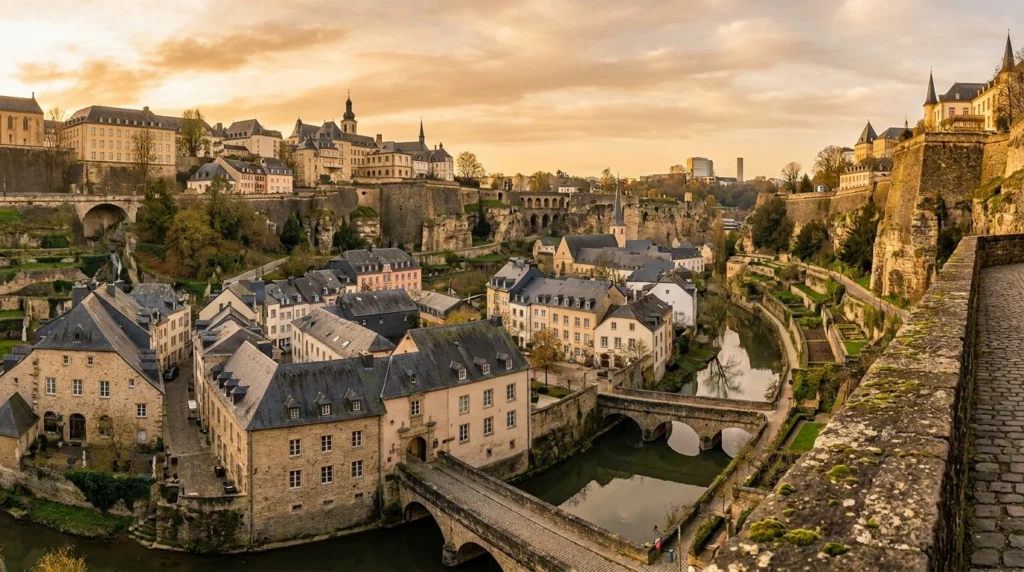
The capital, Luxembourg City, is the headline act. Built on dramatic sandstone cliffs above the Alzette and Pétrusse rivers, its old quarter and fortifications were inscribed as a UNESCO World Heritage Site in 1994, a legacy of centuries as one of Europe’s mightiest fortified strongholds. Today you can walk the ramparts, descend into the Bock Casemates tunnels and ride free funiculars and lifts between the upper town and the river-level Grund. The first time you stand on the Chemin de la Corniche and look down on the church spires and stone houses huddled in the gorge below, the city’s nickname — the “Gibraltar of the North” — suddenly makes complete sense. Few capitals reveal themselves so theatrically the moment you arrive.
What makes Luxembourg genuinely distinctive is its scale and its quirks. The whole country has just under 682,000 residents , nearly half of them foreign nationals, and it juggles three official languages — Luxembourgish, French and German . In 2020 it became the first country in the world to make all public transport free nationwide.
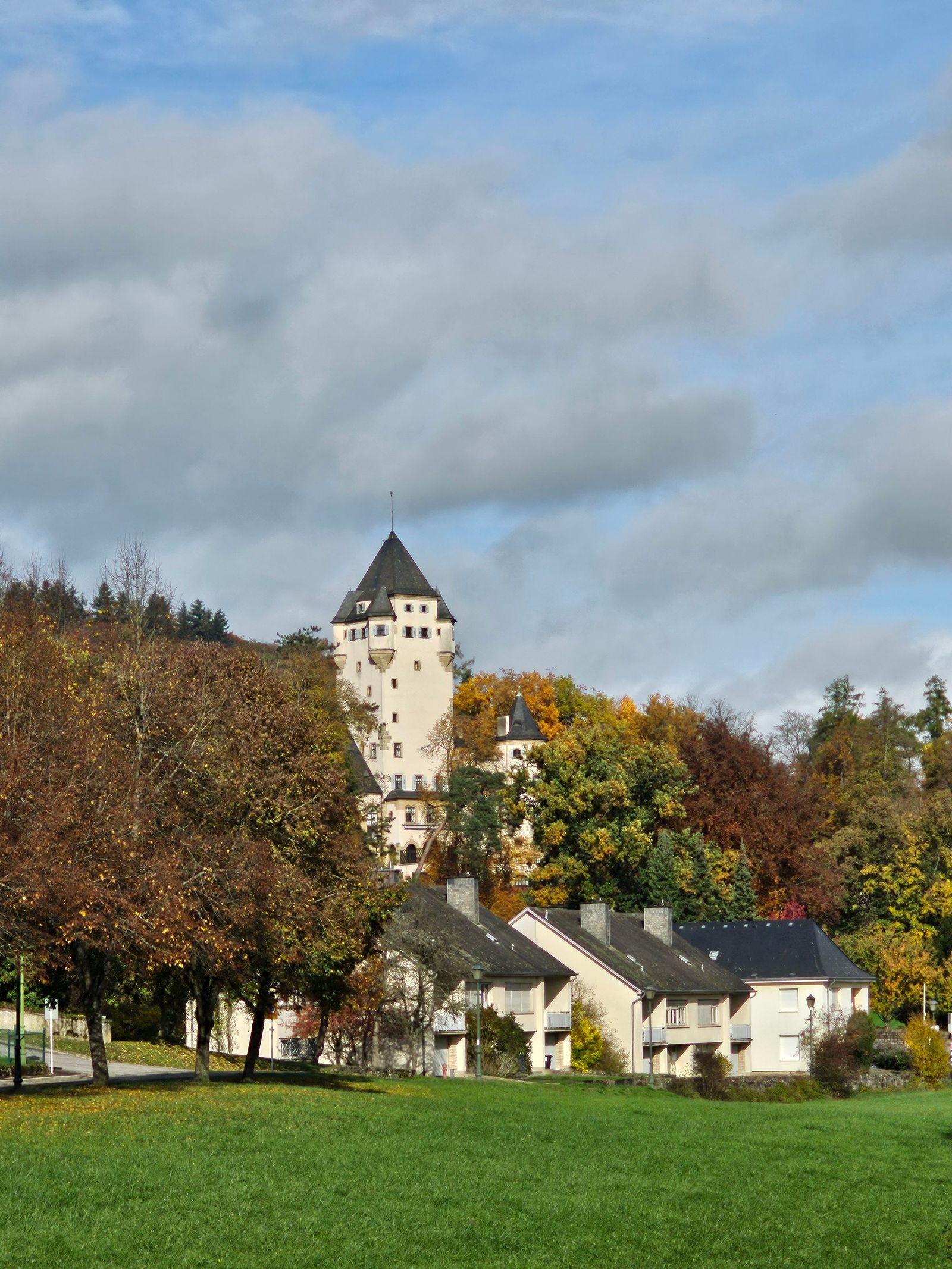
Beyond the capital lie three more distinct regions: the wine-terraced Moselle valley in the east, the cliff-and-castle “Little Switzerland” of the Mullerthal, and the wild, forested Ardennes of the north. What surprises most first-time visitors is how quickly the landscape changes character. Leave the glass-and-steel EU quarter behind and within twenty minutes you are rolling past vineyards or plunging into beech forest; another bend and a medieval castle appears on a crag. The whole grand duchy feels like a carefully edited highlight reel of Western Europe, with the rough edges and long drives stripped out.
Add reliably good food, faultless infrastructure and that headline-grabbing free transport, and you have a compact destination that rewards a slow, curious traveller far more than its tiny footprint would suggest. It is the rare place where you can fit a fortress, a vineyard, a forest hike and a Michelin dinner into a single unhurried day — and still be back at your hotel before dark.

Moselle Wine Harvest 2026 — Crémant on the Terraces
If you can time your trip for early autumn, head east to the Luxembourg Moselle, where steep vineyard terraces tumble down to the river marking the German border. September and October bring the grape harvest, when the wine villages of Remich, Grevenmacher and Schengen come alive with tastings, cellar visits and harvest festivals celebrating the region’s crisp whites and its excellent sparkling Crémant de Luxembourg. It is the most atmospheric time to be here: the slopes glow amber and rust, the air carries the sweet, yeasty smell of pressing, and family-run cellars throw open their doors to anyone curious enough to wander in. After the formality of the capital, the Moselle in harvest feels relaxed and convivial — long tables, shared bottles and growers happy to talk you through every vintage.
- Harvest season: roughly September into October, depending on the year’s ripeness
- Star wines: Riesling, Pinot Gris, Auxerrois and sparkling Crémant de Luxembourg
- Wine route: the 42-kilometre Route du Vin links the riverside wine villages
- Schengen: the tiny village that gave its name to Europe’s borderless zone sits on this route
- Boat trips: river cruises run between the Moselle wine towns in season
Even if you miss the exact harvest weeks, the wine region rewards a visit through the warmer months, with terraces open for tastings and riverside cafés serving the local Riesling by the glass. Time it for a weekend and you may stumble on a village wine festival, where the new vintage is poured straight from the barrel. Pair a tasting with a walk along the vineyard footpaths above the river.

Best Time to Visit Luxembourg (Season by Season)
Spring (Mar–May)
Spring is a lovely, low-key time to visit as the valleys green up, the city’s parks bloom and the café terraces reopen. Temperatures climb gently from chilly March mornings to pleasant high-teens Celsius days by May, and the long-distance hiking trails through the Mullerthal and Ardennes are at their freshest before the summer crowds. The orchards of the central plateau blossom, the rivers run full and lively from the winter melt, and you will often have viewpoints and castle ramparts almost to yourself. Pack a rain jacket and a warm layer — spring showers are common and mornings can still bite.
Summer (Jun–Aug)
Peak season and the warmest, busiest stretch, with highs typically in the low-to-mid 20s Celsius and long daylight hours ideal for hiking and castle-hopping. The capital hosts open-air concerts, the Schueberfouer funfair arrives in late summer, and the wine villages buzz with terrace life. Evenings stay light until late, perfect for lingering dinners in the Grund. It is the easiest time for outdoor activities, though the most popular sights and hotels can get busy in July and August, and a few locals decamp on holiday, so book accommodation ahead.
Autumn (Sep–Nov)
Arguably the finest season. September and October bring the Moselle grape harvest, golden forests across the Ardennes and Little Switzerland, mild walking weather and thinner crowds. The low autumn light is gorgeous for photographing the cliff-top city, mist often pools in the river valleys at dawn, and harvest festivals give the wine country a festive buzz before the damp chill of November sets in and the trees finally bare.
Winter (Dec–Feb)
Cold and often grey, but atmospheric. Luxembourg City’s Christmas markets fill the squares with mulled wine, roasted chestnuts and lights through Advent, and the fortress looks magical under a dusting of snow. Days are short and many rural attractions and castles reduce their hours or close entirely, so winter suits a cosy city break, museum days and festive shopping far more than valley hiking. Dress warmly and embrace the early, lamp-lit evenings.
Shoulder-season tip: Early September is the sweet spot — summer warmth lingers, the harvest is underway on the Moselle, and the capital is calmer than in the July–August peak.
Getting There — Flights & Arrival
Luxembourg is supremely easy to reach, sitting at the heart of Western Europe with its own airport and fast rail links to the surrounding capitals. Many visitors arrive by train as part of a wider European trip.
- Luxembourg Airport (LUX) — the country’s only international airport, about 6 km from the city centre, served by Luxair and budget carriers across Europe.
- Brussels & Frankfurt airports — major nearby hubs with direct trains or coaches into Luxembourg for long-haul connections.
- By rail — fast, frequent trains link Luxembourg City with Brussels, Paris (around 2 hours), Trier and beyond.
Flight times: Roughly 1 hour from London or Paris, under 1.5 hours from most of Western Europe. There is little direct long-haul service, so transatlantic travellers usually connect through a major European hub.
Flag carrier: Luxair, the national airline, plus low-cost links on easyJet, Ryanair and others.
Visa / entry: Luxembourg is in the Schengen Area, so many nationalities (including the UK, US, Canada and Australia) can enter visa-free for short stays of up to 90 days in any 180-day period.
Getting Around — The World’s First Free Transport Country
Getting around Luxembourg is gloriously simple, and almost free. Since 2020 the grand duchy has been the first country in the world to make all public transport — buses, trains and the capital’s modern tram — free of charge for everyone, residents and visitors alike. You just board; no tickets needed for standard second-class travel.
- National network: trains, buses and the Luxembourg City tram, all free for standard travel.
- Luxembourg City to Moselle (Remich): around 45 minutes by bus
- Luxembourg City to Echternach (Mullerthal): roughly 50 minutes by bus
- Luxembourg City to Vianden (Ardennes): about 1.5 hours by train and bus
City lifts & funiculars: Free panoramic elevators and funiculars connect the upper town with the river-level Grund and Pfaffenthal — a sight in themselves.
Driving: A car is handy for reaching the most remote castles and trailheads, though the rail and bus network covers all the main towns and most popular sights; first-class train travel still requires a small paid ticket. If you do drive, note that the country sits at the crossroads of major motorways and rush-hour traffic around the capital can be heavy, with cross-border commuters pouring in each morning. Parking in the old town is limited and pricey, so most visitors happily leave the car behind and lean on the free network.
Apps: The official Mobilitéit app plans journeys across the whole free network in real time, with live departures, platform information and door-to-door routing combining train, bus and tram. It is the single most useful download for getting around, and works just as well for spontaneous day trips as for tightly timed connections.
Top Cities & Regions
📍 Map of Luxembourg: Every Place in This Guide
Luxembourg City
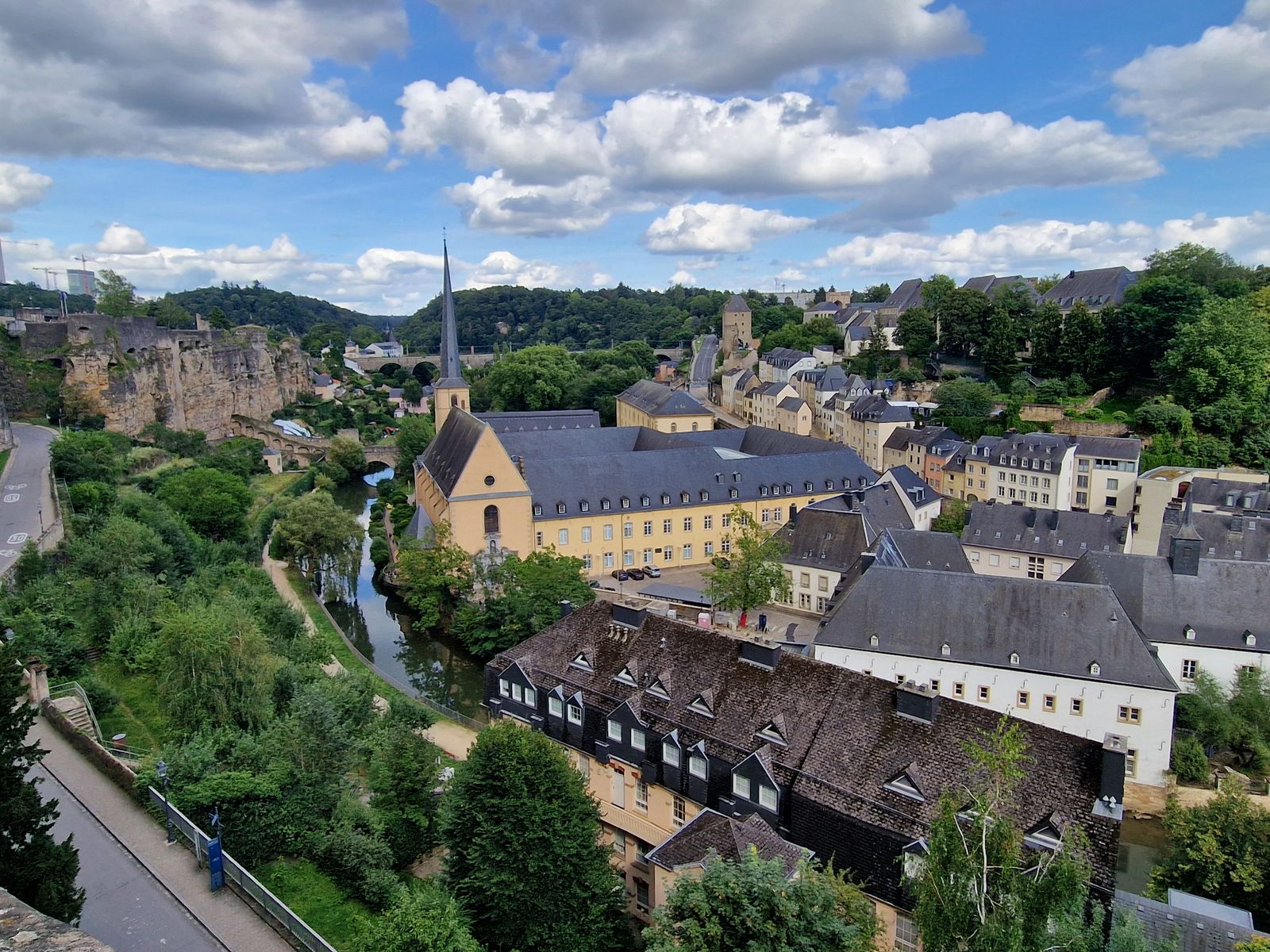
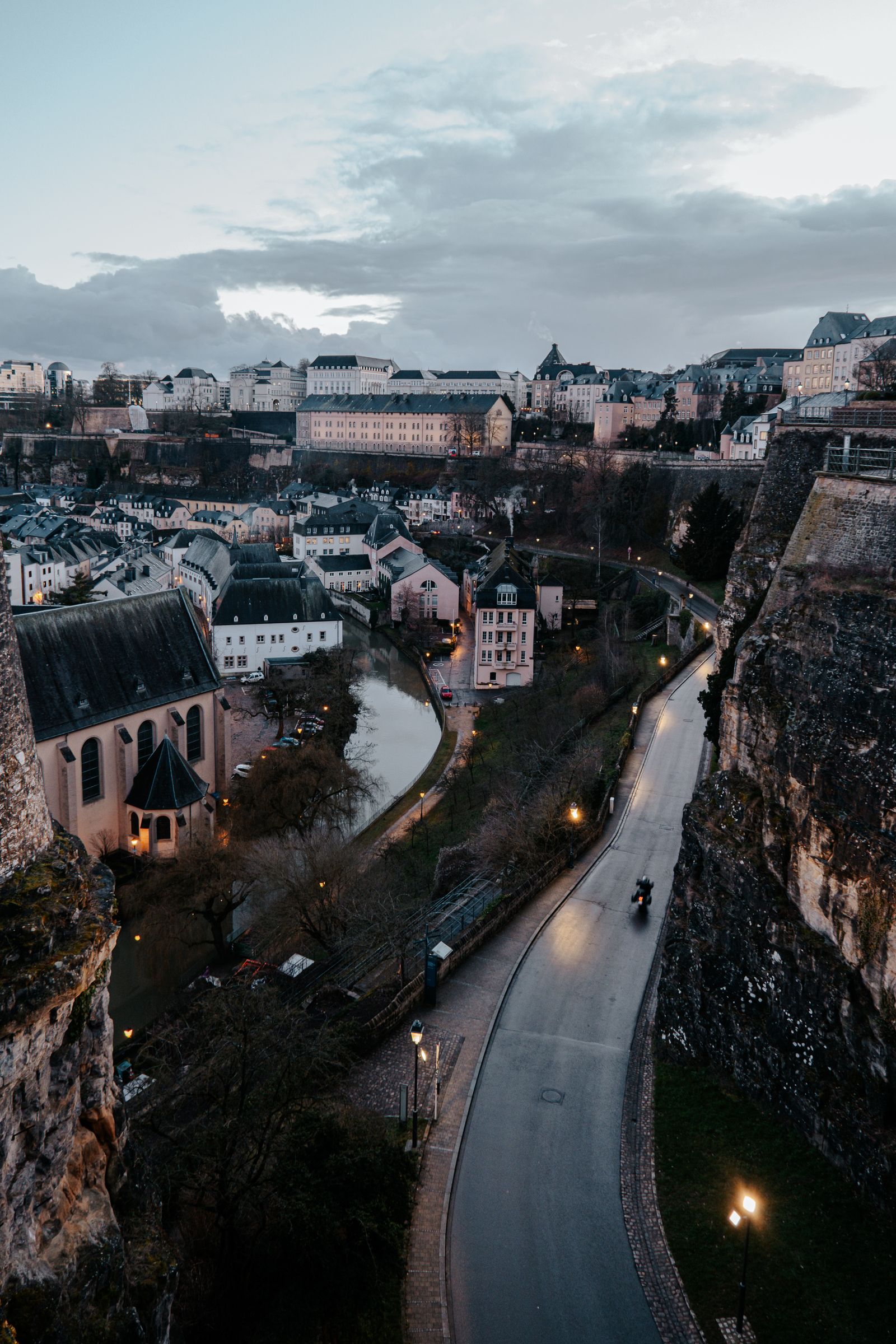
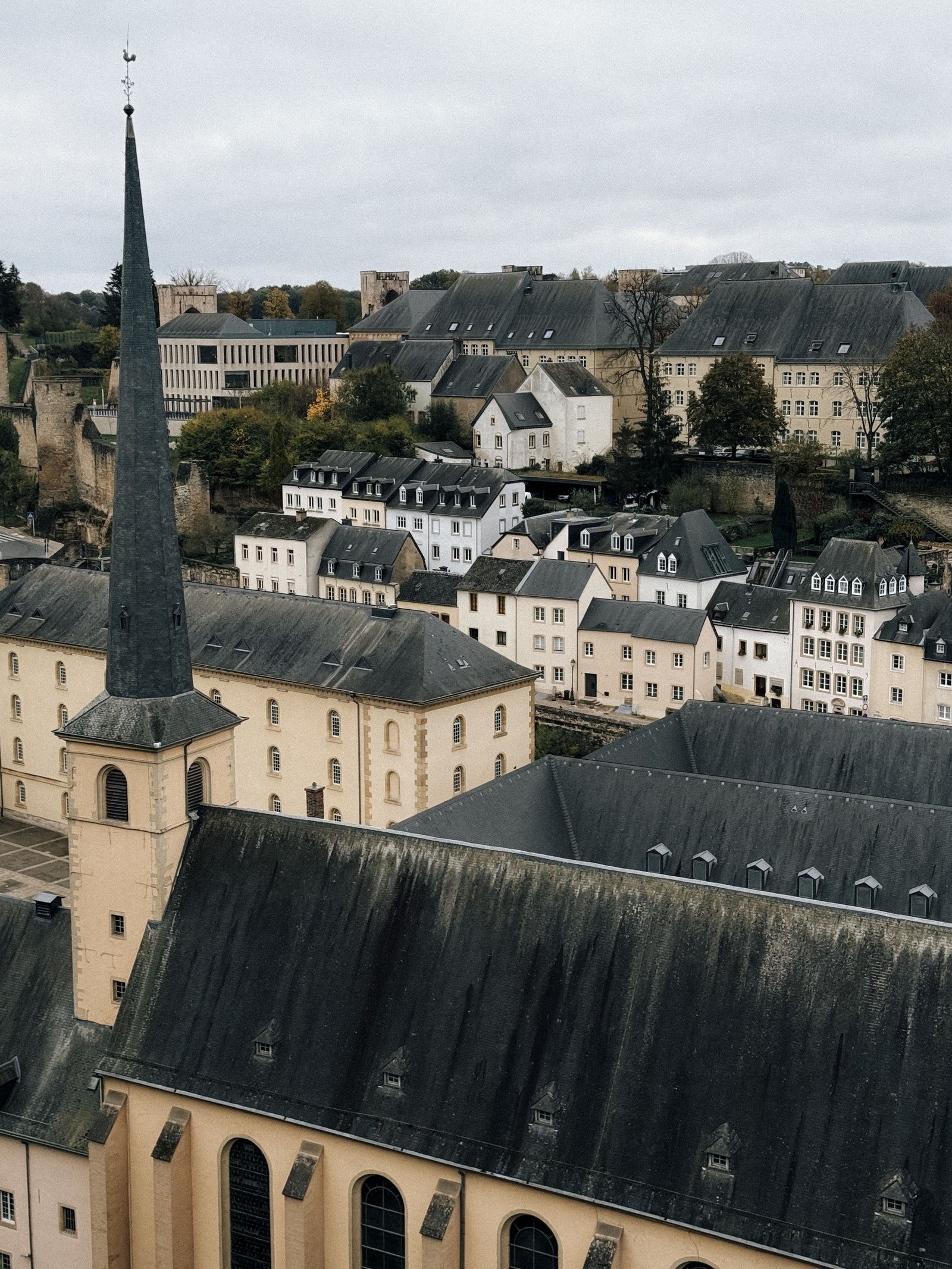
The dramatic capital is the reason most people come, and it deserves at least two days. Perched on cliffs above two river valleys, it pairs a UNESCO old town and casemate tunnels with sleek EU quarters, world-class museums and a buzzing café culture. The contrast between the lofty upper town and the leafy, river-level Grund is the city’s signature pleasure — wander the elegant pedestrian streets and grand squares above, then drop down by free lift or funicular to the cobbled riverside quarter, where former breweries now house bars, galleries and the imposing Neumünster Abbey cultural centre. Compact enough to explore on foot, it still hides enough corners to fill a long weekend.
- The Bock Casemates rock-cut tunnels
- The Grand Ducal Palace and Place d’Armes
- The Chemin de la Corniche, the “most beautiful balcony in Europe”
The Moselle Valley
Luxembourg’s wine country runs along the German border in the east, a string of pretty riverside villages backed by steep vineyard terraces. It is all about tasting — crisp whites and excellent sparkling Crémant — plus river cruises and the symbolic village of Schengen, birthplace of Europe’s open-borders agreement.
- Cellar tastings in Remich and Grevenmacher
- The European Museum at Schengen
- Boat trips along the Moselle
Mullerthal — Little Switzerland
The Mullerthal region in the east is a hiker’s dream of mossy sandstone cliffs, narrow ravines, waterfalls and shady forest trails, all centred on the ancient town of Echternach. The 112-kilometre Mullerthal Trail is one of the best-marked long-distance walks in Europe, threading past dripping rock walls, fern-choked gorges and curious wind-sculpted boulders. You do not need to tackle the whole thing — short loops from Echternach or Berdorf deliver the same fairy-tale scenery in a half-day, and the region is gentle enough for families yet dramatic enough to feel genuinely wild.
- The Mullerthal Trail and Schiessentümpel waterfall
- Echternach’s basilica and Roman villa
- Dramatic rock formations like the Wolfsschlucht gorge
The Ardennes (Éislek)
The wild, forested north is Luxembourg at its most rugged — wooded hills, deep valleys and a skyline of medieval castles. It is prime walking, cycling and castle-hopping country, with sobering World War II history around the Battle of the Bulge, remembered in moving small-town museums and memorials. Quiet villages, river-carved gorges and some of the country’s grandest fortresses make this the region to slow down in, ideally with a night or two in a country inn rather than a rushed day trip from the capital.
- The hilltop fortress of Vianden
- Clervaux Castle and the “Family of Man” photo exhibition
The Red Lands (Minett)
The industrial south, once the heart of Luxembourg’s steel and iron-ore boom, has reinvented itself around culture and green spaces. Esch-sur-Alzette, the country’s second city, anchors a region of former mines turned nature reserves and a major university campus on a regenerated steelworks site.
- Esch-sur-Alzette and Belval’s blast-furnace landmarks
- Former mining trails and nature reserves
Beaufort & the Central Castles
The gentle heart of the country is dotted with photogenic castles and small towns within easy reach of the capital, perfect for a relaxed day of touring by free train and bus.
- Beaufort Castle and its Renaissance manor
- Bourscheid Castle high above the Sûre valley
Taken together, these regions show how much variety Luxembourg squeezes into a country smaller than many cities’ metro areas: a spectacular fortress capital, a wine valley, a hiker’s canyon-land, a castle-strewn north and a reinvented industrial south, every one of them reachable for free by public transport. It is the kind of place where you can plan a different day trip each morning and never repeat yourself in a week.
Luxembourgish Culture & Etiquette — What to Know Before You Go

Luxembourg is one of the most international societies on Earth — nearly half its residents are foreign nationals, and everyday life unfolds across three official languages, Luxembourgish, French and German, with English very widely spoken. The result is a courteous, multilingual, slightly formal culture that blends Germanic order with French flair. Don’t be surprised to hear a shopkeeper greet one customer in Luxembourgish, switch to French for the next and finish your transaction in English — code-switching mid-conversation is simply how the country runs. A little politeness and patience with the language mix go a long way, and any attempt at a local word is met with genuine warmth.
The Essentials
- Greet with a handshake; close friends exchange light cheek kisses, French-style.
- A friendly “Moien” (Luxembourgish for hello) is always appreciated, even if you switch to English or French.
- Punctuality matters — arrive on time for reservations and appointments.
- Tipping is modest; rounding up or leaving about 10% is plenty for good service.
- Dress is generally smart-casual; locals tend to look polished, especially in the capital.
Dining & Daily Life
- Many shops and businesses close on Sundays, so plan around it.
- Lunch is often the main meal; sit-down restaurants can be formal and a little pricey.
- Cash is accepted but cards, including contactless, are the norm everywhere.
- Quiet, respectful public behaviour is expected, especially on trains and trams.
- Greetings and small courtesies matter: a “merci” or “äddi” (goodbye) when leaving a shop is the norm.
For all its wealth and EU gravitas, Luxembourg is unshowy and down-to-earth. People value discretion, reliability and good manners over flash, and the pace of life — especially outside the capital — is calm and unhurried. Treat the country with the quiet respect it shows visitors and you will find it one of the most welcoming and easygoing places in Europe.
A Food Lover’s Guide to Luxembourg

Luxembourgish food is exactly what you would expect of a country wedged between France and Germany: hearty, German-influenced home cooking refined by French technique, and washed down with the country’s own crisp Moselle wines. Portions are generous, ingredients are good, and the restaurant scene in the capital punches well above the country’s size, with one of the highest densities of fine dining in Europe alongside cosy, traditional brasseries. The grand duchy’s cuisine has a name of its own — Lëtzebuerger Kichen — built around pork, potatoes, river fish, smoked meats and the produce of the surrounding orchards and farms. It is comfort food at heart, the kind of robust, satisfying cooking that suits long lunches and cool valley evenings, and it pairs beautifully with a glass of local Riesling or a Luxembourgish beer.
Must-Try Dishes
| Dish | Description |
|---|---|
| Judd mat Gaardebounen | Smoked collar of pork with broad beans — the unofficial national dish, rich and comforting. |
| Bouneschlupp | Hearty green-bean soup with potatoes and sausage, a homely everyday classic. |
| Gromperekichelcher | Crispy fried potato fritters with onion and parsley, a beloved market and festival snack. |
| Friture de la Moselle | Small river fish fried whole and eaten by the handful, a Moselle riverside speciality. |
| Kachkéis | Soft, spreadable cooked cheese, traditionally eaten on bread with mustard. |
| Quetschentaart | Damson plum tart, the classic late-summer dessert of the orchards. |
Wine, Crémant & the Café Scene
Drink local: the Luxembourg Moselle produces excellent dry whites — Riesling, Pinot Gris, Auxerrois and Rivaner — and a genuinely world-class sparkling wine, Crémant de Luxembourg, that holds its own against Champagne for a fraction of the price. The capital’s café and brasserie culture is lively and cosmopolitan, reflecting its international population, while the Grund’s riverside bars are the spot for an evening drink. For something stronger, look for eau-de-vie made from local plums and pears, often poured as a digestif at the end of a meal. Coffee culture is strong too, and a mid-morning pause with a pastry on a sunny square is one of the city’s quiet pleasures.
- Markets & classics: weekly city markets, Gromperekichelcher stands, artisan bakeries
- Signature drinks: Crémant de Luxembourg, Moselle Riesling, plum eau-de-vie
Prices skew higher than in neighbouring countries, reflecting Luxembourg’s wealth, but you can eat well on a budget at lunchtime set menus, bakeries and market stalls between the splurges. The midday plat du jour at a brasserie is the smart traveller’s move — a generous two- or three-course meal for a fraction of dinner prices. Seek out a traditional Stuff or village inn for the most authentic home cooking, and don’t overlook the weekly markets, where stalls of Gromperekichelcher, smoked sausage and seasonal fruit make for a cheap, delicious lunch on the move. Save room for a slice of Quetschentaart — it is the taste of a Luxembourg late summer.
Off the Beaten Path — Luxembourg Beyond the Capital

Vianden
This impossibly pretty Ardennes town is crowned by one of the finest restored feudal castles in Europe, perched high above the Our valley. A chairlift climbs the hillside for the classic view, and Victor Hugo, who lived here in exile, left a small museum in the house by the bridge. The cobbled main street, lined with cafés and the river running through it, makes for a gorgeous slow afternoon, and the town comes into its own during its medieval festival, when the whole place dresses up in period costume.
Schiessentümpel, Mullerthal
The most photographed spot in Little Switzerland: a triple-cascade waterfall tumbling under a tiny stone bridge in deep forest. It is a short, magical walk from the road and a centrepiece of the Mullerthal hiking trail. Come early or midweek to beat the day-trippers and have the mossy, green-lit clearing to yourself — it feels straight out of a fairy tale, especially after rain when the cascades run full.
Schengen
A quiet Moselle wine village whose name is known worldwide — the 1985 agreement abolishing Europe’s internal borders was signed here aboard a riverboat. A small European Museum and three steel stars by the water mark the spot, and standing where three countries meet, you grasp just how much modern Europe owes to this unassuming wine hamlet. Pair the visit with a tasting at one of the village’s cellars.
Belval Blast Furnaces
In the industrial south, two giant rusting blast furnaces have been preserved at the heart of a futuristic university and cultural quarter built on the old steelworks — an extraordinary mix of heavy-industrial heritage and gleaming new architecture. You can climb a walkway high into one of the furnaces for sweeping views, a striking reminder of how the country reinvented its old steel heartland.
The Bock Casemates
Even in the capital, the warren of tunnels and gun galleries hewn into the cliff beneath the old fortress feels gloriously offbeat. You can wander deep into the rock and emerge at panoramic openings over the Grund far below — bring a light jacket, as the passages stay cool even in summer, and watch your footing on the worn stone steps.
Practical Information
A quick reference for the day-to-day practicalities of travelling in Luxembourg. In short: it is one of the most efficient, safe and well-organised countries in Europe, where almost everything works smoothly and the only real surprise is just how easy — and free — getting around turns out to be. English is widely understood in shops, hotels and restaurants, infrastructure is first-rate, and even the bureaucracy tends to be quietly painless, so most visitors find very little to worry about beyond the relatively high cost of eating and sleeping.
| Currency | Euro (€); Luxembourg was a founding eurozone member and prices are clearly displayed everywhere. |
| Cash needs | Cards, including contactless, are accepted almost universally; carry only a little cash for markets and small purchases. |
| ATMs | Widely available in towns; use bank-branded machines and decline dynamic currency conversion for the best rate. |
| Tipping | Optional and modest; round up or leave around 10% for good restaurant service. |
| Language | Luxembourgish, French and German are official, and English is widely spoken in the capital and tourism. |
| Safety | Luxembourg is one of the safest countries in the world, with very low crime; normal city-sense suffices. |
| Connectivity | Excellent mobile coverage and widespread free Wi-Fi; EU roaming rules apply for EU SIM cards. |
| Power | Type C and F plugs, 230V, 50Hz — standard continental European setup. |
| Tap water | Safe and pleasant to drink throughout the country. |
| Healthcare | Excellent standards; the EHIC/GHIC covers EU visitors, while others should carry travel insurance. |
Budget Breakdown — What Luxembourg Actually Costs
Luxembourg is one of the wealthiest countries in the world, and prices reflect it — accommodation and restaurants in particular run higher than in neighbouring France, Belgium or Germany. The saving grace is that public transport is free nationwide, which quietly takes a real chunk out of any travel budget. Free admission to many parks, viewpoints, churches and the city’s celebrated panoramas also means a lot of the best sightseeing costs nothing at all, so your money goes mainly on beds and meals.
💚 Budget Traveller
Hostels, the odd budget hotel, bakery and market meals and free transport keep costs down, but Luxembourg is still pricier than most of Europe. Expect around €70 a day if you are careful, less if you day-trip in from cheaper neighbouring towns just over the border in France or Germany, where rooms cost considerably less.
💙 Mid-Range
A comfortable trip — a three- or four-star hotel, relaxed restaurant dinners and a glass of Crémant, plus the odd museum entry — runs roughly €160 per person per day, with transport essentially free. Sticking to lunchtime set menus and the occasional bakery picnic keeps the food bill sensible while still eating very well.
💜 Luxury
Top hotels, Michelin-level dining (the capital has a remarkable concentration of starred restaurants) and private wine tours push the top tier past €320 a day, in a city well used to high-end travellers, deep expense accounts and a discreet, polished kind of luxury rather than ostentation.
| Tier | Daily (USD) | Accommodation | Food | Transport |
|---|---|---|---|---|
| Budget | ~$75 | Hostel / budget hotel | Bakeries & markets | Free transit |
| Mid-Range | ~$175 | 3–4 star hotel | Restaurants | Free transit |
| Luxury | ~$350+ | Luxury hotel | Fine dining | Private car |
Planning Your First Trip to Luxembourg
Luxembourg is one of the simplest countries in Europe to plan: a single small airport, a compact geography and free transport that makes day trips effortless. A long weekend covers the capital and a region or two; three to four days lets you sample all four corners at a relaxed pace. Because nothing is far and transport costs nothing, you can stay put in one base — almost everyone chooses the capital — and radiate out on day trips rather than packing and repacking. Here is the order I would tackle it in.
- Give Luxembourg City two full days for the old town, casemates, museums and the Grund.
- Ride the free train and bus east to the Moselle for a day of wine tasting and river views.
- Add a Mullerthal hiking day from Echternach, or a castle day in the Ardennes at Vianden.
- If you have time, visit the regenerated industrial south around Esch and Belval.
- Plan around Sunday closures, and time an autumn visit for the Moselle harvest if you can.
Classic 4-Day Itinerary: Luxembourg City (2 nights) → Moselle wine day → Mullerthal or Vianden day trip → optional night in the Ardennes.
Frequently Asked Questions
Is Luxembourg expensive to visit?
Yes, relatively — Luxembourg is one of the wealthiest countries in the world and hotels and restaurants cost more than in neighbouring France, Belgium or Germany. The big offset is that all public transport is free nationwide, and you can eat well on lunch set menus, bakeries and markets. Budget travellers should plan on around €70 a day, with mid-range trips closer to €160.
Do I need to speak French or German?
No. Luxembourg has three official languages — Luxembourgish, French and German — but English is very widely spoken, especially in the capital and in tourism. A friendly “Moien” or “merci” is appreciated, but you will get by comfortably in English throughout your trip.
Is the free public transport really free?
Yes. Since 2020 all standard second-class travel on buses, trains and the Luxembourg City tram has been free for everyone, including tourists, with no ticket required. Only first-class train travel needs a paid ticket. It is the first country in the world to do this, and it covers the airport bus and tram too.
Is Luxembourg safe for solo travellers?
Extremely. Luxembourg consistently ranks among the safest countries in the world, with very low crime and excellent infrastructure, making it very comfortable for solo and female travellers. Use normal city sense at night, but serious crime against visitors is rare.
When is the best time to visit?
May to September offers the warmest, brightest weather for hiking and castle-hopping, while September and October add the Moselle grape harvest and golden autumn colour. Early September is the sweet spot — warm, harvest-time and quieter than the summer peak.
Can I get by as a vegetarian or vegan?
Yes, increasingly so. Traditional Luxembourgish cuisine is meat-heavy, but the capital’s international, cosmopolitan dining scene includes plenty of vegetarian and vegan options, and most restaurants offer meat-free dishes. Markets and bakeries make self-catering easy too.
Is Luxembourg worth visiting for more than a day?
Definitely. Many people only see the capital on a day trip, but the Moselle wine valley, the Mullerthal hiking country and the castle-studded Ardennes each reward a full day. With free transport making day trips effortless, three to four days is the ideal length to see the whole grand duchy.
Explore More
More country guides you might like
Plan your trip to Luxembourg
The booking tools we use ourselves. FFU may earn a commission at no extra cost to you.
Plan & book your trip to Luxembourg
Booking through these searches supports our guides at no extra cost to you.